Best Time to Visit Sapa: Month-by-Month Guide by Goal
Sapa's best time depends on your goal: golden terraces, flooded fields, trekking or quiet cold. Compare all 12 months, fog and crowd risks, and trip length.
On this page
Last updated November 2026. The best time to visit Sapa is March to May or September to November, when skies are clearer and trails are firmer. Pick September to early October for golden terraces and late April to June for flooded fields. Mountain weather can spoil any single day, so build spare days into the trip.
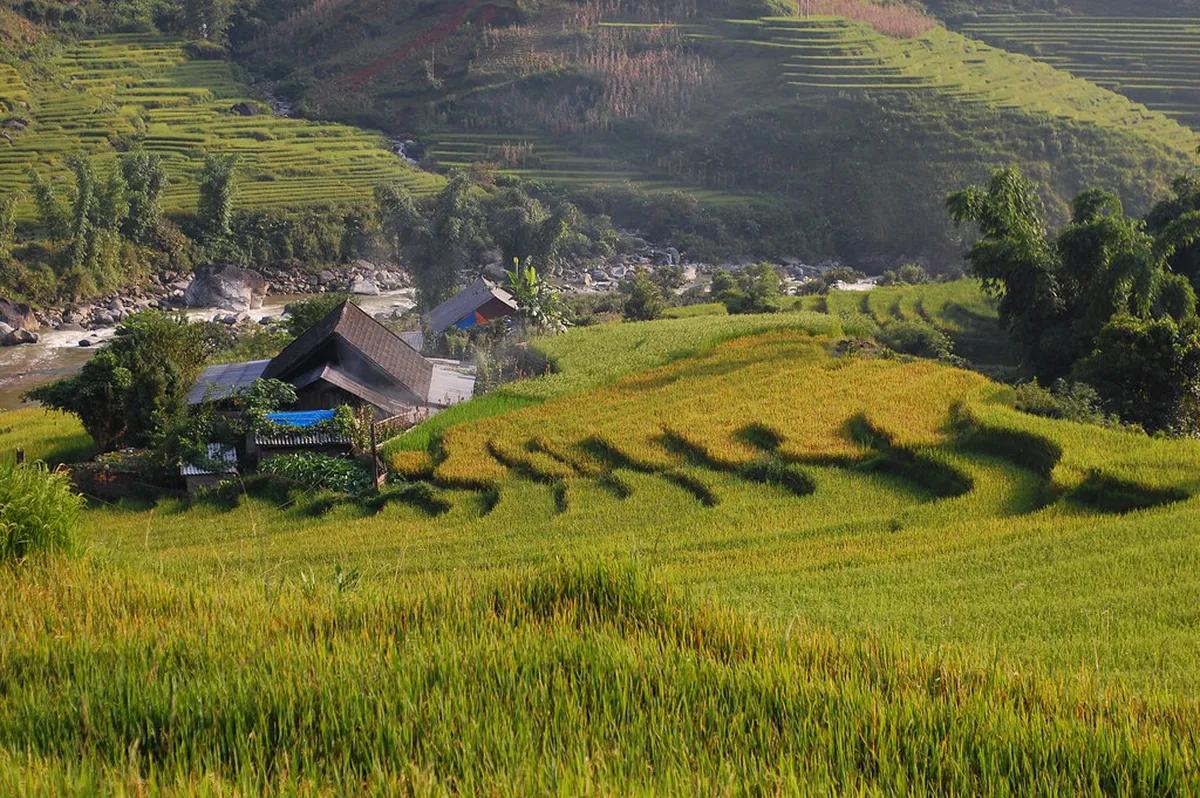
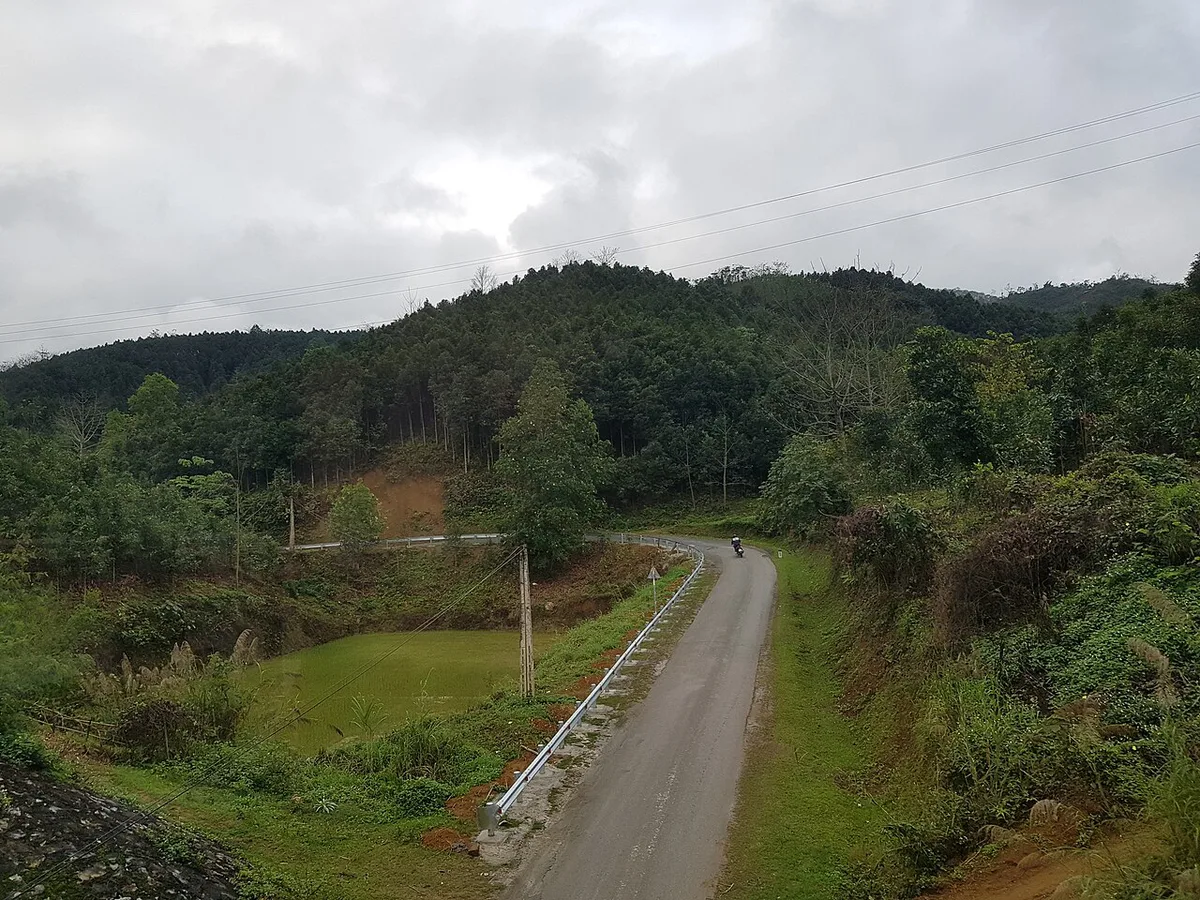
Featured image: j0055, CC BY 2.0, via Flickr.
Quick answer: the best time to visit Sapa
Autumn wins for most travelers. September to early October brings golden terraces, and skies often stay clear into November. Spring is the runner-up. From March to May, daytime temperatures usually sit around 15°C to 25°C (59°F to 77°F). One caveat applies in every month. Sapa sits at about 1,500 m (4,900 ft) in the Hoang Lien Son range, so fog, rain and cold can close down any day. Plan at least one spare day. For the terrace stages in detail, see our guide to the rice terrace season.
| Pick | Window | Why it works | Main risk |
|---|---|---|---|
| Best overall | September to early October | Golden terraces, firmer trails, clear skies | Crowds and higher prices |
| Runner-up | March to May | Mild days, blossoms, then flooded fields | Variable cloud and showers |
| Quietest | Late October to November | Cool, misty, fewer visitors | Fog on viewpoint days |
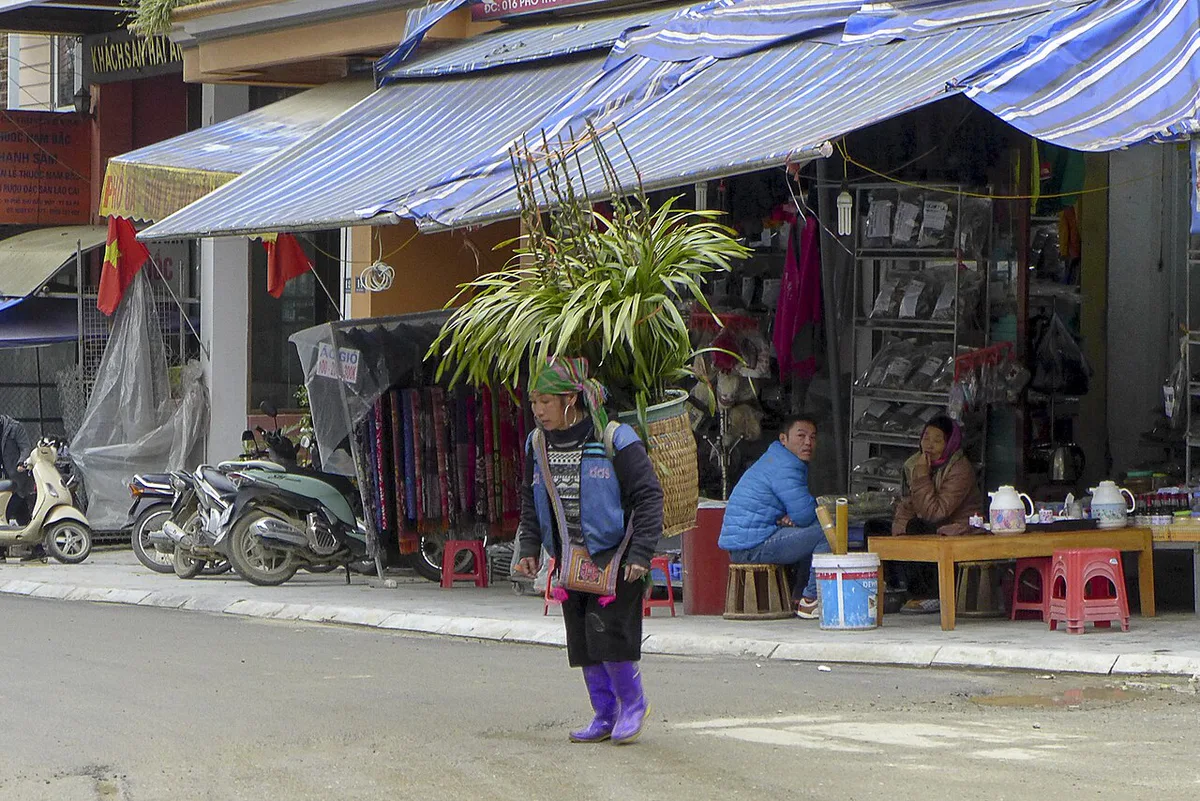
Best time to visit Sapa by goal: a decision table
"Best" depends on what you came for. Use this table to match your goal to a window, then check the backup if your dates are fixed. Dates are approximate and shift with elevation, valley and the year's weather.
| Goal | Best window | Backup window | Main risk |
|---|---|---|---|
| Golden terraces | Mid-September to early October | Late August or mid-October | Harvest starts early in some valleys |
| Flooded mirror fields | Late April to June | Early May | Showers break up reflections |
| Green terraces and waterfalls | June to August | Late May | Rain, slippery trails |
| Trekking comfort | March to May, September to November | Early December | Mud after rain |
| Blossoms | February to April | Late January | Timing shifts with winter cold and Tet |
| Cold, quiet atmosphere | December to February | Late November | Dense fog, closed views |
| Snow chance | Coldest weeks of December and January | None reliable | Snow is rare |
| Lower prices, fewer crowds | Weekdays in November or February | Weekdays in June | Weather gamble |
Sapa's seasons at a glance
Sapa has four distinct seasons, and the terraces change look in each. Vietnam's national meteorological service publishes forecasts and climate data. Reported temperatures differ between sources, so treat the ranges below as a feel, not a promise. Spring runs about 15°C to 25°C (59°F to 77°F). Summer is warm and wet, with highs that rarely top 30°C (86°F). Autumn is cooler and drier. Winter nights can approach 0°C (32°F), and the cold-weather picture is covered in our Sapa winter guide.
| Season | Terraces | Weather feel | Crowds | Trade-off |
|---|---|---|---|---|
| Spring (Mar-May) | Blossoms, then water-filled fields | Mild, variable | Busy on April weekends | Cloud can hide views |
| Summer (Jun-Aug) | Young rice, deep green | Warm, wet afternoons | Busy on school-holiday weekends | Slippery trails |
| Autumn (Sep-Nov) | Gold, then harvested | Cool, clearer | Peak in September | Higher prices |
| Winter (Dec-Feb) | Bare, frosted | Cold, foggy | Quiet except around Tet | Limited visibility |
Month-by-month guide
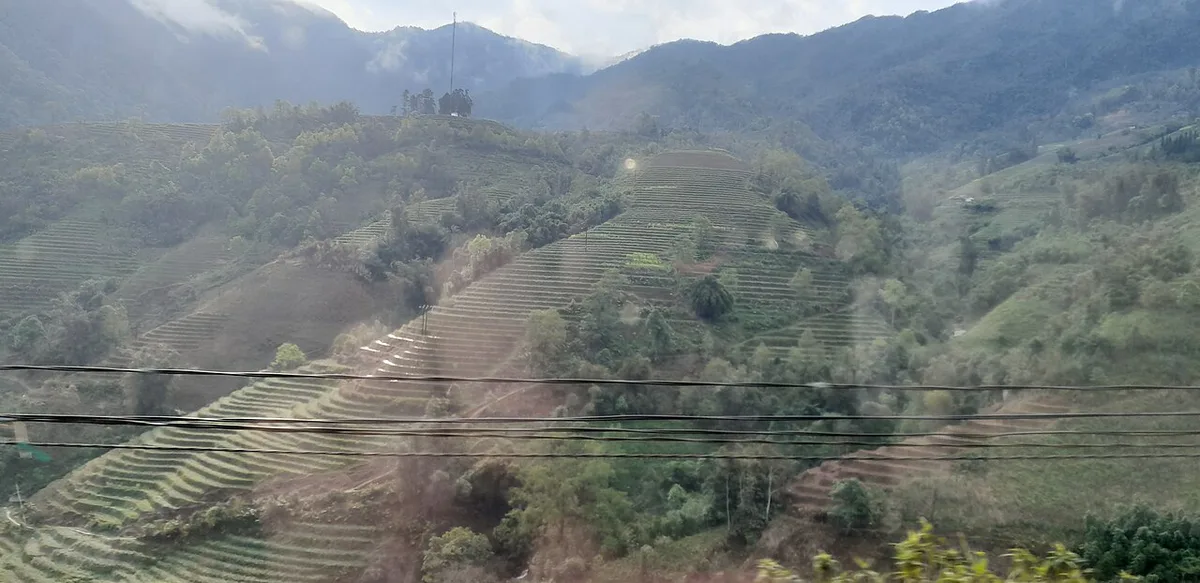
Each month below gives the weather feel, the fog or rain risk and the terrace look. Expect variation by year and by valley. For fuller climate detail, read our Sapa weather breakdown. December has its own page, our guide to Sapa in December.
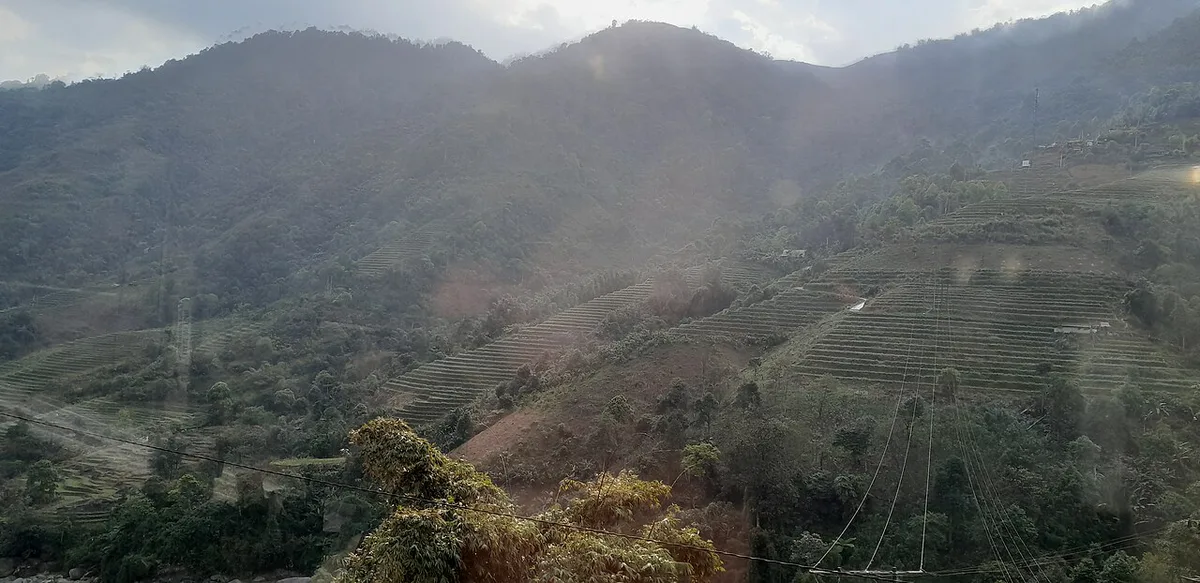
- January: coldest month, with nights near 0°C (32°F). Dense fog is common, terraces are bare, and early blossoms may appear. Frost is possible on high ground.
- February: still cold but softening. Peach and plum blossoms start in some years, and Tet can fall in this month. Expect fog and busy local travel around the holiday.
- March: cool and changeable, with flowers spreading across the hillsides. Light drizzle is common. Trails firm up, making it a good start to trekking season.
- April: mild days, blossoms and fresh green. Weekends fill up with domestic visitors. Early fields may begin to flood at lower elevations.
- May: terraces are filled for planting and give mirror reflections in many valleys. Showers pick up. Early mornings give the calmest water.
- June: flooded fields turn to young green. Rain becomes regular, and waterfalls run harder. Trails turn muddy after storms.
- July: warm and wet, with deep green terraces. School holidays raise weekend demand. Plan treks for mornings, before afternoon showers.
- August: green peak, with heavy rain possible and strong waterfalls. Some early ripening shows at the end of the month. Keep a rain shell at hand.
- September: golden terraces appear in many valleys and clear days become more frequent. This is the photographer's month, with the most visitors to match.
- October: gold fades to harvested stubble from early in the month. Skies are often clear, with cooler mornings. Quieter than September.
- November: cool, dry and often misty at dawn. Terraces are bare. Late in the month, fog begins to settle in for winter.
- December: cold, foggy and quiet, with Christmas lights in town. Snow chance is small. Pack real layers for evenings.
Rice terrace calendar
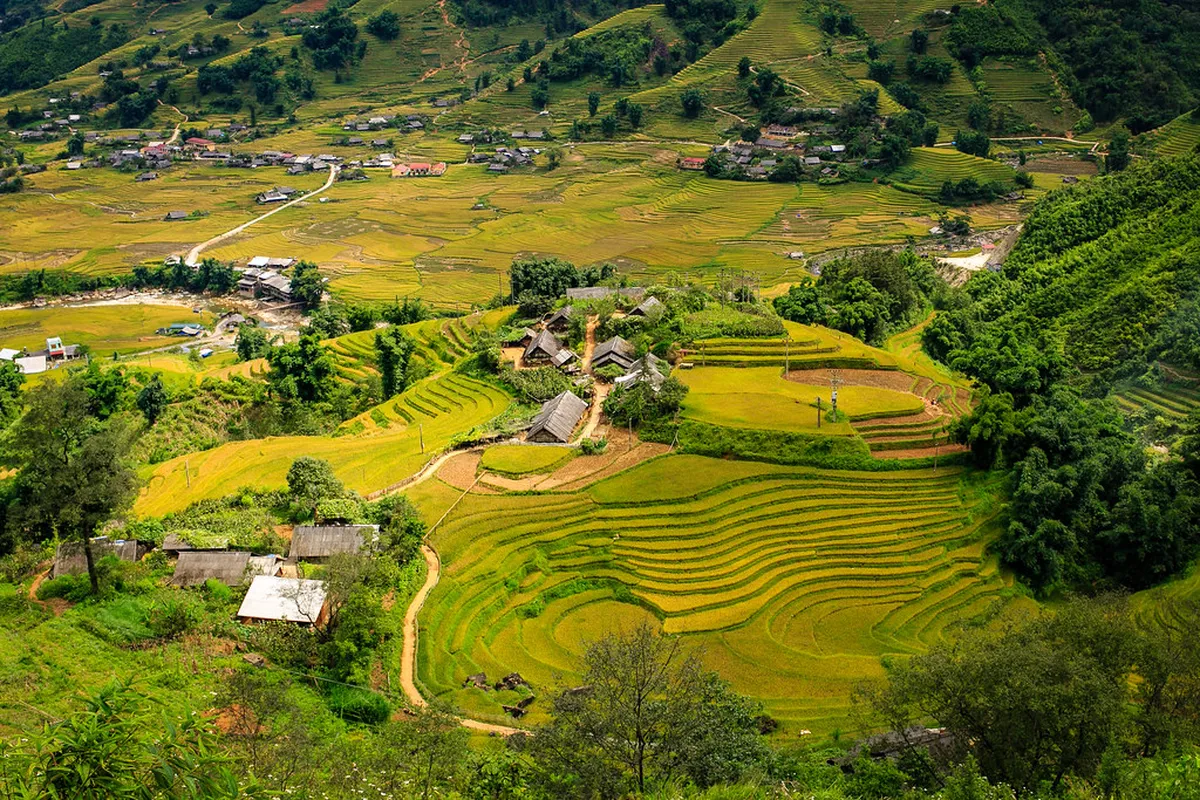
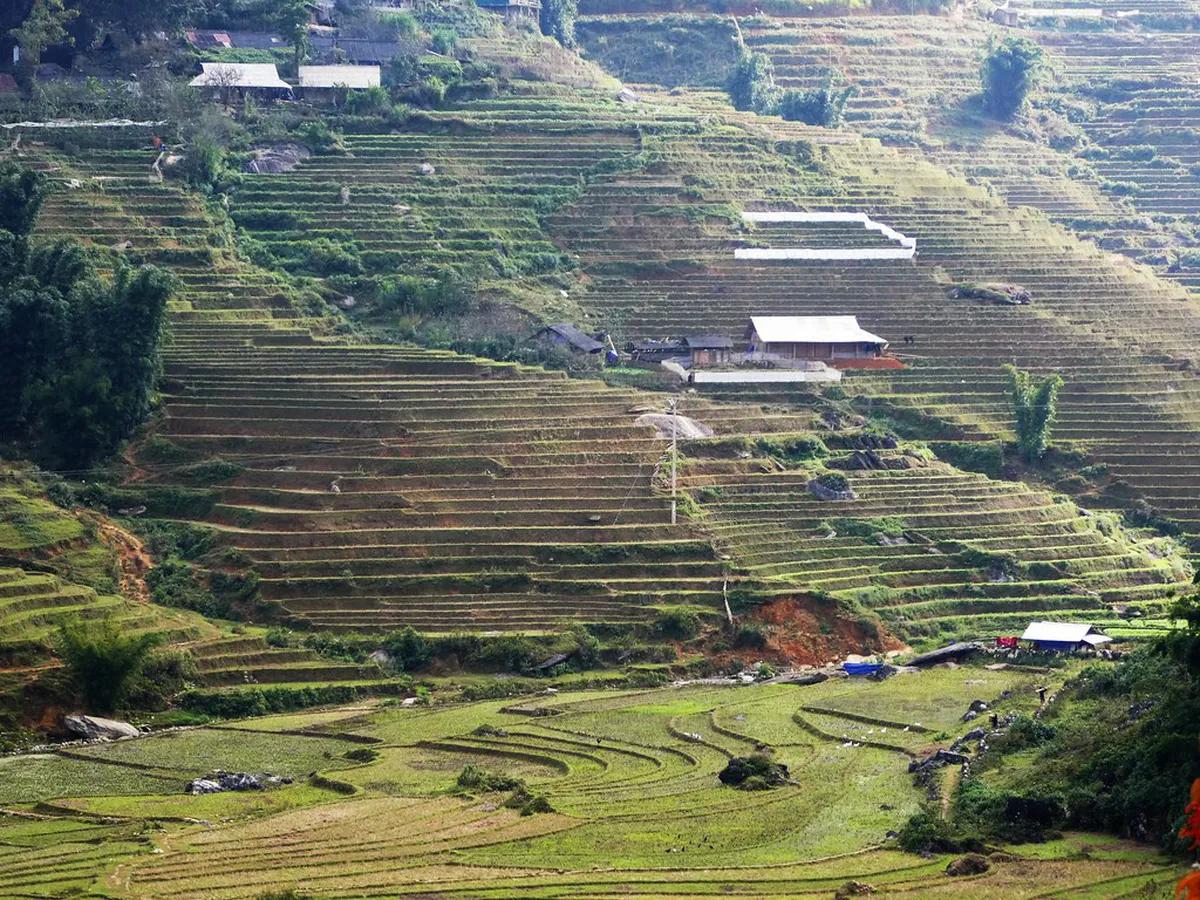
Terraces move through five stages. Water comes first, usually late April to June, when farmers flood the fields before planting. Young rice then turns the slopes green through summer. Golden ripening follows, often from late August and peaking in September. Harvest runs into October. Fields then stay bare through winter and early spring. Muong Hoa Valley, Ta Van and Lao Chai are the usual viewing areas. Timing varies by elevation, so lower fields turn gold earlier. If gold is your goal, aim for mid-September and keep a few spare days. Our rice terrace calendar goes valley by valley.
Does it snow in Sapa?
Rarely. Snow is not reliable, and it should never anchor a trip. Odds are highest on high ground such as the Fansipan massif in the coldest weeks of December and January. In town, frost and ice are more likely than snowfall. Nights can drop near 0°C (32°F). If snow does not come, you still get cold, atmospheric fog and quiet trails. Our winter planning page covers what to pack and do.
Fog, rain and visibility: how to plan around them
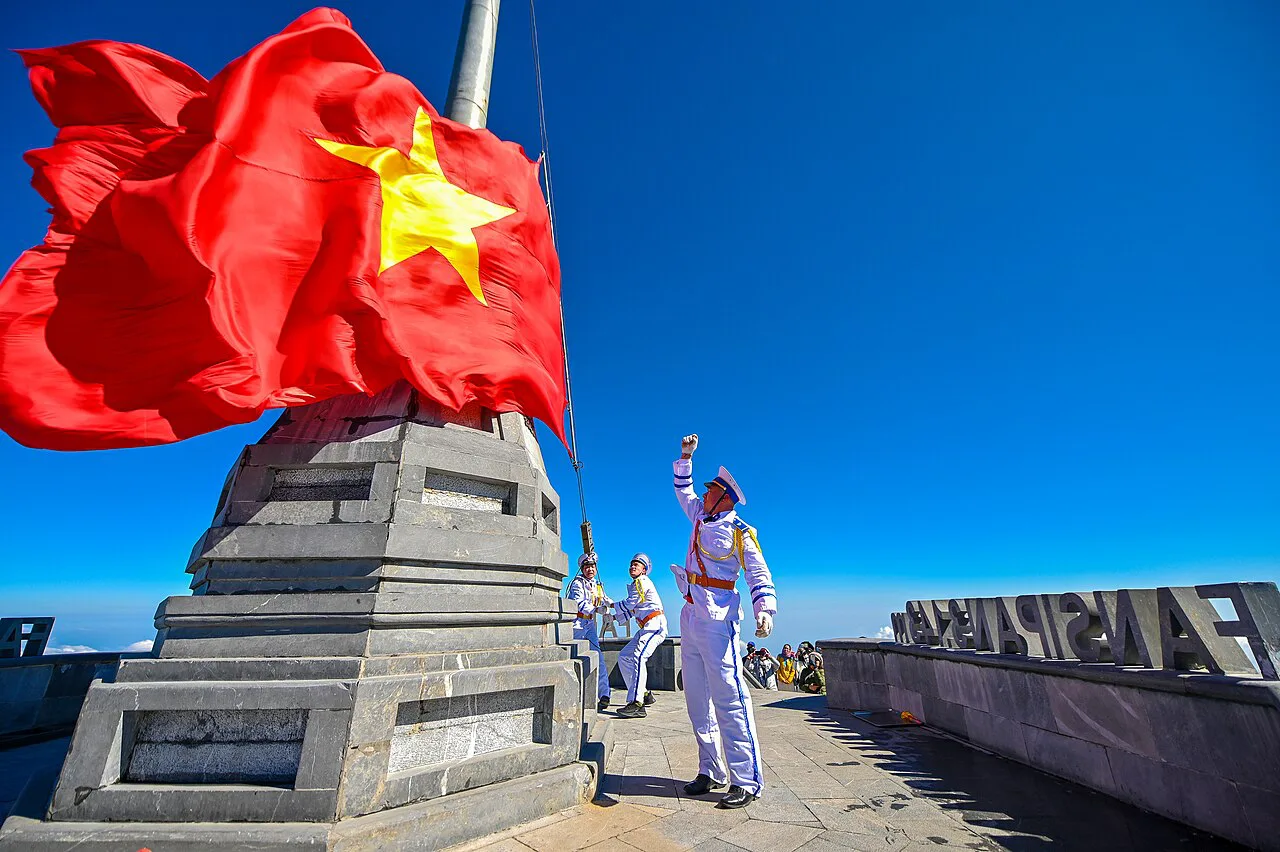
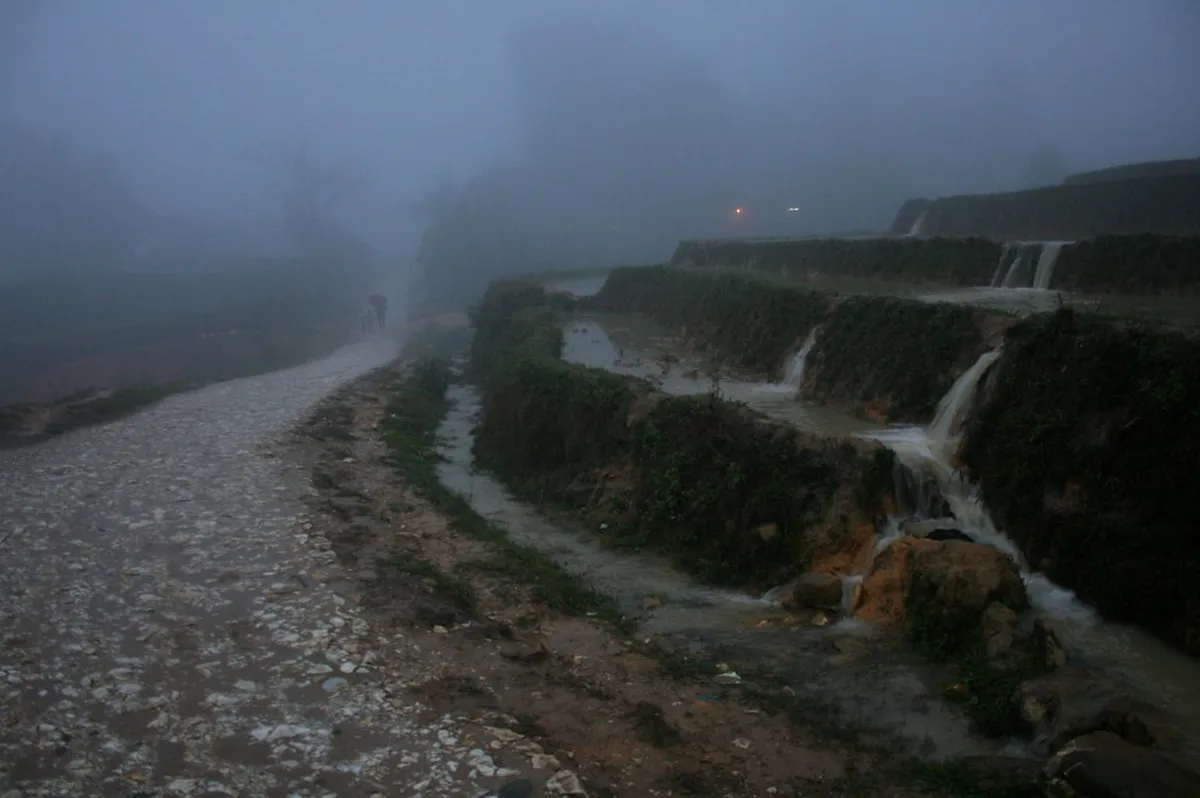
Fog and cloud decide whether a viewpoint day is worth it. Fansipan stands at 3,143 m (10,312 ft), and summit views can vanish within minutes. Tram Ton pass can be clear on one side while Sapa is fogged in. Hold your viewpoint plans until you have seen a morning forecast. Do them on the clearest day of your stay. Keep a village trek as the fallback. Cat Cat Village is a good wet-day swap. The walk down takes about 45 minutes and the climb back about 1 hour. Entry is ₫150,000 for adults, based on 2026 listings. Prices and hours checked November 2026. Rain trips can still work, since waterfalls run at full force in summer. Expect slippery trails, so pick short, well-marked routes. Month detail sits in our weather guide. December fog is covered in our December page.
Fansipan tickets run ₫800,000 on weekdays and ₫850,000 on weekends and public holidays, so a weekday summit visit costs less.
Crowds, prices and booking lead time
Demand follows weekends, Vietnamese school holidays, the autumn photo season and Tet. Weekdays in shoulder months are the quietest and cheapest. Fansipan Legend cable car adult tickets were listed at ₫800,000 on weekdays and ₫850,000 on weekends and public holidays in 2026 listings. That is a ₫50,000 swing per ticket for the same ride. Accommodation follows the same pattern, usually higher in September and on April weekends. Book golden-window and Tet stays several weeks ahead. Weekday stays in late October or November need less notice. Saturday evenings around the stone church in town are the busiest of the week. For the cable car, check the operator's official site for current rates and maintenance closures.
Getting to Sapa by season
Sapa is reached through Lao Cai, about 38 km below town. Hanoi is roughly 320 km away. Reported train times from Hanoi to Lao Cai run 8 to 9 hours overnight. Direct buses and limousine vans reported 5 to 6 hours. Sources vary, so check current schedules with the operator. A night train can save a hotel night but costs sleep. A bus arrives sooner, but the mountain stretch is slower in fog. Wet-season landslides and delays are more likely from June to August. Build a buffer into your return day. If weather costs you a day, swap in village walks, cafes or a market visit. Vietnam's national tourism authority lists general planning information.
How many days to stay
Two days is the minimum, but it leaves no room for fog. Three days lets you do a village trek, a viewpoint day and one spare day. Four or more days suits multi-day treks and gives the best odds at clear views. Add a day in summer and in winter, when weather swings widest. In September, you can book fewer days, since skies are more reliable. Local villages and events are listed on the Lao Cai province portal.
Direct buses from Hanoi are reported at 5 to 6 hours, so a two-day stay leaves little margin for fog or delays.
What to pack by season
Spring and autumn call for light layers, a waterproof jacket and grippy trekking shoes. Summer adds a poncho and quick-dry clothing. Winter needs thermal underlayers, a heavy jacket and gloves, since nights can fall to 0°C (32°F). Carry some cash in dong for markets and small vendors, because remote areas use cash more than cards.
Common mistakes to avoid
Most Sapa disappointments come from rigid plans. Avoid these.
- Booking only one night, which leaves no room for fog.
- Planning a Fansipan day with no weather fallback.
- Assuming snow will fall.
- Arriving for golden terraces after harvest has begun.
- Ignoring weekend crowds and higher prices.
Building the rest of the trip? Our Sapa attractions guide covers the sights, districts and logistics around this guide.
Best time to visit other cities
Frequently Asked Questions
Is it worth going to Sapa in the rain?
Yes, if you adjust your plans. Summer rain turns terraces deep green and sends waterfalls surging. Trails get slippery, so choose short, marked routes and start early. Keep a flexible spare day for the clearest window.
Explore More Sapa Guides
Keep planning your Sapa trip with these guides.
Sapa Guides
Useful notes for your Vietnam trip
Optional updates to our guides.
You might also like
Continue reading
More guides you'll find useful