Best Time to Visit Ninh Binh: Month-by-Month Guide
Choose your Ninh Binh month by weather, rice color, crowds and boat conditions, with a month-by-month table and a fallback for fixed dates.
On this page
Last updated November 2026: the best time to visit Ninh Binh is April or November, when days are warm but not hot and rain is light. Choose late May to early June instead if golden rice around Tam Coc matters more than comfort. Avoid August and September, when rain peaks and boat trips can be suspended during storms.
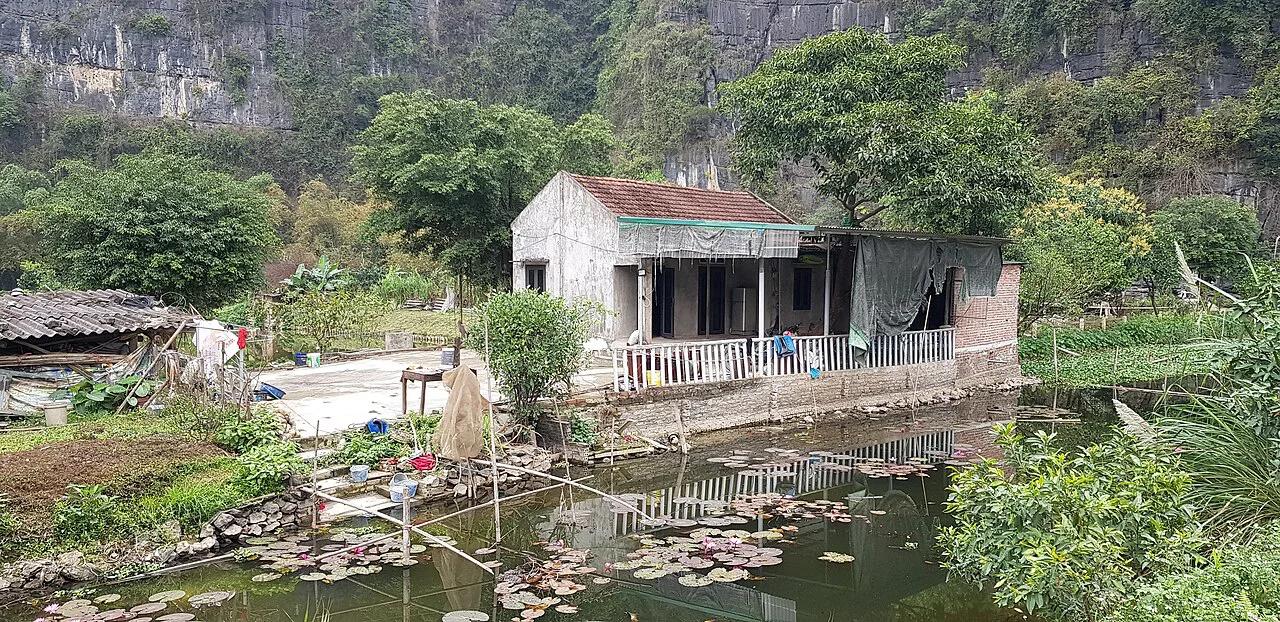
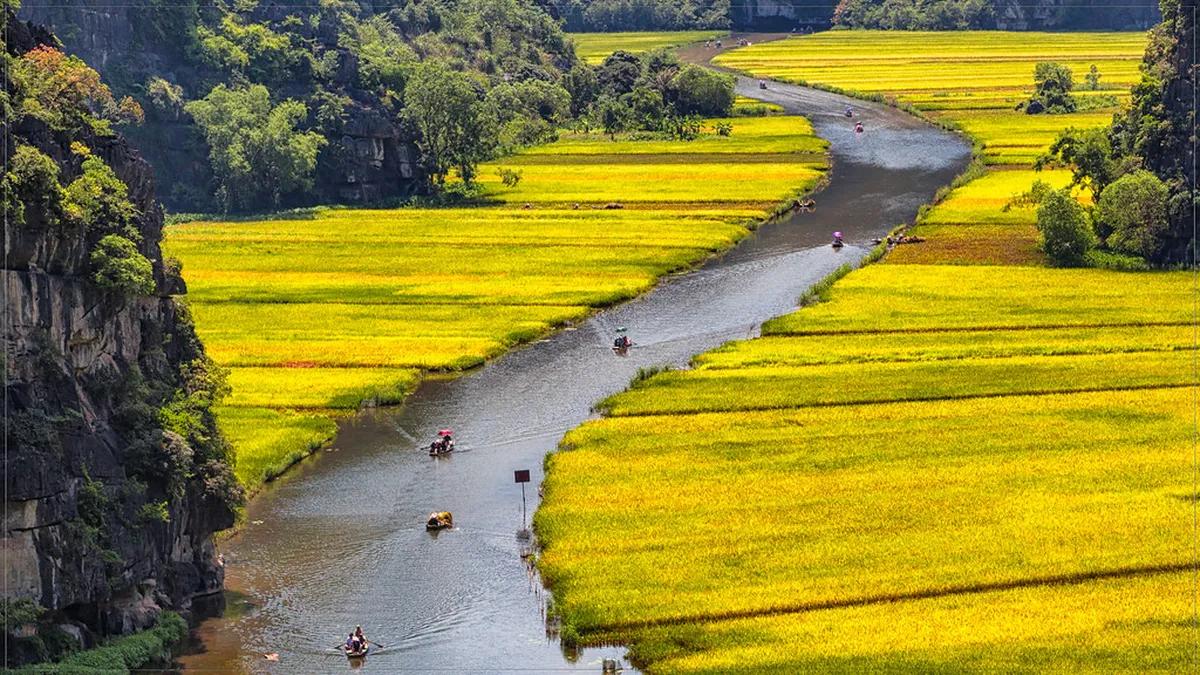
Featured image: Andre Hospers, CC BY 4.0, via Wikimedia Commons.
Short answer: the best time to visit Ninh Binh
Pick April or November for the easiest trip. Both months are warm without the summer heat, with little rain and plenty of sunshine for boats, bikes and walking. April averages a 27°C (81°F) daily high and 74 mm of rain. November averages 25°C (77°F) and 67 mm. For golden fields around Tam Coc, aim for late May to early June, when highs reach 31°C (88°F) to 33°C (91°F). Skip August and September if you can. Those are the wettest months, at 315 mm and 362 mm on average. Our seasons, stated once: winter is December and January, spring is February to April, summer is May to August, and autumn is September to November.

- Most comfortable overall: April and November.
- Golden rice photos: late May to early June.
- Fewest weather risks for boats: October to April.
- Avoid if you can: August and September storm season, and the Tết holiday crowds.
- Winter: dry but cool and often grey, so pack layers.
Ninh Binh by month: weather and what you will see
Highs and rainfall below are long-term averages published through the Vietnam Institute for Building Science and Technology. Prices and hours in this guide were checked November 2026. For live forecasts and storm warnings, use the national weather service. Regional tables put overnight lows near 15°C (59°F) in January and 16°C (61°F) in December. For more on each month, read our month-by-month climate detail.
| Month | Average high | Rain | Scenery and mood | Best for / watch-out |
|---|---|---|---|---|
| January | 20°C (68°F) | 28 mm | Cool, dry, often grey | Quiet cycling; pack layers |
| February | 20°C (68°F) | 26 mm | Mist, haze, Tết crowds | Festivals; book early around Tết |
| March | 23°C (73°F) | 46 mm | Drizzle and haze | Pagoda pilgrimages; flat light |
| April | 27°C (81°F) | 74 mm | Warm, mostly dry | Best all-round month |
| May | 31°C (88°F) | 169 mm | Hot; rice turns gold late | Rice photos; start early |
| June | 33°C (91°F) | 210 mm | Gold early, then harvest | Photography; heat and storms |
| July | 33°C (91°F) | 236 mm | Hot, humid, downpours | Short boat trips, indoor breaks |
| August | 32°C (90°F) | 315 mm | Storm season | Flexible bookings only |
| September | 31°C (88°F) | 362 mm | Wettest month | Closures possible; avoid if you can |
| October | 28°C (82°F) | 219 mm | Rain easing, still warm | Good value, check the forecast |
| November | 25°C (77°F) | 67 mm | Dry and mild | Best all-round month |
| December | 22°C (72°F) | 29 mm | Cool, dry, reed fields | Clear days; cold mornings |
Season comparison: comfort, crowds and cost
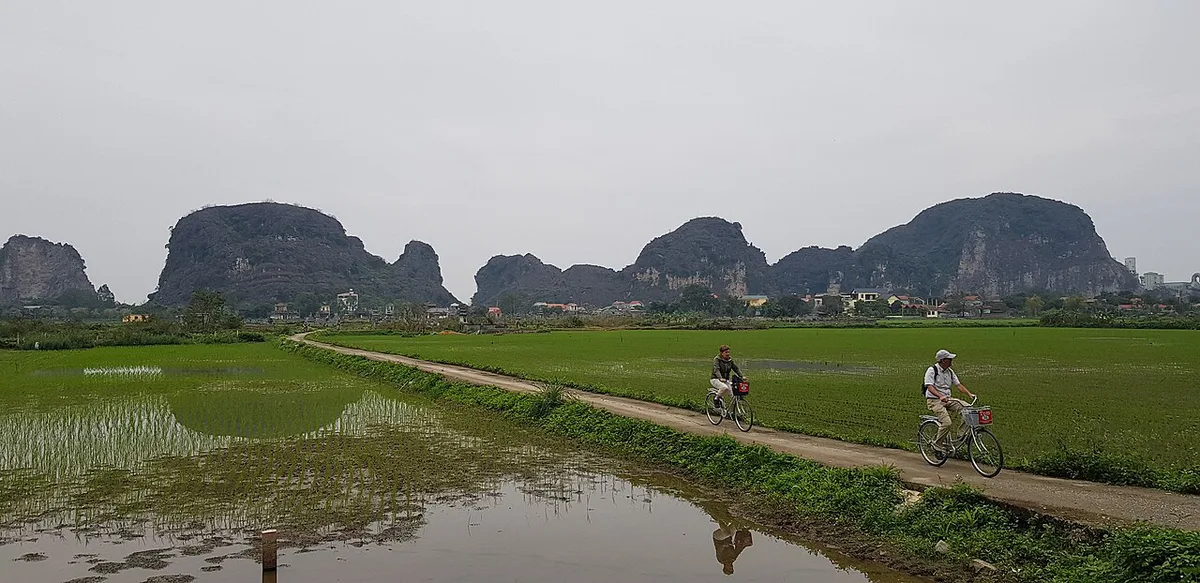
Boat tickets are the one fixed cost you can plan around. Trang An's adult ticket is 300,000₫ with the boat included, per the Trang An Landscape Complex Management Board list checked October 2026. Tam Coc is reported at 250,000₫. Rooms are where the season shows up. Tết, spring festival weekends and the late May rice window are busiest, so expect tighter availability and higher rates then. We have no sourced nightly rate, so compare the same dates across booking sites before you commit.
| Season | Typical highs | Rain | Crowds | Cost pressure | Main trade-off |
|---|---|---|---|---|---|
| Winter (Dec–Jan) | 20–22°C (68–72°F) | 26–29 mm a month | Moderate | Lower, except Tết run-up | Dry but grey and cold |
| Spring (Feb–Apr) | 20–27°C (68–81°F) | 26–74 mm | Heavy around Tết and festivals | Higher on festival weekends | Mist and drizzle early, warmer by April |
| Summer (May–Aug) | 31–33°C (88–91°F) | 169–315 mm | Peak in late May for rice | Higher for rice weeks | Heat, humidity, storms |
| Autumn (Sep–Nov) | 25–31°C (77–88°F) | 67–362 mm | Light in Sept, rising in Nov | Lowest in Sept, rising by Nov | Storm risk early, calm late |

Pick by priority: which month fits your trip
Match the month to the one thing you cannot compromise on. Gold rice and comfortable walking rarely coincide. The matrix below shows the best window for each priority, plus a fallback.
| Priority | Best window | Fallback | Watch-out |
|---|---|---|---|
| Gold rice photos | Late May to early June | Late April for green fields | Heat; the gold lasts only two or three weeks |
| Boat rides (Trang An, Tam Coc) | April, October to November | December to January | Suspensions during August and September storms |
| Hang Múa climb | November to April | Early morning in May | About 500 steps, hot and slippery after rain |
| Cycling | November to April | Dawn rides in May | Heat from May; mud after downpours |
| Lotus | June | Skip if wet | Sources vary on peak weeks |
| Avoiding crowds | Mid-week, October to January | Dawn starts | Tết and festival weekends |
| Budget | September, off-peak weekdays | November weekdays | Weather risk is the price of savings |
| Winter light and mist | December to February | March | Cold mornings and grey skies |
Spring (February–April): mist, drizzle and festivals
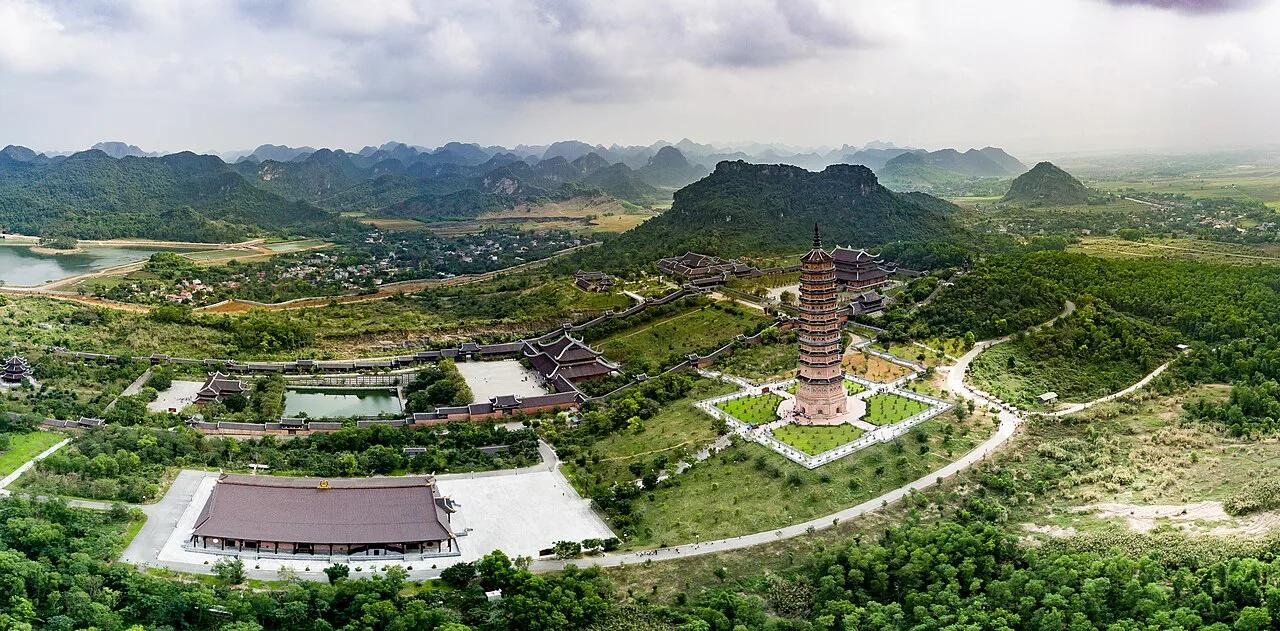
February brings a 20°C (68°F) average high, just 26 mm of rain and the Tết holiday. Historic sites fill with Vietnamese families then, so book rooms and transport well ahead. March warms to 23°C (73°F) but brings drizzle and haze, which flatten long views from Hang Múa. Pilgrimage season runs through the Bái Đính festival, which lasts until the end of the third lunar month. Hoa Lu and other spring pagoda festivals follow the lunar calendar, so check each year's dates on the national tourism site. By April, highs reach 27°C (81°F) with 74 mm of rain. That makes April the best month to combine a boat trip, a bike ride and a climb in one day.
Summer (May–August): heat, gold rice and rain
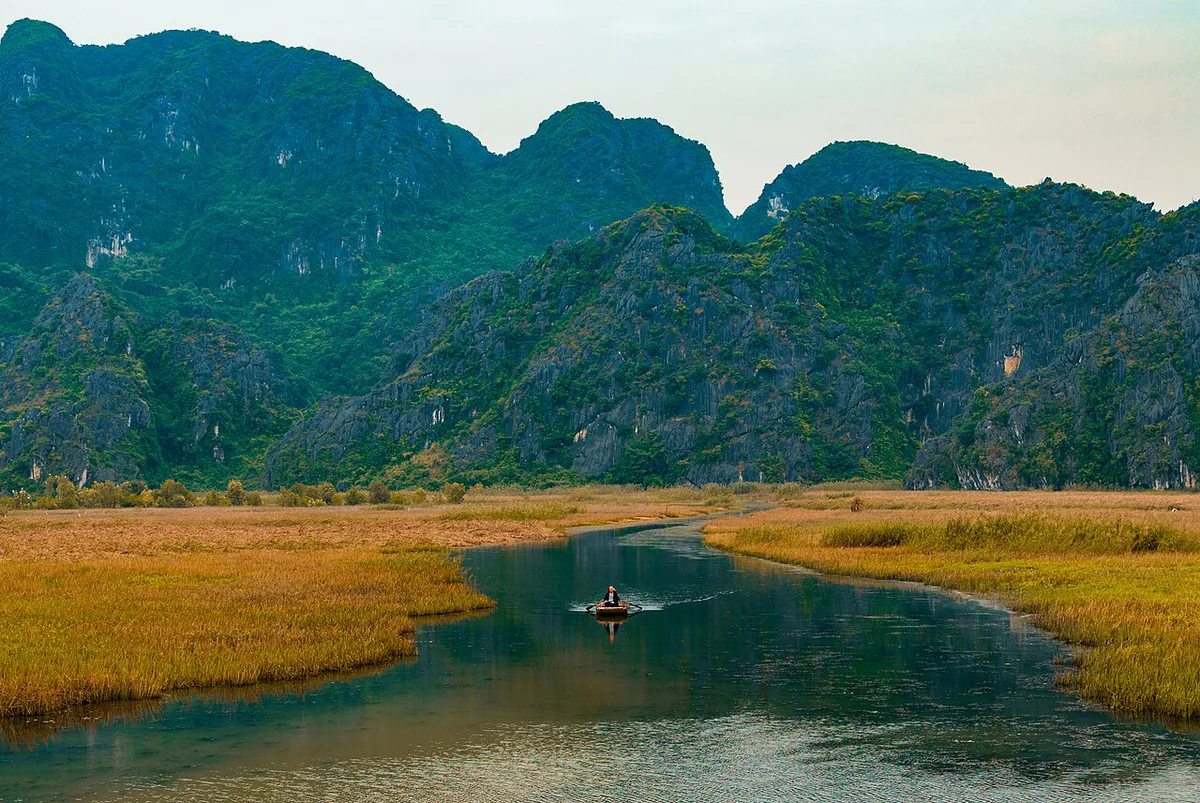
May is hot at 31°C (88°F), with 169 mm of rain. Late May and early June are the most photogenic weeks, when rice along the Ngo Dong River at Tam Coc turns gold. Older guides give other harvest windows, so treat late May to early June as the plan and anything else as a bonus. Read our guide to rice and photography timing before you book. June and July hit 33°C (91°F) with 210 mm and 236 mm of rain. Start at dawn, and save Hang Múa's 500 steps for the first hours of the day. Bích Động's rock-cut steps get slippery after rain. For heavy-rain days, see our notes on wet-season planning.
Autumn (September–November): storms, then the best weeks
September is the wettest month, averaging 362 mm and a 31°C (88°F) high. Trang An boat trips were suspended during storms in August and September 2026, so build slack into any booking. October eases to 219 mm and 28°C (82°F), which makes it a good-value month if the forecast holds. November is the second sweet spot: 25°C (77°F), 67 mm and dry, mild days. Some guides promise autumn gold in September and October. Others describe one rice crop a year, green in spring and harvested by early June. Do not plan a trip around autumn rice.
Winter (December–January): cold, dry or grey?
Guides disagree on winter. Some warn against December to February drizzle. Climate averages show December as the driest stretch, at 29 mm with a 22°C (72°F) high, and January at 28 mm and 20°C (68°F). Both are true in their own way: the days are dry, but skies are often grey and mornings are cold. Cold snaps can push temperatures below 10°C (50°F), especially late in the year. Reed fields bloom in this season and can look striking in low light. Pack a warm layer for early boat rides. For month-specific advice, read our notes on December specifics.
Trang An vs Tam Coc by season
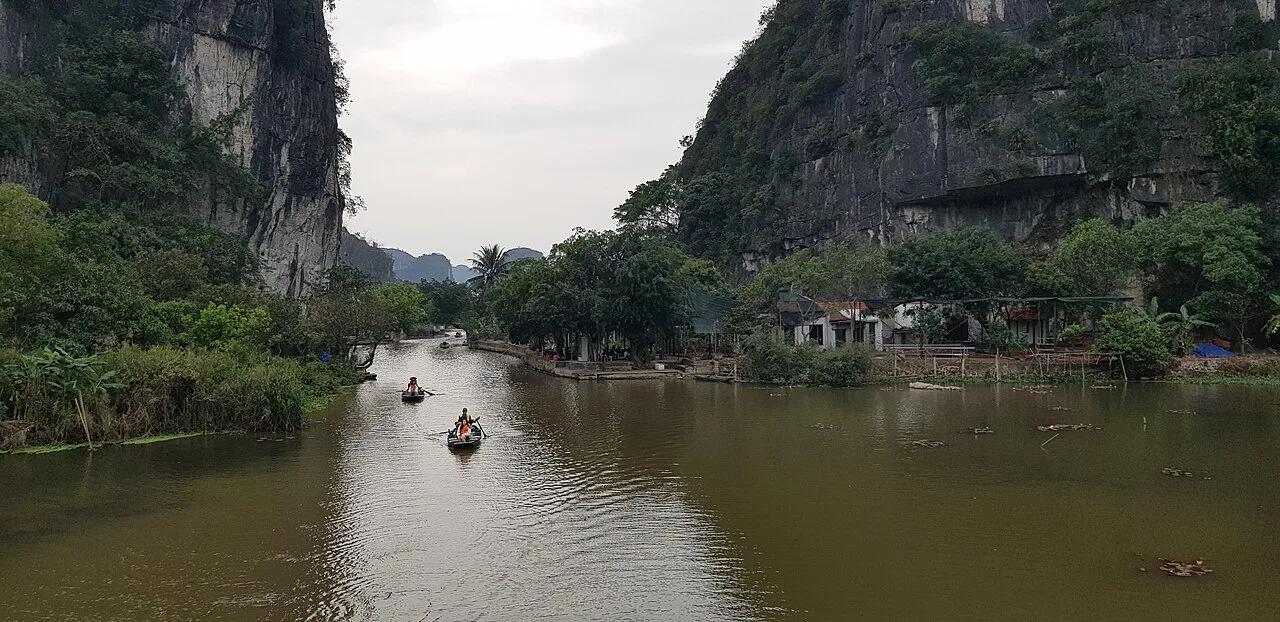
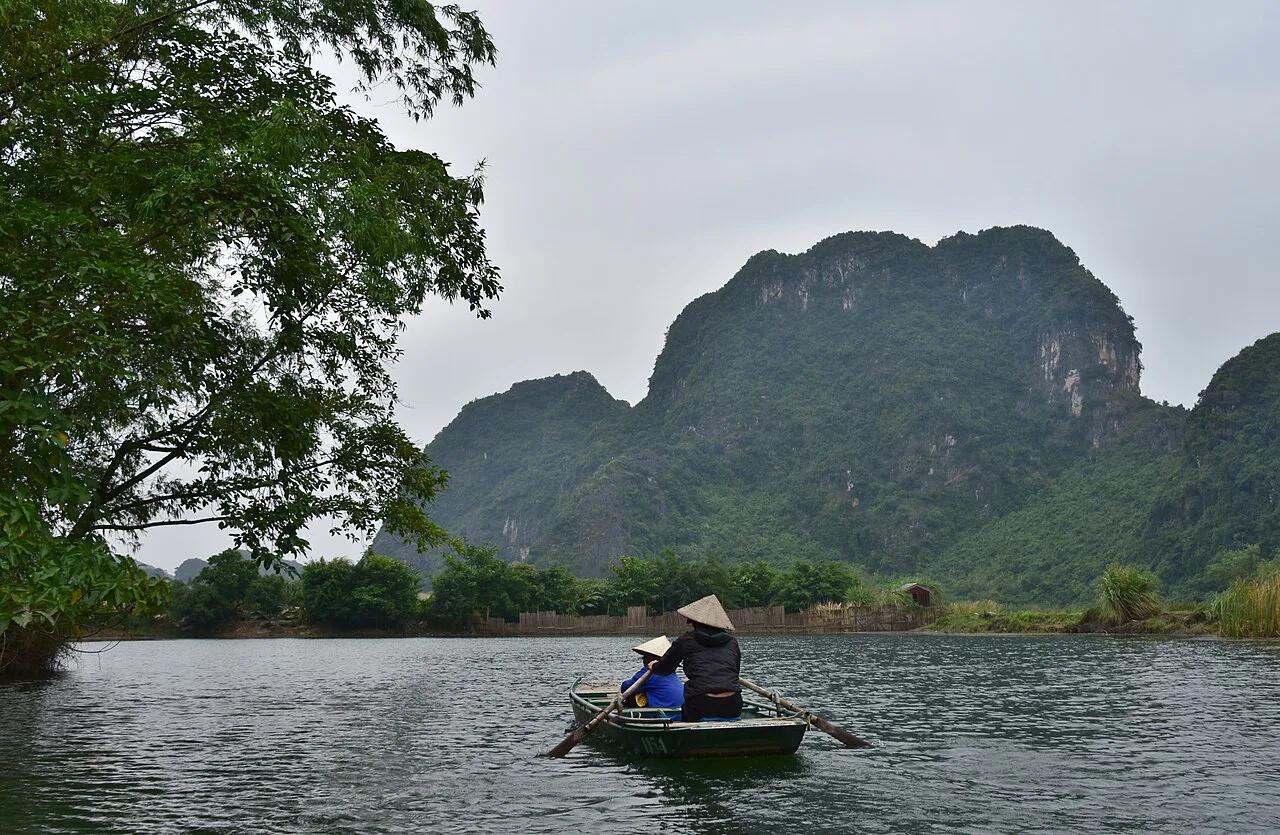
Trang An offers a 2 to 3.5 hour boat trip with three route choices, up to nine caves and three temple stops on every route. Tam Coc is about 2 hours on one out-and-back route through three caves. Trang An's caves and karst valleys look good in every season. Tam Coc is at its best only while the rice is gold. Do both if you have two days, and put Tam Coc in the late May window. In heat, pick the shorter Trang An route and go early. In winter or rain, Trang An's cave-heavy scenery holds up better than open paddies.
- Late May to early June: Tam Coc first, for the gold fields.
- April and November: Trang An on its longest route.
- July to September: shortest route, early start, flexible plans.
- December to January: Trang An, with a jacket for the water.
If your dates are fixed: what to shift
You can still have a good trip in a bad month. Change the start time, the order of stops and your packing rather than the destination. Each season needs one adjustment.
Starting by 6:30 a.m. in summer lets you climb Hang Múa's 500 steps before the midday heat arrives.
- Winter: swap dawn boat rides for late-morning starts and bring layers.
- Spring: put Hoa Lu and temple visits on drizzly days, and climbs on clear ones.
- Summer: start by 6:30 a.m., climb Hang Múa first, then rest at midday.
- Autumn: keep a spare day in case Trang An suspends boats during a storm.
Planning around the weather: stay length, Hanoi and bookings
Ninh Binh lies about 90 km south-east of Hanoi, roughly two hours by train from Hanoi Central Station or by bus from Giap Bat. A day trip can cover one boat ride and Hoa Lu, but it feels compressed. One night is a sensible minimum. Two nights let you combine Trang An and Tam Coc, cycle the countryside and climb Hang Múa. Ninh Binh is both a city and a province, and the province merged with Hà Nam and Nam Định on 1 July 2025. For storm months, choose free-cancellation rooms and avoid prepaying non-refundable tours. Pack rain gear and shoes with grip from May to September, and layers from December to February.
Ninh Binh lies 90 km south-east of Hanoi, and a 2 to 3.5 hour boat trip at Trang An leaves little room for a day trip.
Mistakes to avoid when timing Ninh Binh
Most timing problems come from a single assumption. These are the ones that cost travelers a day.
- Booking only for the rice with no fallback plan.
- Ignoring winter cold on early boat rides.
- Climbing Hang Múa at midday in summer.
- Taking a Hanoi day trip in peak heat with no shade breaks.
- Booking Tết week without reserving rooms and transport early.
Explore More Ninh Binh Guides
Keep planning your Ninh Binh trip with these guides.
Ninh Binh Guides
Building the rest of the trip? Our Ninh Binh attractions guide covers the sights, districts and logistics around this guide.
Best time to visit other cities
Useful notes for your Vietnam trip
Optional updates to our guides.
You might also like
Continue reading
More guides you'll find useful