Cat Cat Village, Sapa: Worth Visiting? Guide & Tips
Cat Cat Village near Sapa: how to get there, the walk back up, what to expect, and who should skip it. Check current costs before you go.
On this page
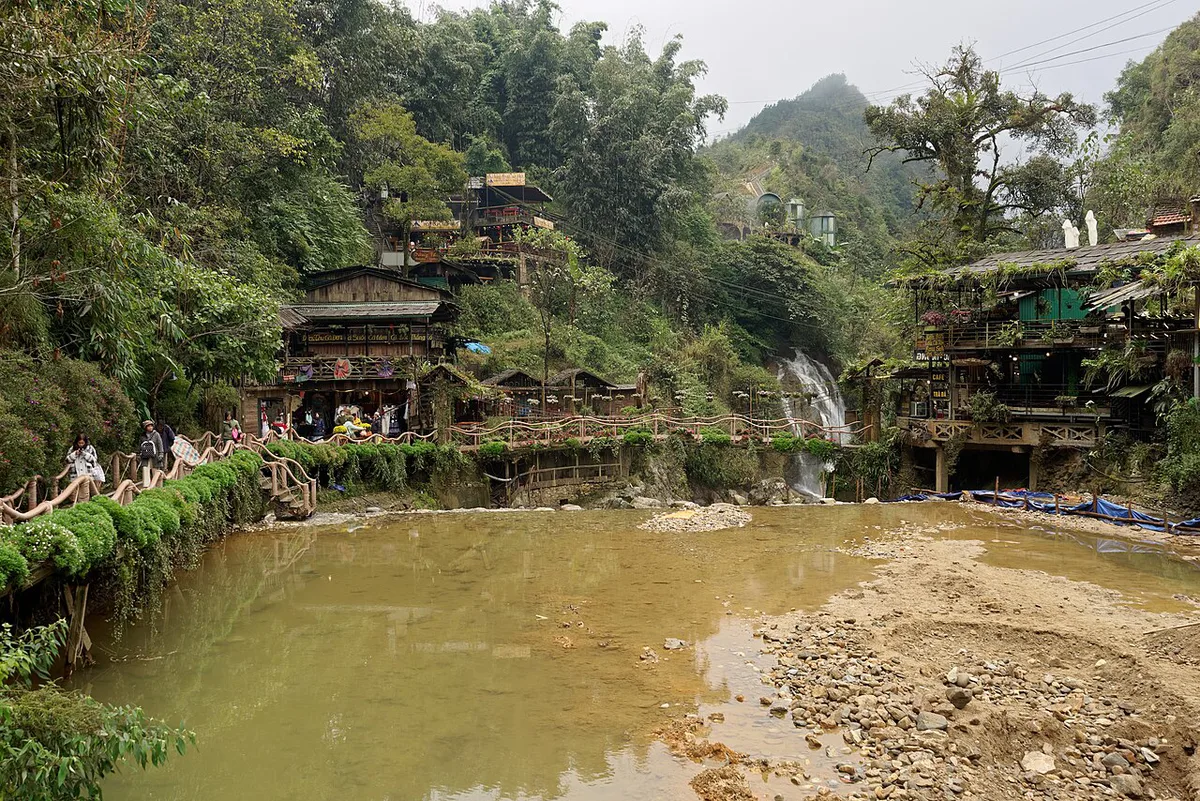
Last updated November 2026: cat cat village is the H'mong settlement in the valley below Sapa town, reached on foot along the stepped path from the end of Cau May Street. It rewards a half-day with an easy walk down and a hard climb back. This guide gives a verdict, compares the ways back up, and answers the tourist-trap question.

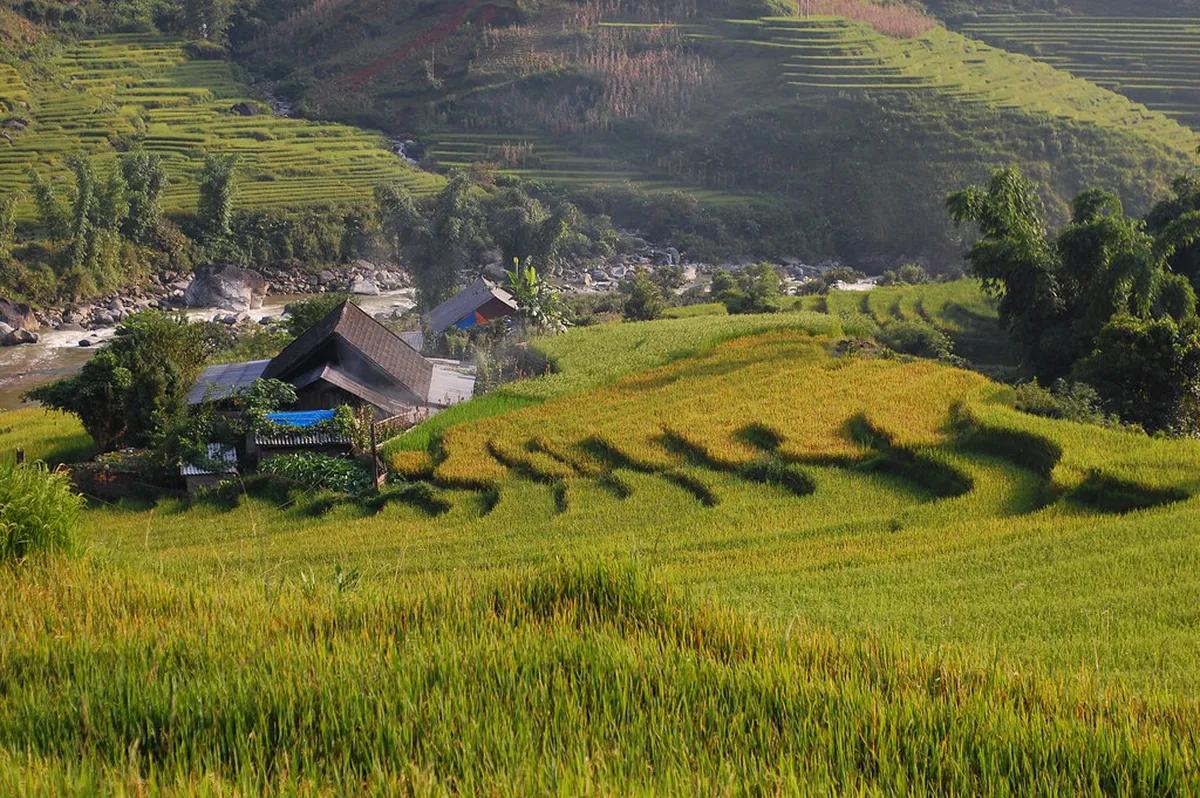
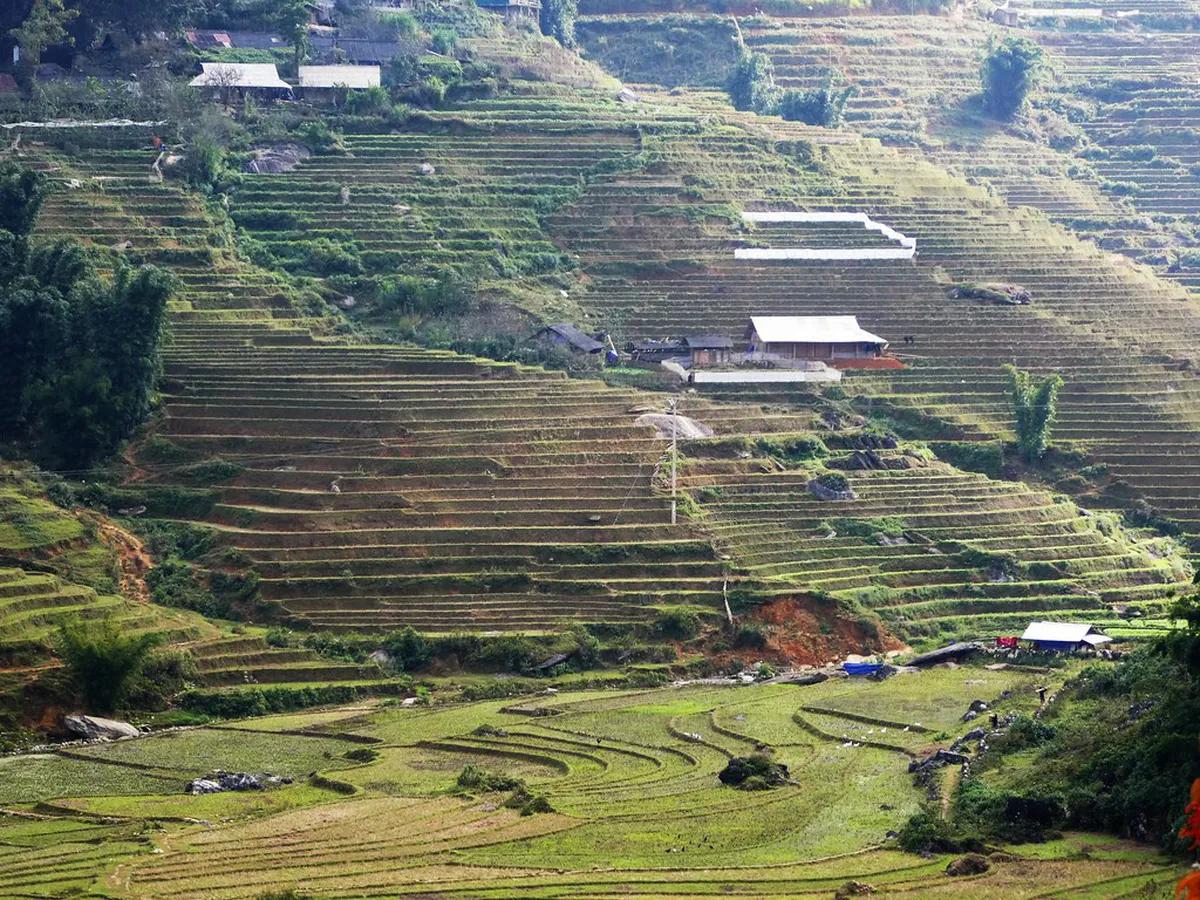
Featured image: Ekrem Canli, CC BY-SA 3.0, via Wikimedia Commons.
Quick Answer: Is Cat Cat Village Worth It?
Yes, if you want an easy first walk out of town and a look at a H'mong settlement. No, if you expect an untouched hamlet. Cat Cat is set up for visitors, with a paved route, stalls and a waterfall as the main rest stop. It suits first-time visitors, families with older children and anyone with a spare half-day in Sapa. Travelers who want quiet should look further out. Our full Sapa planning guide shows where Cat Cat fits among the other options.
- Go if: you can handle many steps on the way back, and you want a short outing from Sapa town.
- Skip if: knees or fitness make a long stair climb miserable, or you want a village with no souvenir trade.

What You'll Actually See
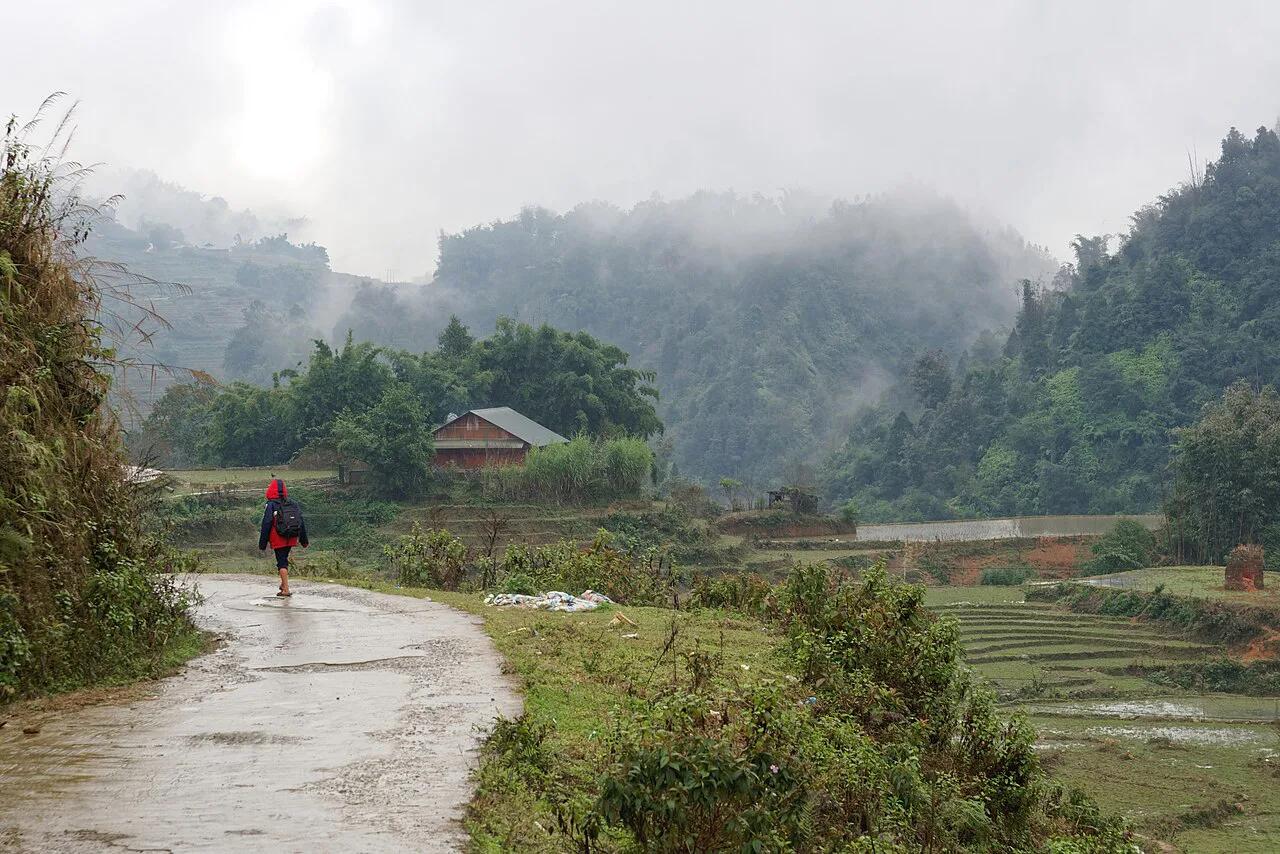
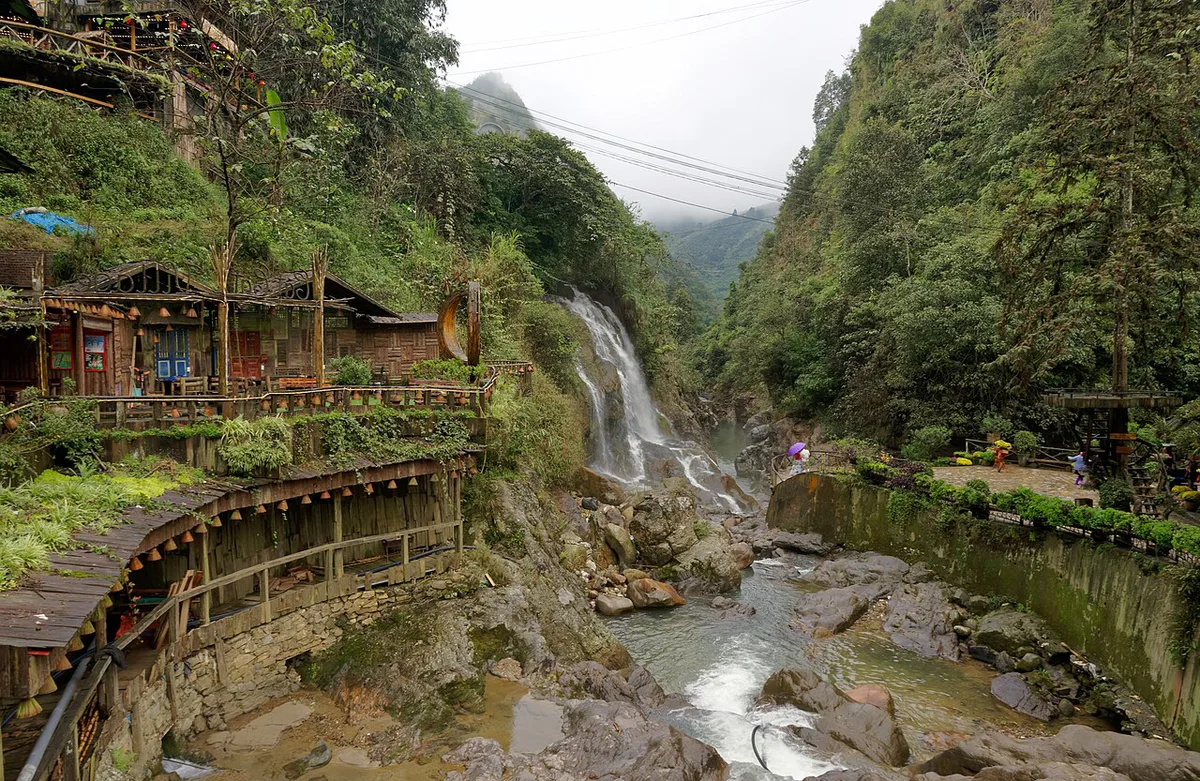
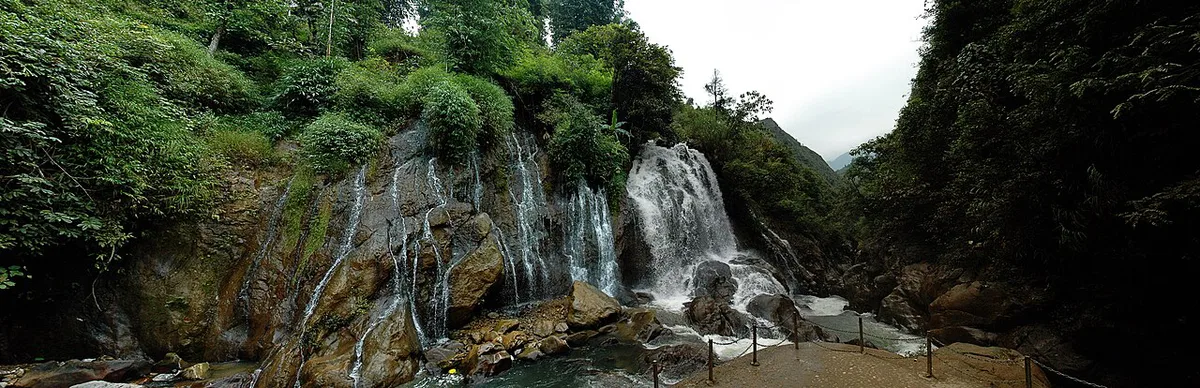
The route follows a cement path down the hillside, with rough paving for most of the way. Along it you pass village lanes, footbridges and souvenir stalls. A small waterfall is the natural place to rest. It runs stronger in the rainy season. Past the waterfall, a narrow cement walkway climbs a long set of steps to another part of the village. Is it a tourist trap? Partly. The stalls and the paved, signed route show a place built around visitors. Still, people live here, and the houses and working lanes are real. Treat it as a commercialised village with genuine residents, not as a museum or a remote community.

Getting There and Back: Walk, Taxi, or Motorbike
The walk starts at the end of Cau May Street. Going down is easy on the stepped path. Coming back is the hard part, because the climb up is long and steep. You can walk both ways, or ride a motorbike taxi from the lower village back to Sapa. Older guidebook listings also mention hiring a motorbike or car taxi for both the drop-off and the pick-up. Agree the price before you get on.
Older guidebook listings give ₫20,000 for the motorbike ride up to Sapa, a dated price to weigh against the long climb.

| Option | Effort | Cost level | Best for |
|---|---|---|---|
| Walk down, walk up | High on the return climb | Lowest | Fit walkers; a warm-up for longer treks |
| Walk down, motorbike up | Easy return | Low to moderate | Most visitors with tired legs |
| Taxi both ways | Minimal | Moderate | Limited mobility or tight schedules |
Entry Fee, Opening Hours, and Costs

Prices and hours checked November 2026: listings disagree. An older guidebook entry gives ₫15,000 for entry, paid at the top of the hill, and ₫20,000 for the motorbike ride up to Sapa. A traveler platform lists free entry and 24-hour access. Treat the guidebook figures as dated and expect higher fees now. Ask at the entrance for the current charge, and carry small cash notes for it. For official status and ticketing, see the Lao Cai tourism portal. Budget extra for drinks, snacks and anything bought from the stalls.
How Much Time to Plan
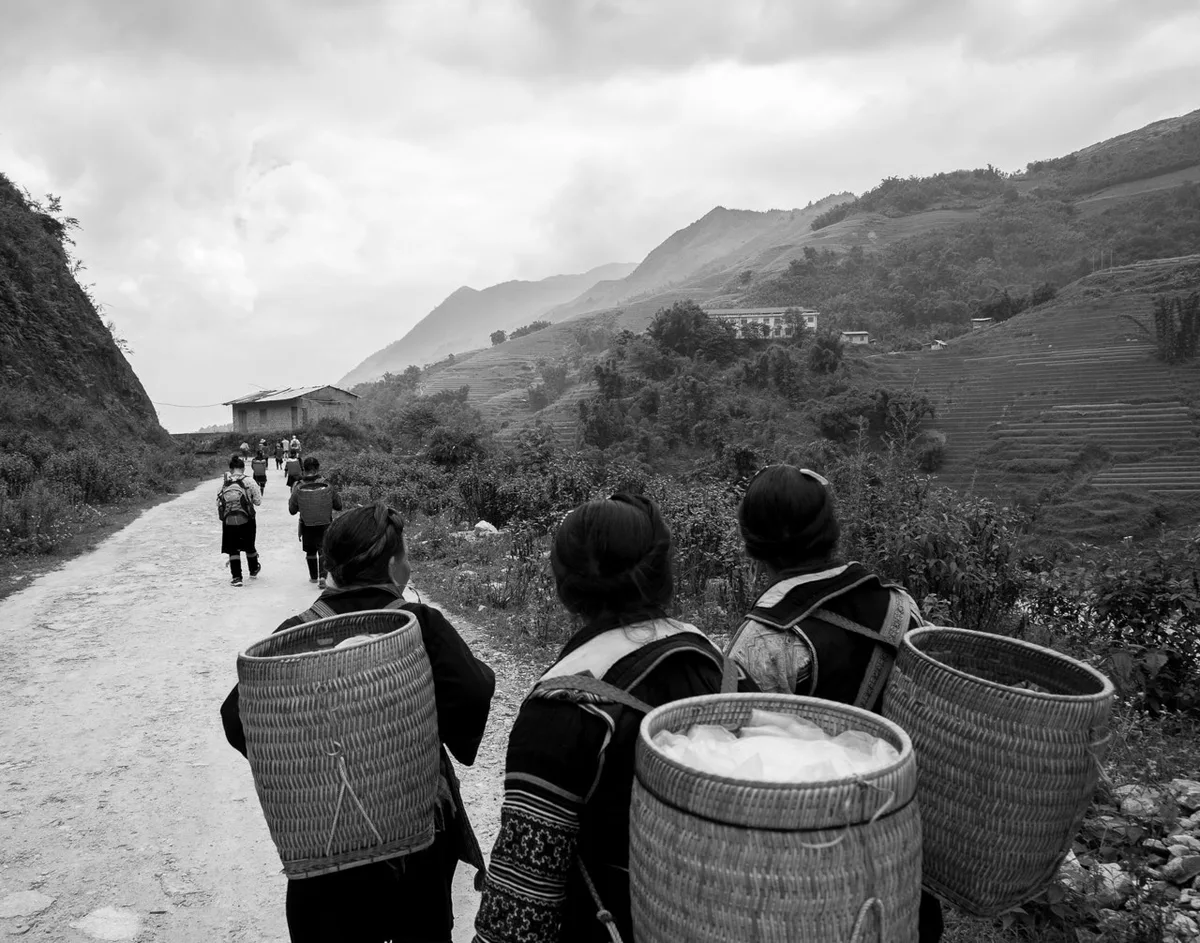
A quick visit takes a few hours, including the climb out. A relaxed half-day lets you rest at the waterfall, wander the lanes and stop for a drink. The climb back is slow, so do not schedule anything tight afterwards. Cat Cat pairs well with a town day, or with a rest day after the Fansipan Cable Car Guide: Tickets, Hours & Trip Planning ride. Cat Cat also works as a warm-up before a longer outing. Readers planning a full day on foot should read our Sapa trekking guide first.
Best Time to Visit: Season, Weather, and Time of Day
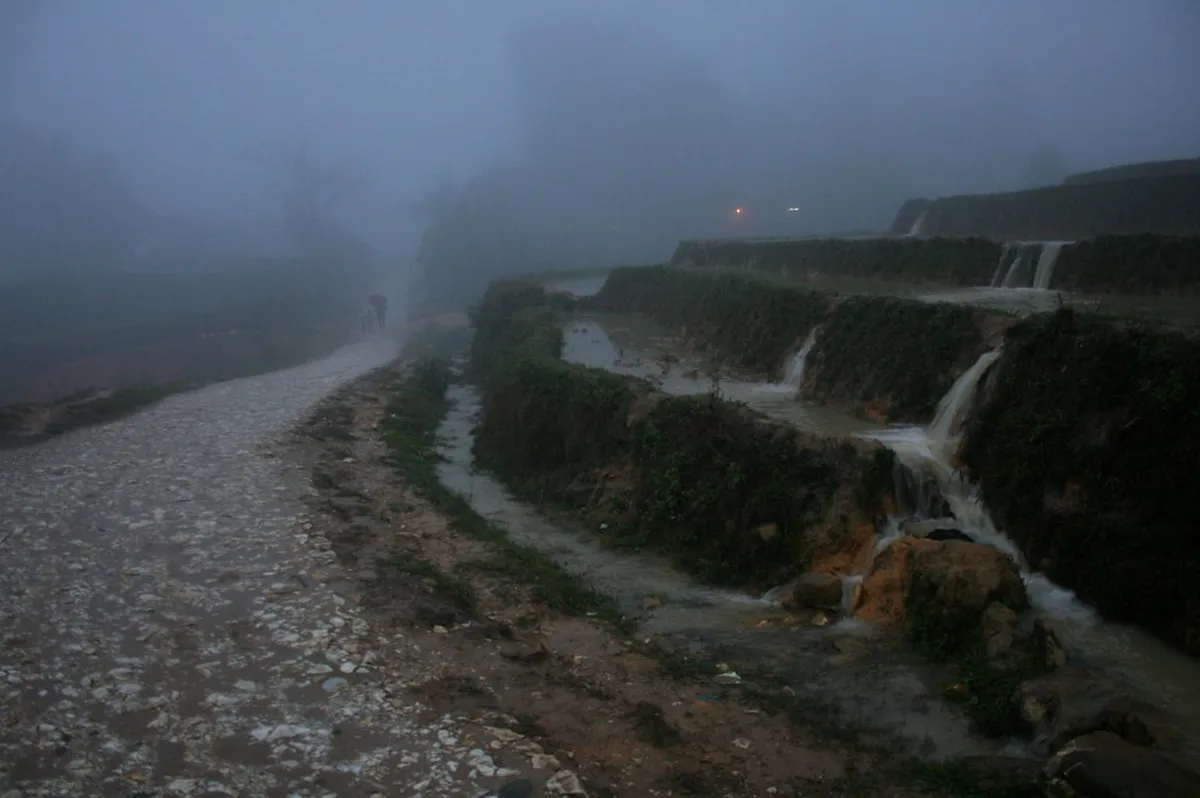
The waterfall is liveliest in the rainy season, which is the main reason to visit then. Rain also makes the stone and cement steps slippery. Mist can hide the valley views. Go in the morning, when you have the whole day to climb back, rather than at midday in a downpour. Wear shoes with grip and carry a light rain jacket. Dry days give easier footing but a weaker waterfall.
Visiting Respectfully
People live and work along the path. Ask before photographing residents, and do not photograph inside homes. Buy from stalls if you want something, and agree prices politely. A purchase supports the household more directly than a tip for a photo. Keep to the marked path and leave gates as you found them. For the wider cultural picture, our Sapa Love Market guide covers a related local tradition. The Vietnam National Authority of Tourism publishes general visitor guidance.
Cat Cat vs Ta Van and Other Sapa Options
Cat Cat is the short, easy outing. Ta Van Village Sapa: Getting There, Costs & Is It Worth It is the deeper and quieter alternative, but it needs more time and effort. A full trekking day goes further still. Pick by time and appetite for walking.
| Option | Time | Effort | Feel |
|---|---|---|---|
| Cat Cat Village | A few hours | Moderate, steep return | Most commercialised |
| Ta Van Village | Longer outing | Higher | Quieter, more rural |
| Trekking day | Full day | Highest | Least developed |
Who Should Skip It, and Mistakes to Avoid
Skip Cat Cat if steps are a problem, if you dislike souvenir stalls, or if rain is heavy. Avoid these common mistakes.
- Climbing back on tired legs without a motorbike option.
- Going at midday in the rain.
- Assuming entry is free.
- Treating it as a untouched village.
Frequently Asked Questions
What is Cat Cat Village known for?
Cat Cat is a H'mong village in the valley below Sapa town. It is known for its stepped path, a small waterfall and souvenir stalls. Many visitors use it as an easy first walk.
Why is Sapa so famous?
Sapa draws visitors for its mountain scenery, valley trekking and ethnic-minority villages. Many also come for the Fansipan cable car. Cat Cat is the nearest village walk from town.
Useful notes for your Vietnam trip
Optional updates to our guides.
You might also like

Continue reading
More guides you'll find useful