Ta Van Village Sapa: Getting There, Costs & Is It Worth It
Plan a trip to Ta Van Village in Sapa: how to get there, ticket costs, best season, trekking vs driving, homestays and who should skip it.
On this page
Last updated November 2026. Ta Van Village sits in the Muong Hoa Valley, roughly 10–12 km from Sapa town, and suits travelers who can give it a half day or more. This guide covers the road, the costs, the seasons and who should skip it. Slot it into your wider Sapa itinerary once you know how much time you have.
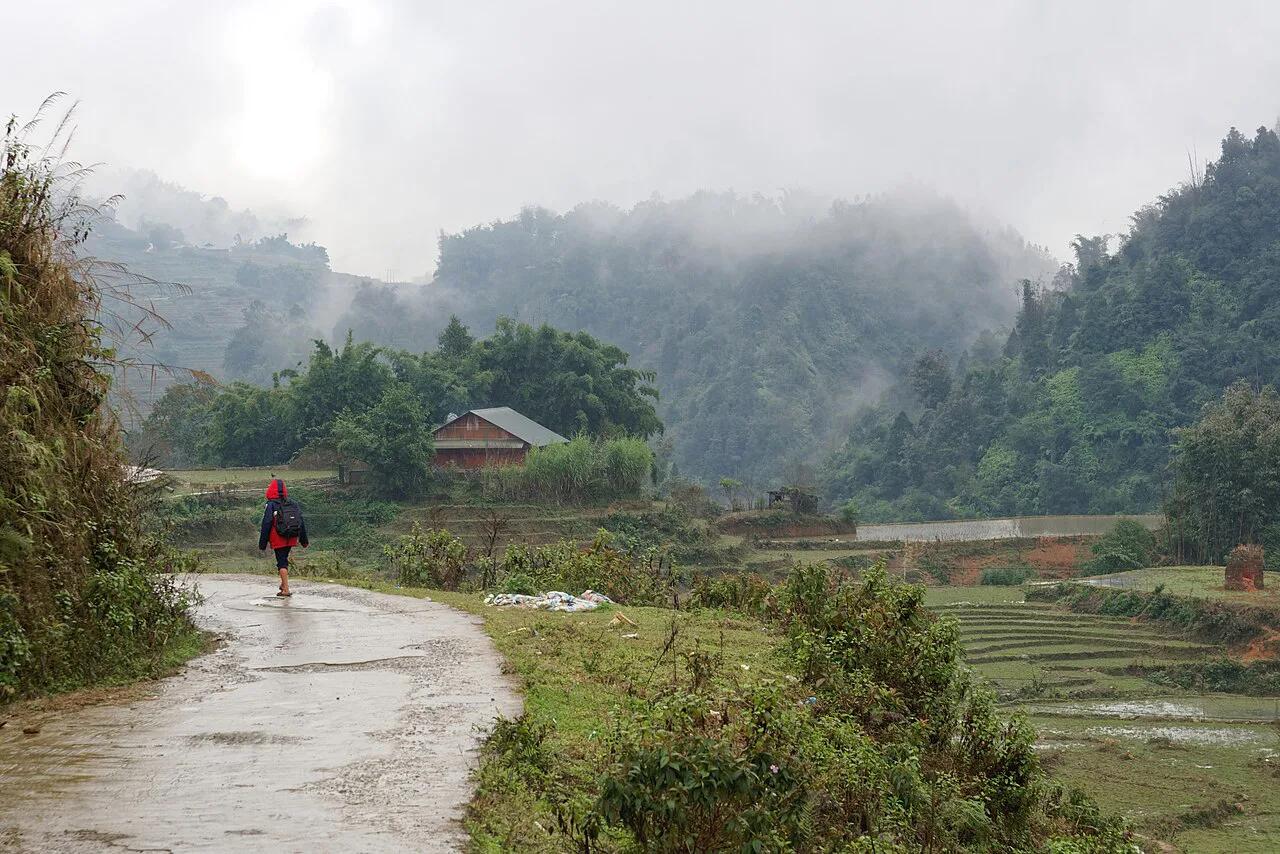
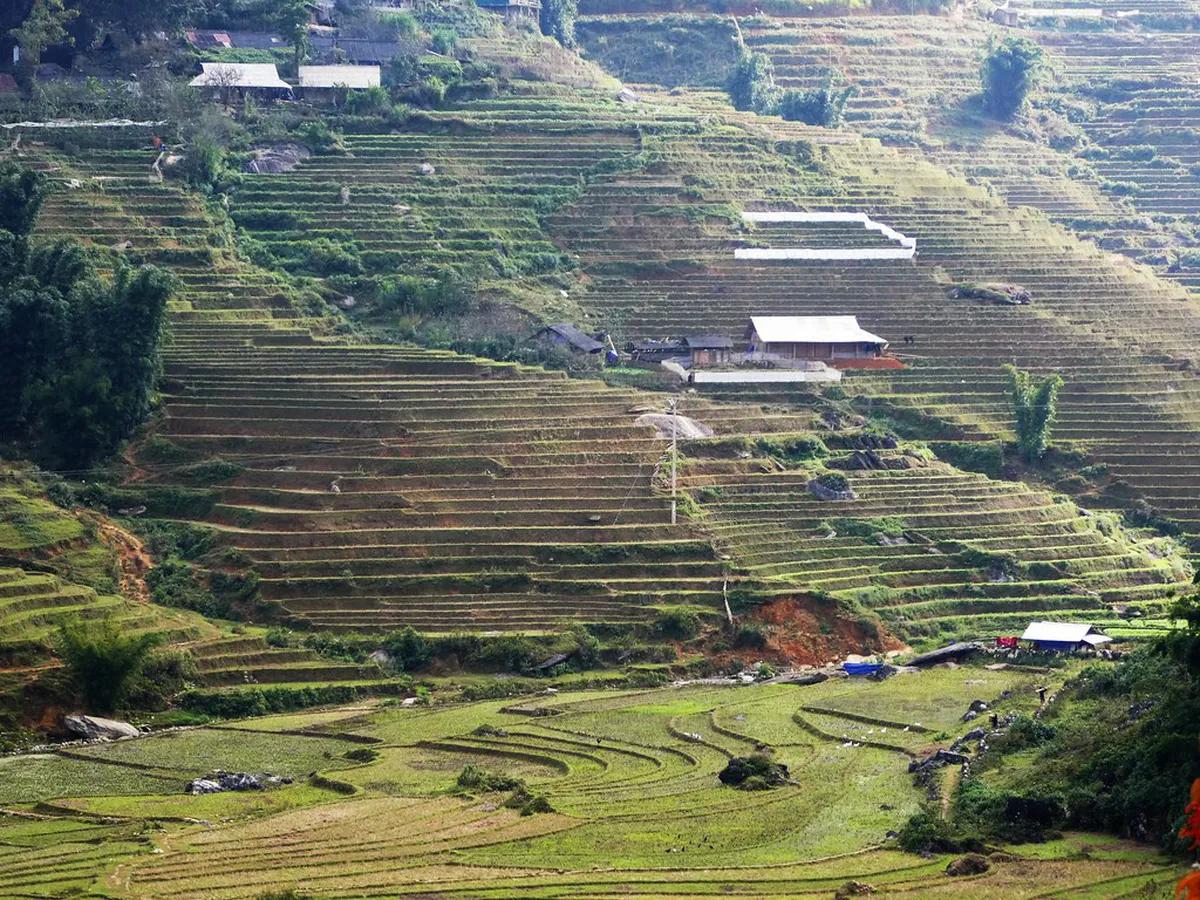
Featured image: Andre Hospers, CC BY 4.0, via Wikimedia Commons.
Is Ta Van Village worth visiting?
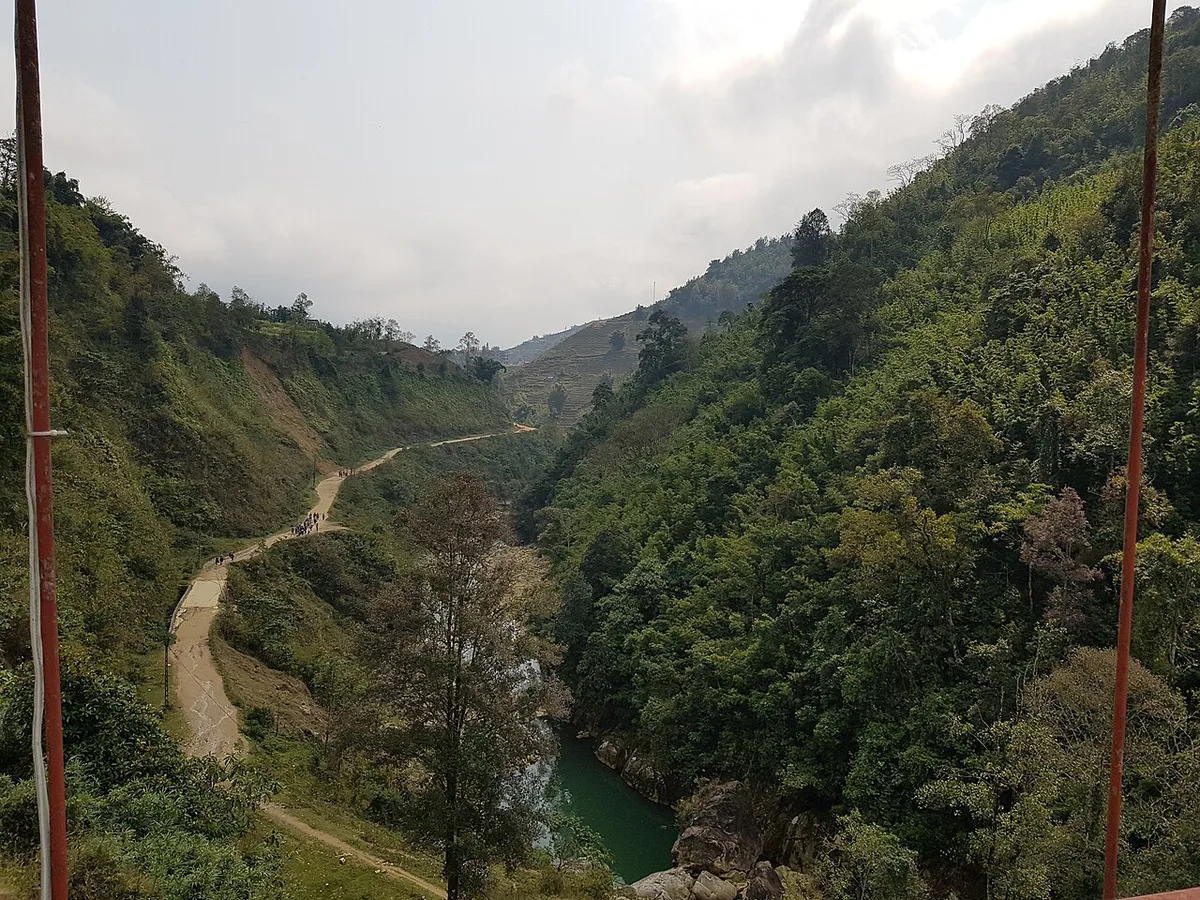
Yes, if you want rice terraces and a working Giay village without the crowds of Sapa's best-known stops. Allow at least a half day. A full day works better if you add a walk toward neighboring Lao Chai. Sapa town to the village is a 20–40 minute ride, depending on vehicle and traffic.
- Go if you like gentle walking, stilt-house villages and terraces in September–October or April–May.
- Go if you have a spare day in a 2–3 day Sapa stay.
- Skip if you only have a few hours in Sapa.
- Skip if you want a headline sight such as Fansipan by cable car.
- Skip on days of heavy cloud, when the valley views disappear.
Where Ta Van Village is in the Muong Hoa Valley
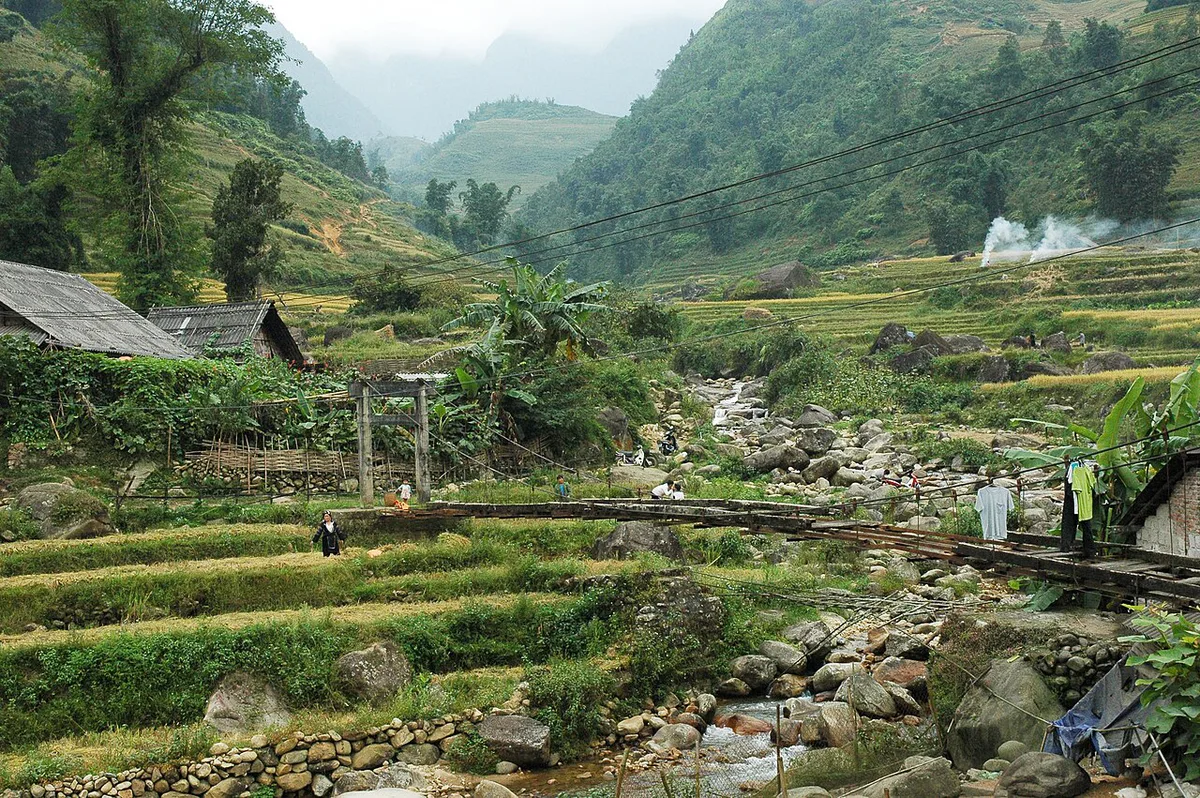
Ta Van is in Ta Van commune, roughly 10–12 km southeast of Sapa Stone Church. Hoang Lien Son range rises behind it, and the Muong Hoa stream runs in front. Most residents are Giay, with Hmong and Red Dao neighbors in surrounding hamlets. Lao Chai sits next door, so the two villages are often visited together. Y Linh Ho is the usual trek start point above them. Distance and drive-time figures vary by source, so treat 20–40 minutes as a range.
How to get to Ta Van from Sapa town

Start at Sapa Stone Church and follow Cau May street. Turn onto Muong Hoa street, then follow the Muong Hoa stream past Lao Chai. Reports describe about 4 km along the stream to reach Ta Van, with a ticket booth before the village. From the booth, a further 1–2 km crosses a small iron bridge into the village. Prices and hours checked November 2026. Road conditions matter more than distance. The road is narrow, steep and winding. The Lao Chai to Ta Van descent is the hardest stretch. On a motorbike, never switch off the engine or coast in neutral. First-time mountain riders should consider a motorbike taxi.
| Option | Time | Cost | Effort | Best for |
|---|---|---|---|---|
| Taxi or car | 20–40 min each way | ₫200,000–400,000 one-way, negotiable | Low | Groups, first-timers |
| Motorbike rental | 20–40 min each way | ₫120,000–200,000 per day | High on the descent | Experienced riders |
| Motorbike taxi | 20–40 min each way | Often quoted in the same ₫200,000–400,000 range | Moderate | Solo travelers new to mountain roads |
| Trek from Sapa | 3–5 hours, 10–12 km | Free, or a guide at ₫200,000–300,000 per day | High | Fit walkers who start early |

Ta Van Village tickets, costs and cash
The Muong Hoa Valley sightseeing ticket is reported at ₫75,000 for adults and ₫50,000 for children. Children under 1.2 m are free. Ask at the booth whether your ticket covers the whole valley or only the village. Check current fees on the Lao Cai tourism portal. Costume rental runs about ₫50,000–100,000 per outfit. A herbal bath is reported at ₫80,000–100,000 per session. Illustrative day trip: a motorbike taxi out and back at the quoted one-way rates costs ₫400,000–800,000. Add the ₫75,000 adult ticket for ₫475,000–875,000 before food. There is no ATM in the village. Carry small cash.
Before paying the ₫75,000 adult ticket, confirm whether it covers the valley, since the village lies 1–2 km past the booth.
Trekking to Ta Van: route choices and honest timings
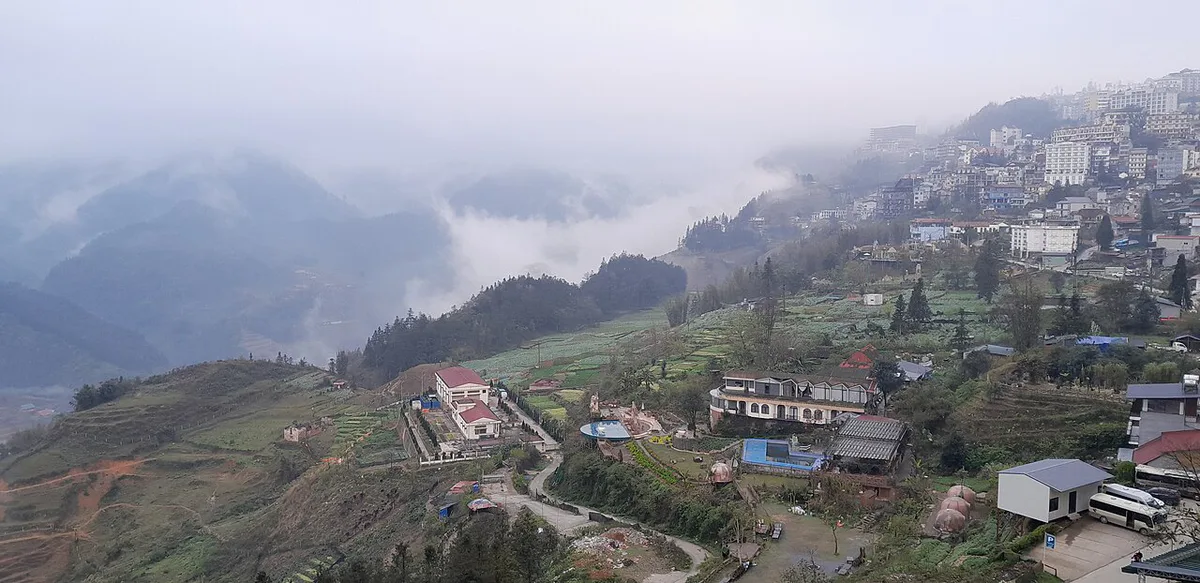
The classic walk runs Y Linh Ho, then Lao Chai, then Ta Van. Quoted trek lengths differ because the start point differs. From Y Linh Ho, expect about 5–6 km and 2–3 hours. From Sapa town, expect 10–12 km and 3–5 hours. Agree the start point with your guide or driver before you set off. The walk is most rewarding in the ripe-rice weeks of September–October. Most walkers finish in Ta Van and ride back by taxi or motorbike taxi. That saves the climb out. For other valley walks, see these Sapa trekking routes.
Best time to visit Ta Van Village
Rice stages set the look of the valley. Sources disagree on the water-pouring window, so treat it as approximate. Check recent photos or local reports before you commit to a date. Early light is best. From 7:00–9:00 AM the mist starts to clear, and crowds are thinnest. If the terraces are bare, switch to the stream, the Giay stilt houses, a café stop or a herbal bath.

| Season | What you see |
|---|---|
| February | Plum blossom on hillsides and house verandas |
| April–May or May–June | Water-pouring season: flooded terraces that reflect the sky |
| September–October | Ripe rice: gold across the valley |
| September–April | Early-morning cloud over the village |
What to do in the village
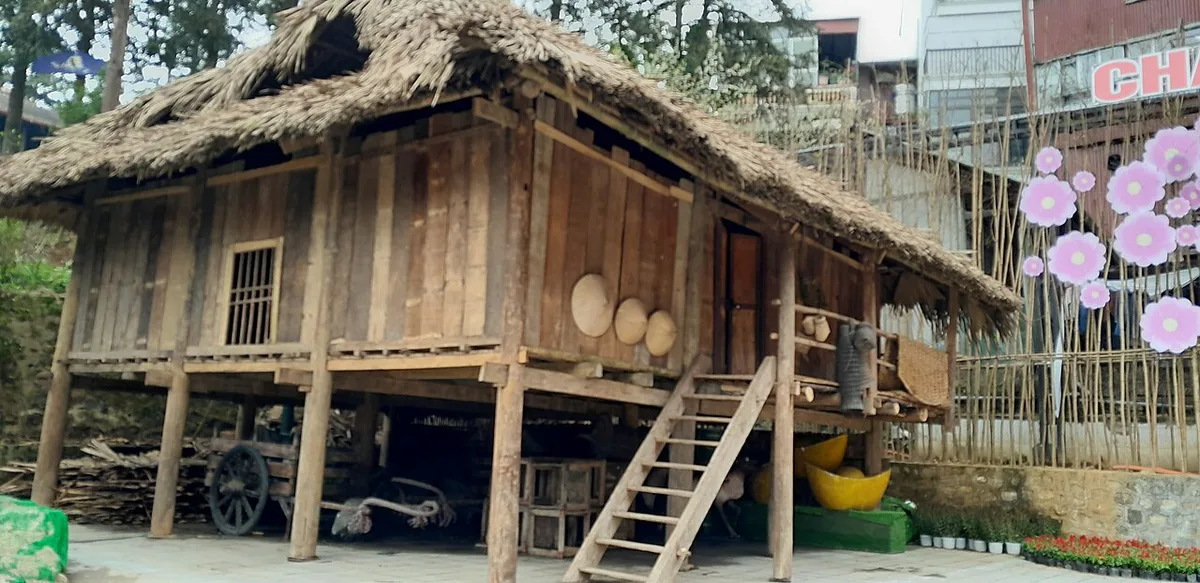
Walk the lanes between the terraces for the main payoff. Cau May is the famous rattan-and-bamboo bridge over the Muong Hoa stream. The original is reportedly worn out, privately owned and usually closed. Visitors photograph a sturdier newer bridge beside it. In the Giay hamlet, some wooden stilt houses are open to visitors. Ask before entering a home or photographing people. Do not touch altar items. Do not give money to, or buy from, children selling along the road. Weekend market stalls reportedly run until about 1 p.m. This is a village market, not the same event as Sapa's weekend love market.
Ta Van vs Cat Cat: which should you choose?
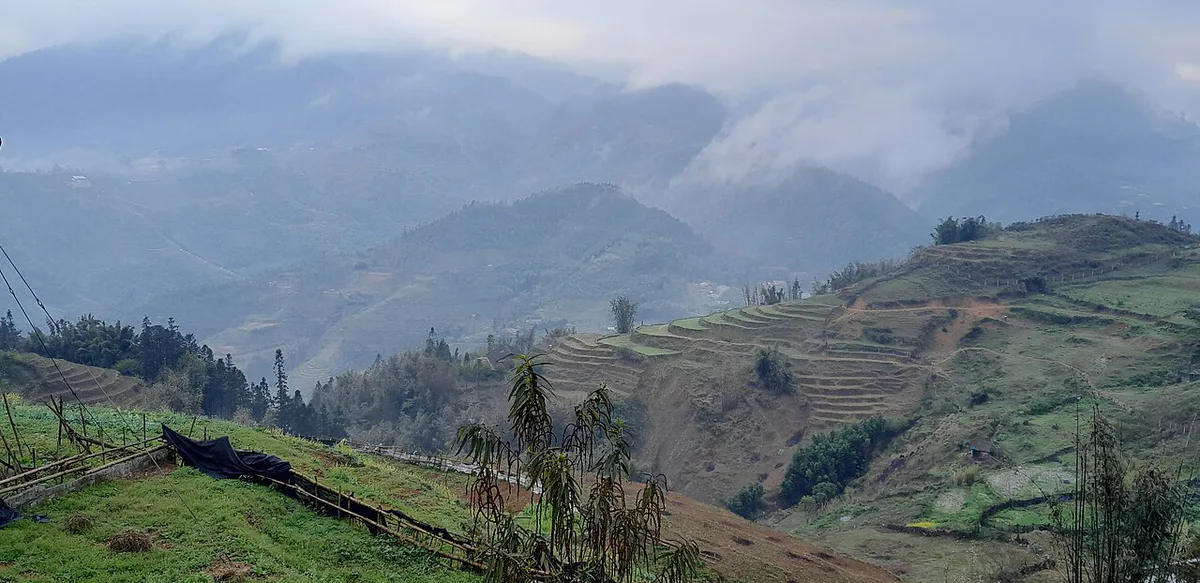
Choose Ta Van if you want terraces, a longer walk and a quieter village. Choose Cat Cat if you have only a short window. In our editorial assessment, Ta Van rewards a half day or more, while the busier Cat Cat's paved lanes fit a quick stop.
| Factor | Ta Van | Cat Cat |
|---|---|---|
| Distance and effort | 10–12 km out, with a steep road | Nearer town, shorter trip |
| Crowds | Quieter, especially before 9:00 AM | Often busier |
| Cultural depth | Giay stilt houses plus Hmong and Red Dao neighbors | Compact and easy to see quickly |
| Photo payoff | Terraces and stream in season | Best for short visits |
| Best fit | Slow travelers, trekkers | Time-poor visitors |
Where to eat in Ta Van
Menus here lean on mountain ingredients. Look for grilled hill chicken with mac khen pepper and bamboo-tube rice. Stream fish and stir-fried wild greens are also common. Five-colour sticky rice is a cheap snack at market stalls. Corn wine appears at many homestay dinners. Prices change, so read the menu before you order. Order your main dish early on a busy weekend.
Where to stay: day trip or overnight
Stay overnight if you want sunrise light and a walk without a taxi deadline. Choose a day trip if your Sapa time is short. Homestays range from budget stilt houses to mid-range retreats. Ask about road access first, because lanes up to hillside homes can be steep dirt. Also ask what meals are included, whether hot water is guaranteed and which route to use at check-in. Compare current rates on the homestay's own listing.
Overnight guests skip the taxi deadline and can reach the 7:00–9:00 AM light, when the mist starts to clear.
Sample plans for Ta Van Village
In a 2–3 day Sapa stay, Ta Van fits best as one dedicated day. For wider regional planning, Vietnam's national tourism authority lists general travel information.
- Half day: taxi out by 8:00 AM, walk the terraces and village, eat lunch, ride back. If it rains, skip the terraces and spend time in the stilt houses.
- Full day: start at Y Linh Ho, walk to Lao Chai and Ta Van, then ride back. If cloud settles in, shorten the walk and stay in the village.
- Overnight: arrive by afternoon, stay in a homestay, then catch the 7:00–9:00 AM light. If it rains, move the herbal bath and a café stop to the morning.
Useful notes for your Vietnam trip
Optional updates to our guides.
You might also like
Continue reading
More guides you'll find useful