Best Time to Visit Phu Quoc: Month-by-Month Guide
Find the best month for Phu Quoc. Month-by-month weather, beach coast choice, crowds, prices and rainy-season trade-offs.
On this page
Last updated November 2026: the best time to visit Phu Quoc is the dry season, roughly November through April, with December to February the steadiest stretch. March and November make good shoulder-month compromises when you want easier prices without much weather risk. May through October brings rain, rougher seas on some beaches and lower rates.
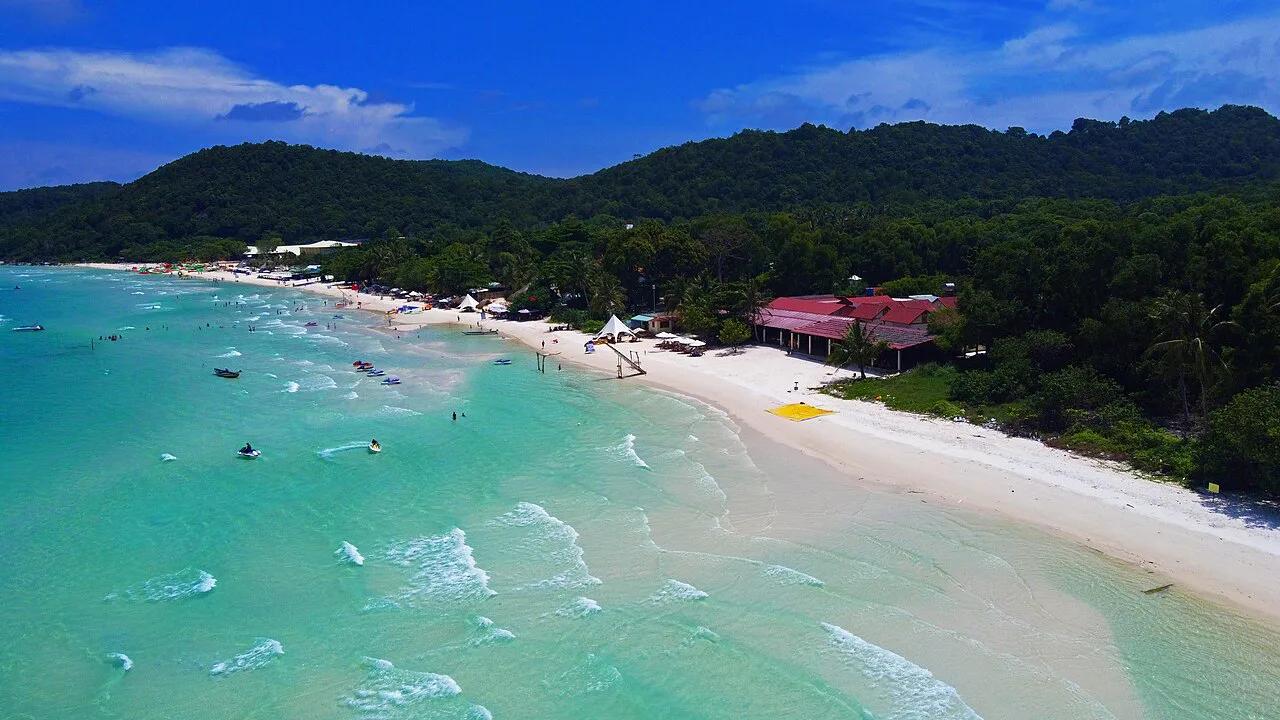
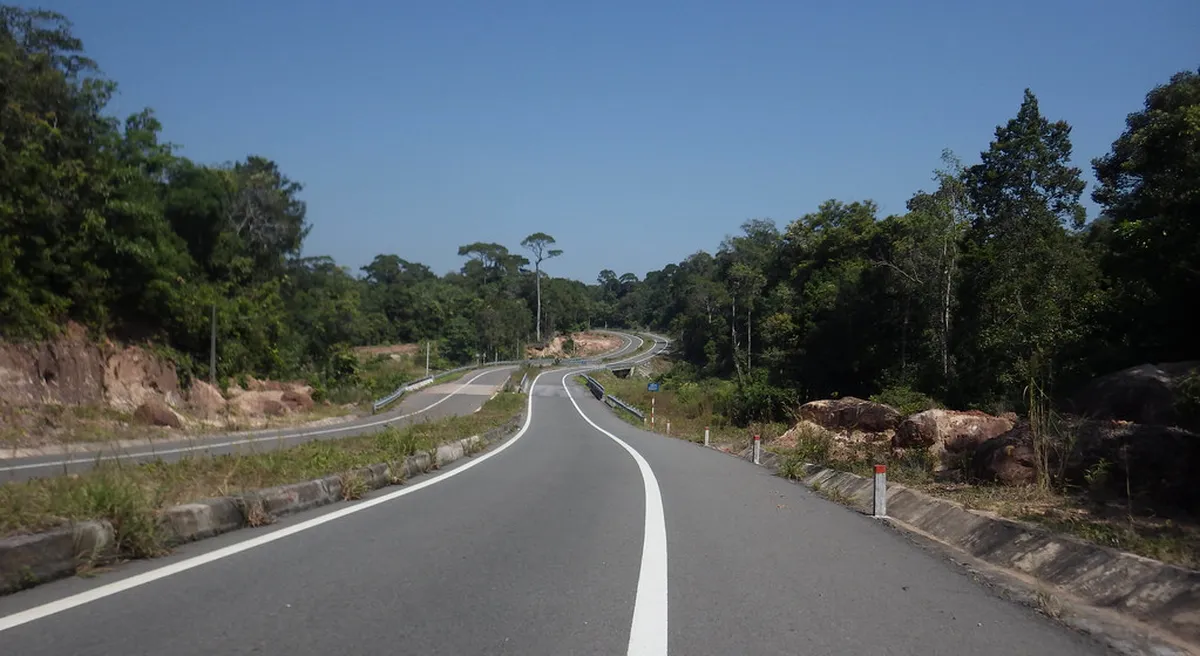
Featured image: dms_303, CC BY-SA 2.0, via Flickr.
Best Time to Visit Phu Quoc: The Short Answer
Plan for November to April if calm water and dependable sun matter most. December to February is the core of that window, with typical air temperatures of 23–27°C (73–81°F) and the lowest humidity of the year. March and November work as shoulder months. The sea is usually still swimmable, and prices ease off the absolute peak. Sources disagree on the exact edges of the season. Some start the dry season in October, and some end it in March, so treat boundary months as a gradient rather than a switch. Official visitor information on the island sits on the national tourism authority's Phu Quoc page. May to October is the rainy season. Expect short heavy showers, rougher seas on some beaches and discounts on rooms and flights. July to September is the riskiest stretch for boat tours and beach days. Phu Quoc sits in the Gulf of Thailand near Cambodia, so its seasons do not match those of other Vietnamese islands.
Phu Quoc Weather by Month
Use this table to match a month to your priorities. For deeper figures, read our Phu Quoc weather breakdown. Published averages differ by source, so rain risk and crowds are shown in relative terms. As a rough guide, December to February sees about 25–50mm of rain per month. July and August can reach 280–300mm. Humidity moves from around 70–72% in midwinter to 89–90% at the rainy peak. Air temperature stays within 25–30°C (77–86°F) for most of the year, and March and April run hotter at 26–32°C (79–90°F). Disagreement is widest for October and April, which some sources call dry and others treat as transition months.
| Month | Rain risk | Sea conditions | Crowds and prices | Best for | Verdict |
|---|---|---|---|---|---|
| January | Low | Mostly calm, west coast best | Peak | Classic beach days | Go |
| February | Low | Mostly calm, west coast best | Peak, Tet can spike demand | Beach days, festivals | Go |
| March | Low to moderate | Mostly calm, hotter | Easing from peak | Beach plus island trips | Go |
| April | Moderate, rising | Calm to variable | Mid | Heat-tolerant beach trips | Compromise |
| May | Moderate to high | Variable, west coast choppier | Lower | Savings, east-coast beaches | Compromise |
| June | High | Rough on some beaches | Low | Budget stays | Compromise |
| July | Highest | Often rough | Lowest | Green scenery, resort rest | Risky |
| August | Highest | Often rough | Lowest | Resort rest, indoor sights | Risky |
| September | High | Often rough | Low | Budget stays with slack days | Risky |
| October | Moderate, easing | Variable | Low to mid | Value, east-coast beaches | Compromise |
| November | Low to moderate | Calming | Mid, rising | Beach days with better prices | Go |
| December | Low | Calm, west coast best | Peak | Most stable beach weather | Go |
Dry Season (November–April): What You Get and What It Costs
Dry season means calm water on the west coast, plenty of sun and every outdoor activity running. It also means peak crowds and peak prices. December to February is the stable core, with 23–27°C (73–81°F), rainfall around 25–50mm a month and gentle northeast winds. Our guide to December on the island covers the busiest month in detail. For the same stable weather, see what January looks like. March and April are different. Temperatures reach 26–32°C (79–90°F), humidity sits near 75–78% and rainfall climbs to roughly 60–150mm, the start of the move toward the wet months. Plan beach time for mornings and keep afternoons for air-conditioned stops. Snorkeling visibility is reported at up to 20 meters in dry-season conditions, and island-hopping boats run smoothly. The costs are real. Hotel rates peak from December to February, flights and packages climb around Christmas and Tet, and sun loungers at popular beaches go early. Festival dates follow the lunar calendar. Tet and the island's local festivals in the first lunar month move each year, while the Phu Quoc boat racing festival is held on April 30.
Hotels and airlines often discount 30–50% in these months. Set that against December to February peak rates before deciding whether dry-season comfort is worth the premium.

- Dec–Feb: most stable weather, highest prices, book early
- Mar–Apr: hotter and more humid, rain chances rising
- Nov: calming seas, prices below the December peak
Dry Season vs Rainy Season at a Glance
Published figures vary by source, so read these as ranges. The pattern matters more than any single number.
| Factor | Dry season (Nov–Apr) | Rainy season (May–Oct) |
|---|---|---|
| Typical air temperature | 23–32°C (73–90°F) | 25–30°C (77–86°F) |
| Monthly rainfall | 25–50mm in Dec–Feb, 60–150mm in Mar–Apr | 180–300mm in May–Sep |
| Humidity | About 70–78% | About 85–90% |
| Sea | Calm on the west coast | Rougher on the west coast, calmer on the east |
| Crowds | Highest from Dec to Feb | Lowest from Jul to Sep |
| Prices | High at peak | Often discounted 30–50% |
| Verdict | Go | Compromise, or avoid unless flexible |
Rainy Season (May–October): Risks, Savings, and Best Beaches
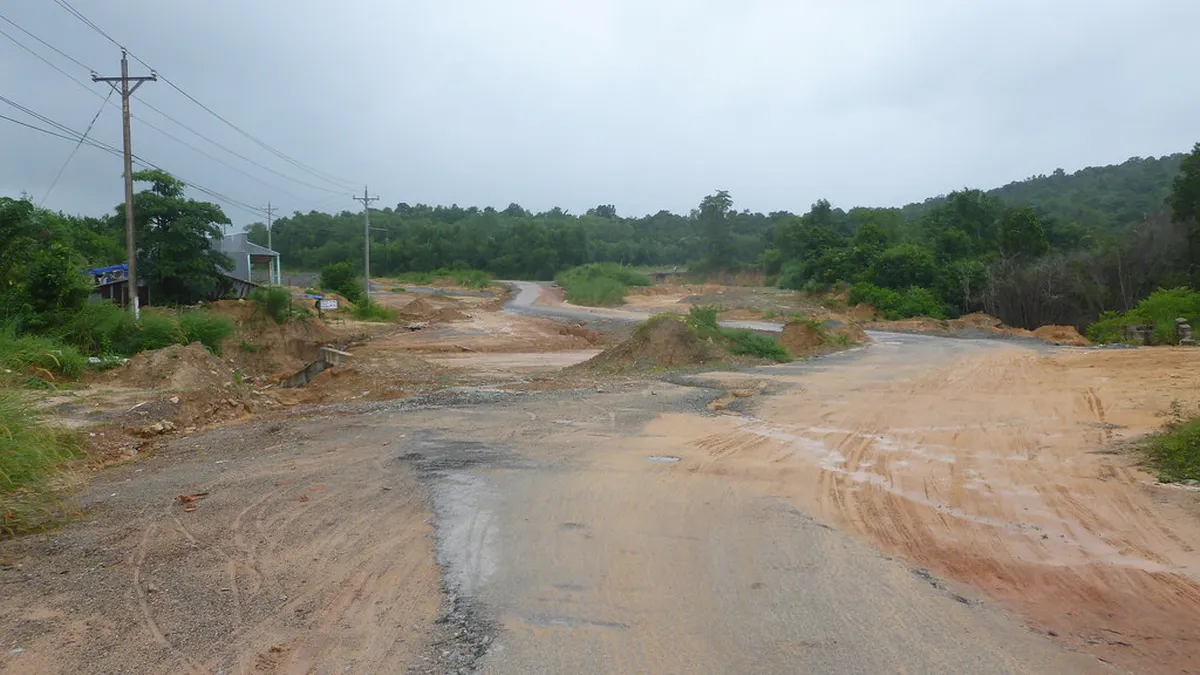
May to October changes the island less than a forecast icon suggests. Rain often arrives as short, heavy bursts with sun in between. The bigger risk is several days of rough seas, when boat tours get rescheduled or cancelled. One climate summary reports rain on up to 20 days in some months. July and August carry the heaviest rainfall, roughly 280–300mm a month, plus stronger storms, with temperatures of 25–28°C (77–82°F). Major typhoons rarely hit the island, but heavy rain and rough seas can occur, especially in August and September. For live warnings, use the Vietnam Meteorological and Hydrological Administration. Our rainy season guide goes month by month. Savings are the upside. Hotels and airlines often discount 30–50% in these months. On an illustrative ₫2,000,000 January room rate, that would mean roughly ₫1,000,000–₫1,400,000 in July. That is arithmetic, not a quoted rate. You also get fewer crowds, green scenery and seasonal tram mushroom foraging tours. Trade-offs include muddy trails, more mosquitoes and some restaurants cutting hours. Verdict: go if your dates are flexible and you will accept lost beach days. Avoid it if you need a sunny beach every day.
Which Coast to Choose by Month
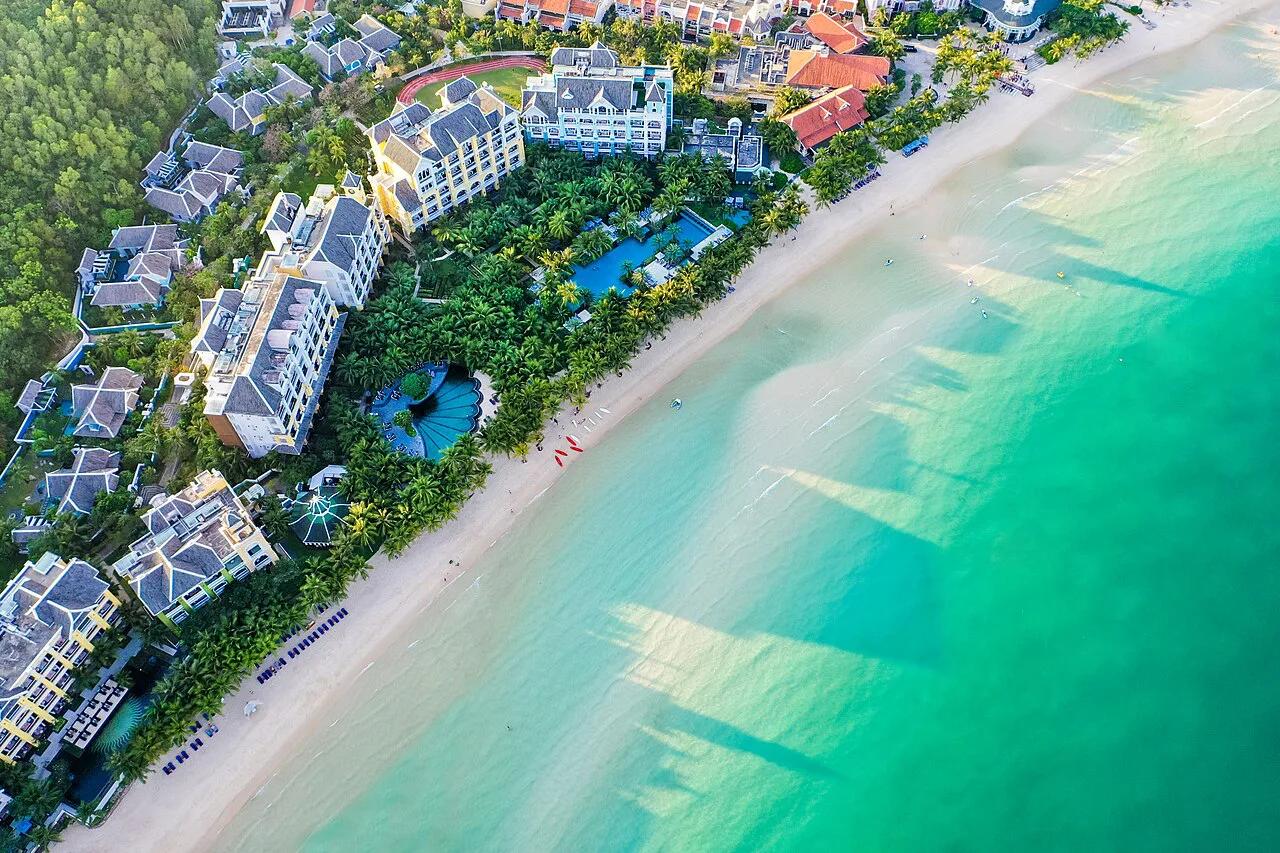
Phu Quoc's two coasts behave differently. From November to April, west-coast beaches such as Long Beach and Bai Dai usually have calm water and light wind. From May to October, Sao Beach and Khem Beach on the east side tend to be calmer. They have gently sloping sand and shallow water that breaks the waves, and they are sheltered from the southwestern monsoon winds. Treat this as a guide, not a guarantee. Look at the forecast for the specific beach rather than the island-wide summary. Ask your hotel about sea conditions each morning before committing to a boat trip.
- Nov–Apr: Long Beach and Bai Dai on the west coast
- May–Oct: Sao Beach and Khem Beach on the east coast
- Oct and Apr: transition months, so ask locally before choosing a side
Shoulder Months: Where the Value Sits
October and November bring 25–29°C (77–84°F) and rainfall near 100–120mm a month in published averages. Showers tend to land in the late afternoon or evening. March and April are drier but hotter. Of the four, November and March give the best balance of usable beach weather and prices below the December to February peak. April suits travelers who handle heat well. October still carries rain risk and rougher water on some coasts. Pick a shoulder month if you want beach time and a few boat tours without paying New Year rates.
Keep at least 1 unscheduled day after a planned boat trip. Build that buffer into shoulder-month plans too, since October still carries rain risk.
Best Month for Your Travel Style
Match the month to the one thing you cannot compromise on. Wrong picks cost you most when you book a rough-sea month for a boat-heavy trip. Tours get rescheduled, snorkeling visibility drops and slack days vanish. Non-refundable rates then turn a weather change into a lost payment.
- Beach purist: December to February. Skip if peak rates or full beaches bother you.
- Budget traveler: November, March or the early rainy months. Skip if you cannot absorb a few lost beach days.
- Island-hopper and snorkeler: December to March, when calm seas favor Fingernail Island and May Rut Island trips. Skip July to September.
- Family: November to March for steadier weather and easier days. Skip if you must book last minute in peak weeks.
- Festival or Tet visitor: late January or February, depending on the lunar year. Skip if you want quiet beaches and low prices.
Booking Windows, Prices, and Peak-Period Planning
Prices and hours checked November 2026. December to February and Tet are when hotels, flights and tours fill first. Airfare and package prices climb around Christmas and Tet. Tet follows the lunar calendar, so confirm the current year's dates before fixing flights. Book rooms, popular restaurants and tours as soon as your dates are firm. Exact advance windows vary by property, so ask the hotel. For May to October trips, choose rates that allow changes without penalty. Leave one slack day around every boat tour.
- Mistake: booking by the cheapest ticket alone
- Mistake: checking only the island-wide forecast
- Mistake: stacking boat tours on consecutive days with no slack
- Mistake: assuming west-coast beaches stay calm all year
What to Do on a Rain Day
Rain days are manageable if you plan covered stops. Coi Nguon Museum covers the island's fishing life, customs and archaeology. Fish sauce factories show the wooden fermentation tanks and offer tastings. Dinh Cau Night Market and VUI-Fest Bazaar have covered stalls for evening food. Sunset Town's Kiss of the Sea performances have covered areas. Sea-walking takes you to about 7 meters below the surface when the surface is choppy. VinWonders Phu Quoc covers 46.7 hectares with both indoor and outdoor zones. Vinpearl Safari Phu Quoc spans 500 hectares and uses a roofed stage for animal shows, per the operator. Check current operating status before you go.
Plan Ferry and Flight Days Around Wet-Season Weather
Build extra flexibility into any sea crossing or boat-based itinerary from May to October. Heavy showers may be brief, but rougher water can last longer and can lead operators to reschedule or cancel boat tours. July to September is the highest-risk period, so avoid placing every island activity on consecutive days.
Keep at least 1 unscheduled day after a planned boat trip. This protects a snorkeling excursion, ferry connection, or beach transfer if sea conditions change. Check directly with the operator the day before departure and again on the morning itself. For flights, review airline notices and avoid tight onward connections during unsettled weather.
Flexible bookings matter most in the wetter months. Hotels and airlines often advertise discounts of 30–50%, but a cheaper non-refundable fare can cost more if a changed sea schedule disrupts the trip. Choose changeable rates when possible.
Building the rest of the trip? Our Phu Quoc attractions guide covers the sights, districts and logistics around this guide.
Best time to visit other cities
Frequently Asked Questions
In which country is Phu Quoc located?
Phu Quoc is in Vietnam. The island sits in the Gulf of Thailand near Cambodia.
What is the rainy season in Vietnam?
Vietnam's seasons differ by region. On Phu Quoc, the rainy season runs roughly May to October. July to September is the wettest and roughest stretch, with the dry season running from about November to April.
Explore More Phu Quoc Guides
Keep planning your Phu Quoc trip with these guides.
Phu Quoc Guides
Useful notes for your Vietnam trip
Optional updates to our guides.
You might also like


Continue reading
More guides you'll find useful