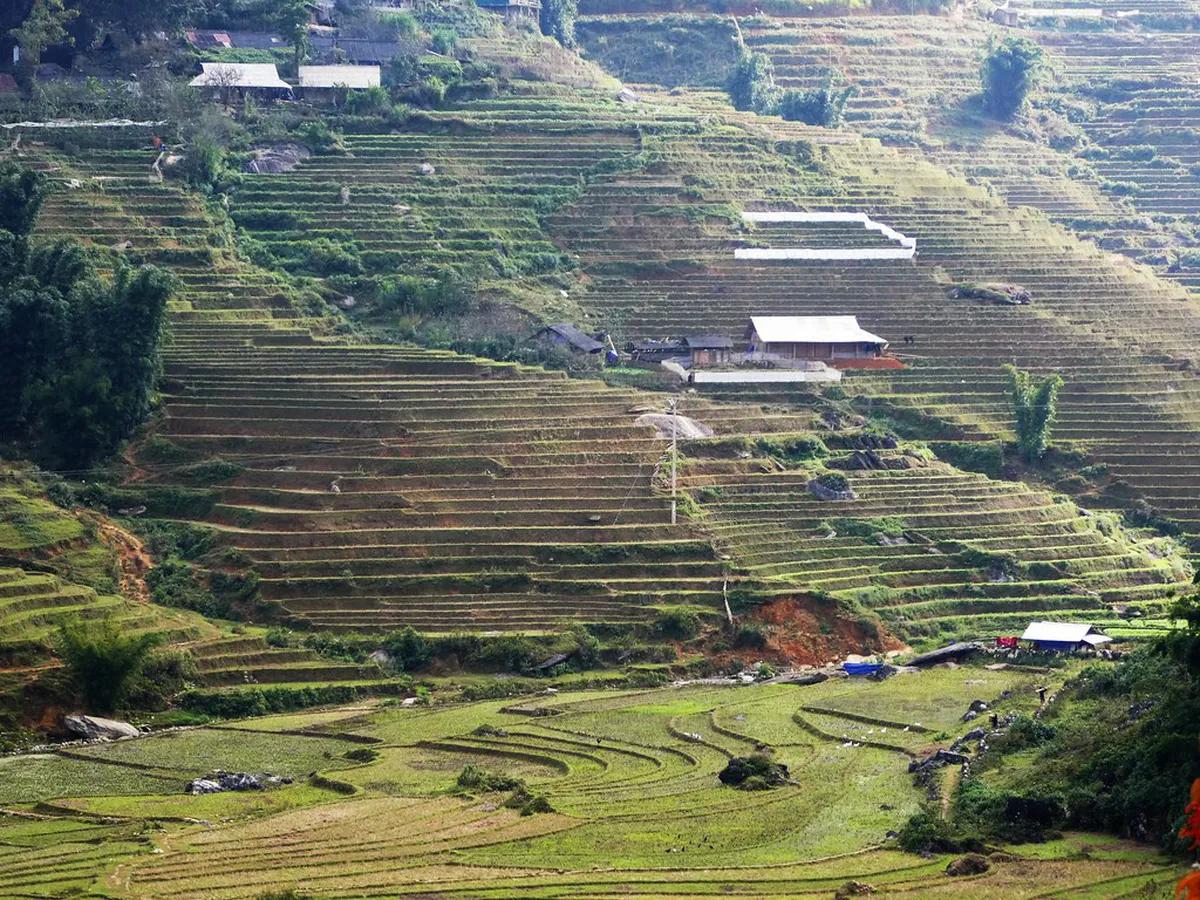
How Many Days in Sapa? 4 Trip Lengths Compared
Not sure how many days in Sapa? Compare 4 trip lengths by travel time, season and trek plans, and pick the one that fits.
On this page
Last updated November 2026. How many days in Sapa comes down to transit: Hanoi to Sapa is 5 to 6 hours each way by road. We recommend two nights and three days for most visitors. Below, four trip lengths are compared by time on the ground, season and trek plans.
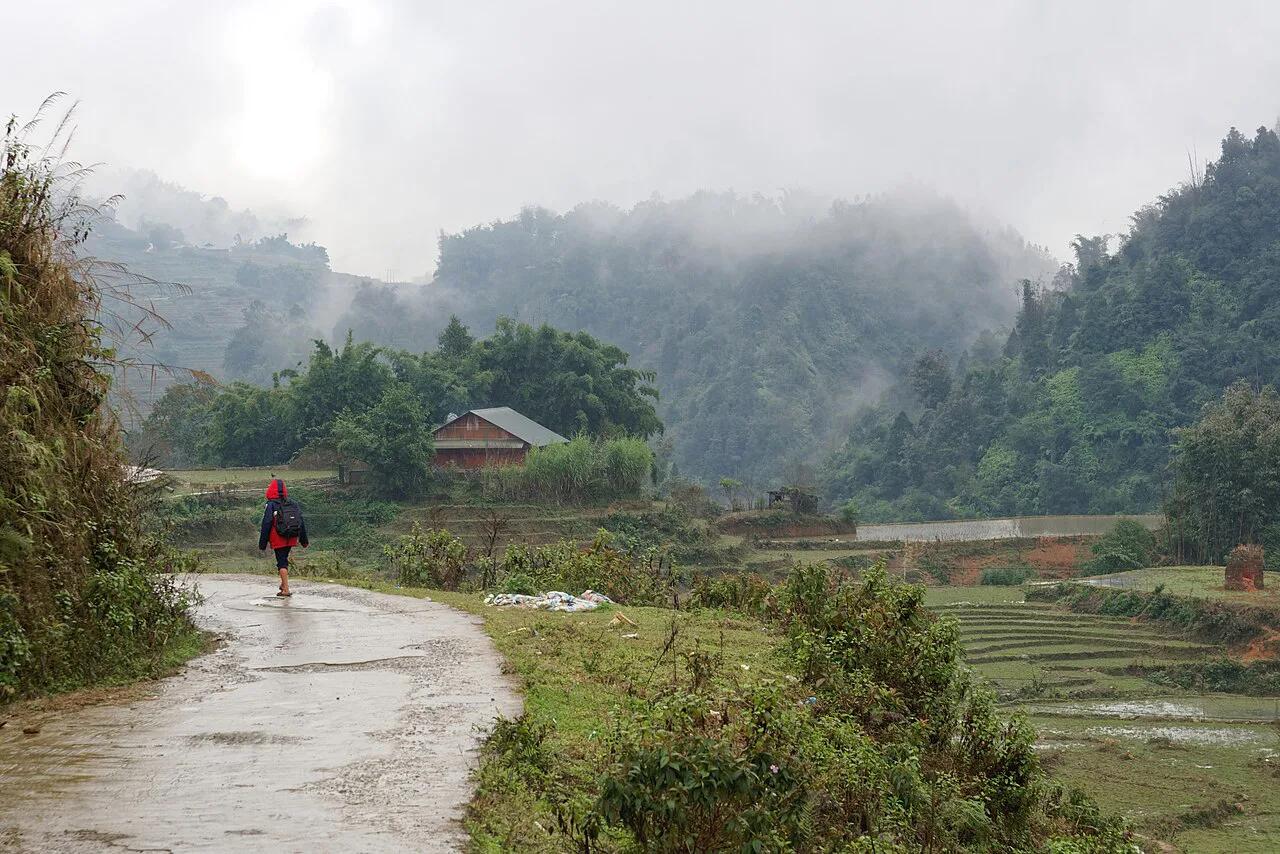
Featured image: Lynda W1, CC BY 2.0, via Flickr.
How Many Days in Sapa? The Short Answer
Our verdict is two nights and three days. One night works only as a rushed stop, and four or more nights suit slow travelers, trekkers and photographers. Opinions in the wider travel press range from three days to four. Some visitors say a three-day tour could be squeezed into one trek day. Others wish they had stayed longer. We side with three days because the road eats so much of a shorter trip. Still deciding whether to go at all? Read our take on whether Sapa is worth visiting.
How Many Days in Sapa: 4 Trip Lengths Compared
Prices and hours checked November 2026. Fees quoted in this guide are traveler-reported and change by season. Each option below shows what fits, what you give up and who should skip it.
1. 1 Night, 2 Days: Fast and Tight
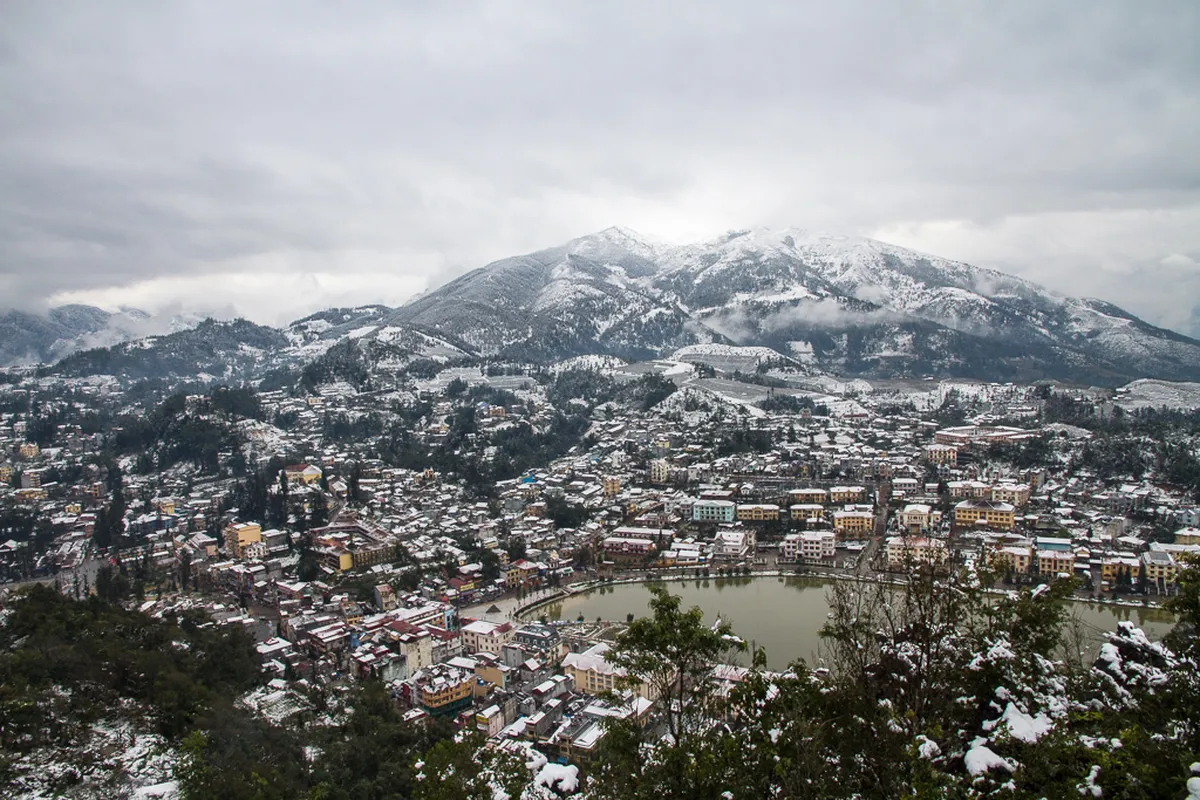
This is the shortest trip we would book, and it suits travelers fitting Sapa between Hanoi and another stop. Road transfers of 5 to 6 hours each way leave you roughly one afternoon, one evening and one morning on the ground. That is enough for Sapa town, a late-afternoon walk through Cat Cat Village and one short village trek. Our 2 days in Sapa plan shows how to sequence it.
You will not fit Fansipan or the 6.5-hour Hmong Valley hike on top of that. Skip this length if you arrive on a night bus, since you start the first day tired. A same-day Hanoi round trip is worse: it spends 10 to 12 hours on the road, and we would not do it.
2. 2 Nights, 3 Days: Our Default Pick
Two nights give you one full day without a transfer. That day is the difference between a taste of Sapa and a real visit. Use it for one proper trek, such as the full-day Hmong Valley hike of about 6.5 hours through villages, bamboo forest and a waterfall. The arrival afternoon covers Sapa Church and the lake, both walkable. The last morning can hold Cat Cat Village before the 5-to-6-hour ride back.
Road time drops to roughly one-sixth of the trip, against a third on a two-day visit. Our 3 days in Sapa itinerary lays out the hours. Skip this length if Fansipan is a must-do, because the cable car day will crowd out the trek.
3. 3 Nights, 4 Days: Fansipan and Weather Insurance
Three nights add a second full day, and we would spend it on Fansipan. At 3,143 m, the summit is reached by the Sun World cable car, and the outing takes most of a day. Fansipan often disappears into fog, so a spare day lets you wait for a clear window. Choose the day by the forecast, not the calendar.
The other full day can go to Love Waterfall, about 35 minutes from town by scooter, then Heaven's Gate ten minutes further up the road. This length also suits families, since you can pace one outing a day. Skip it if your time is tight and your only goal is the rice terraces. One trek plus a viewpoint day covers that.
4. 4+ Nights: Slow Travel and Extensions
Four or more nights suit homestay stays, photographers and anyone who wants two separate treks. You can walk Muong Hoa Valley through Lao Chai and Ta Van on one day. A second day can go to quieter trails with a local guide. Photographers timing the harvest, which runs from late September to early October, gain several shots at good light.
Mu Cang Chai is a possible extension for those with even more time, since it also has terraced villages. Five days is the upper limit we would recommend for Sapa alone. Beyond that, we would move on to another region. Skip this length if you dislike mist, mud and slow mornings, because those are what extra days mostly buy you.
Getting There and Net Time on the Ground
Every option starts with the same problem: Sapa has no airport and no rail station. Buses and vans from Hanoi take about 5 to 6 hours. Trains run to Lao Cai first, and that leg is reported at 7 to 9 hours. From Lao Cai, Sapa is about 38 km and 1 to 1.5 hours by taxi or bus. Check train times on the Vietnam Railways site. A limousine van typically costs ₫300,000 to ₫450,000 one-way. A night bus can arrive around 4am, with passengers sleeping on board until about 6am. That saves a hotel night, but it makes day one tiring. We would not schedule a big trek straight after one. If you prefer guided logistics, compare options in our guide to a Sapa Tour From Hanoi: How to Choose (Length, Cost, Transport).

| Trip length | Return road time | Share of trip on the road | Best fit |
|---|---|---|---|
| 1 night, 2 days | 10 to 12 hours | About a third | Quick stop between Hanoi plans |
| 2 nights, 3 days | 10 to 12 hours | About one-sixth | Most first-time visitors |
| 3 nights, 4 days | 10 to 12 hours | About one-eighth | Fansipan plus one trek |
| 4+ nights | 10 to 12 hours | One-tenth or less | Trekkers, photographers, families |
Which Activities Take How Long
Sapa town is small and walkable. Sapa Church and Sapa Lake sit within a few minutes of each other, so a slow lap takes an hour or two. Cat Cat Village is a short drive away, and visitors spend 2 to 3 hours there. Entry is reported at ₫150,000 per person. Late afternoon is quieter, while midday crowds are heavy. Some travelers call it touristy and say they would skip it. We would keep it short and not treat it as the whole trip. The Hmong Valley full-day trek runs about 6.5 hours with a lunch stop. Love Waterfall is about 35 minutes from town by scooter, followed by a 15-minute trail. Heaven's Gate on Tram Ton Pass lies ten minutes beyond. Silver Waterfall is a short drive from town. These outer sights need a scooter, taxi or tour. Fansipan is the biggest time sink: the cable car outing takes most of a day, and hiking it is a one- or two-day trip.

Best Season and How It Changes Your Day Count
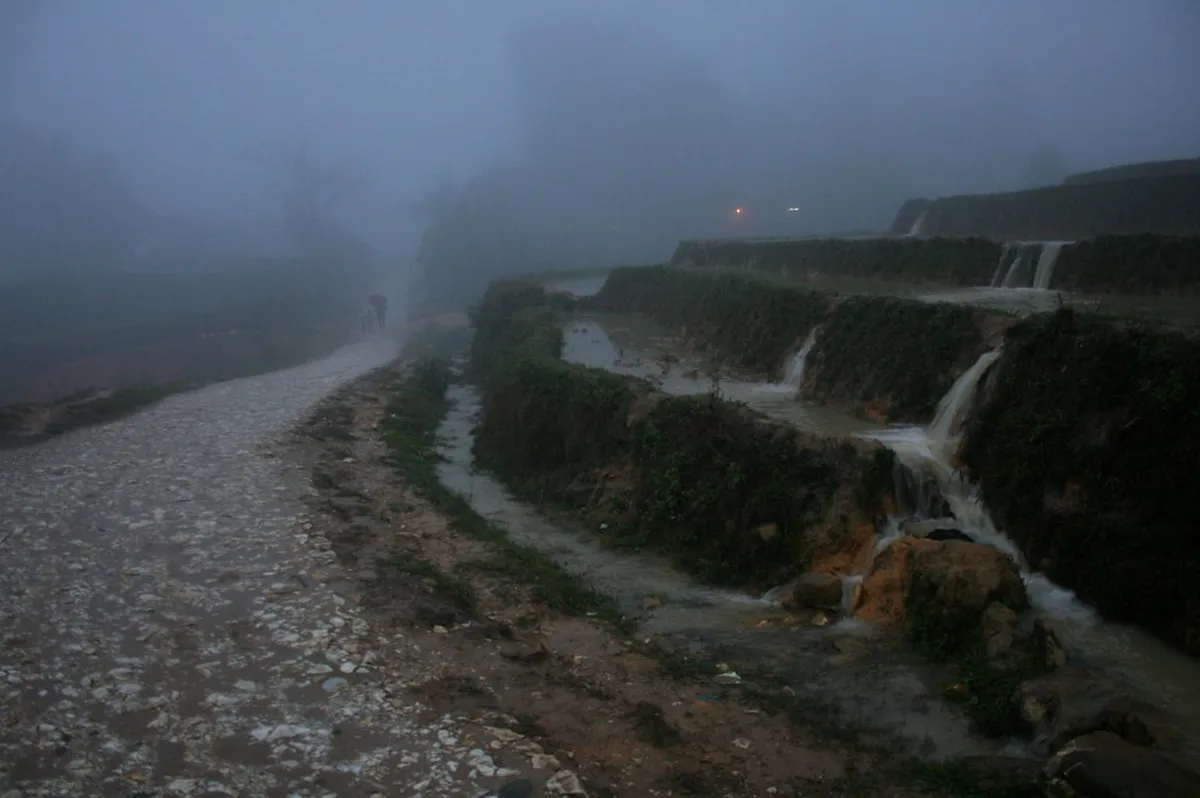
Spring runs about 15°C to 22°C with hazy mornings and occasional clear spells. Autumn is similar at 15°C to 25°C, and harvest color peaks from late September to early October. July and August are lush green but wet, muddy and warm, up to about 28°C. Winter is cold and misty and can drop to about 7°C, with a rare dusting of snow on the peaks. We would add one spare day in July, August and winter. Fog and rain can erase views, and a spare day gives you a second shot. In clear spring or autumn weather, two nights work well. Local conditions and events are listed by Lao Cai provincial tourism.
July and August heat reaching up to about 28°C fits a trek day, but fog and rain threaten Fansipan views more.
Homestay vs. Hotel: Does It Change the Number of Days?
Tour sellers in Hanoi often push homestays. Travelers report a village night puts you among the terraces on two consecutive days and adds a local dinner. A common three-day pattern is one homestay night and one hotel night. Another traveler argued it matters little where you sleep and more how you spend daylight. We think a homestay justifies a third day, because the walk in and out takes most of a day. If you stay in a town hotel, two days can work with a driver for outer sights. Luggage storage helps after an early arrival. Ask about early check-in, since night buses can arrive well before the room is ready.
Costs, Tickets and Getting Around
Traveler-reported fees give a sense of how costs scale. Love Waterfall is ₫140,000 per person and the Heaven's Gate viewpoint deck is ₫120,000. The Fansipan cable car costs ₫680,000, plus a ₫110,000 weekend surcharge. Scooter rental is reported between ₫100,000 and ₫200,000 per day, with fuel extra. A motorbike ride back to town from a remote trail runs ₫50,000 to ₫100,000. More nights mean more lodging and guide days. Fewer nights mean the van fare of ₫300,000 to ₫450,000 each way is spread over fewer days. Check current rates on operator and official pages before booking.
Van fares of ₫300,000 to ₫450,000 each way, plus the ₫680,000 cable car, make Fansipan a real cost on a three-night stay.
Who Should Stay Longer or Shorter
First-timers should book two nights. Trekkers want three, so one day is a trek and one is spare. Photographers chasing harvest light should plan four nights. Families do better with three, since steep, muddy and cobbled paths make a stroller impractical and a baby carrier is the better choice. Travelers adding Sapa to a Hanoi, Ha Long or Ninh Binh loop should keep it to one night only if they accept the rush. Anyone with a week to spare could add Mu Cang Chai.
Mistakes to Avoid
Booking one night loses about a third of the trip to the road. Planning a major trek the morning after a night bus wastes your best energy. Assuming Fansipan is a quick add-on is another trap, since it takes most of a day. Skipping weather slack in fog or rain season risks a summit with no view. Treating Cat Cat as the whole trip misses the valley trails. Finally, agree prices and add-ons with any informal guide beforehand. One traveler reported unofficial fees to enter some villages, and guides may expect purchases at the end.
Building the rest of the trip? Our Sapa attractions guide covers the sights, districts and logistics around this guide.
How many days in other cities
Frequently Asked Questions
Is Sapa, Vietnam worth visiting?
Yes, if you want terraced valleys, village trekking and cooler mountain air. Two nights is enough to judge it. Our guide on whether Sapa is worth visiting weighs the trade-offs in more detail.
How do I go to Sapa?
Most visitors take a bus or limousine van from Hanoi, which takes about 5 to 6 hours. Trains go to Lao Cai, then it is about 38 km to Sapa. A private car is also an option.
Which month will Sapa snow?
Snow is rare and falls in winter, mostly on the peaks. Winter temperatures can drop to about 7°C, with mist. Check the forecast shortly before you travel.
Explore More Sapa Guides
Keep planning your Sapa trip with these guides.
Sapa Guides
Useful notes for your Vietnam trip
Optional updates to our guides.
You might also like
Continue reading
More guides you'll find useful