Sapa Rice Terraces Season: When to See Green or Gold
When are Sapa's rice terraces green, golden or bare? Compare months, harvest timing, trail conditions and crowds before you book.
On this page
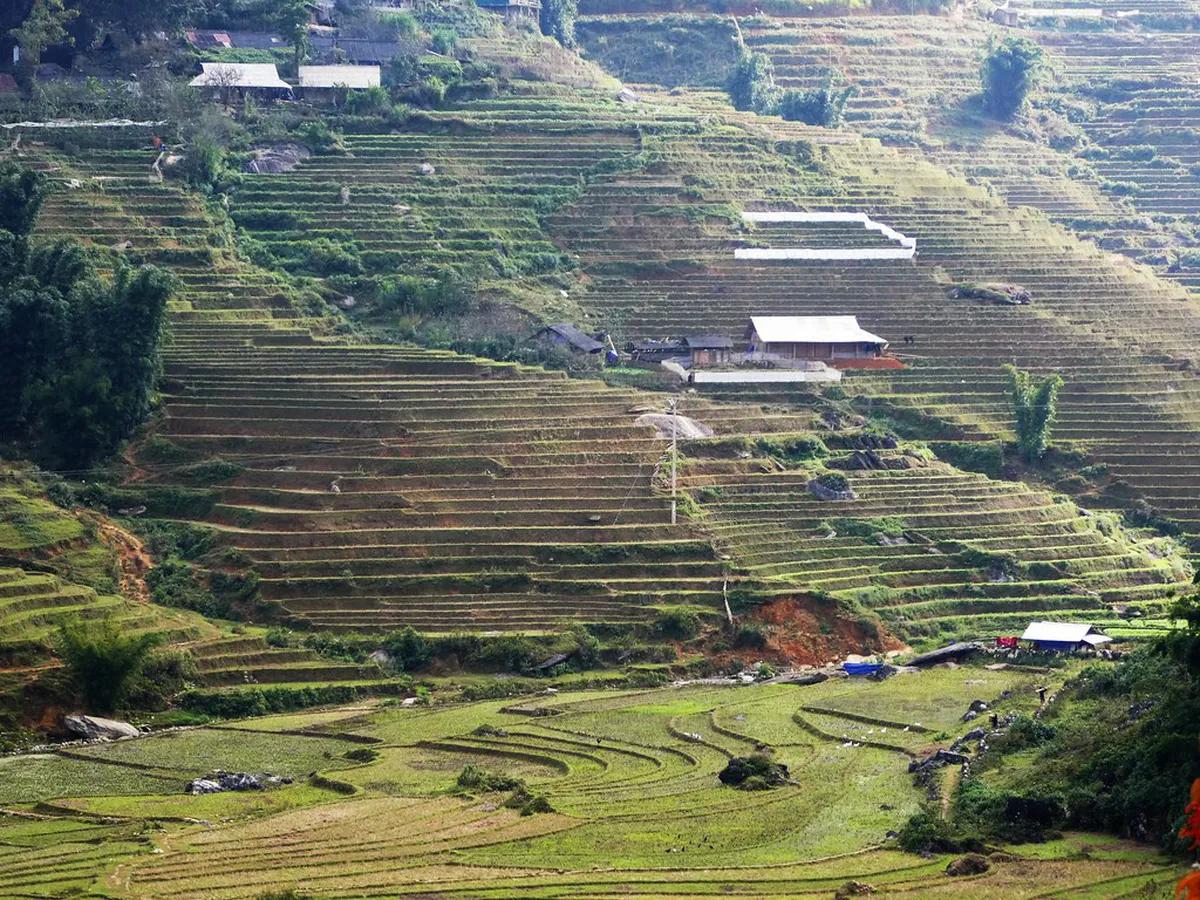
Last updated November 2026. Sapa rice terraces season runs in a single cycle: flooded fields around May to June, vivid green through August, gold in a short window around September, then bare ground from roughly October to April. Gold timing shifts with altitude, village and planting date, so treat any single peak week with suspicion. Plan for a range, then confirm with your homestay a week or two before you arrive.
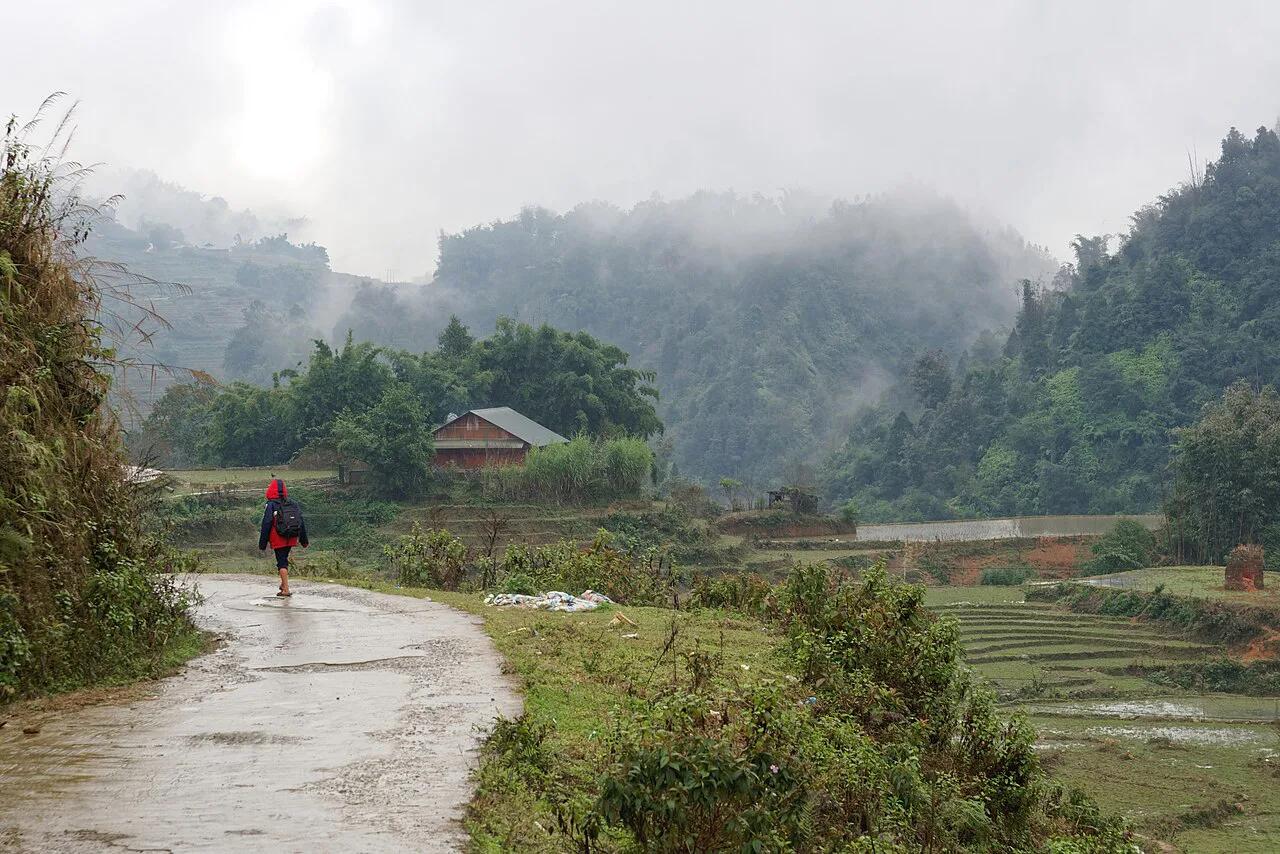
Featured image: Andre Hospers, CC BY 4.0, via Wikimedia Commons.
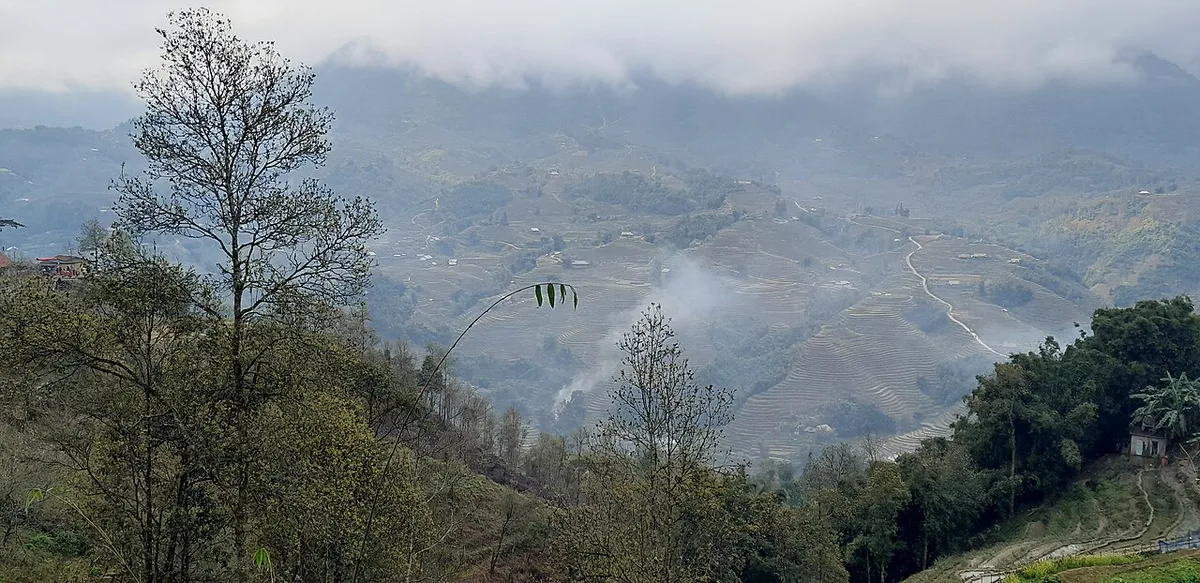
Short answer: when to see Sapa's terraces
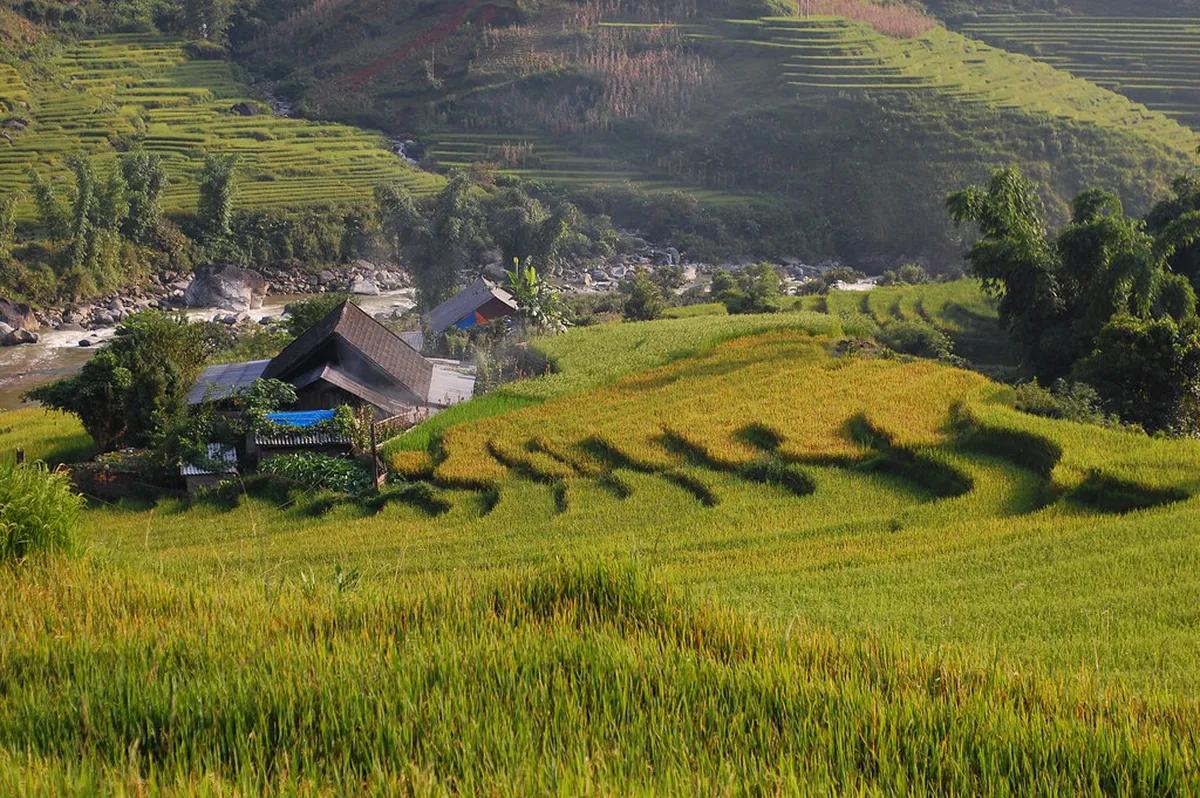
Pick the look you want, then pick the month. Mirror-like flooded fields appear around planting, roughly May to June. Deep green fills July and August. Gold arrives from about early to mid-September in most local accounts. For general all-year planning, see our Best Time to Visit Sapa: Month-by-Month Guide by Goal guide.
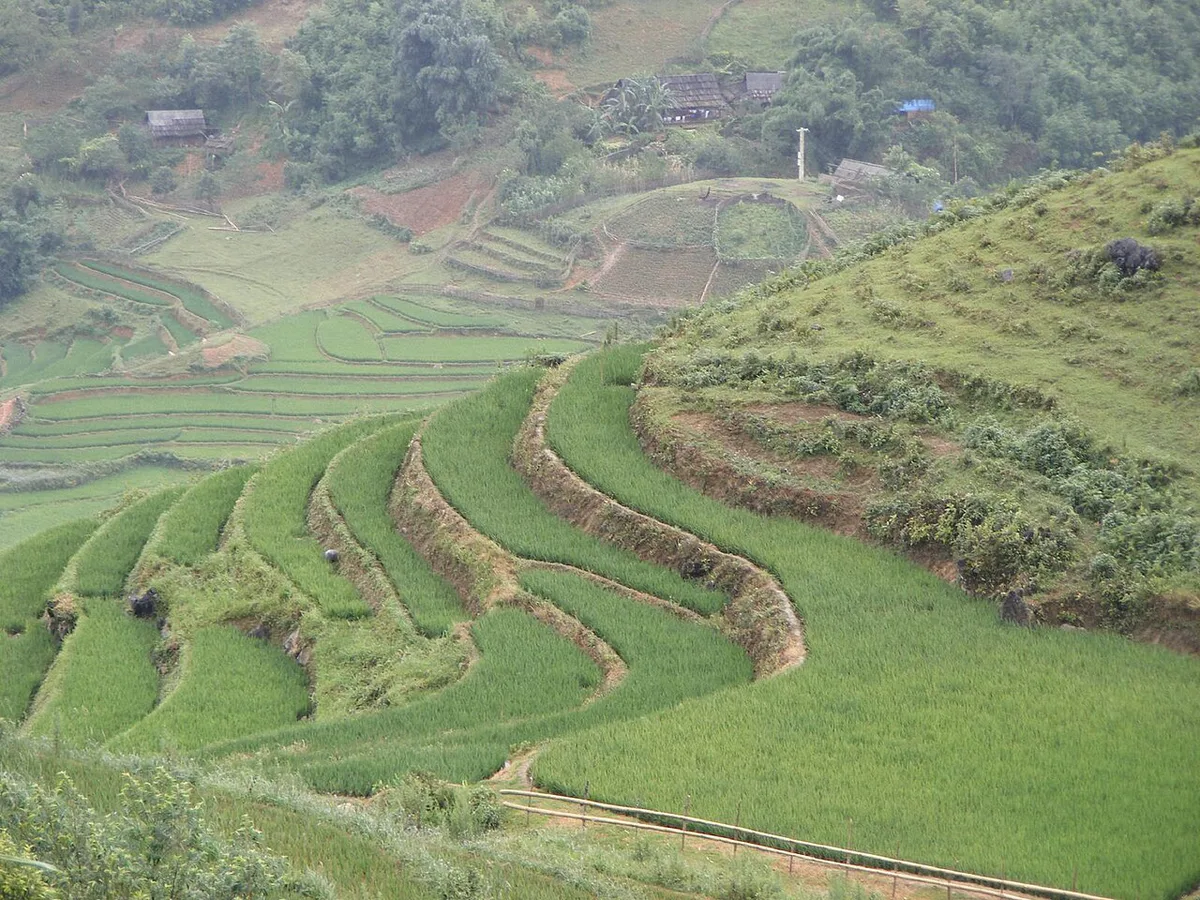
Our confidence is highest for green (July to August) and lowest for the exact gold dates. Sapa grows one rice crop a year, so a missed window means waiting twelve months.
Sapa rice terraces by month
Use this table as a planning range, not a promise. September and October are the disputed months, and local conditions decide which side of the line you land on.
| Months | Terrace stage | Colour | Trails | Crowds | Best for |
|---|---|---|---|---|---|
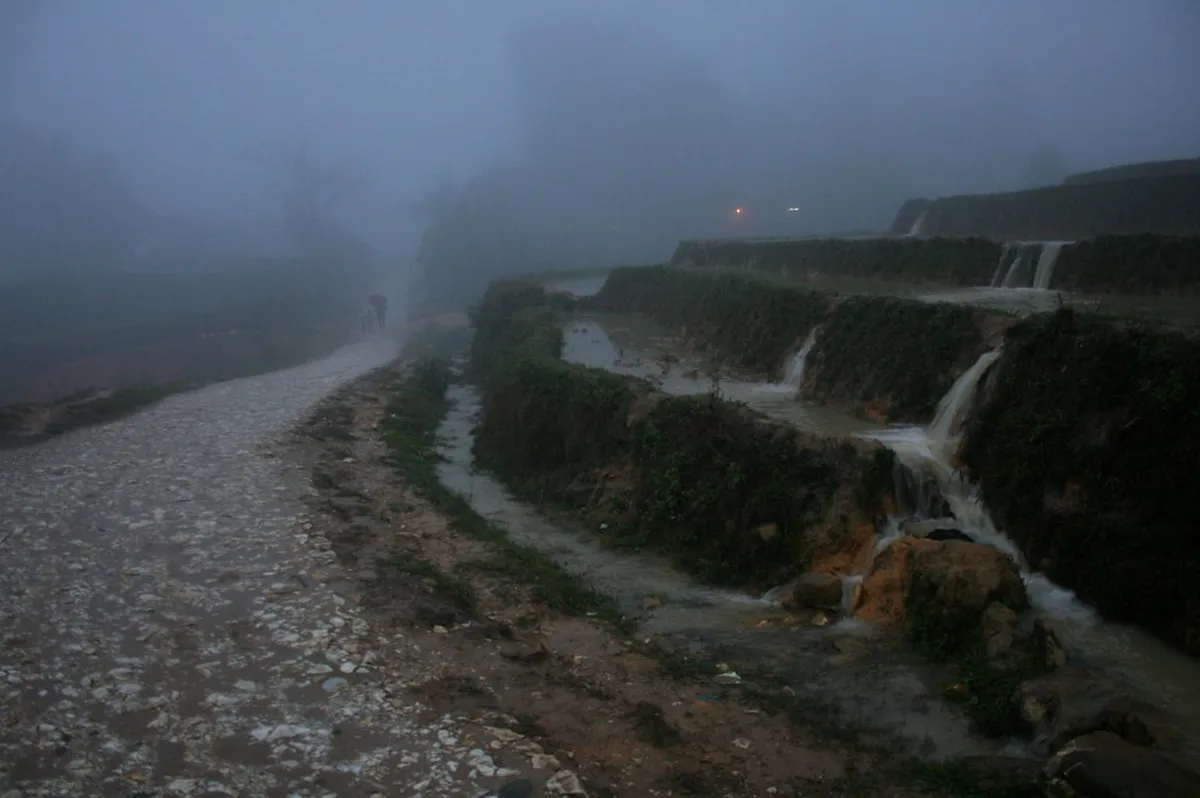
| Dec–Feb | Bare, fallow | Brown, grey | Cold, misty | Low | Quiet stays, culture |
| Mar–Apr | Not yet planted | Brown with wildflowers | Dry, easy | Lower | Trekking, mild days |
| May–Jun | Flooding and planting | Silver, mirror-like | Muddy after showers | Moderate to low | Reflections, planting scenes |
| Jul–Aug | Growing | Vivid green | Wet and slippery | High with domestic visitors | Green views |
| Early–mid Sep | Ripening | Green turning gold | Variable, rain still possible | High | Gold photos (disputed timing) |
| Late Sep–Oct | Harvest | Gold to stubble | Drier from October | High | Trekking; gold only in some areas |
| Nov | Bare | Brown | Dry and cool | Moderate | Trekking, markets |
When is the harvest, and why sources disagree
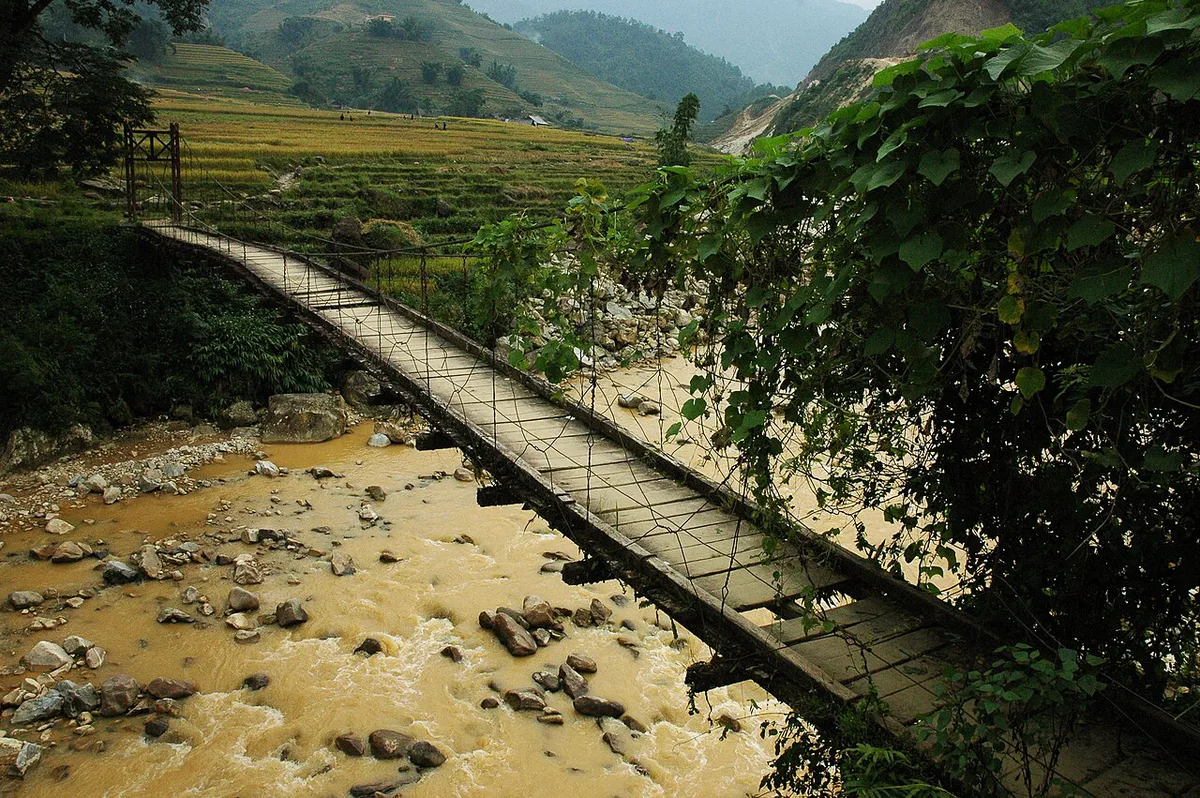
Published guides split into two camps. One says gold lasts from September through November. Another says gold peaks in the first three weeks of September and that most terraces are cut by October.
Both can be partly right. Terraces sit at different altitudes, and higher fields ripen later. Villages plant on their own schedules. Rain and temperature move the dates each year.
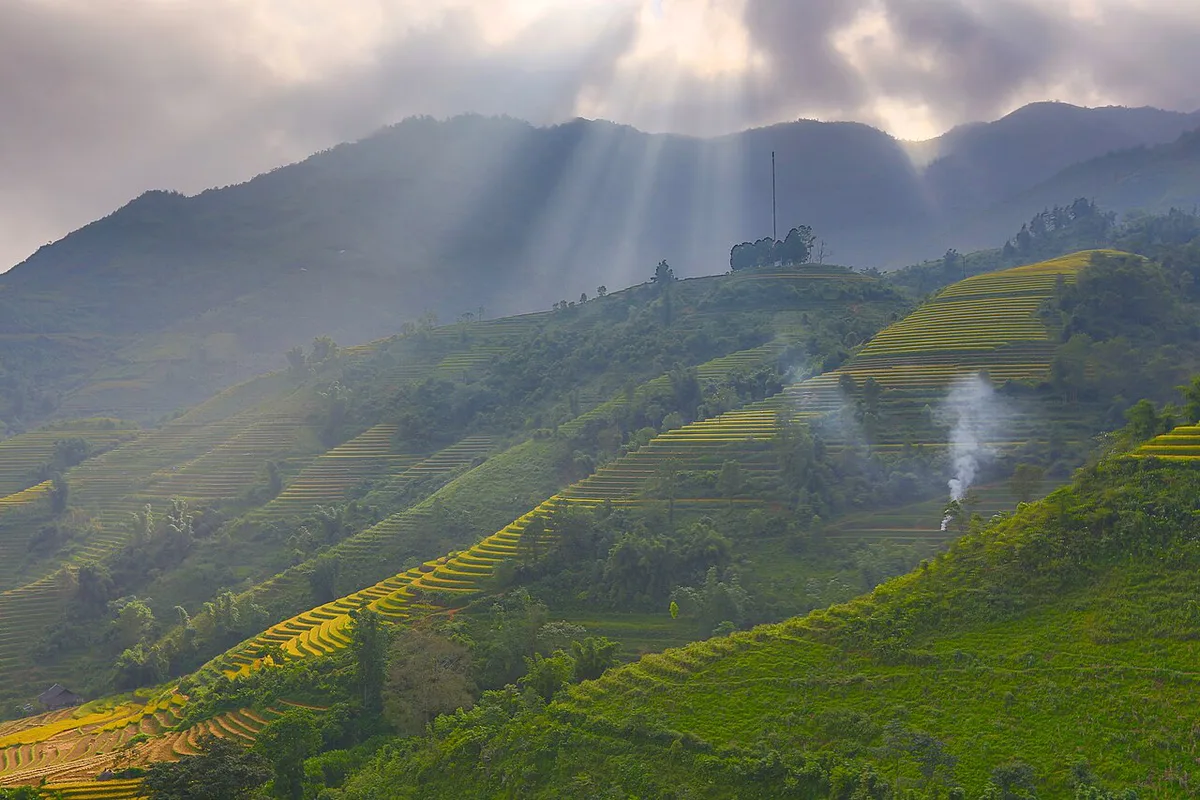
Our editorial read is that early to mid-September is the safest bet for gold. Late September is possible but less certain. October gold in Sapa is a gamble, so do not book around it.
For local conditions, ask your homestay host or guide about their own fields. Regional notices appear on the Lao Cai Province portal. Rainfall and temperature data sit with the national meteorological service.
Best months by goal
Match your goal to the stage, then check how flexible your dates are.
- Gold photos: early to mid-September, with a backup day or two.
- Reflective flooded fields: May to June, accepting mud on the trails.
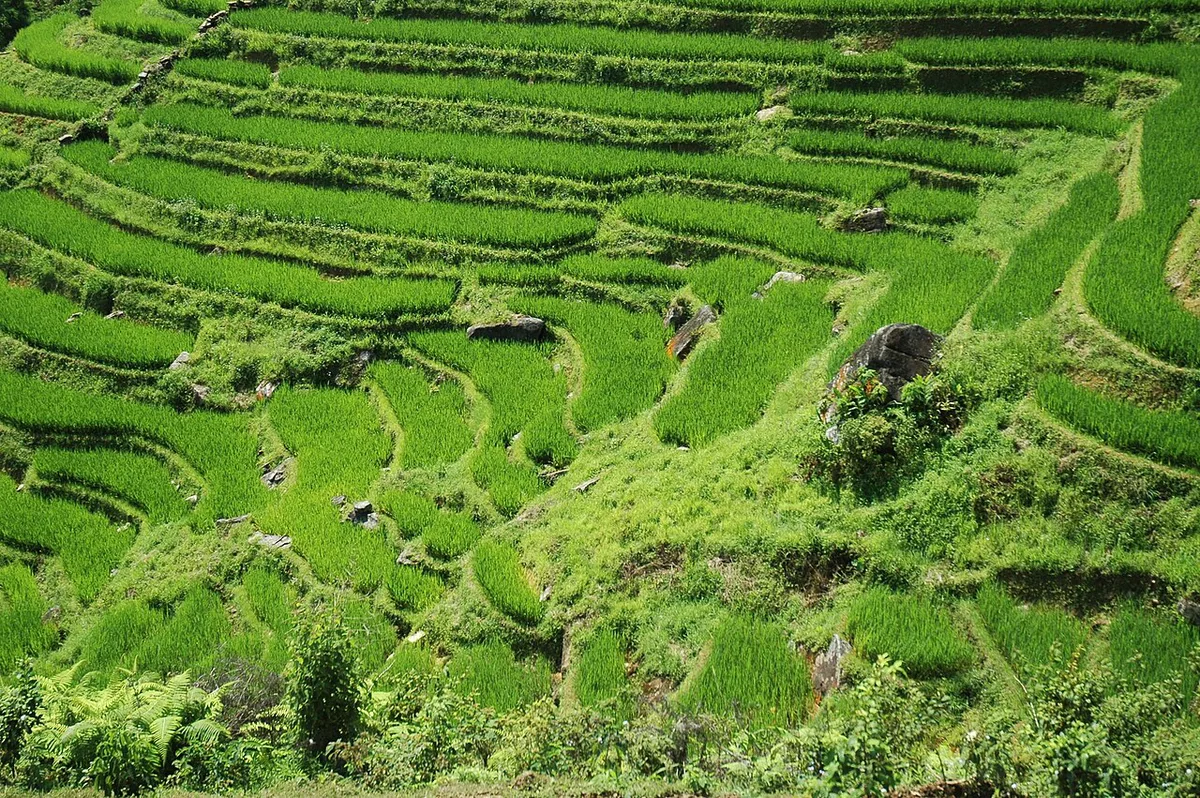
- Vivid green: July to August, accepting heavy showers and domestic crowds.
- Trekking comfort: October and November, when the dry season begins.
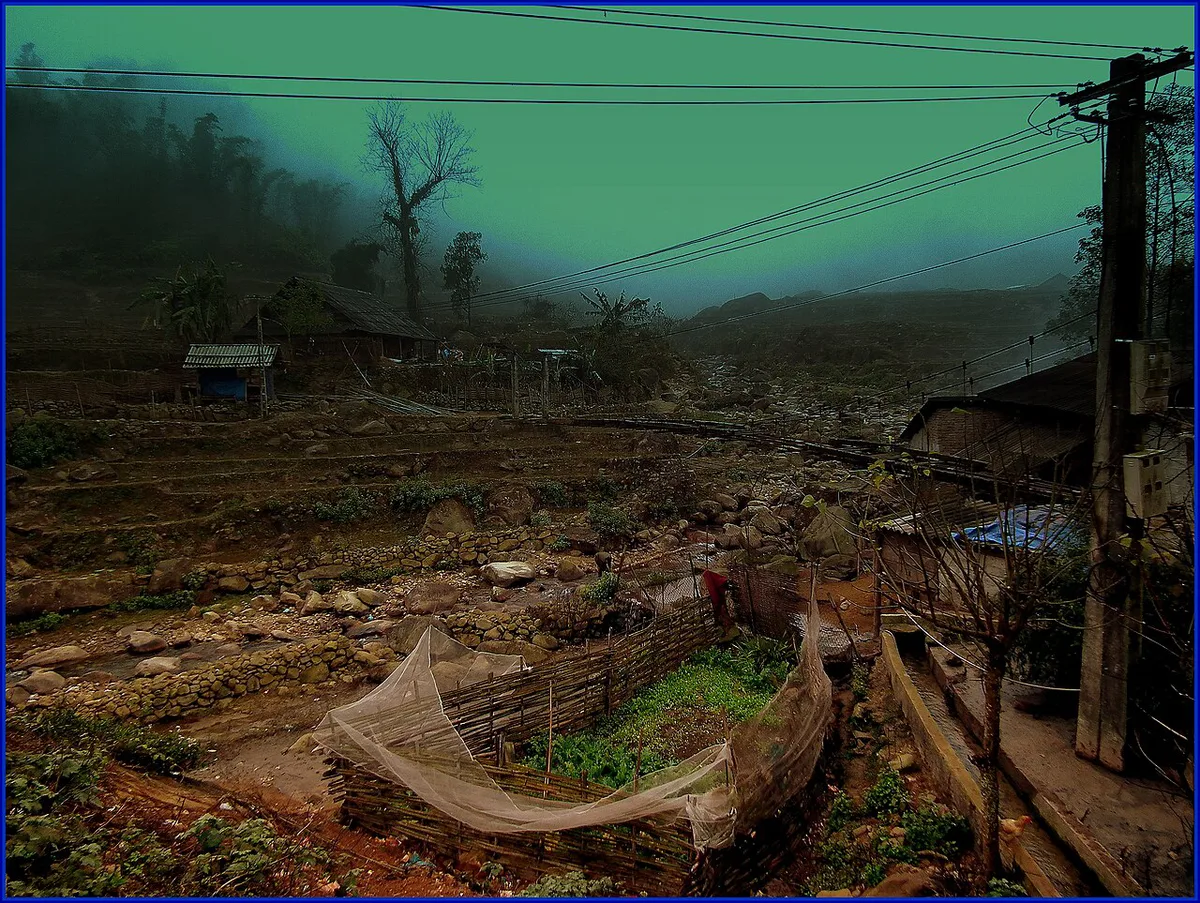
- Quiet and low prices: December to February, with bare fields and cold nights.
Where to see the terraces
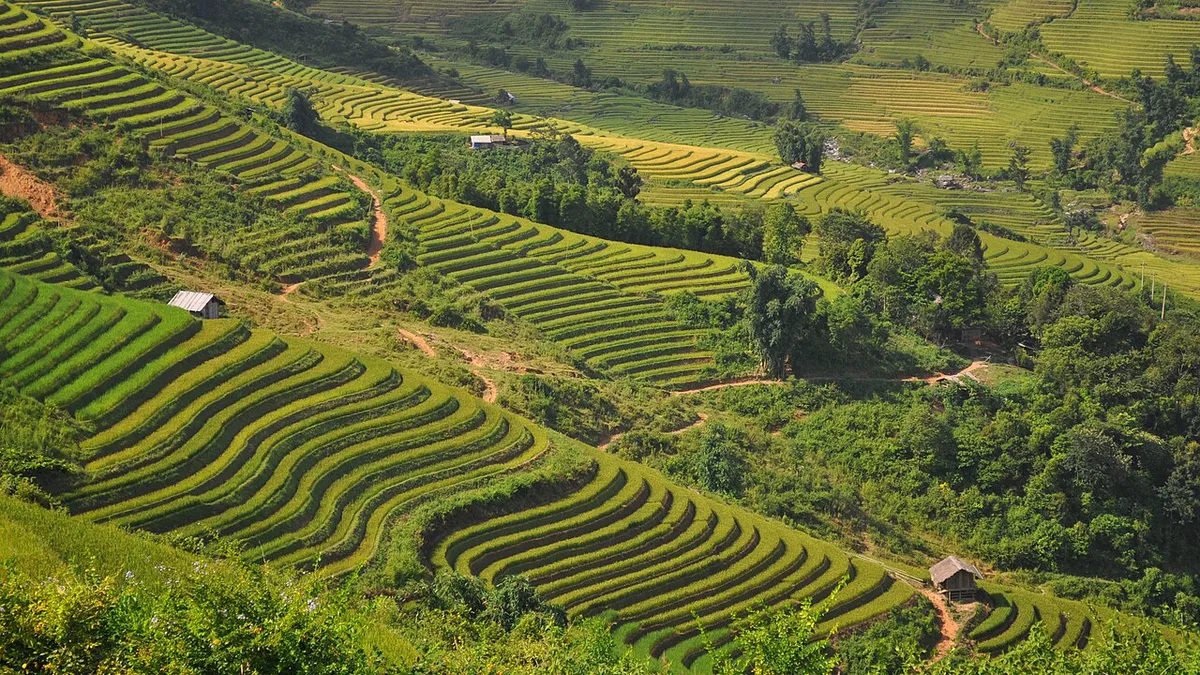
The Muong Hoa valley is the usual starting point, and it is described as an easy walk from Sapa town. Ta Van and Lao Chai villages sit in this valley and are the most common trekking route. Y Ly Ho and Lao Chai San 2 are also named by local operators as viewpoints during the growing season.
Treat these as leads rather than guarantees of gold on a given date. Ask your host which fields are ripest the week you arrive. Easy valley walks suit a first visit. Y Ly Ho and higher terraces suit people who want longer days on foot.
Getting there and planning your days
Sapa is reached from Hanoi by road and rail links via Lao Cai, with sleeper buses and transfers also sold by operators. Check timetables and fares on the operator's own site, as they change by season.
A minimum of two days lets you reach the Muong Hoa valley and still have a spare morning for fog or rain. Three days gives room to shift a walk if the weather turns. Add a day if you want Fansipan as well. National tourism information sits at Vietnam's tourism authority.
Costs and booking timing
Prices and hours checked November 2026. Tour listings give a rough sense of scale. A 3-day, 2-night homestay trek is listed from $123, and a version with a sleeper bus from Hanoi from $144. Independent day tours are listed from around $46. These are seller starting prices, not official fees, and they vary by operator and date.
Homestay treks are listed from $123, but early-to-mid September gold falls in high season, so book several weeks ahead.
September to November is the high season, so prices run higher and rooms fill sooner. December to February is the cheapest stretch. For a September gold trip, book your homestay several weeks ahead and keep a few days flexible. Domestic holiday periods add to demand, so check dates before you commit.
What to pack and trail conditions by season
Waterproof hiking shoes matter from May to September, when trails turn slippery and muddy. Add insect repellent in the wet months and a light rain jacket year-round.
In March and April, daytime highs reach about 15°C (59°F) to 25°C (77°F), but nights are cooler at altitude. From December to February, nights can fall below 0°C (32°F), so bring layers and a warm hat. Fog cuts visibility on cold mornings. For detail on rain and temperature, see Sapa weather by month.
Missed the gold? Alternatives
If Sapa's fields are already cut, Mu Cang Chai in Yen Bai province is sometimes suggested for October. One local source puts it about 158 km, or 3 hours, from Sapa. Ripening there can differ year to year, so ask before you go.
Mu Cang Chai is 158 km, or 3 hours, from Sapa, so check the drive before choosing it as an October backup.
Sapa still works in the bare months. Village walks, homestays and markets do not depend on the crop. In January and February, cold weather suits quieter stays, and our Sapa in Winter: Cold, Fog and Snow Reality Check page covers options. Fields look empty in December, and Sapa in December: Weather, Fog, Fansipan & Tips explains what to expect.
Frequently Asked Questions
Does it snow in Sapa, Vietnam?
Nights from December to February can drop below 0°C (32°F). Snow is reported on higher ground in some years, but it is not reliable. Check the forecast close to your dates.
Is 4 days in Sapa too much?
Two or three days cover the Muong Hoa valley and Ta Van–Lao Chai. A fourth day adds Fansipan or a market visit. It also gives a buffer if rain or fog ruins one day.
Useful notes for your Vietnam trip
Optional updates to our guides.
You might also like
Continue reading
More guides you'll find useful