Best Time to Visit Hue: Month-by-Month Weather Guide
February to April is usually the best time to visit Hue. Compare heat, floods and crowds month by month, with rain-day plans for every season.
On this page
Last updated November 2026. The best time to visit Hue is usually February to April, when days run about 20–28°C (68–82°F) and rain is light. May to August is the runner-up if you start early and plan around heat. Treat October and November with caution, because heavy rain, flooding and typhoons are most likely then.
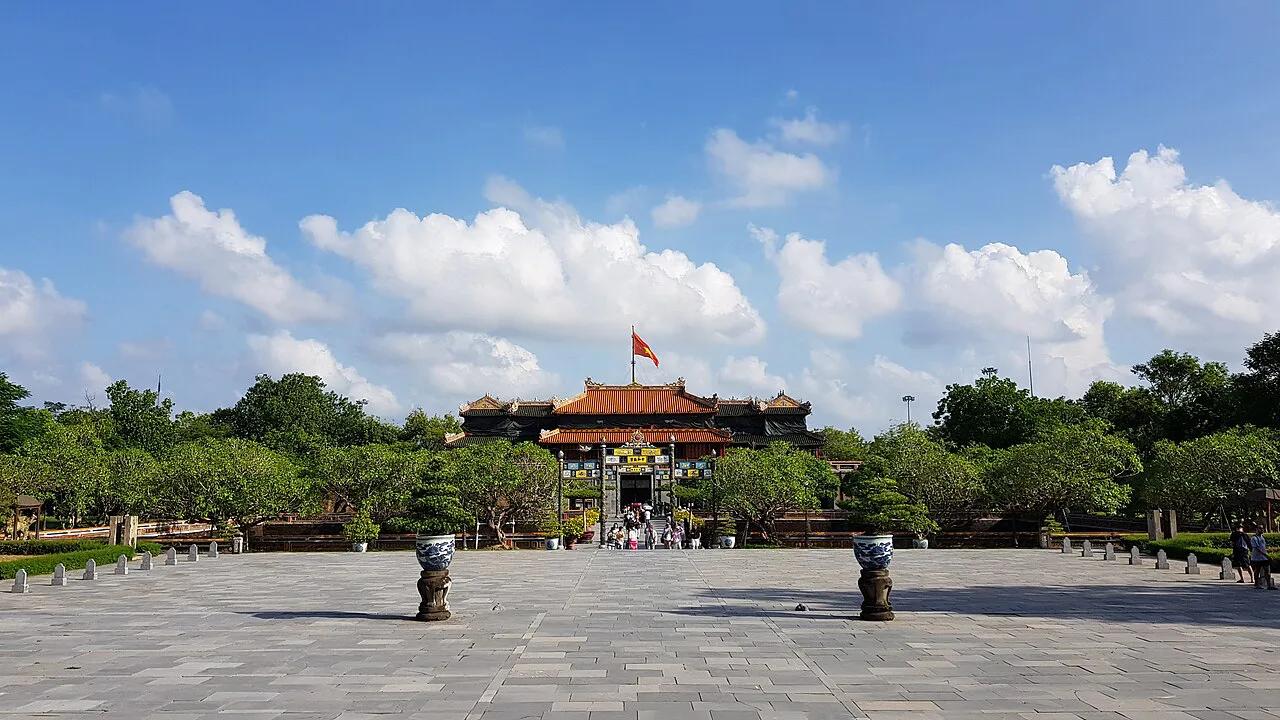
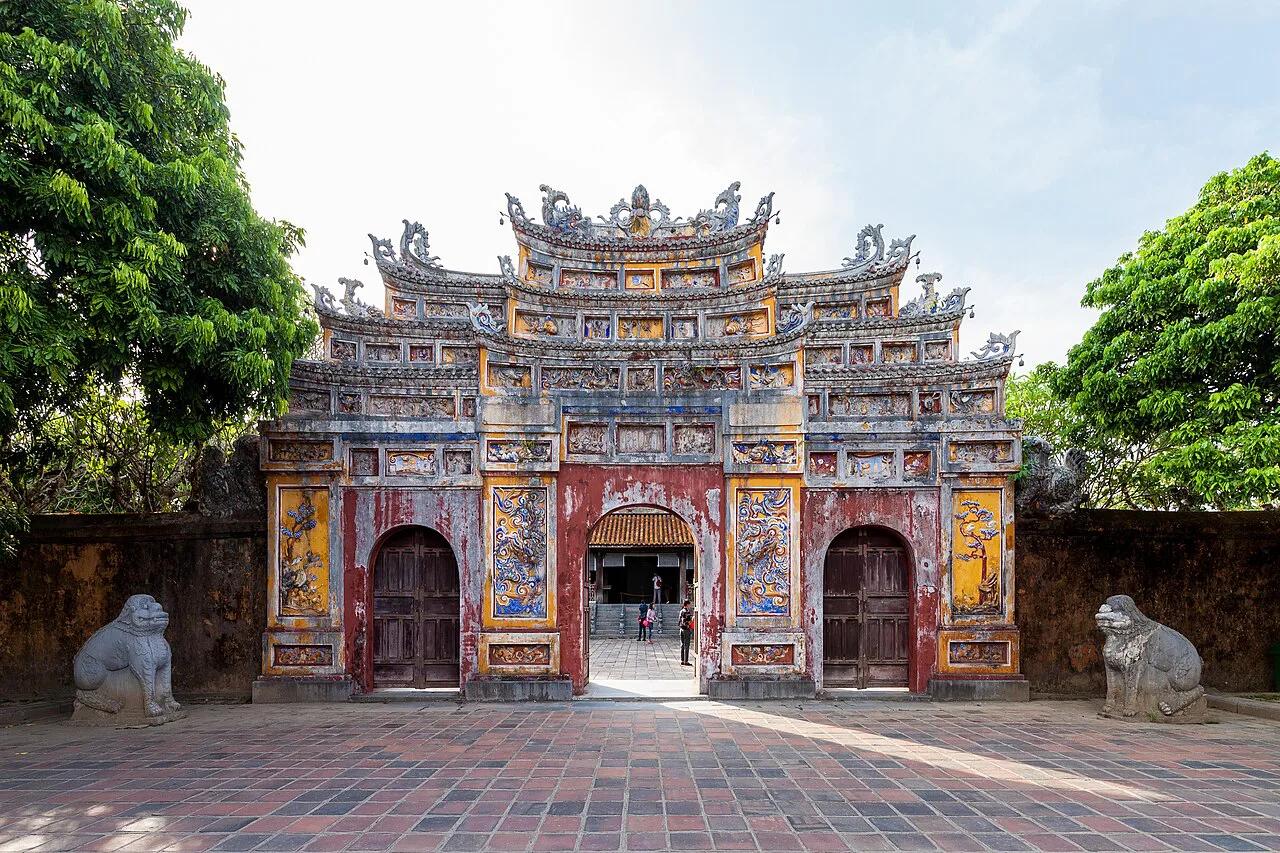
Featured image: Vyacheslav Argenberg, CC BY 4.0, via Wikimedia Commons.
Best Time to Visit Hue: The Short Answer
Pick February to April if comfort matters most. Skies are mostly clear, humidity is lower, and long walks through the Imperial City and royal tombs stay pleasant. Book early for this window, because it is the popular one.
May to August is the fallback. Daytime highs often pass 35°C (95°F), so sightseeing shifts to mornings and late afternoons. Beach days at Lang Co and Thuan An fit well here.
October and November are the months to approach carefully. Rain is heaviest and storms can disrupt roads, rail and flights. Choose refundable bookings if those weeks are your only option. Detailed monthly numbers live in our Hue weather guide.
Hue's Climate in Plain Terms
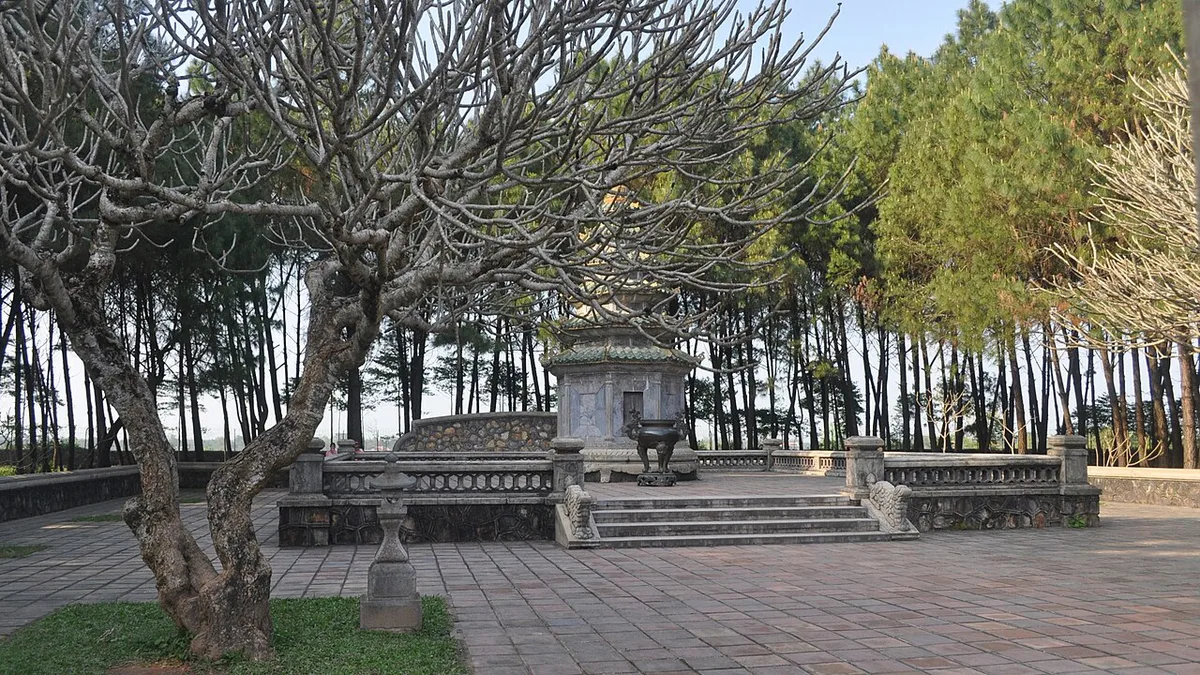
Hue has a tropical monsoon climate on Vietnam's north-central coast. Weather here does not follow the north's four clean seasons or the south's steady warmth. Official forecasts and storm warnings come from the national hydro-meteorological service.
Hue's rain arrives late. The wet season builds from September, peaks around October and November, and often lingers into winter as cool drizzle. Spring is the driest stretch, and heat builds through summer.
Sources draw the dry and wet boundaries differently. Some put the dry season at February to August and others at March to August. Treat "dry" and "rainy" as approximate, and plan around four traveler seasons instead: spring, summer, autumn and winter. Conditions shift from year to year, so a showery April or a dry December is always possible.
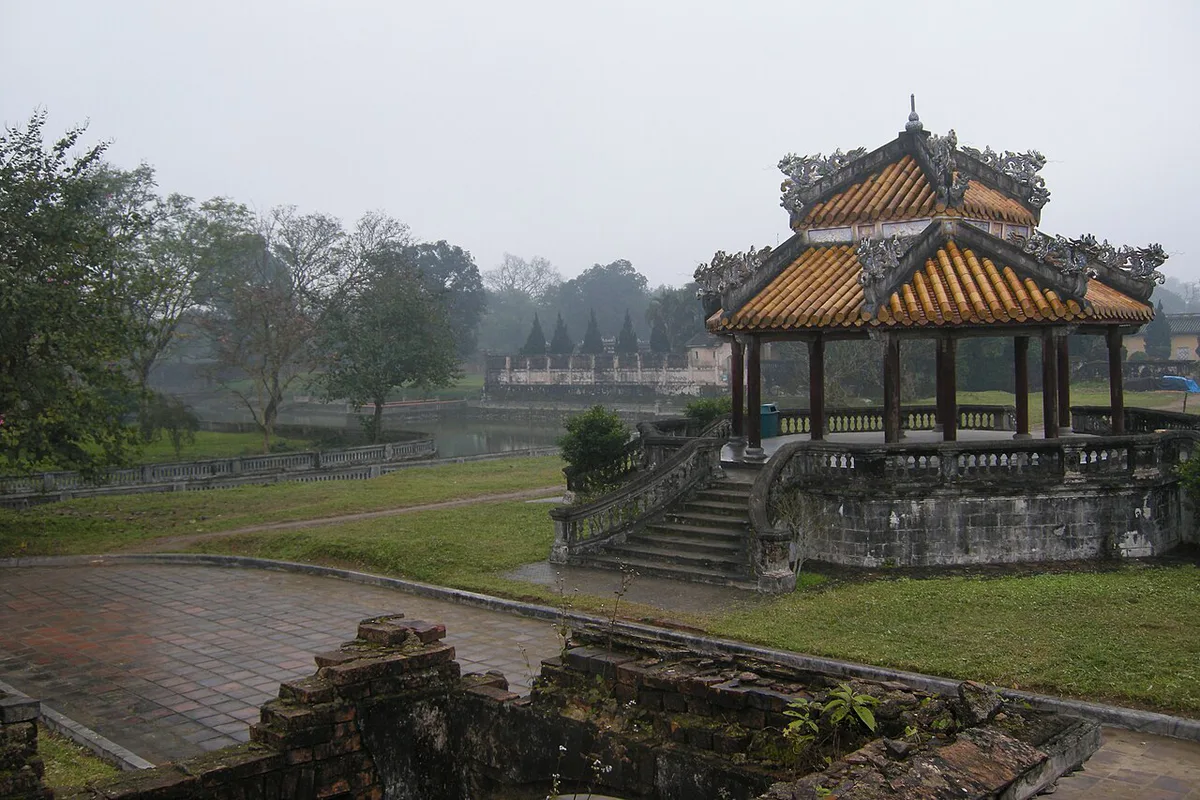
Season Comparison: Which Window Fits Your Trip
Use this matrix to weigh rain, heat, flood risk and crowds at a glance. Hotel pricing is shown as a relative level only. Prices and hours checked November 2026. As an illustration of the pattern, not a quoted rate, a mid-range room listed near ₫1,200,000 a night in April can drop toward ₫800,000 in November. Compare live rates for your own dates.
Daytime highs often pass 35°C (95°F) in summer, so the matrix lists May–Aug for early risers.
| Window | Rain | Heat | Flood risk | Crowds | Hotel price level | Sightseeing comfort | Best fit |
|---|---|---|---|---|---|---|---|
| Feb–Apr | Low | Mild, 20–28°C (68–82°F) | Low | Highest | Highest | Excellent | First-timers, sightseers, photographers |
| May–Aug | Low to moderate, some afternoon showers | Hot, often 35°C (95°F) or more | Low | Moderate | Mid, with deals | Good if you start early | Beach-goers, early risers |
| Sep–Nov | High, peaking Oct–Nov | Warm and humid | Highest | Lowest | Lowest | Fair to poor | Flexible, budget travelers |
| Dec–Jan | Drizzle, overcast | Cool, lows near 15°C (59°F) | Moderate | Low to moderate | Low to mid | Fair | Slow-pace travelers with layers |
Best Time to Visit Hue by Traveler Type
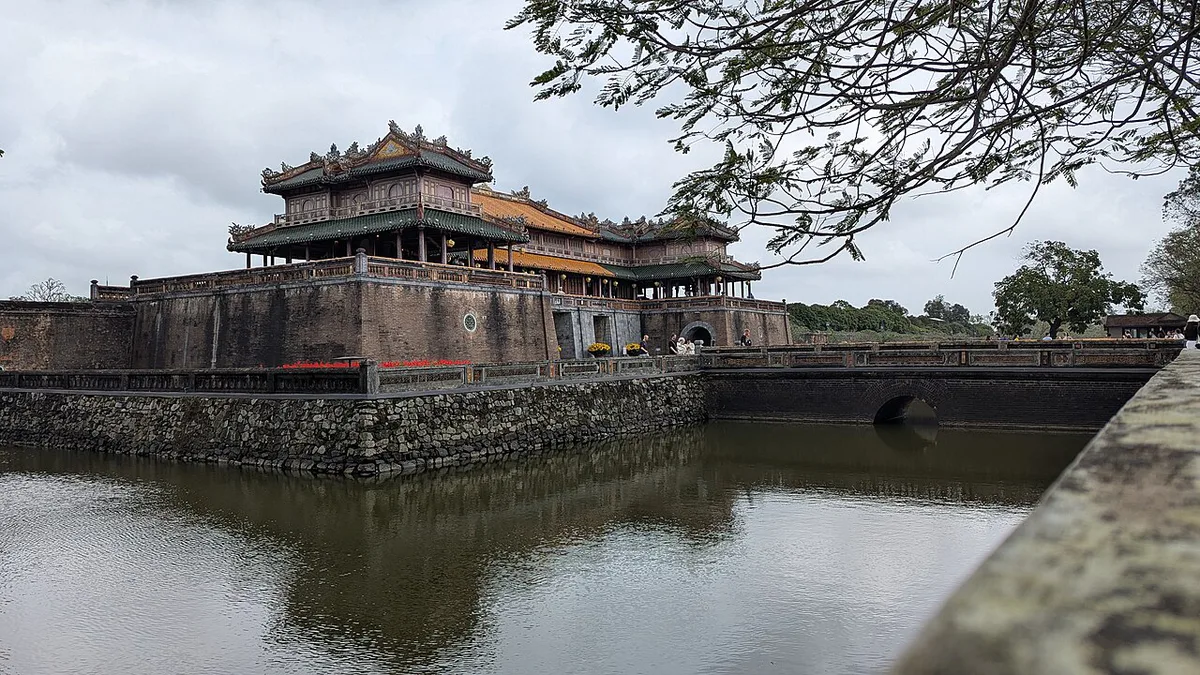
Your priorities change the answer. Photographers can love misty winter light, while families usually want mild spring days. Use the table to match your trip.
| Traveler | Best window | Why |
|---|---|---|
| Sightseers | Feb–Apr | Long outdoor days at the Citadel and tombs without extreme heat |
| Photographers | Feb–Apr, or Dec–Jan for mist | Clear light in spring, moody fog at the tombs in winter |
| Beach-goers | May–Aug | Lang Co and Thuan An are best in the sunniest months |
| Budget travelers | Sep–Jan | Lower hotel levels and thinner crowds, with weather risk |
| Festival-goers | Check dates first | See the Hue Festival page before choosing a month |
| Families | Feb–Apr | Mild temperatures suit children on long walking days |
| Travelers over 50 or with mobility limits | Feb–Apr | Stone paths are dry and heat stays manageable |
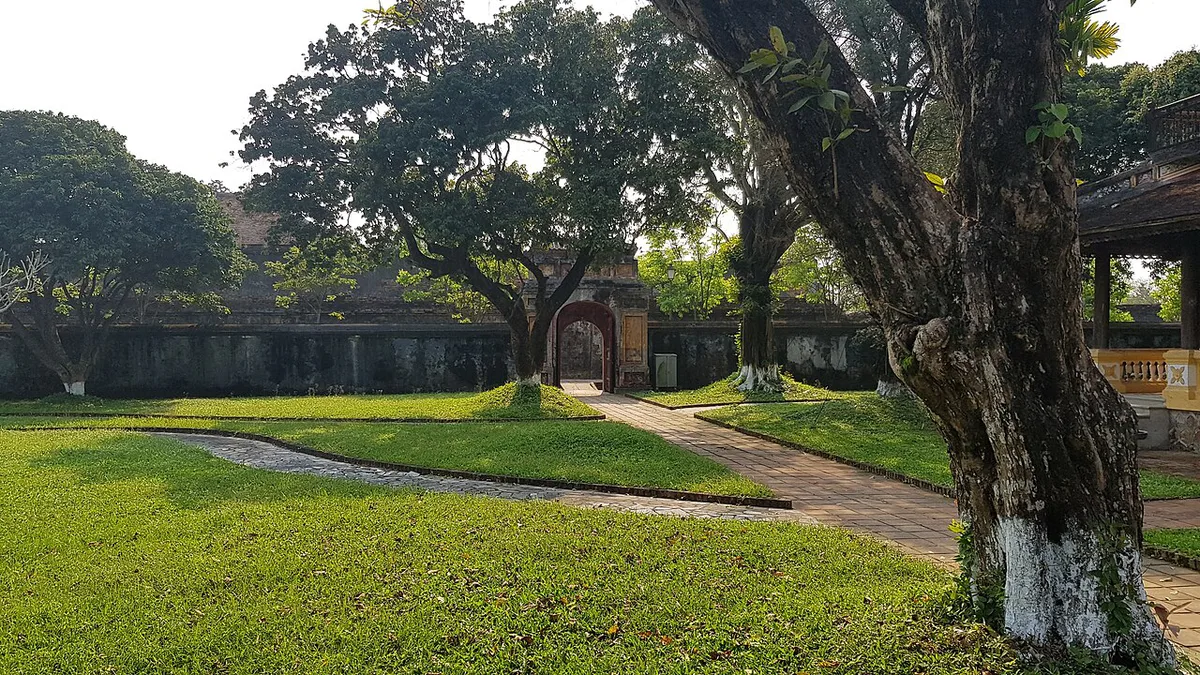
Hue Month by Month
Each month gets a verdict and one practical move. Verdicts are editorial judgments based on typical conditions, and individual years vary.
- January: go with caution. Cool and damp, lows near 15°C (59°F). Pack a sweater and plan cafe breaks.
- February: go. Dry and mild, with comfortable sightseeing. Start with the Imperial City.
- March: go. Among the driest months. Book rooms early.
- April: go. Warmer but still comfortable. Visit tombs before late morning.
- May: go with caution. Heat builds. Split days into early outings and indoor afternoons.
- June: go with caution. Strong sun, so schedule tombs for 6:00–9:00 AM.
- July: go with caution. Hot and humid. Pair Hue with a beach day at Thuan An.
- August: go with caution. Showers return. Keep a flexible afternoon plan.
- September: go with caution. Rain rises quickly. Pick refundable rates.
- October: avoid unless flexible. Peak rain and flood risk. Add buffer days around onward travel.
- November: avoid unless flexible. Typhoon risk remains. Watch official alerts daily.
- December: go with caution. Overcast and drizzly. Read our December in Hue guide for a plan.
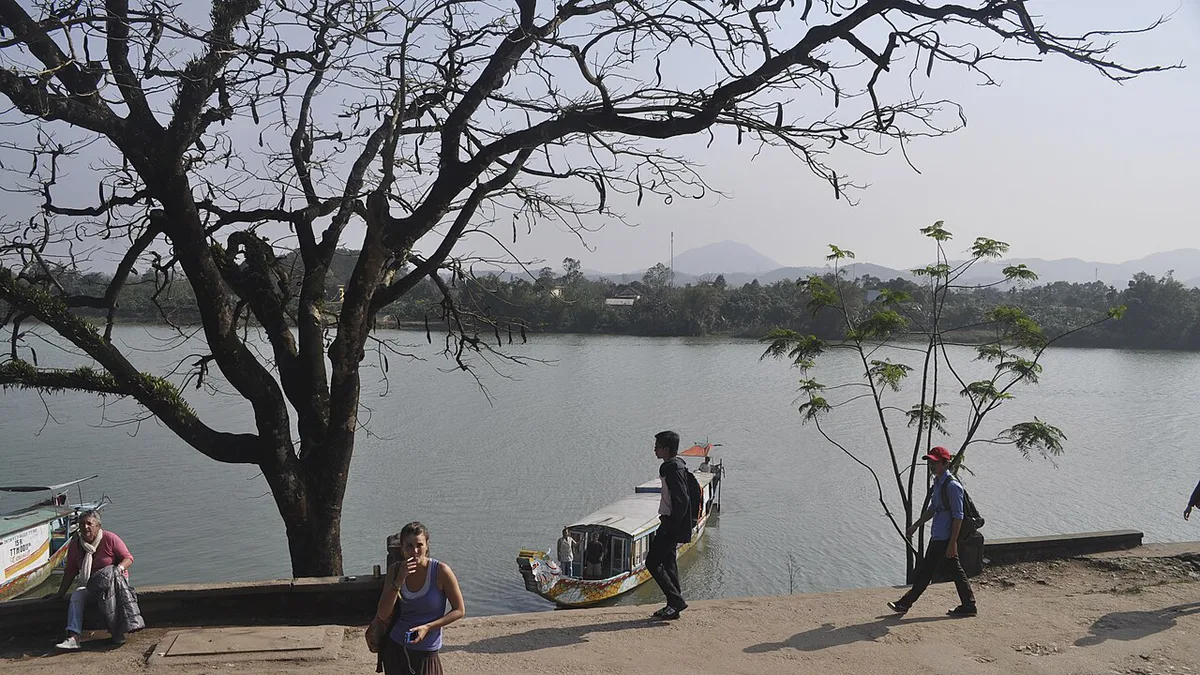
Spring (Feb–Apr): Peak Comfort, Peak Booking Pressure
Spring delivers the most reliable sightseeing. Temperatures sit around 20–28°C (68–82°F), and rain stays light. Expect the most visitors and the highest hotel levels of the year.
Book rooms and any guided tours well ahead. Dress for temple rules year-round, with shoulders and knees covered. Festival timing can shape crowds, so check the schedule on the official Hue Festival site. Our Hue Festival guide explains how events affect bookings.
Summer (May–Aug): Heat Plan and Beach Pairing
Daytime temperatures often rise above 35°C (95°F), and humidity makes it feel hotter. Reported peaks reach 38°C (100°F) in some years. Plan outdoor visits between 6:00 AM and 9:00 AM, then retreat indoors.

Use midday for royal cuisine meals, a cafe, or a hotel pool. Return to the tombs late in the afternoon. Beaches at Lang Co and Thuan An pair well with this season. Sea conditions and sudden showers can still change a coastal day, so keep one backup.
Autumn (Sep–Nov): Is the Rainy Season Worth It?
Hue in autumn is quiet, green and often wet. October and November bring the heaviest rain, with flood and typhoon risk. Savings are real, but disruption is too.
Book flexible or refundable rates. Leave a spare day before any onward flight or train. Follow warnings from the national forecasting centre daily. Our rainy season plan covers what to keep and what to cancel.
Winter (Dec–Jan): Cool, Damp and Moody
Hue surprises visitors in winter. Lows can drop near 15°C (59°F), and skies often stay grey for days. Humidity makes the chill feel sharper.
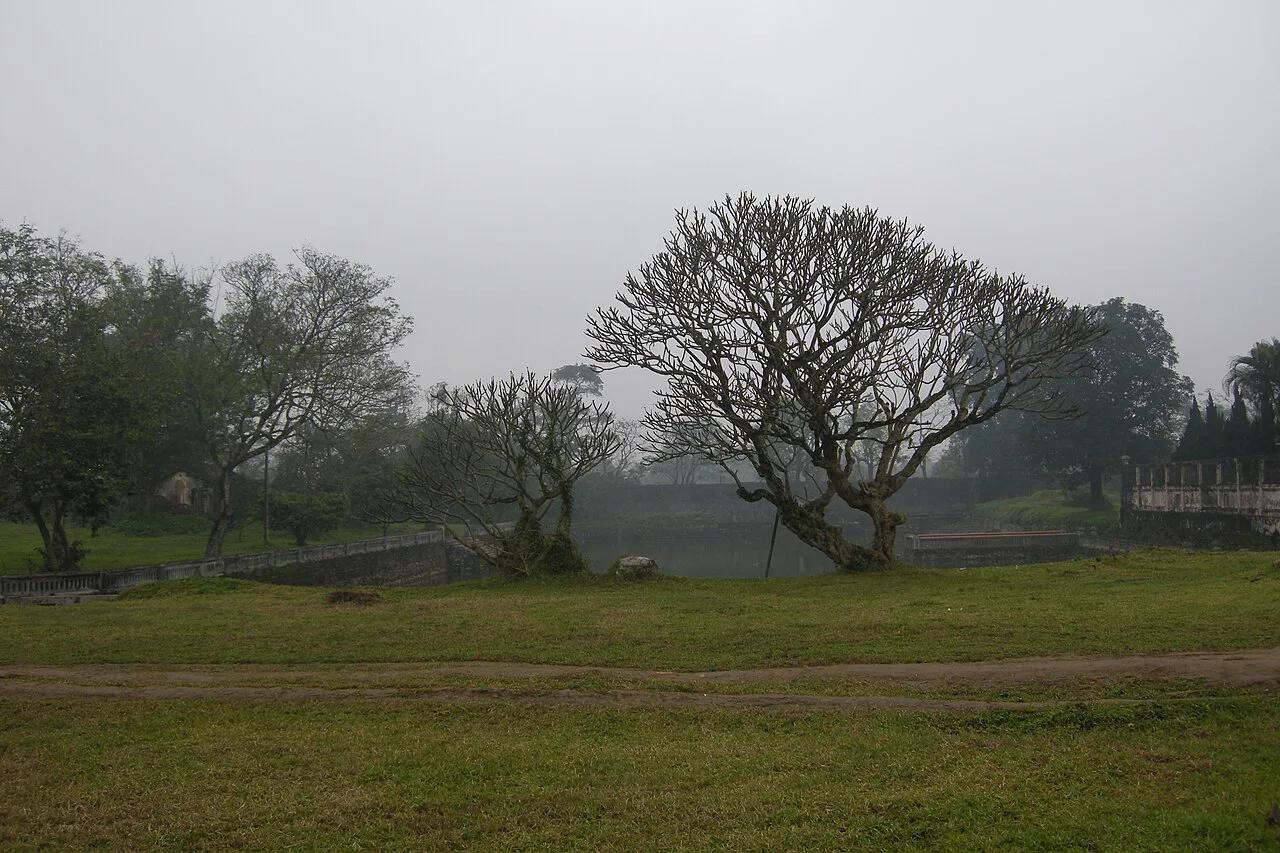
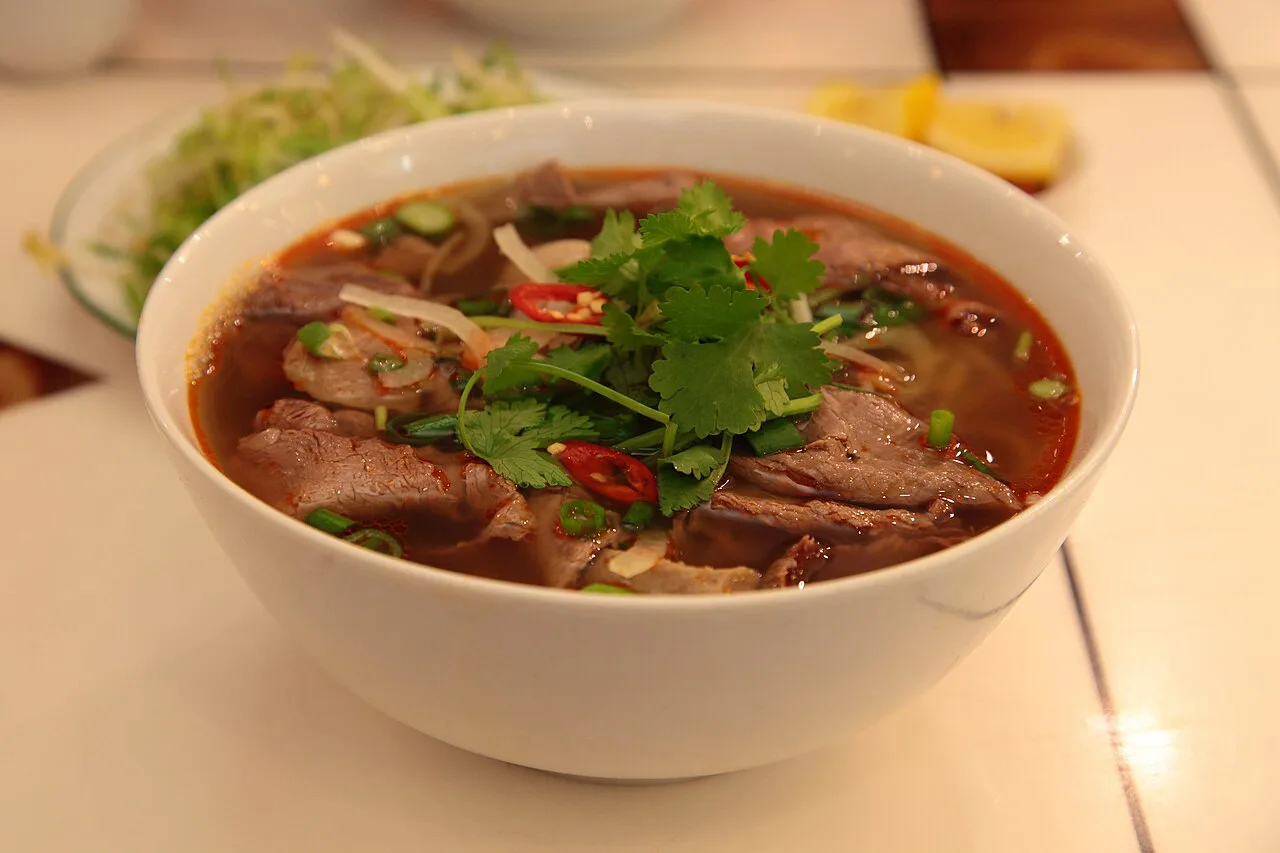
Pack layers, a light rain jacket and shoes with grip. Gloomy days suit cafes, hot bún bò Huế and covered tomb pavilions. Temple halls shrouded in mist also photograph well.
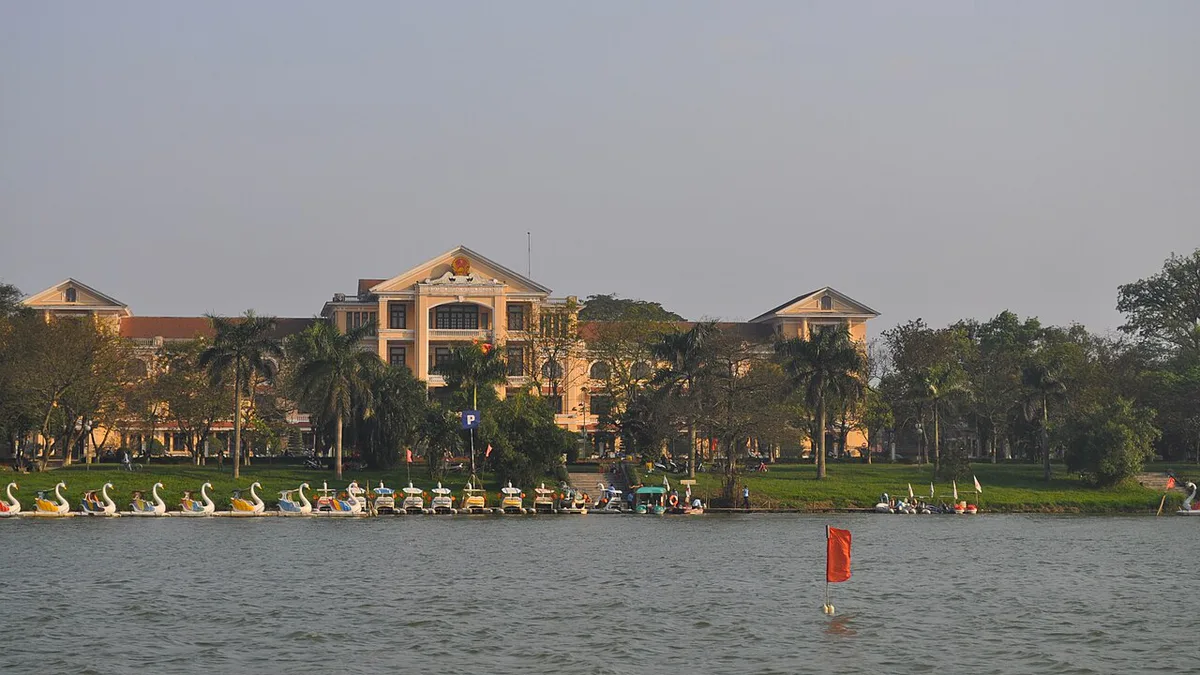
What To Do in Hue in Each Season
Match activity to weather.
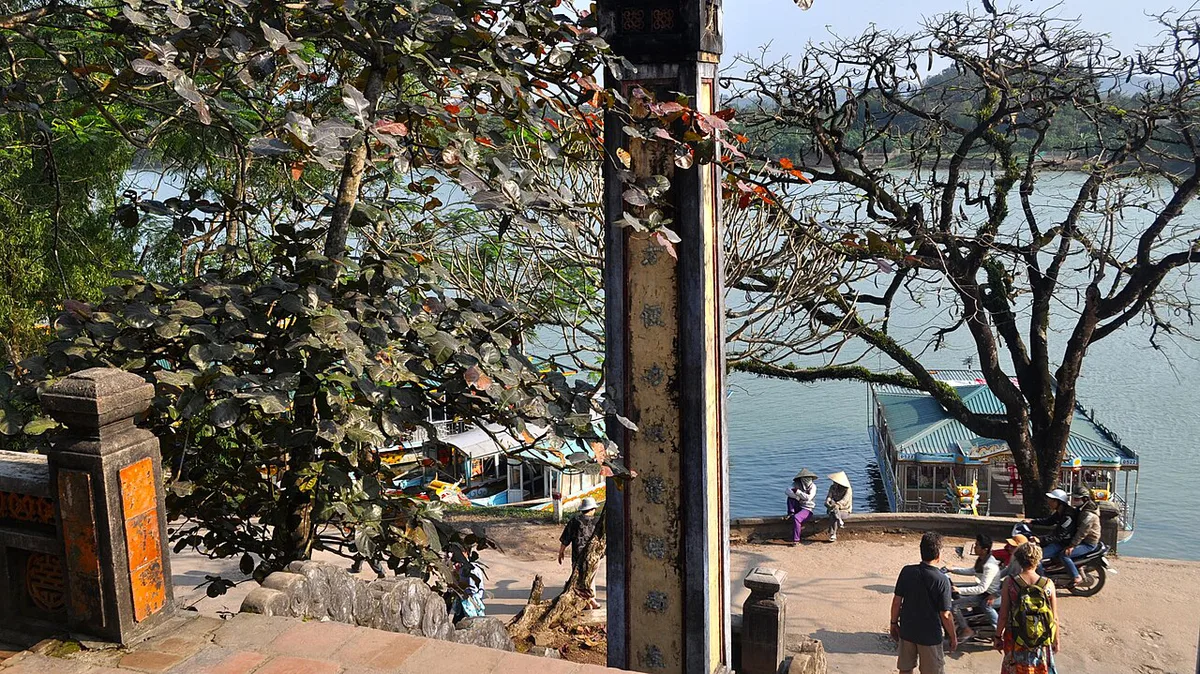
In spring, do the Imperial City, then Minh Mang and Tu Duc tombs. In summer, cruise the Perfume River early and stop at Thien Mu Pagoda. Finish with a beach day at Lang Co.
In autumn, shift indoors to cooking classes, royal-style meals and cafes. In winter, climb Vong Canh Hill on clear spells and keep Khai Dinh Tomb for wet days, since it is compact. Shorten river cruises whenever winds or storms rise.
Getting To and Around Hue by Season
Hue sits north of Da Nang and the Hai Van Pass. Heavy rain can slow or interrupt transfers from Da Nang or Hoi An. Road and rail both feel storm effects.
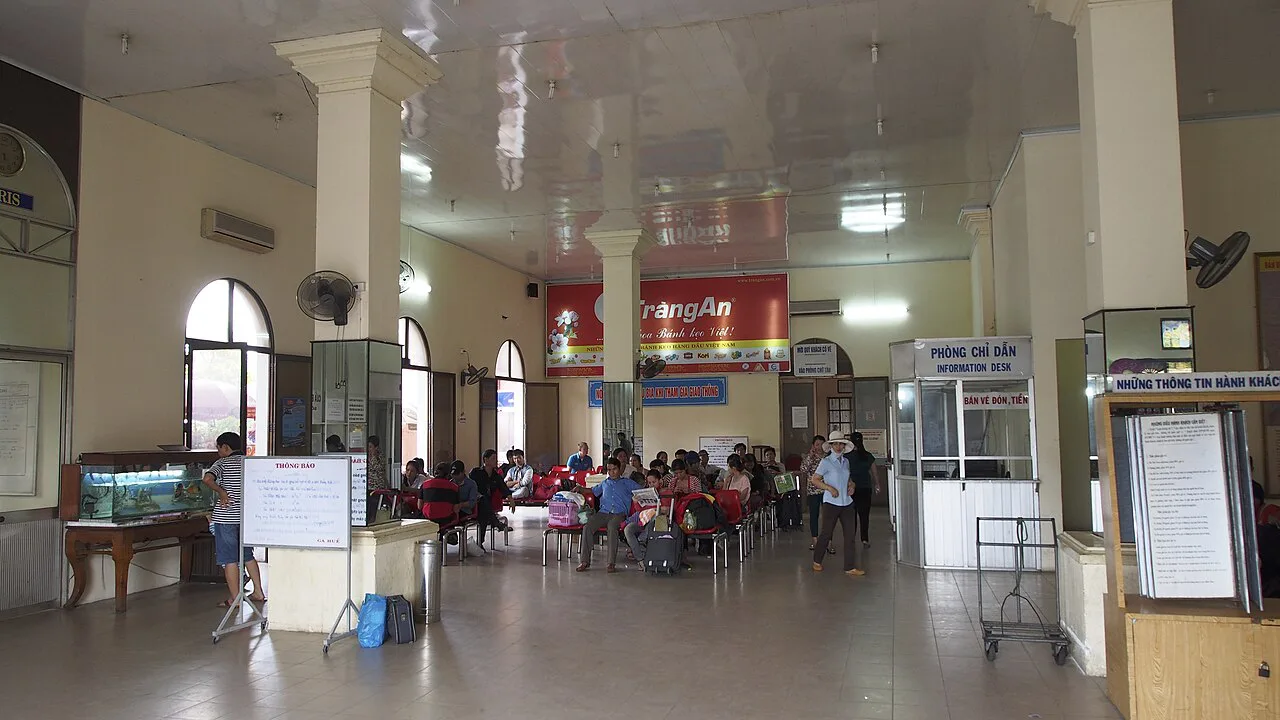
In October and November, leave a buffer day before flights or onward trains. Train is a transport option along this coast, so check current timetables with the national railway operator. Local taxis and cyclos are easier in dry months than in flood weeks.
Costs, Crowds, and Booking Strategy

Spring costs the most and fills first. Autumn and winter tend to cost less and feel quieter. Summer sits between, often with hotel deals.
For spring, book rooms early. For autumn, choose free-cancellation rates. Entry fees and hours change, so confirm them with the Hue Monuments Conservation Centre before you go.
Packing and Dress Checklist
Heritage sites require covered shoulders and knees in every season. Layer your kit around that rule.
Lows can drop near 15°C (59°F) in winter, so the Dec–Jan sweater or light jacket earns its place.
- Year-round: light shawl or sarong, sunscreen, comfortable walking shoes
- May–Aug: hat, refillable water bottle, breathable long sleeves
- Sep–Nov: packable poncho, quick-dry clothes, dry bag for phone
- Dec–Jan: sweater or light jacket, shoes with grip
Mistakes To Avoid When Timing Your Trip
Plan around these common errors.
- Booking only by the "dry season" label, since boundaries are approximate
- Expecting tropical warmth in December and January
- Scheduling a dawn river cruise during a typhoon week
- Skipping a buffer day before onward travel in October and November
- Packing no layers for winter or no cover-ups for the tombs
Explore More Hue Guides
Keep planning your Hue trip with these guides.
Hue Guides
Building the rest of the trip? Our Hue attractions guide covers the sights, districts and logistics around this guide.
Best time to visit other cities
Useful notes for your Vietnam trip
Optional updates to our guides.
You might also like
Continue reading
More guides you'll find useful