Sapa Weather by Month: Seasons, Fog, Rain and What to Pack
What is Sapa's weather really like? Seasonal temperatures, rain and fog, trekking conditions, and what to pack, plus when to adjust your plans.
On this page
Last updated November 2026. Sapa weather is shaped by altitude: the town sits at roughly 1,500 m, so it runs far cooler than Hanoi, with fog, a wet summer and a cold winter. Use this guide to decide what each season means for trekking, views and packing. For today's conditions, open a live forecast such as Yr or Ventusky.
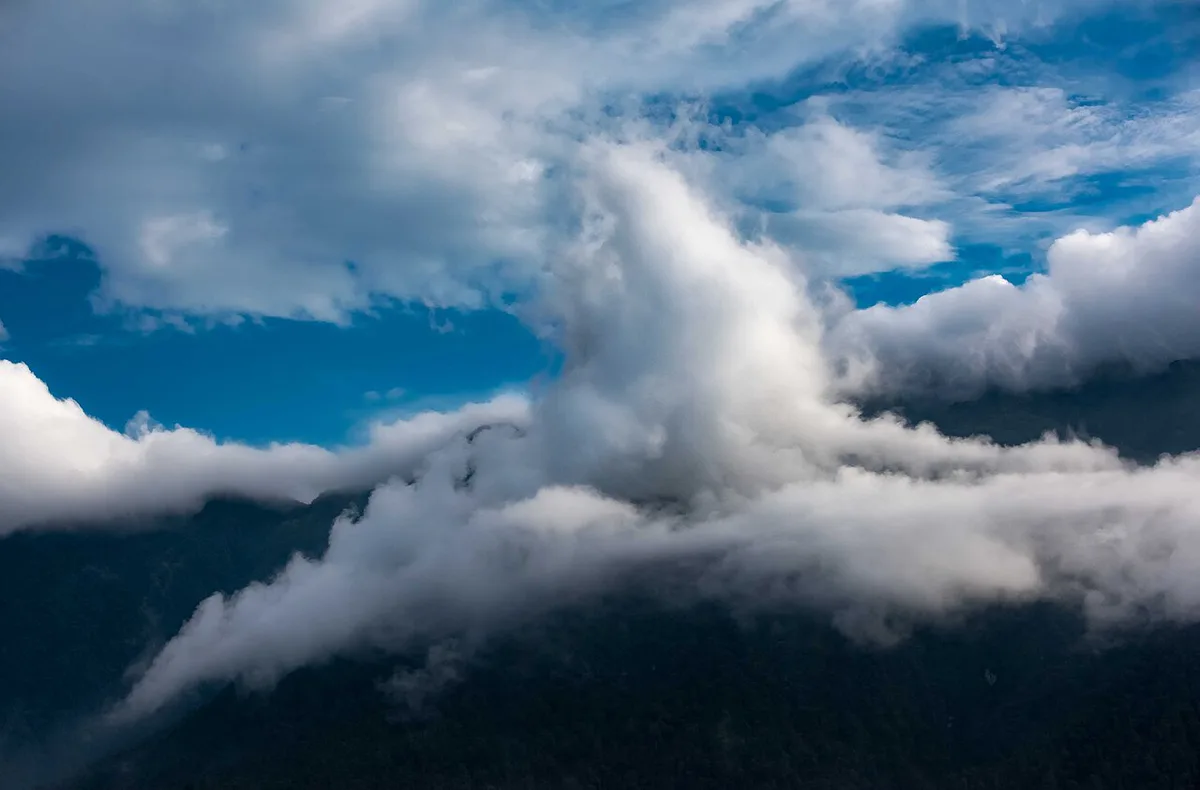
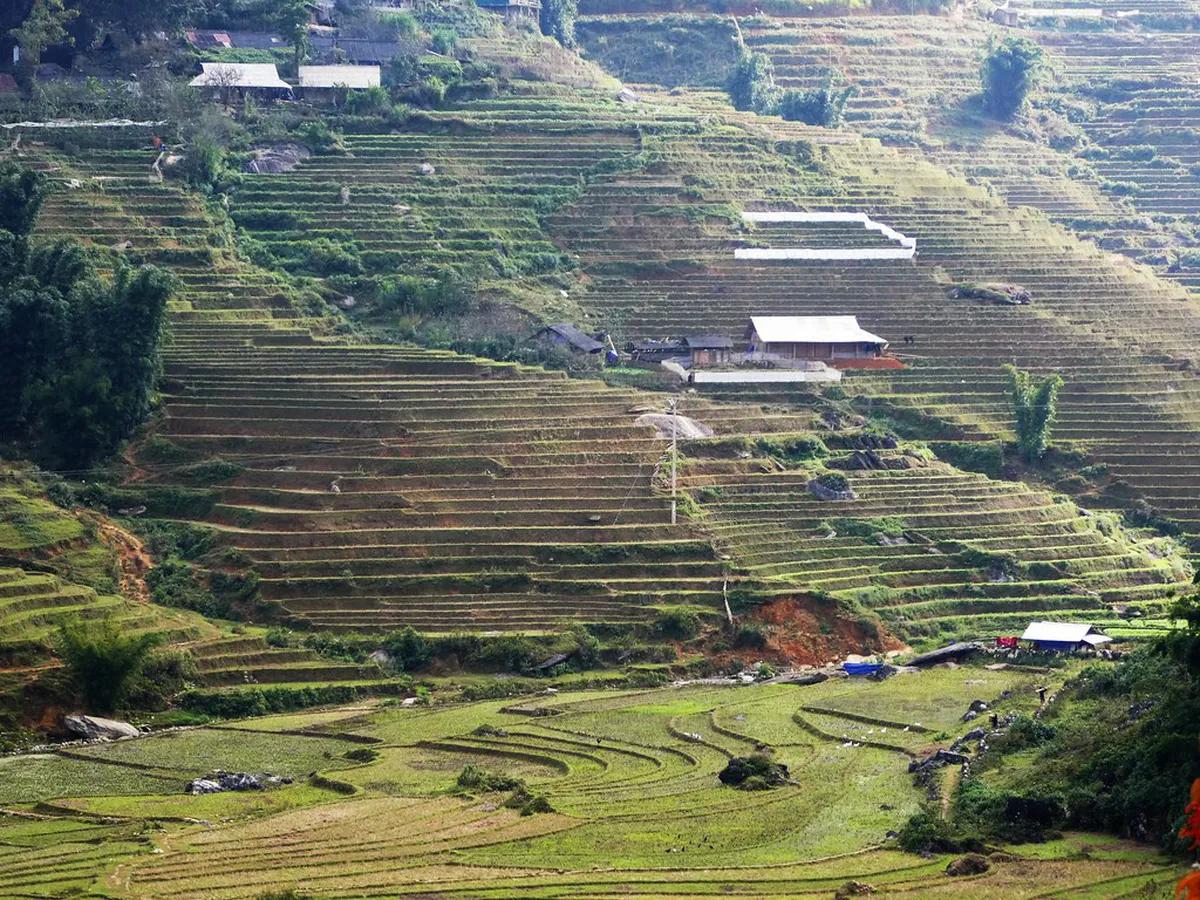
Featured image: Diego Angel, CC BY 3.0, via Wikimedia Commons.
Sapa Weather at a Glance
Sapa is a highland town in Lao Cai Province, listed at about 1,489 m on Yr and 1,513 m on Ventusky. Mean annual temperature in town is 15.4°C (59.7°F), according to Vietnam's tourism portal. The recorded extremes are 29.4°C (84.9°F) and 1°C (34°F). July and August are the warmest months. December and January are the coldest. Rain falls mostly from May to September. National figures come from the national meteorological agency. Treat any single day's reading as a snapshot, not a norm.
Sapa Weather by Season
Four broad seasons matter for planning. The table describes conditions only. For the ranking of months, read our month-by-month verdict.
| Season | Typical conditions | Trek and view quality | Suits |
|---|---|---|---|
| Spring (March–May) | Warming, mixed cloud; rains start to build toward May | Good trail days, but May can turn wet | Flexible trekkers |
| Summer (May–September) | Warmest of the year, peak in July and August; highest rain chances | Slippery trails, cloud on viewpoints | Travelers who accept showers |
| Autumn (mid-September to early December) | Cooler and generally drier | Best mix of firm trails and clearer air | Most first-time visitors |
| Winter (December–January coldest) | Cold, with fog and drizzle; frost is possible | Cloud often covers views | Travelers who like quiet and cold |
Fog, Rain and Views: What to Expect
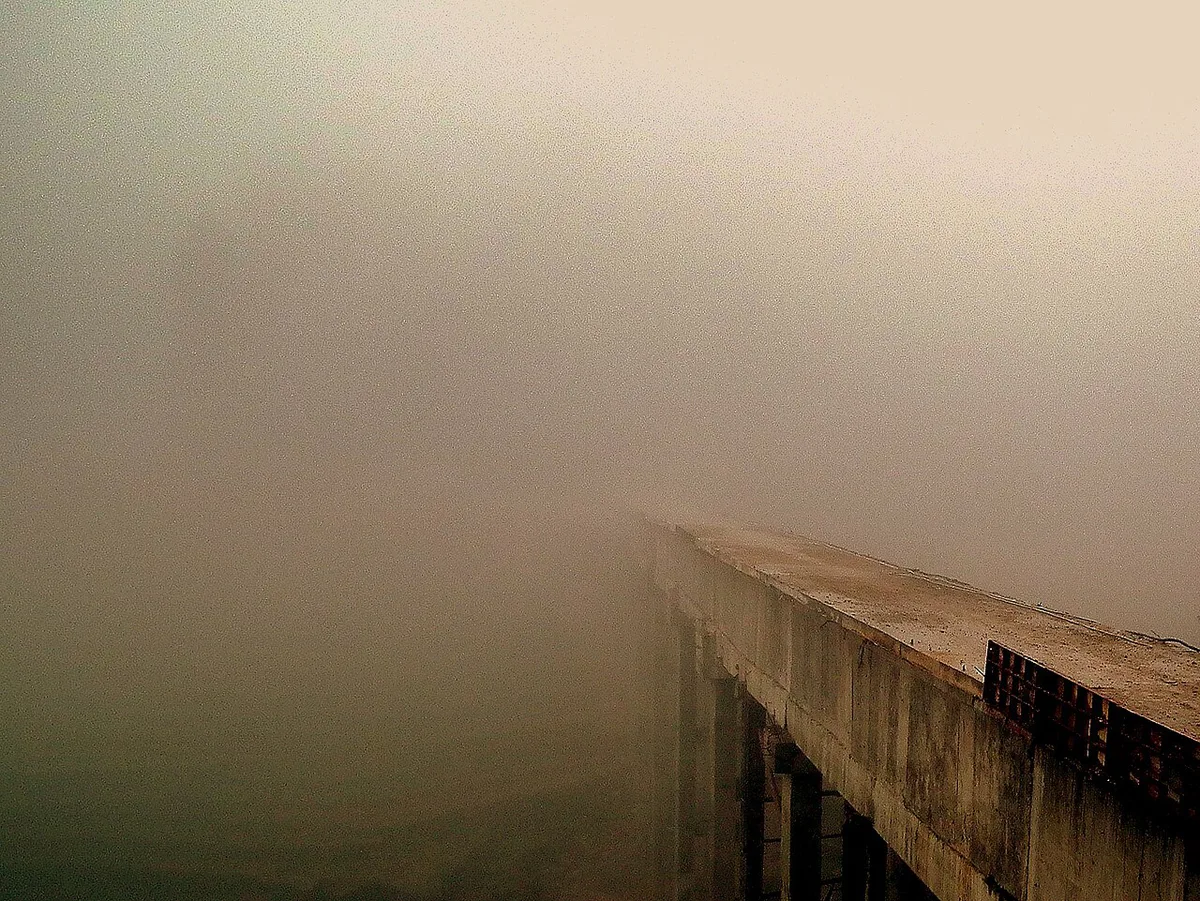
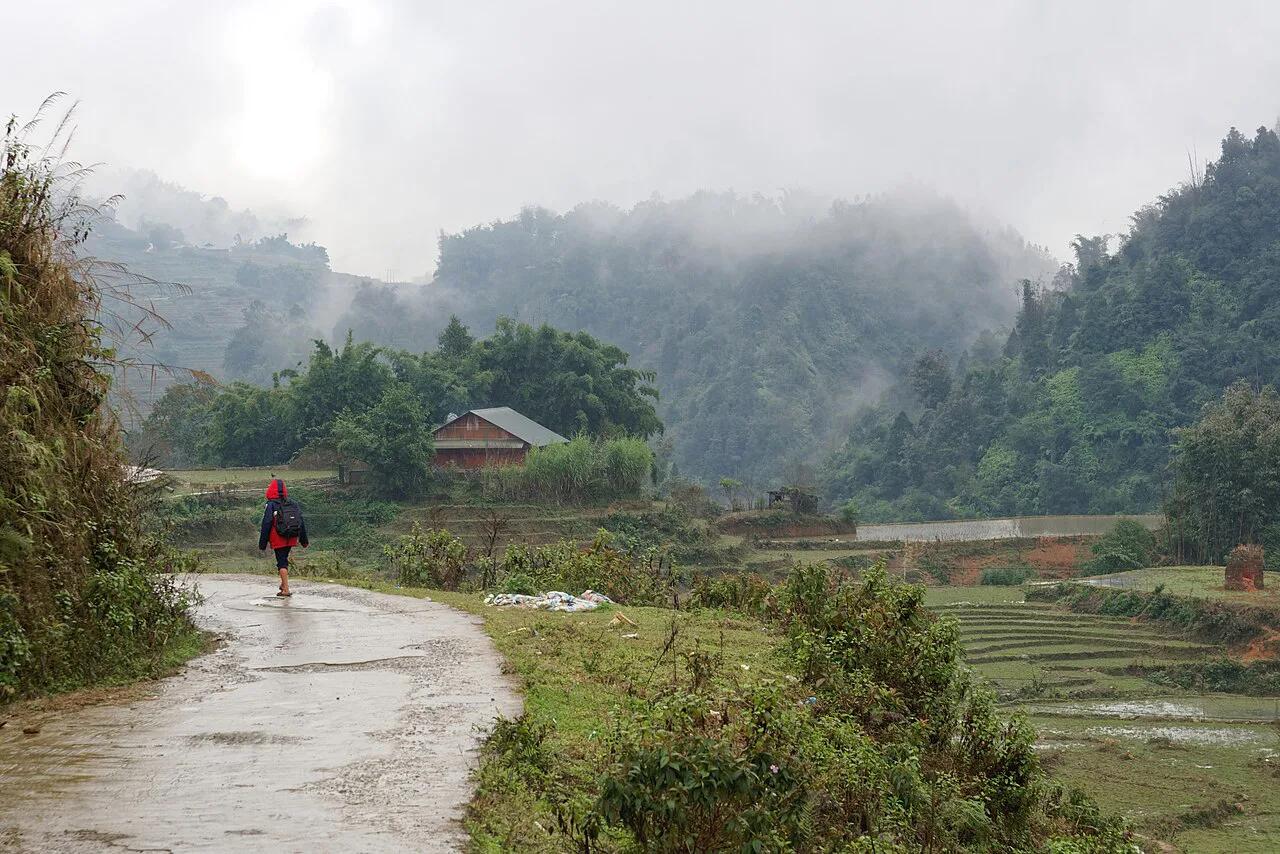
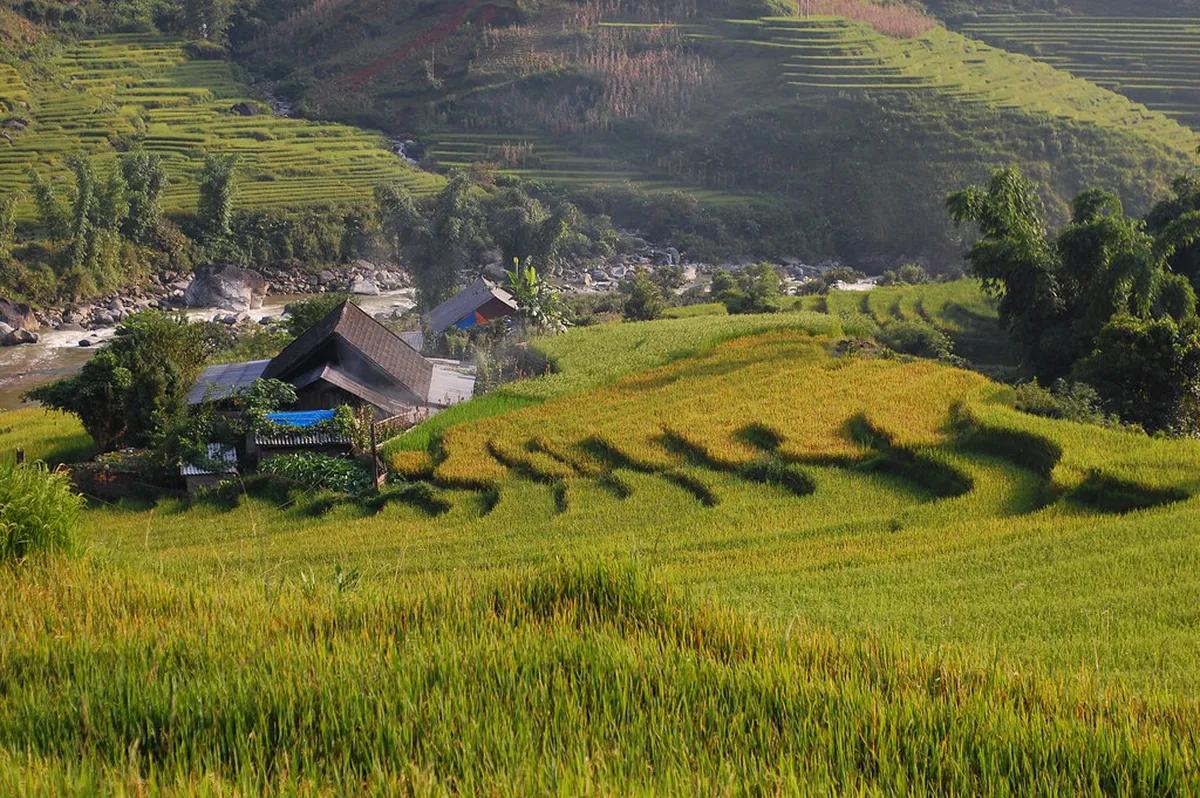
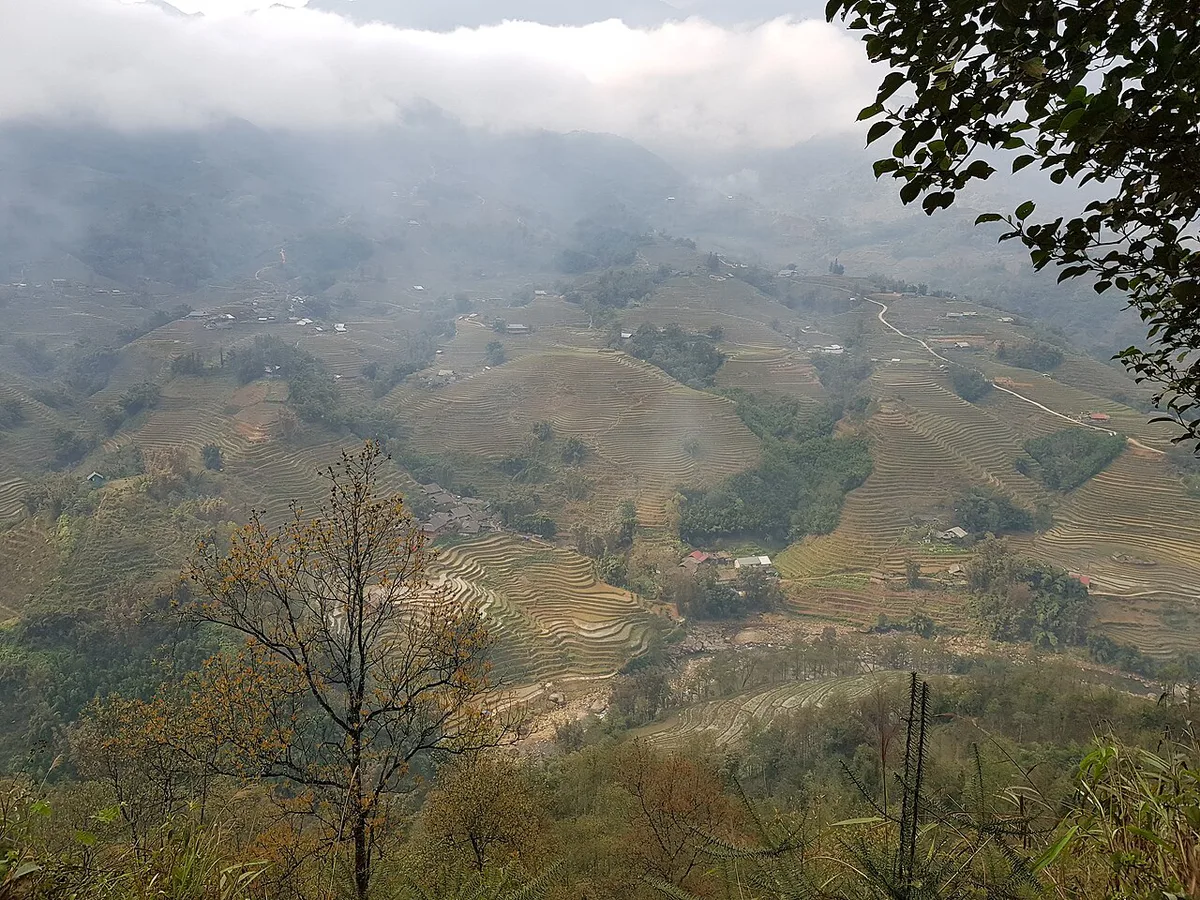
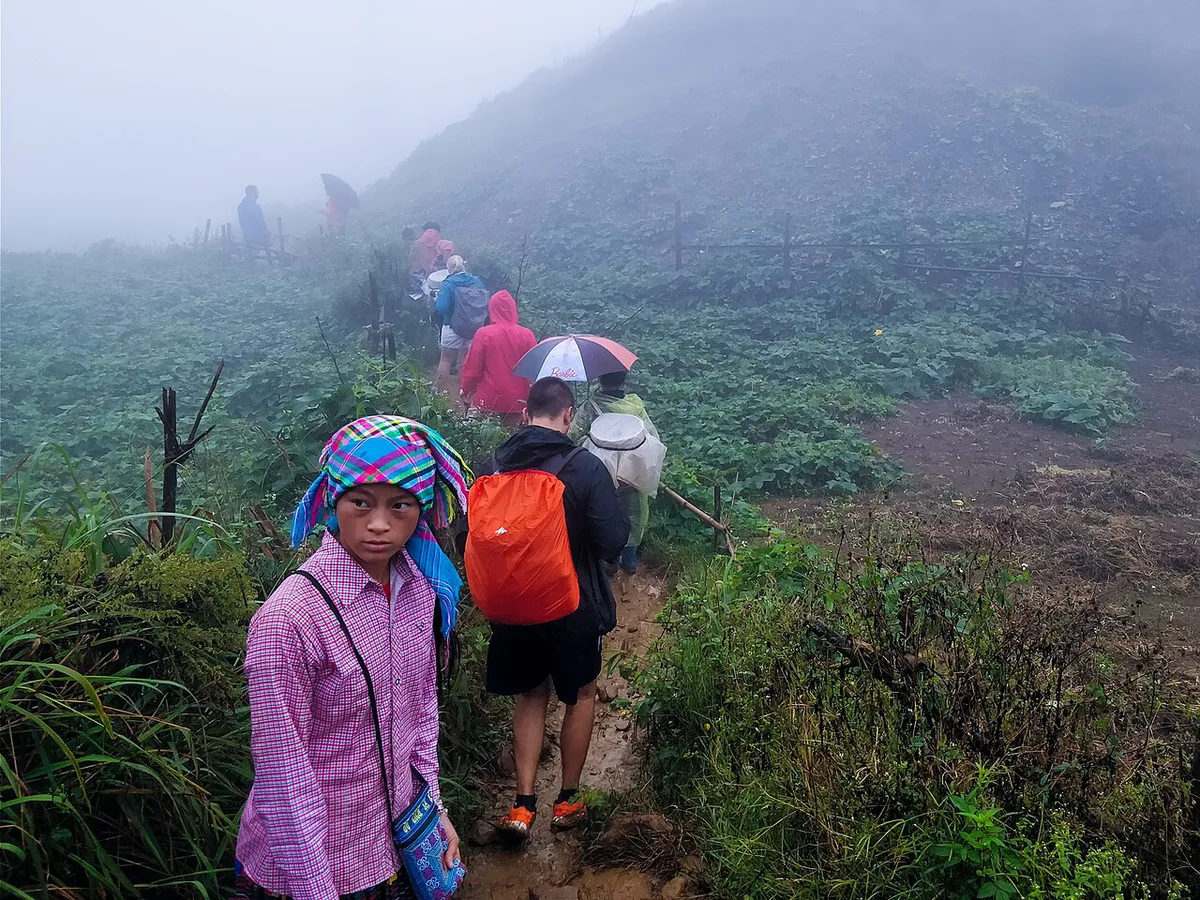
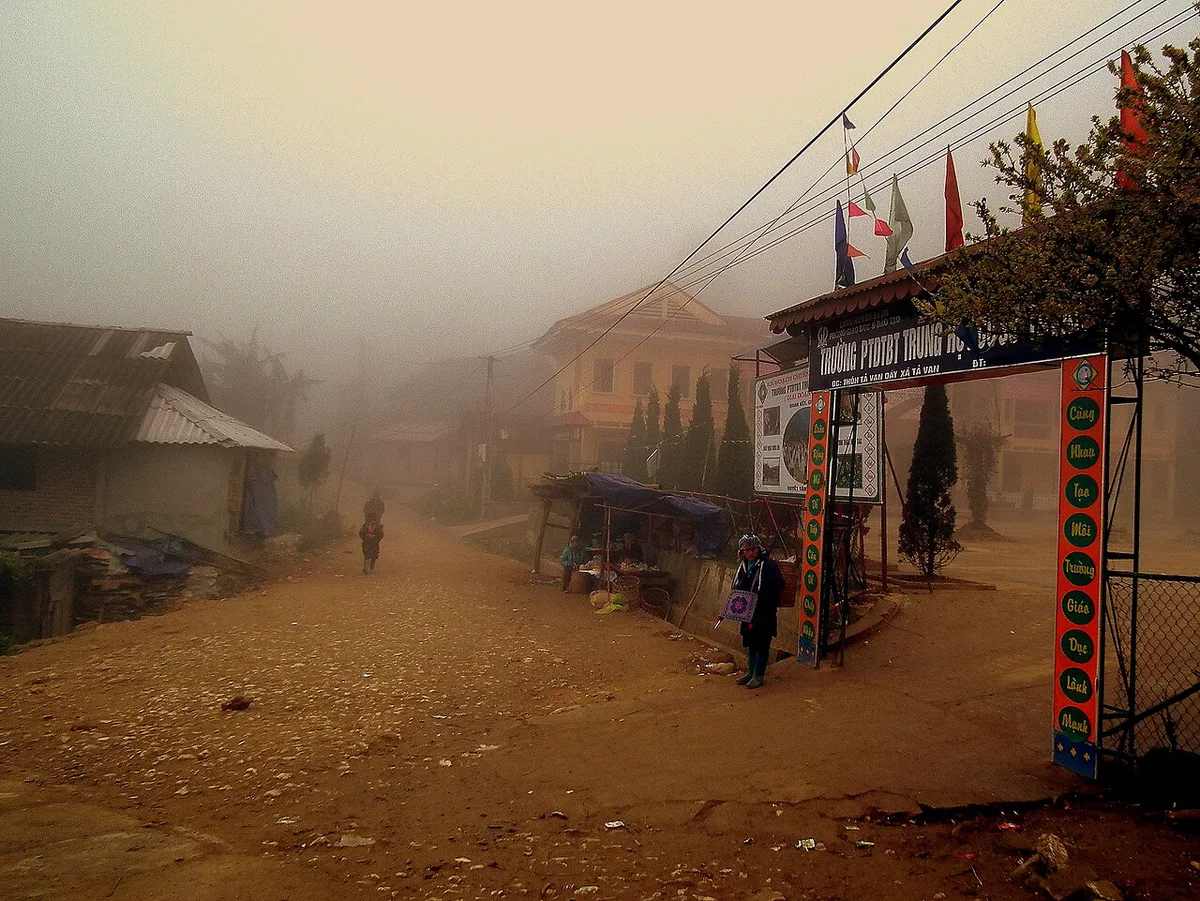
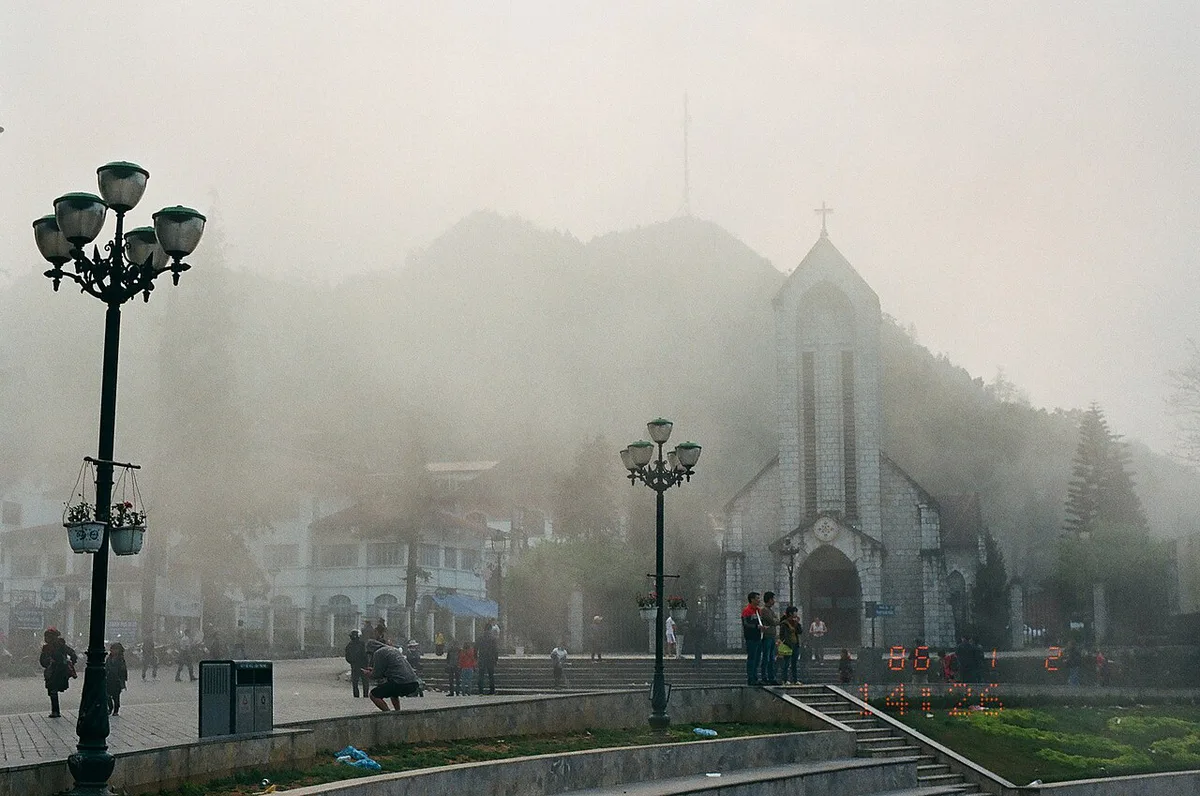
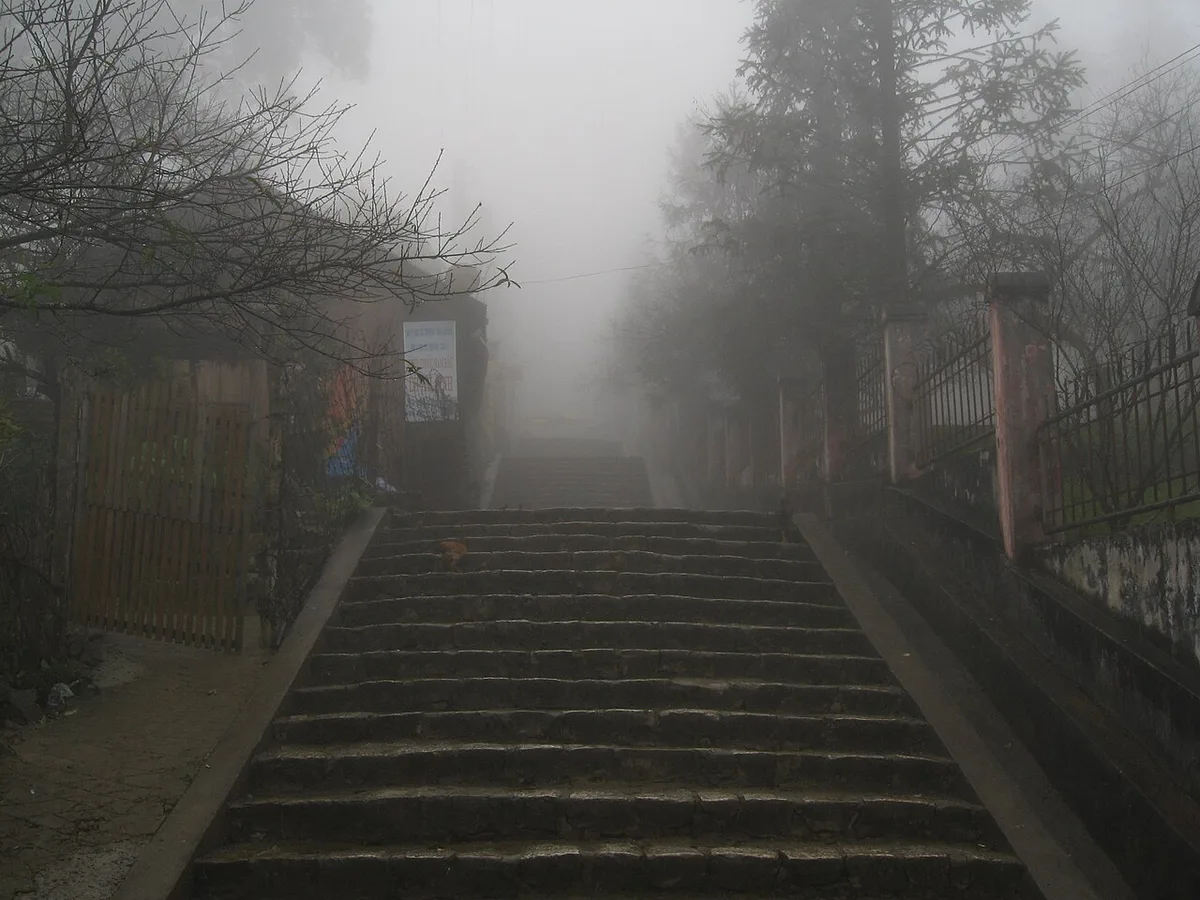
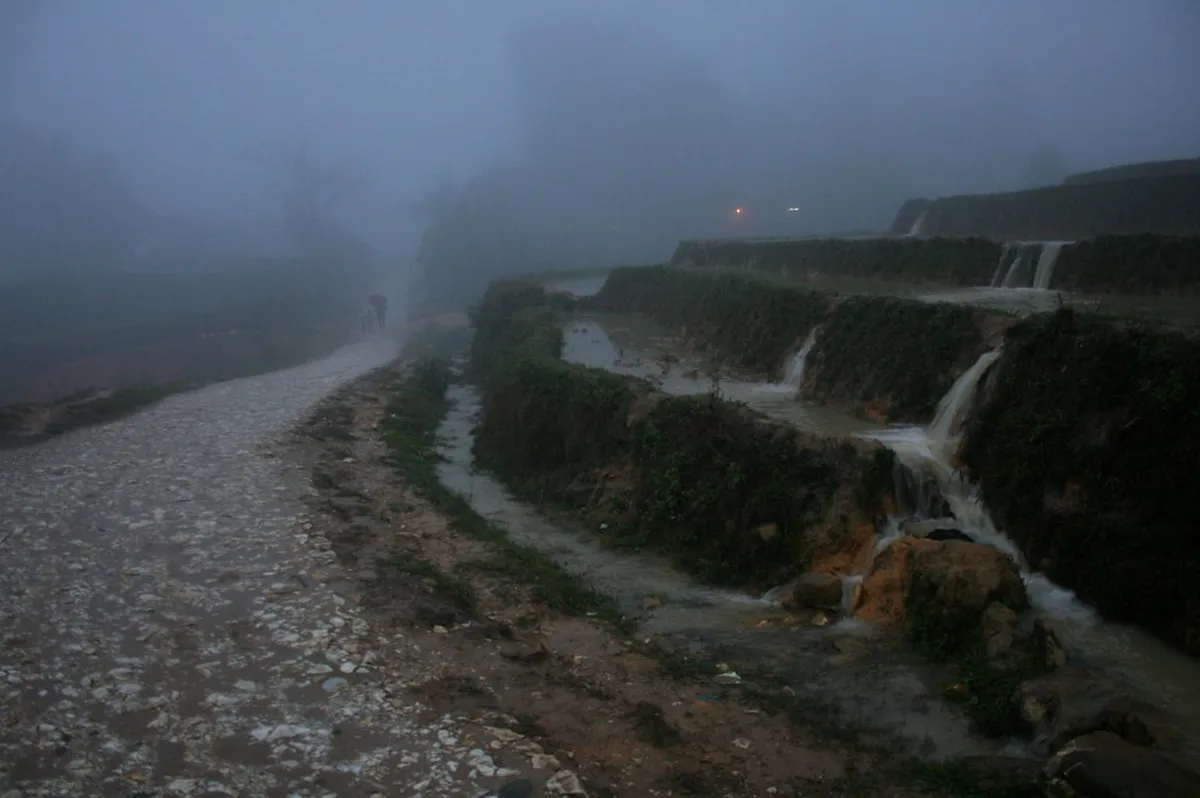
Wind blows mostly west to east across the region. That builds cloud on the upper slopes of the Fansipan massif, which is covered by cloud on most days of the year. Cloud also drifts into the valleys, though valleys are usually less humid than the slopes. Fog can erase a viewpoint in minutes, then clear by afternoon. In the May–September rains, trails turn slick and wet. For green-terrace timing, see when the terraces turn green.
- Rain days: shorten treks, choose paved village roads, start early.
- Fog days: swap viewpoints for market visits or cafés in town.
- Clear windows: use them for the highest-priority view first.
Town vs Valley vs Fansipan Summit
Altitude changes everything here. Town sits near 1,500 m. Valley villages are lower and often a little milder. The summit is far colder and usually cloudy, so cable car views are not guaranteed. Forest also changes with height. Undisturbed forest begins around 2,000 m. Dwarf conifers and rhododendron dominate above about 2,500 m. Above 3,000 m only dwarf bamboo survives. Hoang Lien became a national park in 2006. Build a buffer day if the summit matters to you.
Starting from a town near 1,500 m, a trek that climbs above about 2,500 m will be colder than the base.
What to Pack by Season
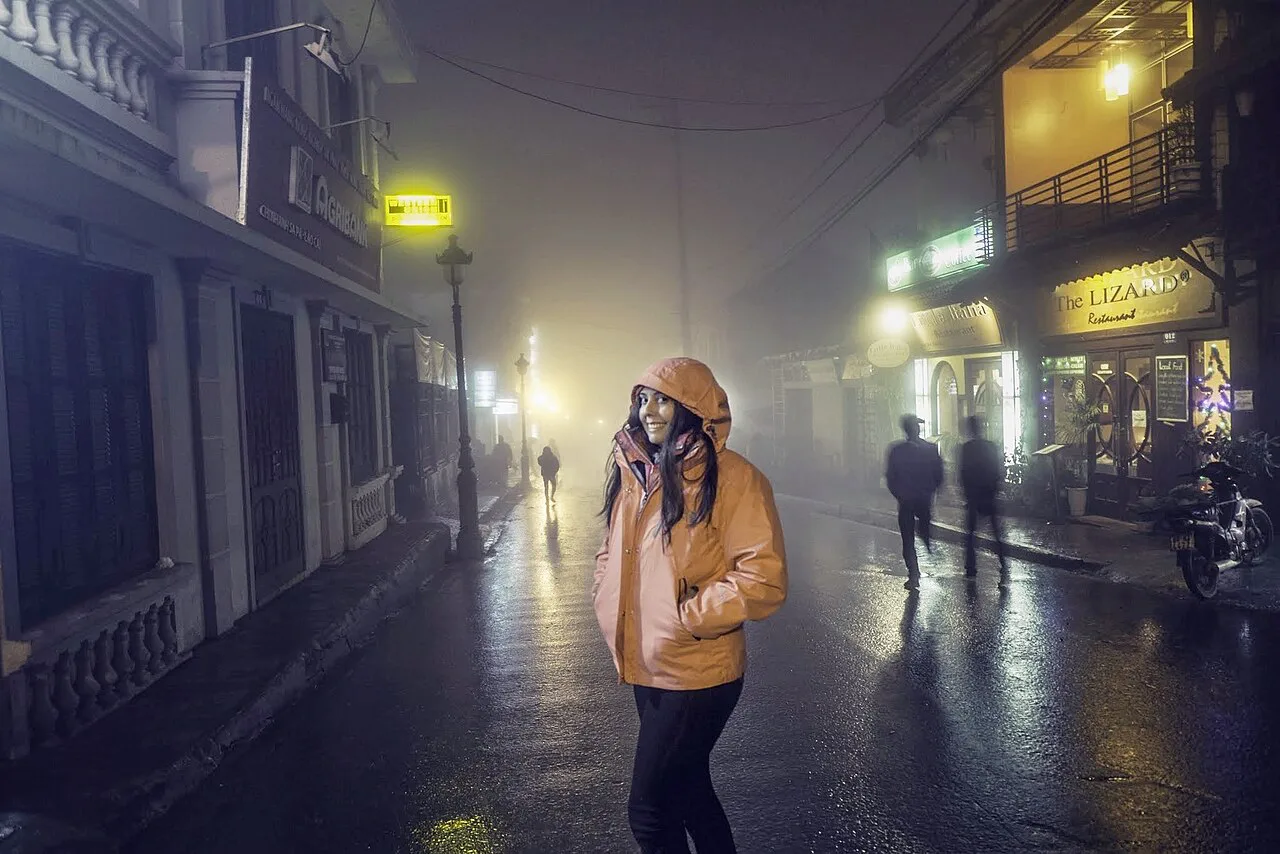
Pack layers rather than one heavy coat. Evenings fall cold even in clearer months. In mid-November, sunset comes near 17:22, so plan trails to finish before dark. For cold-season detail, read our winter trip planning page. The coldest-month detail covers December specifically.
Clear afternoons are when fog tends to lift, but with sunset near 17:22 in mid-November, a late start leaves little margin.
- Waterproof shell and a small pack cover, year-round.
- Grippy trail shoes; wet clay is slick.
- Warm base layer, hat and gloves for December and January nights.
- Light quick-dry layers for July and August.
Planning Around the Forecast
Check a live forecast two or three days out, then again the evening before each trek. Forecast models can disagree widely: for one mid-November week, two services gave highs from 13°C (55°F) to 24°C (75°F). Keep one flexible day in the schedule. Weather also moves accommodation costs. As an illustrative example, not a quoted rate, a room at ₫600,000 in a wet June week might cost ₫1,200,000 on a clear autumn weekend. Compare current rates before locking dates. Our main timing guide covers the trade-offs.
- Mistake: assuming lowland Vietnam temperatures.
- Mistake: expecting guaranteed summit views.
- Mistake: packing no rain gear in summer.
Frequently Asked Questions
Is there snow in Sapa, Vietnam?
Snow falls in some years on the highest peaks only. It is rare in town. Winter more typically brings cold, fog and drizzle.
What is the elevation of Sa Pa, Vietnam?
Forecast sites list Sapa at roughly 1,489 m to 1,513 m. That altitude explains why it is much cooler than Hanoi.
Useful notes for your Vietnam trip
Optional updates to our guides.
You might also like
Continue reading
More guides you'll find useful