Sapa in Winter: Cold, Fog and Snow Reality Check
Is Sapa worth it in winter? Honest snow odds, cold-weather logistics, where to stay warm, and what to do when fog hides the views.
On this page
Last updated November 2026. Sapa in winter means cold, damp, often grey days, with frost possible on higher ground and snow rare. Go if you like moody mist, quiet trails and lower prices, and skip it if you want terrace views or guaranteed snow. Readers still choosing a month can compare all four seasons in our Best Time to Visit Sapa: Month-by-Month Guide by Goal guide.
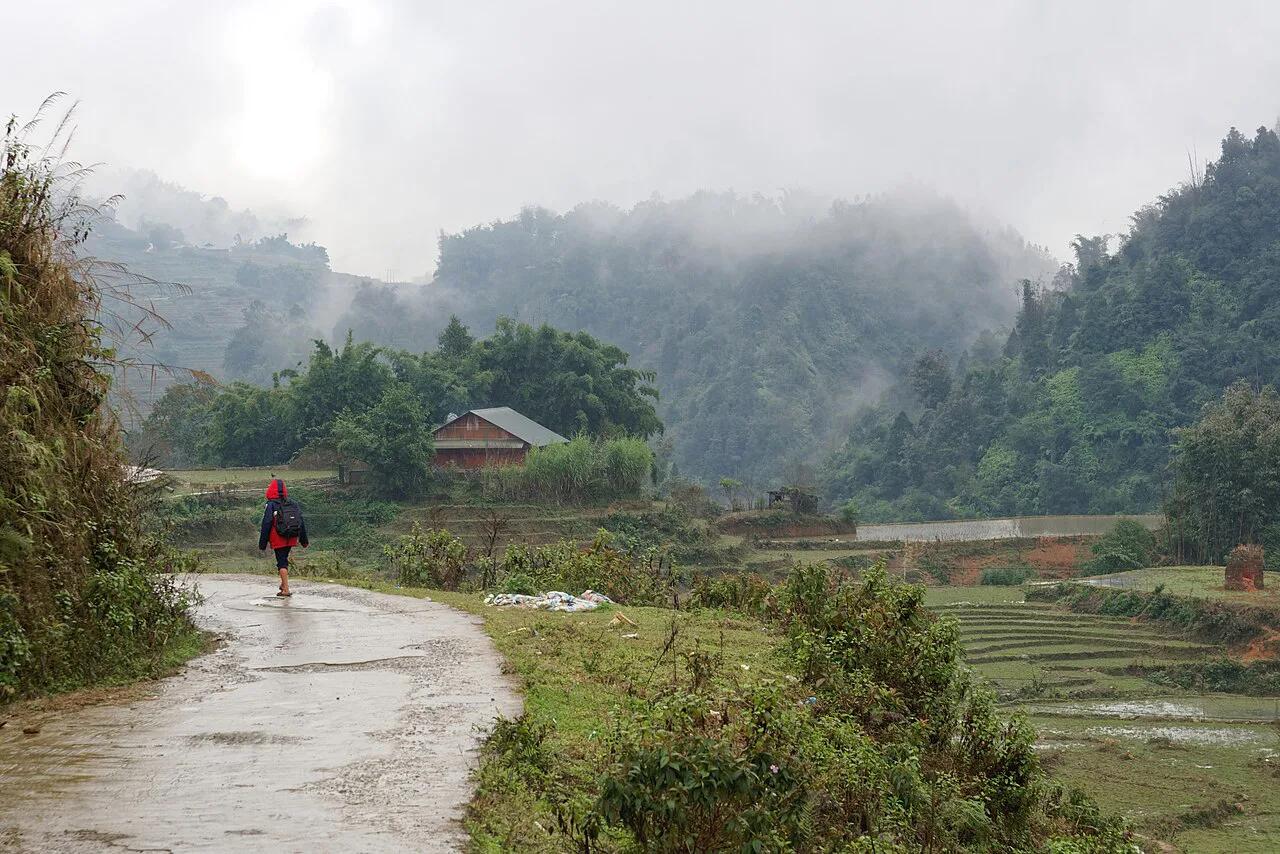
Featured image: yeowatzup, CC BY 2.0, via Wikimedia Commons.
What Sapa Weather in Winter Is Actually Like
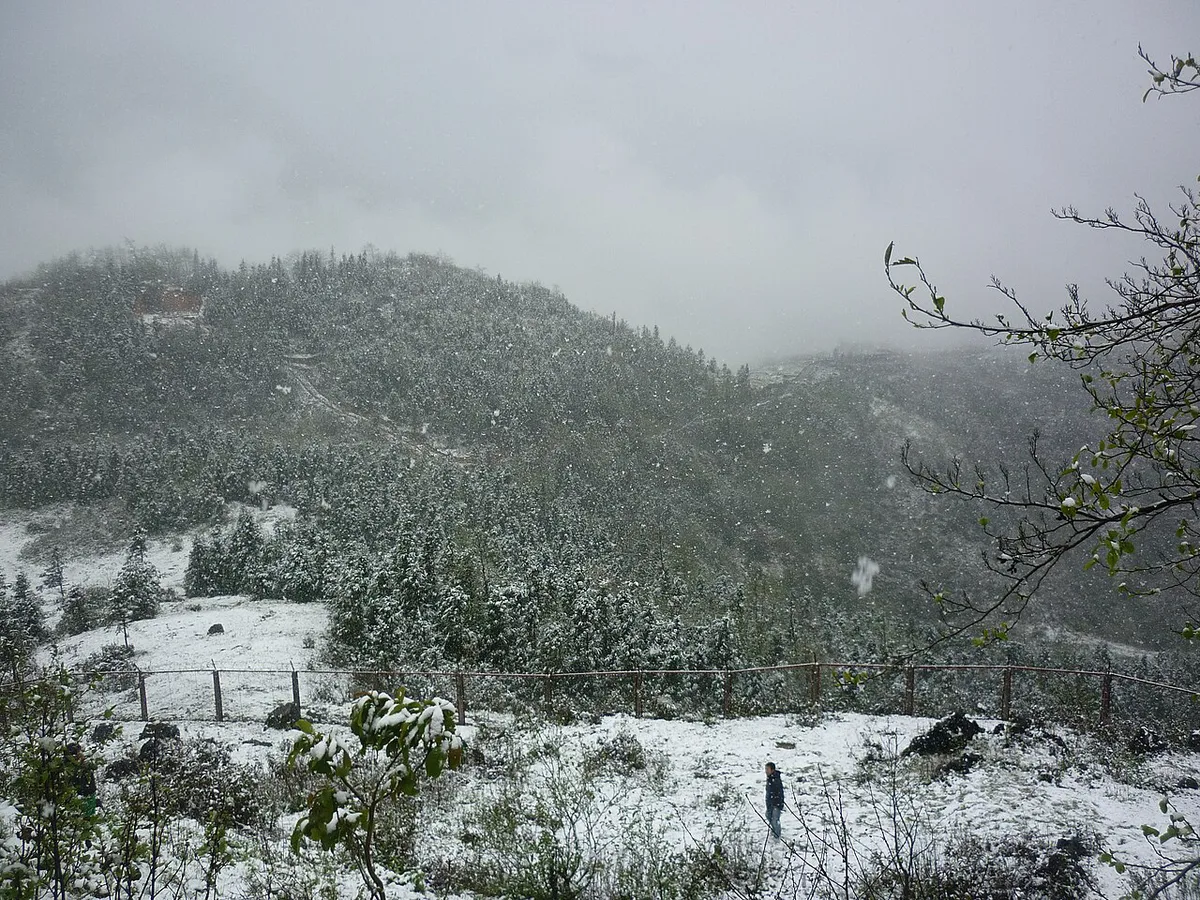
Winter here runs from December to February. Sa Pa sits at roughly 1,500–1,800 m in the Hoang Lien Son mountains, so cold air and fog settle in fast. December averages about 8–10°C (46–50°F), and nights can dip below 0°C (32°F). January is among the coldest months, with daily averages under 10°C (50°F). February runs about 8–14°C (46–57°F), with heavy fog and humidity above 82%. Damp cold feels sharper than the number suggests. For monthly numbers, see our Sapa weather breakdown. A December-specific plan sits in our Sapa in December itinerary. Official forecasts and frost warnings come from the national weather service.
Will It Snow in Sapa? What to Realistically Expect
Real snowfall is infrequent and does not happen every year. Social posts often label frost or sleet as snow, which sets the wrong expectation. Three things get confused. Fog is cloud sitting on the town and valley. Frost is a white crust on grass, roofs and bare terrace edges. Snow is falling flakes that settle, mostly on high ground such as Fansipan and O Quy Ho Pass. Do not book non-refundable trips for snow alone. Use an "if no snow, still worth it?" test. If misty trails, hot food and cheap quiet stays appeal to you, go. If a snow photo is the whole point, skip it.
- Go: cool-weather fans, photographers who like mist, budget travelers, anyone avoiding crowds.
- Skip: snow-chasers, first-timers wanting green or golden terraces, and travelers with mobility limits or low cold tolerance.
Best Things to Do in Sapa in Winter
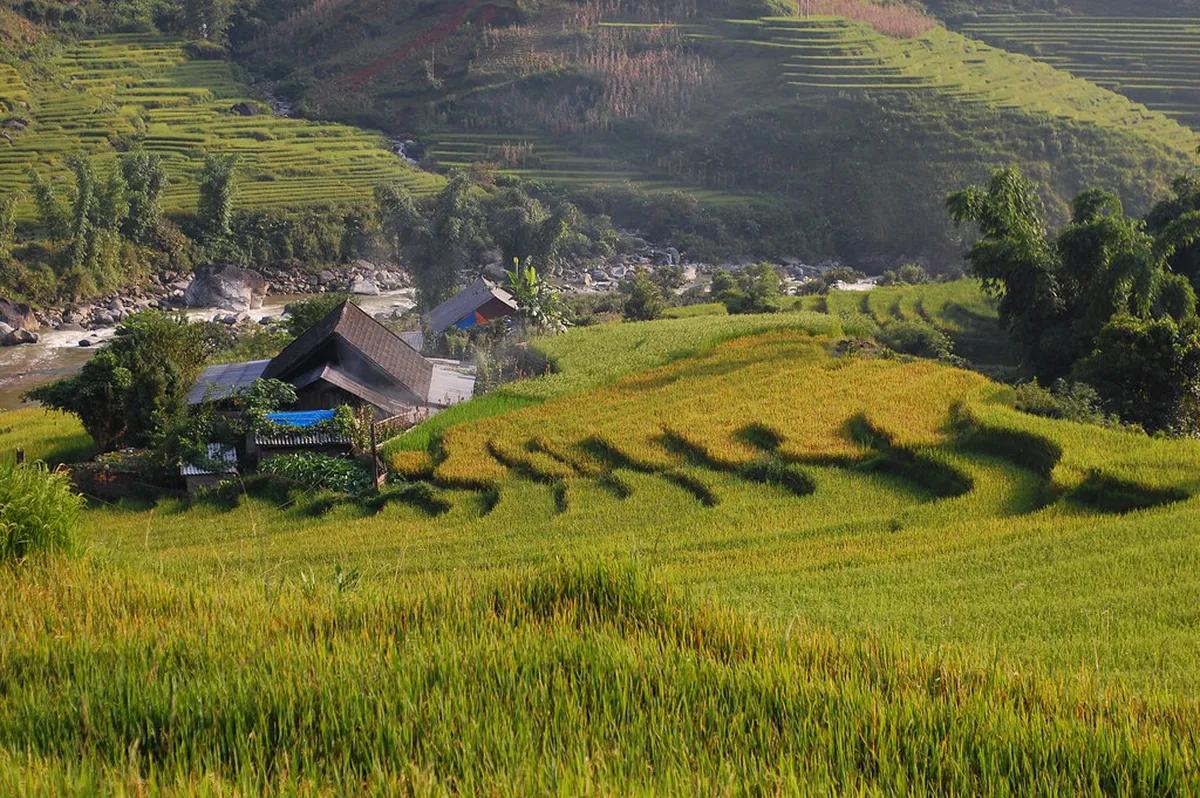
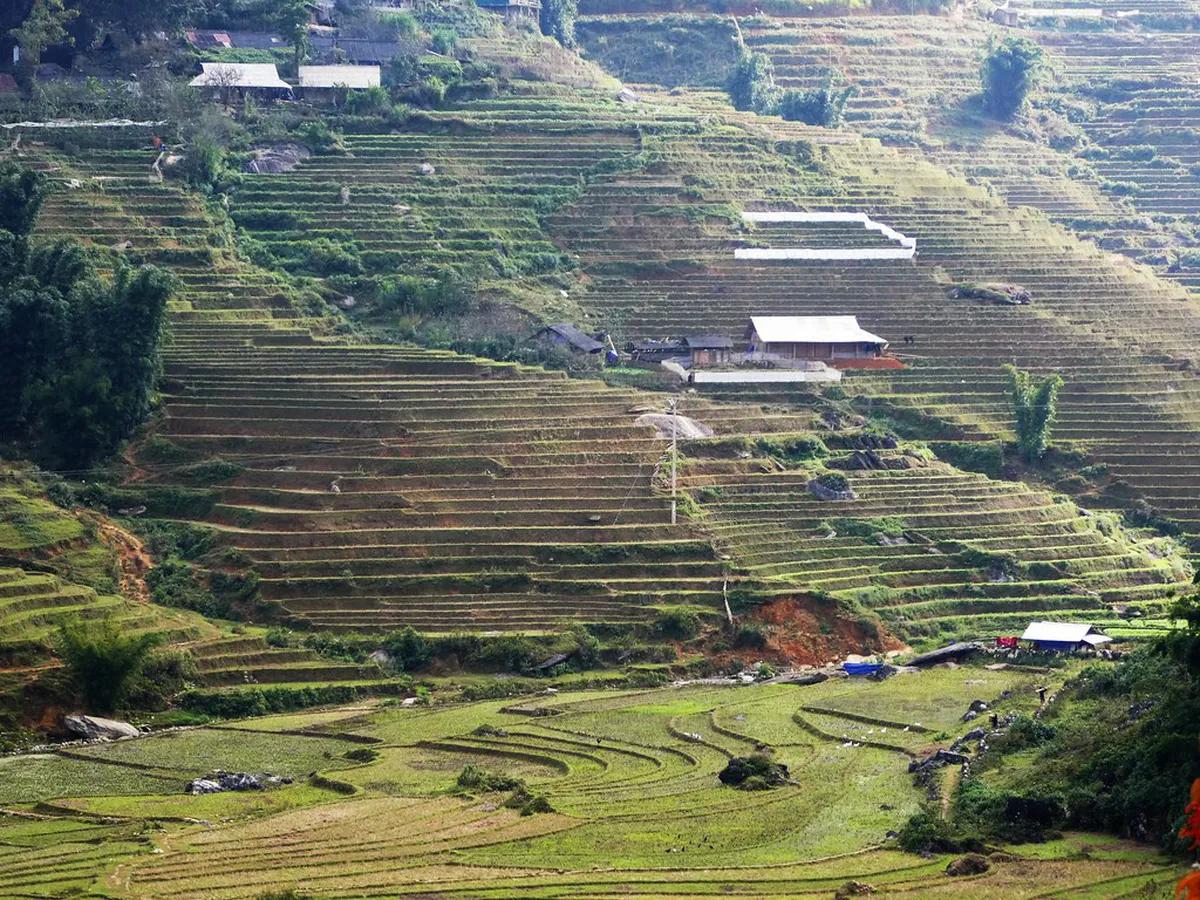
Plan around visibility, not the calendar. On a clear morning, head for Muong Hoa Valley and Cat Cat Village for open views. Ta Phin works as a half-day village visit when cloud lifts. On a foggy day, switch to cafes in town, the market and a guided homestay meal. Terraces are bare or brown from December to February. Readers who want photos of green or gold fields should read our rice terrace season guide instead. Skip Fansipan on a day when the summit is fully cloaked, since the cable car fare buys a white wall.
| Condition | Do this | Skip this |
|---|---|---|
| Clear morning | Muong Hoa Valley, Cat Cat Village, Fansipan | Long cafe stops |
| Light mist | Ta Phin village walk with a guide | Viewpoint-only trips |
| Dense fog | Cafes, market, homestay cooking | Fansipan, Tram Ton Pass views |
| Rain or ice | Indoor plans, short town walks | Muddy village treks |
Sample Plans: 2 Days vs 3 Days
Two days is enough for a first look. Three days gives buffer for fog. Keep one fixed anchor and let the rest move. Never put Fansipan on day 1 with no spare day behind it. Swap rule: if the first morning is clear, do the big views then and push cafes to later. If it is foggy, do town and market first and wait for a break. Treks need daylight, since winter darkness arrives early. Use a local guide on wet or icy paths. Skip the trek if the surface is slick. December visitors can borrow structure from our December day-by-day plan.
- Two days: day 1 flexible village or town plan, day 2 best-weather view stop.
- Three days: add a buffer day held for Fansipan or Muong Hoa Valley once the sky clears.
Getting There and Around in Sapa in Winter
Most visitors go Hanoi to Lao Cai, then up to Sapa by road. Options are the express train, a sleeper bus, or the expressway plus a shuttle. Fog can slow the final climb. Cold hits at the Lao Cai transfer, so keep a jacket in your hand luggage. Mountain passes can close in bad weather, so keep a day of slack on the way out. For advisories on roads and trails, use the Lao Cai province portal. Fares and timetables change by season; check the operator before booking.
Sa Pa sits at roughly 1,500–1,800 m, so the final climb from Lao Cai can slow in fog.
| Route | Cost | Speed | Comfort |
|---|---|---|---|
| Express train + transfer | Mid | Medium | More comfortable |
| Sleeper bus | Cheaper | Slower | Less comfortable |
| Expressway + shuttle | Mid to higher | Faster | Medium |
Where to Stay Warm in Sapa
Many guesthouses and homestays have limited heating, so ask before you pay. Hotels in town usually offer the most reliable warmth, homestays offer the best food and local contact, and village stays are cheapest but coldest. Rough planning guess: a budget room may run about ₫300,000 per night off-peak and ₫600,000 or more on Tet and holiday weekends. Prices and hours checked November 2026 are not available for every property, so confirm the live rate. Book ahead for holidays.
Nights near 0°C (32°F) call for real layers, and many guesthouses have limited heating, so ask before you pay.
- Is there a heater or air conditioner with heat in the room?
- Is hot water reliable at night and early morning?
- How many blankets do you get, and is there a bed warmer?
- Is the room in the main building or a drafty annex?
Costs, Tickets and Opening Hours in Winter
Winter is the cheapest stretch for rooms outside Tet and holiday weekends. Budget travelers can save most on beds, while transport and cable car fares hold steady. Check current Fansipan cable car prices and hours with the operator, since weather can change operations. Trek guides, homestay meals and market snacks are the cheapest ways to fill a foggy day.
What to Pack for Sapa in Winter
Pack for damp cold, not for tropical Vietnam. Nights near 0°C (32°F) call for real layers. Bring a waterproof shell, because fog soaks cotton quickly. Footwear needs grip for mud and ice. Warm sleepwear matters when rooms are unheated.
- Thermal base layer, fleece and a windproof jacket
- Waterproof shell and a compact umbrella
- Hiking shoes with deep tread
- Hat, gloves and thick socks
- Warm sleepwear and a power bank, since cold drains batteries
Sapa in Winter vs Other Seasons
Winter wins on price and quiet and loses on views. Spring brings mist and flowers, summer brings green terraces and rain, and autumn brings the golden harvest around September and October. Readers who want the best terrace photos should pick autumn. Tet and holiday weekends are exceptions, with crowds and price spikes. For a full month-by-month choice, see our guide to the best time to visit Sapa.
| Season | Weather | Views | Crowds and prices |
|---|---|---|---|
| Winter (Dec–Feb) | About 8–14°C (46–57°F), foggy | Bare terraces, frequent cloud | Low, except Tet and holidays |
| Spring (Mar–May) | Changeable, mild | Mist and flowers | Rising |
| Summer (Jun–Aug) | Warm, rainy | Green terraces | Higher |
| Autumn (Sep–Nov) | Cool, drier | Golden harvest | Highest on peak weekends |
Useful notes for your Vietnam trip
Optional updates to our guides.
You might also like
Continue reading
More guides you'll find useful