Sapa Homestays: Village Family Stays vs Guesthouses
Choose the right Sapa homestay: compare village family homes, town guesthouses and group dorms, with booking, access and what to confirm.
On this page
Last updated November 2026. Sapa homestays come in three very different forms: a trek-linked village family home, a town or valley guesthouse sold as a homestay, and a large dormitory-style lodge for trekking groups. Match the type to your comfort needs before you book. For the wider area-by-area picture, start with our Sapa stay guide.
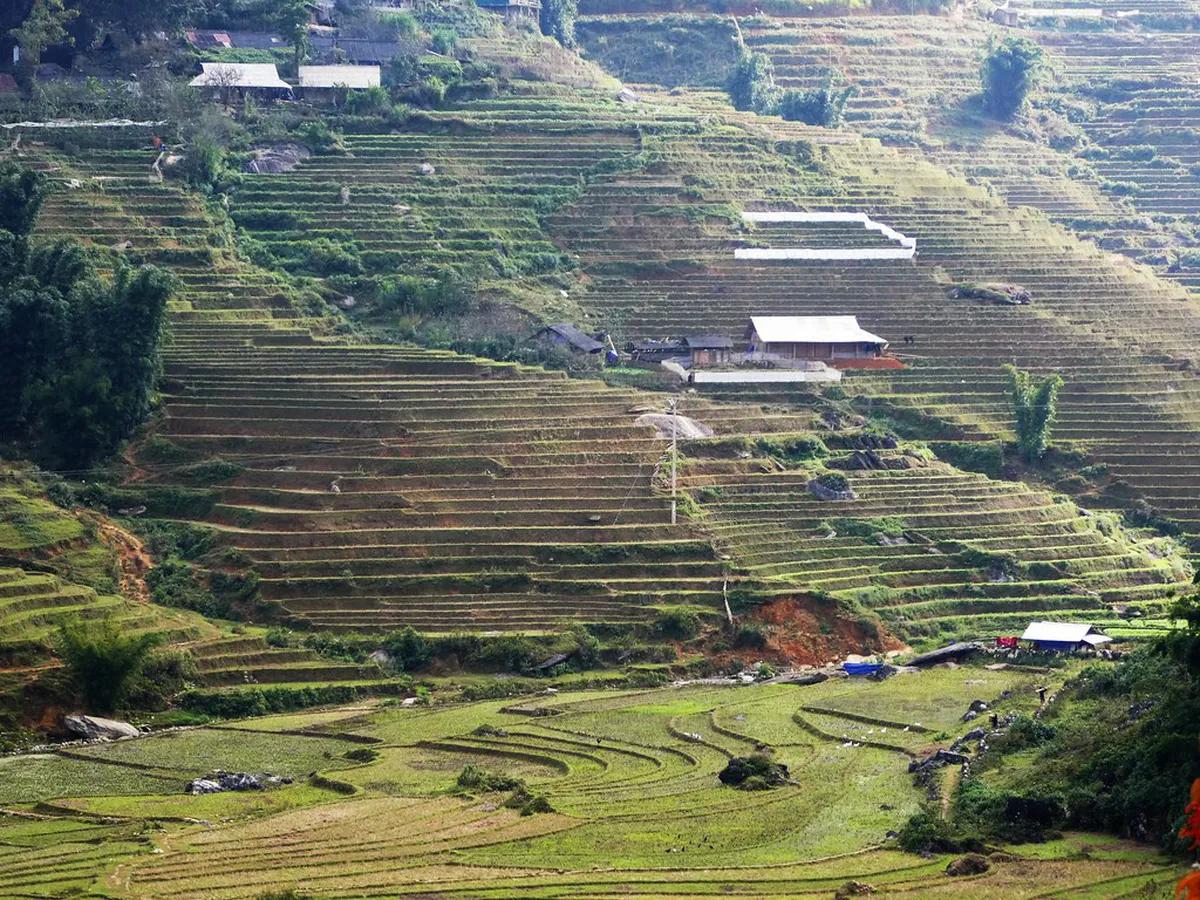
Featured image: yarra64, CC BY 2.0, via Flickr.
What Sapa Homestays Really Means
Search results mix three products under one word. A village family home puts you in a real household, often after a walk. A guesthouse resembles a small hotel with a family running it. A dormitory lodge sleeps trekking groups on floor mattresses. Each suits a different traveller, so compare them side by side before you pay a deposit.
| Type | Who it suits | Privacy and facilities | How you book | Access and group size | Confirm before paying |
|---|---|---|---|---|---|
| Village family home on a trek | Culture-focused travellers, couples who accept basics | Sleeping mats or simple beds, mosquito nets, shared bathroom, open-fire kitchen; some homes have hot showers | Usually with a trek operator or directly with a host | Walk or motorbike with a guide; small groups | Bathroom type, bedding, signal, whether your booking is merged with others |
| Town or valley guesthouse | First-timers, families, anyone wanting comfort | Private rooms, often en-suite, Wi-Fi, gardens, terraces, views; some have pools | Online listing; budget to higher price bands | Road access; no guide needed | Heating, breakfast, room type, bus-pickup help |
| Large dormitory-style lodge | Budget backpackers, social groups on organised treks | Shared floor-mattress rooms, hot showers, Wi-Fi | Through an organised trek | Purpose-built; several groups at once | Group size, sleeping layout, whether a family actually lives on site |
How to Choose: Decision Criteria by Traveller Type
Start with one question: do you want time with a host family, or a good night's sleep? Family homes give shared meals and conversation. Guesthouses give private rooms, en-suite bathrooms and more reliable warmth. Mobility, age, health and diet also matter, because remote homes can involve long walks. Ask the operator about facilities before you confirm.
Before you pick a family home, weigh a 16 km first-day walk against a guesthouse's road access.
- Couples: a valley guesthouse with a terrace view, or one village night if you accept shared bathrooms.
- Families with children: a road-accessible guesthouse, with a short guided village visit by day.
- First-timers on a short trip: one town base and a day trek, then add a village night if time allows.
- Culture-focused travellers: a trek-linked family home with a guide who interprets language and etiquette.
- Budget backpackers: a group lodge or a hostel bed, with a dorm trade-off in privacy.
Village Family Homestays: Hmong, Red Dao and Tày Hosts
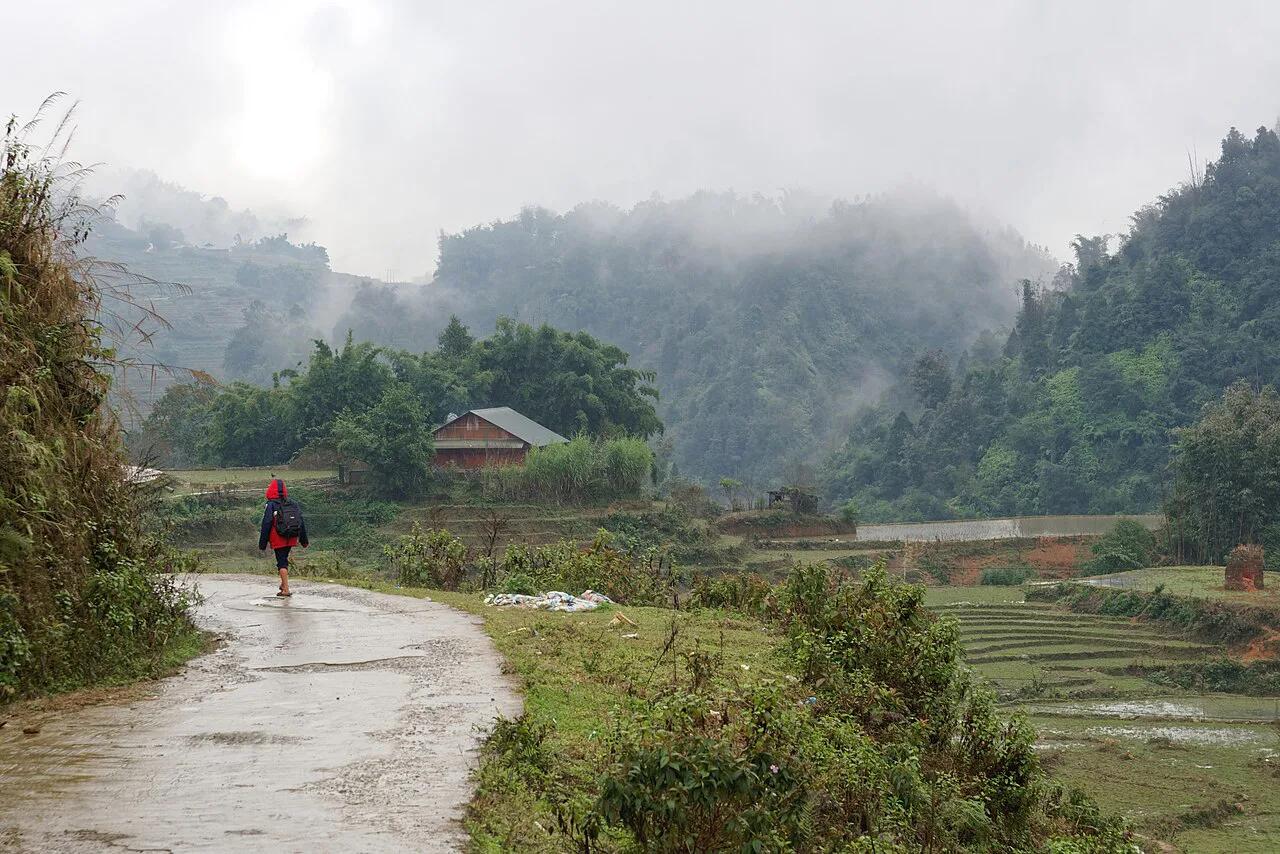
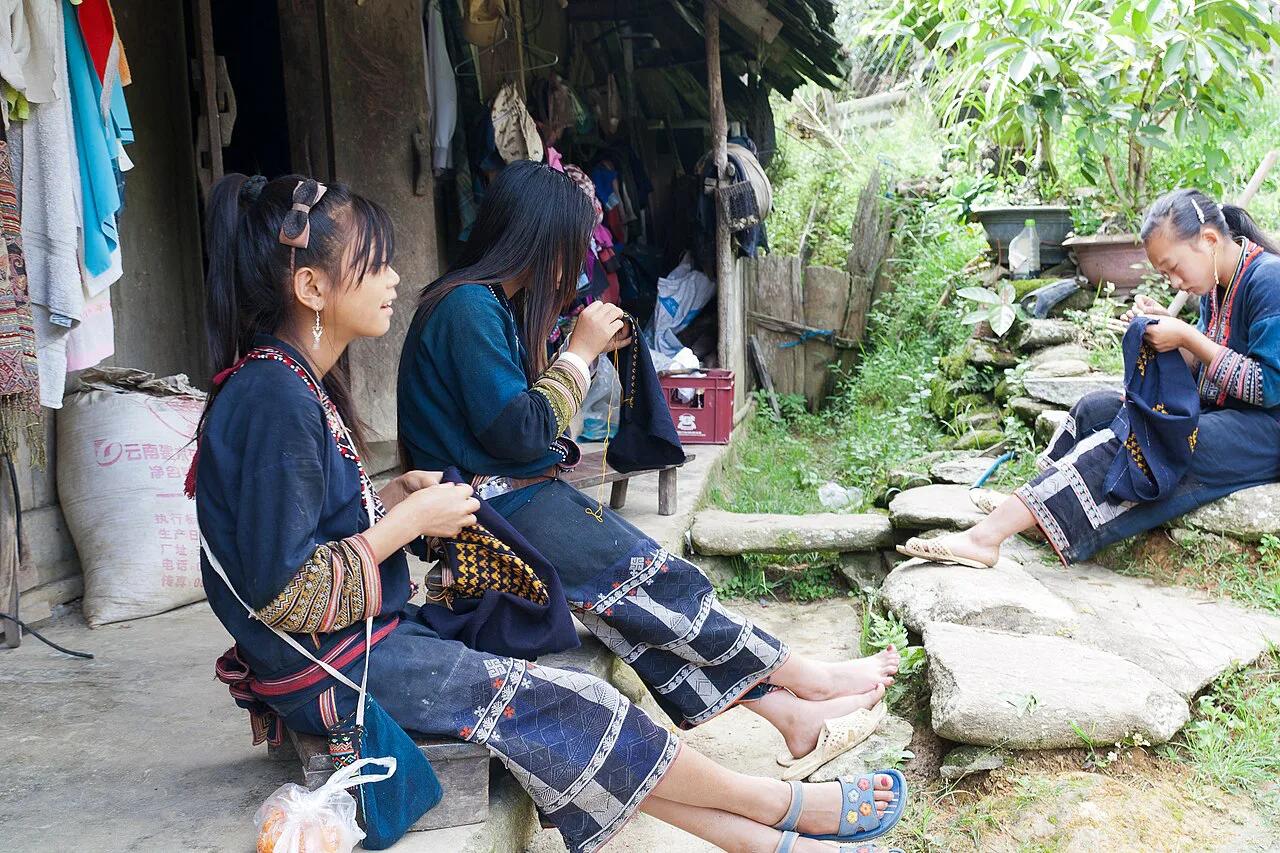
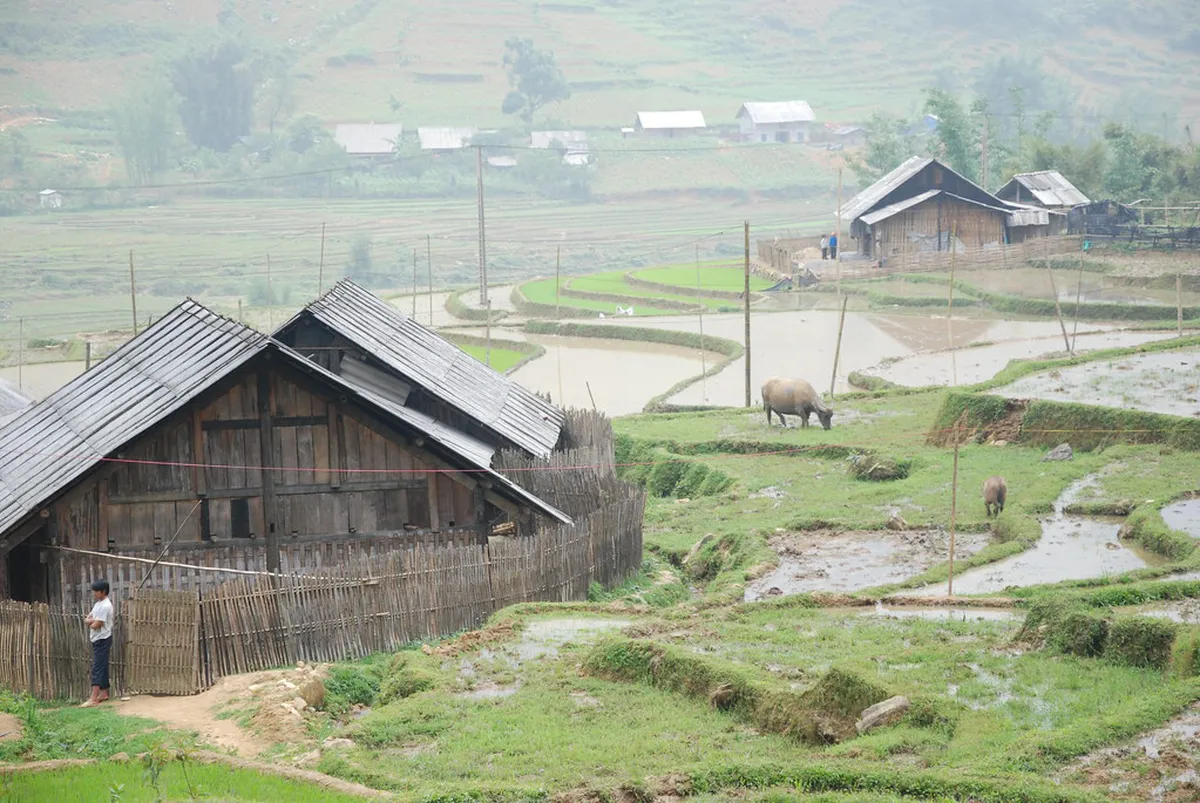
These are the most basic stays and, for many travellers, the most memorable. Expect a sleeping mat or wooden bed, a blanket, a mosquito net and meals cooked over an open fire. Facilities vary by household, and some homes offer hot showers. Signal can be patchy in some villages. Hmong homes are often built from wood or rammed earth. Red Dao hosts may offer herbal baths and talk about textiles and local plants. Tày families live in lower valleys, where wet-rice farming and stilt houses shape daily life. Villages such as Ta Van, Lao Chai, Ban Ho, Ta Phin and Su Pan are typical bases for these stays. Check each route with your operator, because walking distances differ. One traveller account describes a 16 km first-day walk to a Hmong home. You can often arrange a pickup instead of walking. Some operators sell village homestays only as part of a trek, motorbike loop or workshop. ETHOS, one such operator, describes its stays as private and unmerged with other bookings. Treat that as one operator's policy, not a rule across Sapa. Staying without a guide is a separate question. Ask your host or the Lao Cai Province tourism portal about current local arrangements.
Town and Valley Guesthouses: When Comfort Is the Better Call
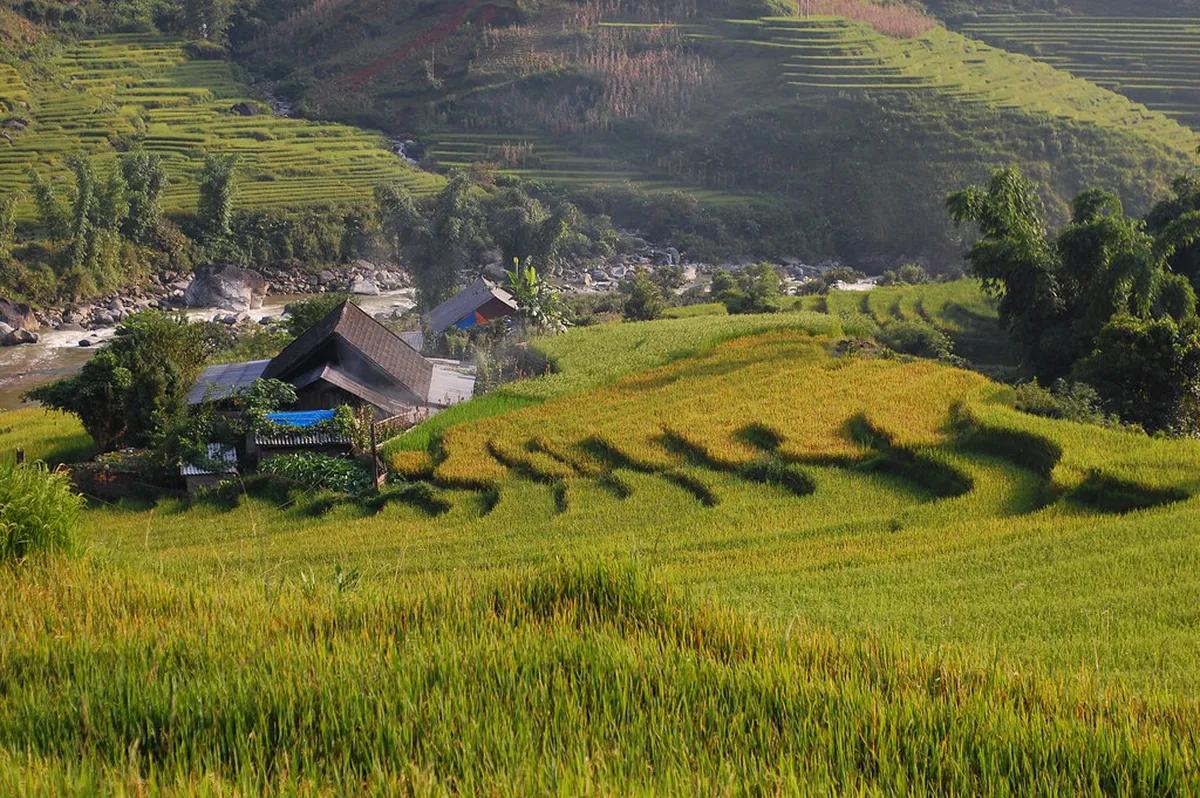
Many online listings called homestays are family-run guesthouses. You get private rooms, free Wi-Fi, gardens, terraces and breakfast. Some have seasonal pools. Valley listings near Ta Van sit among rice fields, while central ones sit near the Stone Church and Ham Rong street. Choose this type if you want warmth, a private bathroom or easy road access. For views, browse Sapa stays with mountain views. For pools and spa-style comfort, see Sapa Resorts: Where to Stay by Location, Views & Traveler Type. Prices run from budget to higher bands, and rates shift by weekend and season. Check live rates on the booking page you use. A guesthouse is a perfectly good choice. Just do not expect a family kitchen and a shared fire.
Large Group Dorm-Style Homestays: Who They Suit
Some trek operators use purpose-built lodges. ETHOS describes these as holding up to forty travellers, with floor mattresses, curtain dividers and mosquito nets. Facilities may include several hot showers, Wi-Fi and a communal dining area. They are practical, social and inexpensive. They also host several groups on the same evening, so privacy and family contact are limited. Ask whether a family lives on site and eats with guests. If you mainly want a cheap, social bed, a Sapa hostel may serve you better and cost less.
How to Get to Sapa and Reach Your Homestay
Most travellers come from Hanoi by overnight sleeper bus. An overnight train is the other common route, and a private transfer is possible too. One traveller account describes a 4 am bus arrival, with passengers allowed to sleep on until about 6 am. Timetables and fares change, so check them with the operator or railway before you book. Town guesthouses can be reached by road. Village homes may need a guide, a motorbike or a walk. Many hosts in traditional dress meet arriving buses and offer rooms. Do not rely on that scene. Pre-arrange a named host or operator and ask them to send a photo or message so you can recognise your contact. Official area information is on the national Sapa tourism page.
Pair a 4 am bus arrival with a village host, since those homes may need a walk or motorbike.
Costs and What's Included
Published nightly rates for town listings sit across budget, mid and higher bands. They shift by weekend and season, so read the live rate on the day you book. Village stays are often priced as part of a trek. Ask for the total, and compare quotes using this checklist:
- Food: dinner, breakfast and trail lunches.
- Transport: bag transfer, pickup and the return leg.
- Guide: who employs the guide and whether the fee is included.
- Bed: shared room, private room or mattress in a common area.
- Extras: hot shower, firewood, blankets and drinks.
Booking Safely: Operator, Direct Host or Online Listing
Choose one route and confirm it in writing. A trek operator bundles the guide, meals and transport. A direct host may take bookings through Facebook, and some hosts speak English but cannot read it. In that case, use the host's preferred channel and repeat dates in simple words. An online listing gives a clear cancellation policy. Spot a real homestay with four checks:
- The host lives on site.
- You eat with the family.
- The group is small and not merged with others.
- The listing says who employs the guide.
Ethics and Etiquette
Money should reach the host family. Ask what share of the price goes to the household, the guide and the cook. Ask before photographing people or their homes. Remove shoes at the door when others do. Dress modestly and buy crafts directly from makers, such as hand-dyed indigo cloth. Accept that a family may eat plainer food than the meal served to guests. Mistakes to avoid:
- Booking a "homestay" and expecting a family home.
- Assuming a private room or en-suite bathroom.
- Underestimating the trek or the cold.
- Paying a stranger at the bus stop without a written agreement.
Planning Your Time: One Night or Two
One night suits a short trip. Two nights give more time for conversation, cooking and a second village. One traveller account recommends 2 nights for fuller cultural contact. A town base with a day trek is easier and warmer. An overnight in a village gives more family time. Pack warm layers, a sleeping layer, a torch, small cash and offline maps. An early-winter visit reported a cold night with no heating and a small fire. Rice fields had already been harvested in November, so match your dates to the look you want. Check current weather before you go. Compare areas in the Sapa area guide before you commit.
Frequently Asked Questions
What is the best homestay in Sapa?
Best depends on what you want. Pick a village family home for meals and conversation. Choose a valley guesthouse for private rooms and views.
Which area in Sapa is best to stay?
Stay in the town centre for easy buses and short walks. Choose Ta Van valley for rice-field views and a quieter setting. Village homes farther out suit travellers who accept a basic stay with a guide.
Useful notes for your Vietnam trip
Optional updates to our guides.
You might also like
Continue reading
More guides you'll find useful