
How to Get to Da Nang: Flights, Trains, Buses and Transfers
Fly, take the train or go overland to Da Nang. Compare routes from Hanoi, Ho Chi Minh City and Hue, plus airport and Hoi An transfers.
On this page
Last updated November 2026: how to get to Da Nang comes down to two choices. Fly into Da Nang International Airport (DAD), or arrive by train, bus or road from Hanoi, Ho Chi Minh City, Hue or Hoi An. Flying suits the long hauls from the far north and south, while the central coast is easy overland.
Featured image: Chainwit., CC BY 4.0, via Wikimedia Commons.

Quick answer: the best way to get to Da Nang
Fly into DAD if you start in Hanoi, Ho Chi Minh City or abroad. Per Vietnam's tourism board, daily flights link the city to the country's major hubs. Trains, buses, taxis and ride-hailing cover the ground side. Hue and Hoi An are short road or rail hops. Weather is best from March to May and from September to October, so those months are the easiest for any route.

- Long distance, short on time: fly to DAD.
- Central coast from Hue: train or road, with the Hai Van Pass as an optional scenic leg.
- From Hoi An: Grab, taxi or private car for door-to-door ease.
- Tight budget with little luggage: the public bus from Hoi An.
Ways to get to Da Nang compared
Use this table to match your starting point to a mode. Cost levels are relative, because fares move with season and booking date. Route pages linked further down carry the detail for each origin.
| Mode | Best for | Typical journey | Cost level | Arrival point | Main drawback |
|---|---|---|---|---|---|
| Flight | Hanoi, Ho Chi Minh City, international connections | Fastest over long distances | Medium to high | Da Nang International Airport (DAD) | Airport transfer still needed |
| Train | Scenic overland travel, Hue and the coast | Slow but flat-rate comfort | Low to medium | Da Nang railway station | Long on the Hanoi and Ho Chi Minh City legs |
| Long-distance bus | Tight budgets | Longest of the three | Low | Check the operator's drop-off point | Least comfortable for overnight legs |
| Road from Hue | Flexible day trips, Hai Van Pass | Short coastal drive | Medium by car | Central Da Nang | Rain and fog on the pass |
| Grab or taxi from Hoi An | Luggage and families | 30–45 minutes by car | Medium | Hotel door | Taxi quotes can run high at peak times |
| Public bus from Hoi An | Backpackers with light bags | 1.5–2 hours | Lowest | Da Nang Central Bus Station | No under-floor luggage space |

By air: Da Nang International Airport (DAD)
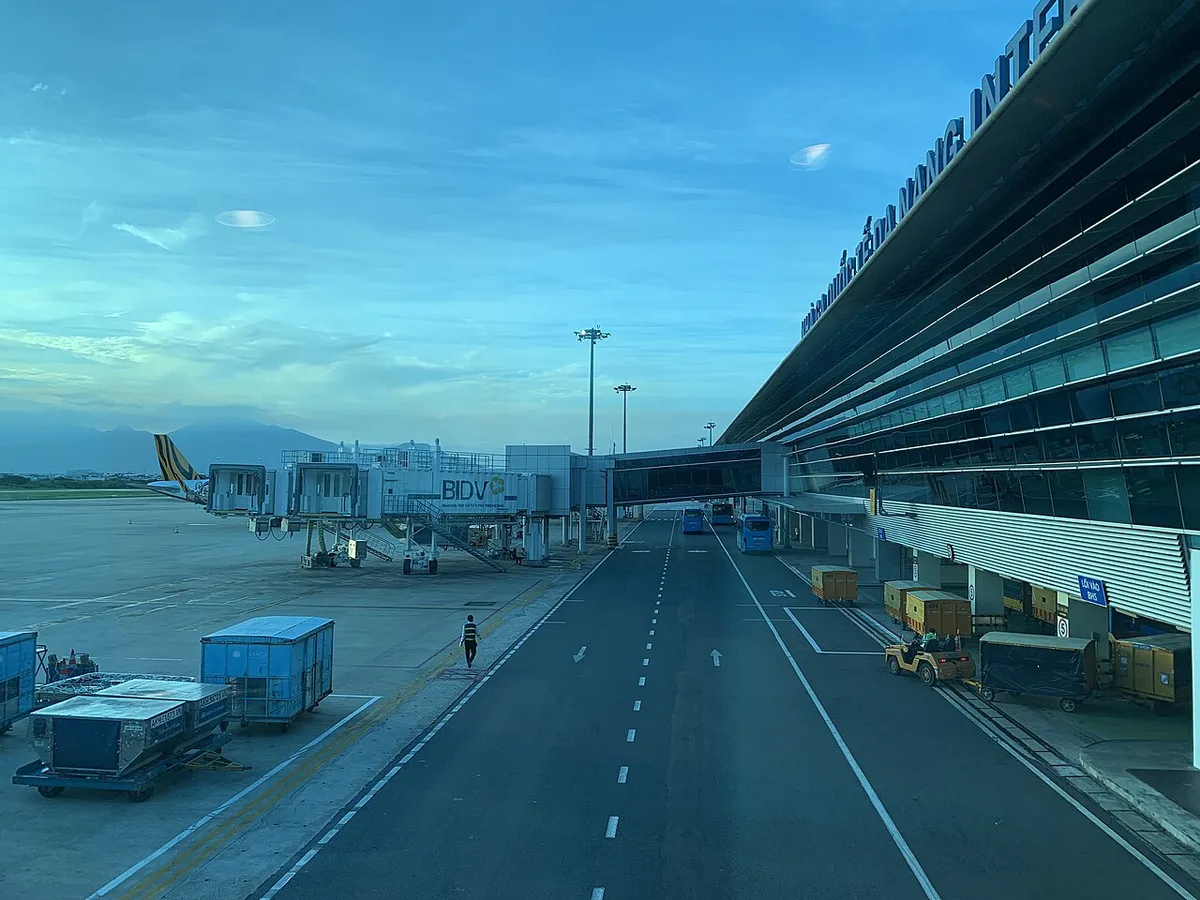
DAD is the city's single airport and the quickest way in from Hanoi and Ho Chi Minh City. Vietnam Airlines is the national carrier, and other domestic airlines also sell the main routes. International travelers usually connect through Hanoi or Ho Chi Minh City, so check each airline's route map for direct services. Arrival halls have eSIM counters, and taxis wait outside. Gate, baggage and transfer details sit on our Da Nang airport guide.

From Hanoi
Flying beats the train and bus on speed, while the overland options trade time for lower cost and scenery. Route times, fares and operators are laid out on our Hanoi to Da Nang page, and current train timetables are on the Vietnam Railways site.

From Ho Chi Minh City
Flying is the practical default on this long run, with the North-South rail line and buses as slower, cheaper alternatives. Compare options on our Ho Chi Minh City to Da Nang page, and check current schedules and fares with Vietnam Railways or the airlines before booking.

From Hue and the central coast
Hue is the easy overland leg, by train or by road over the Hai Van Pass. The pass climbs above the sea between the two cities, and the old fortress on top is the usual viewpoint stop. Full options are on our Da Nang to Hue guide.
From Hoi An
Hoi An is about 30 km from Da Nang, which means 30–45 minutes by car depending on traffic. Prices checked November 2026: a taxi typically runs ₫300,000 to ₫450,000, and the public bus costs ₫35,000. That bus takes 1.5–2 hours and runs roughly every 30 minutes from 5:30 AM to 5:50 PM, with fewer departures from October to December. Bicycle rental is around ₫50,000 a day, and there are no dedicated bike lanes. Motorbike rental is around ₫100,000 a day. Full comparisons are on our Da Nang to Hoi An guide. Hoi An's heritage office, on the Hoi An tourism site, covers the old town you are heading for.

From the airport to your hotel
Three options cover most arrivals. Grab works well if you have data, so install it and set up your account before landing. Taxis queue outside arrivals and suit travelers without a phone plan. Hotels and hosts can send a driver with a name sign, which saves the most effort after a late flight. Reported taxi quotes to Hoi An run ₫300,000 to ₫450,000, and drivers have been reported asking as much as ₫800,000. Agree the fare or insist on the meter before you get in. Skip the public bus from the airport, because it leaves from Da Nang Central Bus Station, and reaching that station by taxi costs about triple the ticket. More arrival detail is on our airport transfer page.
Which route fits your trip?

Match the route to what you are optimizing for.
Pack light for the ₫35,000 public bus from Hoi An, because it has no under-floor luggage space.
- Short on time: fly to DAD and book a hotel pickup.
- Tight budget: take the train or bus for the main leg, and the ₫35,000 public bus for Hoi An.
- Heavy luggage: use Grab, a taxi or a private car, not the public bus.
- Scenic route: ride the Hue to Da Nang road over the Hai Van Pass.
- Families: book flights plus a pre-arranged car to avoid bargaining.
- First-timers: pick Grab, because the price shows before you ride.
Mistakes to avoid and seasonal cautions
Rainy season runs from November to February, so allow slack for weather delays on flights and on the Hai Van road. Tet, the Lunar New Year, pushes taxi and other prices up, with reports of roughly 20% rises. Book train and bus tickets early for holiday weeks. Avoid unmarked or unlicensed cars at the airport kerb. A late arrival is easiest with a booked pickup or Grab, because bus services stop in the evening.
Hoi An buses run from 5:30 AM to 5:50 PM, so a late flight into Da Nang needs a booked pickup or Grab.
Building the rest of the trip? Our Da Nang attractions guide covers the sights, districts and logistics around this guide.
Frequently Asked Questions
What airport do you fly into for Da Nang?
Fly into Da Nang International Airport, code DAD. It receives daily flights from Vietnam's major hubs, including Hanoi and Ho Chi Minh City.
Is it better to fly or take the train from Hanoi to Da Nang?
Fly if time matters most. Take the train if you prefer scenery and a lower fare, and check current timetables on the Vietnam Railways site.
Which month should you avoid in Da Nang?
Rainy season from November to February brings long showers and moody weather. March to May and September to October are the best months. Tet also raises prices and crowds travel.
Explore More Da Nang Guides
Keep planning your Da Nang trip with these guides.
Da Nang Guides
Useful notes for your Vietnam trip
Optional updates to our guides.
You might also like


Continue reading
More guides you'll find useful