Is Sapa Worth Visiting? When to Go and When to Skip
Is Sapa worth the trip from Hanoi? See who should go, who should skip, and how time, weather and transport change the answer.
On this page
Last updated November 2026: is Sapa worth visiting? Yes, if you want terraced valleys, trekking or Fansipan and can give the mountains enough usable time. Skip or shorten it if you are adding it only because it is famous, or if the Hanoi transfer would eat the trip.
Featured image: Vivu Vietnam, CC BY-SA 4.0, via Wikimedia Commons.
Is Sapa worth it? The short answer
Our verdict is conditional. We'd go for mountain scenery and for the Muong Hoa Valley villages, where H'mong and Red Dao communities live and farm. We'd skip it for beaches or a big-city break, because Sapa offers neither. Allocating days is a separate decision, and our guide on how many days Sapa deserves covers it in full.
- Go if: you want rice terraces, valley walks and cooler highland air.
- Go if: Fansipan, at 3,143 m, is one of your reasons to travel north.
- Go if: you can spare at least 2 days and 1 night.
- Go if: you are happy to treat mist and rain as part of the trip.
- Skip if: you want beaches, nightlife or a big-city pace.
- Skip if: your North Vietnam schedule is already packed.
- Skip if: long rail, bus or road transfers wear you out.
- Skip if: you expect an untouched, remote mountain village.
Who Sapa is best for, and who should skip it
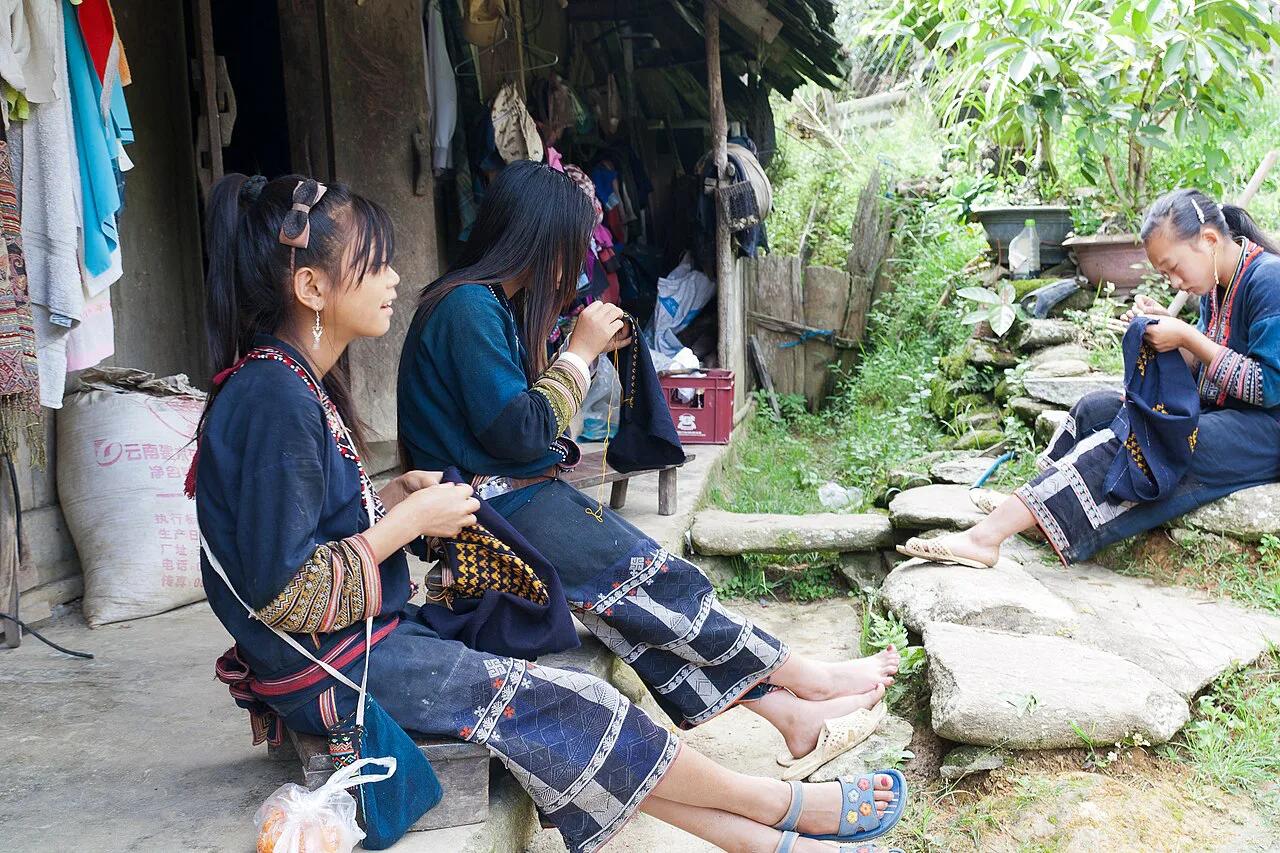
Sapa suits people who like to walk and look at landscape. The area is home to five large minority groups: H'mong, Red Dao, Tay, Giay and Xa Pho. Each has its own villages and traditions. Beach seekers and big-city fans will find nothing comparable to Da Nang or Ho Chi Minh City here. Families and older travellers can enjoy it, but slopes, stairs and uneven paths set the pace.

| Traveller type | Verdict | Why |
|---|---|---|
| Trekkers and photographers | Go | Terraced valleys, Muong Hoa villages and Fansipan in one region |
| Culture-minded travellers | Go | Choose valley villages over the town centre |
| First-timers on a short North Vietnam trip | Shorten | One mountain block fits; a checklist does not |
| Families and older travellers | Go, with fewer stops | Stairs, hills and cold weather limit pace |
| Beach lovers | Skip | Sapa is a mountain destination only |
| Big-city and nightlife fans | Skip | Evenings centre on Sapa Square and the night market |
Why Sapa feels busier now, and what that means
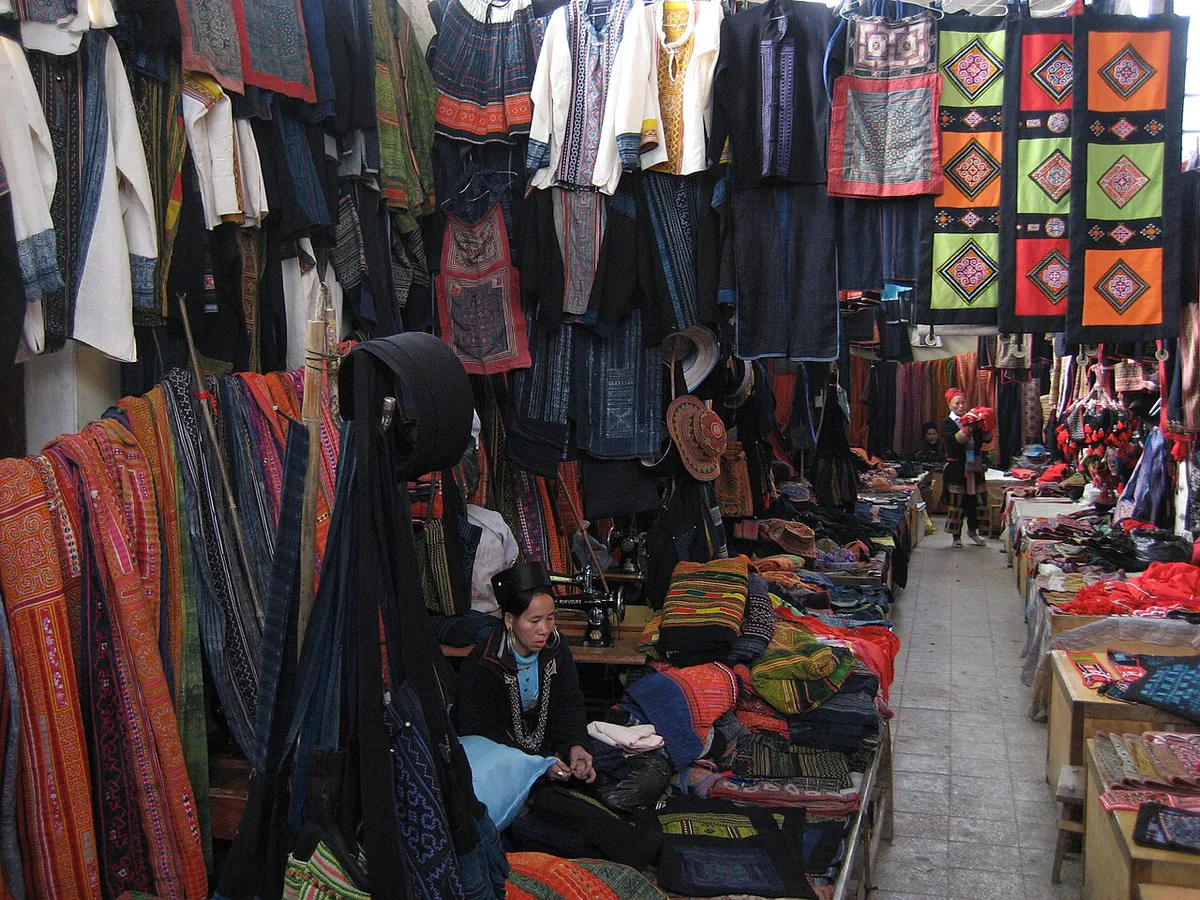
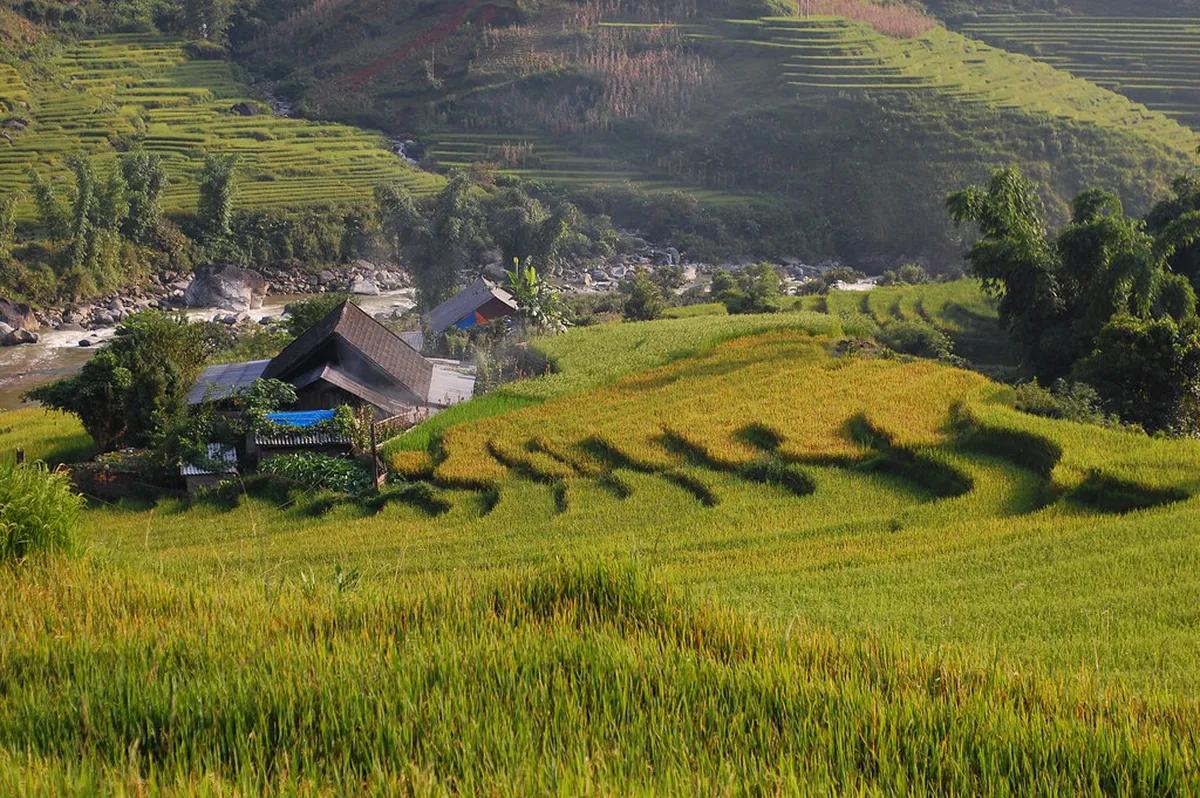
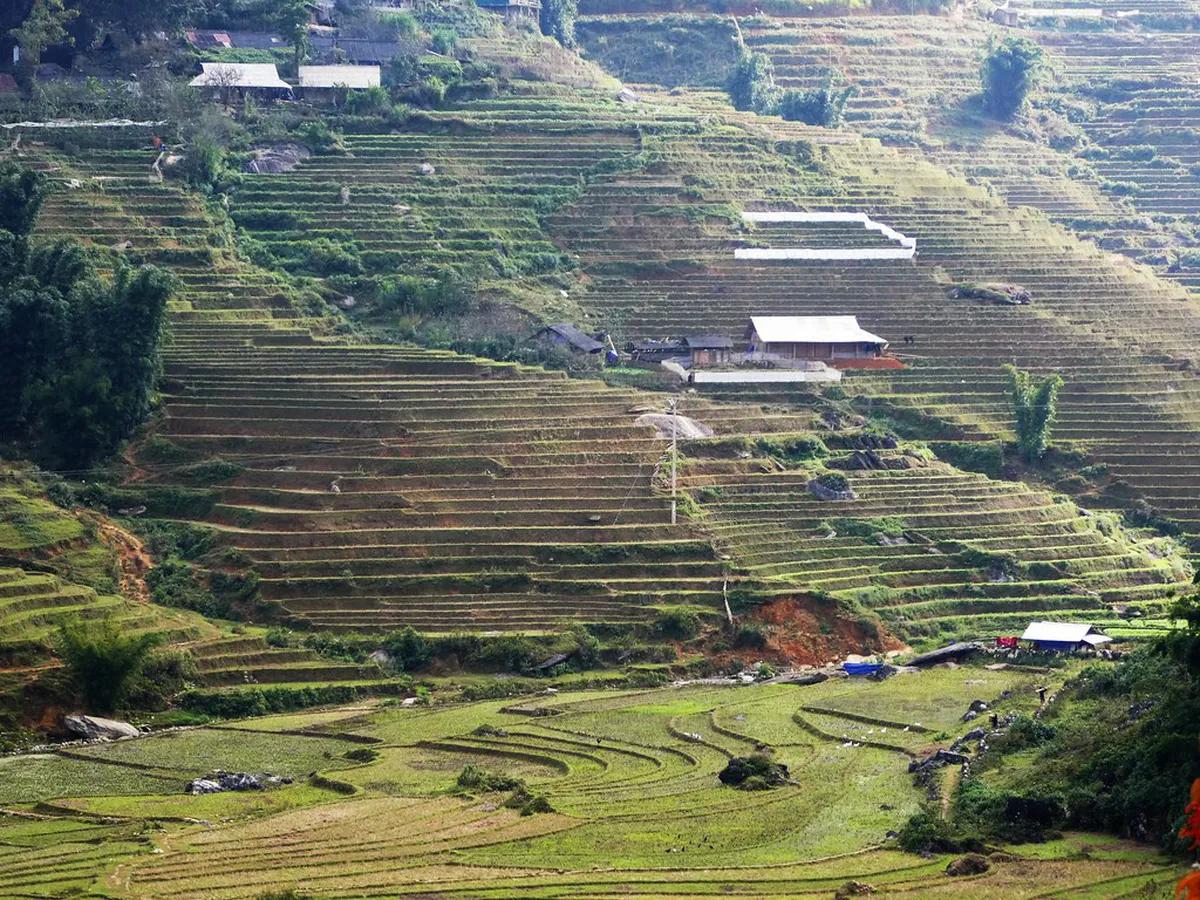
Sapa is no longer a quiet hill station. In January 2026, Agoda's New Horizons ranking reportedly named it Asia's top emerging destination. That growth shows in town. Sapa Square, Sapa Lake and Sapa Market form a developed tourism hub with hotels, restaurants and traffic. Beyond town, the picture changes. Muong Hoa Valley runs about 30 km long but only 1 to 4 km wide, and its villages are far less developed than the centre. Where you walk matters more than the destination's overall reputation.
When Sapa feels overrated, and how to avoid it
Most disappointed reviews come from a mismatch between expectation and route. Each mismatch has a fix that involves a different plan, not a different label.
- Expecting a remote town: Sapa town is a tourism hub. Base yourself in a valley village instead.
- Expecting Cat Cat to be untouched: it is one of the most visitor-oriented village visits. Treat it as an easy half-day, and save Lao Chai or Ta Van for quieter walking.
- Cramming an overnight trip: Fansipan, a valley trek and the O Quy Ho Pass all compete for time. Pick one main block.
- Betting on one view: cloud can erase a summit in minutes. Keep a backup plan.
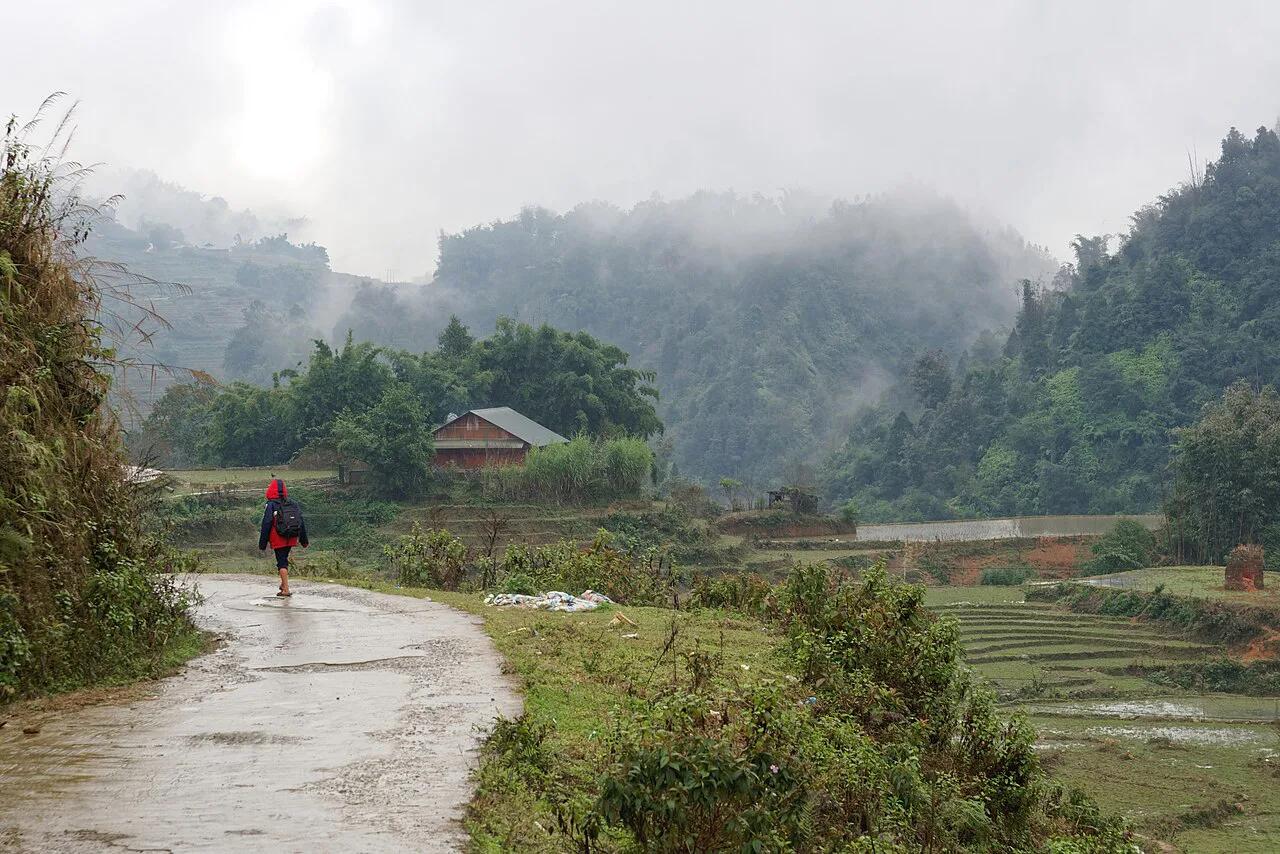
- Hiking in the wrong conditions: wet trails and mud can slow valley walks, so pack grippy shoes.
Does Fansipan justify the trip on its own?
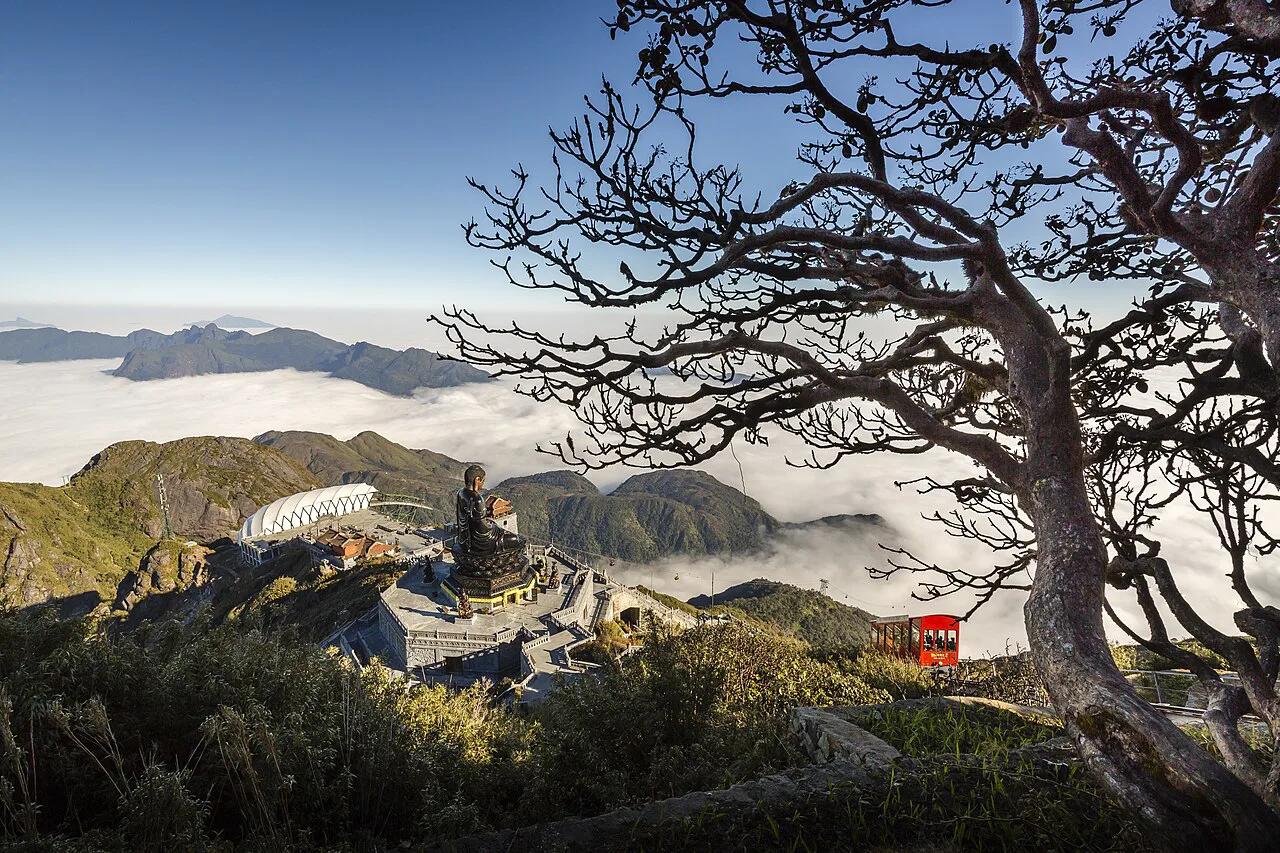
Only if the mountain matters to you. Fansipan rises to 3,143 m and is Vietnam's highest peak. Most visitors ride the cable car, then take a funicular towards the summit area, where a temple complex sits near the top. Allow a large part of a day once transfers, queues and walking are counted. Mist is the real risk, and visitors report the summit is a letdown in fog. Stairs remain even after the ride, so limited-mobility travellers should plan for them. Keen hikers can trek it instead, but expect an advanced route of 8 to 10 hours. Ticket prices change, so check the operator's current fare before choosing between the ride and the climb.
How much time makes Sapa worth it
Time is the clearest lever on whether Sapa pays off. One day is mostly transfer. Our two-day Sapa plan shows what one night allows. Readers who decide to commit should read our three-day Sapa itinerary, which gives weather slack.
Sleeper trains need about 8 hours to reach Lao Cai, so on a 2-day trip the travel eats into your window.
| Time | Payoff |
|---|---|
| 1 day | Transfer-heavy; works only for one fixed goal |
| 2 days / 1 night | One major mountain or valley block, little weather slack |
| 3 days / 2 nights | A valley day plus Fansipan or the O Quy Ho side |
| 4+ days | Trekking, village stays and time away from the town centre |
Getting there: how much the transfer costs you
Almost everyone arrives from Hanoi. The sleeper train to Lao Cai takes about 8 hours, and Vietnam Railways sells the Hanoi–Lao Cai service. A sleeper bus takes about 6.5 hours and is the cheapest option. Both end with roughly 1 hour on a steep, curvy road from Lao Cai up to Sapa. That last leg is unavoidable by any mode. For a pre-arranged route, our Hanoi-to-Sapa tour options show how a packaged trip handles it. On a 2-day trip, the overnight journey out and back uses much of your window.
| Option | Door-to-door time | Trade-off |
|---|---|---|
| Sleeper train + transfer | About 8 hours to Lao Cai, then about 1 hour | Most comfortable; train tickets cost more than the bus |
| Sleeper bus | About 6.5 hours | Cheapest; tighter space than a train cabin |
| Private car or tour | Varies by operator | Most flexible; priced by the operator |
Where to base yourself
Your base changes the answer more than most people expect. Town is easiest, villages feel more local, and overlook lodges split the difference. In town, everything outside the centre sits on a hill. In the valley, Lao Chai is the closest village to town. Ta Van is the most developed of the valley villages, with paved roads and some small hotels. Lodges above the valley give panoramas, but food options around them are limited.
Lao Chai and Ta Van sit in Muong Hoa Valley, only 1 to 4 km wide, so the villages line one long route.
| Base | Crowds | Walkability | Food | Best for |
|---|---|---|---|---|
| Sapa town centre | Highest | Compact centre, steep side streets | Most choice | Short stays, first-timers |
| Muong Hoa villages (Lao Chai, Ta Van) | Lower | Flat stretches by the river | Homestay meals, a few cafés | Cultural immersion, trekking |
| Valley-overlook lodges | Low to moderate | Road access, few walkable sights | Often on-site only | Views, easy access to town and valley |
Seasons and weather: when to go
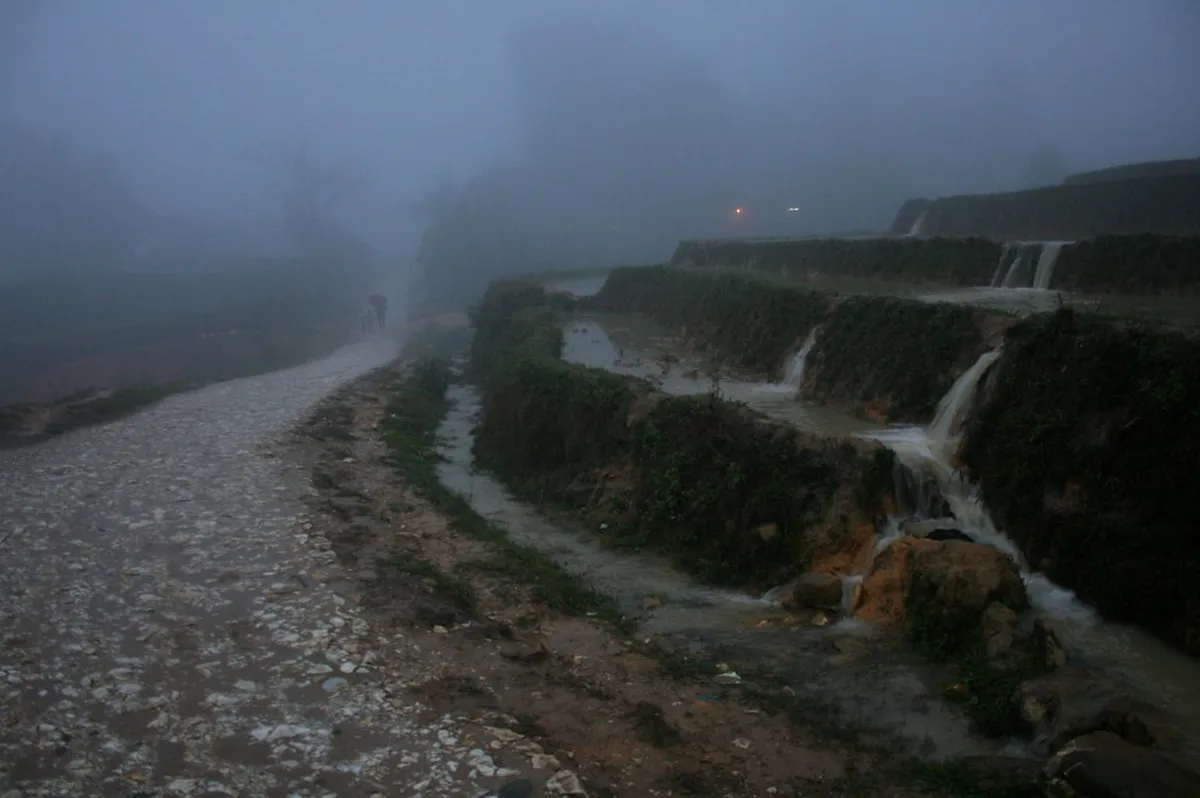
Sources vary on timing, so treat the following as typical patterns. September and October are usually described as the golden-rice and trekking season. March to May brings blooms. November to February runs cool and can turn frosty. Cloud is possible in any month, so pick activities that survive poor visibility. On a grey day, Sapa Culture Museum is free and takes about 1 hour. Cafés on the valley edge still work, and village walks can still be rewarding. Sapa Love Market is reportedly held on Saturday evenings from 6 to 7 pm, but hours shift by season. For broader climate planning, see Vietnam's national tourism site.
Making a visit feel more local
Change the route, not the label. Cat Cat suits a half-day close to town. Muong Hoa routes join Lao Chai and Ta Van on a longer walking day. Trail sellers can be persistent, so a calm, friendly no works better than ignoring them. Ask before photographing anyone, especially women and children in traditional dress. Buy crafts directly from the maker when you can. A homestay meal usually puts more money into the village than a stop at a roadside stall.
Sapa or Ha Giang, and other northern options?
Both give dramatic mountain scenery, but they ask different things of you. Sapa has more hotels, more short activities and an easier base. Ha Giang is built around long road journeys and a bigger commitment to mountain driving. With time for only one northern extra, choose Sapa for walking and Fansipan. Choose Ninh Binh or Ha Long Bay if karst landscape and water matter more than altitude.
Costs at a glance
Prices and hours checked November 2026, as quoted by visitors; Lao Cai's provincial portal is the place to confirm official fees. Cat Cat Village costs 150,000 ₫ to enter. Silver Waterfall, Love Waterfall and the Lonely Tree each cost 20,000 ₫. Heaven Gate is 120,000 ₫. Rong May Glass Bridge is 500,000 ₫ and sits about 30 minutes from town. One viewpoint café charges 90,000 ₫ with a drink included. Love Waterfall involves a walk of about 2 km.
| Attraction | Fee |
|---|---|
| Cat Cat Village | 150,000 ₫ |
| Silver Waterfall | 20,000 ₫ |
| Love Waterfall | 20,000 ₫ |
| Lonely Tree | 20,000 ₫ |
| Heaven Gate | 120,000 ₫ |
| Rong May Glass Bridge | 500,000 ₫ |
| Viewpoint café (drink included) | 90,000 ₫ |
Final verdict
For the right trip, yes. Choose Sapa when mountains, trekking or Fansipan are real priorities and you can absorb weather and transfer time. Shorten it, or leave it out, when the itinerary is crowded and Sapa is only a famous name. Once you decide to go, our day-allocation guide sets the right length.
Frequently Asked Questions
How many days should I spend at Sapa?
Two days and one night fits one major mountain or valley block. Three days and two nights gives room to pair a village day with Fansipan or the O Quy Ho side. Four or more days suits trekking and slower village stays.
Why is Sapa so famous?
Sapa sits near Fansipan, Vietnam's highest peak at 3,143 m. It also has terraced valleys, trekking routes and villages of several ethnic minority groups. Cooler highland weather sets it apart from the rest of Vietnam.
Useful notes for your Vietnam trip
Optional updates to our guides.
You might also like
Continue reading
More guides you'll find useful