2 Days in Sapa: Realistic Itinerary, Costs & Trade-offs
Plan 2 days in Sapa with a day-by-day route, Hanoi transfer timing, costs, weather fallbacks, and stay options.
On this page
Last updated November 2026: 2 days in Sapa works best as one night in town and one night in a village homestay, and it suits first-timers who want one village walk and one big viewpoint. Arrival time decides how much of the 48 hours you can actually use, so build the plan around your Hanoi transfer. If you still doubt the trip, read whether Sapa is worth visiting first.
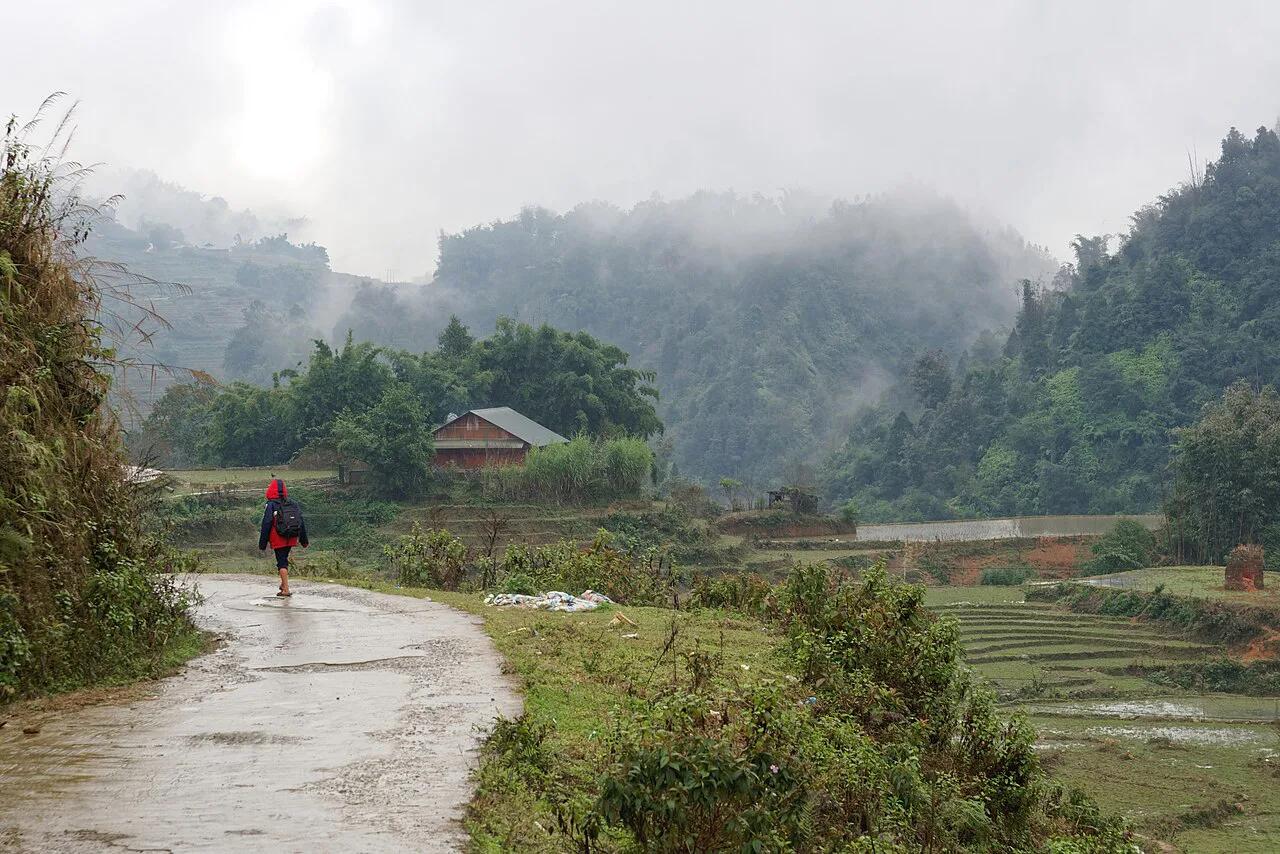
Featured image: Diego Angel, CC BY 3.0, via Wikimedia Commons.

At a Glance
This plan suits first-time visitors who can spare about 48 hours on the ground after the Hanoi transfer. Pace is moderate, with one village walk and one mountain outing. Spring and autumn give the clearest trail days. A realistic budget band is $60–$100 for the two days, excluding transfers from Hanoi. Prices and hours checked November 2026. Unsure whether two days is the right length? Read how many days to spend in Sapa before booking.
- Day 1 morning: drop bags in town, then walk to the Stone Church and the Sapa Lake area.
- Day 1 afternoon: walk down to Cat Cat village, about 3 km from Sapa town, for a $2 entry fee.
- Day 1 evening: eat in town for $3–$7 and browse the night market.
- Day 2 morning: ride the Fansipan cable car early, about $25 round trip.
- Day 2 afternoon: walk to Silver Waterfall, usually free, with a small donation sometimes asked.
- Day 2 evening: soak in a Red Dao herbal bath for $10–$15, or head back toward Hanoi.
Is 2 Days in Sapa Enough?
Yes, if you accept a highlights trip. Two days covers one village walk, one Fansipan attempt and one evening in town. It does not cover a multi-village trek or a slow homestay. Hikers will feel rushed, and for them a slower three-day plan fits better. Families and short Vietnam stopovers usually find two days comfortable. Photographers should favor the early hours and keep Day 2 flexible for clear windows. The table compares the three common shapes.

| Shape | Time | Cost | Comfort | Trekking depth |
|---|---|---|---|---|
| Overnight from Hanoi, 1 night in Sapa | Tightest; transfer eats most of the first day | Lowest lodging bill | Sleeper berth, then a full day | Light: Cat Cat only |
| 2 nights in Sapa town | Most usable hours | Mid-range | Best rest, hot water, easy cable car access | Light to moderate |
| 1 night in town, 1 night in a village homestay | Balanced | Mid-range; check homestay meals and guide fees | Simple rooms, more local contact | Moderate: Ta Van or Lao Chai walk |
Day 1: Villages and Rice Terraces
Start gently. Leave bags at your hotel, then walk to the Stone Church in the town center and loop around the Sapa Lake area. Both are flat and take an easy morning. Head to Cat Cat village after lunch. It is about 3 km from town, entry is around $2, and the path is steep in places, so wear shoes with grip. Expect the return climb to be the hard part. Many visitors take a motorbike taxi or taxi back up. Ask before photographing residents, and buy handicrafts directly from sellers. For a quieter and more local walk, the Ta Van and Lao Chai route is longer, and a guide costs about $15–$25 per day. If rain or low cloud sets in, swap the village walk for the covered stalls of the night market and a long dinner.
Cat Cat sits about 3 km from town, and the return climb is steep, so a taxi or motorbike back fits the $5–$10 transport line.
- Morning: Stone Church and Sapa Lake area, on foot.
- Afternoon: Cat Cat village, short and busy, no guide needed.
- Longer option: Ta Van and Lao Chai, a more local feel; ask your homestay about distance and return transport.
- Evening: dinner at a local restaurant, about $3–$7.
Day 2: Fansipan and Waterfall
Go to the Fansipan cable car early, when crowds are thin and clouds are less likely to have closed in. A round trip costs around $25. Look at the summit conditions before you buy, since cloud can hide everything. If it is clouded in, use the same half-day for a village walk, the market, or Silver Waterfall. Silver Waterfall sits just outside town and is usually free. Add Love Waterfall if energy remains. Back in town, a Red Dao herbal bath runs $10–$15 and is worth booking ahead in peak season. Leaving the same evening? Skip the bath and keep a margin before your bus or train.
Getting to Sapa and Timing
Sapa has no airport. Most visitors fly into Noi Bai in Hanoi, about 315 km away, then go by sleeper train, bus or private transfer. A sleeper berth costs about $25–$40 and a bus $10–$20. Trains run to Lao Cai, so you need a road transfer up to Sapa; check timetables and fares on the Vietnam Railways site. An overnight arrival gives you a full first morning. A daytime bus arrival can cost half of Day 1. Always plan the last practical departure from Sapa with a buffer, not a squeeze. Prefer a packaged transfer and guided days? See Sapa tours from Hanoi.
- Overnight sleeper: arrive early, use the full first day.
- Daytime bus: arrive midday, treat Day 1 as a light town day.
- Private transfer: most flexible, and priciest.
Where to Stay
Staying in town puts you near the Stone Church, restaurants and the cable car approach, with some evening noise. A village homestay in Ta Van or Lao Chai gives quiet, valley views and time with local families, but access to Fansipan takes longer. Hostel beds start around $7–$10 per night. When booking a homestay, ask about meals, hot water, pickup and whether a guide is included. For village fees and visitor information, see the Lao Cai provincial tourism pages.
Budget for 2 Days
Expect roughly $60–$100 in total for the two days, depending on how you travel. Hanoi transfers come on top. Lodging runs $7–$10 per night in a hostel or homestay. Food is about $10–$15 a day. Local taxis or bike rentals add $5–$10, and activities such as treks, cable car and entry fees add $25–$50.
Fansipan's cable car at about $25 round trip takes a big bite out of the $60–$100 band, so weather checks matter before you buy.
| Item | Typical cost |
|---|---|
| Hostel or homestay, per night | $7–$10 |
| Local meal | $3–$7 |
| Cat Cat entry | about $2 |
| Guided trek, per day | $15–$25 |
| Fansipan cable car, round trip | about $25 |
| Herbal bath | $10–$15 |
| Sleeper train from Hanoi | $25–$40 |
| Bus from Hanoi | $10–$20 |
Best Time to Go and Weather
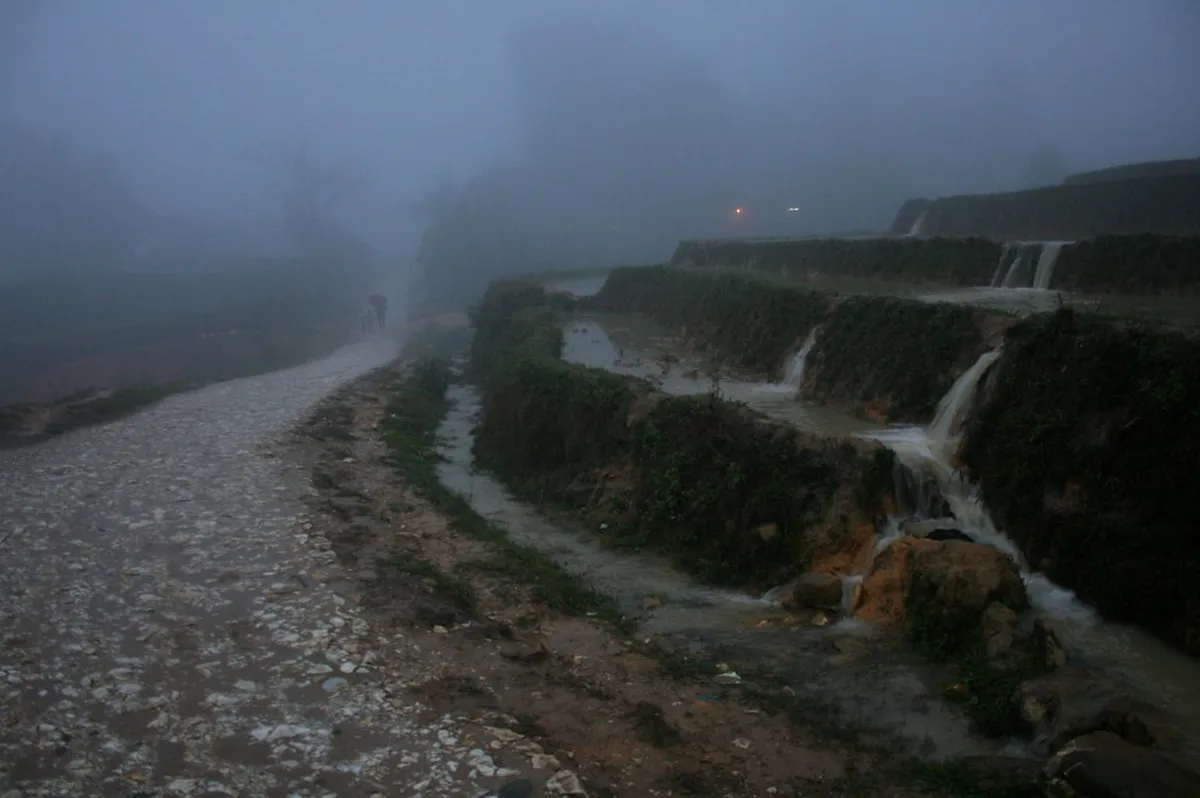
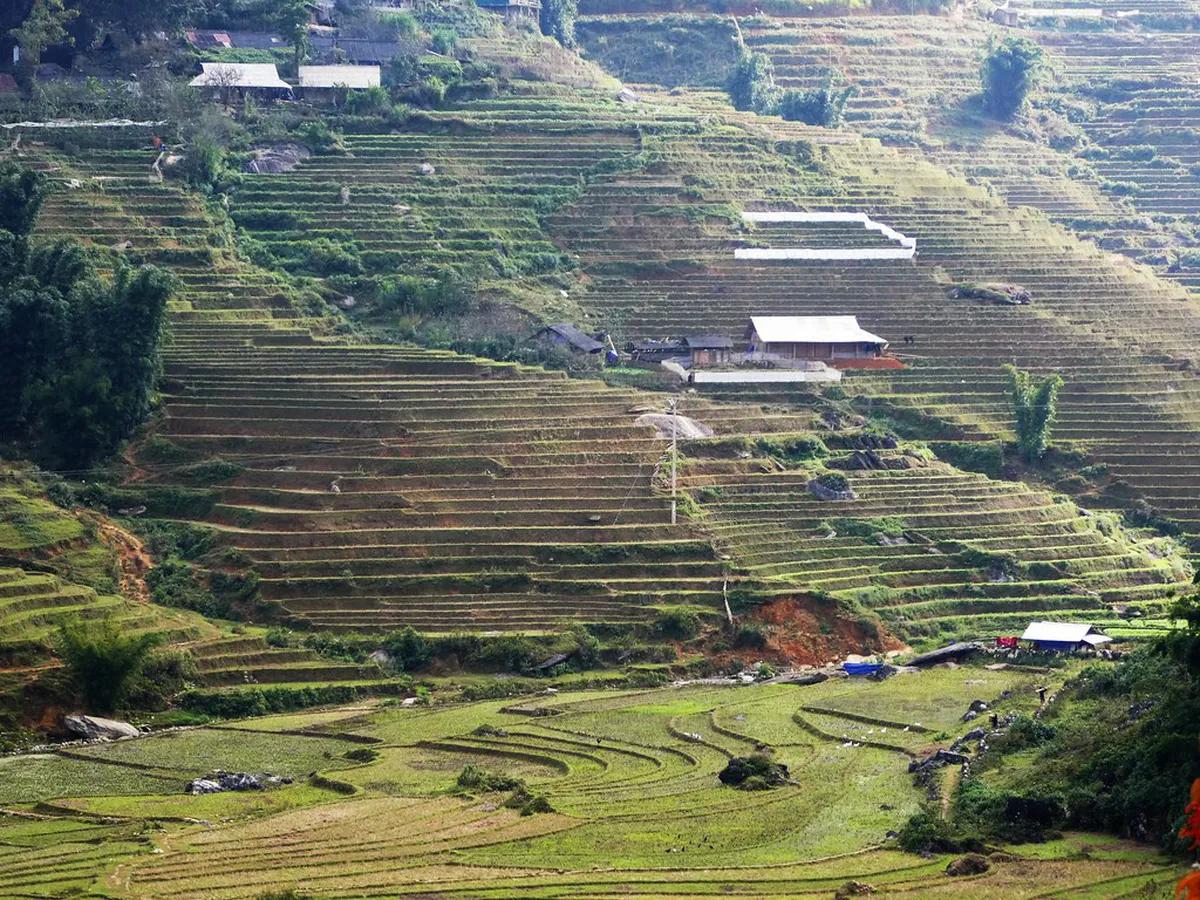
March to May and September to November bring the clearest skies and moderate temperatures. Terraces are golden in autumn, and September to November is the strongest window for views and trekking together. June to August is warmer and rainy. Terraces are at their greenest, but trails turn muddy. December to February is coldest, with fog and possible snow at higher elevations. Fog suits moody photos but can erase the Fansipan view. More general planning help is on the Vietnam tourism site.
Mistakes to Avoid
Most disappointments come from over-packing the schedule or ignoring weather. Keep one slot flexible each day.
- Cramming Cat Cat, Ta Van and Fansipan into one day.
- Buying Fansipan tickets without checking visibility.
- Wearing smooth-soled shoes on wet trails.
- Skipping advance booking for rooms and baths in peak season.
- Photographing villagers without asking first.
Useful notes for your Vietnam trip
Optional updates to our guides.
You might also like
Continue reading
More guides you'll find useful