Phu Quoc Weather by Month: Seasons, Rain & Planning Tips
Phu Quoc weather by season and month: when it rains, how humid it gets, and how weather affects boats, beaches and prices. Plan with confidence.
On this page
Last updated November 2026. Phu Quoc weather follows a tropical monsoon pattern, with a drier season from roughly November to April and a wetter one from roughly May to October. Season edges are fuzzy, so treat October, November and May as unpredictable turns. This page covers conditions and planning, and the month-by-month booking verdict covers when to go.
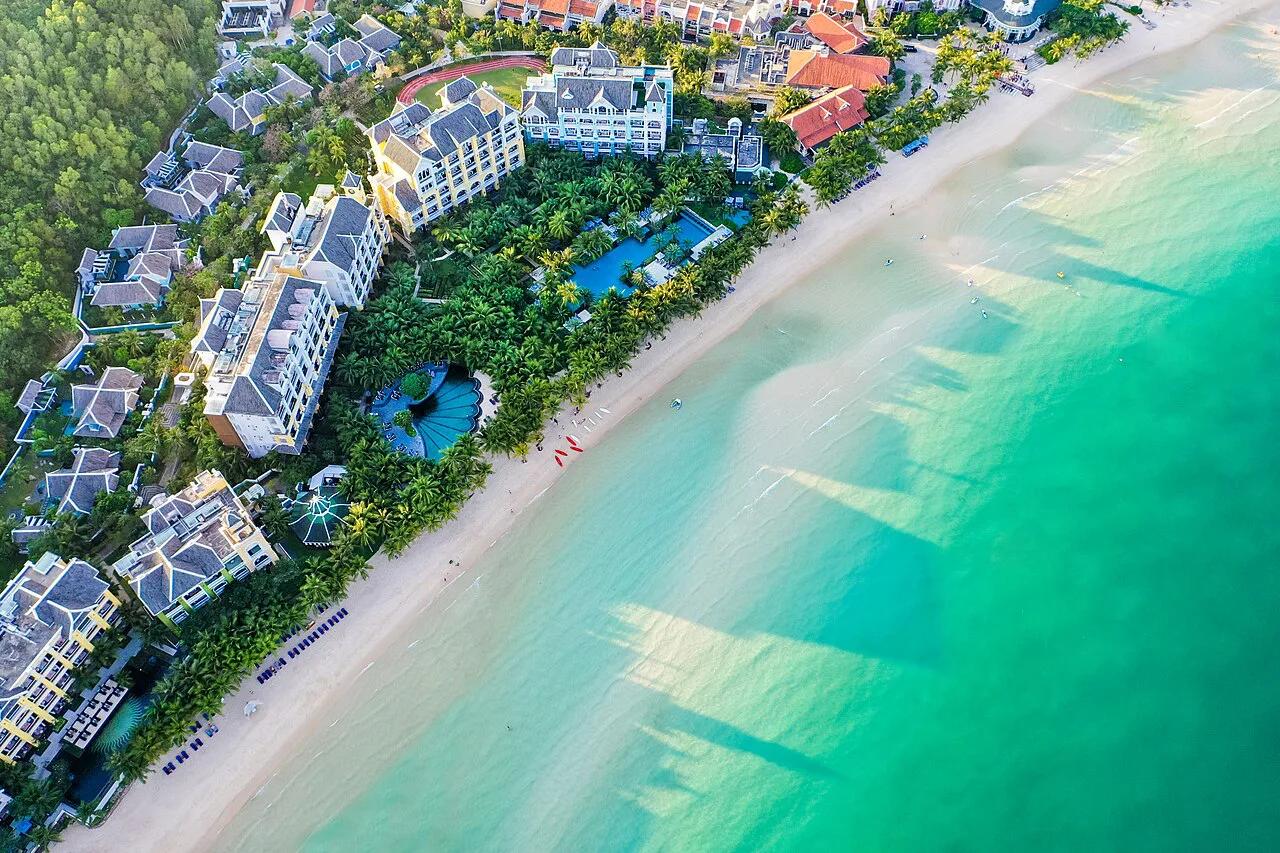
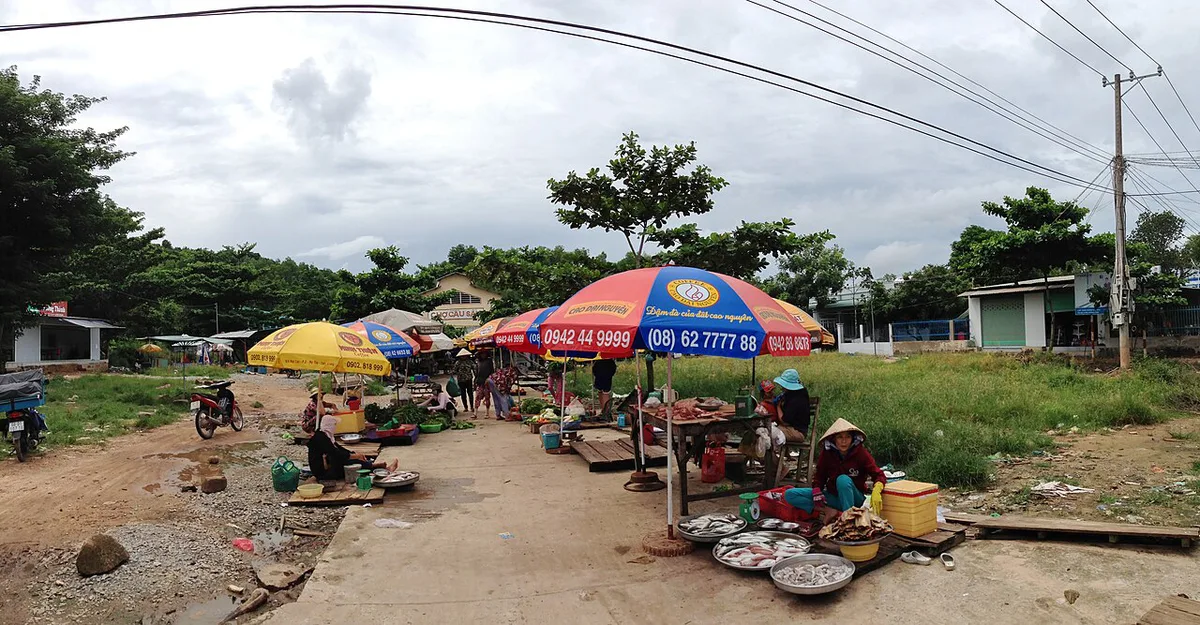
Featured image: trungydang, CC BY 3.0, via Wikimedia Commons.
Phu Quoc Weather at a Glance
Phu Quoc sits in the Gulf of Thailand and stays warm all year. Dry-season days commonly run 25–28°C (77–82°F), while wet-season days run about 26–30°C (79–86°F). Annual rainfall is often quoted near 3,000 mm, and humidity climbs from about 78% in the dry season to 85–90% in the wet season. Published ranges differ between sources, so check the national forecasts from the Vietnam meteorological service for current readings. Weather figures here were last checked November 2026.
| Period | Typical conditions | Sea state | Crowds | Best for |
|---|---|---|---|---|
| Dry season (about Nov–Apr) | Sunny, lower humidity, hotter toward April | Calmer, clearer water | Highest | Beaches, snorkeling, island hopping |
| Wet season (about May–Oct) | Humid, frequent showers, overcast spells | Choppier, some cancellations | Lowest | Waterfalls, spas, quiet beaches |
| Shoulder (Oct–Nov, Apr–May) | Mixed, hard to predict | Variable | Moderate | Flexible plans |
How the Monsoon Works on the Island
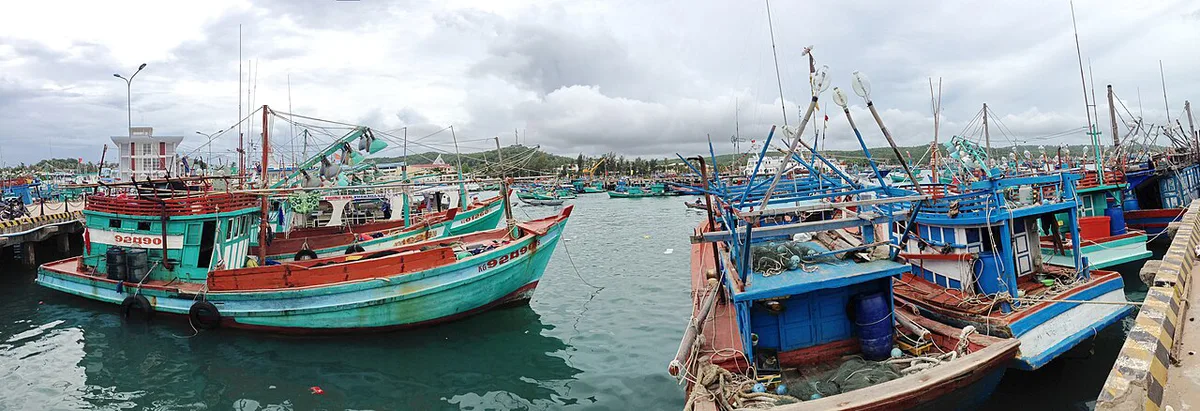
Two wind regimes drive Phu Quoc's climate. The northeast monsoon brings the drier months. The southwest monsoon pushes moist air across the Gulf of Thailand and drives the wetter months. Some sources report heavier rain in the north of the island, up to 4,000 mm a year. Treat that as indicative rather than measured. Start and end dates shift from year to year, so no single calendar date is a reliable cut-off.
Dry Season, About November to April
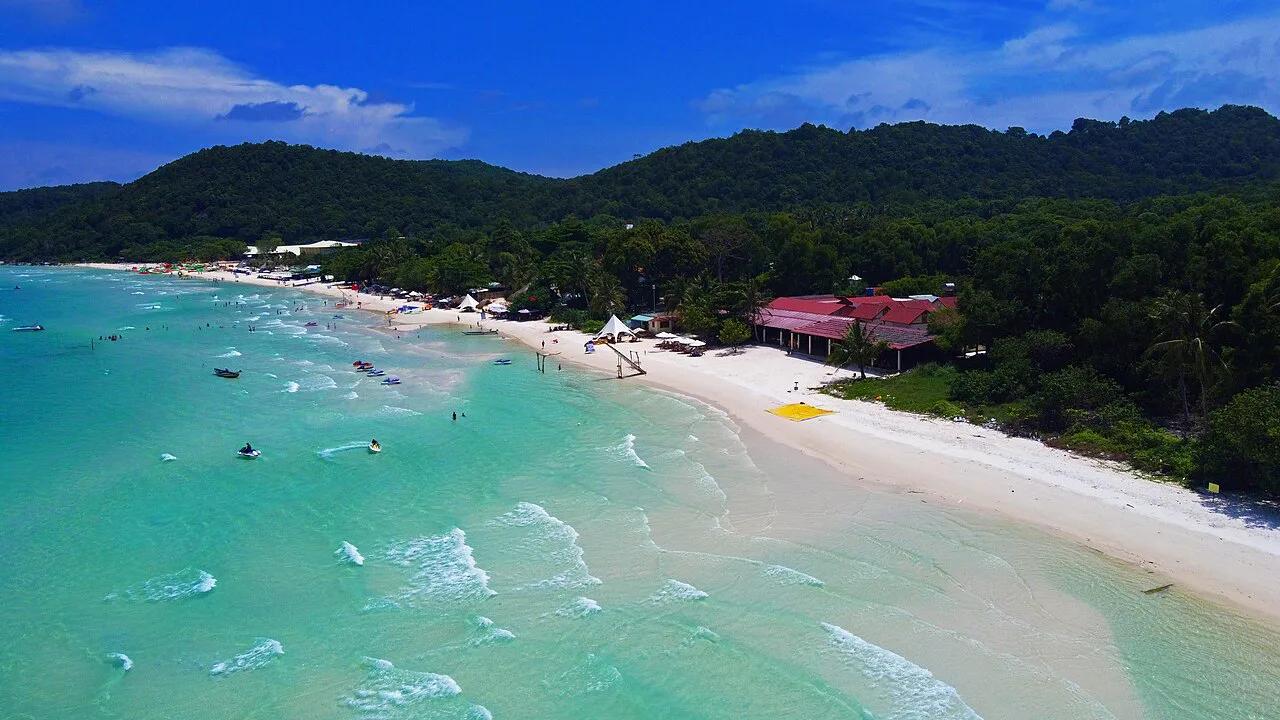
Expect sunny skies, calmer seas and the clearest water around the An Thoi Archipelago. Heat builds toward April, and peaks of 35°C (95°F) are reported in April and May. Sunset at Long Beach and snorkeling off Hon Thom are most reliable now. Resorts at Bai Sao fill early, so book accommodation and boat tours well ahead. Read the December conditions for the start of the peak and the January weather for the middle of it.
Wet Season, About May to October
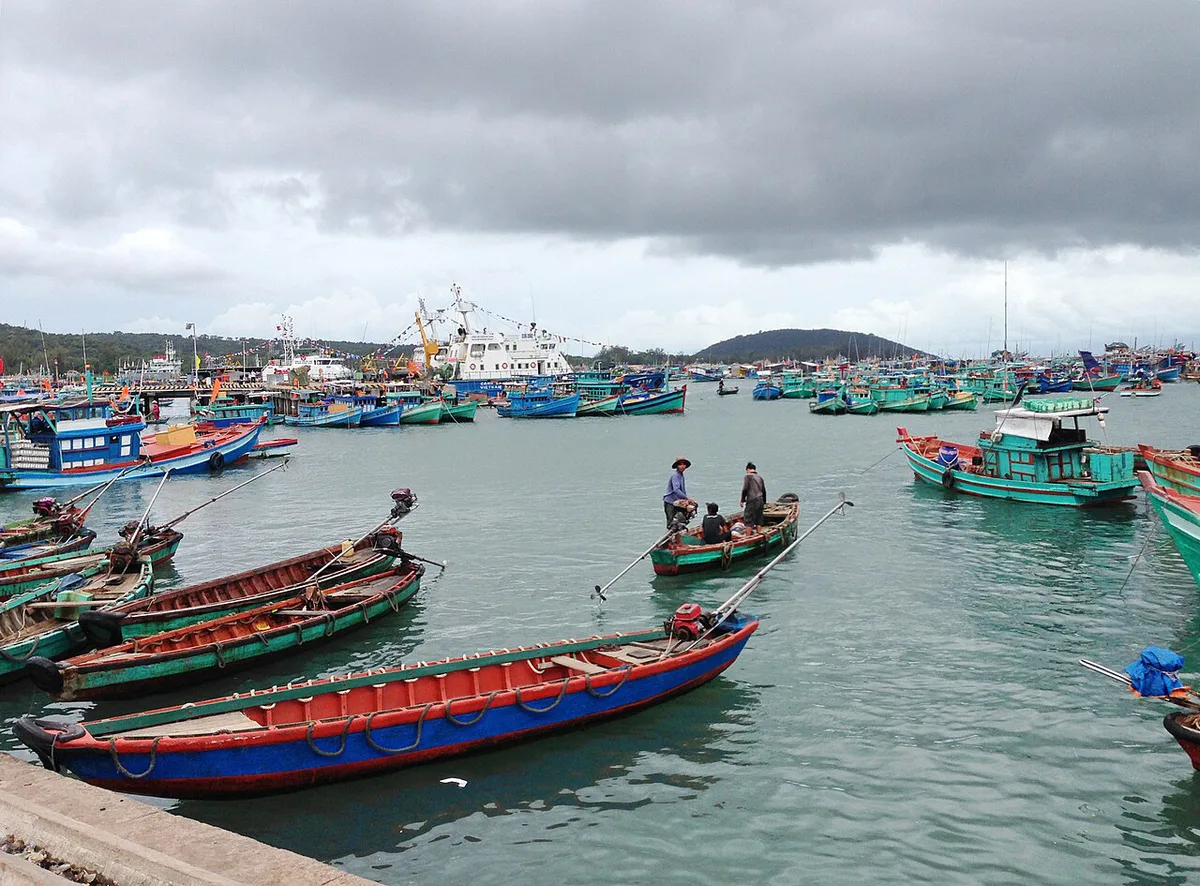
Rain usually arrives as short, heavy bursts, often 30 minutes to an hour, rather than all-day rain. Seas turn rougher, so boat trips to the An Thoi islands can be delayed or cancelled. Dirt roads toward Ganh Dau and the north of the island get muddy. Mosquitoes increase, while Suoi Tranh waterfall runs fuller. Prices are likely lower but not guaranteed. For a longer breakdown, see what the rains do to trips.
Month-by-Month Weather Scan
Labels below are broad patterns, not forecasts. Reliability is highest in January to March and July to August. It is lowest in the October–November and April–May turns, where a month can behave like either neighbor. Dry-season months run roughly 25–28°C (77–82°F). Wet-season months run roughly 26–30°C (79–86°F).
In April and May, reported highs can reach 35°C, so schedule snorkeling for early departures rather than midday.
| Month | Label | How reliable |
|---|---|---|
| January | Dry | High |
| February | Dry | High |
| March | Dry, getting hotter | High |
| April | Dry, hot, humid | Medium |
| May | Mixed, turning wet | Low |
| June | Wet | Medium |
| July | Wet | High |
| August | Wet | High |
| September | Wet | High |
| October | Wet, easing | Low |
| November | Mixed, turning dry | Low |
| December | Dry | Medium–high |
How Weather Changes Your Plans
Match each activity to the season, then pick a fallback before you leave.
| Activity | Dry | Wet | Fallback |
|---|---|---|---|
| Island hopping | Low risk | High risk | Move to a spare day or swap for a spa |
| Snorkeling at An Thoi | Low risk | High risk | Reef visits in the dry months only |
| Beach day, Long Beach | Low risk | Medium risk | Morning swim, afternoon indoors |
| Ganh Dau and the north | Low risk | Medium–high risk | Go by scooter only after dry spells, or hire a driver |
| Waterfalls, Suoi Tranh | Thin flow | Best flow | Visit after rain |
| Dinh Cau Night Market | Low risk | Low–medium risk | Arrive before the evening rush |
Rain-Day Plan and Sea-Condition Checks
When it pours, shift to a spa, a cooking class, Dinh Cau Temple or Ham Ninh fishing village. Cloud cover also makes midday walks easier. Before any boat day, ask the operator about its cancellation and refund policy. Look at the morning sea state yourself. Do not book the only free day of your trip for the boat tour. Keep one buffer day. Waiting out a 30–60 minute downpour usually saves the afternoon.
Weather, Price and Crowd Trade-Offs
Dry months bring the best sea and the biggest crowds. Wet months bring lower demand, so resorts often cut rates. Use this worked example only to compare quotes. A room at ₫2,000,000 a night in January could be offered for noticeably less in August. Ask each hotel for both rates. Do not rely on headline discount claims of 30–50%, which are marketing figures.
Packing for Phu Quoc Weather
Light, breathable clothes, sunglasses and a hat cover the dry season. Add a rain jacket, quick-dry layers and a waterproof bag between May and October. Three items help in either season: reef-safe sun protection, insect repellent and a dry bag for your phone. Pack closed shoes with grip if you plan to visit Phu Quoc National Park after rain.
Humidity climbs to 85–90% in the wet season, so quick-dry layers matter as much as the rain jacket on your packing list.
Which Month Fits You?
Beach-first travelers should aim for December to March. Budget-first travelers can look at July to September and accept sea risk. Crowd-averse travelers do well in the wet season, with indoor fallbacks ready. Photographers get green waterfalls and dramatic skies from June to September. Families usually prefer calmer seas and predictable days. Use the Phu Quoc timing guide to choose your dates. Seasonal overviews are also published by Vietnam's national tourism authority.
Humidity and Heat: Plan the Middle of the Day
Humidity changes how Phu Quoc feels more than the thermometer alone suggests. Dry-season humidity is about 78%, while wet-season humidity commonly reaches 85–90%. Even a 26–30°C wet-season day can feel draining during a long beach walk or scooter ride.
Build outdoor plans around the coolest hours. Start a beach, national-park or Ganh Dau outing early. Return to your hotel for lunch, then use the later afternoon for the pool, a spa, or Dinh Cau Night Market. April and May need extra care because reported highs can reach 35°C.
Carry water whenever you ride or walk beyond resort areas. Choose breathable clothing that dries quickly after sweat or rain. A shaded lunch break also gives you flexibility if a 30–60 minute downpour passes through. Save snorkeling and island-hopping days for early departures, when conditions and energy levels are usually easier to manage.
Frequently Asked Questions
What is the best time to visit Phu Quoc, Vietnam?
The drier months, roughly November to April, give the calmest seas and most reliable beach days. They also bring the highest prices and crowds. The best-time guide compares months in detail.
Useful notes for your Vietnam trip
Optional updates to our guides.
You might also like



Continue reading
More guides you'll find useful