8 Phu Quoc Beaches: Best Pick by Trip Type (2026)
Compare 8 Phu Quoc beaches by swimming, scenery, sunsets and base location, with a coast-by-coast guide and seasonal tips.
On this page
Last updated November 2026: our pick among Phu Quoc beaches for a swim-and-scenery day is Sao, and we'd choose Khem for a resort stay. Long Beach suits a first base, Ong Lang suits quiet, and Bãi Bà Kèo keeps you close to Duong Dong. West-coast sand faces the sunset, while the south has the paler sand.
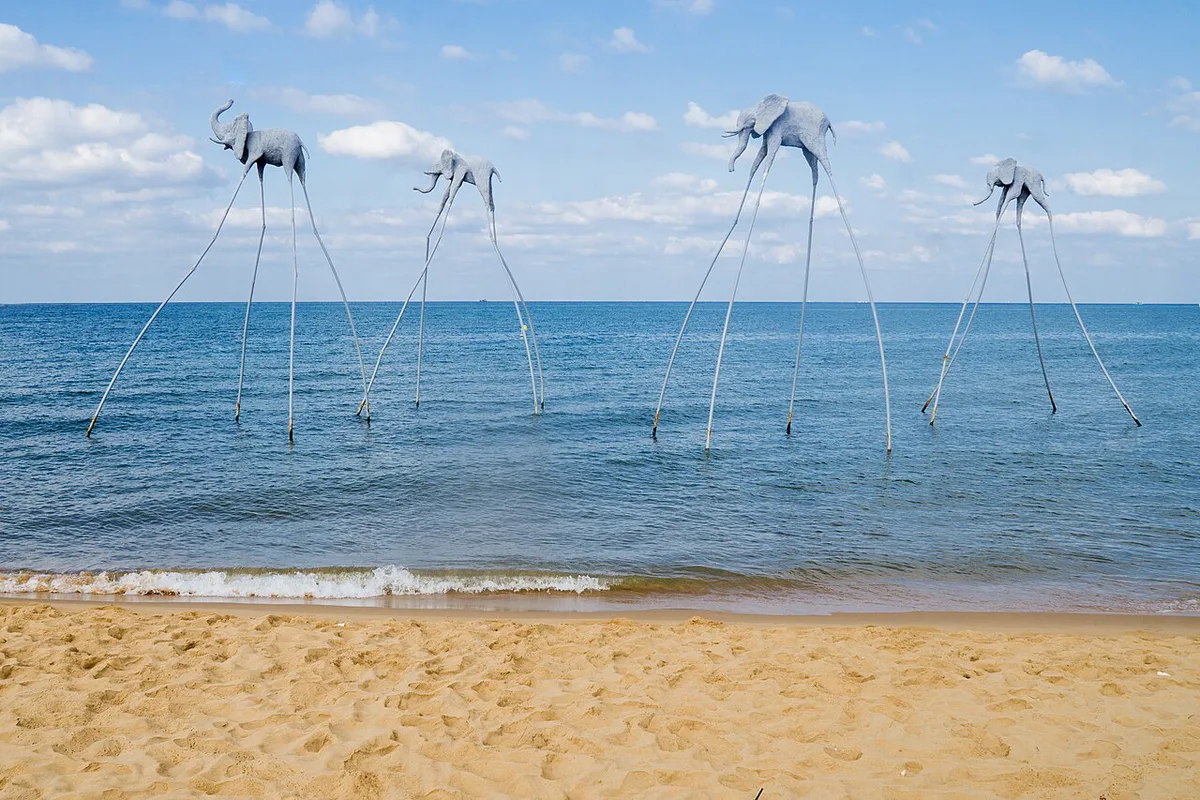
Featured image: Vivu Vietnam, CC BY-SA 4.0, via Wikimedia Commons.
Quick answer: the best Phu Quoc beach for each trip type
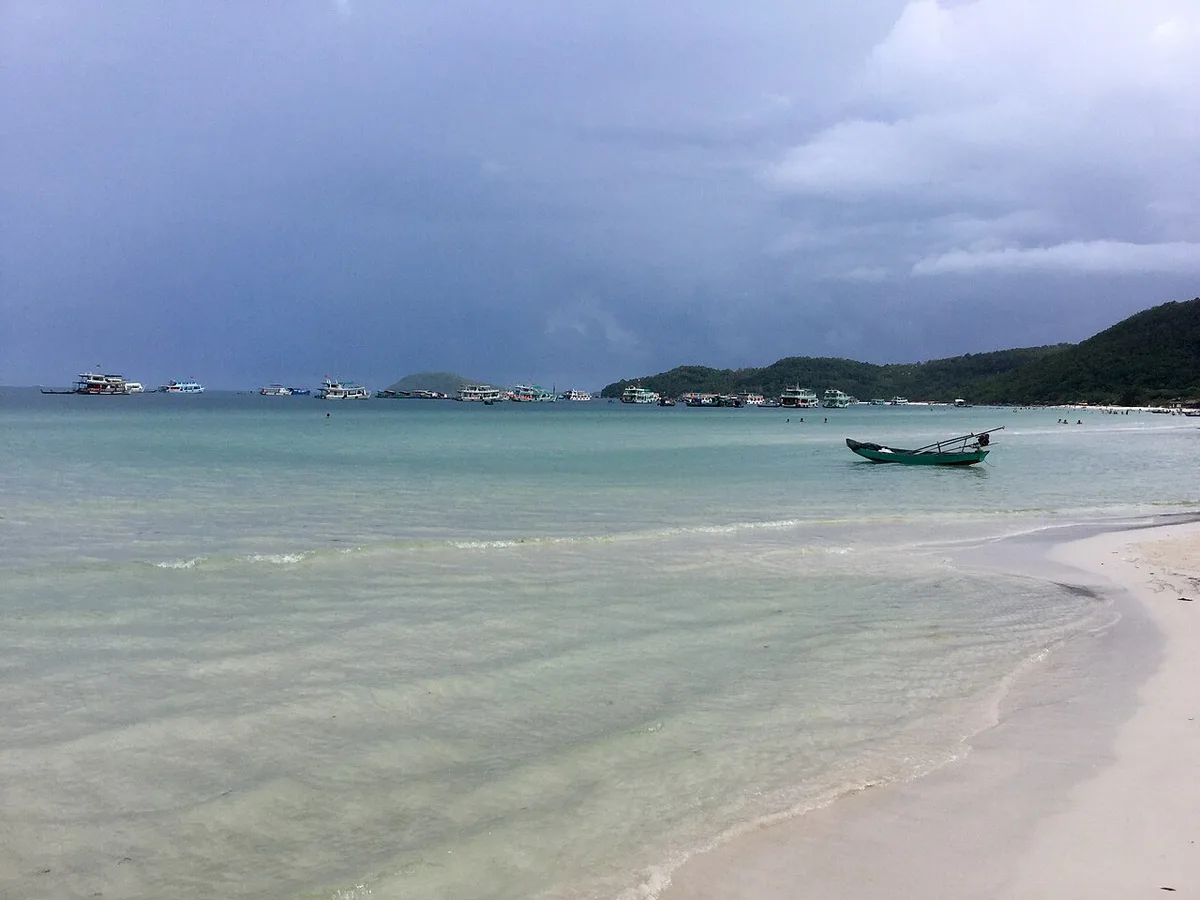
Choose by what the day has to do. For swimming and scenery, we'd pick Sao. For a resort stay in the south, we'd pick Khem. Long Beach is the practical first base, and it runs around 20 km, so pick the section before you pick the hotel. Bãi Bà Kèo keeps you a short drive from central Duong Dong. Planning for sunset? Long Beach, Bãi Bà Kèo and Ong Lang all face the sea at day's end.
| Beach | Coast | Best for | Swimmable? | Good base? |
|---|---|---|---|---|
| Sao's white-sand bay | Southeast | Beach day, scenery | Yes | No, too remote |
| Khem | South | Resort stay, couples, families | Yes | Yes, resort-led |
| Long Beach | West | First stay, sunsets, restaurants | Yes | Yes, best all-rounder |
| Ong Lang | West, north of Duong Dong | Quiet stays, sunsets | Yes | Yes, fewer evening options |
| Bãi Bà Kèo | West, central | Staying near town | Yes | Yes, most central |
| Vung Bau | Northwest | Calm dry-season water, sunset | Yes, calmer in the dry season | Possible, small resorts |
| Dinh Cau | West, Duong Dong | Temple, evening market | Mixed water quality | Only for a town stay |
| North and east (Thom, Cay Sao, Rach Tram) | North and east | Quiet and photos | Not recommended | No |
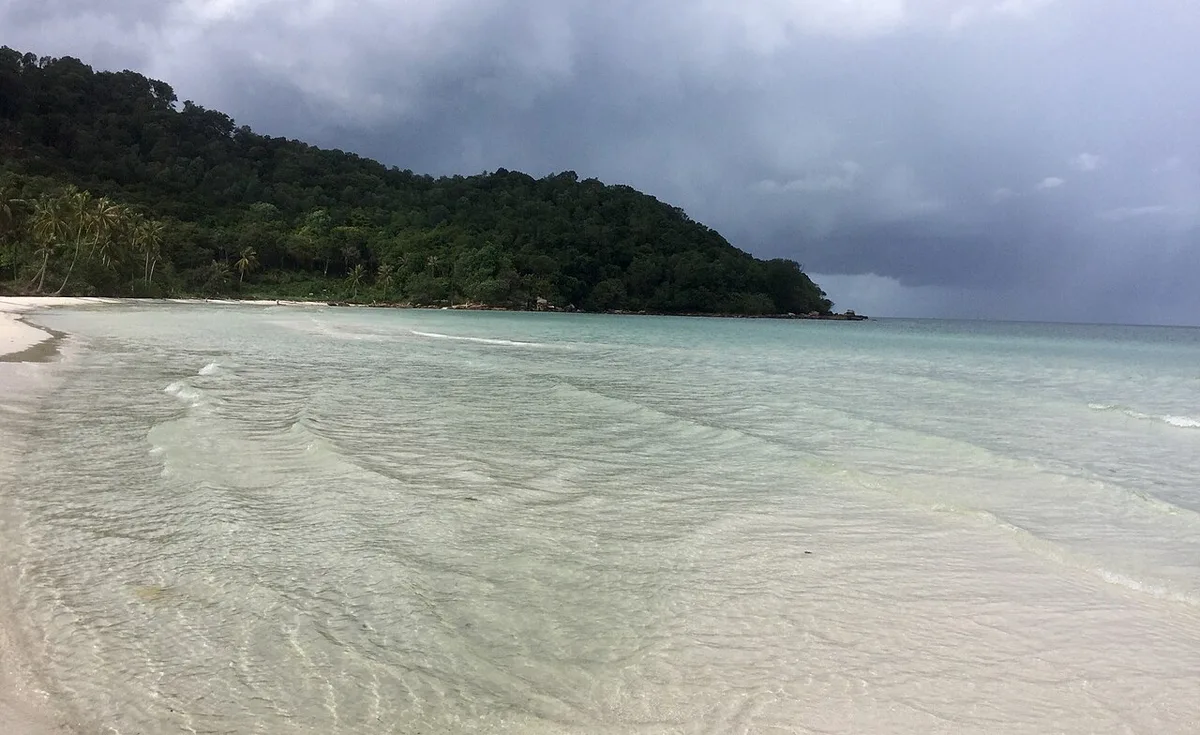
8 Phu Quoc Beaches, Coast by Coast
Prices and hours checked November 2026. We quote no rates, since hotel prices move by season. Each entry below gives who it suits, who should skip it and how access works. The order runs from the south to the northwest.
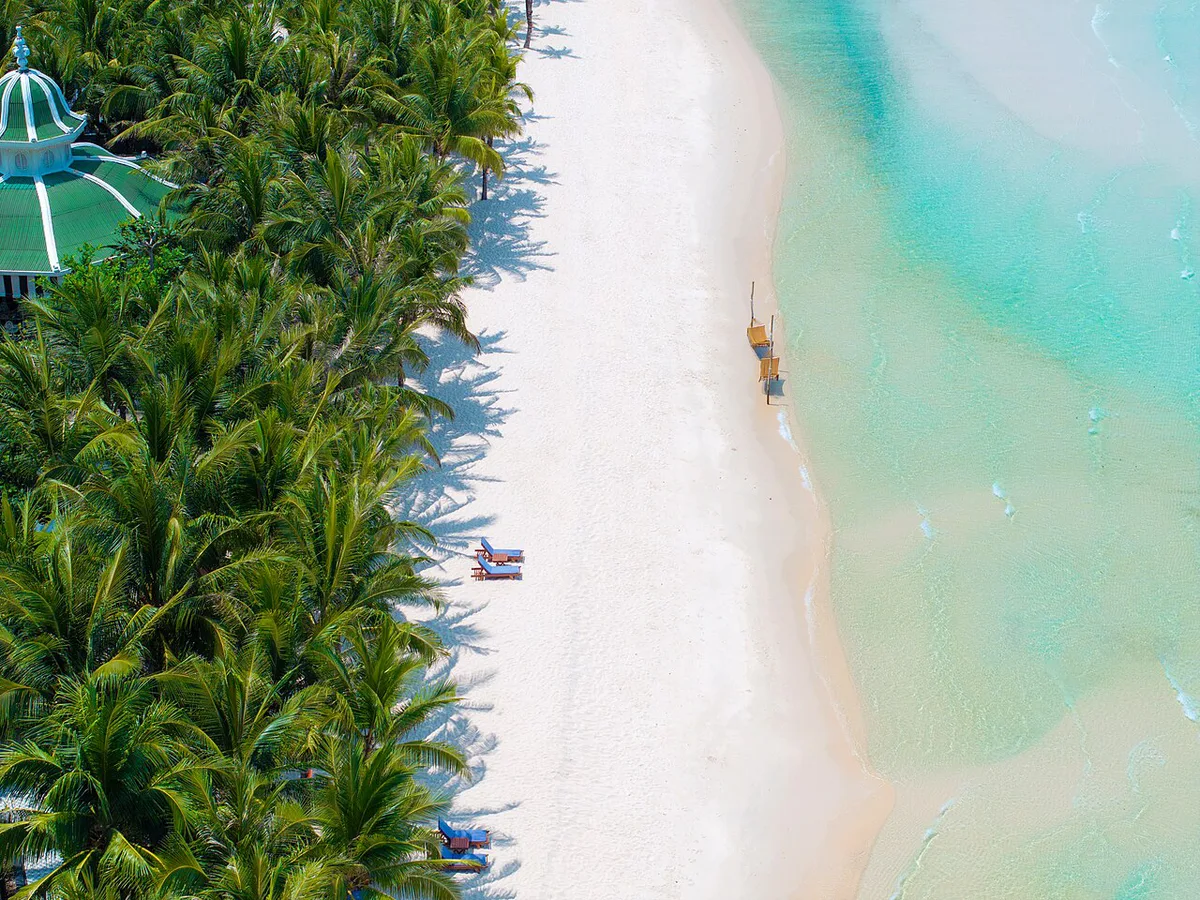
1. Sao Beach (southeast)
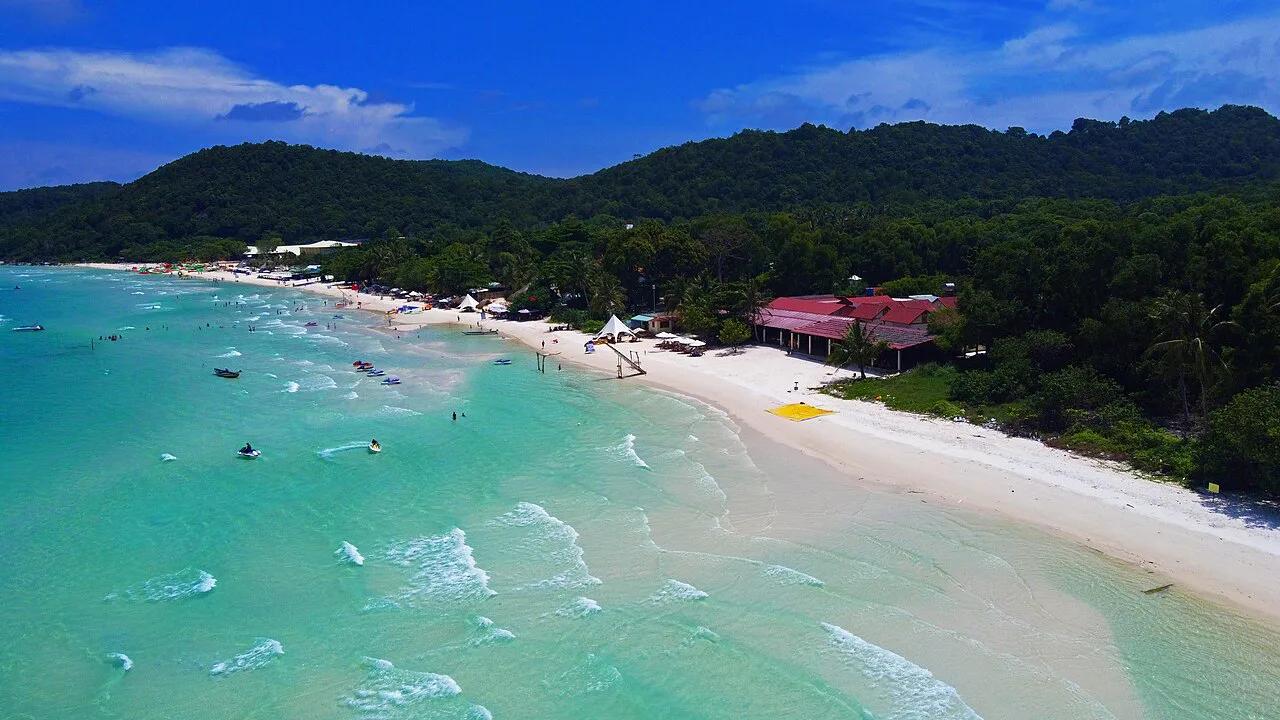
Sao Beach sits in Sao Village, An Thoi Ward, and it is our pick when you only have one beach day. Pale sand, arcing palms and turquoise water explain the draw. Some sections have restaurants and sun loungers, and jet skis, SUP and kite surfing are on offer. Best for: a long swim, a seafood lunch and a trip through southern Phu Quoc.
Skip it as a base, because restaurants, shops and Duong Dong are much less convenient from here. Access is simple: arrive by scooter or taxi, and you don't need a beachfront resort. The full guide is in Sao's white-sand bay.
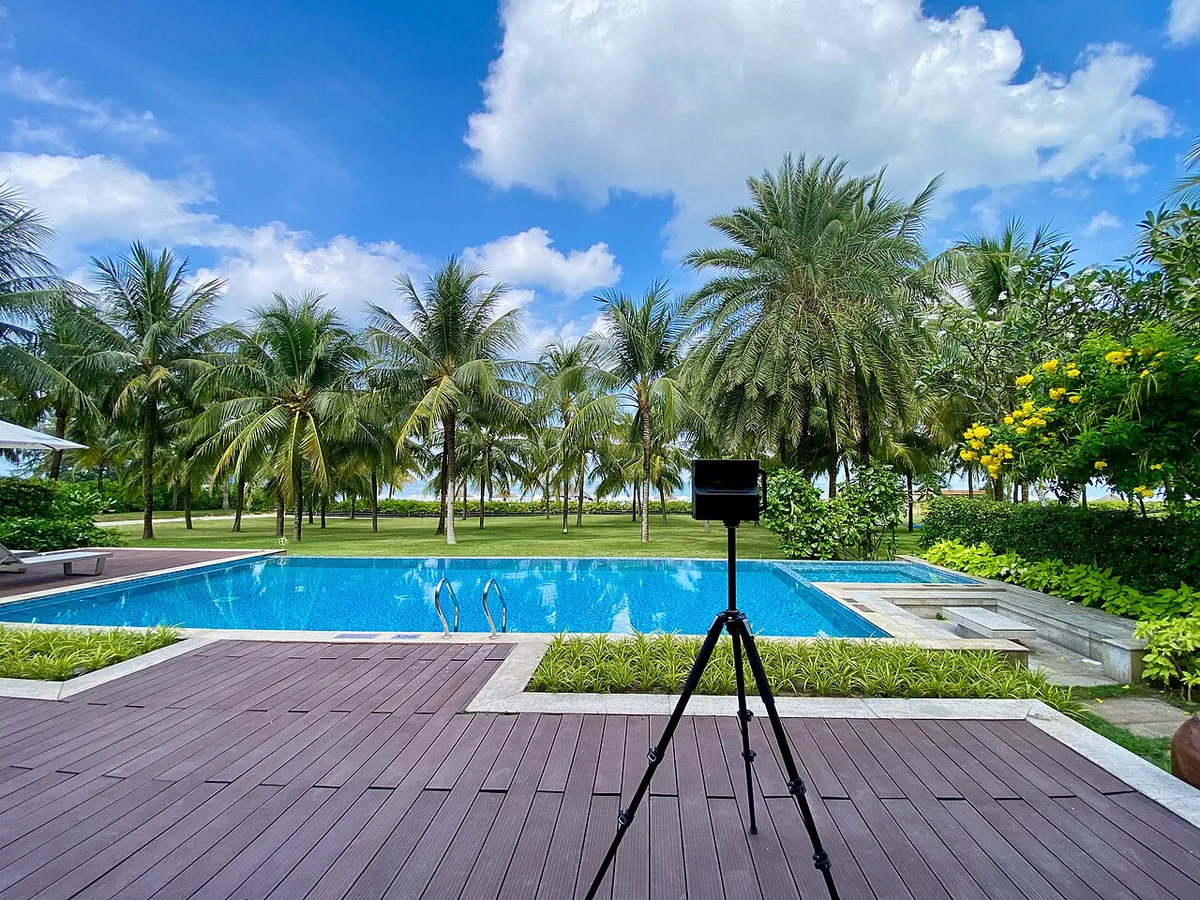
2. Khem Beach (south)
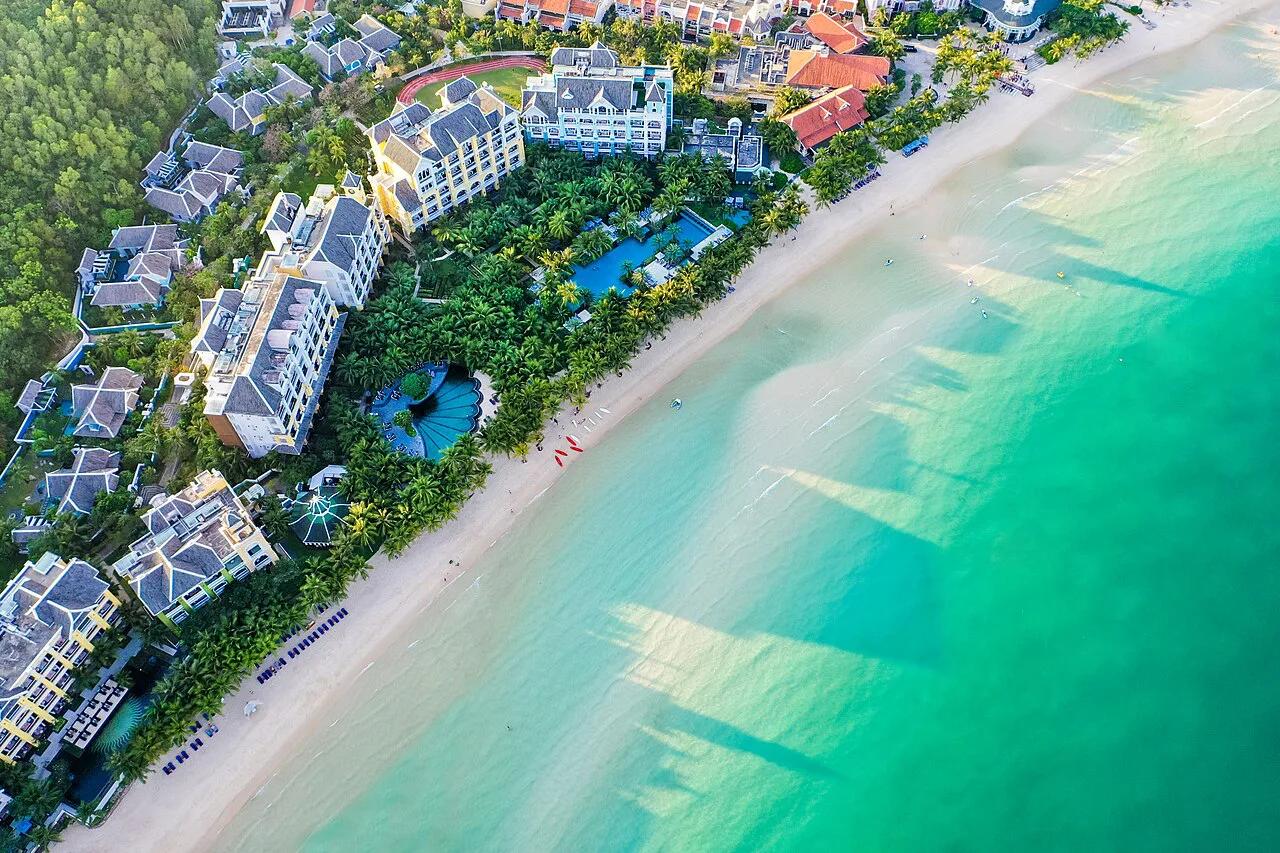
Khem Beach lies a few kilometres from Sao, also in An Thoi Ward, and it is our choice for a resort stay in the south. Upmarket resorts line the bay, and a small strip of restaurants sits near the sand. Hotels rated 2 to 3 stars reportedly sit 1 to 2 minutes' walk away, so a base here need not be a five-star resort. Best for: couples, families and several quiet days by the sea.
Skip it if you want spontaneous evenings in Duong Dong or day trips north, because the drives are longer. Public access has shifted as resorts were built, so ask your hotel which entry point is open now. More detail is in our guide to Khem's resort-lined bay.
3. Long Beach (west)
Long Beach, called Bãi Trường in Vietnamese, runs around 20 km down the west coast, so the section matters more than the name. Smaller hotels, beach bars and restaurants cluster in some stretches, while larger resorts with more facilities fill others. Best for: first-timers, sunsets and a base that is relatively close to the airport. Choose a small-hotel stretch if you want to eat out nearby, and a large-resort stretch if you want facilities on site.
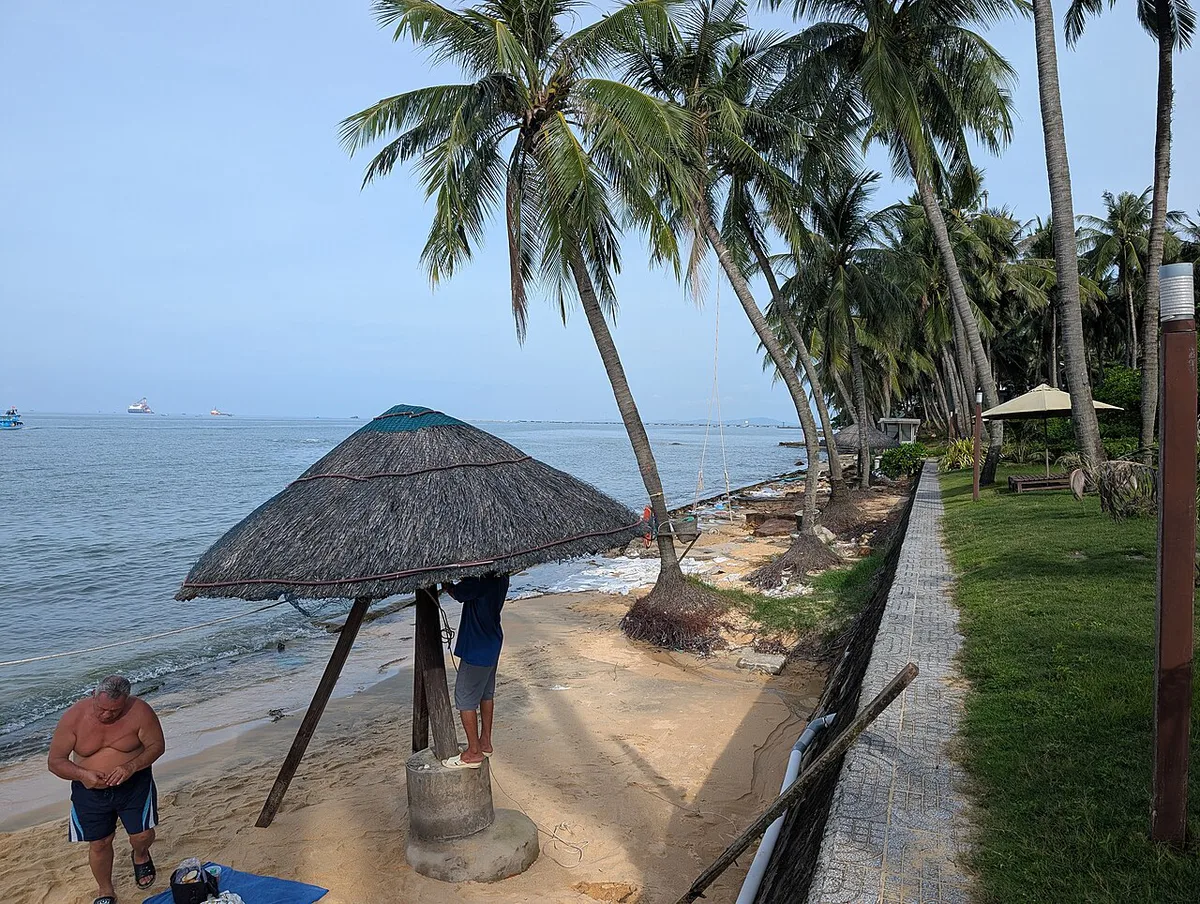
Skip it if you want a secluded tropical bay, since hotels and bars sit directly behind the sand in places. Swimming is good along the long sandy shore. Our guide to Long Beach's west-coast strip compares the sections.
4. Bãi Bà Kèo and Dinh Cau (west, central)
Bãi Bà Kèo runs alongside Trần Hưng Đạo in Duong Dong's tourist area, which makes it the most central beach option. Maps and hotels label it differently from Long Beach because the two merge, so book by location rather than by name. Best for: a swim, a late-afternoon sunset and dinner in town.
A public beach access near Dinh Cau Temple lets you walk onto the sand without passing through a resort, and the Night Market is close for the evening. Water near the harbour mouth is reportedly less clean, so we'd swim away from the Dinh Cau end. Skip it if scenery is the main reason you came, since the south is prettier.
5. Ong Lang Beach (west, north of Duong Dong)
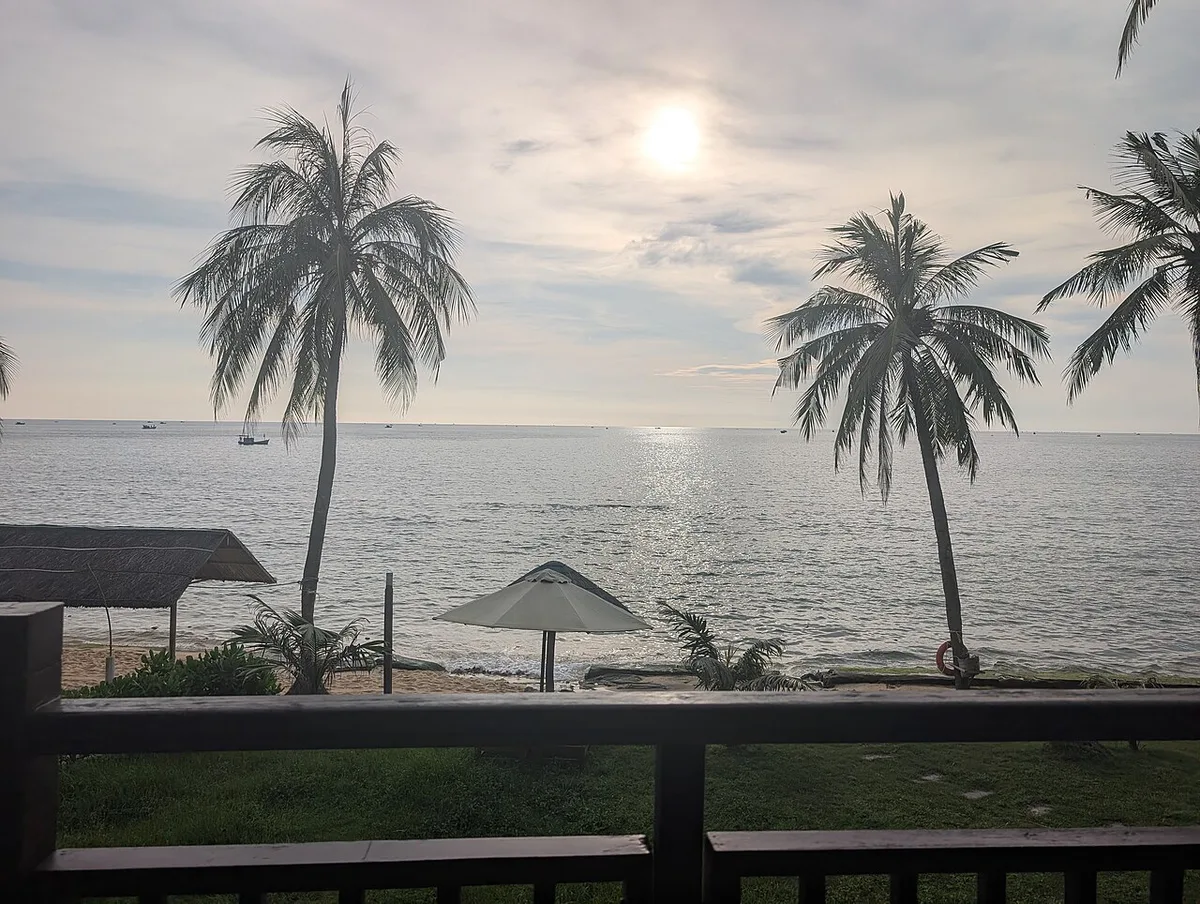
Ong Lang is a run of sandy bays broken by black volcanic rock, north of Duong Dong on the west coast. Sources put it 7 to 8 km from town. Low-rise boutique resorts, cafés and narrow lanes shape the area. Best for: couples and families who want quiet, palms and sunsets.
Skip it if you want to walk between bars, restaurants and the Night Market each evening, because less is within reach. The public stretch of sand is small and can feel crowded at busy times. Our guide to Ong Lang's quiet bays covers where to stay.
6. Vung Bau Beach (northwest)
Vung Bau, also called Half-moon Beach, curves around a small bay on the northwest coast. Its water is calm and jade-coloured in the dry season, and it turns wavy from March. Resort development has reached the centre and the north of the bay, yet crowds stay thin. Best for: a sunset after a kayak paddle across the bay.
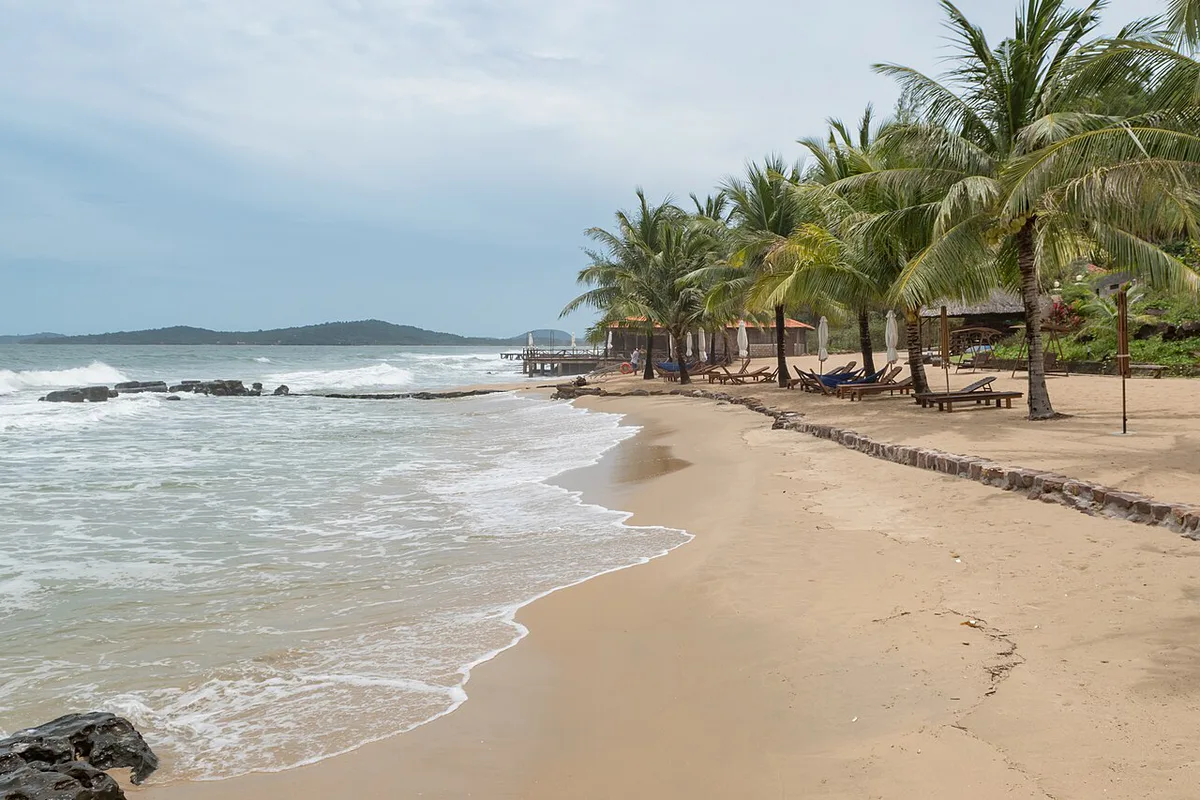
Skip it from March onwards if calm swimming is the goal. Several small family-run resorts sit along the sand, so you can stay as well as visit. Cua Can is about 3 km away, which makes the pair an easy half-day.
7. Ganh Dau Beach (northwest tip)
Ganh Dau Beach sits at the remote northwestern tip, reached by a paved lane running east from the fishing village of the same name. Palms shade the white sand, the water is calm and shallow, and wooden fishing boats are moored offshore. The Cambodian islands show on the horizon.
Best for: a quiet swim and seafood in the village. Skip it if you need beach clubs or sun loungers, because there is no big resort construction here. It is a long ride from Duong Dong, so plan it as a full outing.
8. Cua Can Beach (northwest)
Cua Can is a small settlement where a clear river meets the sea, about 3 km from Vung Bau. A long sandbar lined with casuarina trees separates the choppy sea from the calm river. Tourist development is light, and the beach is often empty.
Best for: a slow couple of days, river kayaking and a walk along the bar. Skip it if you want dining choices or a lively evening. Swimming is better on the calm river side than in the choppy surf.
West coast, south or north: how to choose a coast
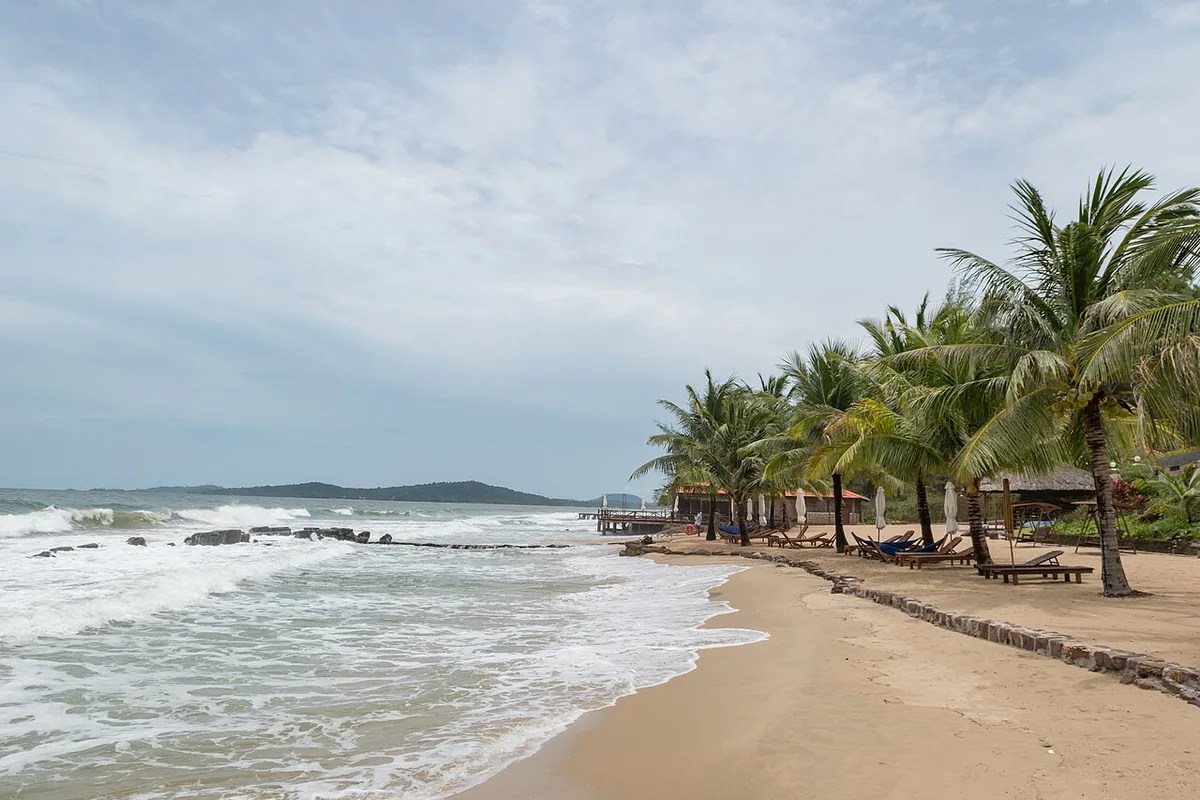
Your coast decides your sunsets, your transfers and your evenings. West-coast beaches face the sunset and sit near Duong Dong's restaurants and Night Market. Sao and Khem in the south have paler sand but lie farther from town. Ong Lang is 7 to 8 km from Duong Dong, so it stays close without putting you on the busiest strip. Up north, Vung Bau, Cua Can and Ganh Dau trade facilities for quiet. East-coast water turns wavy and murky from October to April, according to a local snorkel operator, so skip swimming there in those months.
North, east and resort-gated beaches: scenery over swimming
Thom is among the largest undeveloped beaches left on the island, yet its shallow, mangrove-fringed water suits views and photos of fishing life, not swimming. Cay Sao, also on the east coast, has no public beach, only small clubs. Rach Tram, at the far north, has no restaurants and no accommodation, so bring food and water. Bai Dai is reached through Nam Nghi Resort, and a real-estate project has reportedly changed the beach since 2023. Rock Island Club and the Hon Thom island trip are resort-linked outings, not beaches to rank. Current access is listed on the Phu Quoc tourism information site.
Where to stay: pick a beach as your base
First-timers should base on Long Beach's hotel strip, which offers the widest choice of hotels and restaurants. Quiet seekers can look at Ong Lang's boutique resorts. Resort guests who want the south should read about Khem's resort bay. Anyone who wants cafés and the Night Market on foot should choose Bãi Bà Kèo. Sao works as a day trip from any of them. Our editorial assessment is that Long Beach is the safest first choice.
Khem's 2 to 3 star hotels reportedly sit 1 to 2 minutes' walk away, a useful counterpoint to the resort-only picture.
- Mistake to avoid: booking a remote beach as your base, then paying for a taxi to every meal.
- Mistake to avoid: assuming Long Beach is one beach, when its roughly 20 km strip has very different sections.
- Mistake to avoid: choosing Sao for a week's stay when it is better as a day out.
Getting to Phu Quoc beaches and around them
A scooter gives the most flexibility and lets you stack several beaches in a day. Taxis suit a single-beach trip. Sao and Khem sit a few kilometres apart in the south, so they pair easily on one day. Long Beach and Bãi Bà Kèo run along the west coast around Duong Dong. Ong Lang is a 7 to 8 km run north of town. No source gives reliable door-to-door times, so ask your hotel for current transfer estimates. For official visitor basics, start with Vietnam's national tourism site.
Pick Long Beach's stretch with care: it runs around 20 km, and a scooter lets you move between sections.
Best time for Phu Quoc beaches
November to April is the drier stretch and the best window for a beach trip. May to October brings more rain, with July to September often the wettest. Rain rarely lasts all day, so a flexible plan still catches beach hours. Vung Bau's calm jade water belongs to the dry season and gets wavy from March. Bai Dai's water turns murky in December. On the east coast, the October to April monsoon makes swimming poor. West-facing beaches carry the sunsets.
Beach conservation and etiquette
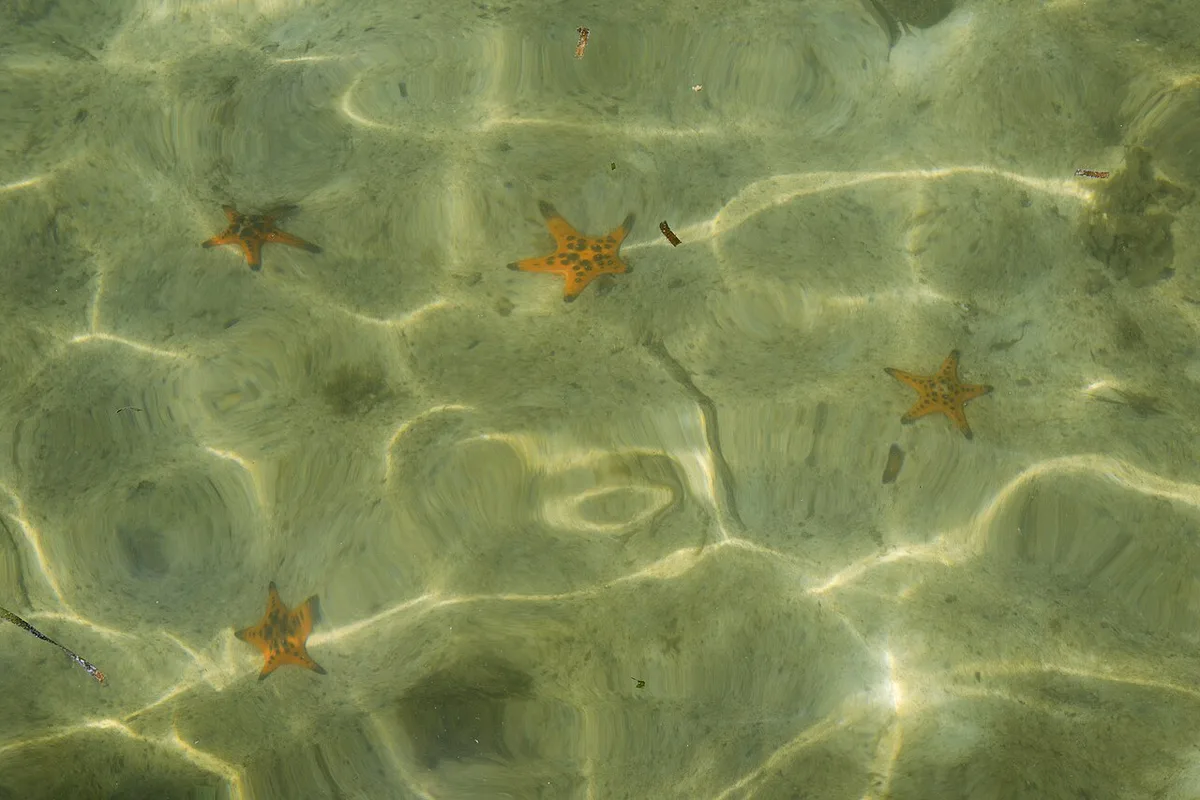
Look at starfish, but don't lift them out of the water. Keep to existing paths near seagrass and mangrove edges at Thom and Cay Sao. Carry your rubbish off the sand, since litter is a reported problem near the Duong Dong harbour beach.
Building the rest of the trip? Our Phu Quoc attractions guide covers the sights, districts and logistics around this guide.
Frequently Asked Questions
Is Starfish Beach in Phu Quoc worth visiting?
It suits a short look, not a beach day. Rach Vem's water is too shallow for swimming, and starfish counts vary, with one visitor finding only a couple out of season. Ham Rong, about 1 km north, is described by one local operator as having more starfish, though sources disagree on which beach is the real starfish beach.
Explore More Phu Quoc Guides
Keep planning your Phu Quoc trip with these guides.
Phu Quoc Guides
Useful notes for your Vietnam trip
Optional updates to our guides.
You might also like
Continue reading
More guides you'll find useful