Phu Quoc Rainy Season: Months, Rain Reality & What to Do
What the Phu Quoc rainy season really means: which months are wettest, how rain affects the sea, and what to do. Plan with confidence.
On this page
Last updated November 2026. The Phu Quoc rainy season generally runs from May to October, with September usually the hardest month. Storms tend to be local and short rather than all-day, and the sea often matters more than the calendar. Read on for a period table, rain-day plans and booking advice.
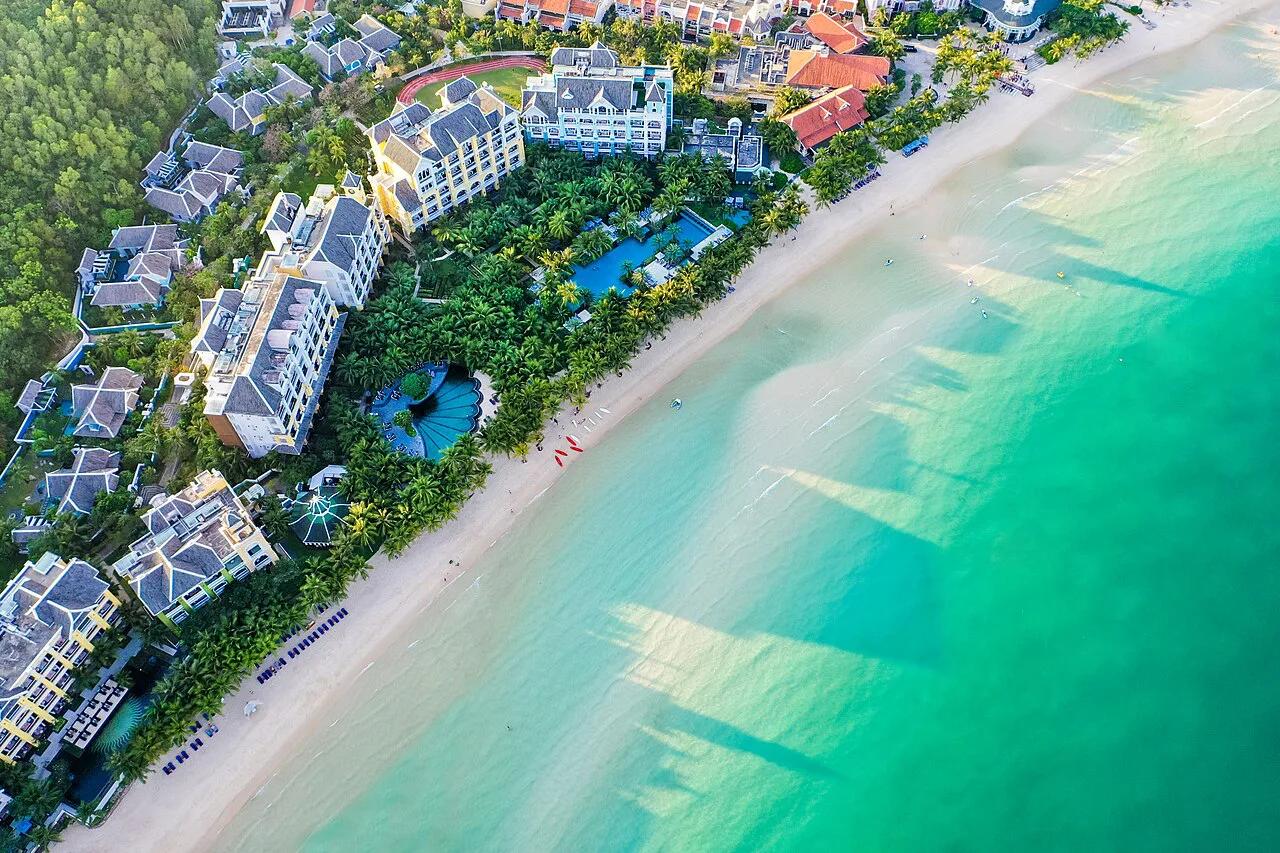
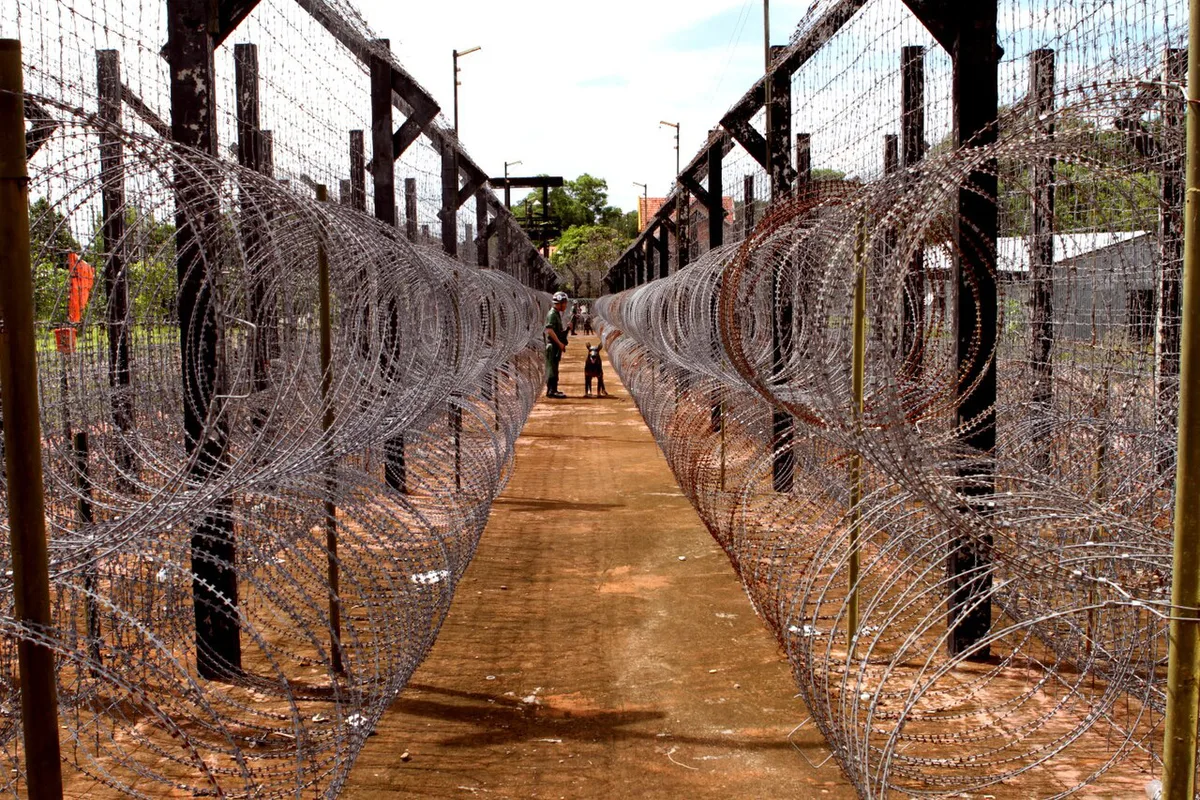
Featured image: Hồng Lĩnh, CC BY 2.0, via Wikimedia Commons.
Phu Quoc Rainy Season at a Glance
Wetter weather generally arrives from May to October. September is usually the peak, and the slide from September into October is the least settled stretch. December to March is the driest and most reliable window. Conditions vary year to year, so treat every month as a tendency rather than a forecast.
| Period | Rain pattern | Sea and snorkeling | Crowds and price pressure | Best-fit traveler |
|---|---|---|---|---|
| Dec–Mar | Uncommon, brief if it falls | Calmest overall; visibility can reach 15 m or more | Highest | Beach-first visitors, snorkelers, families |
| Apr–Aug | Variable: night showers, short storms, some rainy runs | Often good; visibility roughly 5–15+ m | Moderate | Flexible travelers wanting balance |
| Sep–early Oct | Frequent, sometimes hours long; street flooding possible | Runoff can cloud the water | Lowest | Nature seekers, budget travelers |
| Mid-Oct–Nov | Easing but still unsettled | Improving; far reefs get easier toward November | Rising | Value seekers, hikers |
When Is the Rainy Season in Phu Quoc?
Think in periods, not exact dates. April to August and mid-October to November are transitional, with showers mixed with long sunny spells. September is the core of the wet season, and conditions usually improve through October and November. Dry-season afternoons often sit near 31°C (88°F), while wet-season days commonly hover around 30°C (86°F). For climate detail, see our Phu Quoc weather guide. Dry-month planning lives in our December guide. A companion January guide covers the other peak month. Official climate data is published by Vietnam's national weather service.
Does It Rain All Day? What Rain Really Looks Like
Usually not. A typical wet-season day brings a bright morning, then a heavy storm for an hour or two, then sun again. Rain is very local, so one part of the island can be soaked while another stays dry. Short overnight showers are common and often leave a clear next day. Multi-day wet spells do happen, mostly around September. Low streets can flood for a few hours in the strongest downpours.
Why September Is the Hardest Month
September storms are more frequent and can run for hours. Water drains from the hills into streams and out to the coast, carrying soil and sediment. That turns nearshore water green or cloudy and can cut visibility sharply. Humidity stays high, with nights around 25°C (77°F). Mornings are generally the better window for outdoor plans. Packing a light rain jacket and quick-dry clothing matters more than a heavy umbrella.
September nights around 25°C (77°F) stay humid. Surface water often sits near 29°C (84°F), a few degrees above those nights.
Rain and the Sea: Snorkeling and Boat Trips
A short shower rarely ruins a snorkel trip. Prolonged, intense rain does, because runoff clouds the water. Wind matters too, since it shapes waves, currents and which reefs boats can reach. Distant reefs such as Hon Kim Quy and Bat Reef are generally easier to reach from about November to May. Closer reefs including Hon Buom, Mong Tay and Hon Thom can still deliver in wet months when conditions line up. Even where authorities permit boats, "allowed to sail" does not mean good water. Surface water often sits near 29°C (84°F), so warmth is not the issue; clarity is. Book snorkeling early in your stay and leave buffer days.
Things to Do in Phu Quoc When It Rains
Wet weather suits some activities best. Jungle and waterfalls are at their greenest, and hiking can be especially rewarding. A jeep tour through wet jungle is a different experience, with mud, streams and easier wildlife spotting. The Hon Thom cable car generally keeps running when other activities are affected, but strong wind or storms change the ride. Plan around the daily rhythm.
- Morning: beach time, snorkeling, jungle hikes or waterfalls while skies are clearest.
- Midday: a long lunch at a local restaurant or cafe while the storm passes.
- Afternoon: covered markets, indoor food stops, or a cable car ride if the wind is calm.
- Evening: sunsets can still be vivid after a storm clears.
Is the Rainy Season Right for You?
For a full-year view, see our Best Time to Visit Phu Quoc: Month-by-Month Guide guide. Transitional months suit anyone who values fewer visitors and greener landscapes. September demands realistic expectations. Use these verdicts as a starting point.
- Snorkelers and divers: go in Dec–Mar, caution in Apr–Aug, avoid-leaning in September.
- Beach-only travelers: go in Dec–Mar, caution in the transitional months, avoid in September.
- Families with young children: go in Dec–Mar, caution when streets flood.
- Budget travelers: go from September to early October if you accept weather risk.
- Hikers and nature seekers: go in the wet months, when the jungle is greenest.
- Honeymooners: go in Dec–Mar, with caution otherwise.

Where to Stay, How to Get Around, and Booking Tips
Mistakes to avoid: booking non-refundable boat trips for September, treating the month as the forecast, packing no wet-weather gear, and assuming permitted boats mean clear water. Hotel rates fall in the wet months. As a rough indication, a mid-range room might list near ₫1,500,000 a night in September against ₫2,500,000 or more in January. Rates change by hotel, so compare live listings. Wet roads make scooters riskier, so use a taxi, ride-hailing or a hotel transfer instead. Choose lodging above the lowest streets if flooding worries you. Flights and ferries can be disrupted in storms, so check with operators before you travel. Ask every tour operator about their cancellation and rerouting policy. Island background is on the national tourism page for Phu Quoc.
Frequently Asked Questions
What is the best time to visit Phu Quoc, Vietnam?
December to March is generally the driest and most reliable period. Transitional months can still be good value with fewer visitors.
What is the rainy season in Vietnam?
It varies by region. On Phu Quoc, the wetter period generally runs from May to October, peaking around September.
Useful notes for your Vietnam trip
Optional updates to our guides.
You might also like



Continue reading
More guides you'll find useful