Phu Quoc in January: Weather, Crowds & What to Do
Is January a good time for Phu Quoc? Weather, sea conditions, crowds, costs, and how early, mid and late January differ, with a planning guide.
On this page
Last updated November 2026. Phu Quoc in January sits inside the dry season, which runs roughly November to April, and it is one of the most dependable months for beach days. Expect settled weather, calm water on the west coast and busy first-half crowds. Lunar New Year falls on 6 February 2027, so the last week of January is when holiday demand builds.
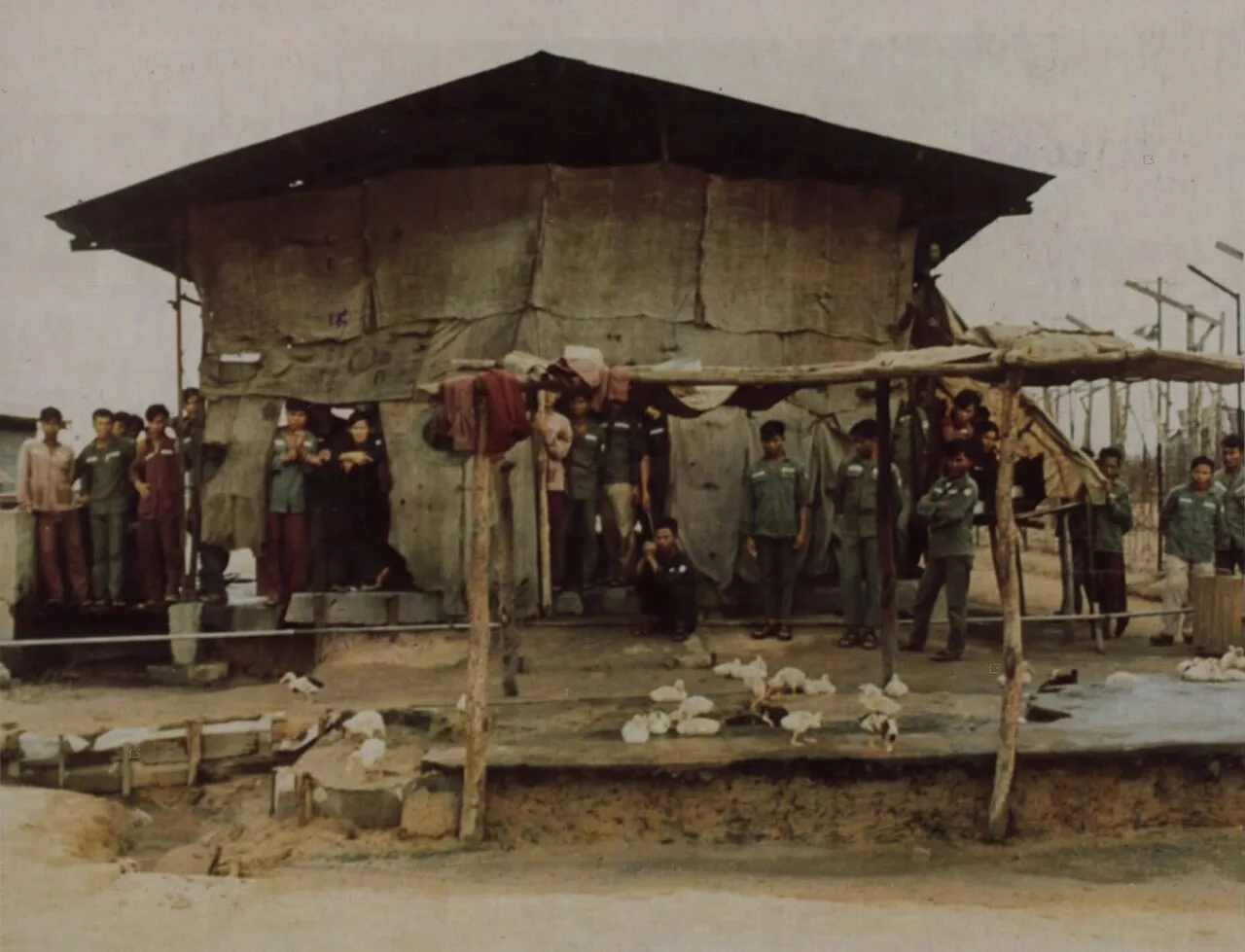
Featured image: NARA photo 111-CCV-436-CC86309 by Lt. Ronald Steiner, Public domain, via Wikimedia Commons.
Phu Quoc in January: Is It a Good Time to Visit?
Yes, for most travelers. January offers dry skies, flat seas for boat trips and long beach afternoons. Cost and crowds are the trade-off, because demand is high through the first half of the month. Book early and January is excellent value for the weather you get. Prefer cheaper rooms and quieter sand? Shoulder months suit you better. Our guide to the Best Time to Visit Phu Quoc: Month-by-Month Guide gives the full-year view.
- Beach-first: Bai Sao on the south-east side, with an early start.
- Snorkel and dive: An Thoi island trips, booked a few days ahead.
- Families: Bai Dai area, close to VinWonders and Vinpearl Safari.
- Couples: quieter north resorts near Ganh Dau and Ong Lang.
- Budget: go in the last third of January, or pick another month.
- Wet-season avoiders: January is among the safest picks.
Phu Quoc Weather in January
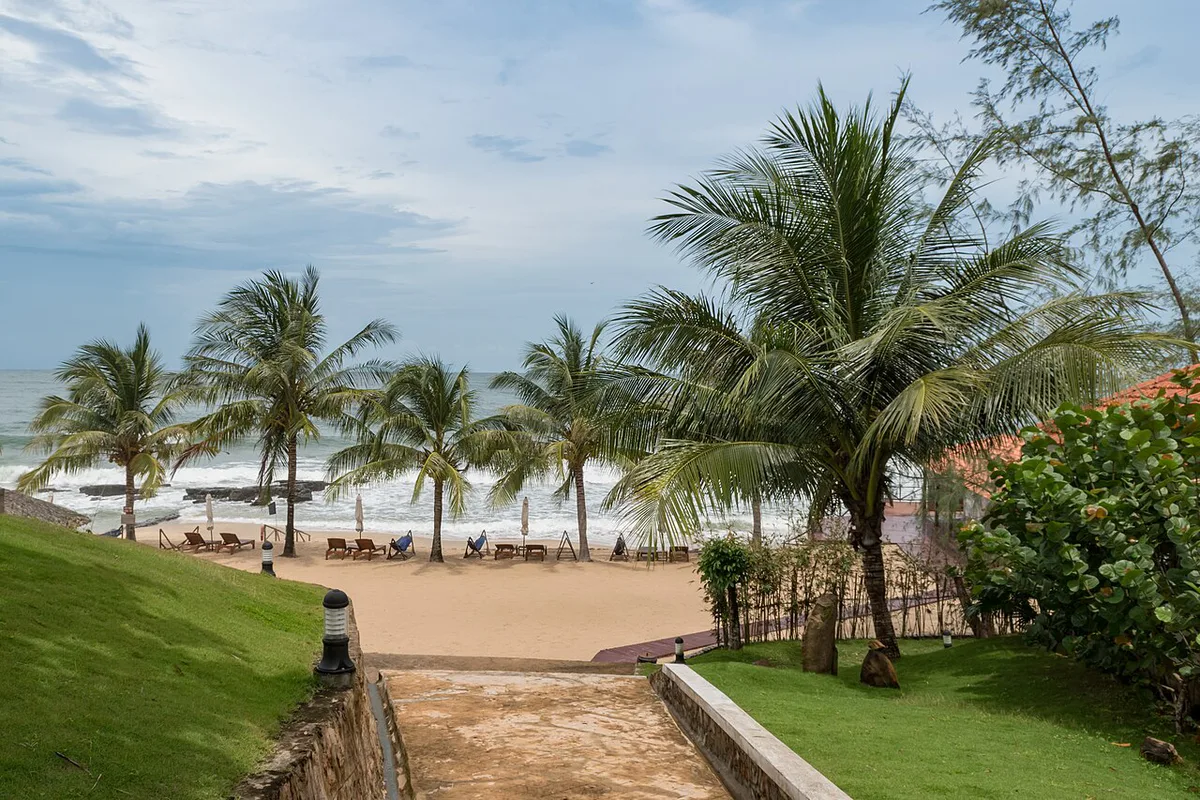
January is dry, warm and low on rain, with the sea at its calmest. Mornings are clear and the afternoon sun is strong, so plan beach time before 10am or after 3pm. Evenings feel slightly cooler than the rest of the year. Ranges for temperature, rainfall and humidity differ between sources, so use Vietnam's national weather service for current forecasts. For month-by-month comparisons, see our Phu Quoc weather guide. December is similar, and February begins to warm up toward the hotter months of March and April.
Early, Mid and Late January: What Changes
Weather barely shifts across the month. Crowds and prices do. Early January carries the New Year holiday crush, much like the tail of December on Phu Quoc. Mid-January is the calmest stretch for many travelers. Late January builds again as Vietnamese families travel ahead of Tet on 6 February 2027. Avoid booking travel in Tet week itself without checking opening times for restaurants and tours.
| Period | Crowds | Price pressure | Booking urgency | Tet risk |
|---|---|---|---|---|
| Early January | High | High | Book well ahead | None |
| Mid-January | Moderate | Moderate | Book a few weeks ahead | Low |
| Late January | Rising | Rising | Book early for flights and ferries | High: Tet on 6 February 2027 |
Best Things to Do in Phu Quoc in January
Group activities by time of day to beat the heat. Mornings suit snorkeling and island hopping from An Thoi port, where the archipelago holds about 15 islands. Sea conditions are friendly for boat tours, though operators can still cancel on windy days. Midday suits indoor or shaded options such as the Hon Thom cable car, VinWonders, Vinpearl Safari and Grand World. Tranh Stream lies about 10 km from Duong Dong. Its flow is strongest from June to September, so expect a gentler trickle in January. Evenings belong to the Dinh Cau area and the Duong Dong night market. Sunset spots include Dinh Cau Rock, Ganh Dau and Ong Lang Beach. Night squid fishing tours run best from November to April, and pepper farms are in harvest season in January and February.
Boat days can reach about 15 islands, so pick a morning departure before the strong afternoon sun builds.
Which Beaches Are Best in January?
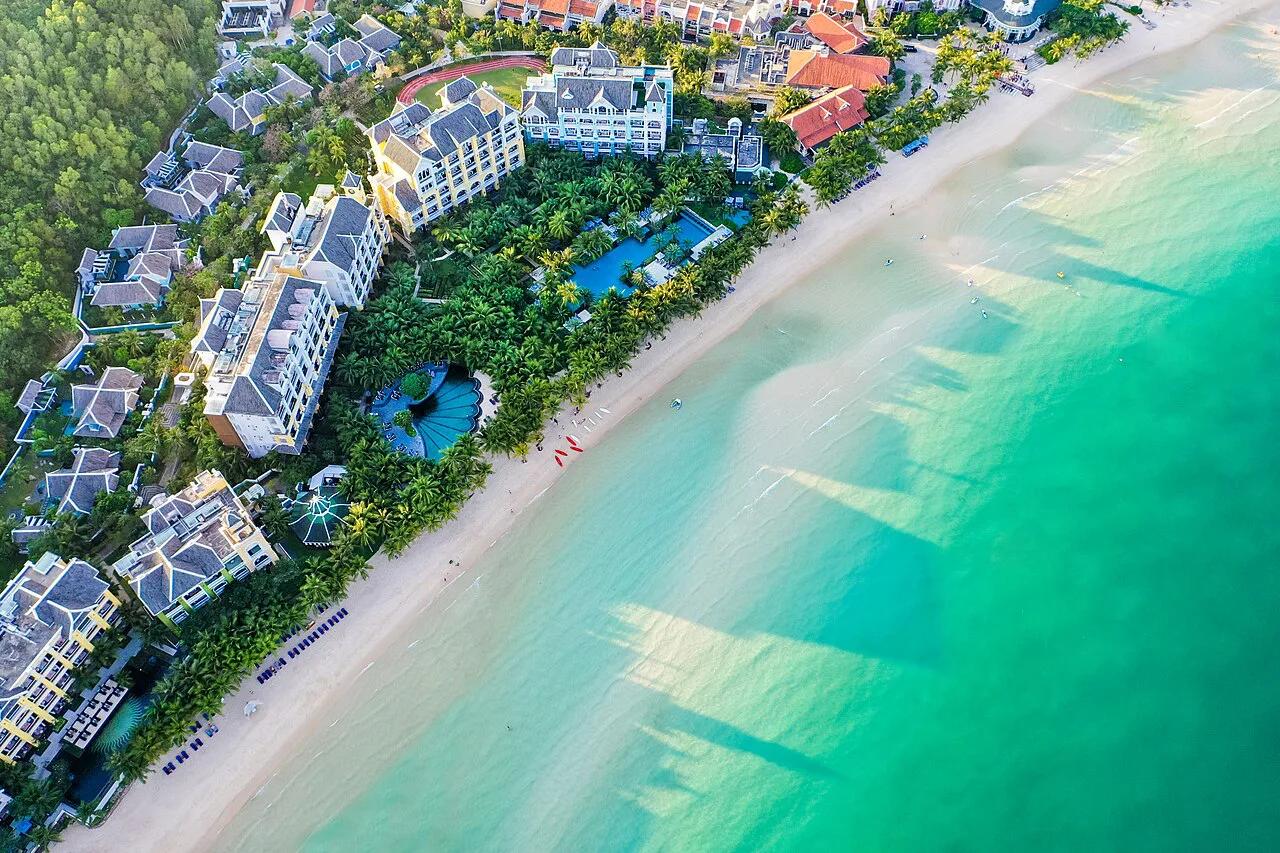
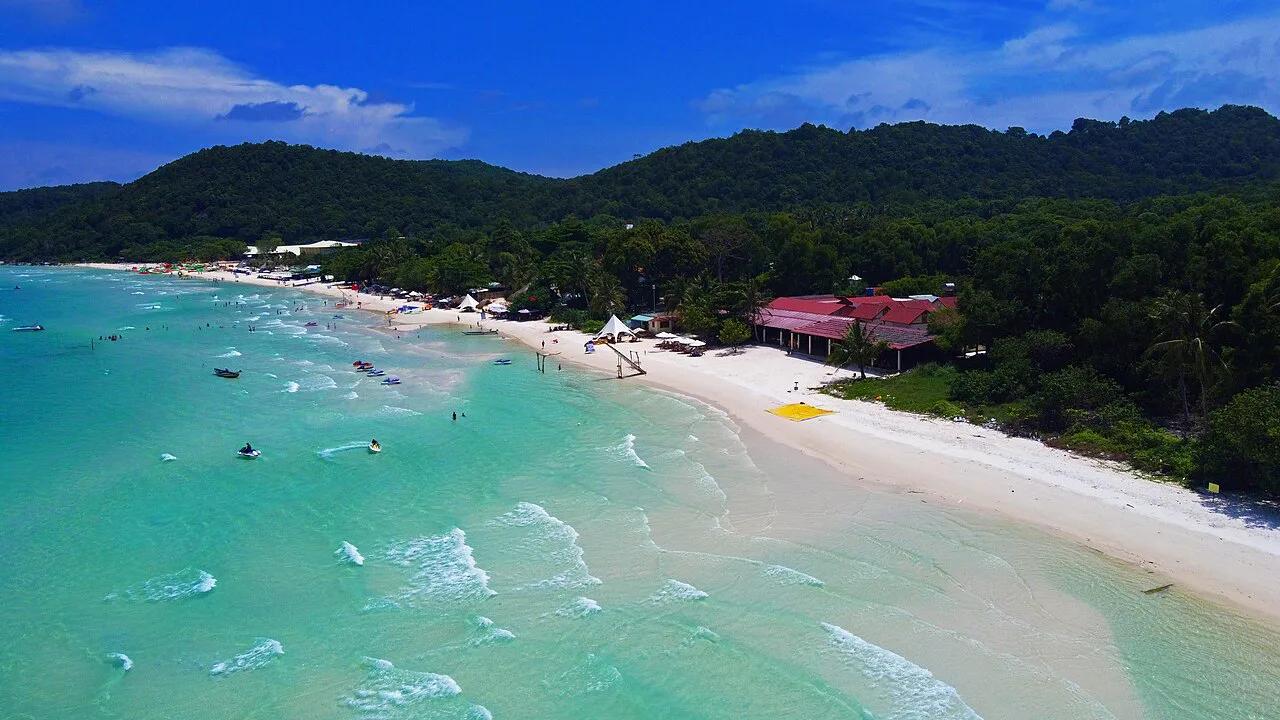
Pick by what you need most. Bai Sao and Bai Khem in the south offer calm turquoise water and clear swimming. Bai Dai stretches along the north-west with space for kayaking and easy access to the theme parks. Ong Lang is quieter, with reef near the shore. Starfish Beach in the north is best early in the day. Ganh Dau is more about rocks and photography than swimming. For sunsets, Ong Lang and Ganh Dau are strong choices.

- Bai Sao: best for swimming, busiest at midday.
- Bai Khem: crescent bay with resorts and seafood.
- Bai Dai: long, with services and space.
- Ong Lang: quiet, with reef snorkeling.
- Starfish Beach: short morning visit.
- Ganh Dau: scenery and sunset over swimming.
Costs, Tickets and Booking Lead Time
Peak demand lifts hotel rates, flights and tour prices in the first half of January and again just before Tet. Prices and hours checked November 2026. No fixed fees are quoted here because operators change them often. Check the official pages of the cable car, VinWonders, Vinpearl Safari and Grand World for current tickets. Book flights, island tours and popular attractions ahead. Entry to the night markets and beaches costs nothing, and street food is the cheapest meal option. Beachfront rooms cost more than inland rooms, and longer stays on the same property often bring lower nightly rates.
Where to Stay and How to Get Around
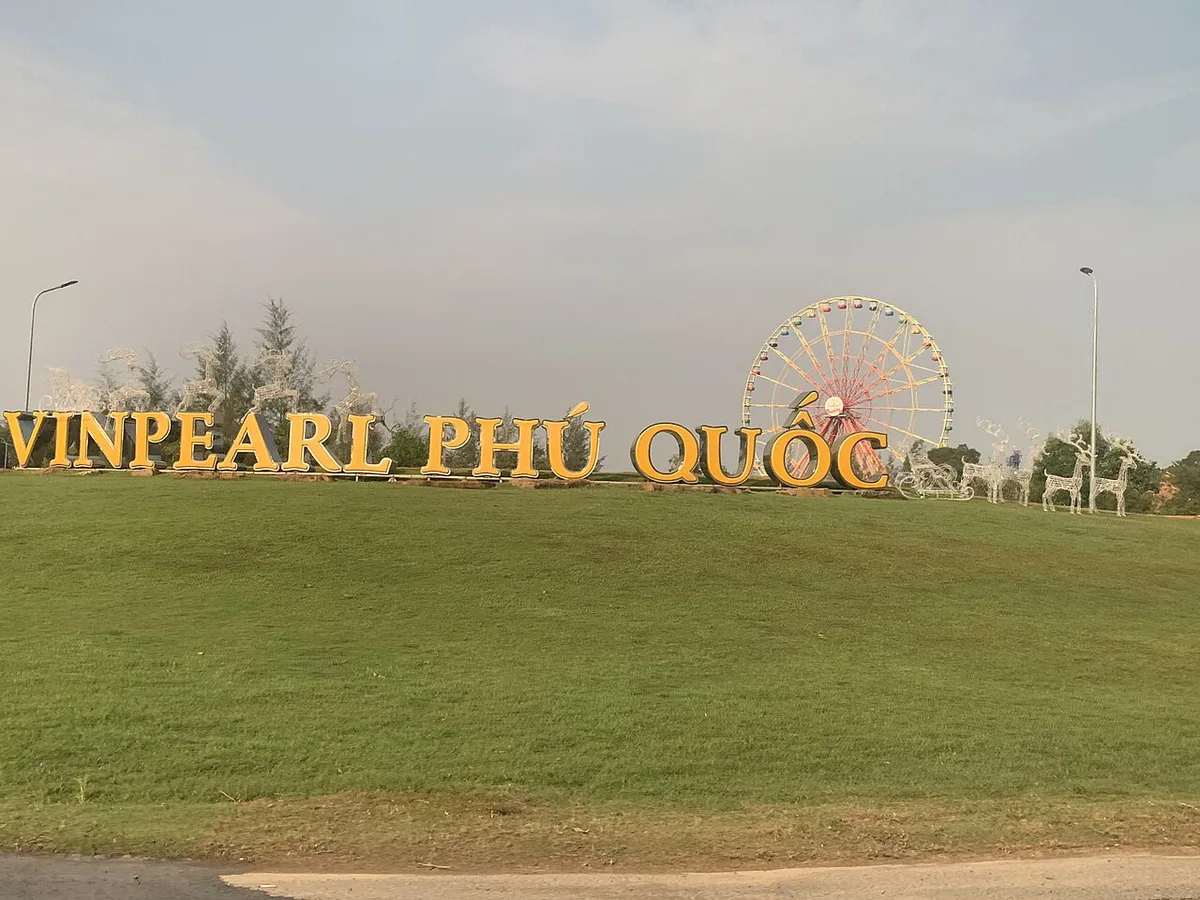
Phu Quoc International Airport takes direct flights from Hanoi, Ho Chi Minh City and Da Nang. Ferries run from Rach Gia or Ha Tien and take about 1.5 to 2.5 hours. For island background, see Vietnam's national tourism authority. Duong Dong suits first-timers who want restaurants and the night market. The north near Ganh Dau and Ong Lang is calmer and best with a car or motorbike. The south around An Thoi and Bai Sao puts you near island boats but far from the theme parks. Taxis and motorbikes are the main ways to move. Choosing a base far from your main plans adds a long daily transfer.
Tranh Stream sits about 10 km from Duong Dong, so a town base keeps that stream outing close to your room.
Sample 3-Day and 5-Day January Itineraries
Start early each day and keep afternoons flexible. These plans are skeletons to adapt.
- Day 1: Bai Dai in the morning, Grand World or VinWonders after lunch, Dinh Cau night market.
- Day 2: An Thoi island-hopping and snorkeling, sunset at Bai Sao or Ong Lang.
- Day 3: Tranh Stream and Phu Quoc National Park early, then a pepper farm or fish sauce barrel house.
- Day 4 (5-day plan): Vinpearl Safari and the Hon Thom cable car.
- Day 5 (5-day plan): Starfish Beach, Ganh Dau and a night squid fishing tour.
What to Pack and Plan for January
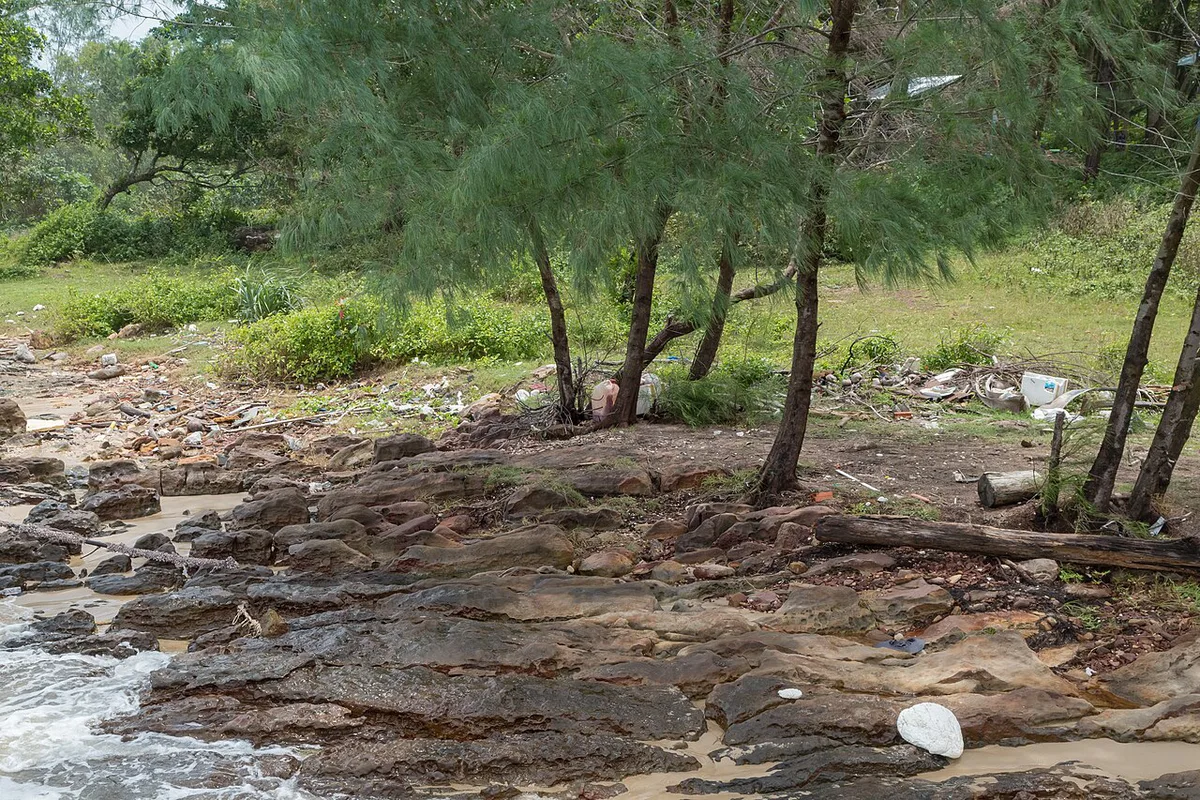
Pack reef-safe sunscreen, a hat, polarized sunglasses and light, breathable clothing. Bring a thin layer for evening boat rides and air-conditioned venues. Water shoes help on rocky shores such as parts of Bai Dai. Rain is unlikely, so a compact rain jacket is enough as backup. Visa-free entry has been reported for up to 30 days when arriving directly on Phu Quoc, but rules change, so check the official Vietnamese immigration portal before booking.
- Mistake: booking Tet-week travel without checking the date.
- Mistake: assuming every boat trip runs daily.
- Mistake: planning all outdoor activity for the afternoon.
- Mistake: skipping advance booking for popular attractions.
January vs December vs Other Months
January and December share dry, calm weather and heavy demand. February brings Tet and warmer days. Read our guide to the Phu Quoc Rainy Season: Months, Rain Reality & What to Do if you are weighing a cheaper summer trip.
| Month | Weather and sea | Crowds and cost | Best for |
|---|---|---|---|
| December | Dry, calm | Peak, especially late month | Holiday trips, families |
| January | Dry, calm, settled | High early, easing mid-month | Beaches, snorkeling, value-minded planners |
| February | Dry, warming | Tet surge, then easing | Festival timing, pepper harvest |
| Rainy season | Wetter, rougher seas | Quieter, cheaper | Budget travelers, green scenery |
Useful notes for your Vietnam trip
Optional updates to our guides.
You might also like
Continue reading
More guides you'll find useful