
Museum of Trade Ceramics in Hoi An: Tickets, Hours, Exhibits

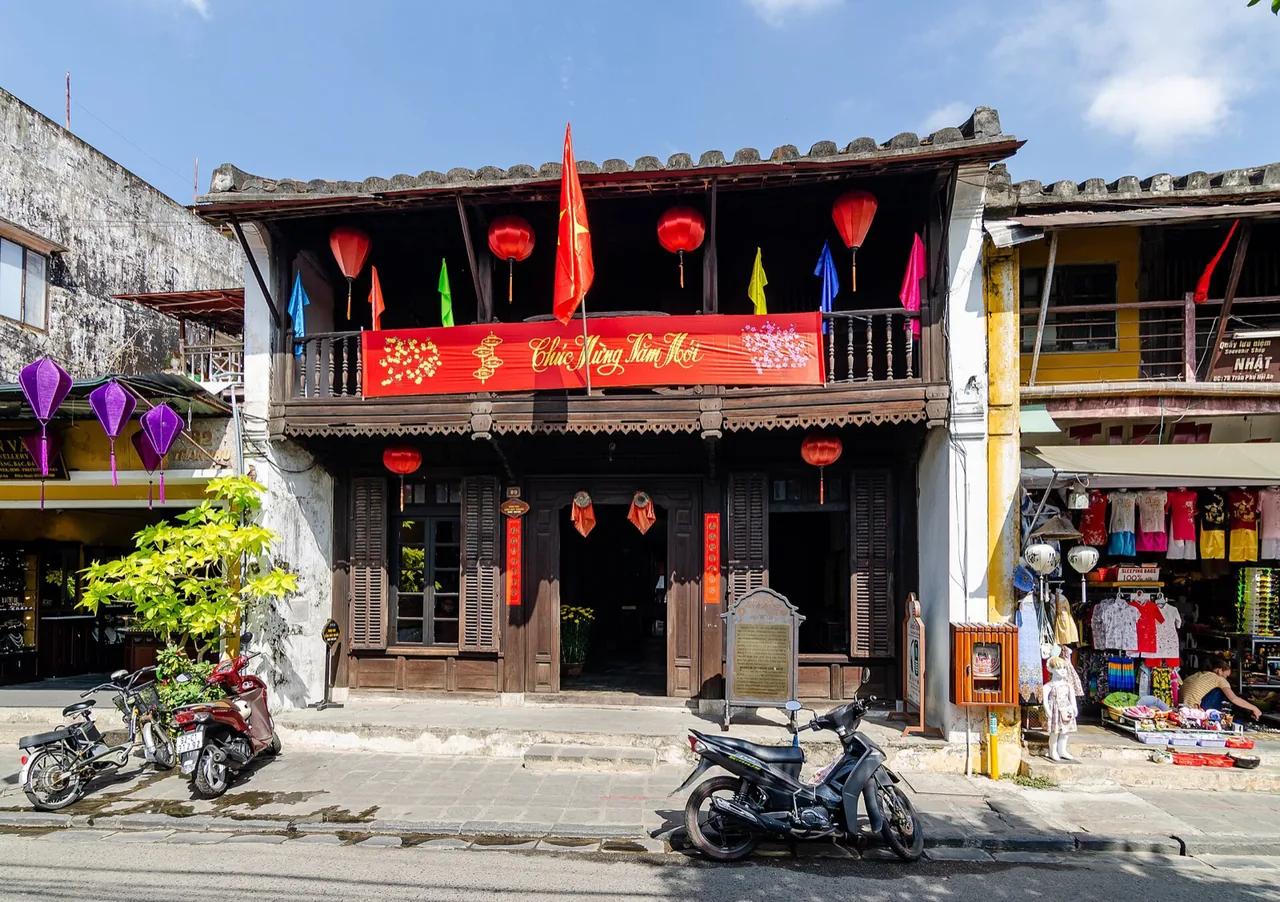
The Museum of Trade Ceramics sits inside a 19th-century timber shophouse at 80 Tran Phu Street in Hoi An Ancient Town. It tells the story of the town as a port on the maritime ceramics trade route, using pieces found at local archaeological sites. This guide covers which ticket gets you in, the official hours and closure day, what the four exhibition sections show, and how to reach it.
Ticket rules changed in 2026, and many older pages still repeat a price split by nationality that no longer exists. The figures below come from the official notices of the Hoi An World Cultural Heritage Conservation Center and Da Nang City. If you are building a full itinerary, pair this guide with our list of things to do in Hoi An.
Museum of Trade Ceramics: What You Will See
The museum, known in Vietnamese as Bảo tàng Gốm sứ Mậu dịch, was established by a decision of 2 October 1995 and opened as a themed museum with help from Japanese experts. It is run by the Hoi An World Cultural Heritage Conservation Center, which in 2013 reported more than 60,000 domestic and international visitors a year. Its home is a typical two-storey Hoi An house with a wooden balcony, built around the 19th century. It is laid out in three parts, a front house, a rear house and a connecting wing, with a courtyard between the front and rear sections and the kitchen at the back.
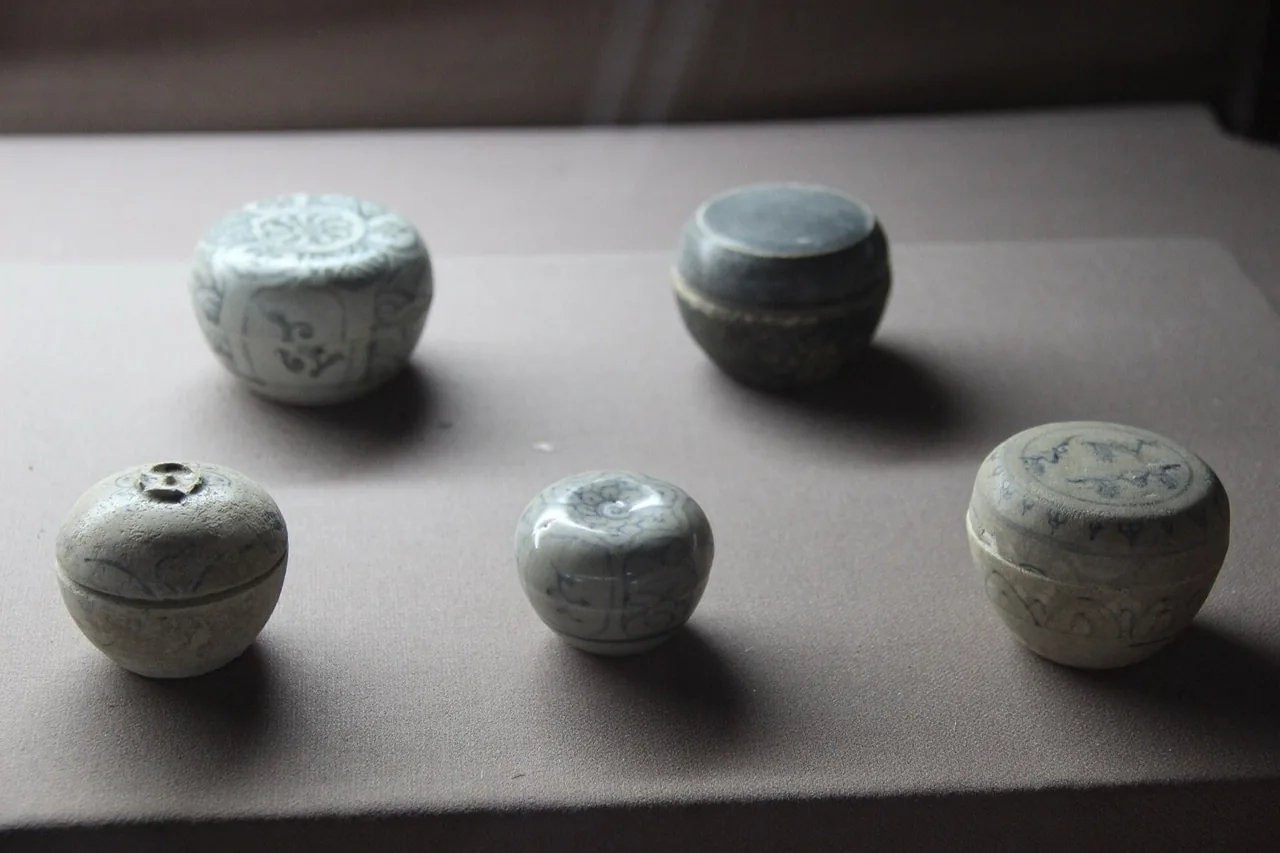
The Center's museum page describes 368 artefacts dating from the 9th-10th to the 19th century, found at archaeological sites in Hoi An. Other official sources give different totals: an on-site sign photographed in 2014 gives 268 original artefacts, and the Center's 2011 tourism entry gives more than 430 pieces. Treat any single count as approximate. The pieces on show come from trade routes linking Hoi An with China, Japan, Thailand, India, the Middle East and other parts of Vietnam.
The exhibition is organized in four parts, listed below in the order of the Center's own description.
Many visitors head straight for the display cases and walk past the building itself. The house is part of the display, so take a few minutes in the courtyard between the front and rear sections to see how a Hoi An shophouse was laid out.
- Overview of Hoi An and Vietnamese Trade Ceramics
- This opening section sets the scene for why Hoi An became a trading port.
- It also introduces Vietnamese trade ceramics.
- The House at 80 Tran Phu Street
- This part explains the architecture of the shophouse and how it was restored as a museum.
- Read it before you walk through the courtyard and rear house.
- The Cu Lao Cham Shipwreck
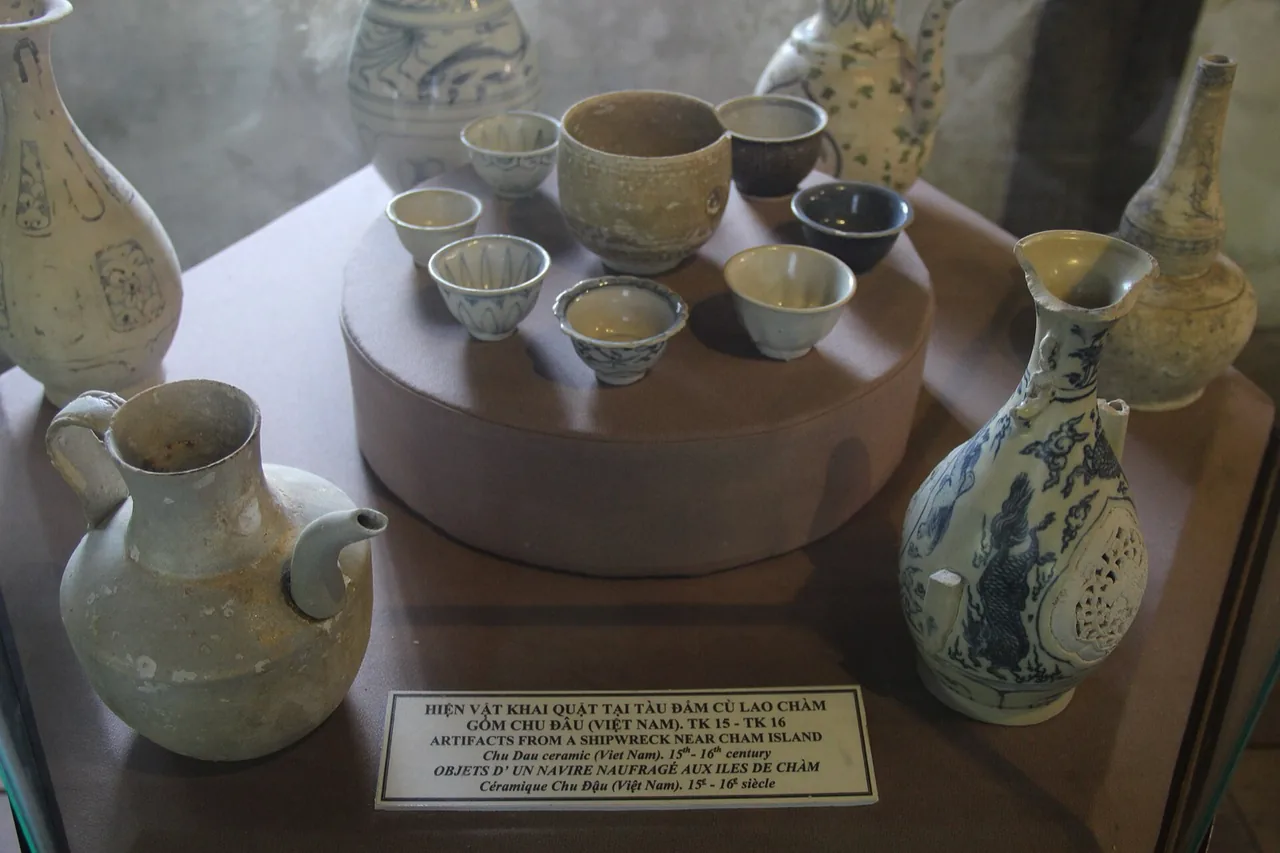
- Here you see the excavation of a 15th-16th-century merchant ship lost off Cu Lao Cham.
- Its cargo came from kilns in northern Vietnam.
- Finds from the Ancient Town
- The last section shows objects dug up at archaeological sites inside the Ancient Town.
- These pieces link the display back to the streets outside.
Tickets: Which Hoi An Ticket Includes the Museum
The museum has no separate ticket, because you enter with the Hoi An Ancient Town ticket. According to the Conservation Center's 2026 ticket notice, only the 120,000 VND tier includes entry to the museum system.
The cheaper 80,000 VND tier does not include museums, so it will not get you through the door here. It covers the Japanese Covered Bridge or Quan Cong Temple plus two other sites.
One trap catches many readers: the old split of 80,000 VND for Vietnamese and 120,000 VND for foreigners ended on 21 February 2026. Under Da Nang City Resolution 02/2026/NQ-HĐND, fees are now the same for Vietnamese and foreign visitors, and the two prices describe what each ticket covers.
Do not assume one ticket opens several museums. The Vietnamese and English versions of the notice are worded differently, and the English one mentions a single monument in the museum system, so ask at the ticket kiosk what your ticket covers.
Buy the ticket once before you enter the Old Town, and it stays valid during your stay for up to 3 days. Keep the stub even after you have used all its coupons for entering and leaving the Old Town.
- 120,000 VND Ancient Town Ticket
- This is the tier that includes entry to the museum system, per the 2026 notice.
- It also covers the Japanese Covered Bridge or Quan Cong Temple plus three more sites of your choice.
- 80,000 VND Ancient Town Ticket
- This tier does not include museums, so it will not cover the Museum of Trade Ceramics.
- It covers the Japanese Covered Bridge or Quan Cong Temple plus two other sites.
- Free Entry Groups
- Children under 16 and students enter free of charge.
- Vietnamese citizens aged 60 and over also enter free of charge.
- Other free groups include Vietnamese citizens with a disability certificate, people covered by cultural-benefit policy, and diplomatic guests.

Opening Hours and Closure Days
The Conservation Center gives general visitor service hours of 07:30 to 21:30 daily for the ticketed Old Town sites. That is not a museum-specific timetable, and no official page lists clock hours for this museum alone, so confirm the hours at a ticket kiosk when you buy your ticket.
The Center's overview of Hoi An's museums says the museum opens every day except the 15th of each month, when it closes for curatorial work. The Center does not say which calendar that date follows, so check locally before you plan around it.
A 2023 report on the city ticketing plan gave ticket sales until 21:00 in winter, so winter evenings may end earlier than 21:30; avoid arriving close to closing time. Ticket sales and guided visits were also suspended from 16 to 19 February 2026 for Tet. Expect similar pauses at future Tet holidays.
Getting There and Getting Around
The museum is at 80 Tran Phu Street, inside the Ancient Town. Hoi An sits on the lower Thu Bon River, about 30 km south-east of Da Nang.
Since the provincial merger of 1 July 2025, Quang Nam has been part of Da Nang City, and the Old Town lies in Hội An ward of Da Nang City. Older sources that place it in Quang Nam province are out of date.
The Ancient Town is a pedestrian and non-motorized-vehicle zone from 09:00 to 21:30 in summer and from 09:00 to 21:00 in winter. Arrive on foot or by bicycle, and buy your ticket before you enter the Old Town.

Is It Worth Visiting? Tips for Your Plan
The museum suits travelers who want to understand Hoi An's role as a port on the maritime ceramics trade route. It is less suited to anyone after quick photos, since the display is about excavated objects and the house that holds them.
The 120,000 VND ticket includes entry to the museum system but may not cover more than one museum, so decide which museum matters most to you before you go. If you are weighing options, our guide to the Museum of Folklore covers another Old Town museum. Confirm at the kiosk what your ticket allows before you commit to a route.
To build a route around the museum, see our guides to the Cantonese Assembly Hall, the Fujian Assembly Hall and Tan Ky Old House, and check each one's ticket rules before you go.
More Hoi An planning
Frequently Asked Questions
How much does it cost to visit the Museum of Trade Ceramics in Hoi An?
There is no separate museum ticket. You enter with the Hoi An Ancient Town ticket, and the 120,000 VND tier is the one that includes the museum system (plus the Japanese Covered Bridge or Quan Cong Temple and 3 other sites). The 80,000 VND ticket does not include museums.
Is the price different for foreigners?
No. Under Da Nang City Resolution 02/2026/NQ-HĐND, in force since 21 February 2026, Ancient Town fees apply equally to Vietnamese and foreign visitors.
Who gets in free?
Children under 16 and students, Vietnamese citizens aged 60 and over, Vietnamese citizens with a disability certificate, people covered by the cultural-benefit policy, and diplomatic guests.
When is the museum closed?
The Hoi An World Cultural Heritage Conservation Center says the museum opens every day of the week except the 15th of each month, when it closes for curatorial work. Ticket sales and guided visits in the Ancient Town were also suspended over Tet, 16-19 February 2026.
Where is the Museum of Trade Ceramics?
At 80 Tran Phu Street, inside Hoi An Ancient Town. The Old Town is closed to motor vehicles 09:00-21:30 in summer and 09:00-21:00 in winter, so walk or cycle there.
What can you see inside?
Trade ceramics found at archaeological sites in Hoi An, dating from the 9th-10th to the 19th century, including 15th-16th-century Vietnamese ceramics raised from a merchant shipwreck off Cu Lao Cham. The 19th-century timber house itself, with its front house, courtyard and rear house, is part of the display.
How long is the ticket valid?
You buy the Ancient Town ticket once and can use it throughout your stay in Hoi An, up to 3 days. Keep the stub after using all the coupons for entering and leaving the Old Town.
The Museum of Trade Ceramics rewards visitors who want context for the streets they are walking through. Buy the 120,000 VND ticket, avoid the 15th of the month, check the hours at a kiosk, and allow time for both the objects and the house.
Once you have finished, browse more attractions in Hoi An to plan the rest of your Old Town day. Official notices can change, so confirm prices and closure days on arrival.