
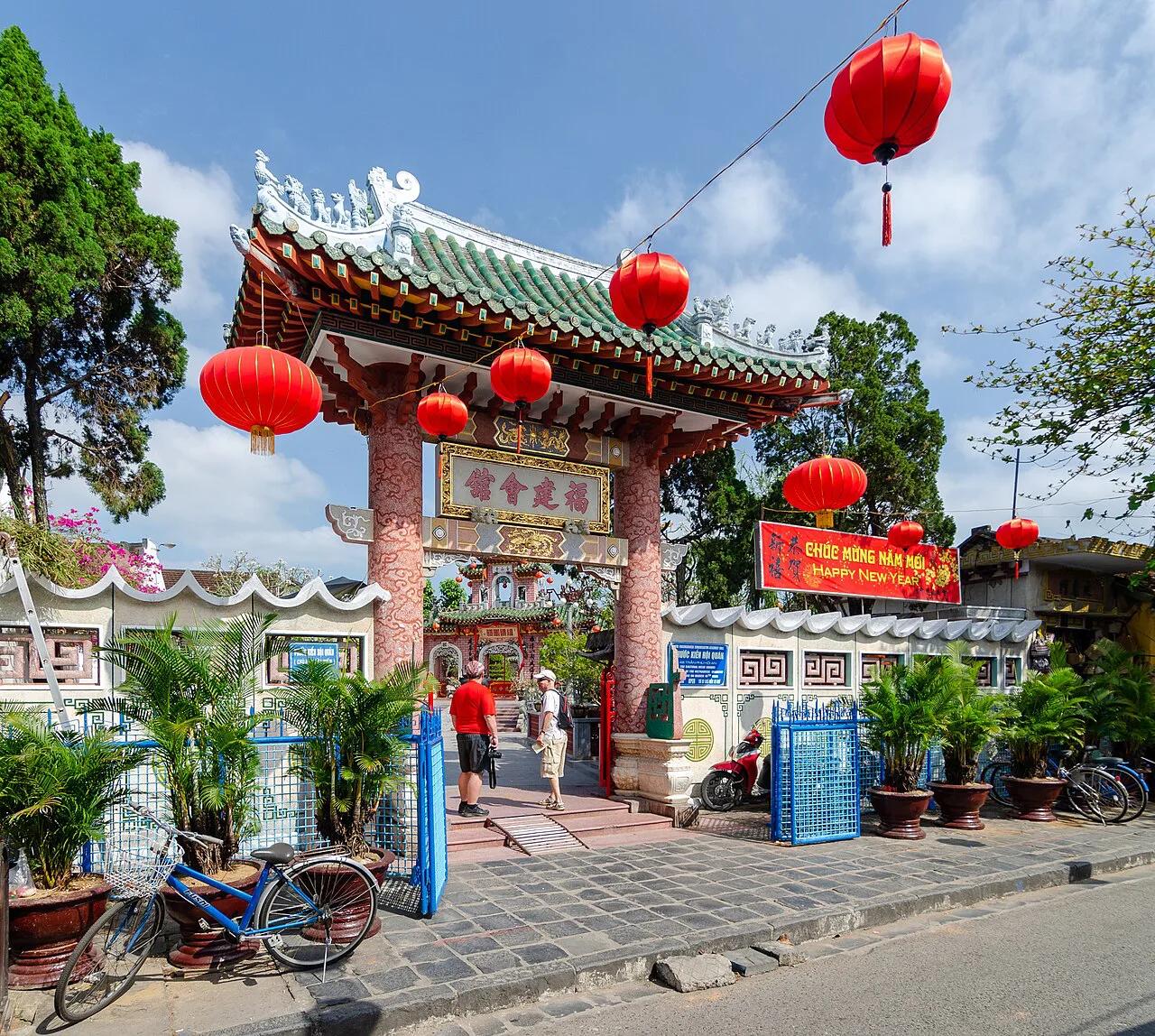
Hoi An Attractions: Assembly Halls, Museums and an Old House
Six of Hoi An's Old Town sights sit within a few walkable streets. Two are Chinese assembly halls built by merchant communities: the Fujian Assembly Hall, a working temple to the sea goddess Thien Hau, and the Cantonese Assembly Hall, built around 1885. Quan Cong Temple stood by 1653 at the latest and honors a deified general. Tan Ky Old House is a merchant home more than 200 years old, and two museums cover the town's folk culture and its ceramics trade.
Entry runs through the Old Town ticket, also called the Ancient Town ticket, rather than at each door. The heritage center's notice of 29 January 2026 sets two tiers. The 80,000 VND ticket covers the Old Town landscape, either the Japanese Covered Bridge or Quan Cong Temple, and two other sites. The 120,000 VND ticket covers the same landscape and bridge-or-temple slot, plus one museum and three other sites. One ticket lasts your stay, up to 3 days, so keep the stub.
The easiest way to group them is by street. Tran Phu Street holds the Cantonese hall at number 176, near the Japanese Covered Bridge, then the Museum of Trade Ceramics at 80 and Quan Cong Temple at 24, opposite the Central Market. The Fujian hall sits in the same stretch between the bridge and the market. Tan Ky at 101 Nguyen Thai Hoc Street and the Museum of Folklore at 33 Nguyen Thai Hoc, which runs through to Bach Dang Street on the river, make a second short loop.
Hoi An is now a ward of Da Nang city, so newer addresses read Hoi An Ward, Da Nang. Each guide below covers what to see inside, how to find it and what to confirm on the day.
Hoi An attraction guides
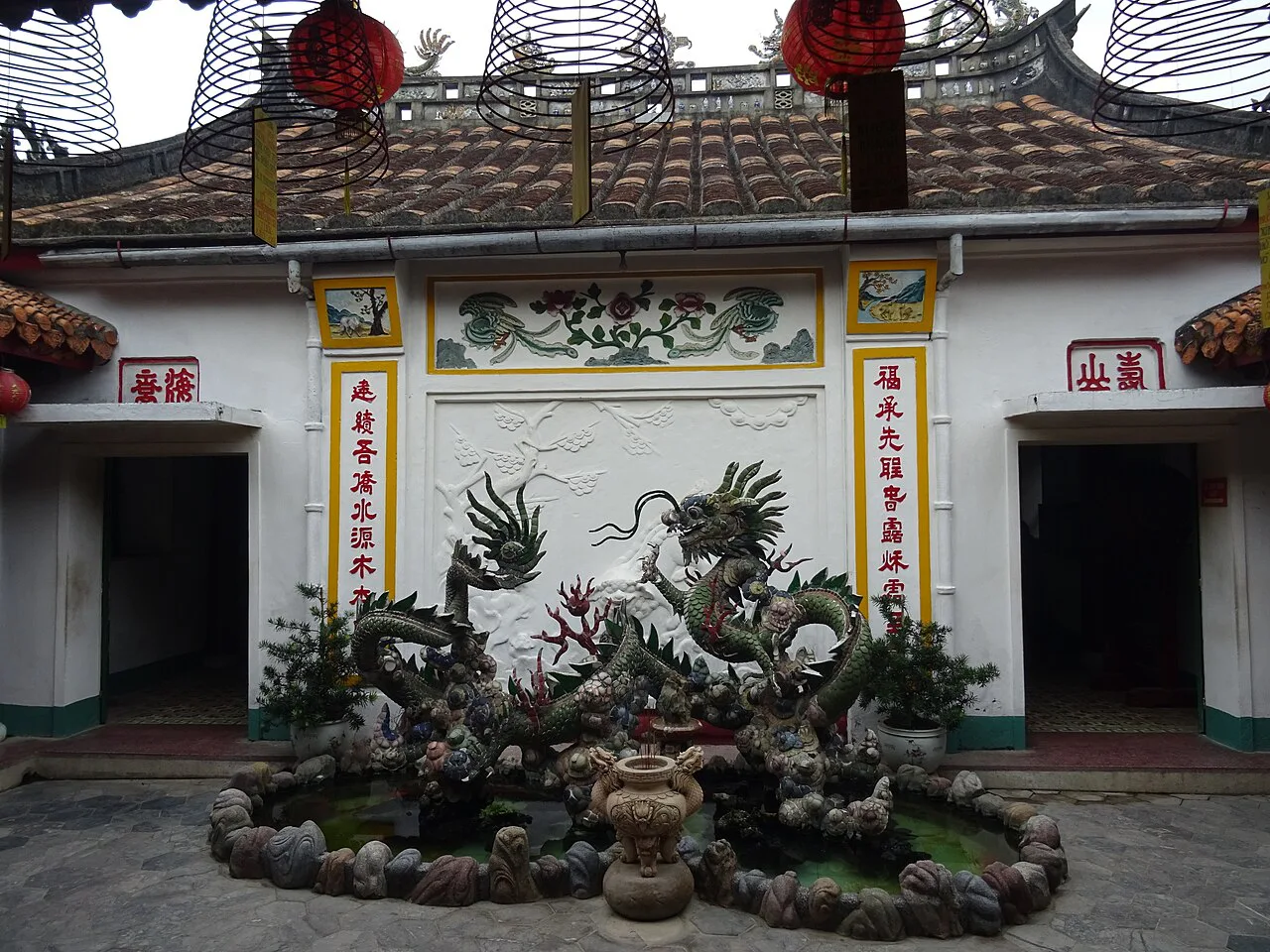
Fujian Assembly Hall, Hoi An: What to See Inside
A working Chinese temple to the sea goddess Thien Hau, built by Fujian merchants and added to over three centuries. Give it 30 to 45 minutes, but note that entry runs through the Ancient Town ticket system, not the door.
30-45 minutes · Best for temple visitors and architecture fans
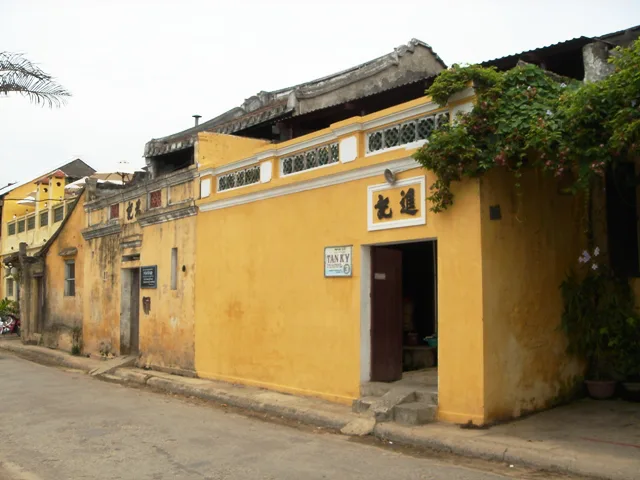
Tan Ky Old House, Hoi An: Visiting Hours, Tickets and What to See
A 200-year-old timber merchant home on Nguyen Thai Hoc Street, run by the same family for seven generations. Go for the carved roof beams, the shell-inlaid poem panel, and flood marks on the pillars; the facade is narrow, so watch the house numbers.
20 minutes · 35,000 VND per adult; free for children under 10 · Best for architecture and family history fans
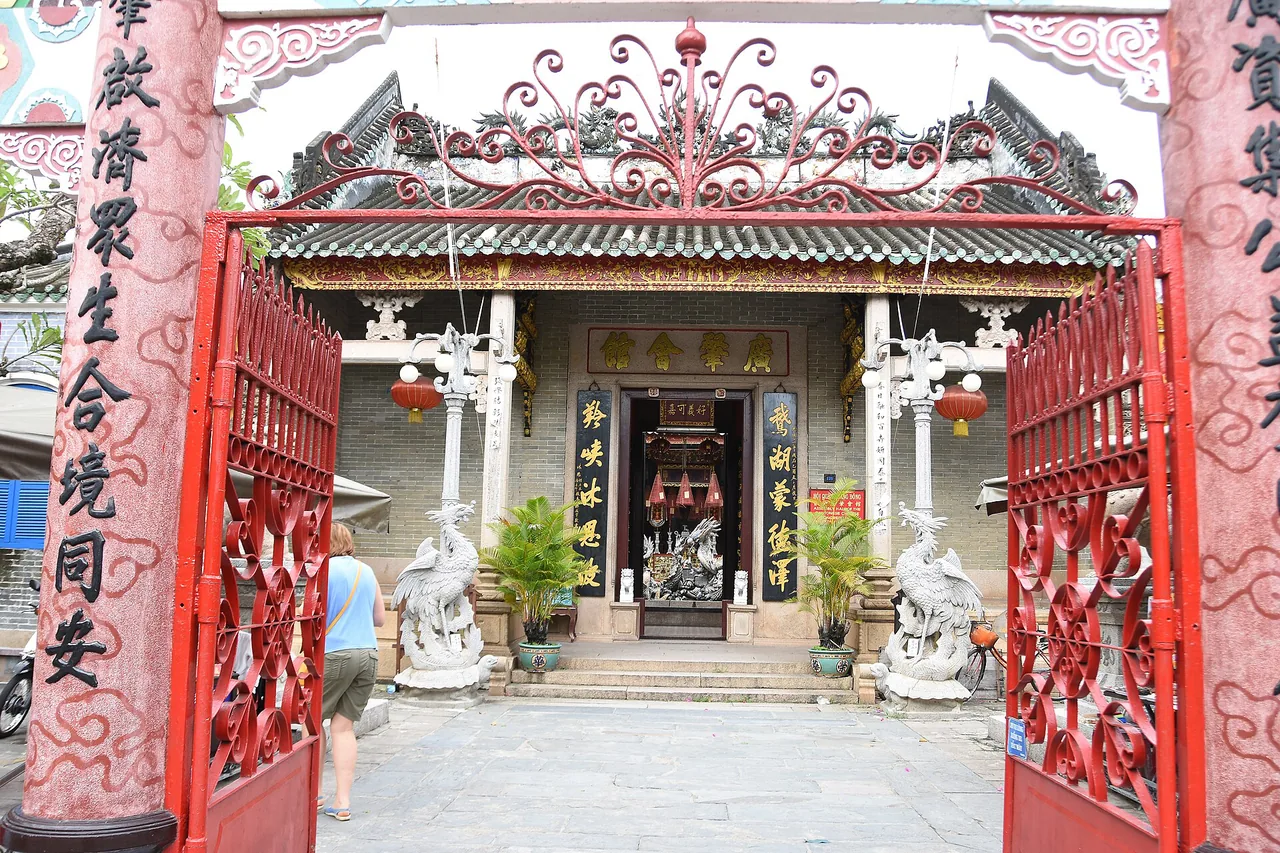
Cantonese Assembly Hall Hoi An: Visitor Guide
The Cantonese Assembly Hall (Hội quán Quảng Đông, also called Chùa Quảng Triệu) is a Chinese guild hall and temple at 176 Tran Phu Street in Hoi An Ancient Town, built by Cantonese merchants around 1885. It is one of the sites you can enter with the Hoi An Old Town ticket, and its main altar is dedicated to Quan Cong (Guan Yu). The hall has no published opening hours of its own; the heritage center's ticket page gives visitor service hours of 7:30 a.m. to 9:30 p.m. daily.
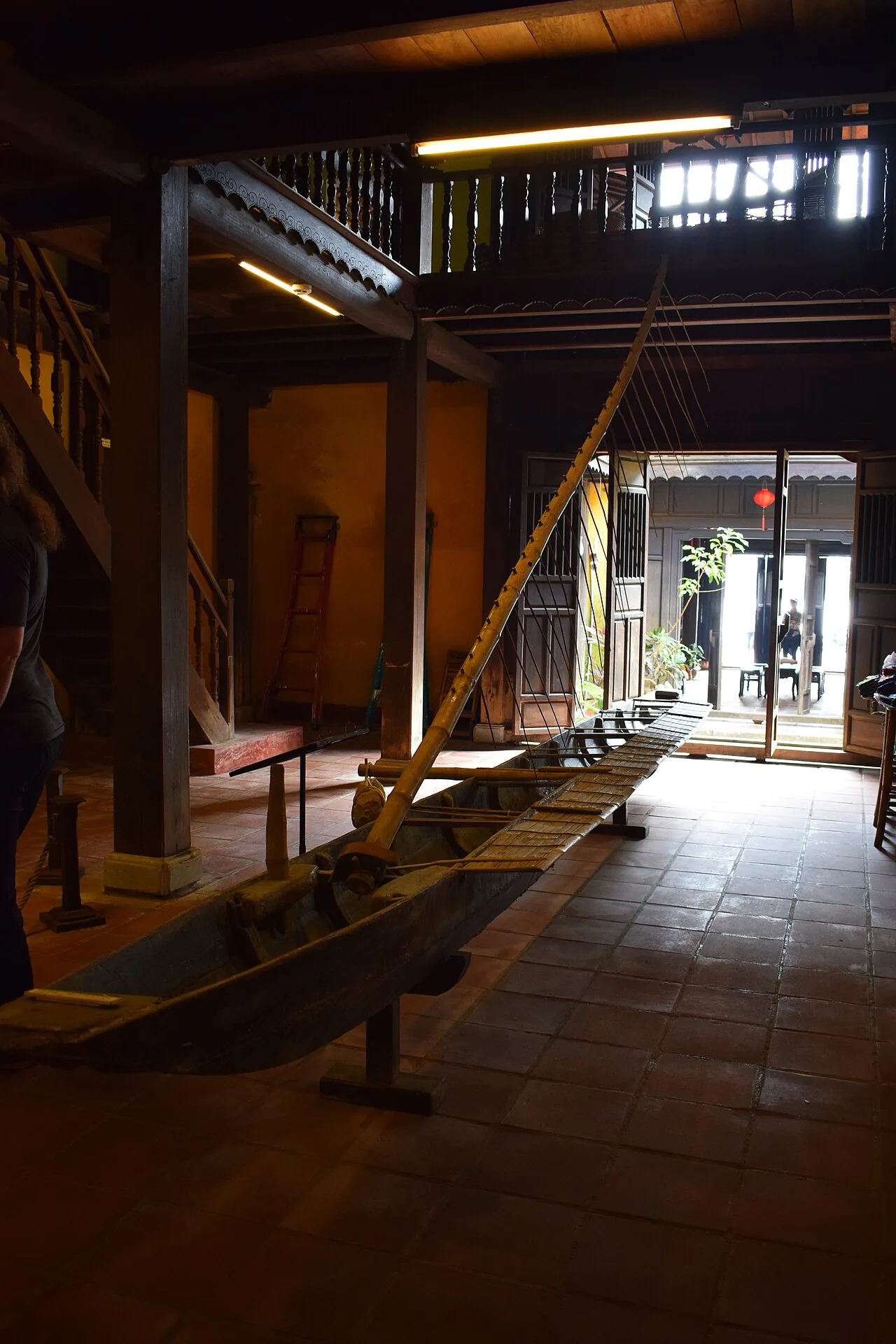
Hoi An Museum of Folklore Visitor Guide: Hours, Tickets
The Hoi An Museum of Folklore (Bao tang Van Hoa Dan gian Hoi An) is a themed museum in a two-storey timber house in the Old Town that runs between Nguyen Thai Hoc and Bach Dang streets. It presents Hoi An's intangible heritage, from folk art and performing traditions to craft villages and everyday life, through original objects, photos and demonstrations. It opens 07:30-21:30 and closes on the 13th and 28th of each month for museum work; entry is with the Hoi An Ancient Town ticket.
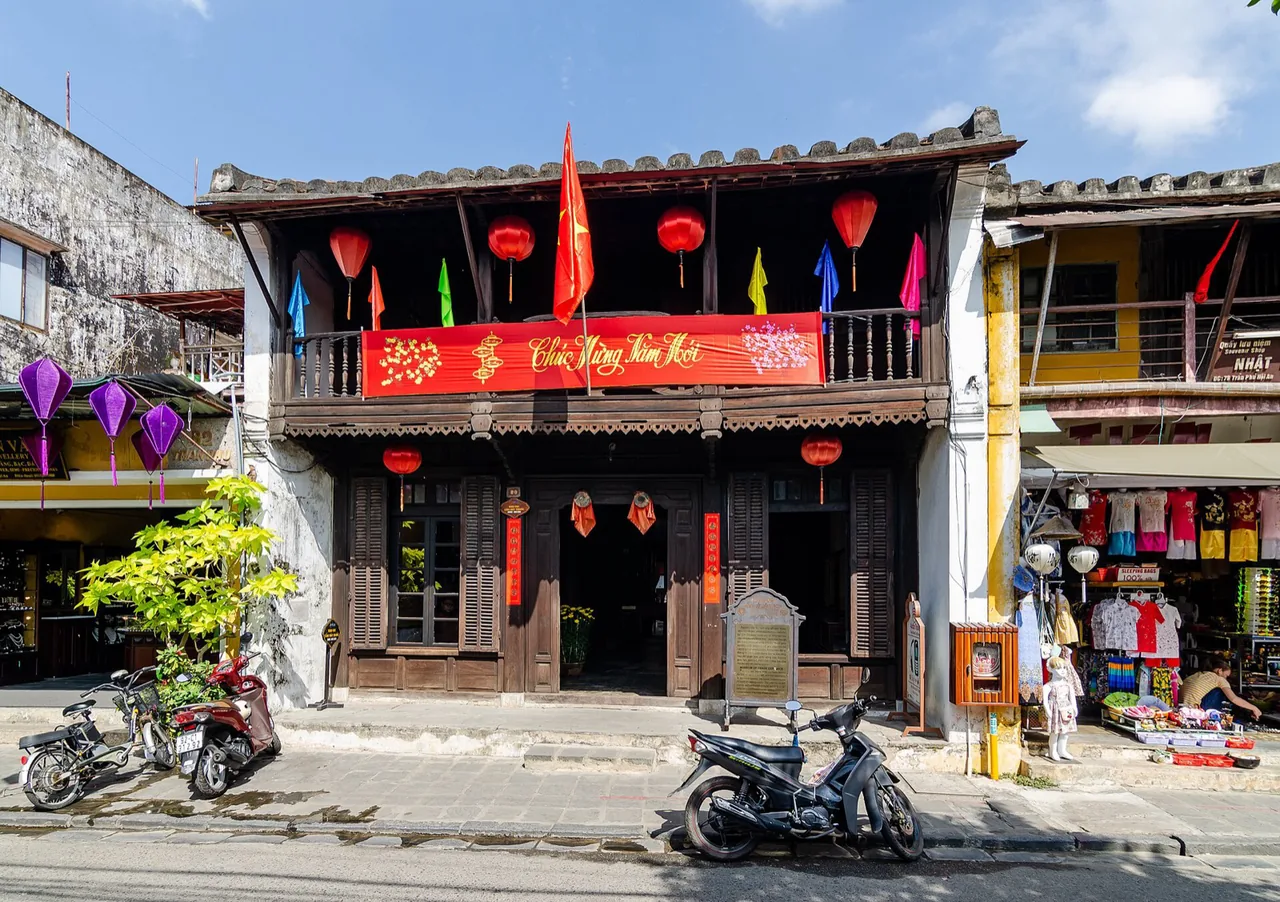
Museum of Trade Ceramics Hoi An Visitor Guide
The Museum of Trade Ceramics (Bảo tàng Gốm sứ Mậu dịch) occupies a 19th-century two-storey timber shophouse at 80 Tran Phu Street in Hoi An Ancient Town. Set up in 1995 with help from Japanese experts, it shows ceramics found at archaeological sites in and around Hoi An that trace the town's role as a port on the maritime ceramics trade route. It is run by the Hoi An World Cultural Heritage Conservation Center and is entered with the 120,000 VND Ancient Town ticket; the Center says it closes on the 15th of each month for curatorial work.
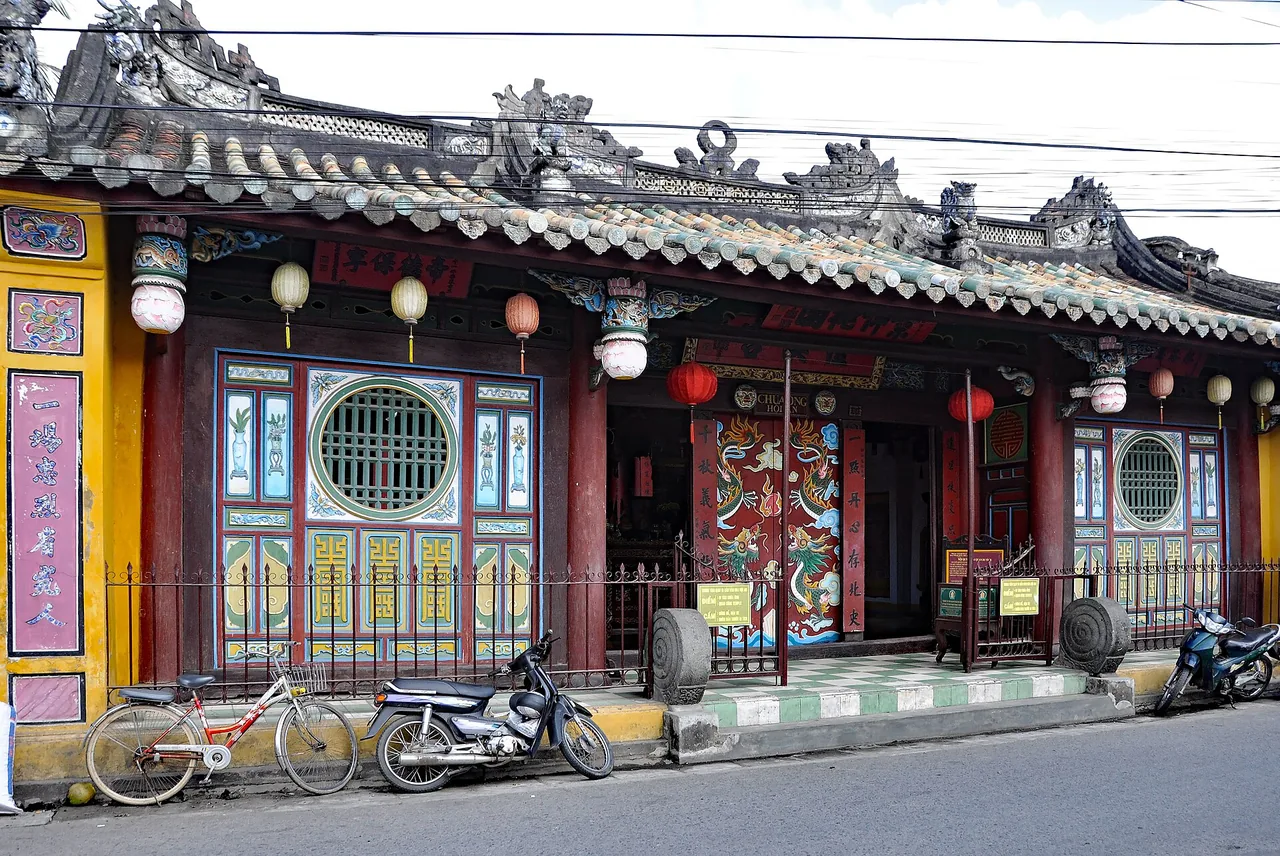
Quan Cong Temple Hoi An Visitor Guide (2026)
Quan Cong Temple (Quan Cong Mieu, popularly called Chua Ong) is a 17th-century temple at 24 Tran Phu Street, opposite Hoi An Central Market, dedicated to Quan Vu (Quan Van Truong), the Three Kingdoms general venerated for loyalty and righteousness. It was built by the Minh Huong community together with Vietnamese residents no later than 1653 and is managed by Hoi An's heritage conservation centre. Entry is through the Hoi An Ancient Town ticket, where it is one of the two headline monuments (with the Japanese Covered Bridge).
Planning your Old Town ticket around the six sights
The ticket counts sites, not hours, so choose before you buy. Putting Quan Cong Temple in the fixed slot means giving up the Japanese Covered Bridge on that ticket. On the 120,000 VND tier, Quan Cong, one museum and three choices such as the two assembly halls and Tan Ky can cover five of these six sights, as long as each is on the current list at the kiosk. The guides do not confirm that one ticket opens both museums, so pick one: the Museum of Folklore for crafts and festivals, or the Museum of Trade Ceramics for the port trade and the Cu Lao Cham shipwreck.
The heritage center gives visitor service hours of 7:30 a.m. to 9:30 p.m. daily for the ticketed sites, but the halls and the temple publish no timetable of their own. The Museum of Folklore lists 07:30 to 21:30 and closes on the 13th and 28th of each month, which makes it a good evening stop. The Old Town is a walking and cycling zone from 09:00 to 21:30 in summer and 09:00 to 21:00 in winter, so arrive on foot or by bicycle.
The two halls and the temple are active places of worship. Dress modestly, keep your voice low and ask before you photograph anyone at an altar.
| Sight | What it is | Entry | Time to allow |
|---|---|---|---|
| Fujian Assembly Hall | Chinese assembly hall and working temple to the sea goddess Thien Hau | Old Town ticket system; confirm terms at the ticket office | 30 to 45 minutes |
| Cantonese Assembly Hall | Cantonese guild hall and temple from around 1885, main altar to Quan Cong | Old Town ticket, as one of your site choices | See the guide |
| Quan Cong Temple | Temple to the general Quan Cong, standing by 1653, also called Chua Ong | Old Town ticket, in the slot shared with the Japanese Covered Bridge | See the guide |
| Tan Ky Old House | Timber merchant home over 200 years old, kept by one family for seven generations | Reported as on the heritage ticket; confirm inclusion at the counter | About 20 minutes |
| Museum of Folklore | Folk art, performing traditions, craft villages and daily life in a 57-meter timber house | 120,000 VND Old Town ticket; closed the 13th and 28th | See the guide |
| Museum of Trade Ceramics | Trade ceramics from local digs and a 15th-16th-century shipwreck, in a 19th-century shophouse | 120,000 VND Old Town ticket | See the guide |