8 Best Sights in Hoi An Old Town: Tickets and Route
Is Hoi An Old Town free? See what the ₫120,000 ticket covers, 8 sights in walking order, when to go, and how to plan a day or two.
On this page
Last updated November 2026: Hoi An Old Town is a UNESCO-listed heritage district where the streets are free to walk and a ticket covers selected sights. Our guide picks eight stops in walking order. Tickets, routes, food, lantern nights and timing follow.
Featured image: Andre Hospers, CC BY 4.0, via Wikimedia Commons.
Hoi An Old Town at a Glance
UNESCO recognized the Ancient Town as a World Heritage Site on 4 December 1999. It sits on the lower Thu Bon River, about 30 km south of Da Nang. Merchants from China and Japan traded here for centuries, and most surviving houses and halls date from the 17th to 19th centuries. Trade shifted to Da Nang in the late 19th century, which spared the old streets from large-scale rebuilding. For regional background, see the national tourism page on Hoi An. Plan on walking everywhere, because the core is compact and low-rise.
Do You Need a Ticket for Hoi An Old Town?
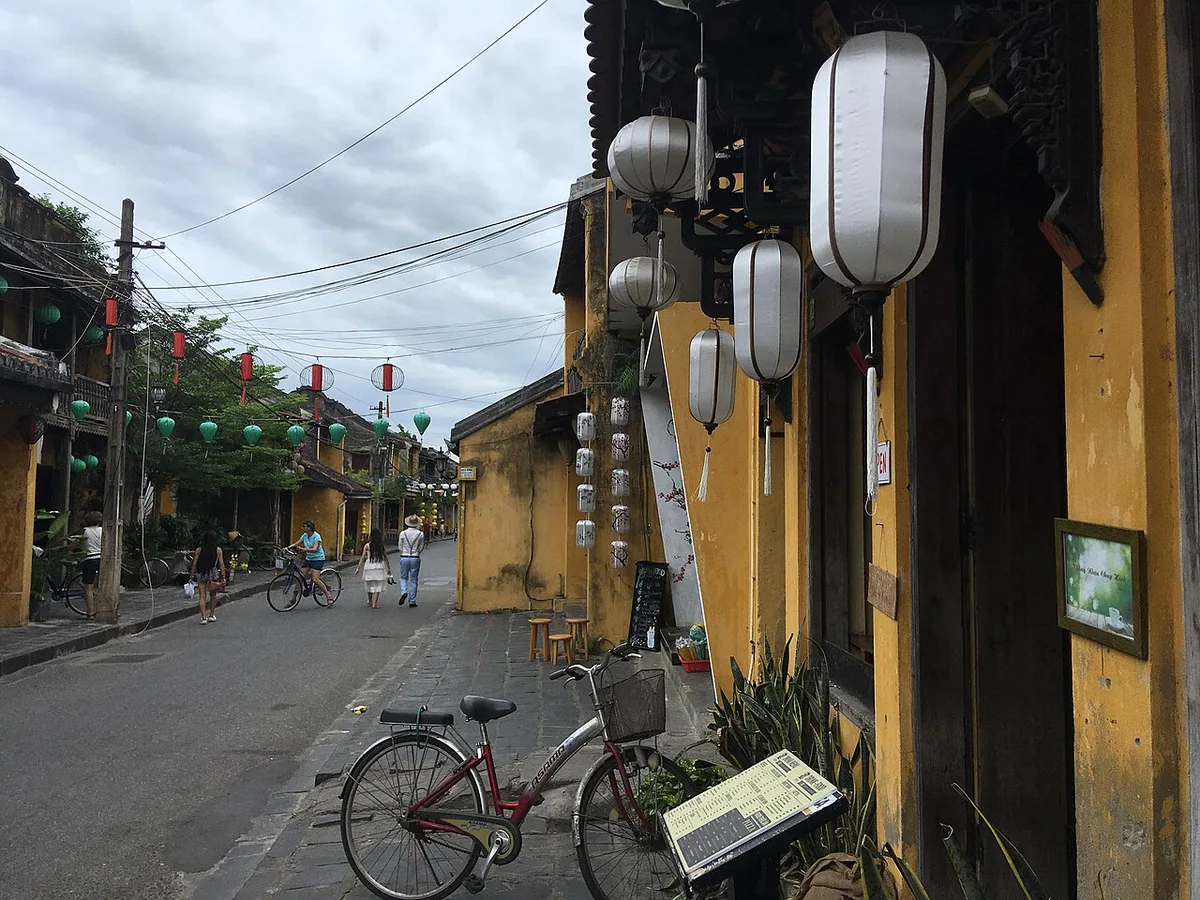
Walking the streets, the riverfront, Central Market and the night market costs nothing. Entry to heritage sites needs an Old Town ticket, priced at ₫120,000 for foreign adults. Children above 15 pay the same, and younger children enter free. One ticket lets you visit 5 sites from a list of more than 20. Booths stand on Tran Phu and Nguyen Thai Hoc streets and at other main approaches. Keep the ticket handy, because staff check it at each site. Fees change over time, so look at the heritage centre's official site for the current rate. Our ticket rules and booth guide covers the details.
A ₫120,000 adult ticket covers five slots, but a separate bridge fee of ₫50,000 may apply, so ask at the booth.
8 Best Sights in Hoi An Old Town, in Walking Order
Prices and hours checked November 2026. Most ticketed sites open at around 8 AM and close around 5 PM, but hours differ by site. Stops 1 to 7 below use your ticket slots, and stop 8 is free.
1. Japanese Covered Bridge
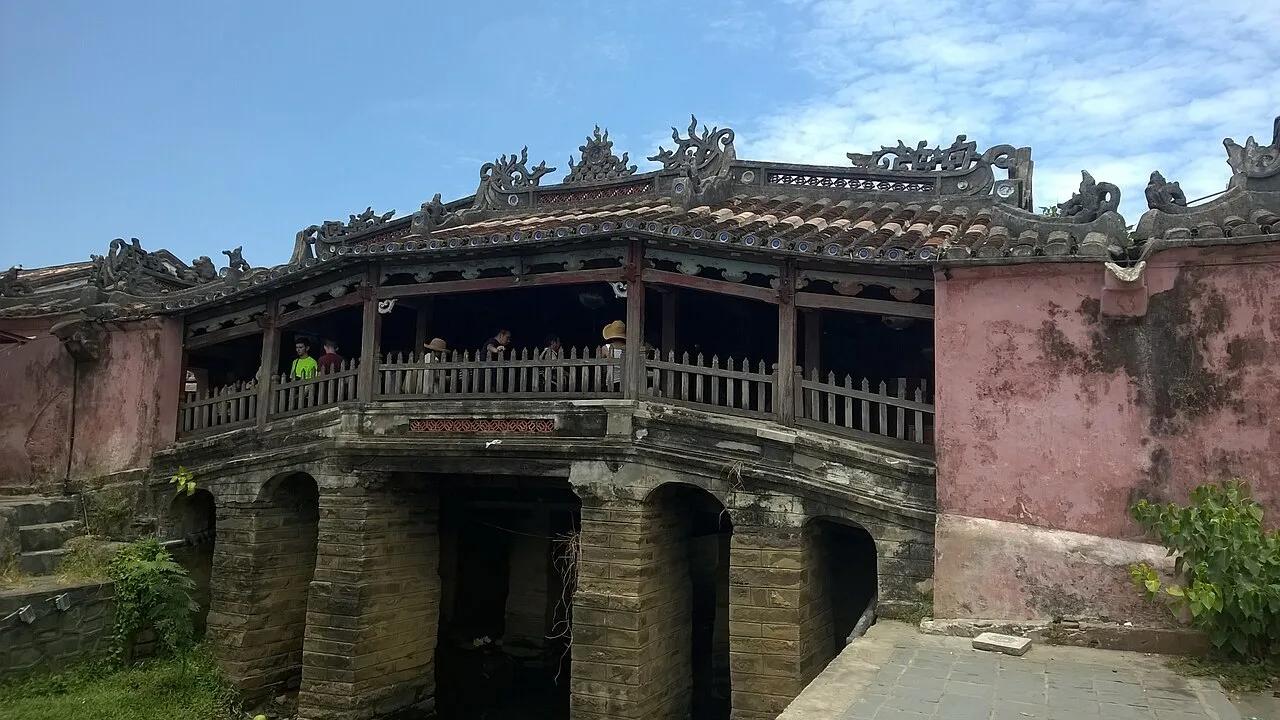
This 18 m wooden bridge is Hoi An's best-known landmark and appears on the ₫20,000 banknote. Japanese merchants built it in the 17th century, and a small shrine to the guardian deity Bac De Tran Vu sits at its center. Walk across to see the interior, then step back to the riverbank for wider views. Come early morning or late afternoon for softer light and thinner crowds.
Sources disagree on whether it uses one of your five slots or carries a separate fee of about ₫50,000, so ask at the booth. Our Chua Cau Bridge guide covers the legends and the guardian statues. Skip the interior if a queue builds; the exterior view from the bank is free.
2. Phung Hung Old House
Phung Hung stands at 4 Nguyen Thi Minh Khai Street, very close to the bridge. It is a two-storey merchant house from the mid-17th century or earlier, and its Japanese-style details reflect the former Japanese quarter. Traders once sold cinnamon, pepper, salt, silk and glassware here.
Today you can watch needleworkers and browse hand-woven embroidery. Allow about 20 minutes. Skip it if you only want grand halls, since Tan Ky tells a similar merchant story in more depth.
3. Tan Ky Old House
Tan Ky is at 101 Nguyen Thai Hoc Street and has been home to seven generations of the Le family. Its tube-shaped plan runs from a street-front shop to a river-side back house, built for loading goods. Marks on the back house record past flood levels, which makes the rainy-season risk concrete.
Carved beams and lacquered boards blend Chinese, Japanese and Vietnamese styles. One source says it may close around noon, so aim for mid-morning. Skip it if you dislike narrow, quiet rooms where visitors move slowly.
4. Hoi An Museum of Folk Culture
This two-storey wooden building at 33 Nguyen Thai Hoc Street explains daily life through four themes: crafts, performing arts, daily life and customs. Displays include costumes, fishing gear, tools, and lantern-making and carpentry exhibits. Allow 45 to 60 minutes.
One source reports it closes on the 20th of each month, so avoid that date. It suits you if you want context before judging the houses. Skip it on a half-day plan, because the houses give more value per minute.
5. Traditional Art Performance House
The house at 66 Bach Dang Street sits by the river, near the folklore museum. Shows run several times a day and mix folk songs, dance, instruments and Bai Choi, a bingo-style singing game. The winner of the game often receives a small gift, usually a lantern.
Show times set the opening hours, so check the board when you buy your ticket. It works well for families and for travelers who prefer something livelier than museums. Skip it if you dislike staged cultural shows.
6. Museum of Trade Ceramics
Found at 80 Tran Phu Street, this two-floor wooden house opened to visitors in 1995 after restoration with Japanese specialists. Roughly 400 pieces tell the story of the port, including Chinese, Thai and Japanese wares from the 13th to 17th centuries. Go during midday heat, since the courtyard and upper floor stay shaded.
Plan about 30 minutes. Skip it if ceramics do not interest you, because Fujian Assembly Hall covers the Chinese-community story with more color.
7. Fujian Assembly Hall
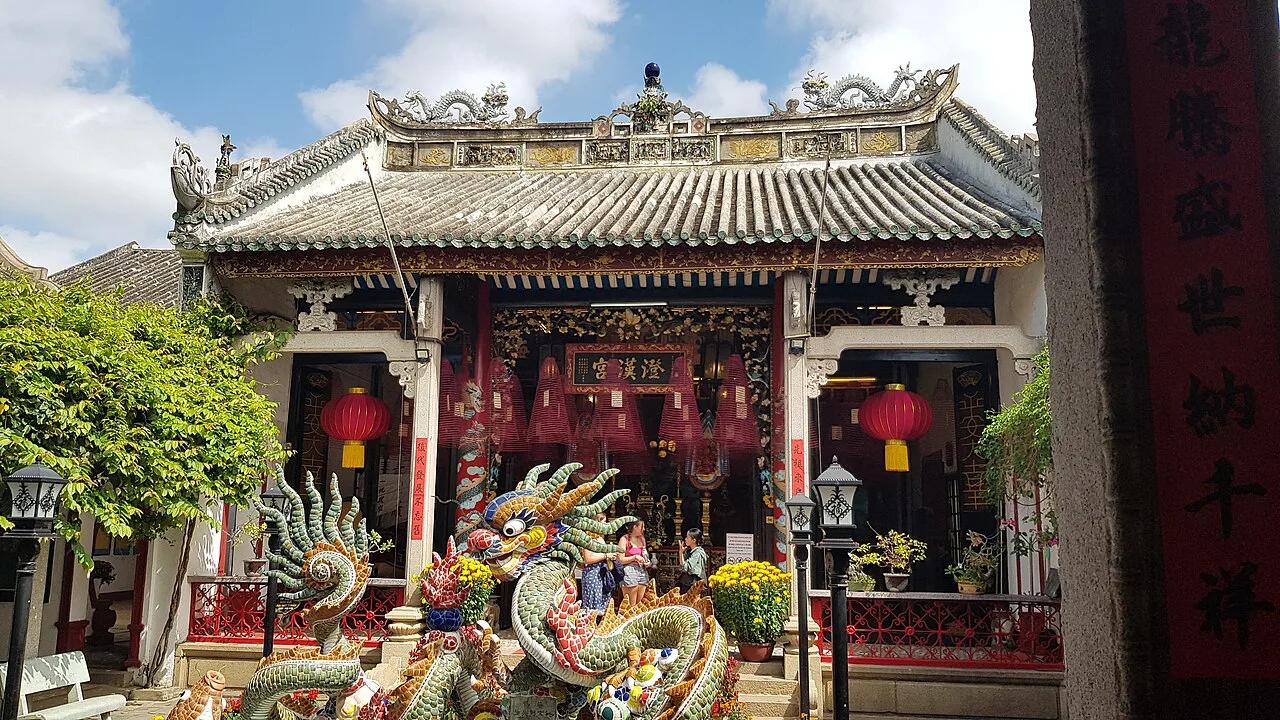
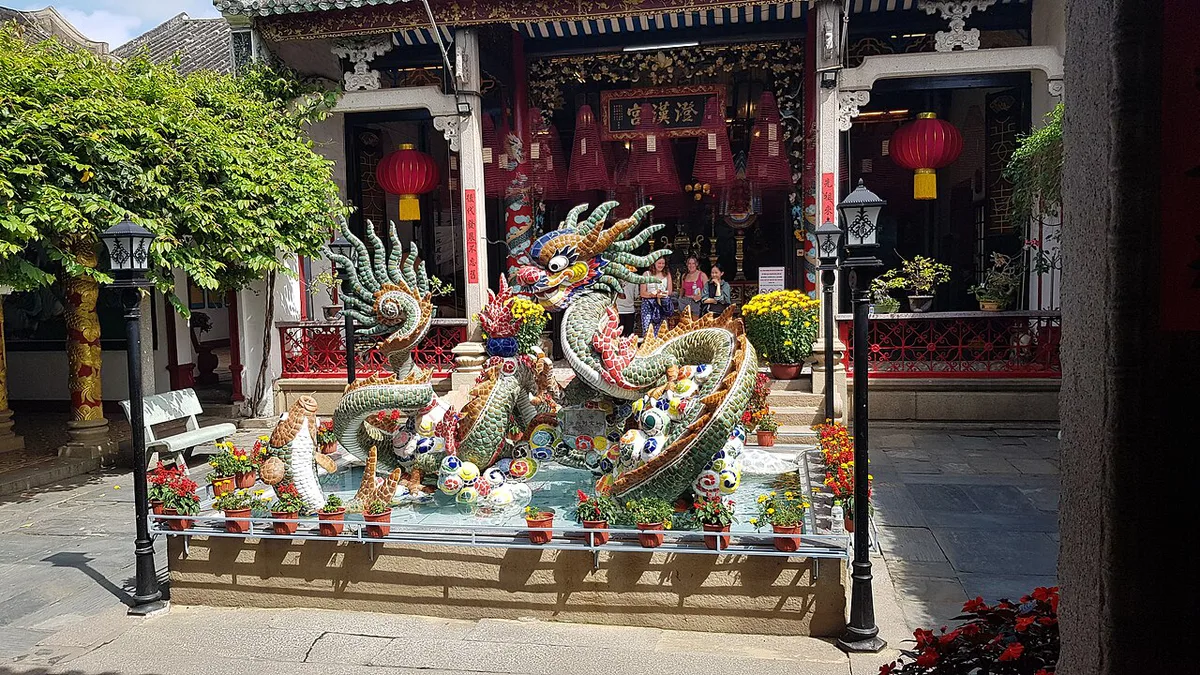
The hall at 46 Tran Phu Street dates to the 17th century and honors Thien Hau, the sea goddess who protects sailors. Pass the three-door gate, then cross the courtyard to the main hall. Inside are statues, incense coils hung with wishes, and 14 lacquered boards.
Morning or late afternoon gives a calmer visit. Our assembly hall comparison helps you choose among the five halls. Skip extra halls if you have already seen one, because their layouts overlap.
8. Central Market and the Hoai River
Central Market lies between Tran Phu and Bach Dang streets, and it needs no ticket slot. Stalls are grouped into fresh produce, seafood, dry goods and a large food court. Go early for the local rhythm, and bring cash.
Boats leave from the Bach Dang riverside, so use licensed operators and agree the price first. Watch your belongings when it gets crowded. Skip the market at midday if heat bothers you.
Choosing Your 5 Ticket Sites
The ticket allows five sites, so pick by interest rather than ticking everything. Our editorial picks below pair nearby sites to save walking. If you want more than five, extra tickets usually do not pay off, because the free streets and market fill the gaps. Details on what counts are in our ticket-choosing guide.
| Traveler type | Suggested five sites | Why |
|---|---|---|
| Architecture fans | Tan Ky, Phung Hung, Duc An, Fujian Assembly Hall, Tran Family Chapel | Merchant houses and a family chapel show different building styles |
| Religion and community history | Fujian Assembly Hall, Trung Hoa Assembly Hall, Quan Cong Temple, Cantonese Assembly Hall, Minh Huong Communal House | Five communities, five patron deities |
| Trade and museum lovers | Museum of Trade Ceramics, Folk Culture Museum, Sa Huynh Culture Museum, Tan Ky, Phung Hung | Port history from early burial jars to merchant houses |
| Families and short attention spans | Traditional Art Performance House, Folk Culture Museum, Tan Ky, Fujian Assembly Hall, Japanese Covered Bridge | Live show plus short, varied stops |
| First-timers with one day | Japanese Covered Bridge, Tan Ky, Phung Hung, Fujian Assembly Hall, Trade Ceramics | Best overview of the town's core |
Sample Routes: Half Day, One Day, Two Days
Times below are our estimates, not official schedules. Start at the west end of Tran Phu Street near the bridge and work outward. Leave the heat of early afternoon for indoor stops or a cafe such as Faifo Coffee at 130 Tran Phu Street, where drinks run ₫40,000 to ₫70,000.
| Plan | Stops | Time estimate |
|---|---|---|
| Half day | Japanese Covered Bridge, Phung Hung, Tan Ky, Fujian Assembly Hall | About 3 to 4 hours |
| One day | Half-day stops plus Folk Culture Museum, Trade Ceramics, Central Market lunch, riverside evening | About 8 hours with breaks |
| Two days | Day one as above; day two covers the Performance House, extra halls, Thanh Ha or Tra Que | Full day plus a morning |
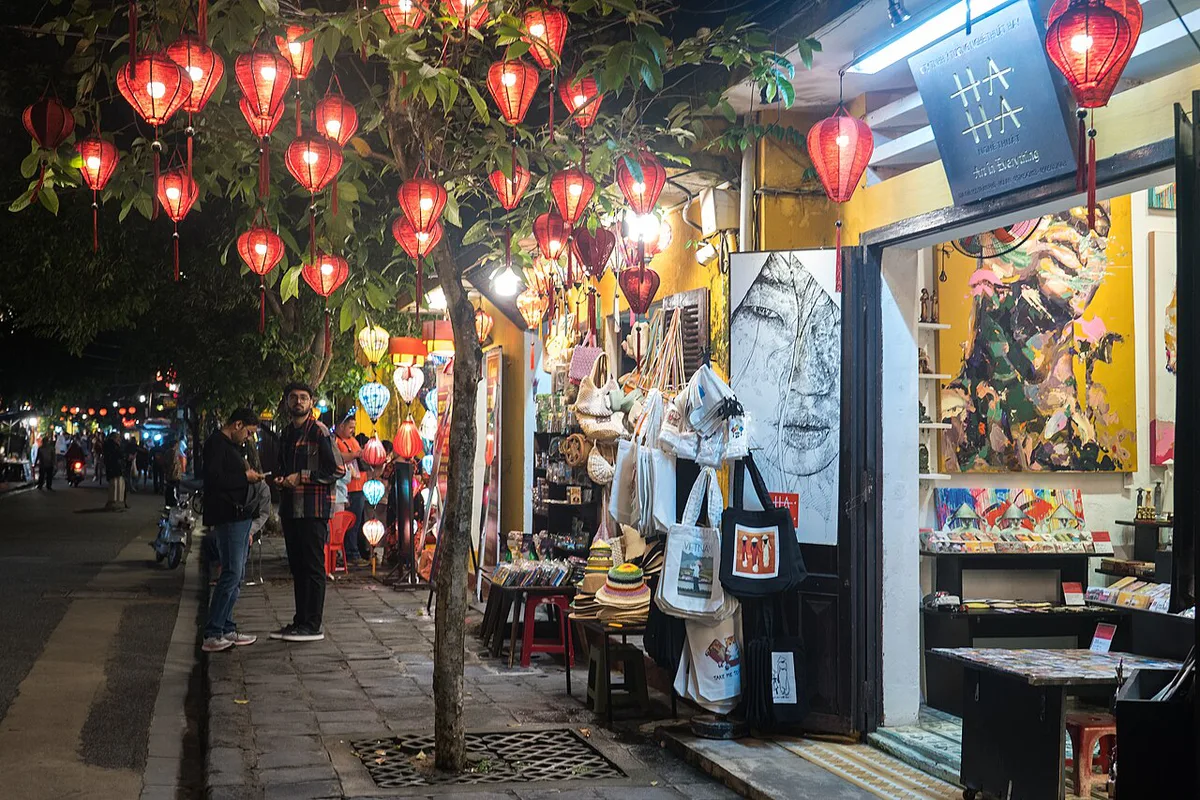
Old Town After Dark: Lanterns, River, Night Market
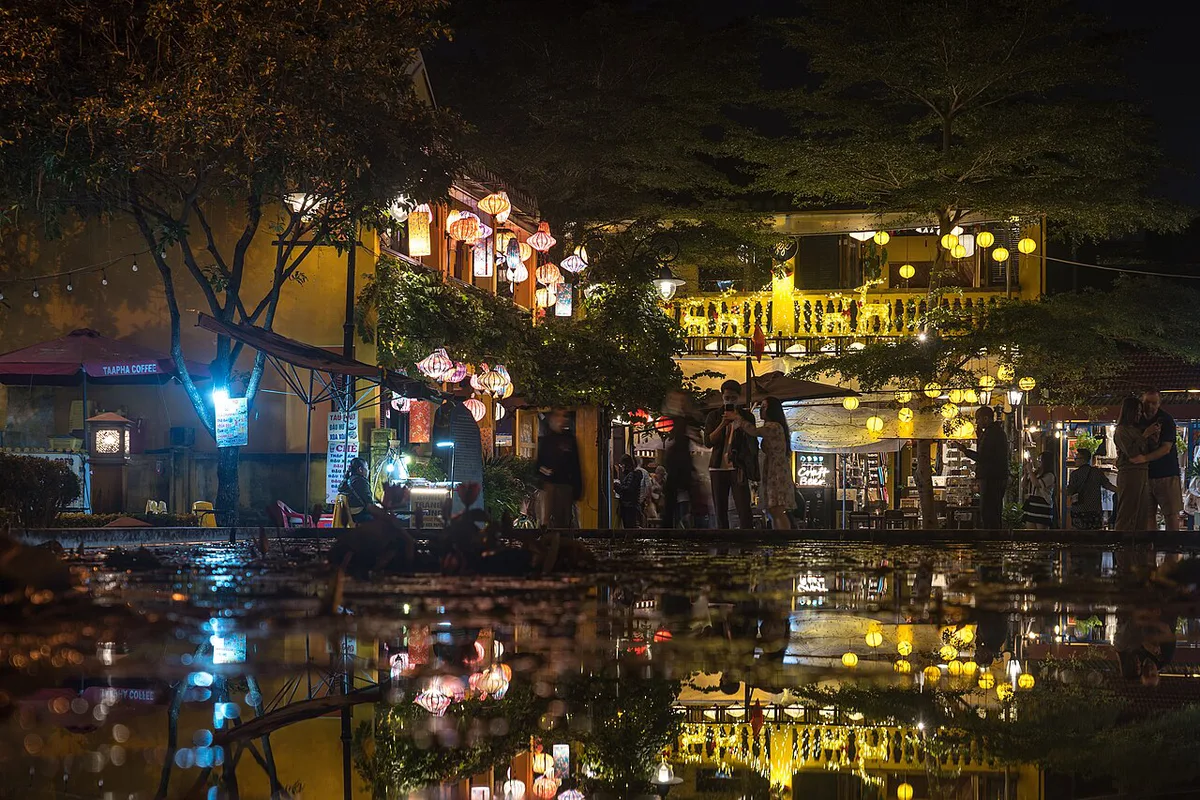
After sunset, streets around the Hoai River fill with silk lanterns, and many lanes become pedestrian-only. The night market opens from 5 PM to 11 PM along Nguyen Hoang Street, a 300 m stretch with about 50 stalls. Our night market stall guide lists what to buy. On the 14th day of each lunar month, lights in parts of the Old Town dim so lanterns and floating candles stand out. The first such night after Lunar New Year is usually the busiest. Look up the current calendar on the heritage center's site. A short Thu Bon River boat ride costs about ₫150,000 to ₫200,000 for a boat. Bring small notes, agree the price before boarding, and use licensed boats from Bach Dang or the An Hoi Bridge area.
Ticketed sites close around 5 PM, so the night market's 5 PM to 11 PM run gives the evening slot to free streets.
What to Eat in the Old Town
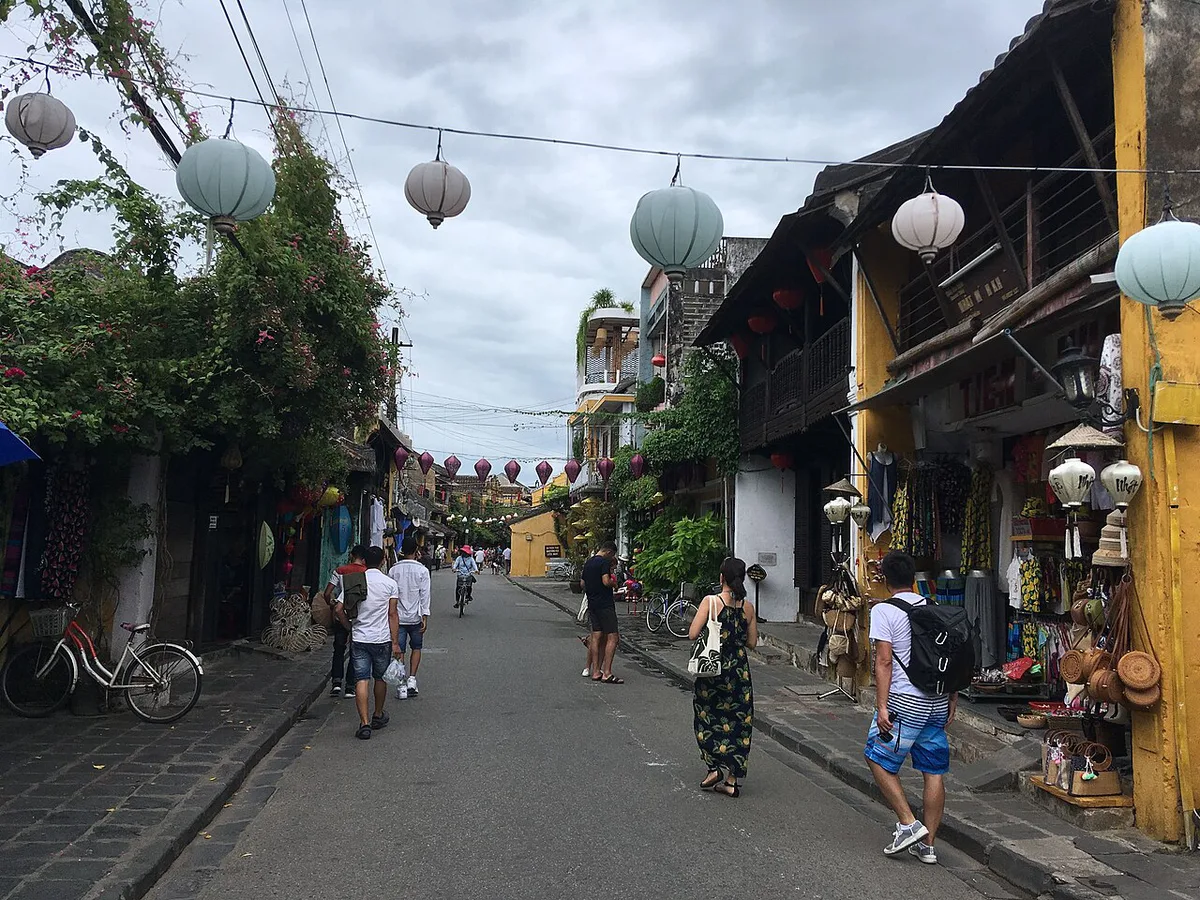
Central Market's food court is the easiest place to sample the big four in small portions. Prices below come from published ranges and shift between stalls. Banh Mi Phuong is a well-known banh mi stop, and Com Ga Ba Buoi is a known chicken rice spot. Carry cash for stalls and street vendors.
| Dish | What it is | Typical price |
|---|---|---|
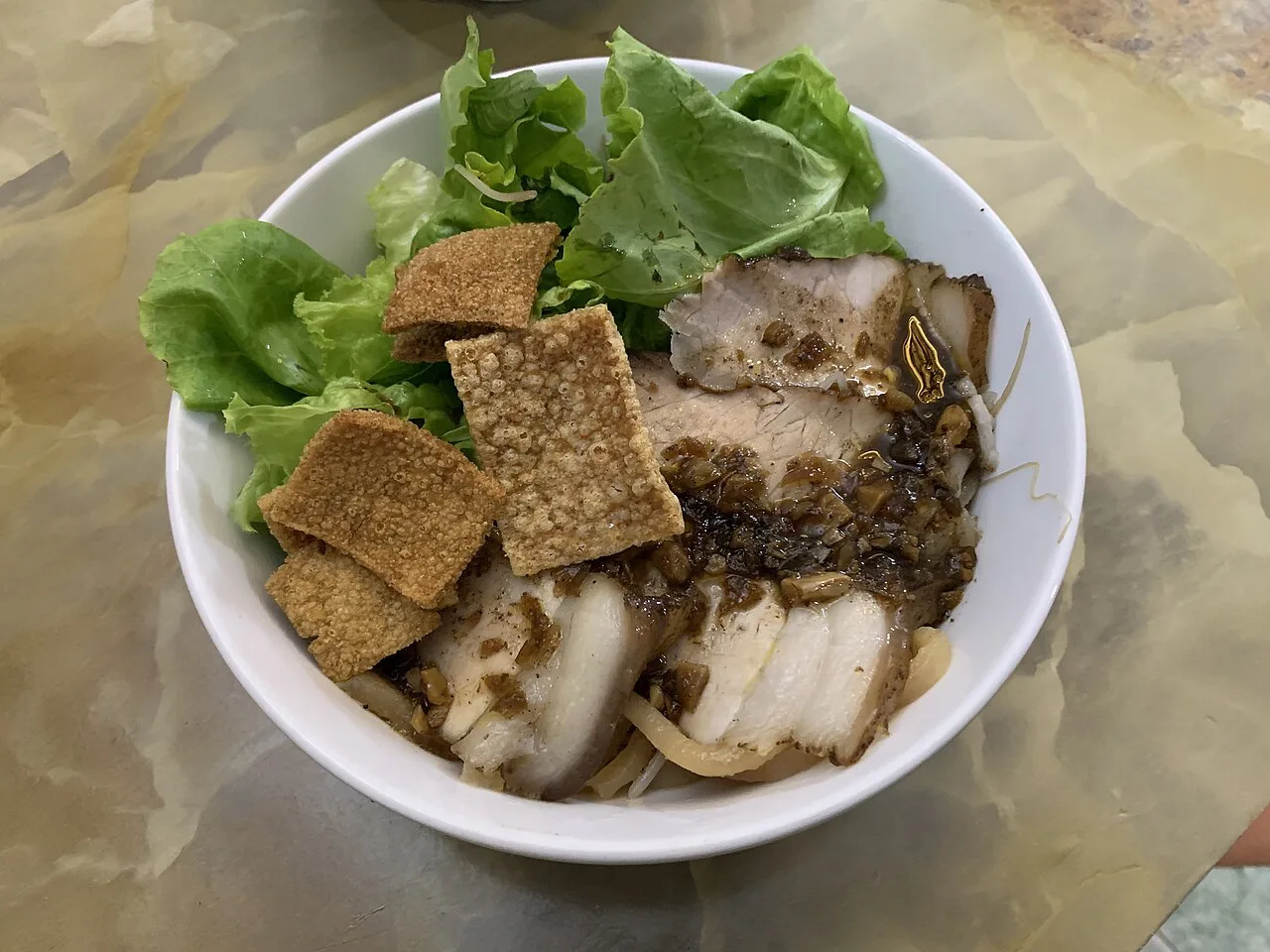
| Cao lau | Thick noodles with roast pork, herbs and crisp toppings | ₫25,000 to ₫50,000 |
| Mi Quang | Turmeric noodles with a little broth, peanuts and rice crackers | ₫15,000 to ₫50,000 |
| Banh mi | Baguette with meat, pickles, herbs and chili | ₫20,000 to ₫40,000 |
| Chicken rice | Turmeric rice with shredded chicken and side broth | ₫25,000 to ₫50,000 |
Best Time to Visit Hoi An Old Town
Sources differ on exact month ranges, so treat the table as a guide. Daytime highs average roughly 25 to 30°C in the drier months. For flood and typhoon updates, check Vietnam's national weather service before booking. Tan Ky's flood marks show why the rainy months matter. Crowds follow the lantern calendar more than the weather.
| Months | Conditions | Trade-off |
|---|---|---|
| February to April | Warm and dry | Best walking weather, higher crowds |
| May to August | Hotter, with June and July the peak heat | Go early morning or late afternoon |
| September to January | Rainy season with possible flooding | Quieter streets, but lower floors can flood |
Getting There and Getting Around
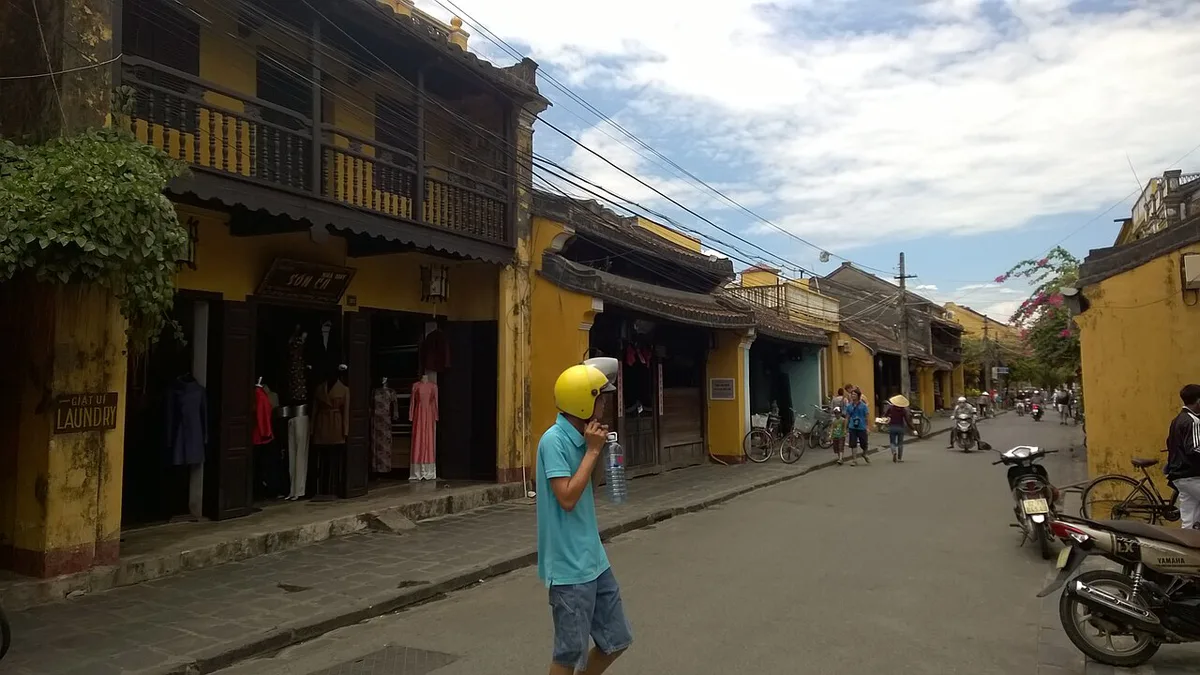
Da Nang International Airport is about 30 km from the Old Town, a drive of 45 to 50 minutes. Taxis, ride-hailing apps and private cars all work, and shuttle vans and buses also run from Da Nang, Hue and Nha Trang. Inside the Old Town, walking and cycling are the best options, because motorbikes are restricted on key streets during certain hours. Your hotel can tell you the current schedule. Carry small notes for boats, lanterns and market stalls.
Where to Stay: Inside the Old Town or Near the Beach
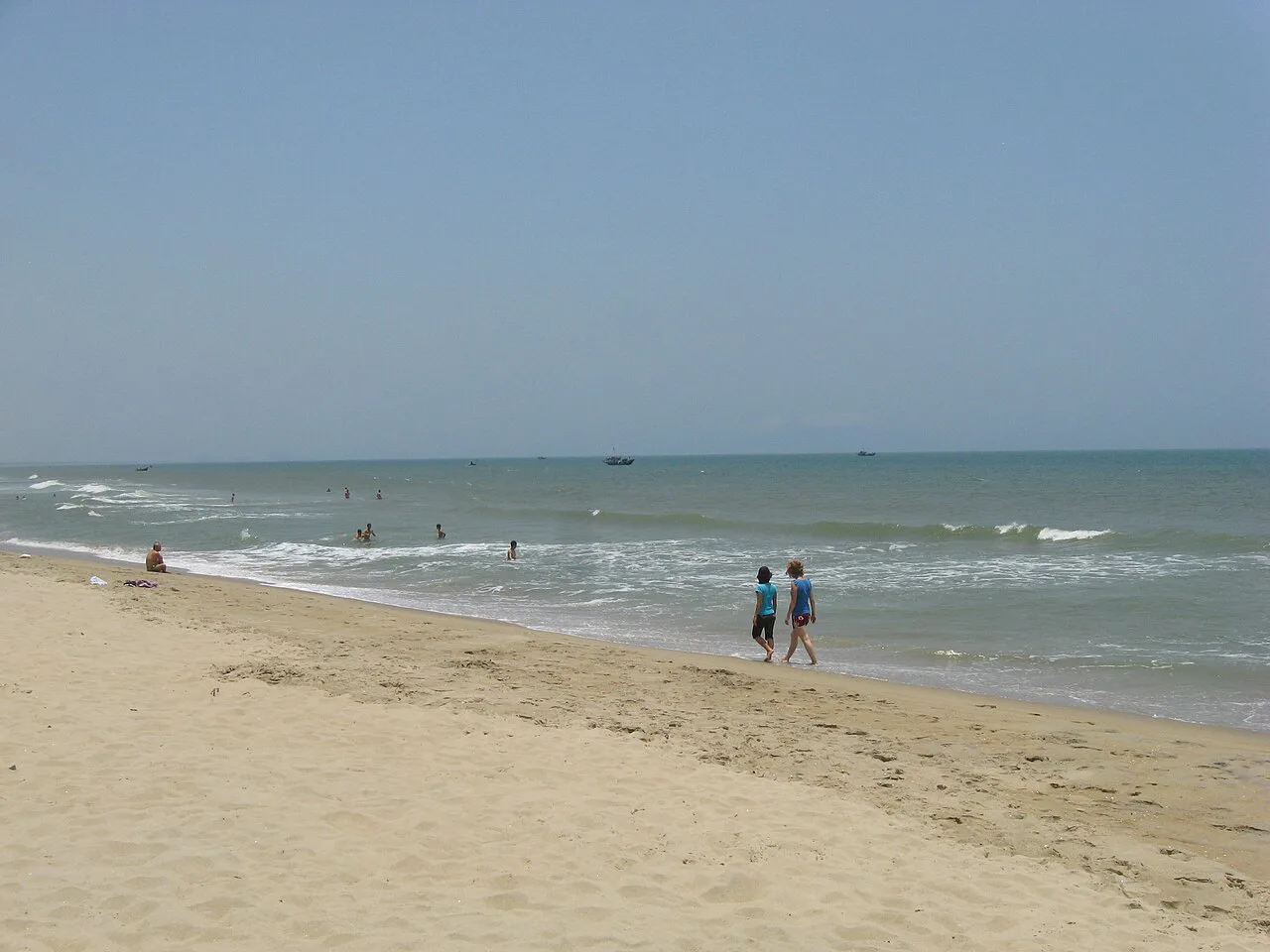
Staying inside the Old Town puts you steps from lantern streets, cafes and Central Market. Expect more evening noise, so ask for a garden-facing room. An Bang Beach lies roughly 3 to 5 km away and suits travelers who want sea access and a calmer night. Many hotels between the two offer free bicycles or beach shuttles. Weigh walkability against beach time, and note that low-lying riverside streets flood in the rainy season.
Day Trips and What to Do Next
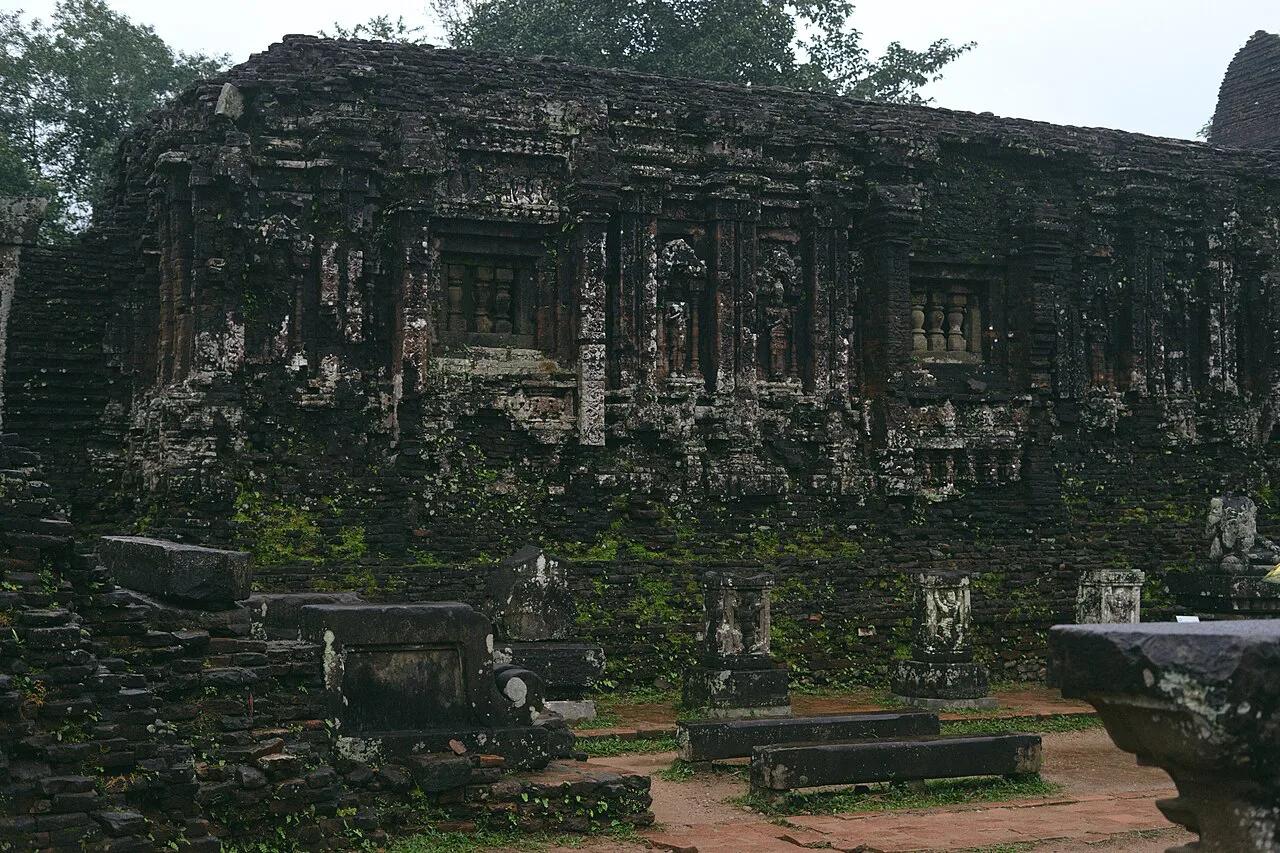
Thanh Ha Pottery Village is about 3 km away and suits craft lovers. Tra Que Vegetable Village sits about 4 km out and offers a farm-to-table meal or cooking class. My Son Sanctuary lies about 40 km away and holds Cham temple ruins. Da Nang is roughly 30 km north and offers city life and bridges. Hue, with its imperial citadel, needs a longer day or an overnight stay.
Mistakes to Avoid
Most problems come from rushing or from agreeing nothing in advance. Use the table as a quick checklist before you set out.
| Mistake | Better move |
|---|---|
| Boarding an unlicensed boat without a price | Use official kiosks and agree the fare first |
| Losing your ticket | Keep it on you, because each site checks it |
| Arriving at noon | Some sites close around midday, so go mid-morning |
| Dressing for the beach | Cover shoulders and knees for temples and halls |
| Skipping cash | Carry small notes for boats, lanterns and stalls |
Building the rest of the trip? Our Hoi An attractions guide covers the sights, districts and logistics around this guide.
Frequently Asked Questions
When should I avoid Hoi An?
Roughly September to January is the rainy season, and flooding can reach the Old Town's lower floors. Sources vary on exact months, so check the current forecast before booking. February to April is the usual pick for dry weather.
Which is nicer, Da Nang or Hoi An?
Hoi An suits walking among heritage houses, halls and lantern-lit streets. Da Nang, about 30 km north, offers a larger city with bridges and modern amenities. Many travelers use Da Nang for the airport and Hoi An for the stay.
Explore More Hoi An Guides
Keep planning your Hoi An trip with these guides.
Hoi An Guides
Useful notes for your Vietnam trip
Optional updates to our guides.
You might also like
Continue reading
More guides you'll find useful