Getting Around Sapa: Taxi, Motorbike, Walking & Costs
Getting around Sapa made simple: when to walk, taxi, hire a motorbike or bike, typical costs in VND, safety tips, and routes to Cat Cat and Fansipan.
On this page
Last updated November 2026: getting around Sapa comes down to one rule. Walk the compact centre around Sapa Square and Sapa Stone Church, and pay for a ride to almost everything else. Villages and viewpoints sit 2 to 10+ km from town, so see our guide to reaching Sapa from Hanoi first if you have not arrived yet.
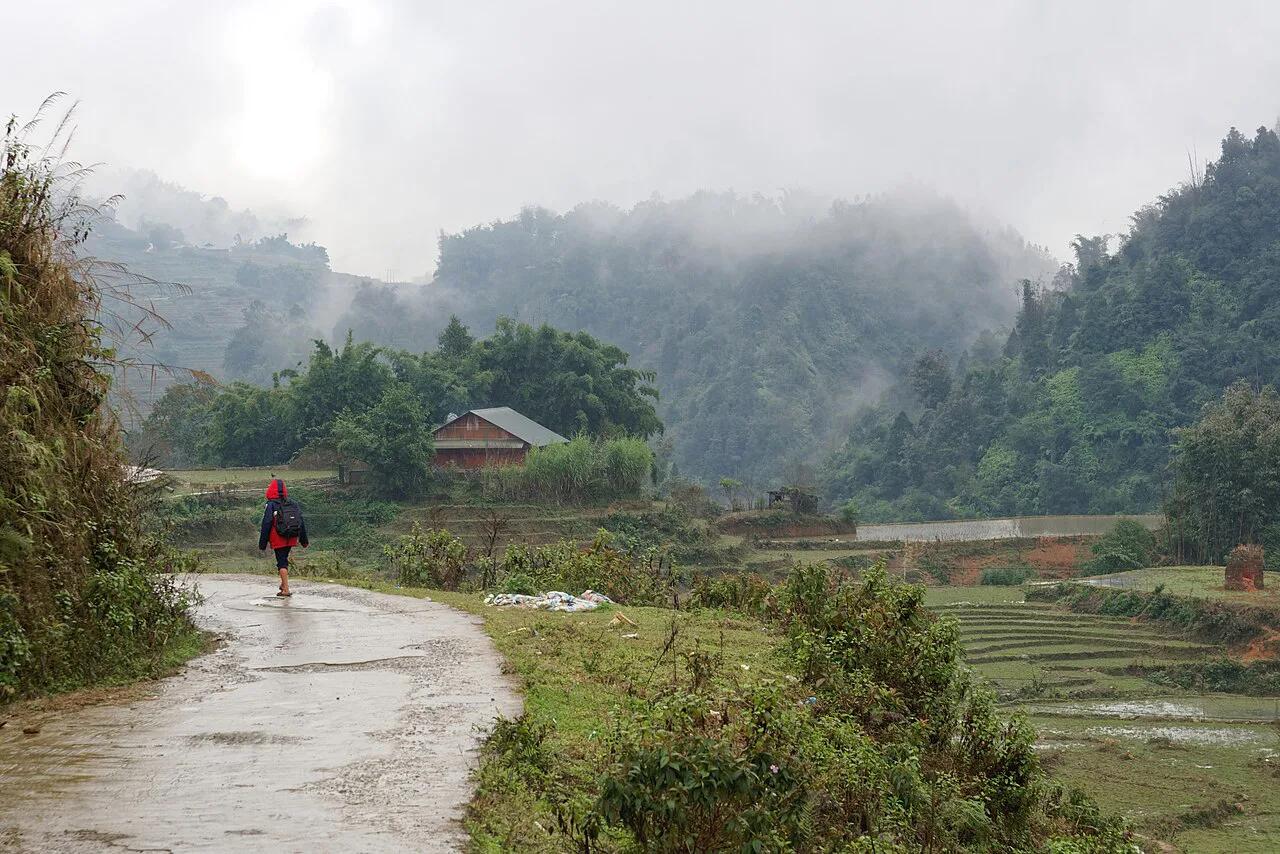
Featured image: Christophe95, CC BY-SA 4.0, via Wikimedia Commons.
Getting Around Sapa at a Glance
Walk the town centre. Take a taxi, Grab or Be for rides across town, usually about 50,000₫ per trip. Hire a motorbike taxi (xe ôm) for steep sections and village pickups. Rent a bike only if you ride confidently on wet, winding roads. Prices in this guide were checked in November 2026 and are rounded, so read them as ranges.
Best Way to Get Around Sapa by Trip Type
Our pick for most visitors is walking plus ride-hailing. It keeps costs low and avoids mountain-road risk. Use the table to match a mode to your day.
| Mode | Typical cost | Best for | Weather limits |
|---|---|---|---|
| Walking | Free | Town centre, Cat Cat trail down | Muddy and slippery after rain |
| Taxi, Grab or Be | About 50,000₫ per town ride | Short hops, luggage, evenings | Fog slows traffic |
| Motorbike taxi (xe ôm) | 50,000–100,000₫ back to town from a remote spot | Pickups after valley hikes | Avoid on wet, steep roads |
| Rented motorbike | About 120,000₫ per day | Confident riders, flexible stops | Poor in fog and heavy rain |
| Rented bicycle | From about 50,000₫ per day | Flat stretches near town | Steep climbs, wet roads |
| Guided motorbike tour | From about 800,000₫ per person | Ô Quy Hồ Pass without riding yourself | Pass can close in rainy season |
| Fansipan cable car | About 700,000₫ round trip | Summit views with no trek | Fog hides the view |
- Staying in town: walk, and take a taxi for the uphill return.
- Valley hike: walk down, then book a motorbike taxi back.
- Views with no effort: use the cable car.
- Dry weather and riding experience: rent a motorbike.
Walking in Sapa Town: What's Easy and What Isn't
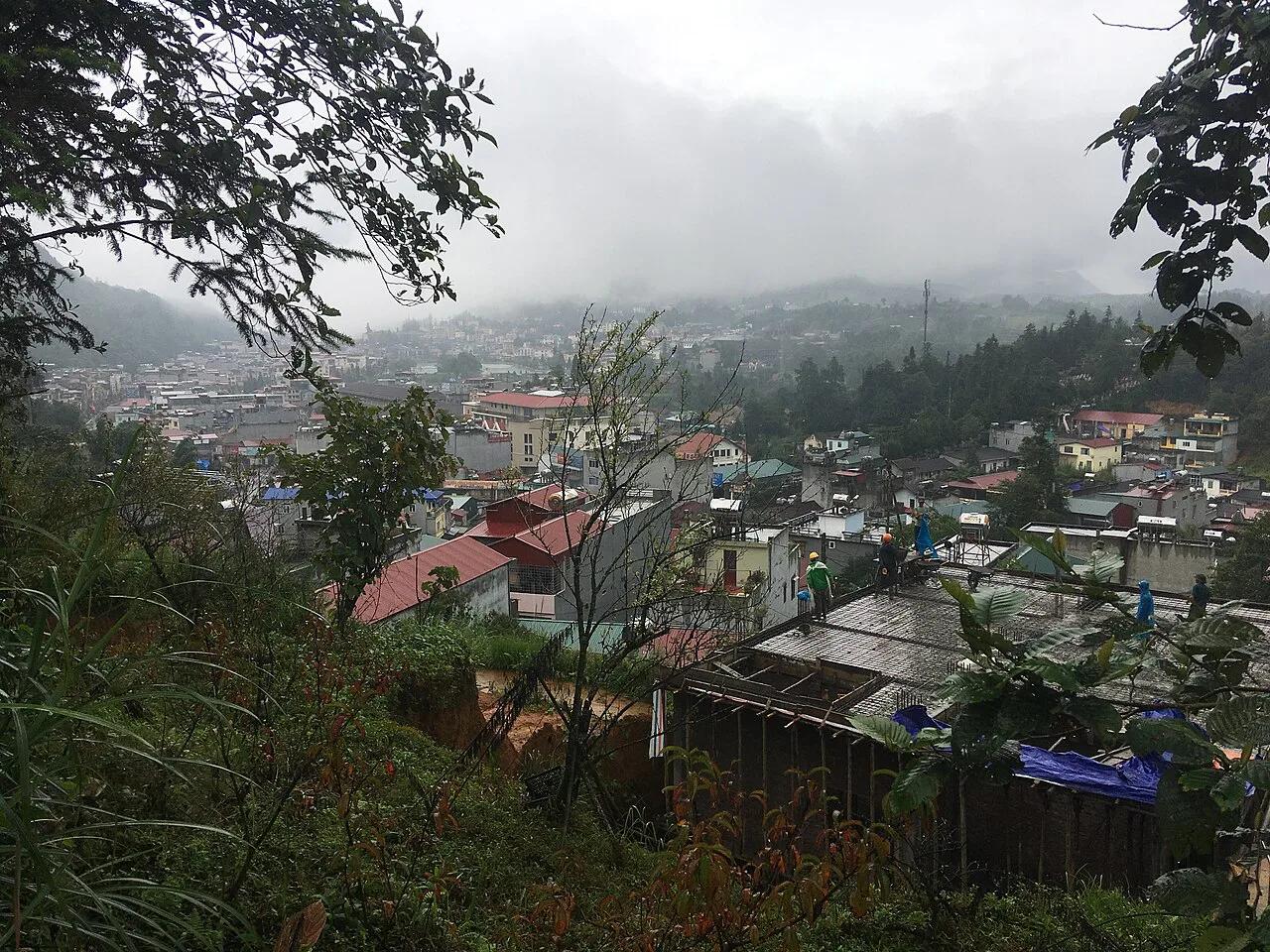
Sapa town sits on a hill, so even short walks involve slopes. Sapa Stone Church stands just above the town square. Phan Xuan Huan runs along the south side of the church and is lined with market stalls and cheap guesthouses. Cau May is the main strip for restaurants, with two ATMs that accept foreign cards. The Thac Bac road has more cafes. Fansipan road leads toward Cat Cat. Walking down to the valley is easy. Walking back up is the hard part, so plan a ride for the return.
Taxis, Grab and Be in Sapa
Taxis can be hailed on the street or booked through the Grab and Be apps. Most rides inside town cost about 50,000₫. Agree the fare or confirm the meter before you set off. App coverage in the surrounding valleys is patchy, so check whether a driver is available before you walk far from the centre. Taxis are our default for luggage, late evenings and rainy afternoons.
Motorbike Taxis (Xe Ôm) and Guided Motorbike Rides
Drivers wait around Sapa Square and along most roads out of town. A pickup back to town from a remote spot runs 50,000–100,000₫, depending on distance. Settle the price before you climb on, and ask for a helmet. For a longer day, a guided motorbike ride along Ô Quy Hồ Pass starts around 800,000₫ per person. We'd choose this over riding yourself if you have never handled mountain roads.
Renting a Motorbike or Bicycle in Sapa
A rented motorbike costs about 120,000₫ per day, depending on the bike. Bicycles start at about 50,000₫ per day. Rental shops may not ask for papers, but that does not make riding without a licence legal. We'd carry an international driving permit and check Vietnamese traffic rules with your embassy. Always wear a helmet and arrange travel insurance that covers riding. Slopes, fog and rain make Sapa a poor place to learn. Skip the rental if you have never ridden a geared or semi-automatic bike.
Cheap at 50,000₫ per day, a bike loses its appeal in June to August, the rainy season when wet roads make steep riding risky.
Getting to Cat Cat, Muong Hoa Valley, Ta Phin and Other Villages
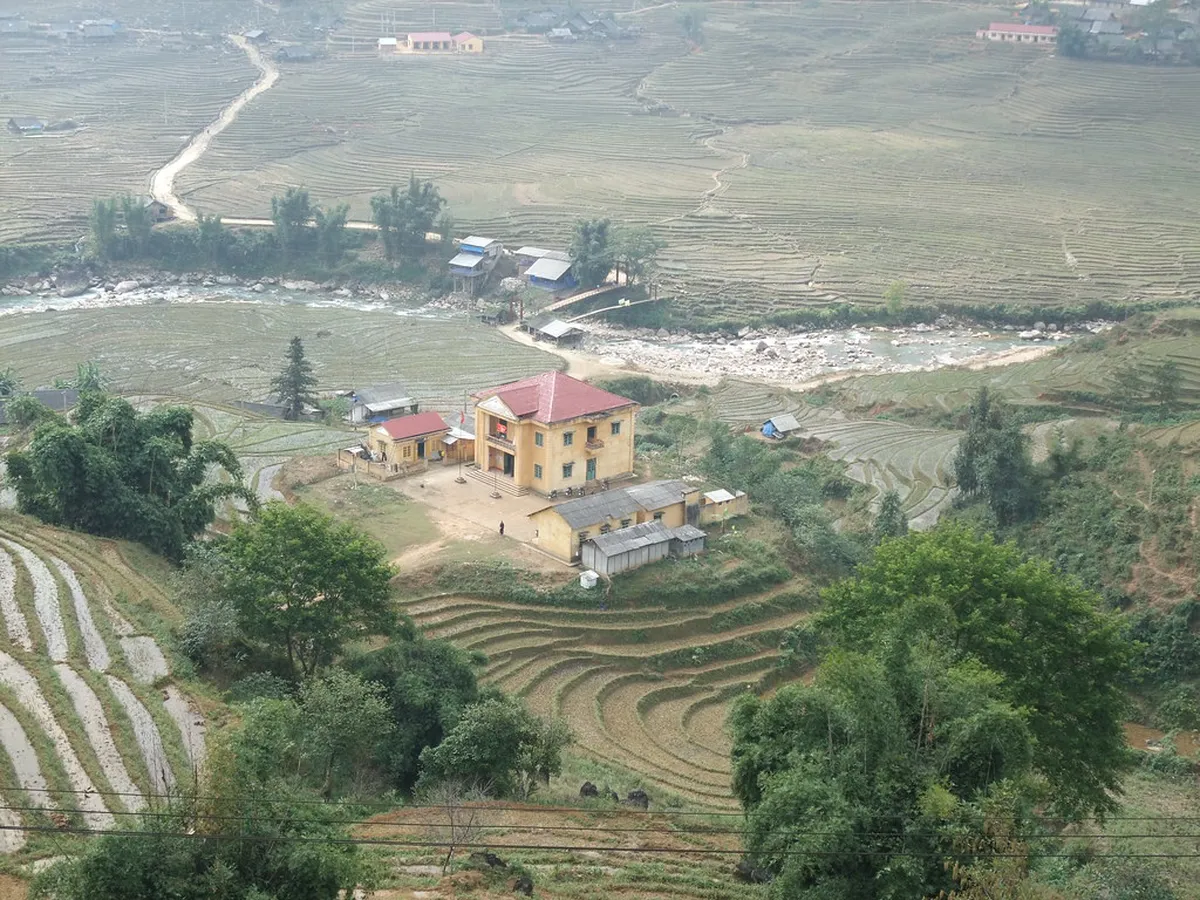
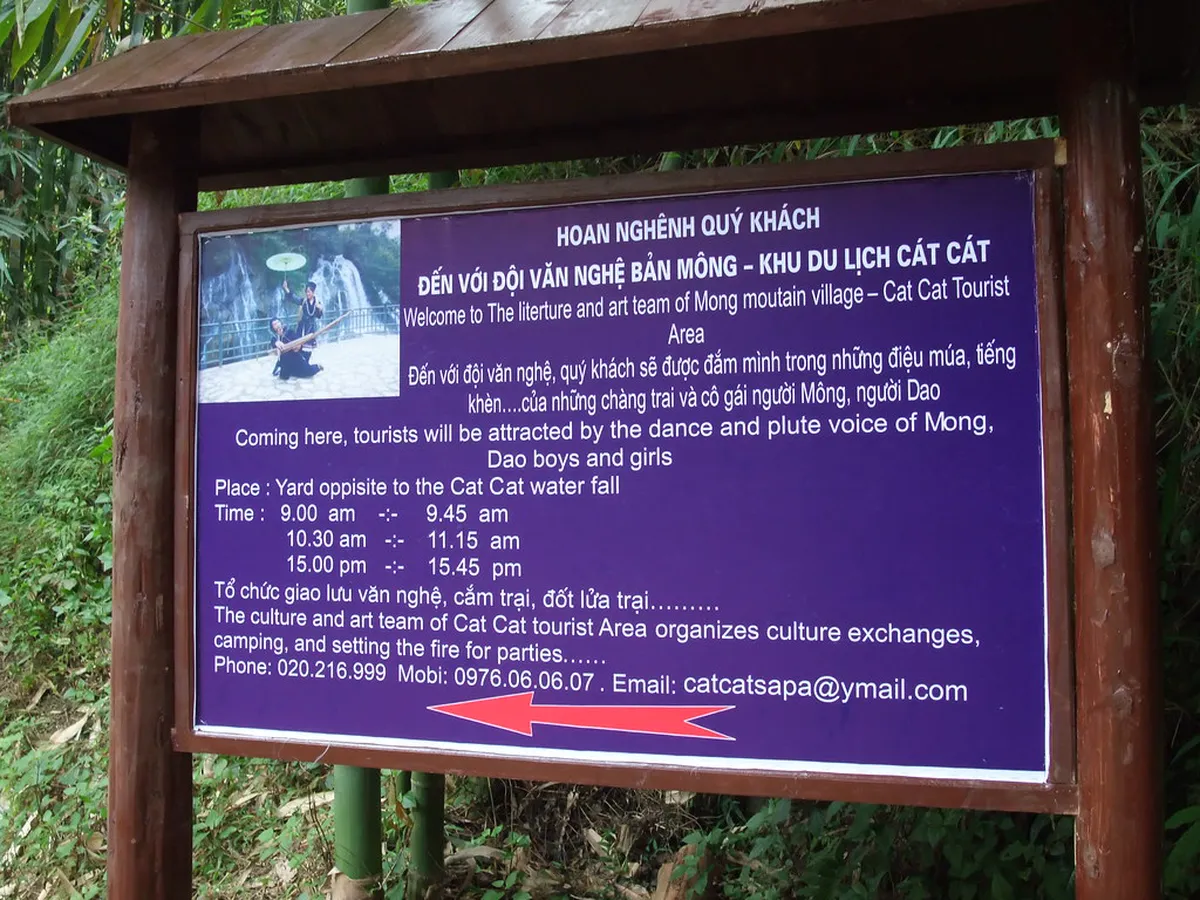
Vietnam's tourism board says villages such as Cat Cat and Ta Phin can be visited without a guide. Cat Cat charges 70,000₫ and opens 9am to 6pm daily. Villages inside Hoang Lien National Park charge admission, so carry small notes. Women from nearby villages often offer to guide visitors around Sapa Square. A polite "no, thank you" is enough if you prefer to go alone. Guided Muong Hoa Valley treks run roughly 300,000–700,000₫.
Cat Cat opens 9am to 6pm, so pair a morning walk down with a 50,000–100,000₫ xe ôm ride back, about 120,000–170,000₫ for the half-day.
| Destination | Sensible mode | Guide needed? |
|---|---|---|
| Cat Cat Village | Walk down, xe ôm or taxi back up | No |
| Lao Chai and Ta Van (Muong Hoa Valley) | Walk, ideally on a guided trek | Helpful: trails are unmarked in places |
| Ta Phin | Check locally | No |
| Fansipan cable-car station | Taxi or Grab | No |
| Silver and Love waterfalls | Check locally; they lie on the road toward the glass bridge | No |
| Sapa market and town centre | Walk | No |
Getting to Fansipan, Waterfalls and Ô Quy Hồ Pass
The Fansipan cable car runs 7:30am to 4:30pm and costs about 700,000₫ round trip. The ride takes 15 to 20 minutes, depending on the source. From the arrival station, allow 20–30 minutes on foot to reach the 3,143 m summit. Go early on a clear morning, because fog often covers the view. The glass bridge costs 100,000₫ and opens 7:30am to 5:30pm. It is about a 30-minute scooter ride from town. Ô Quy Hồ Pass is roughly 50 km (31 miles) from Sapa and can close in the rainy season. Silver Waterfall and Love Waterfall sit along the same road.
Weather, Fog and Seasonal Limits on Getting Around
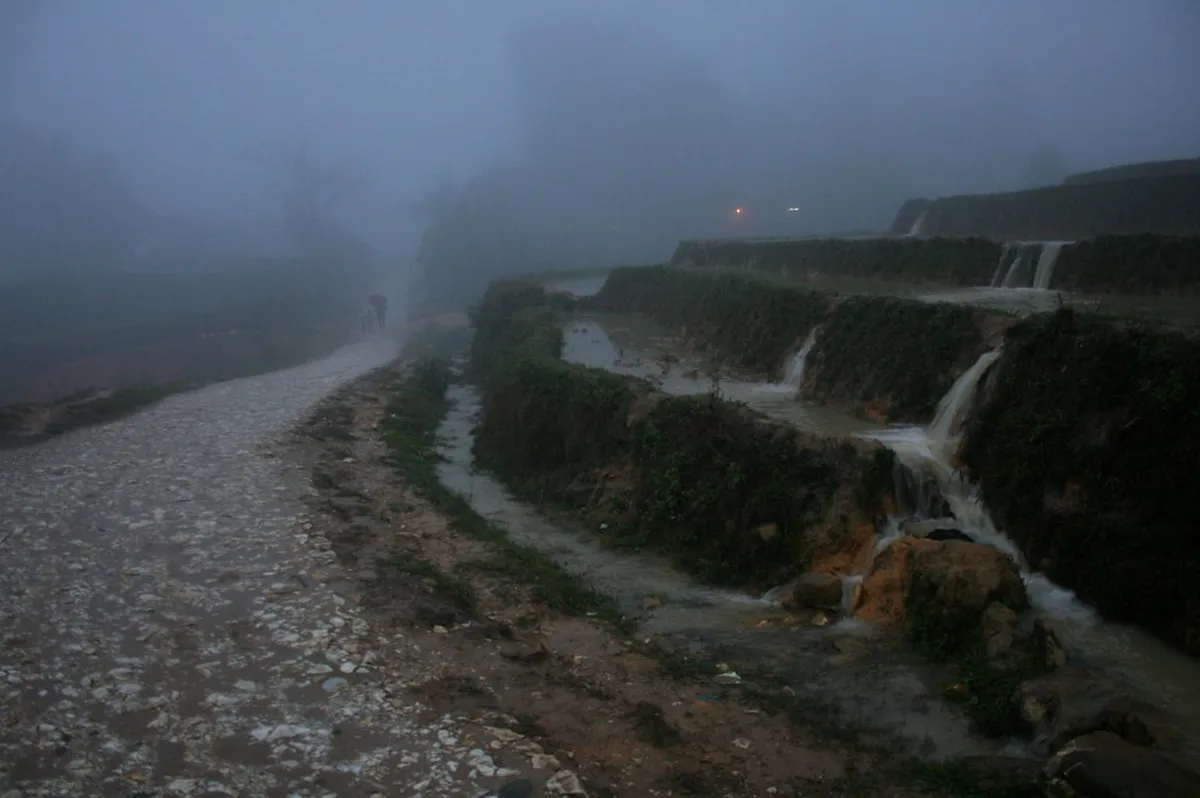
September to November is dry and cool, at 15–25°C. March to May is milder, at 15–20°C, with spring rain. June to August is the rainy season, and July and August are the wettest months. December to February is cold, with fog that can disrupt the cable car. In wet months, favour taxis over rented bikes. Muddy village trails become slippery, so wear shoes with grip.
Sample Transport Plans for 1 Day (Three Styles)
Each plan lists costs per person, using the rounded prices above. Fuel and meals are extra.
- Half-day without a vehicle: walk down to Cat Cat (70,000₫ entry), then take a motorbike taxi back to town (50,000–100,000₫). Total: about 120,000–170,000₫.
- One day with a rented motorbike: rent a bike (about 120,000₫), visit Cat Cat (70,000₫) and the glass bridge (100,000₫). Total: about 290,000₫, plus fuel.
- No-ride, no-trek day: take a taxi each way (about 50,000₫ per ride) and the cable car (about 700,000₫). Total: about 800,000₫.
Safety, Scams and Etiquette on the Road
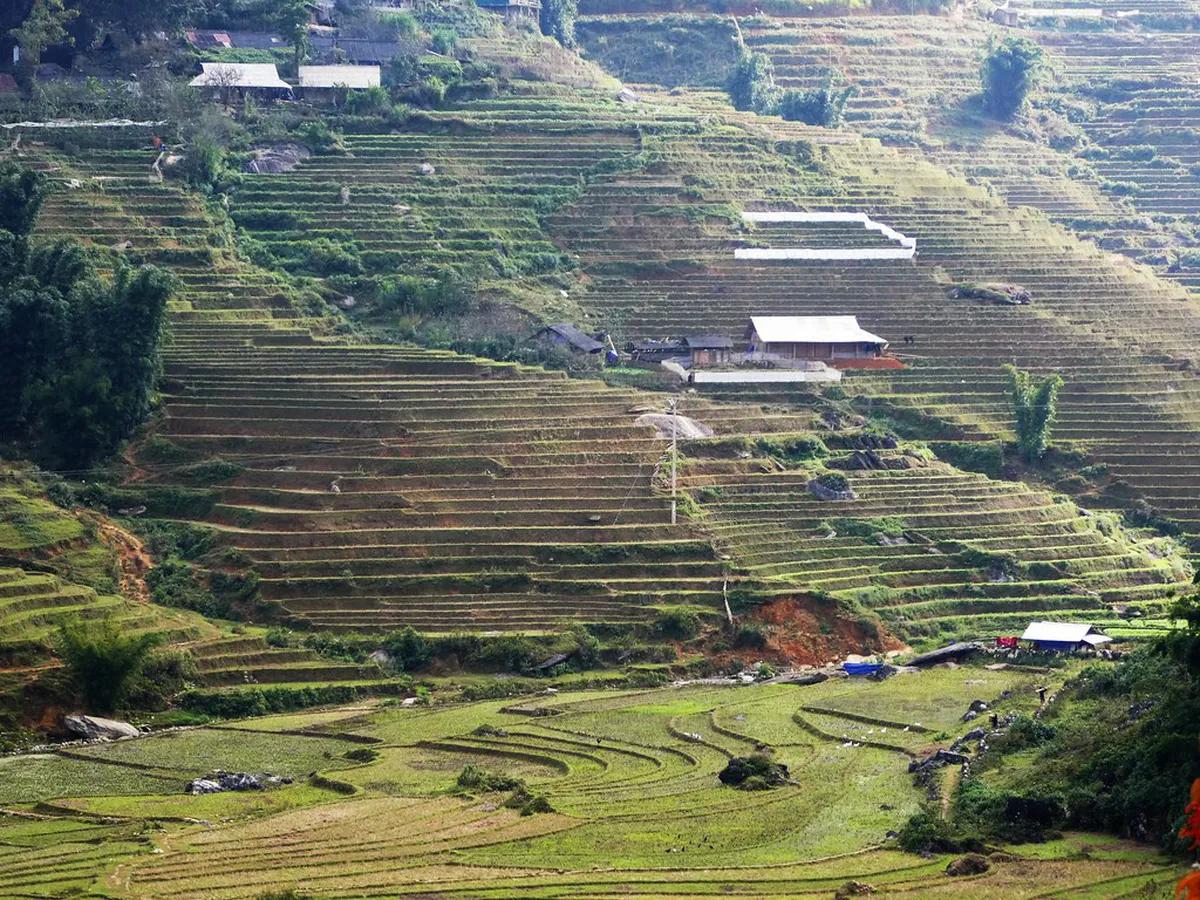
Steep, wet and foggy roads cause most rider problems, so hire a driver when conditions are poor. Stay in officially recognised homestays only. Overnight stays elsewhere in villages can cause real problems. Rice terraces are working farmland, so stay on paths. Anecdotes about informal village-entry fees exist, but official fees are posted at entry points. Ask for a receipt or ticket when you pay.
Next Steps: Getting to Sapa and Local Transfers
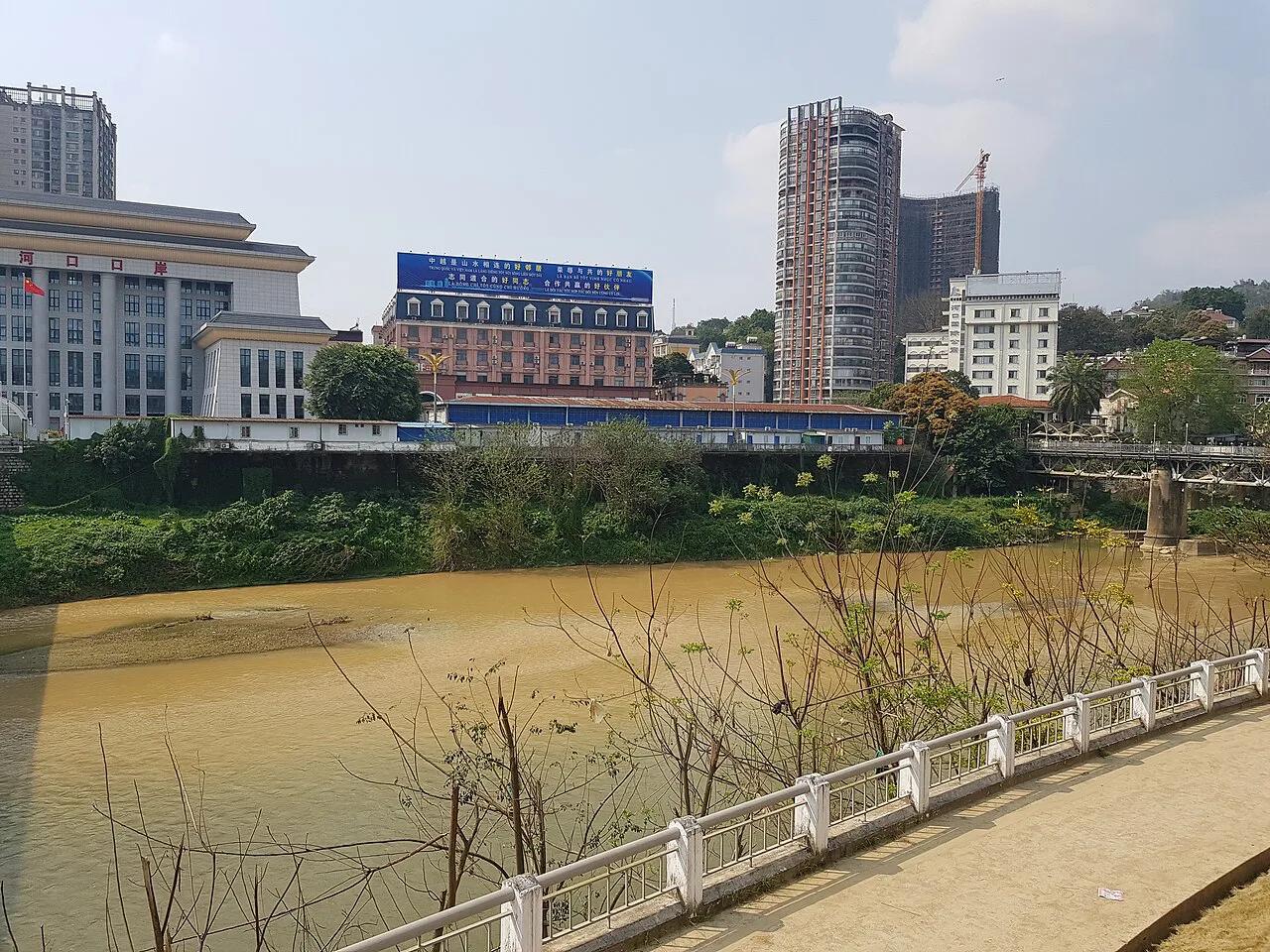
Public buses from Lao Cai start at 5:20am and take about 1 hour. They are red and yellow, with the stop opposite the station. Our Lao Cai to Sapa transfer guide covers that last stretch. Compare the overnight sleeper bus with the night train option before you book.
Useful notes for your Vietnam trip
Optional updates to our guides.
You might also like
Continue reading
More guides you'll find useful