Sapa Trekking: Best Routes, Guides & Costs (2026)
Plan Sapa trekking: compare routes by time and fitness, guided vs independent, best season, and the logistics from Hanoi.
On this page
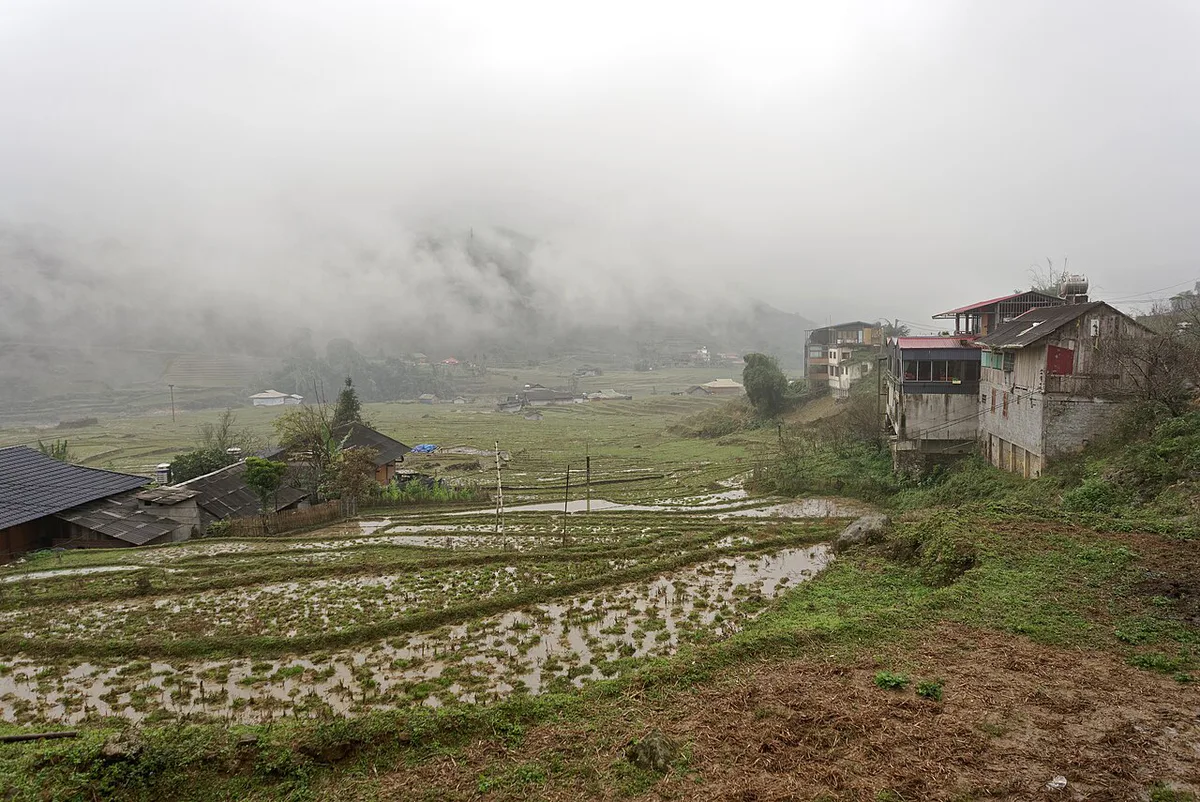
Last updated November 2026: Sapa trekking is mostly village-to-village walking through the Muong Hoa Valley terraces, in formats from half a day to several days. Use the quick-pick table below to match a route to your time and fitness. For everything else in town, start with our Sapa city guide.
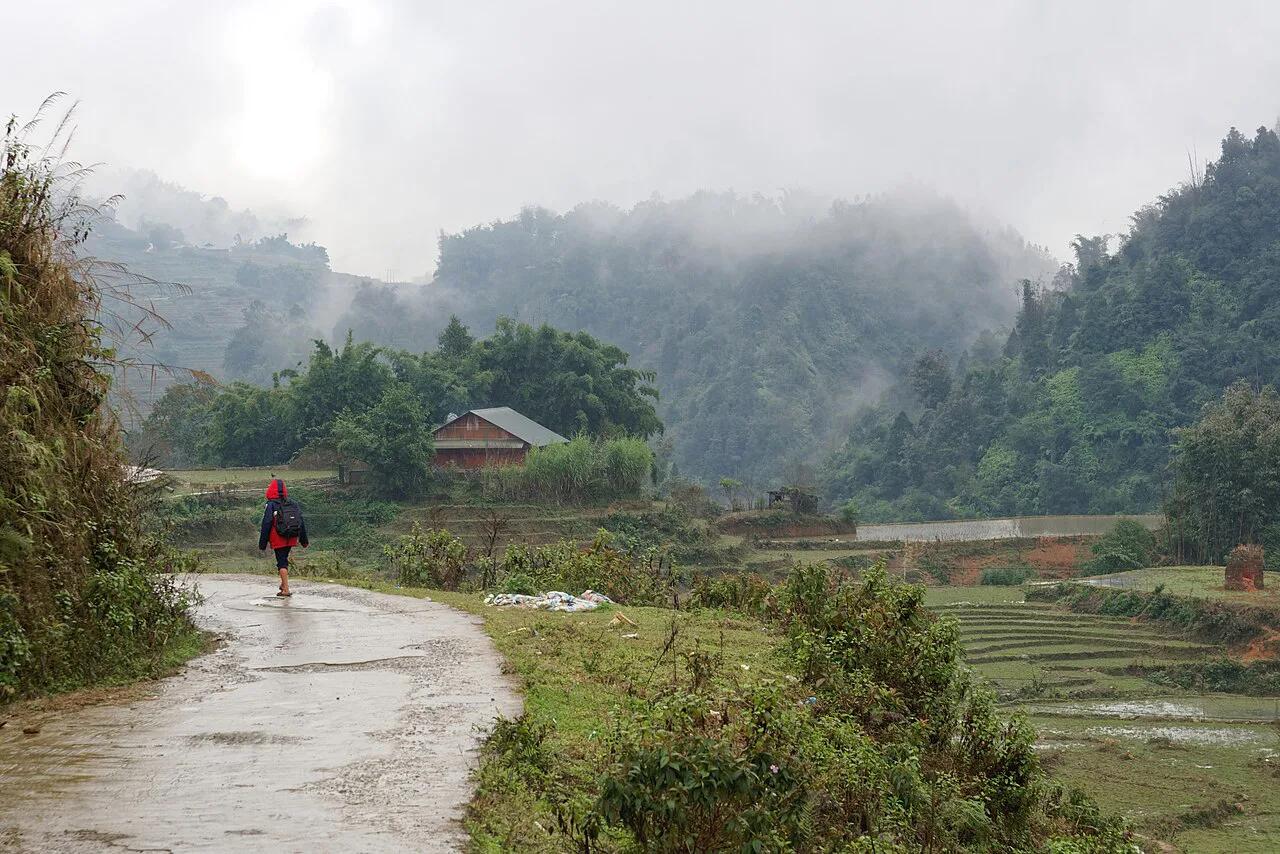
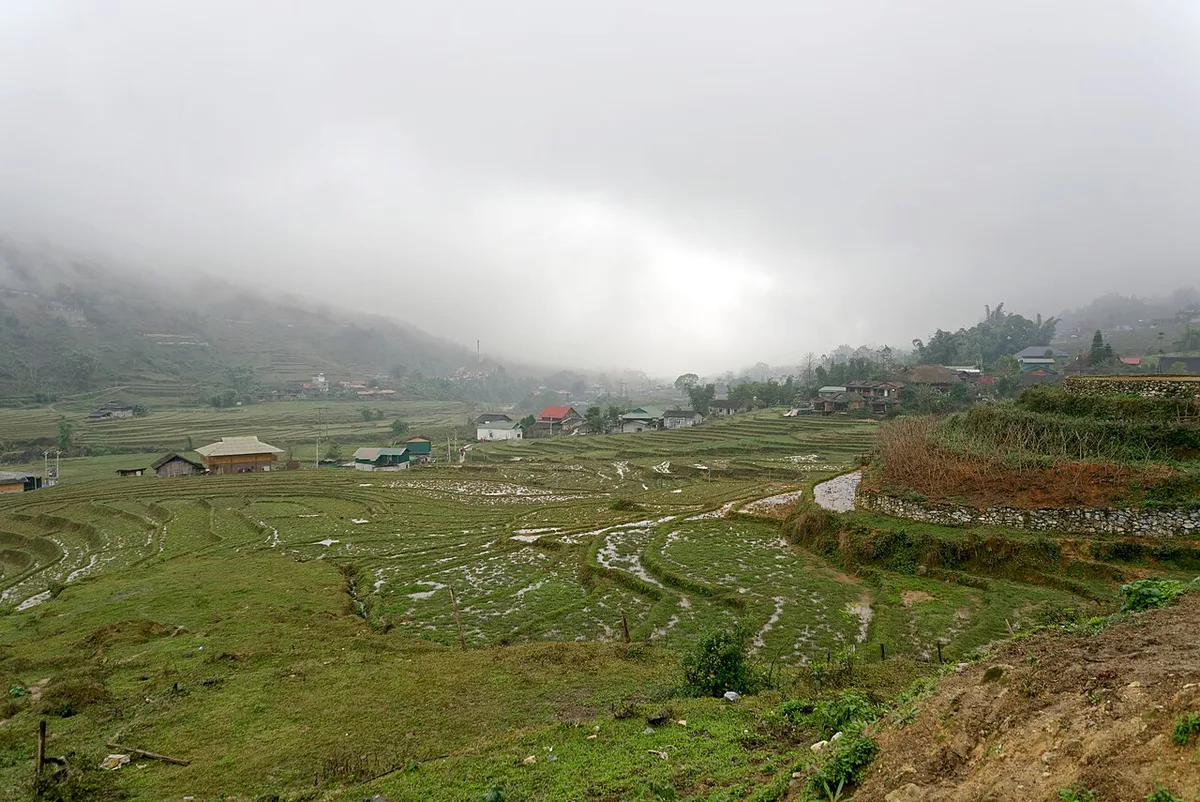
Featured image: Andre Hospers, CC BY 4.0, via Wikimedia Commons.
Sapa Trekking at a Glance: Which Trek Fits You
Most visitors choose between three formats: a half-day village walk, a full-day valley circuit, or an overnight homestay trek. Beginner routes run roughly 6 to 8 hours, and advanced routes stretch to 2 or 3 days or more. Fansipan is a separate decision, covered in its own section. Use the table to narrow the field, then read the route notes.
| Time available | Fitness | Route | Best for |
|---|---|---|---|
| Half day | Easy | Cat Cat to Sin Chai | First-timers, early start |
| Half day to 1 day | Easy to moderate | Sapa Town to Ta Phin (about 7 km) | Quieter village, Black H'mong and Red Dao culture |
| 1 day | Moderate | Y Linh Ho, Lao Chai, Ta Van (about 15 km) | Terraces and the classic valley circuit |
| 1 day | Moderate | Silver Waterfall, Love Waterfall, Heaven's Gate | Waterfalls and pass views |
| 2 days | Moderate | Sapa to Giang Ta Chai, then Su Pan | Homestay night, longer trail |
| 2 days | Hard | Tram Ton Pass to Fansipan summit | Summit trekkers |
Best Sapa Trekking Routes by Distance and Difficulty
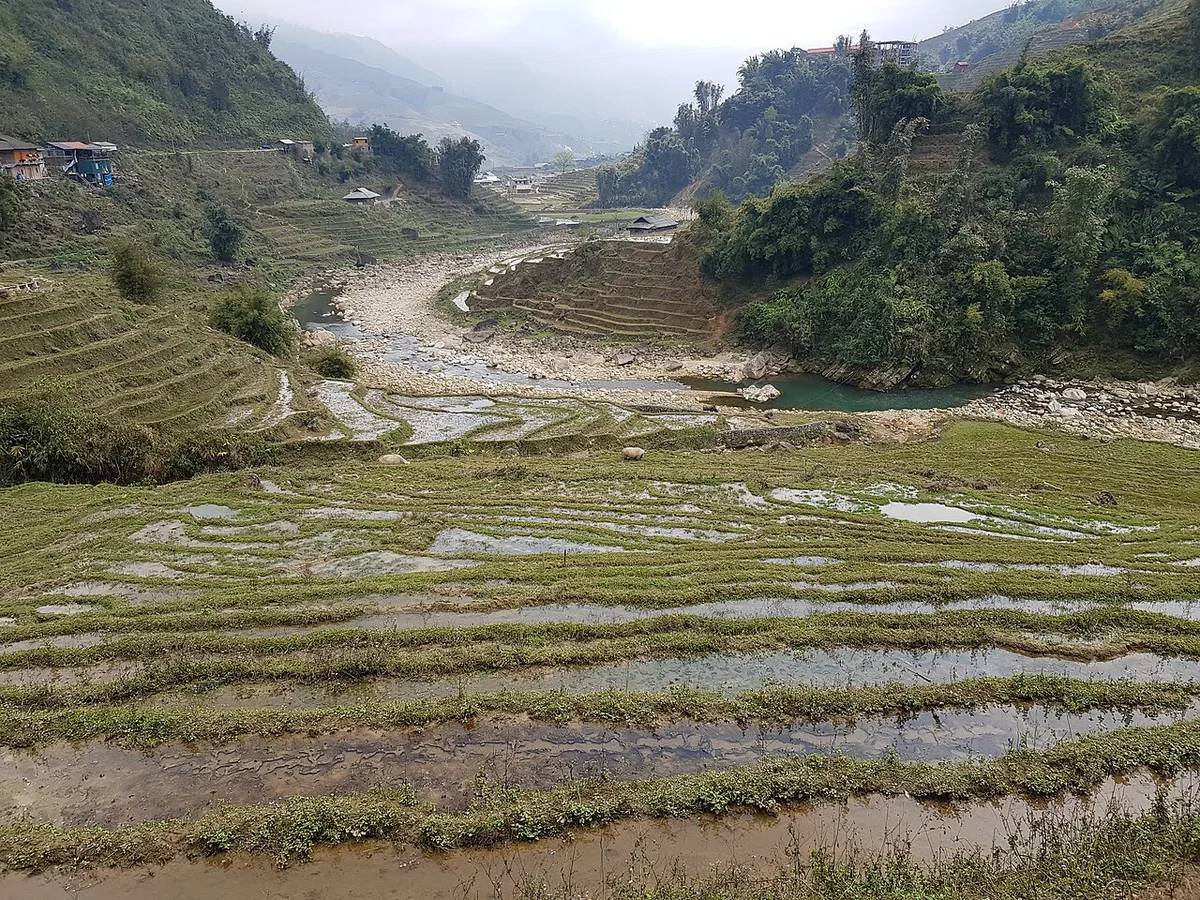
Each route below suits a different kind of walker. Distances are approximate, and trail conditions shift after rain.
Y Linh Ho to Ta Van is about 15 km, so a 9 am start beats the late-morning slip listed among common mistakes.
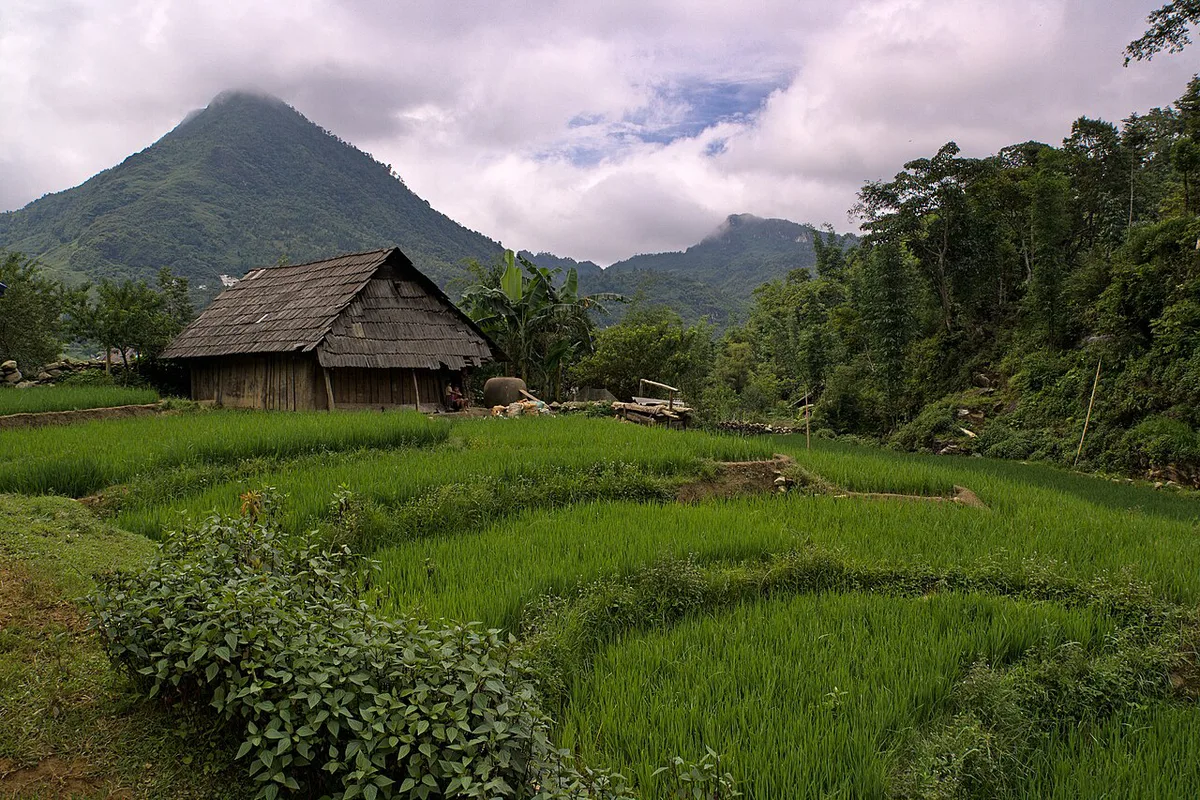
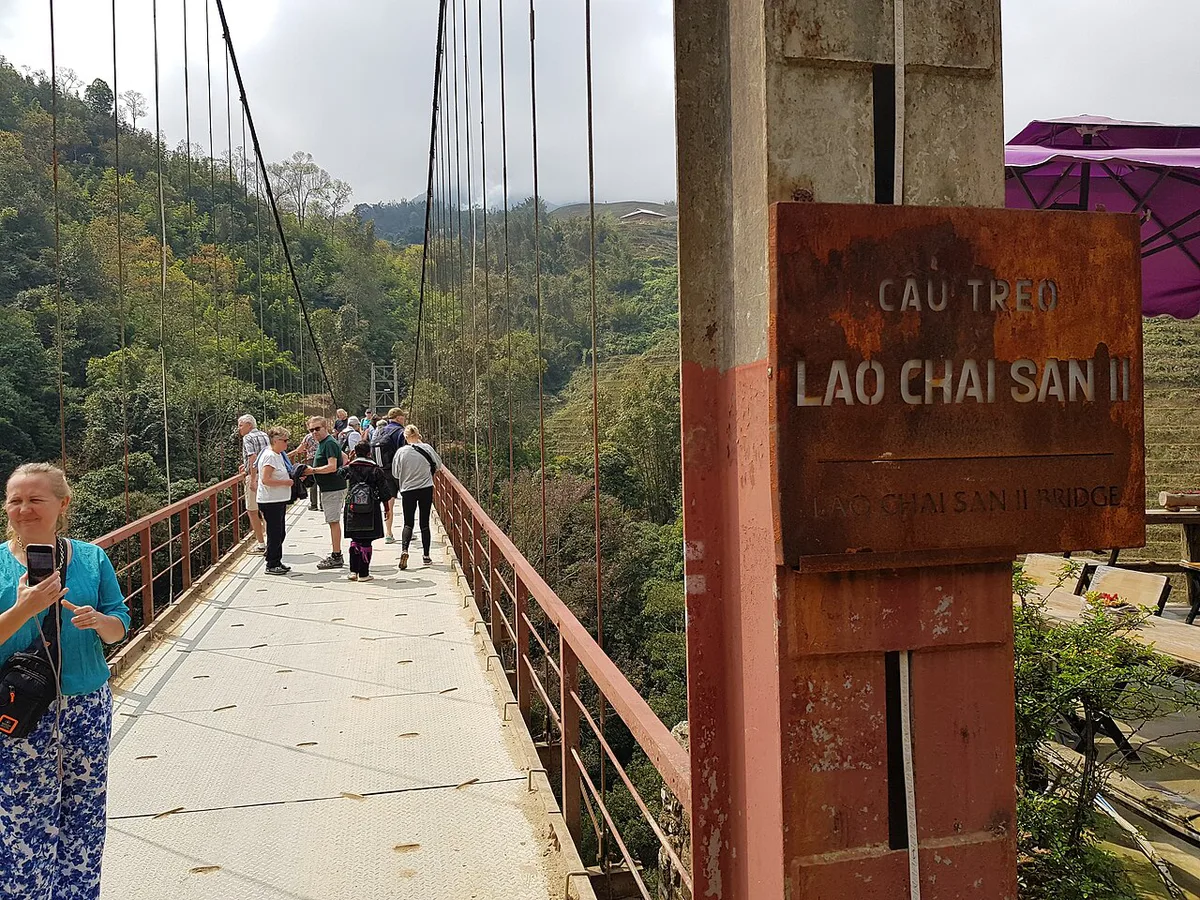
- Muong Hoa Valley, Y Linh Ho to Ta Van: about 15 km (roughly 9 miles). Walks usually start around 9 am from Sapa. Lunch comes at Y Linh Ho, and the trail passes Lao Chai, home to the Black H'mong, before ending at Ta Van. Pair it with our Ta Van village guide if you plan to stay overnight.
- Cat Cat and Sin Chai: the easiest option, best begun around 7 am from the town center along Fansipan Road. Cat Cat is the busiest village, so an early start beats the tour groups. Our Cat Cat village guide covers the village itself.
- Ta Phin: about 7 km (roughly 4 miles) from Sapa Town via National Road 4D. Ta Phin is home to Black H'mong and Red Dao communities. Views take in rice fields and the Hoang Lien Son range.
- Silver Waterfall to Heaven's Gate: a moderate walk toward O Quy Ho Pass, passing the Silver Waterfall and Love Waterfall areas. Rest stops are scarce, so carry extra food and water.
- Giang Ta Chai and Su Pan: a popular two-day format. Day one is about 12 km (roughly 7.5 miles) and about 5 hours via Sa Seng, Hau Thao and Hang Da, ending with a homestay night in Giay country. Day two is about 6 km and 2.5 hours from Giang Ta Chai to Su Pan, then a short drive back to Sapa.
Fansipan: Summit Trek or Cable Car
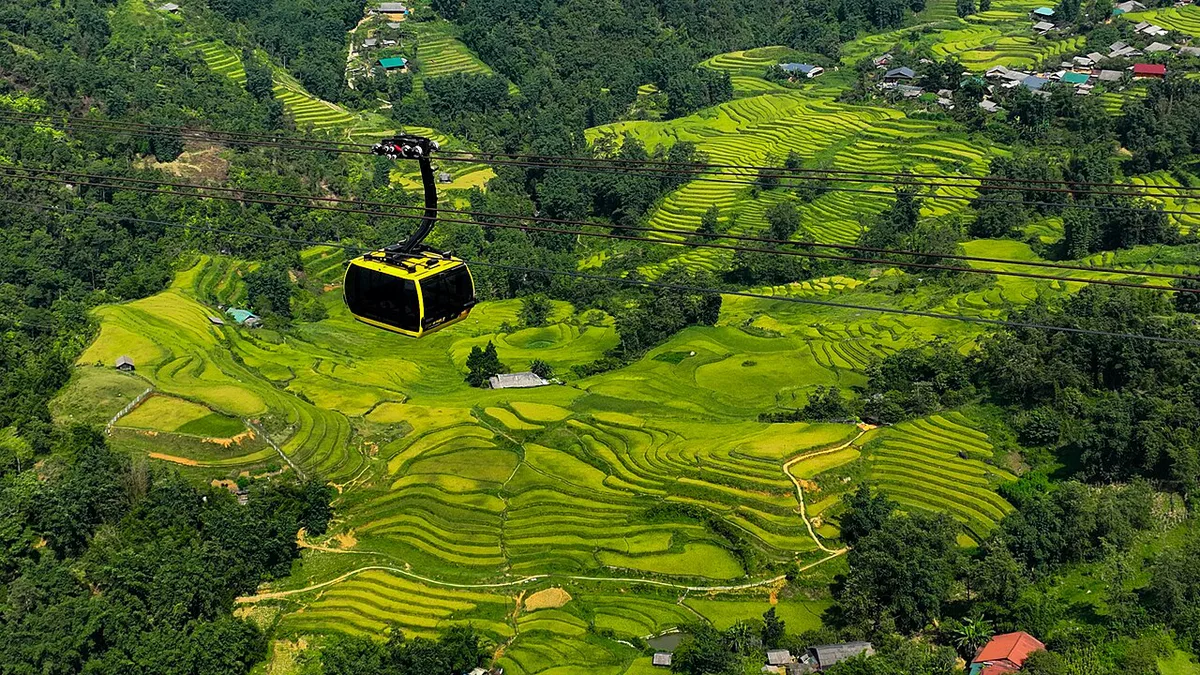
Fansipan stands at 3,143 m. Trekkers typically take two days from Tram Ton Pass, camping near 2,900 m and summiting early on day two. Reports put the climb at 12 to 14 hours, so it suits fit, experienced walkers. Most visitors skip the trek and ride up instead. Our Fansipan cable car guide covers that route. Check ticket rules and operating hours on the Sun World Fansipan Legend site, and confirm any trekking permit requirements with local authorities.
Guided, Independent or Homestay Package?
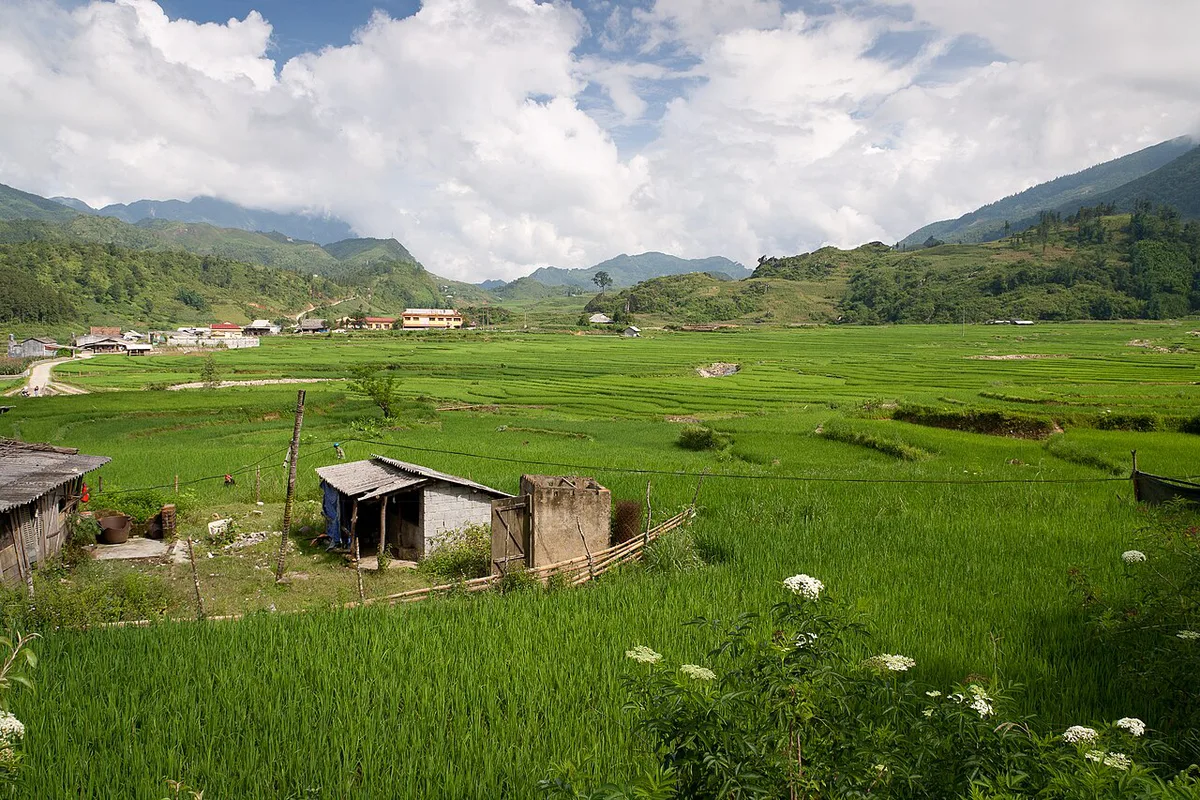
A guide is not obligatory on the main village routes. Local guides still add navigation help, cultural access and a safety margin on muddy trails. Independent walking gives flexibility, and a homestay package removes the planning. Compare the options below.
| Option | Cost level | Navigation | Cultural access | Flexibility |
|---|---|---|---|---|
| Independent | Lowest | Your own offline map | Limited to what you ask | Highest |
| Guided day trek | Moderate | Handled by guide | Good, with introductions | Fixed route |
| Homestay package | Highest per trip | Handled by guide | Deepest, includes a family dinner | Lowest |
Best Time for Sapa Trekking
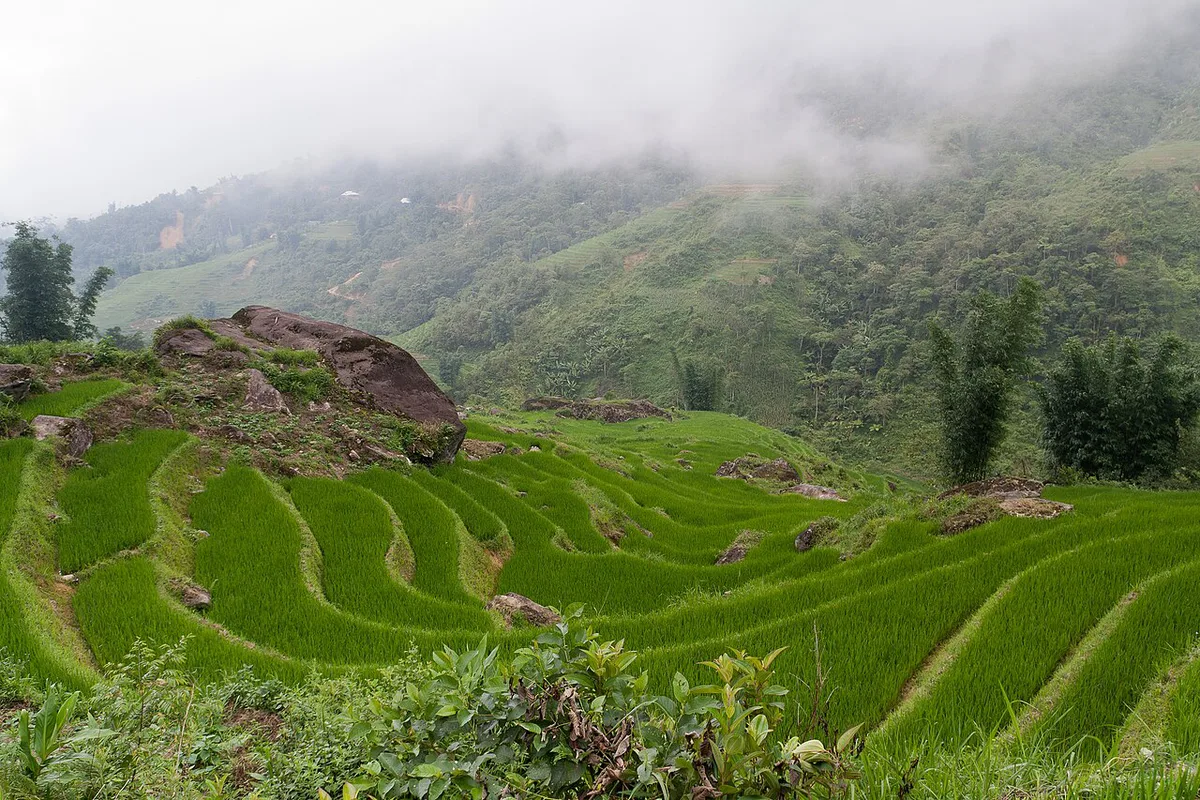
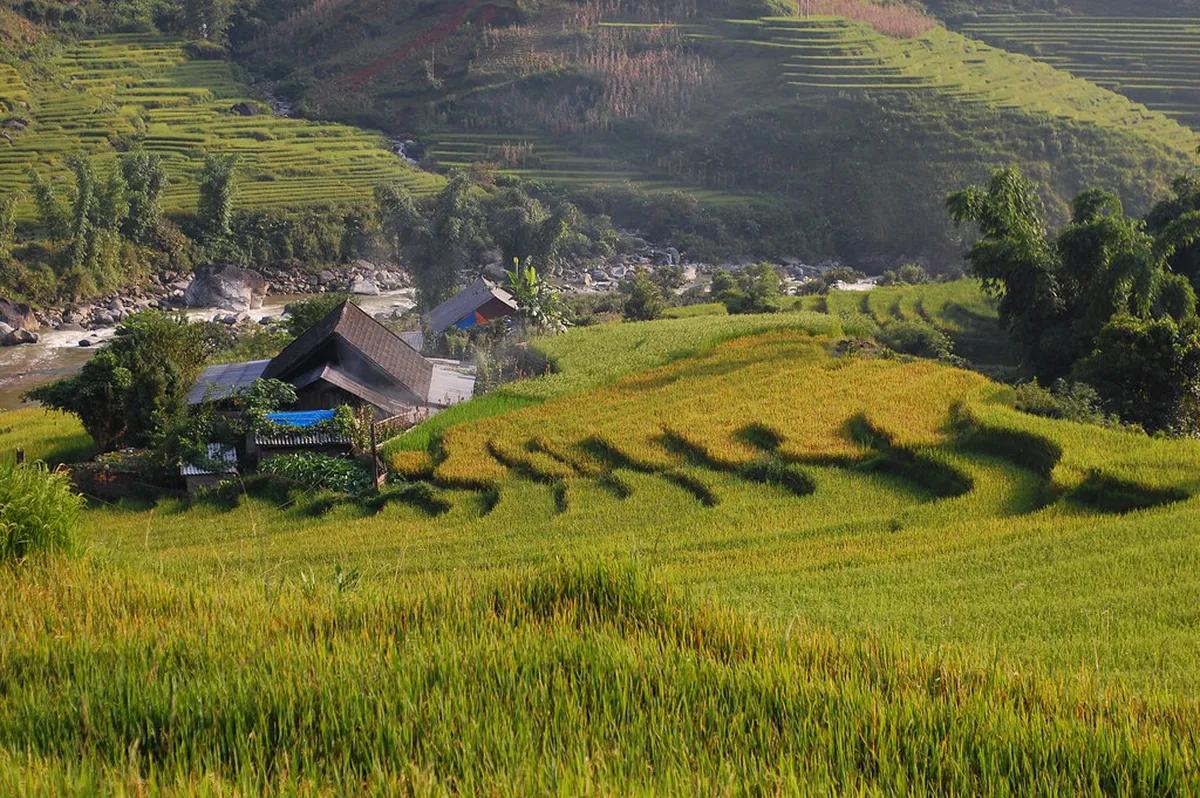
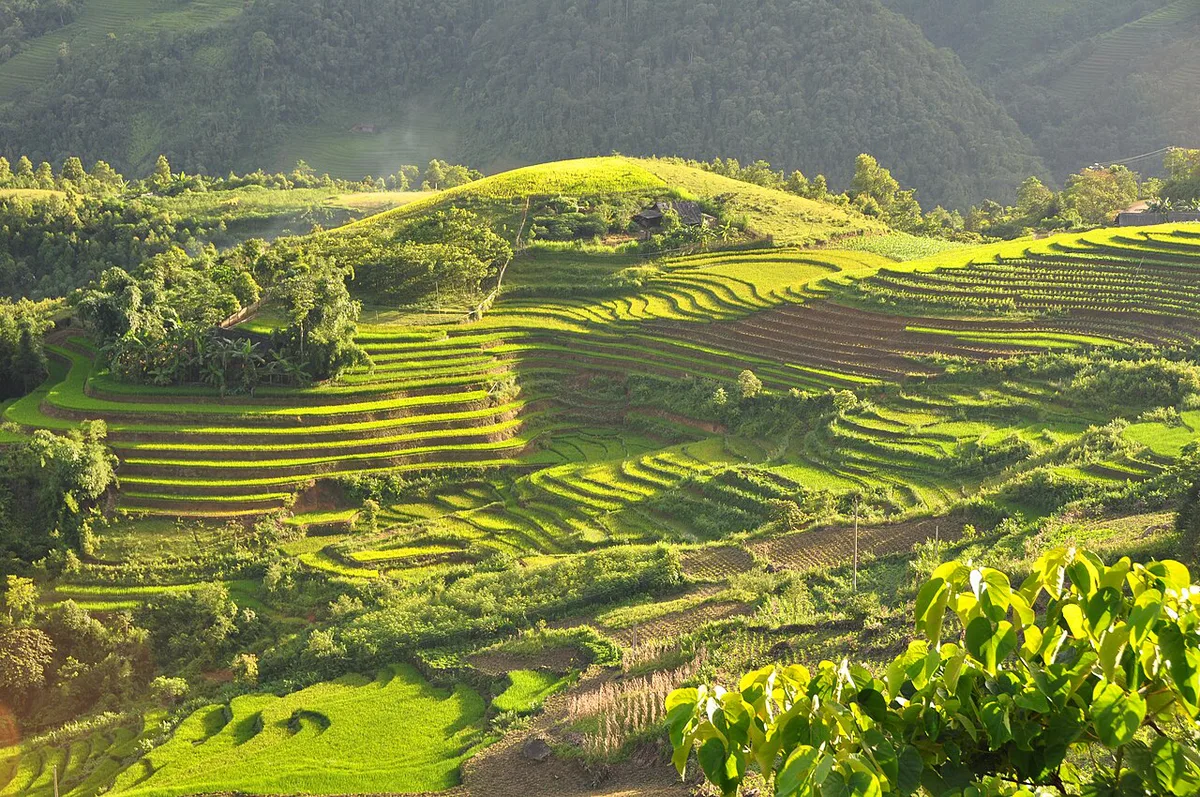
March to May and September to November are the best windows. Late September to early October is the golden terrace harvest, and the Muong Hoa circuit looks its best then. December to February is cold, and snow is possible, so pack extra layers. Check the forecast before committing to a long day. The Lao Cai tourism portal is a good place for current regional information.
| Season | Conditions | Best route choice |
|---|---|---|
| March to May | Mild, green terraces | Muong Hoa circuit, Ta Phin |
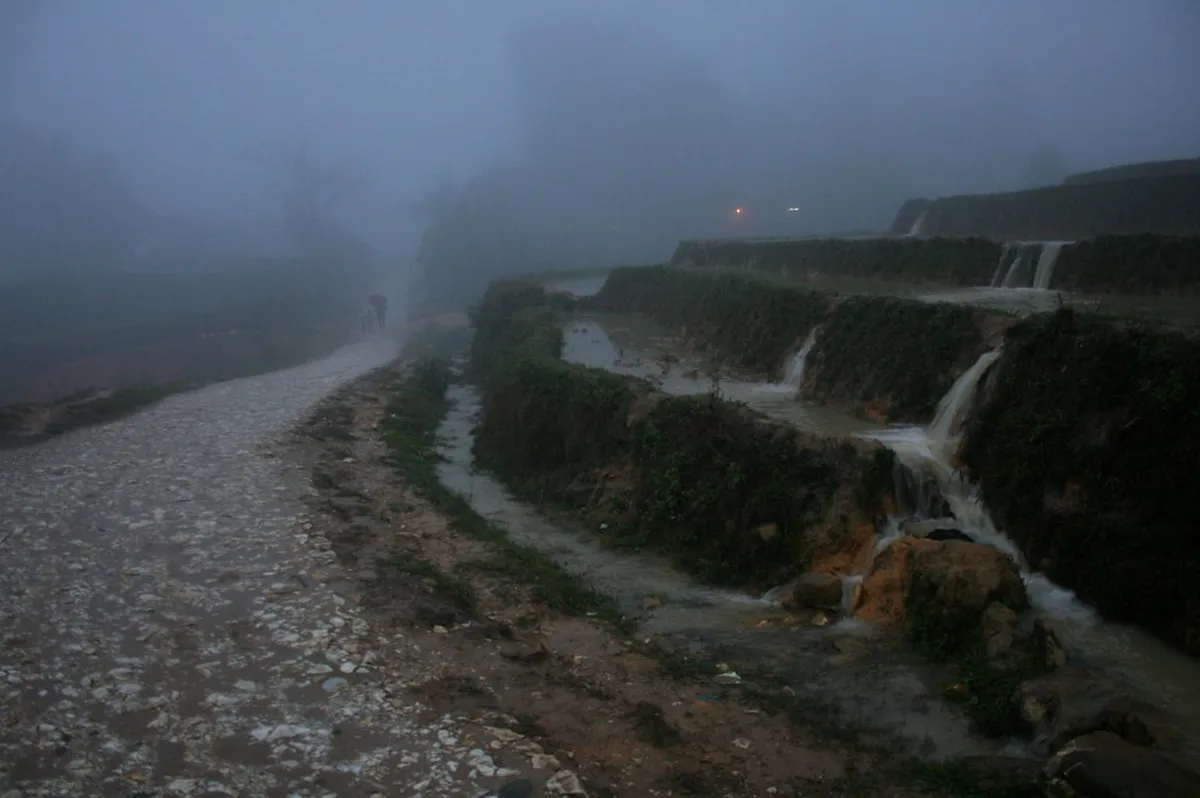
| June to August | Rainy, muddy trails | Short, well-worn routes such as Cat Cat |
| September to November | Harvest gold, clear days | Y Linh Ho to Ta Van, Giang Ta Chai homestay |
| December to February | Cold, possible snow and fog | Short town walks, warm layers |
Getting to Sapa and Planning Your Days
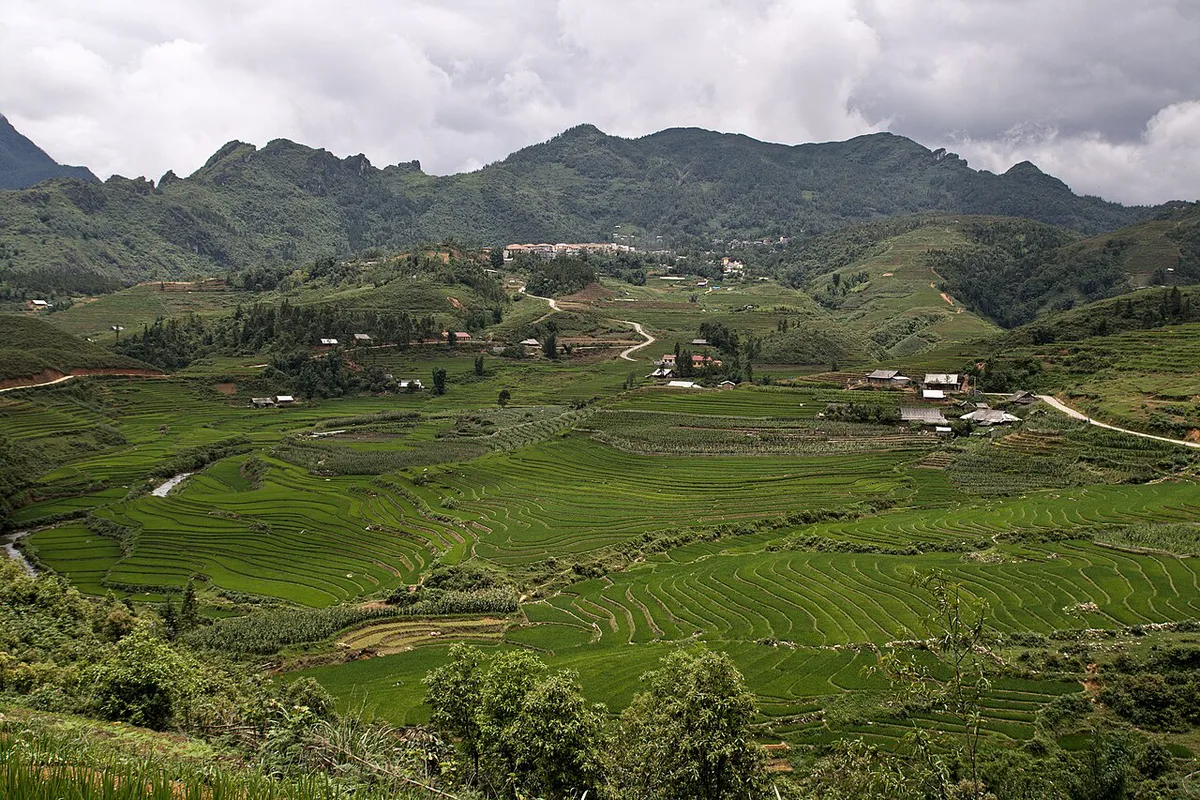
The overnight sleeper train from Hanoi to Lao Cai takes about 8 hours. It arrives early in the morning, followed by a minibus ride of about 1 hour to Sapa. Allow time for that return train as well, because a long trek on your last day leaves no buffer. Most hotels in Sapa will hold your main bag while you trek with a small pack. Use Vietnam's national tourism site for general entry and transport planning. A weekend plan could look like this.
- Day 1: arrive from Lao Cai by minibus, drop your bag, then walk the town and Cat Cat in the afternoon.
- Day 2: start the Y Linh Ho to Ta Van circuit around 9 am, or the 12 km Giang Ta Chai route with a homestay.
- Day 3: finish with Su Pan (6 km, 2.5 hours), return to town, and leave a buffer before the evening train.
- Add-on: if your dates fall on a market day, our Sapa love market guide covers timing.
Costs and What Is Included
Short treks around the valley sit at the low end, with food and local transport the main costs. Multi-day homestay packages cost more, and prices climb with group size, difficulty and time. Fansipan is the most expensive format because of the guide, camping and logistics. Prices change by season, so ask each operator what the quote includes: meals, homestay night, transfers and guide fees. Compare at least two quotes in writing before paying.
Trekkers camp near 2,900 m on Fansipan, so ask each operator whether camping is in the quote.
What to Pack and Wear
Pack light for a 5-hour day. Rain arrives fast, and cotton stays wet.
- Sturdy shoes with grip, since clay trails turn slick
- Rain jacket and a waterproof bag liner
- Quick-dry layers and a warm top for evenings
- Trekking poles if your knees dislike descents
- Water, snacks and a headlamp for homestay nights
- Offline map downloaded before you leave town
Trekking Etiquette and Responsible Choices
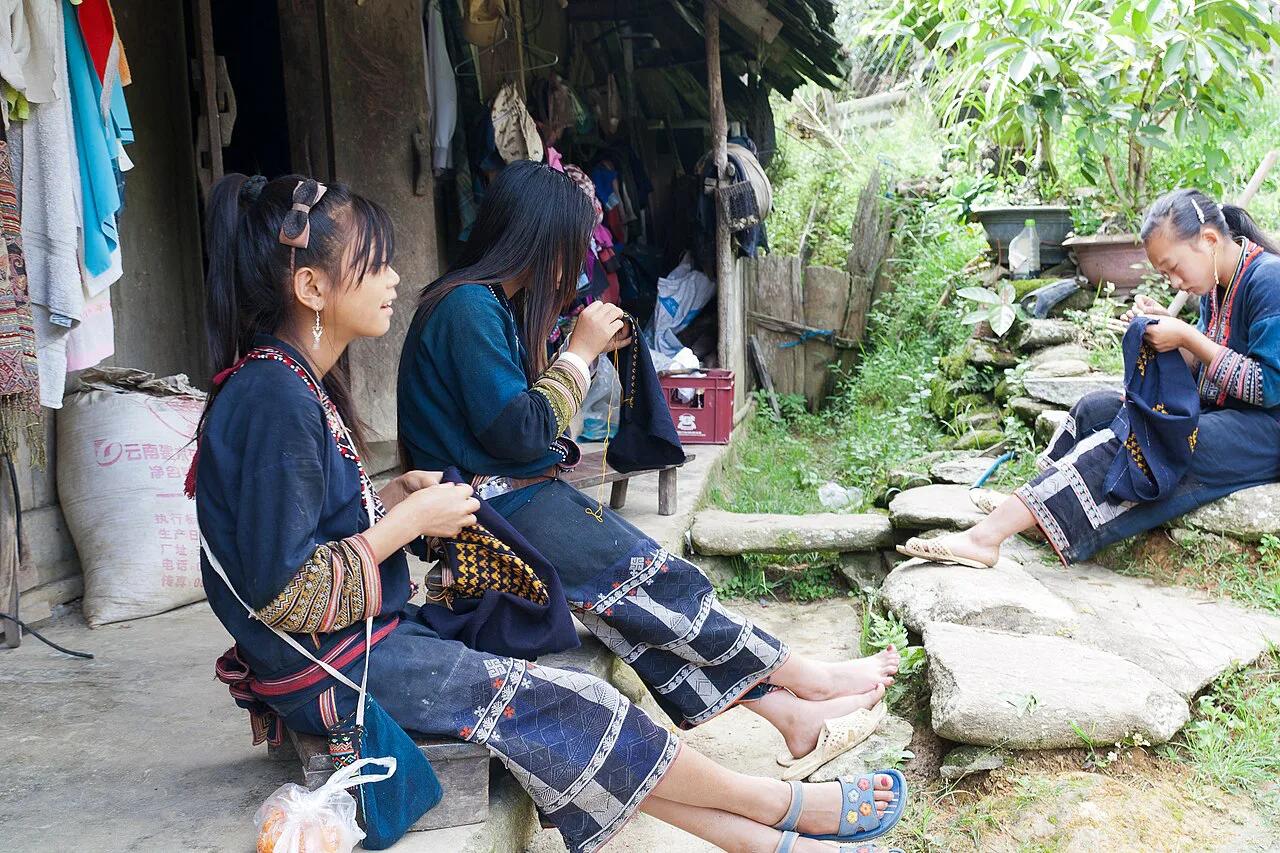
Villages are living communities, not open-air museums. Follow the host's lead when entering a home. Ask before photographing people, and avoid touching children's heads. Dress modestly and keep your voice low. Green leaves at a village gate usually signal a ceremony, so wait outside. Whistling is considered disrespectful in some communities. Spend locally by buying handicrafts directly, eating at family homestays and hiring local guides.
Common Mistakes to Avoid
Most problems come from timing and clothing, not from the terrain.
- Wearing cotton in wet weather
- Starting after mid-morning on a 15 km circuit
- Trekking muddy trails right after heavy rain
- Relying on a town map with no offline backup
- Accepting unsolicited guide offers without agreeing a price first
- Booking the return train with no buffer after a long trek
Useful notes for your Vietnam trip
Optional updates to our guides.
You might also like
Continue reading
More guides you'll find useful