
Da Nang Rainy Season: What to Expect and How to Plan
When Da Nang's rainy season hits, how bad storms get, and how to plan rain days, hotels and Hoi An trips without wasting your holiday.
On this page
Last updated November 2026. Da Nang rainy season runs from roughly mid-September to January, and October is typically the wettest month. Rain turns heavier and less predictable rather than constant. This guide shows when to go, when to adjust and when to wait.
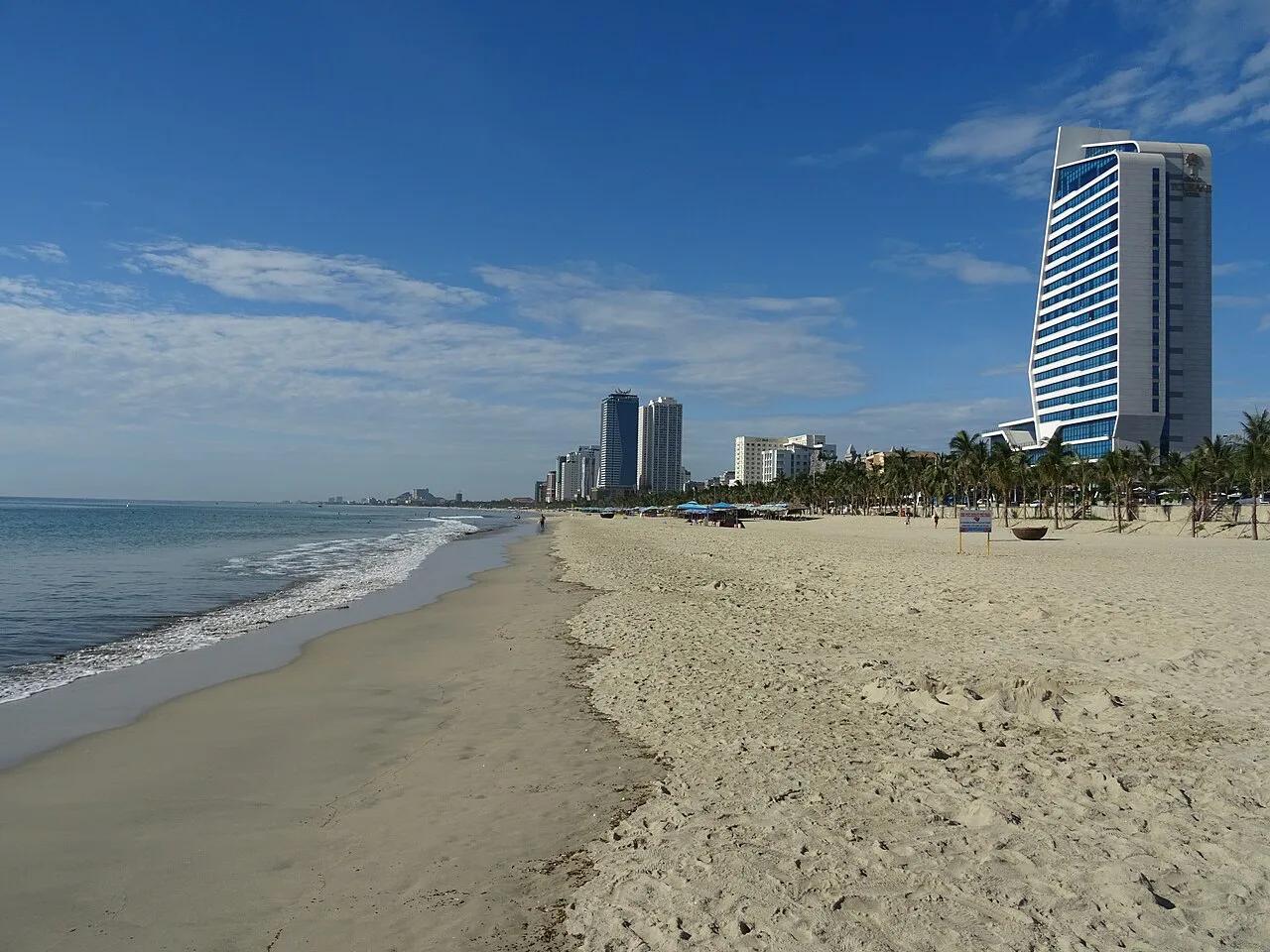
Featured image: Daderot, CC0, via Wikimedia Commons.
Da Nang Rainy Season at a Glance
Expect the wet window from mid-September through January, with the peak in October and early November. Beach days become unreliable in that stretch, while cafés, food and museums keep working. Go if you have a week or more and flexible bookings. Adjust if your trip is short. Skip it if the beach is the whole point of the trip.

When the Rainy Season Starts and Ends
Rain shifts sharply around September, when totals jump well above August levels. Peak rainfall usually lands in October, with November still wet and clearing late in the month. Published monthly figures for October and November conflict between sources, so no exact millimeter totals appear here. Check climate normals from the national hydro-meteorological service for current numbers. Rainy season does not mean rain all day. Multiple wet days in a row are normal, and downpours are heavy. For month-by-month detail, see the full month-by-month weather guide. Highs fall from about 33°C (91°F) in summer to roughly 27°C (81°F) in October and 25°C (77°F) in November.

| Period | Rain and storm risk | Beach reliability | Cost level | Best-fit traveler | What to change |
|---|---|---|---|---|---|
| Early wet (mid-Sep) | Rising, showers turn heavy | Mixed, check daily | Falling | City and food trips | Keep mornings for outdoor plans |
| Peak wet (Oct to early Nov) | Highest rain and storm risk | Poor | Lowest | Flexible budget travelers | Book refundable stays, add buffer days |
| Late wet (late Nov) | Easing, still unsettled | Poor to mixed | Low | Food and city visitors | Plan indoor backups daily |
| Cool transition (Dec to Jan) | Occasional showers | Not beach weather | Rising near Christmas | Cafés, culture, Hoi An | Pack a light layer for evenings |
Typhoons and Storm Risk

Central Vietnam sits in a typhoon belt. Storms most often arrive between August and November, and October and November carry the highest risk. Most years pass without a serious direct hit. Storms still happen often enough to plan around. Flights, ferries and day trips can be disrupted with little notice. Insurance that covers weather disruption is worth buying for this window. Check the forecast in the days before you fly, not months ahead. Your hotel, tour operator and airline are the first contacts if plans collapse. A lost tour day or a rebooked flight costs time as well as money.
What to Do on Rainy Days in Da Nang

A wet day does not have to be wasted. Swap each outdoor plan for a weather-proof one.
- Beach morning: switch to a museum visit or a long café stop.
- Midday downpour: spend a half day at AEON Mall Da Nang or Lotte Mart, both with food courts and air conditioning.
- Ba Na Hills: check the same-day mountain forecast, or swap to a city plan if it looks fogged in.
- Hoi An old town: time the visit around the same-day flood situation.
- Evening: order GrabFood and take an early night.
Beach, Ba Na Hills and Day-Trip Conditions

At My Khe Beach, October to January brings swell and red flags, even on sunny days. Sea temperature stays around 25°C (77°F) in November, but rough water matters more than warmth. Follow lifeguard flags, not blue sky. Ba Na Hills sits at roughly 1,400 m (4,600 ft) and is cooler and cloudier than the coast. A clear day at the beach says nothing about visibility on the Golden Bridge. Check the mountain forecast the morning of your visit. Hoi An follows the same regional pattern, about 30 minutes south. Its Ancient Town sits low beside the Hoai River, so flooding hits harder from September to November. Vietnam's tourism authority notes heavy rain and small floods there in those months. Ask your hotel about street conditions before you leave.
Up at 1,400 m (4,600 ft), Ba Na Hills runs cooler than October's coastal highs of roughly 27°C (81°F), and the fog can close the view.
Costs and Booking Trade-offs
Hotel rates are lowest in October and November and highest in July and August. Lower rates come with a trade: fewer usable beach days. Prices and hours checked November 2026. As an illustration only, not a quoted rate, a room listed at ₫1,500,000 a night in July might drop noticeably in October. Compare that saving against a lost beach day before you book. Read the cancellation policy before paying. Use this checklist for any trip in the wet window.

- Choose refundable or free-cancellation stays.
- Buy insurance that covers weather disruption.
- Leave a buffer day before any onward flight.
- Check the forecast again the day before each day trip.
Where to Stay and How to Get Around in the Rain
Pick a base within walking distance of cafés, restaurants and a mall, so a washout day does not mean long trips. Beachfront rooms lose their appeal when My Khe is closed to swimmers. Taxis and ride-hailing are simpler than a motorbike on wet roads, and storm days are when delivery apps shine. Rain jacket, compact umbrella and water-resistant shoes cover most packing needs. For year-end trips, the December in Da Nang page covers the cooler, drier transition, with highs near 23°C (73°F).
Hoi An lies about 30 minutes south, so a flood-hit Ancient Town visit can be swapped for a Da Nang day without a long transfer.
Who Should Go and Who Should Wait
Food and city travelers do well in the shoulder wet months. Budget travelers can save on rooms if they stay flexible. Stays of a week or more can absorb indoor days. Short trips have no spare days for a washout. Beach-only visitors should wait. Readers who would rather pick a drier window can use the best time to visit guide. Treat any clear afternoon in October as a bonus, not a promise.
Frequently Asked Questions
Does Da Nang get a lot of rain?
Yes, mainly from mid-September to January. October is typically the wettest month, with heavy downpours and several wet days in a row. Outside that window, rainfall is far lighter.
How many days in Da Nang is enough?
In the wet season, a week or more works best. Extra days absorb a rainy day or two. A short trip of three or four days leaves little room if a storm hits.
Useful notes for your Vietnam trip
Optional updates to our guides.
You might also like


Continue reading
More guides you'll find useful