Hanoi to Da Nang: Flight, Train, Bus Compared
Compare every way from Hanoi to Da Nang by time, cost and comfort, with station and airport logistics and a clear pick for each type of traveler.
On this page
Last updated November 2026: the best way from Hanoi to Da Nang is to fly if time matters most. Take the sleeper train if you want an overnight trip that saves a hotel night. Book the sleeper bus only when budget outweighs time. Our guide to all routes into Da Nang covers other starting cities.
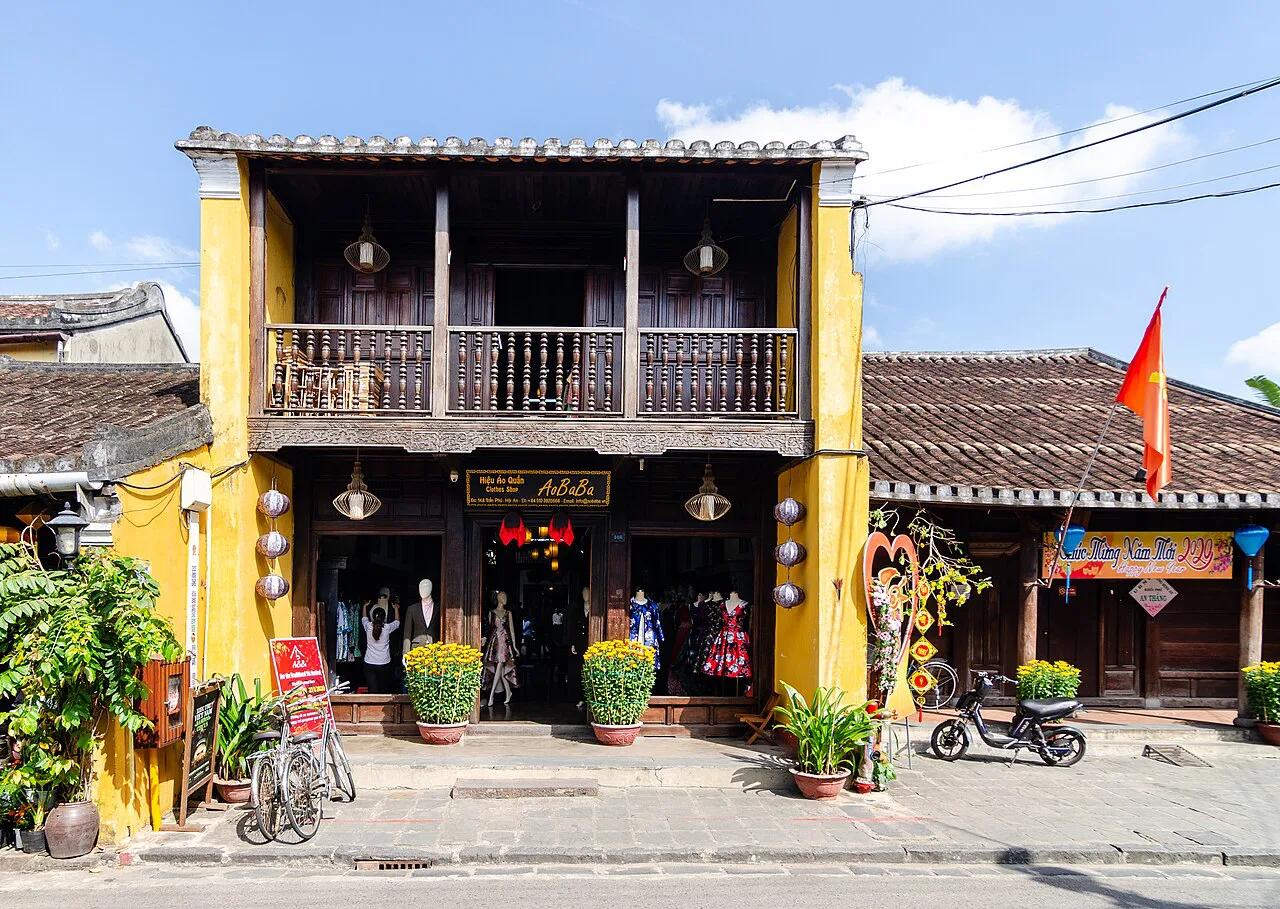
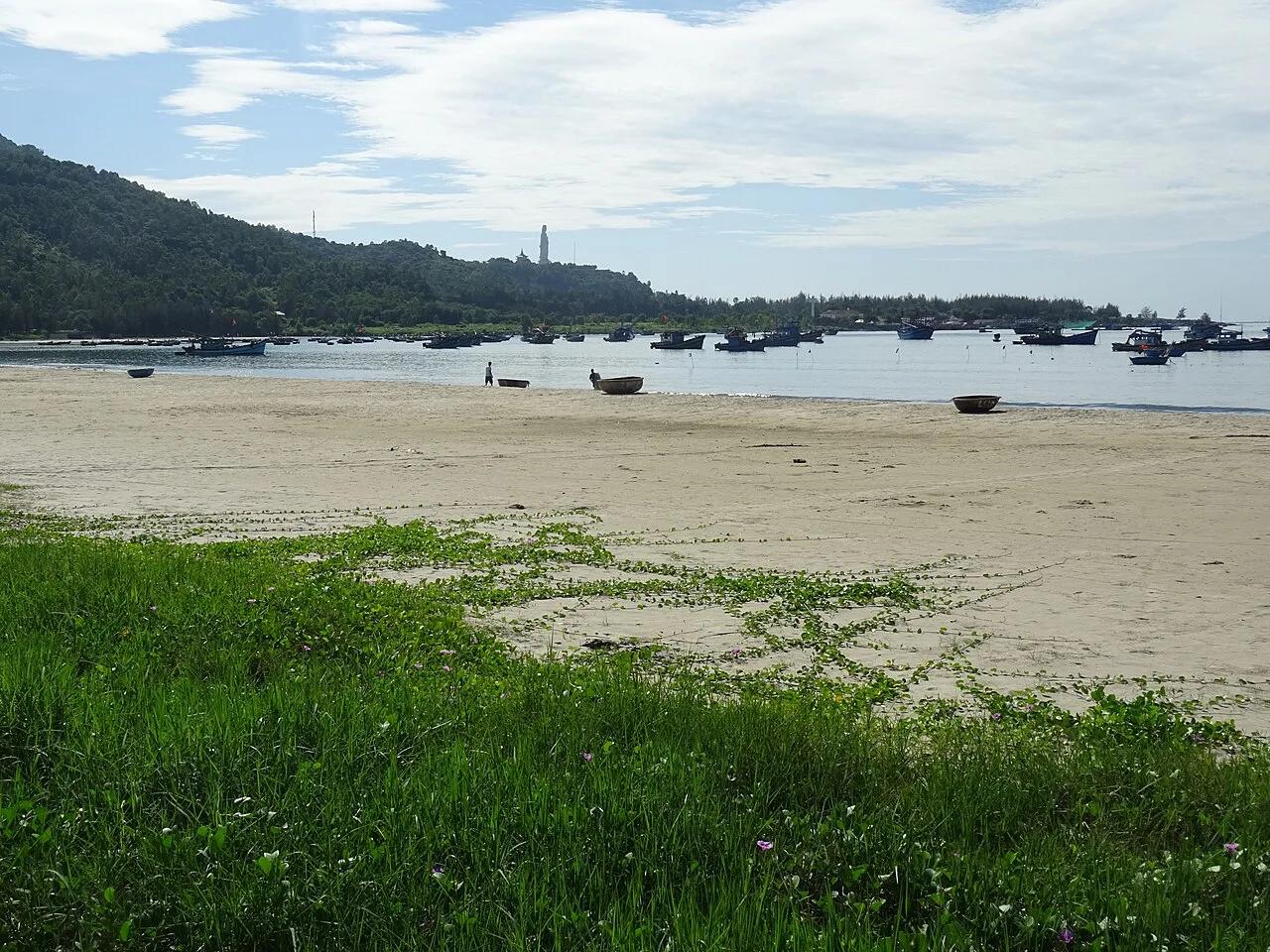
Featured image: calflier001, CC BY-SA 2.0, via Wikimedia Commons.
Quick answer: the best way from Hanoi to Da Nang
Fly if time is the priority. Flights take about 1h15 to 1h30 in the air, against 15 to 17 hours by rail. Choose the sleeper train when you want one night of travel in place of a hotel bill. Pick the sleeper bus only when fare matters more than a 10 to 13 hour ride. Drive or ride yourself only if you have a spare day and road experience.
Hanoi to Da Nang at a glance
Prices and hours checked November 2026. All figures are reported ranges, and fares move with season, class and booking date.
| Mode | In-vehicle time | Reported cost | Best for | Main drawback |
|---|---|---|---|---|
| Flight | 1h15 to 1h30 | ₫600,000 to ₫1,200,000 economy | Short trips, tight schedules | Airport transfers add hours |
| Sleeper train | 15 to 17 hours | ₫550,000 to ₫1,800,000 | Overnight travel, coastal views | Longest option |
| Sleeper bus | 10 to 13 hours | ₫400,000 to ₫1,000,000 | Tight budgets | Road delays, fewer comforts |
| Private car or driver | 10 to 12 hours | Negotiated per trip | Families with luggage | Long day in one seat |
| Motorbike | 14 to 16 hours | Fuel and food | Experienced riders | Fatigue, mountain passes, fog |

Distance and real travel time
Distances differ by mode. Road runs roughly 740 to 766 km (about 460 to 476 miles). Rail is about 791 km (roughly 491 miles). Air distance is about 607 to 626 km (around 377 to 389 miles). Sources differ because routes, detours and expressway sections change the count. Treat 740 km as a working road figure rather than an exact one. Door-to-door time matters more than vehicle time. A flight needs a transfer out to Noi Bai, a check-in buffer and a ride from Da Nang airport. A train adds a trip to Hanoi Station and another from your arrival station. Flying is still the shortest total, but the gap is far smaller than 1h15 suggests.
Flying from Noi Bai to Da Nang
Noi Bai International Airport serves Hanoi, and flights land at Da Nang International Airport (DAD). Vietnam Airlines, Vietjet Air and Bamboo Airways have all been reported flying the route daily. Economy fares typically run ₫600,000 to ₫1,200,000 one way, and promotions can drop to a few hundred thousand dong. Check current fares on the Vietnam Airlines site. Low-cost carriers often charge extra for checked bags, so price the full ticket before comparing. Da Nang airport sits close to the city. Our Da Nang airport transfer guide lists the ways into town.
Taking the train: sleeper, stations and booking

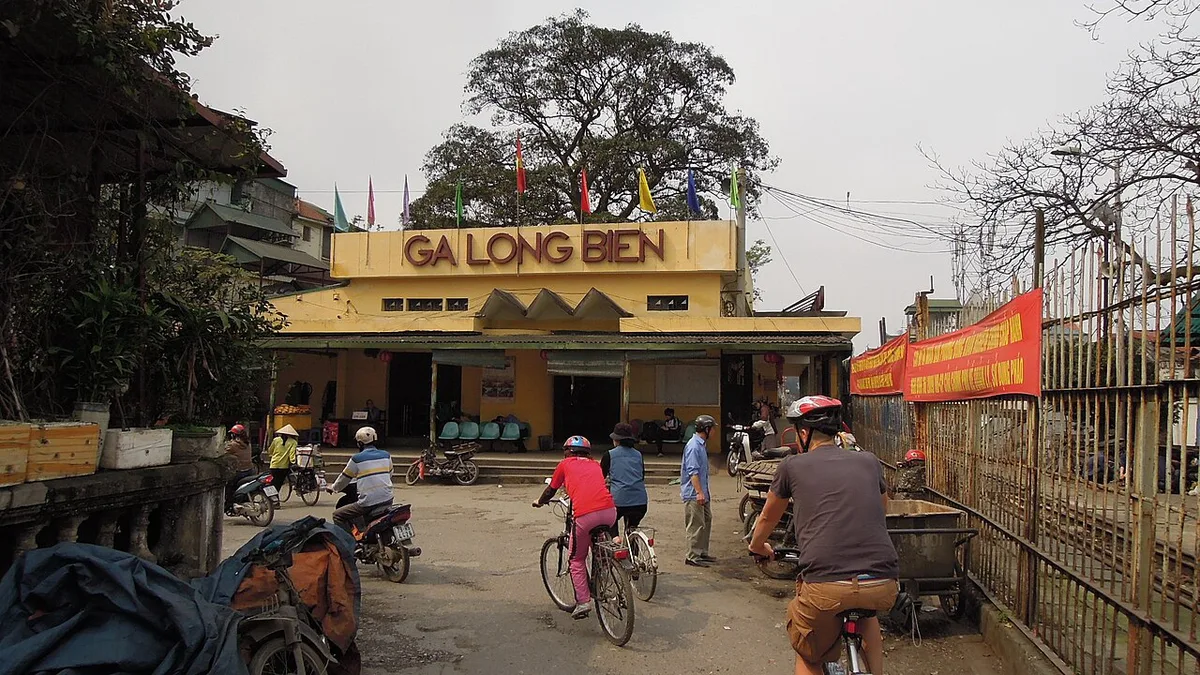
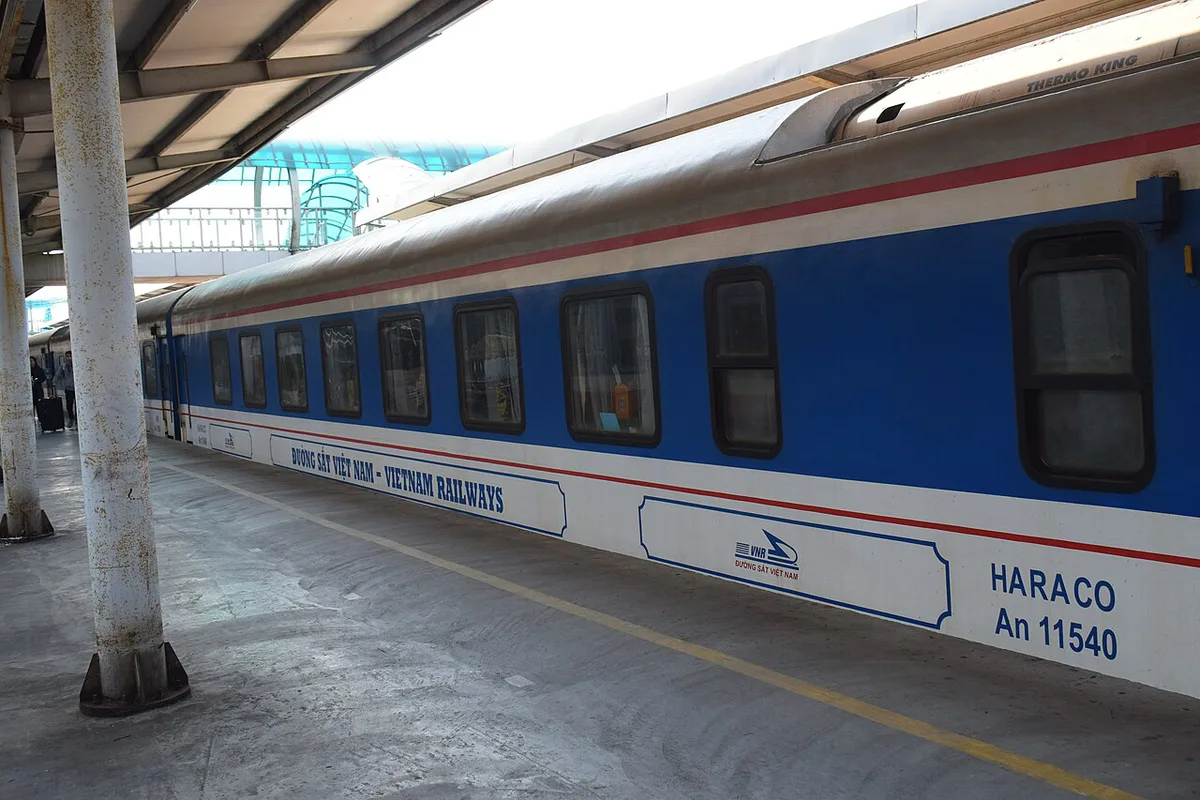
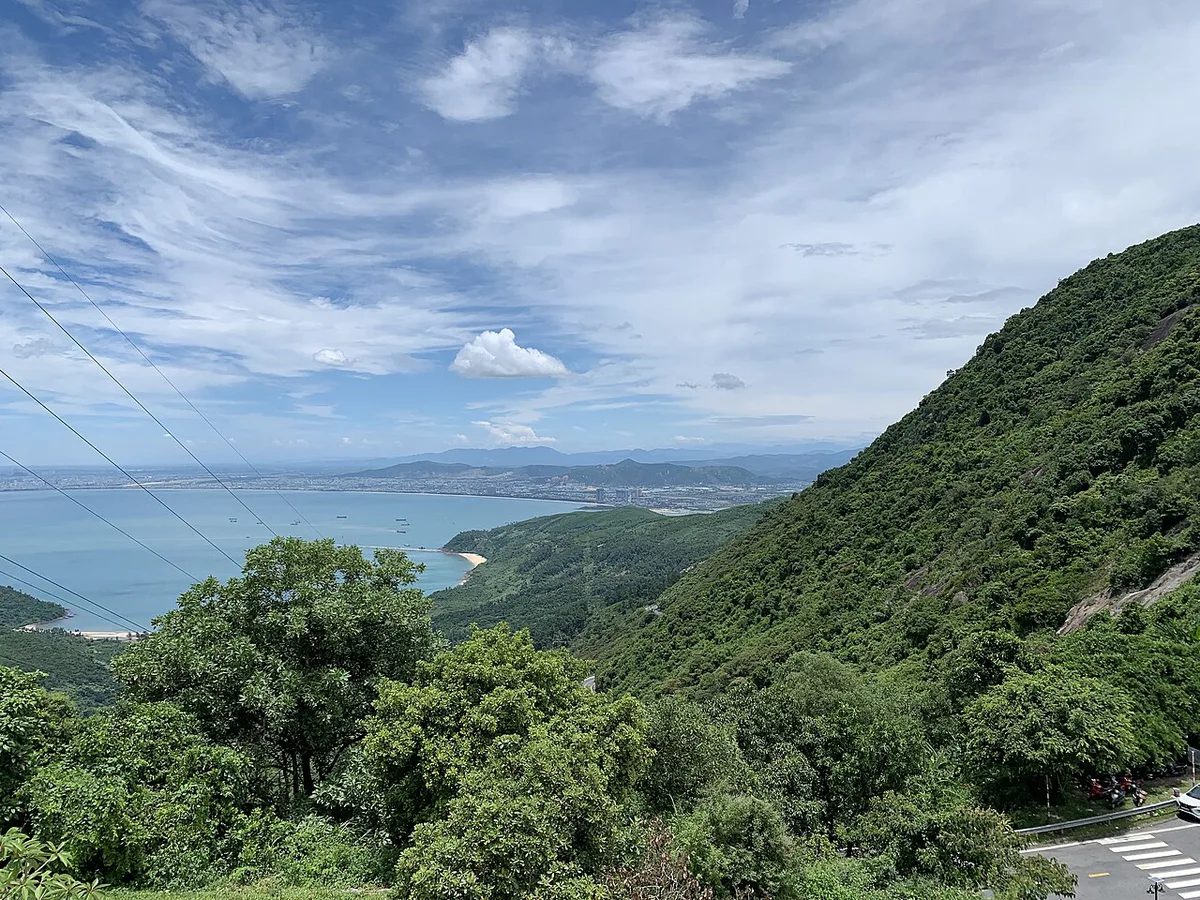
Long-distance trains leave from Hanoi Station on Le Duan Street. Journeys take about 15 to 17 hours, usually overnight. Fares run ₫550,000 to ₫1,800,000 depending on seat type, berth position and train number. Soft sleeper berths cost more than seats, and lower berths are easier to climb into. Between Hue and Da Nang, the line passes Lang Co and Hai Van Pass, so travelers often pick a daylight arrival for scenery. Hanoi has several stations listed for regional services, so check the departure station printed on your ticket. In Da Nang, two stops are listed. Da Nang Station is about 14 km (9 miles) from the center. Kim Lien Station is about 6 km (4 miles) away. Book through Vietnam Railways and aim for 3 to 7 days ahead. Holiday dates sell out sooner.
Bus and driver: what the expressway changes
Sleeper buses cost about ₫400,000 to ₫1,000,000 depending on bus type. Operators reported on the route include FUTA Ha Son, Hoang Long, Queen Cafe and Duong Vu. Modern coaches usually offer air conditioning and wifi. Private cars take roughly 10 to 12 hours, and buses run similar times on expressway stretches. Reported completed sections include Phap Van to Ninh Binh, Ninh Binh to Bai Vot, Ham Nghi to Vung Ang and Van Ninh to Cam Lo. Expressway coverage keeps changing, so ask your operator which sections it uses. Drivers add a flexible schedule and room for luggage. Buses add lower cost and fewer decisions.
Motorbike and self-drive: only if you are experienced
Riding takes about 14 to 16 hours of saddle time, longer with stops. Plan a break every 2 to 3 hours. Mountain passes in the central provinces can be steep, winding and foggy. Avoid night riding on unfamiliar road. Fuel and food are the main costs, which suits tight budgets. Licence and insurance rules apply to foreign riders, so check them with Vietnamese transport authorities before you rent. Most visitors should split this trip over two days or choose another mode.
Costs compared and how to save
Reported ranges overlap heavily. A bus ticket tops out near ₫1,000,000, while an economy flight can start at ₫600,000 and reach ₫1,200,000. The train spans ₫550,000 to ₫1,800,000, and the upper end buys private-style comfort. Flights can beat trains on price when you book early or catch a promotion. Sleeper berths save a hotel night, which narrows the true gap with air. Prices rise around Tet and public holidays, so book earlier for those dates. Weekday travel in low season, September to December, is typically cheaper.
Which option for which traveler
Match the mode to your constraint.
- Short on time: fly from Noi Bai to DAD.
- Tight budget: take a sleeper bus at ₫400,000 to ₫1,000,000.
- Scenery lover: take the train and watch for Lang Co and Hai Van Pass.
- Family with luggage: hire a private car, or fly with bags prepaid.
- Solo night traveler: book a lower sleeper berth on the train.
- Flexible stopover traveler: break the trip at Ninh Binh or Hue.
Arriving in Da Nang: first-day logistics
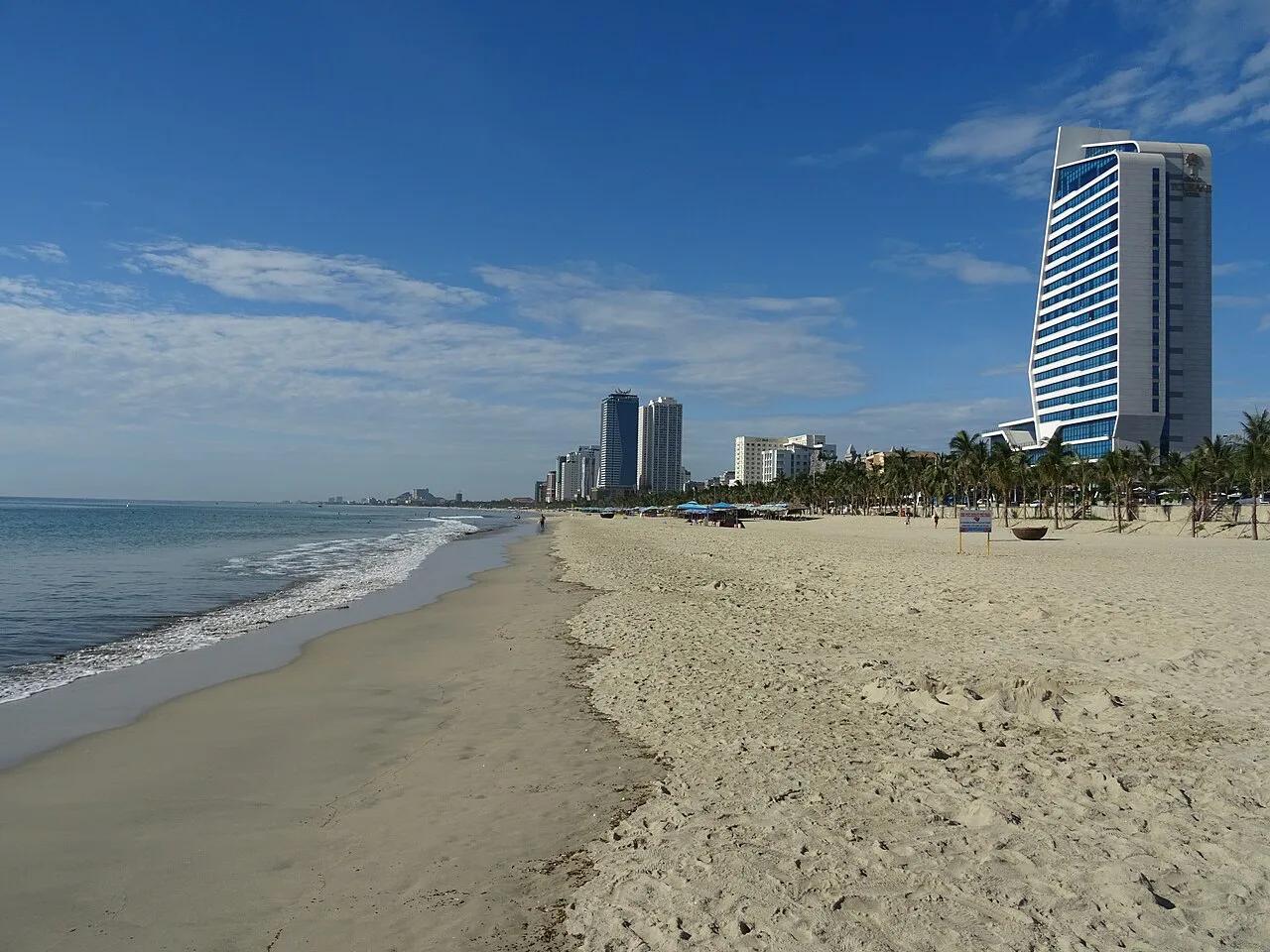
From the airport, you are already near the city center. From Da Nang Station, budget extra transfer time because it sits about 14 km out. Kim Lien Station is about 6 km out. Base yourself near the beach strip if you want sand and sea, or in the city center for restaurants and bridges. Hoi An works as a day trip, and our Da Nang to Hoi An guide covers the options. If you stop in Hue first, the Da Nang to Hue route describes that leg in reverse. Coming from the south instead? See Ho Chi Minh City to Da Nang: Flight, Train & Bus Compared.
Kim Lien Station still ends about 6 km (4 miles) out, even though flights land close to the city.
Common mistakes to avoid
A few errors cost travelers the most time and money.
- Booking the wrong departure station: check Hanoi Station on the ticket.
- Ignoring typhoon season: storms can disrupt flights, trains and roads from September to December.
- Underestimating door-to-door time: a 1h15 flight still needs transfers at both ends.
- Buying from unofficial resellers: use Vietnam Railways or the airline for policy questions.
- Skipping a booking window: book trains 3 to 7 days ahead, earlier near holidays.
Frequently Asked Questions
How far is Hanoi from Da Nang?
By road it is roughly 740 to 766 km (about 460 to 476 miles). Rail is about 791 km. Flight distance is about 607 to 626 km.
When should I avoid Da Nang?
September to December is low season with storm risk. Typhoons can disrupt flights, trains and roads. February to August is reported as the drier stretch.
Useful notes for your Vietnam trip
Optional updates to our guides.
You might also like

Continue reading
More guides you'll find useful