Best Time to Visit Da Nang: Month-by-Month Guide
Find the best months for Da Nang by weather, crowds, price, and events, plus what to do in the rain and what to book early.
On this page
Last updated November 2026. The best time to visit Da Nang for beach weather is roughly March to August, with May and June balancing sun and manageable heat. Choose October to January only if low hotel rates matter more than dry days. Tet in late January or February suits culture seekers and breaks most other plans.
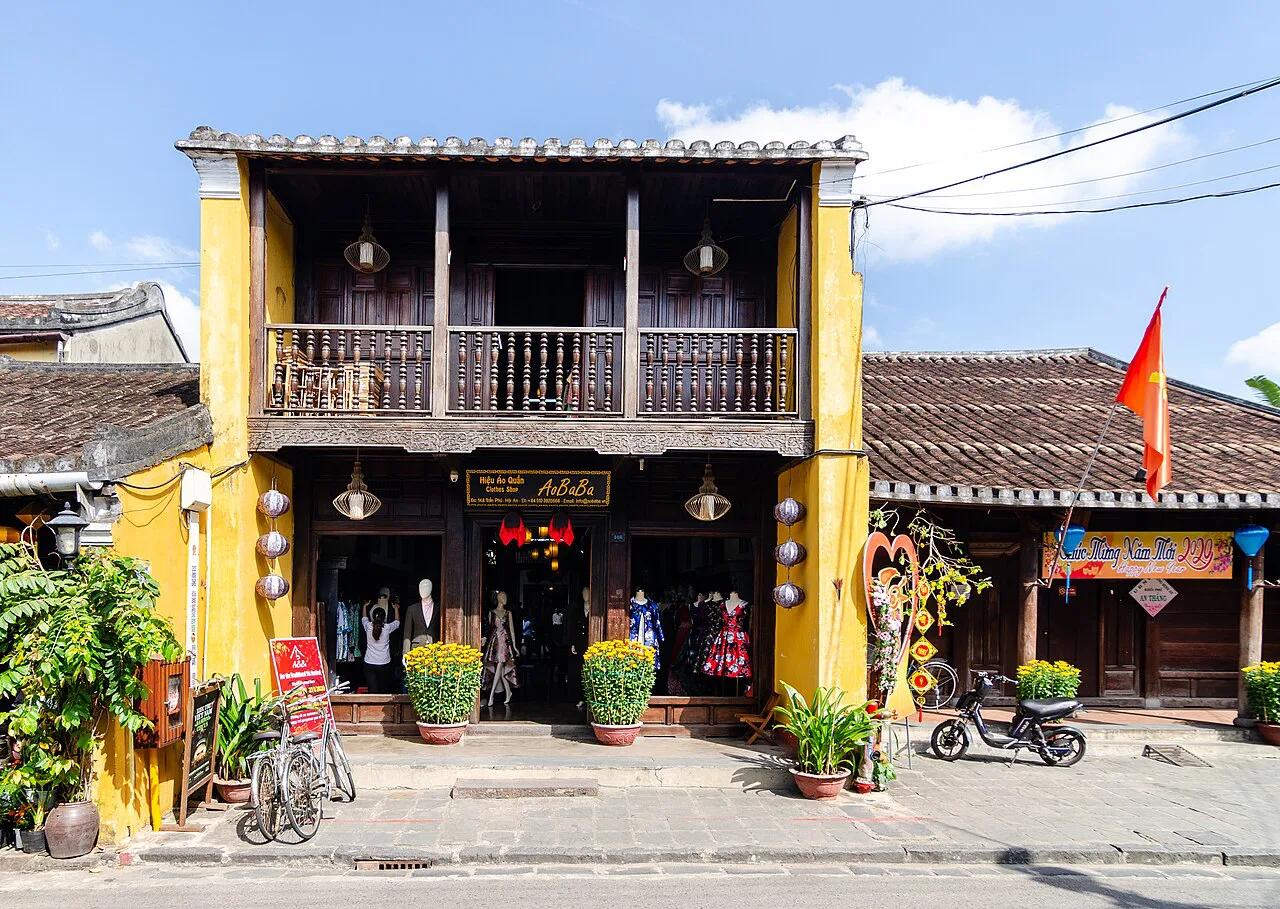
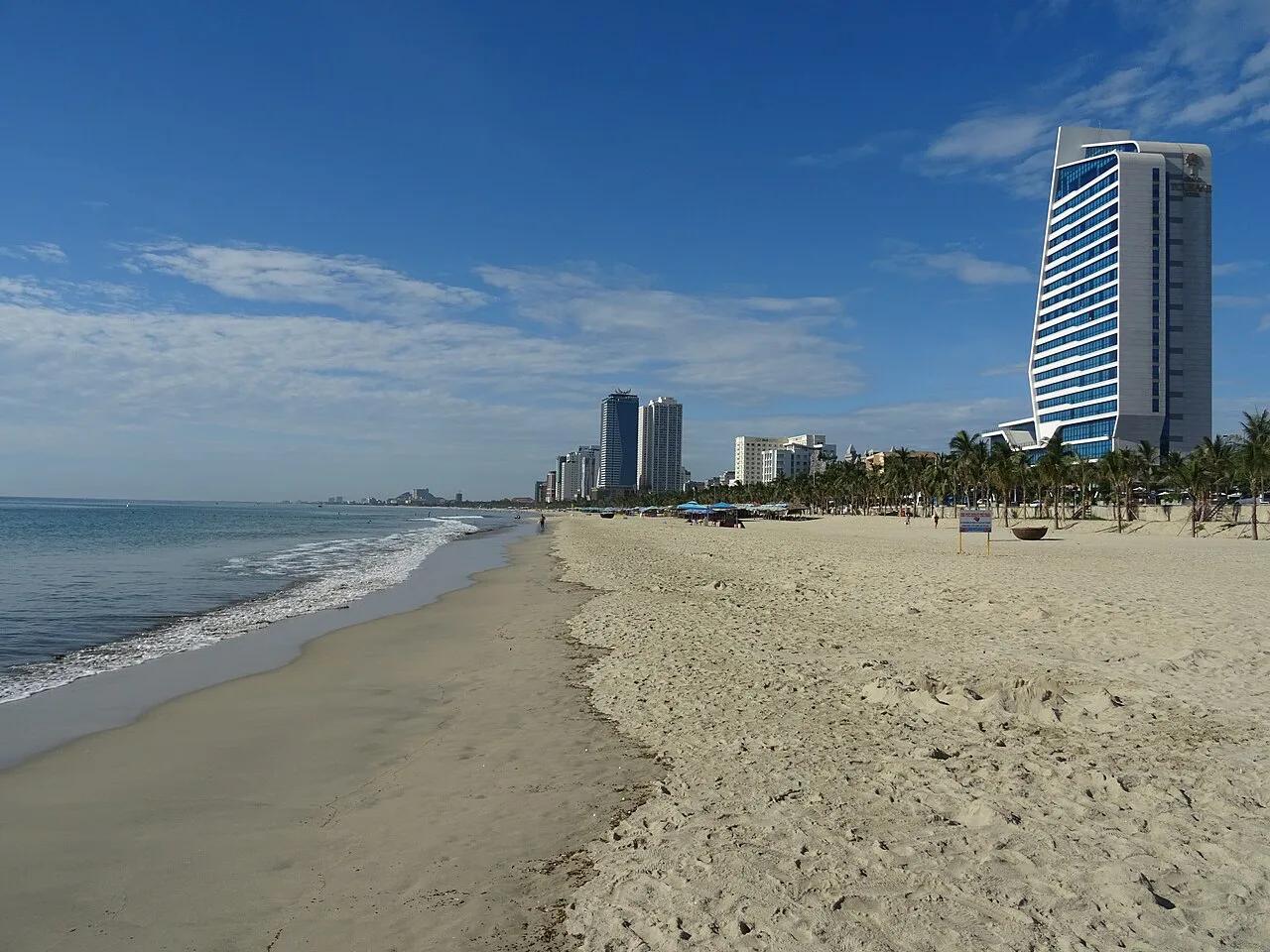
Featured image: Christophe95, CC BY-SA 4.0, via Wikimedia Commons.
The short answer: best months to visit Da Nang
Pick March to May for dry, warm days without peak-summer heat. June to August gives the hottest beach weather and the highest demand. September is workable early in the month, and storms build toward its end. October to December is the wet stretch on the central coast, with flooding risk around Hoi An. Sources disagree on exact season boundaries, so treat the edges of each window as soft. Mid-May and June give the safest balance of sun, sea and availability.
| Traveller type | Best months | Trade-off |
|---|---|---|
| Beach and swimming | May to August | Highest hotel demand and midday heat |
| Sightseeing without extreme heat | March to May | Fireworks and holiday weekends fill rooms |
| Hiking on Son Tra Peninsula | February to May | Hot, bright afternoons by May |
| Surfing at Non Nuoc Beach | November to March | Rain and storm risk in the early months |
| Budget travel | October to January | Rain, flooding and cancelled day trips |
| Culture and festivals | Tet, Mid-Autumn, fireworks season | Closures during Tet; moving dates |
Da Nang's climate in plain terms
Da Nang sits on Vietnam's central coast, where the wet season peaks in autumn rather than summer. That differs from Hanoi and Ho Chi Minh City, so a single national monsoon rule misleads. March to August is generally dry, and July and August run hottest, with beach-hour highs around 33°C (91°F). Cool months bring lows near 20°C (68°F) in January. Humidity climbs from late August into September, and mosquitoes rise with it. Storm and typhoon warnings come from the national hydro-meteorological service, so read them before booking anything non-refundable. Detailed monthly data sits in our Da Nang weather breakdown.
Month-by-month guide to Da Nang
Temperatures below are typical highs and lows from published climate tables. Crowd and price levels are editorial estimates, not measured data. Late January to February can feel cool at night, near 20°C (68°F). Midsummer afternoons pass 32°C (90°F). December is cool and comparatively drier, and our guide to Da Nang in December: Weather, Events & What to Plan covers it in depth.
| Month | Typical temperature | Crowds / price | Watch out for |
|---|---|---|---|
| January | 20-24°C (68-75°F) | Low to medium | Cool nights; shoulder-season showers |
| February | 20-25°C (68-77°F) | Medium; spikes at Tet | Tet closures |
| March | 22-27°C (72-81°F) | Medium to high | Conflicting sources on rainfall |
| April | 25-30°C (77-86°F) | High | Public holiday weekend, April 30 and May 1 |
| May | 26-32°C (79-89°F) | High | Rising heat |
| June | 27-33°C (81-91°F) | Peak | Strong sun; book early |
| July | 27-33°C (81-91°F) | Peak | Midday heat |
| August | 27-32°C (81-90°F) | Peak to medium | Mosquitoes rise late in the month |
| September | 26-30°C (79-86°F) | Medium | Evening thunderstorms later in the month |
| October | 24-28°C (75-82°F) | Low | Heavy rain, storm risk |
| November | 23-26°C (73-79°F) | Low | Wettest period by some accounts |
| December | 21-24°C (70-75°F) | Medium (holidays) | Cool, changeable weather |
Best time by traveller goal
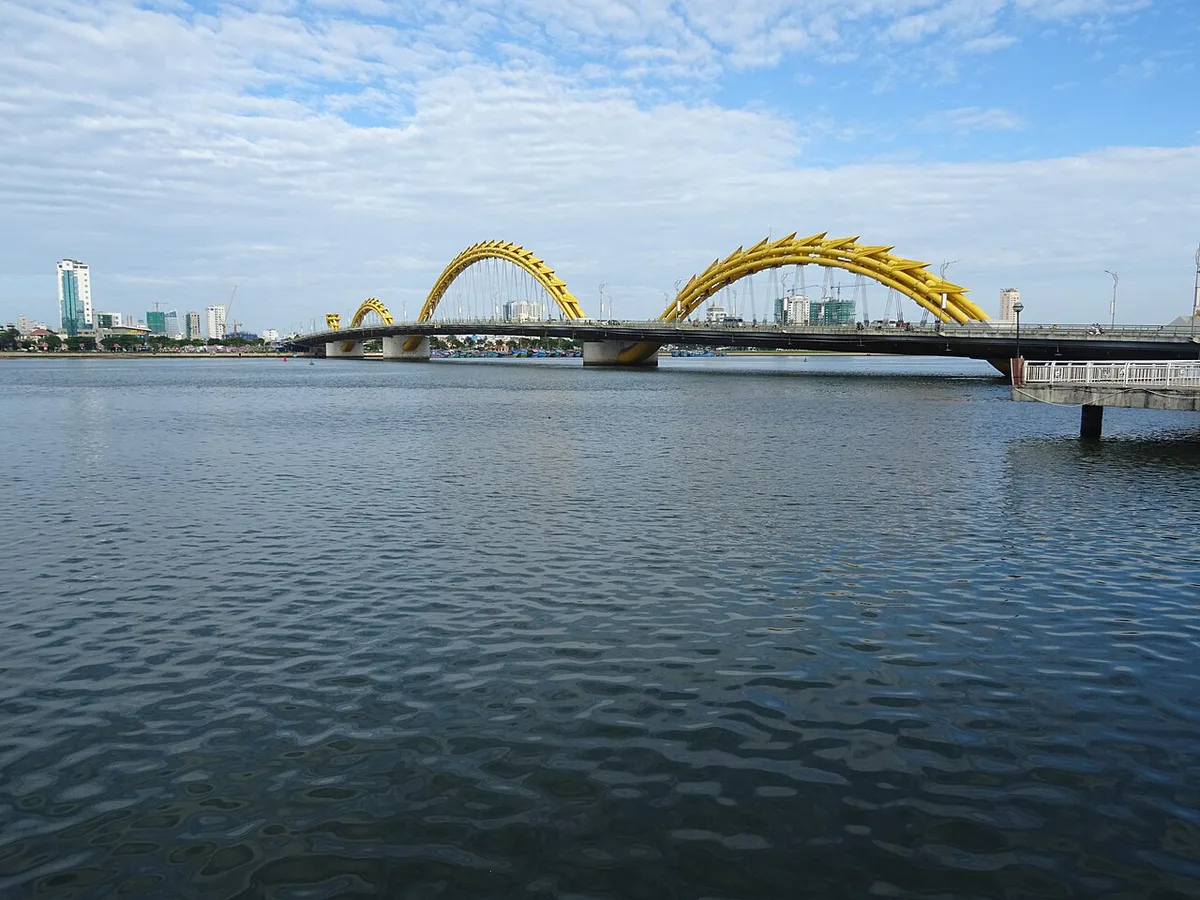
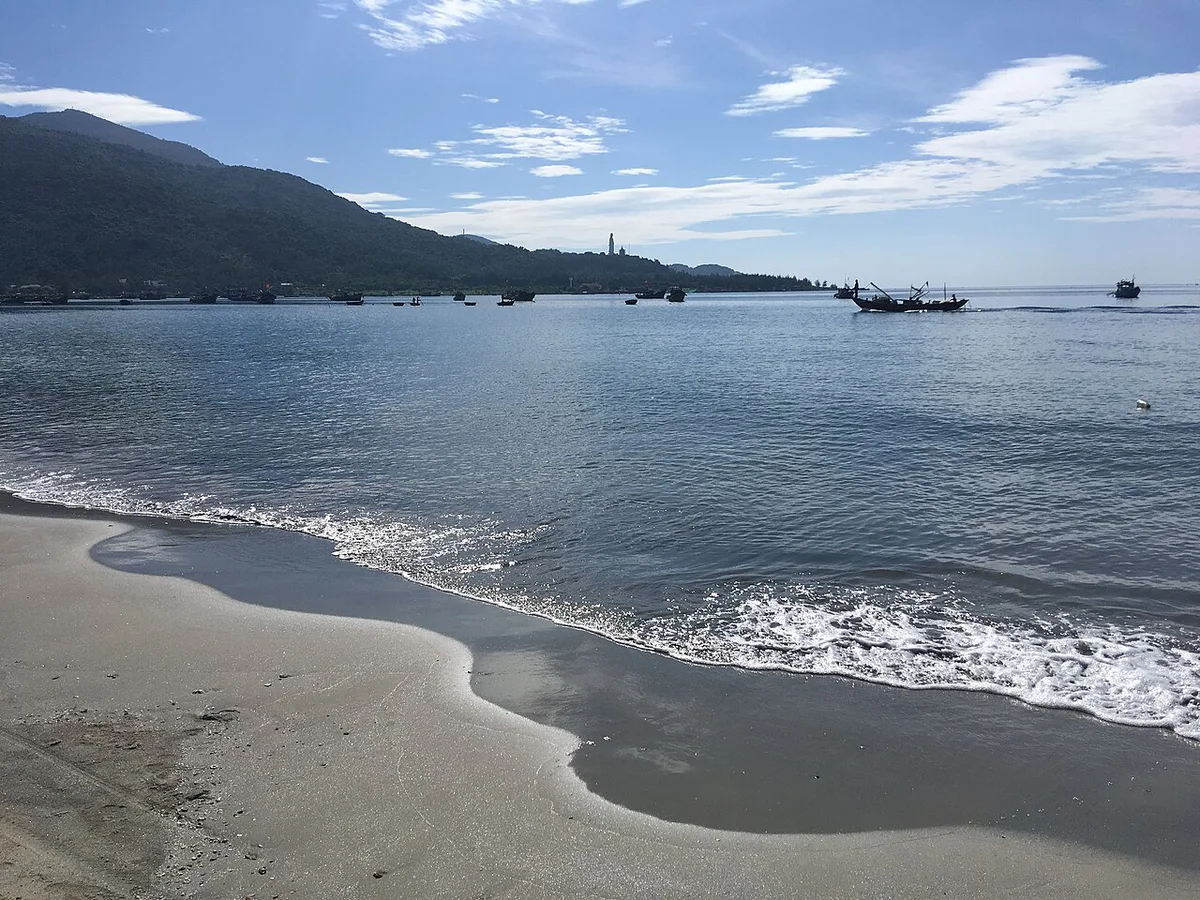
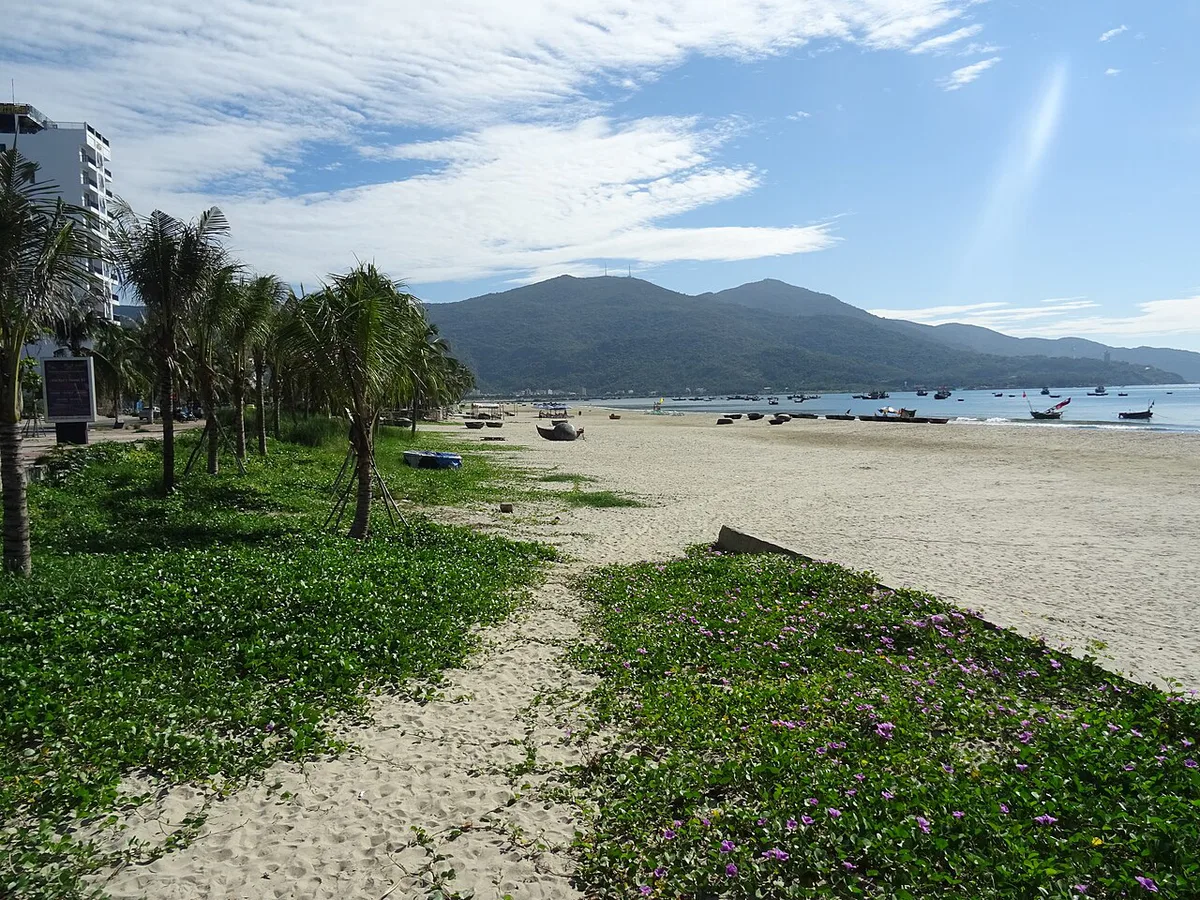
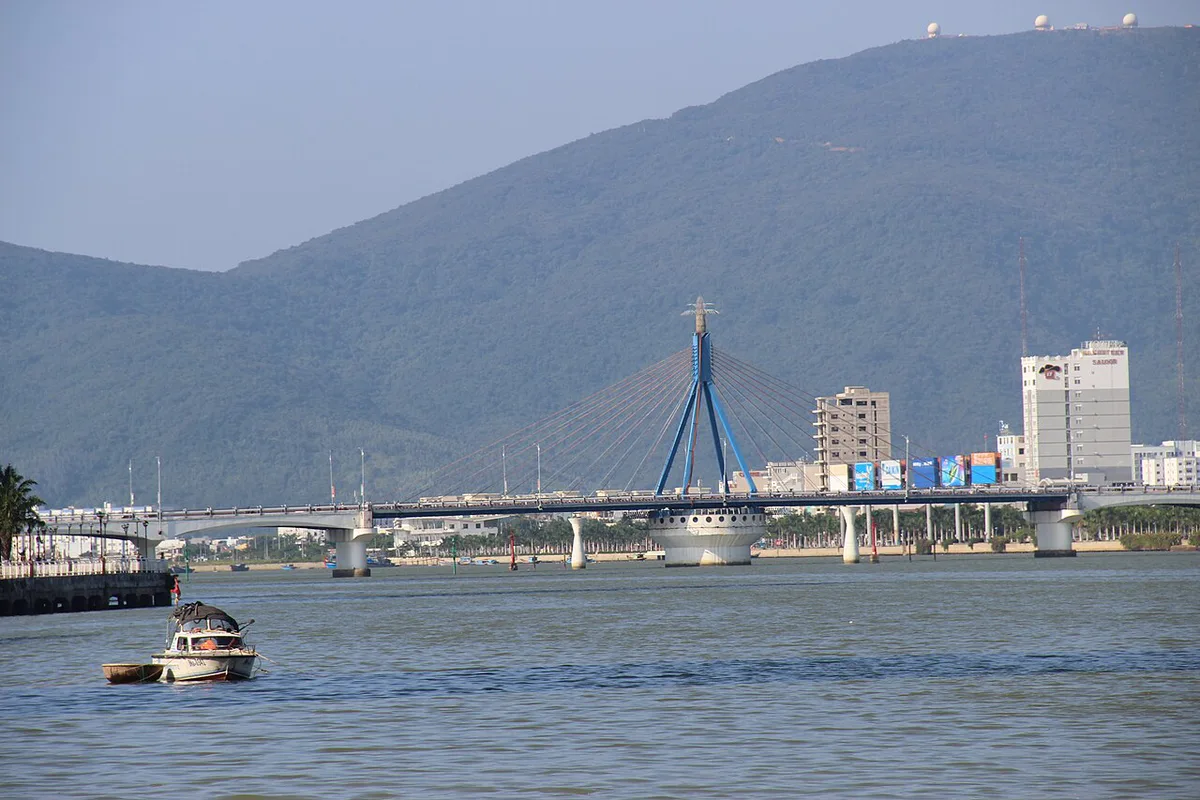
Beach days at My Khe Beach work best from May to August, with March and April as the milder fallback. Hikers on Son Tra Peninsula should aim for February to May, and start early to dodge afternoon heat. Surfers favour Non Nuoc Beach from November to March, when swell is higher, though that overlaps the wet season. Divers and snorkellers heading to Cham Island usually target June to August. Boat trips depend on operator and sea-state decisions, so keep a spare day. Sightseeing at Marble Mountains and Dragon Bridge is most comfortable from March to May. Budget travellers get the cheapest rooms from October to January, in exchange for rain risk.
Peak, shoulder, and low season: crowds and prices
June to August is peak season, with high hotel and flight demand. February to May is shoulder season, and October to January is low season. Prices and hours checked November 2026. For budgeting, treat this as an illustrative planning example rather than a quoted rate. A mid-range beachfront room around ₫1,200,000 per night in July may fall toward ₫800,000 per night between October and January. Food prices stay broadly steady through the year. Hotels and flights carry the seasonal swing. For summer stays, book flights and rooms well ahead, ideally weeks before travel. Low-season stays can be booked closer in.
| Season | Months | Weather | Hotel price level |
|---|---|---|---|
| Peak | June-August | Hot, mostly dry | High |
| Shoulder | February-May | Warm, drier | Medium |
| Early autumn | September | Humid, storms later | Medium to low |
| Low | October-January | Wet, cool, storm risk | Low |
Festivals and events calendar
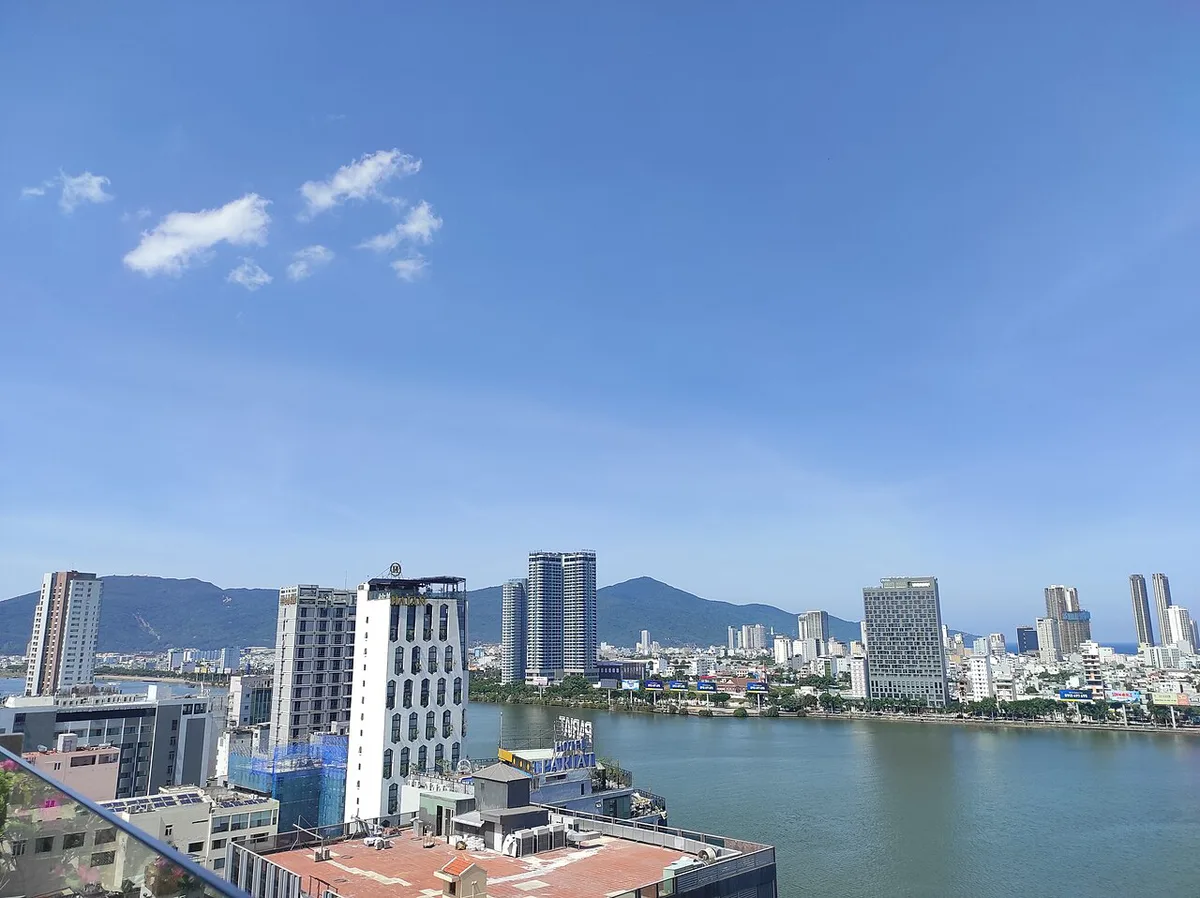
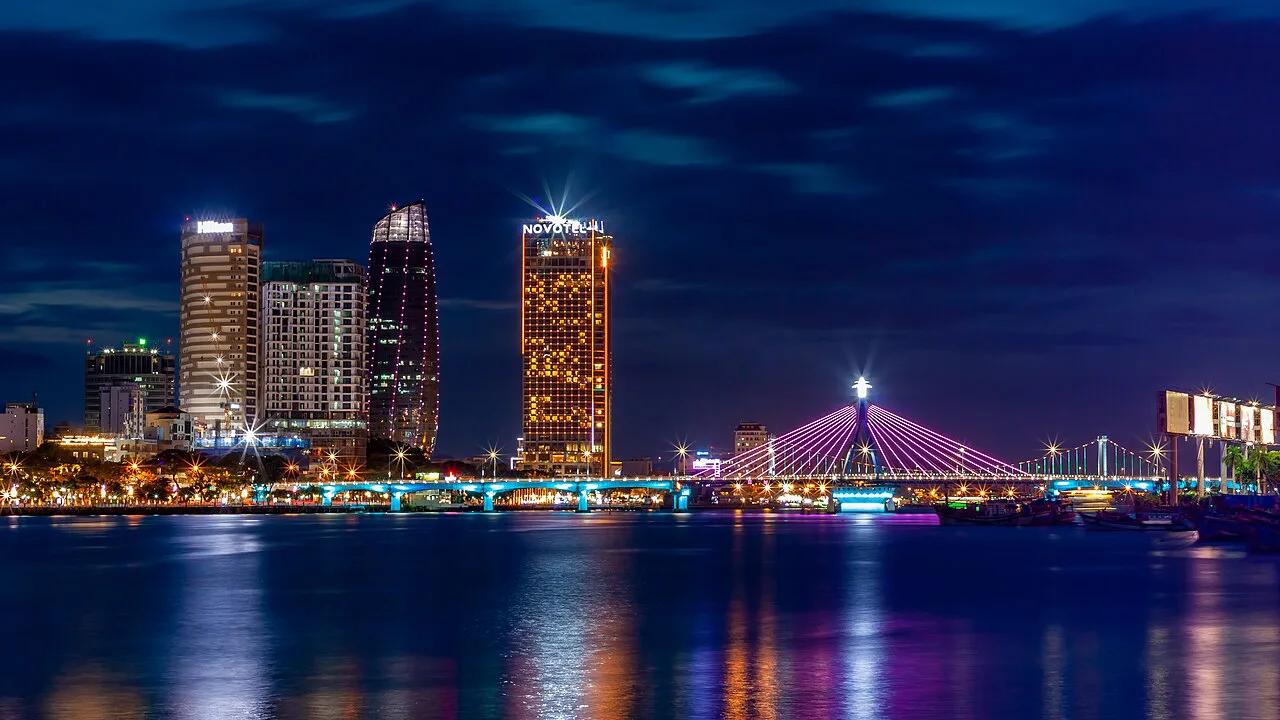
Tet (Lunar New Year) falls in late January or February, and the date moves each year. Many shops, restaurants and hotels close for about a week or longer. Places that stay open may add a surcharge reported at 10-40%. Mid-Autumn Festival lands in September or October on the lunar calendar. Fireworks festival timing varies by year, with sources placing it anywhere from March to July. Read our Da Nang fireworks festival guide for planning notes. Current dates and tickets are posted on the official Da Nang tourism site. Event nights lift hotel demand near the Han River, so reserve early if you want a riverside base.
Rainy season and typhoon season: what really happens
The wet season runs roughly from September to December, and November is often named the wettest month. Flooding hits Hoi An Ancient Town in heavy spells. Flash floods and landslides can cancel day trips to Hue, Ba Na Hills and My Son. Our guide to the Da Nang Rainy Season: What to Expect and How to Plan covers storm timing and gear. Book refundable rooms and take travel insurance that covers weather disruption. Rain-day backups include the Museum of Cham Sculpture, cafés, and spas.

| Day trip | Weather sensitivity | Backup |
|---|---|---|
| Hoi An | High in floods | Museums and cafés in Da Nang |
| Hue | High in storms | Move to a dry day |
| Ba Na Hills | High in cloud and storms | Marble Mountains caves |
| My Son | Medium to high | Museum of Cham Sculpture |
| Son Tra Peninsula | Medium | Beach morning, café afternoon |
| Cham Island | High; operator decides | Spare day or a spa |
Cheapest time to visit Da Nang, and what you trade for it
October to January offers the lowest hotel rates, though some sources stretch the window to September. Savings come with rain, cooler weather and storm disruption. Decision rule: choose low season only if you can drop Hoi An or Ba Na Hills for a day. Book flexible rates so a typhoon warning does not cost you a night. Otherwise, early September or March gives most of the savings with fewer rain days.
Places that stay open may add a surcharge reported at 10-40%, so a Tet-week budget can run above the low-season rate.
Getting to Da Nang and planning around the seasons
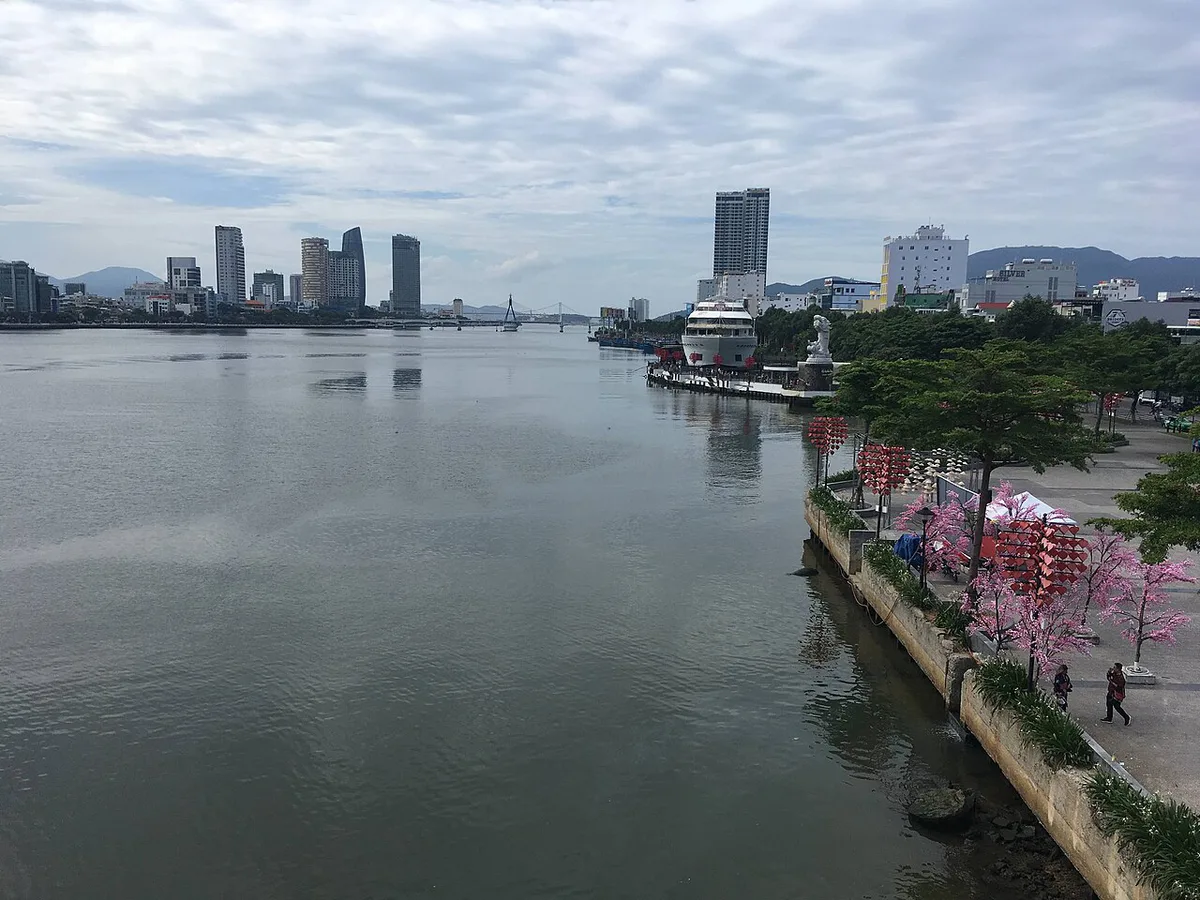
Da Nang International Airport sits about 15 minutes from the city centre. Long-haul visitors usually connect via Hanoi or Ho Chi Minh City on a domestic flight. Hue lies about 2 hours north, and Hanoi is roughly 700 km away. Ho Chi Minh City is about 900 km south. When combining cities, check each region's weather separately. Storm weeks bring more flight delays, so avoid tight onward connections on the same day.
Hue lies about 2 hours north, so a storm day in Hue can cancel the trip you planned around a dry Da Nang forecast.
Mistakes to avoid
Booking Tet without checking closures leaves you with shut restaurants and surcharges. Planning Hoi An day trips with no flood fallback wastes a day. Assuming one monsoon pattern covers all of Vietnam breaks multi-city plans. Trusting a single-day forecast over a week of trends misleads, so recheck daily storm bulletins as your trip nears.
- Tet: check closures before booking
- Hoi An: keep a flood fallback
- Whole-country monsoon: treat each region separately
- Forecast: read trends, not a single day
Final recommendation by traveller type
Beach lovers should go in May or June. Hikers and sightseers do best from March to May. Budget travellers should target early October or January, with flexible bookings. Surfers can aim for November to March, accepting more rain. Festival fans should work around Tet and the fireworks schedule. Whatever month you pick, read the forecast and typhoon warnings in the week before you fly.
Building the rest of the trip? Our Da Nang attractions guide covers the sights, districts and logistics around this guide.
Best time to visit other cities
Frequently Asked Questions
When not to go to Da Nang?
Avoid late September to December if you want dependable beach weather. Storms and flooding peak then. Tet is also a poor choice if you want restaurants and shops open.
Explore More Da Nang Guides
Keep planning your Da Nang trip with these guides.
Da Nang Guides
Useful notes for your Vietnam trip
Optional updates to our guides.
You might also like
Continue reading
More guides you'll find useful