6 Must-Try Da Nang Food Dishes & Where to Eat Them
Da Nang food guide: 6 must-try dishes, where to eat, meal timing, seafood ordering tips and street-food costs in VND for first-time visitors.
On this page
Last updated November 2026: Da Nang food centers on turmeric noodles, fish-cake soup and crisp pancakes, all built on central Vietnam's chili, fermented fish sauce and fresh herbs. Start with Mi Quang, Bun Cha Ca and Banh Xeo, then add pork rice paper rolls, Bun Mam Nem and Che. Markets, street stalls and the My Khe seafood strip each suit different meals, so this guide maps dishes to places and times.
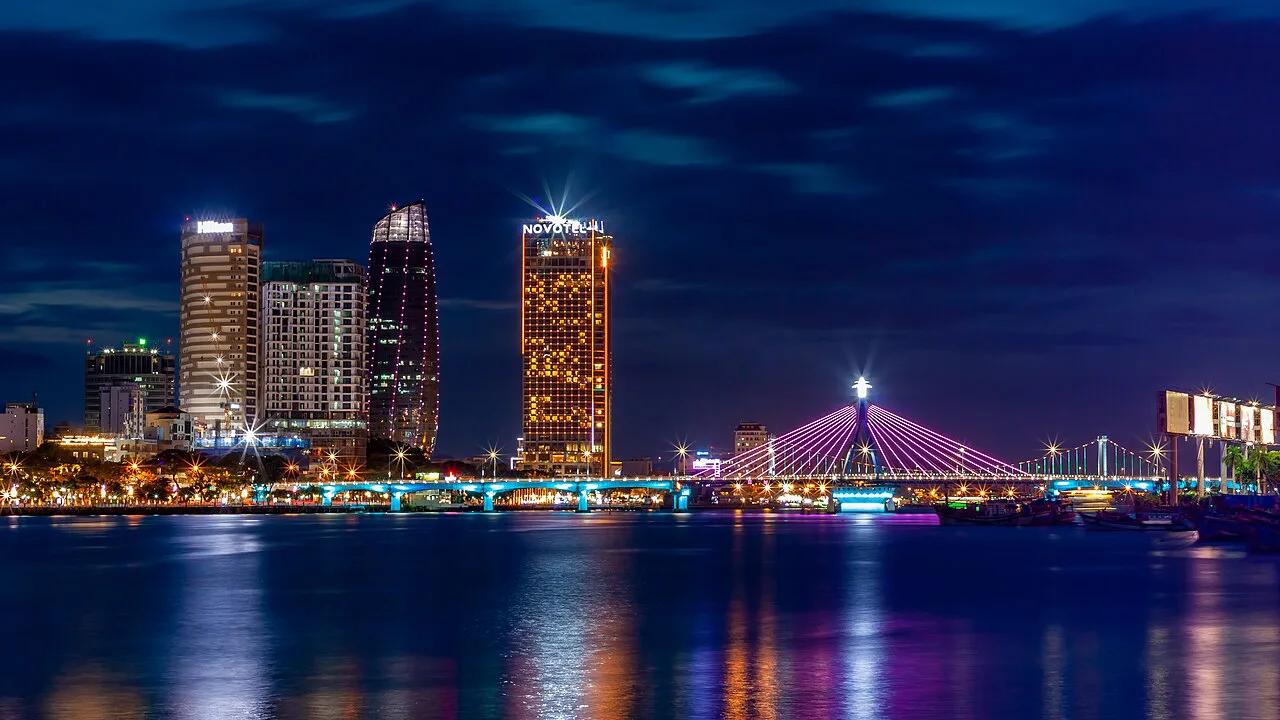
Featured image: Jpatokal, CC BY-SA 4.0, via Wikimedia Commons.
Quick answer: what to eat in Da Nang
Central Vietnam cooks with heavy chili, fermented sauces and fresh herbs. Diners finish most bowls themselves with lime, chili paste and garlic vinegar from the tray on the table. Short on time? Build one day from this shortlist.
- Breakfast: Bun Cha Ca at a soup stall, typically served from about 6:00 to 9:00 AM.
- Lunch: Mi Quang, or a rice plate between 11:00 AM and 1:30 PM.
- Dinner: Banh Xeo with Nem Lui once stalls reopen around 6:00 PM.
- Late snack: Che, or a salt coffee.
6 Da Nang Food Dishes You Should Eat First
Prices and hours checked November 2026. Street stalls usually sell a single dish for roughly 30,000–45,000 VND a bowl. You pay in cash on your way out, not at the table.
| Dish | Best time | Adventure level | Suits | Where to look |
|---|---|---|---|---|
| Mi Quang | Breakfast or lunch | Low to medium | Most eaters; pork-free versions possible | Con Market and neighborhood noodle stalls |
| Bun Cha Ca | Early morning | Medium | Fish-soup fans | Morning soup stalls |
| Banh Xeo and Nem Lui | Dinner | Low | Groups, families | Pancake restaurants and street grills |
| Pork rice paper rolls | Lunch or dinner | Medium | Hands-on eaters | Local eateries |
| Bun Mam Nem | Lunch | High | Adventurous eaters | Con Market food area |
| Che | Afternoon or evening | Low | Sweet-tooth travelers | Dessert shops and markets |
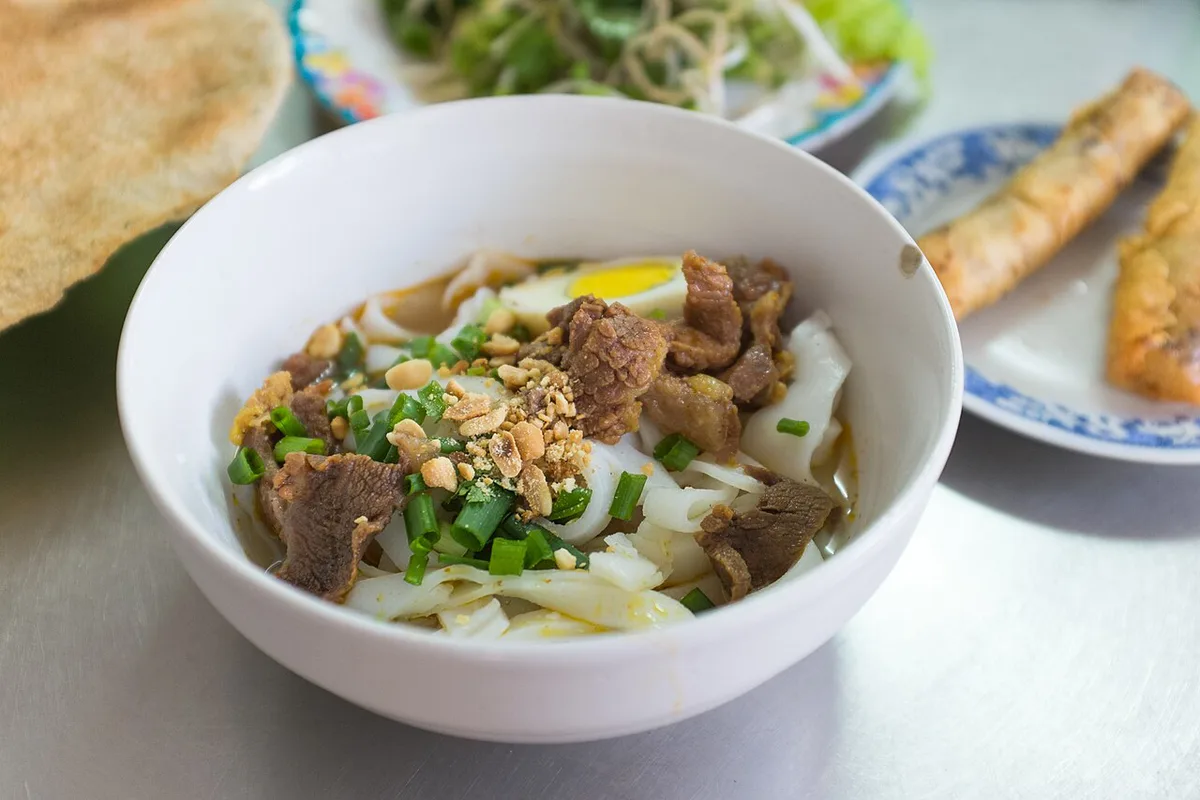
1. Mi Quang
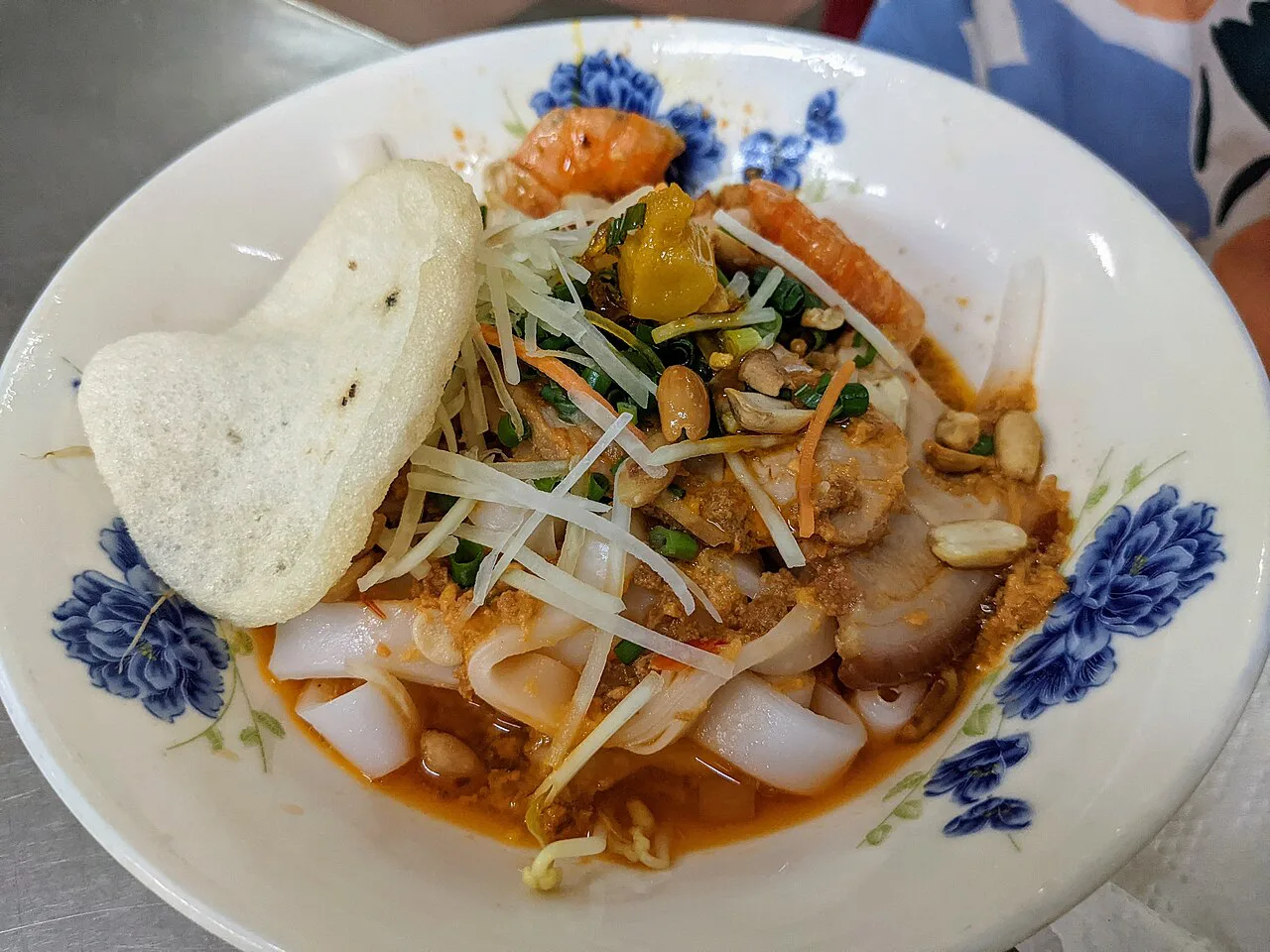
Mi Quang is Da Nang's signature noodle dish, built on wide turmeric-tinted rice noodles. A small ladle of pork-and-bone broth just wets the noodles, so each bowl eats closer to a dry noodle dish than a soup. Toppings usually include pork, shrimp, roasted peanuts, herbs and a toasted rice cracker to crumble in.
Chicken and frog versions also turn up, depending on the stall. Order it at breakfast or lunch, and read our full Mi Quang breakdown for regional styles. Skip it if you avoid pork and shellfish, or ask for a chicken bowl.
2. Bun Cha Ca
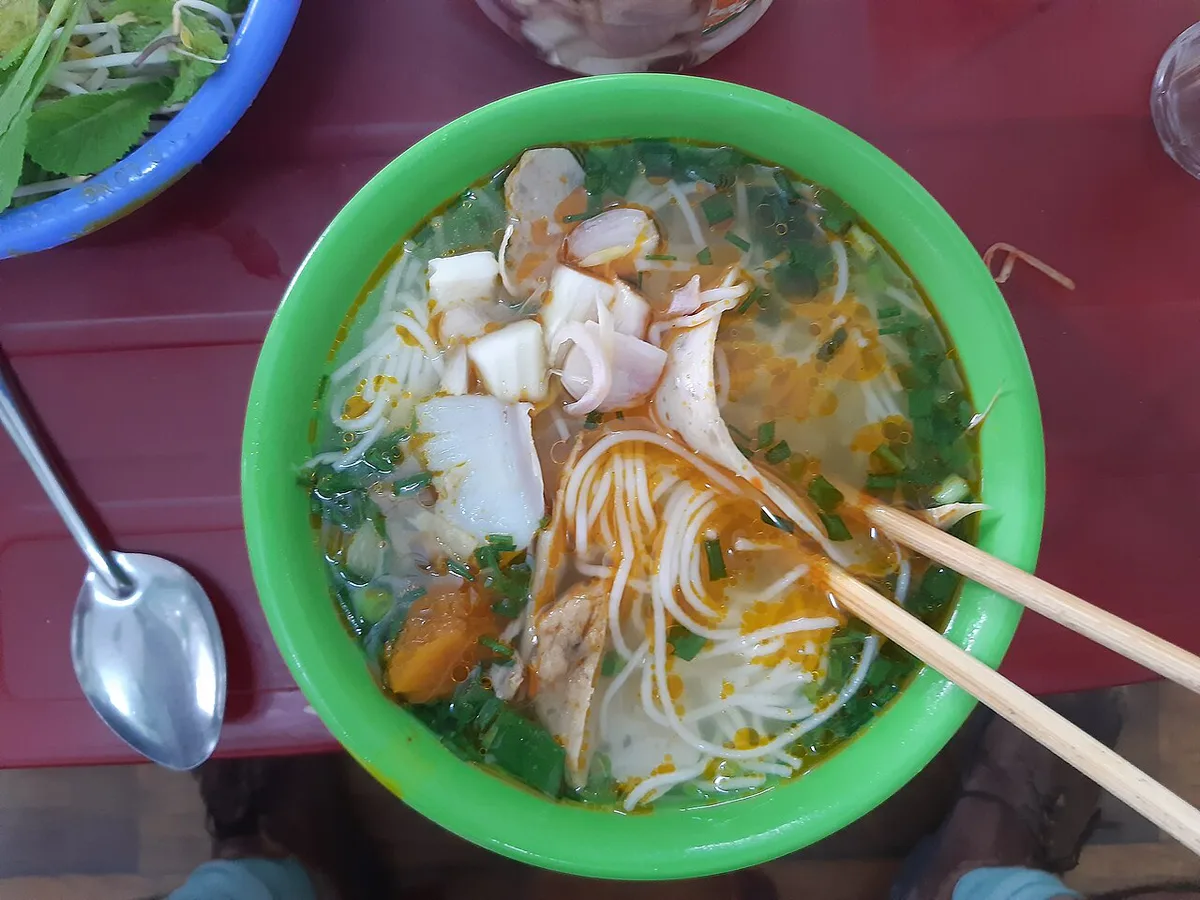
Bun Cha Ca is the classic morning soup: thin rice vermicelli in a sweet-and-sour broth. Fish bones, pumpkin, pineapple and bamboo shoots simmer into that broth. Slices of fried and steamed fish cake sit on top.
A side of purple fermented shrimp paste comes along, and a chopstick tip stirred into the bowl adds deep umami. Pots typically run empty around 9:30 AM, so arrive between about 6:00 and 9:00 AM. Anyone put off by fermented smells should skip the shrimp paste, or the dish.
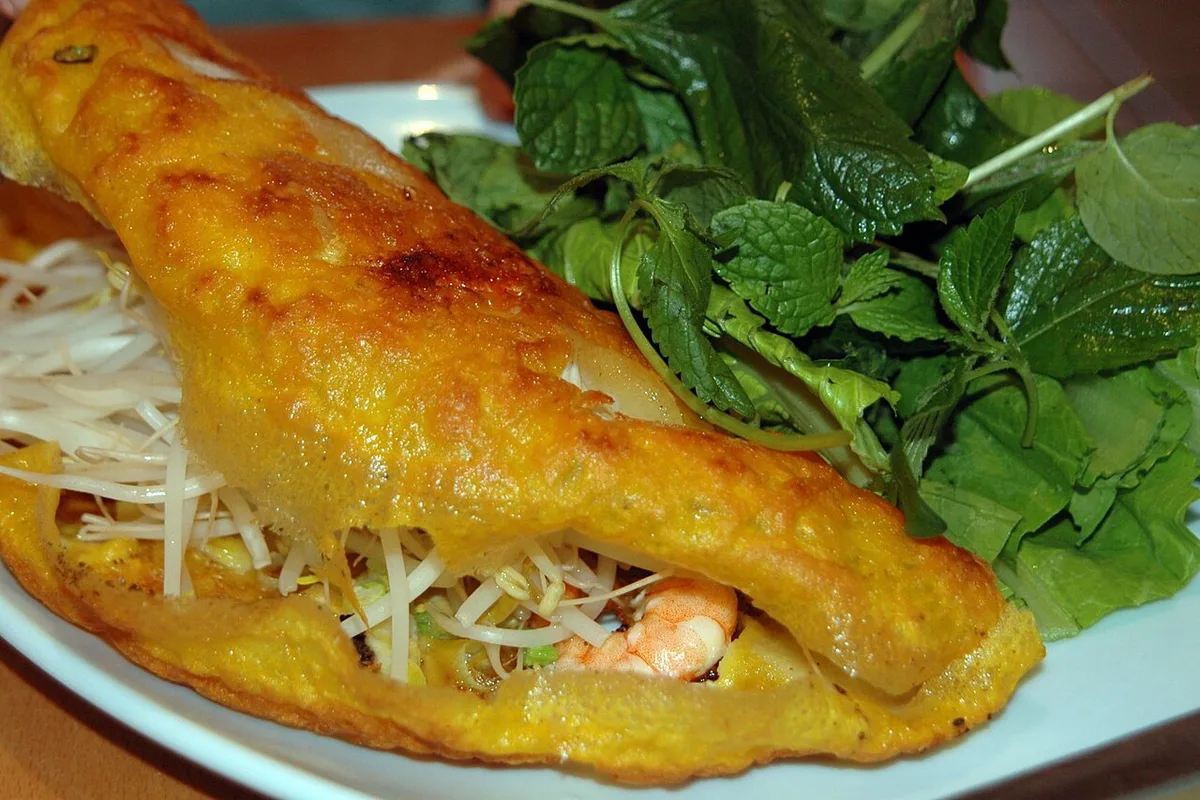
3. Banh Xeo and Nem Lui
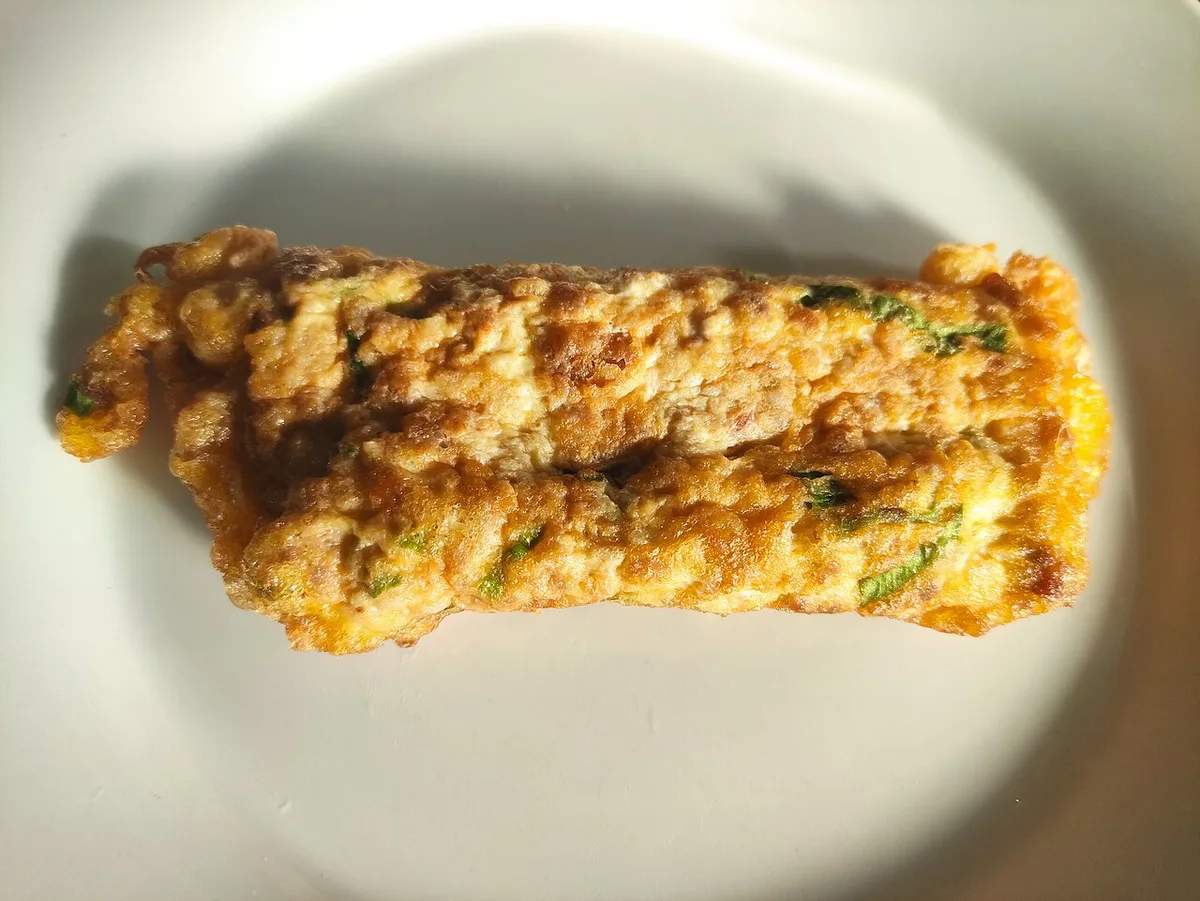
Banh Xeo in Da Nang is a small, crisp rice-flour pancake folded over pork, shrimp and bean sprouts. Hot oil leaves the edges dark brown and shattering. Break off a piece, lay it on rice paper with lettuce and mint, roll it up, and dip it in warm peanut sauce.
Nem Lui, seasoned meat grilled on skewers, joins the same wrap-and-dip routine. Dinner is the natural slot, with pancake restaurants typically busy from about 6:00 PM. Sensitive stomachs can leave the raw lettuce in the basket.
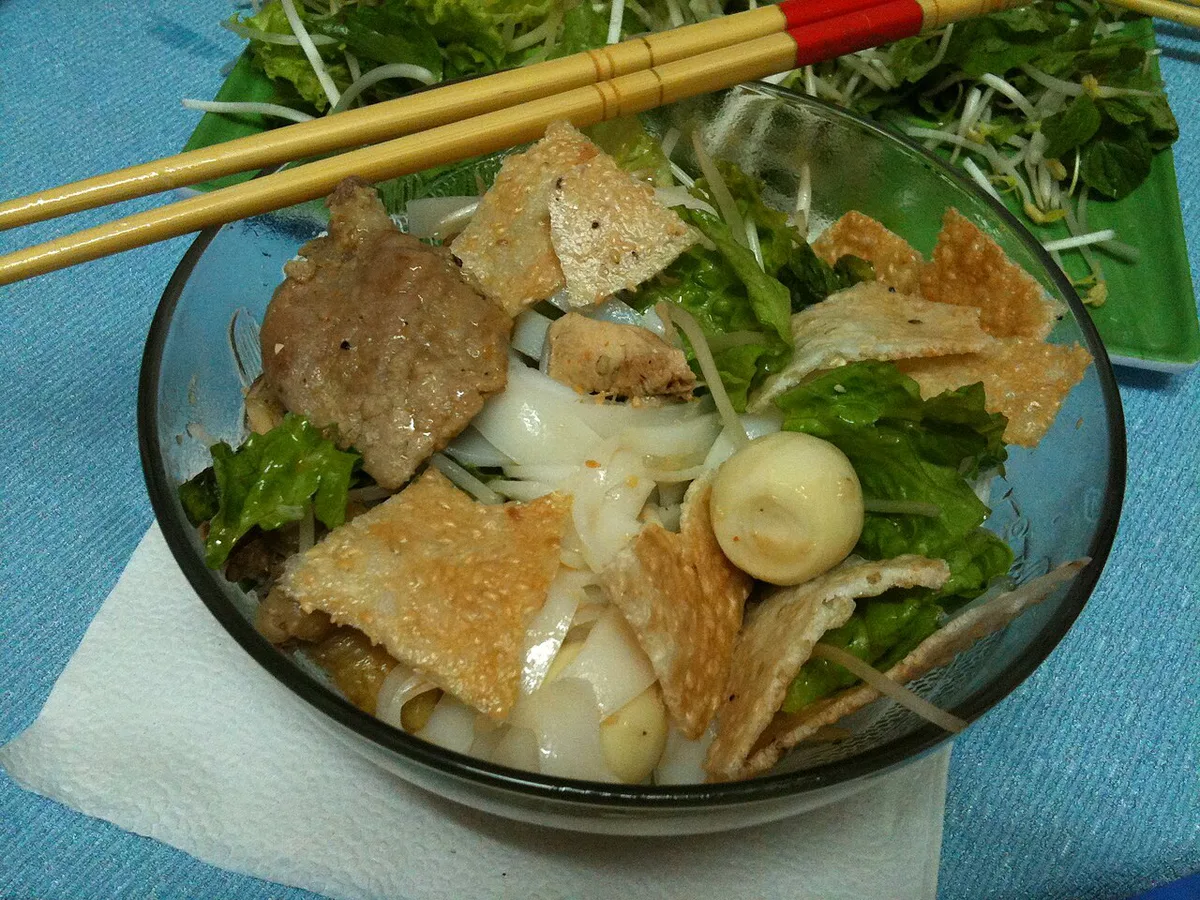
4. Banh Trang Cuon Thit Heo (pork rice paper rolls)
Banh Trang Cuon Thit Heo pairs thinly sliced pork with rice paper, cucumber, herbs and fresh vegetables. Dipping sauce is mam nem, a salty, pungent fermented anchovy sauce. Roll your own bite: layer pork and vegetables onto the rice paper, wrap tightly, then dip.
Start with a little sauce, because mam nem hits hard on a first try. Lunch and dinner both work. Travelers who avoid anchovy or fish sauce should pass.
5. Bun Mam Nem
Bun Mam Nem tosses rice vermicelli with pork, vegetables, herbs and the same fermented anchovy sauce. Nothing is brothy here, so the sauce coats every strand. Salty and pungent, mam nem is balanced by herbs and crunchy toppings.
Con Market's food area is a good place to look for it. Try it after the pork rolls above, since the flavor is stronger. Skip it if fermented fish aromas are a dealbreaker.
6. Che
Che covers a whole family of Vietnamese sweet soups and puddings. Ingredients range across beans, jelly, fruit, coconut milk and tapioca. Some versions come chilled over ice, others warm.
Dessert shops and market food areas, including Con Market, serve several types. Evenings and the afternoon lull both suit it, when savory stalls have closed. Anyone limiting sugar should split one cup between two people.
Hue-influenced dishes you'll find in Da Nang
Several dishes arrived from Hue but are now easy to find in Da Nang. Spicy beef noodle soup Bun Bo Hue carries lemongrass and fermented shrimp paste. Small steamed rice cakes called Banh Beo carry dried shrimp and scallions. Steamed in banana leaf, Banh Nam is a soft, flat rice-flour cake. Translucent tapioca wrappers make Banh Loc chewy, usually around shrimp or pork. A mixed plate of the three lets you compare textures in one sitting. Goi Ca Nam O, the fish salad from Nam O fishing village in northwestern Da Nang, suits adventurous eaters. For a sit-down meal afterwards, browse our sit-down restaurant picks.
Where to eat: markets, streets and the beach
Four areas cover most eating plans. Taxi or ride-hailing links the city center with My Khe and Con Market. Market stall hours shift, so use Da Nang's official tourism site for current details.
- Con Market: busy food areas serving Mi Quang, Bun Mam Nem, Banh Beo and Che at budget prices. Graze through the Con Market food area for the widest dish range.
- Han Market: central, near the Han River and Da Nang Cathedral, with produce, dried seafood, sauces and prepared snacks. Fit the snack stalls at Han Market between sightseeing stops.
- My Khe: seafood restaurants line the beach, and Vo Nguyen Giap street runs along it.
- An Thuong: casual eateries, street food, cafés and international menus, handy for mixed groups.
Eat by time of day
Meal times run on a tight schedule, and these windows are typical rather than universal. Soup stalls close around 9:30 AM. Rice plates sell out by about 1:30 PM. Between 2:00 and 5:00 PM, most good street stalls are shut, so use that gap for coffee, Che or a banh mi cart.
| Slot | Typical window | What to eat |
|---|---|---|
| Breakfast | 6:00–9:00 AM | Bun Cha Ca, Mi Quang, Banh Canh |
| Lunch | 11:00 AM–1:30 PM | Mi Quang, Com Ga, rice plates |
| Afternoon lull | 2:00–5:00 PM | Coffee, Che, banh mi from a cart |
| Dinner | 6:00–9:00 PM | Banh Xeo, Nem Lui, seafood, Oc Hut |
Seafood in Da Nang: how to order without overpaying
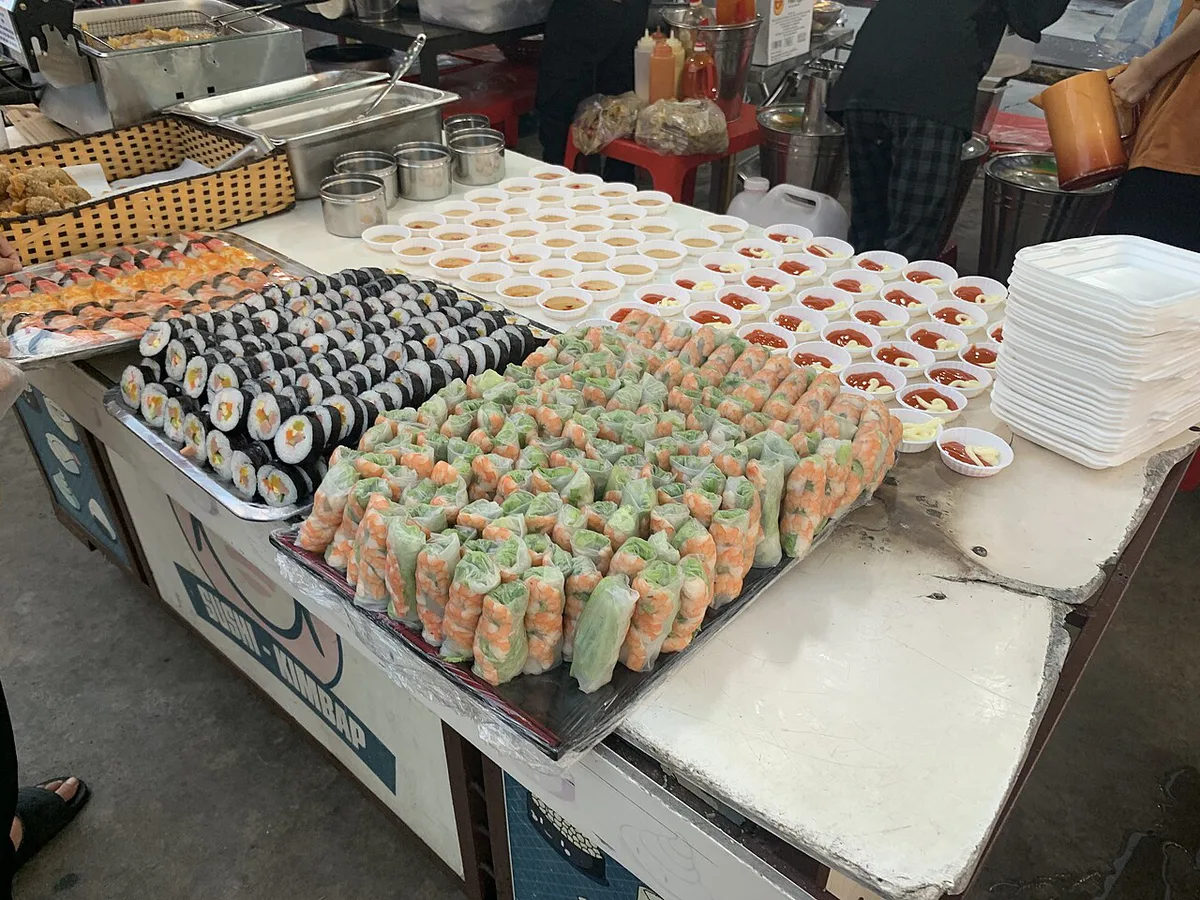
Beachfront restaurants near My Khe let you pick live animals from tanks, and that choice is where bills inflate. Our seafood ordering guide covers specific dishes. Settle the price for 1 kilo before anything touches the scale.
Set aside around 90 minutes for a seafood dinner, and agree the per-kilo price before the order goes on the scale.
- Ask the per-kilo price first: Bao nhieu tien mot ky?
- Hand over a phone calculator and let staff type the figure.
- Ask staff to drain the water from the weighing basket before reading the weight.
- Confirm the cooking fee and method. Hap Sa is steamed with lemongrass, Nuong Toi is grilled with garlic, and Chien Mam is fried with fish sauce.
- Plan on cash when leaving, and ask about cards before ordering.
- Street and market seafood sits in the cheaper tier. Beachfront tank restaurants are the splurge.
How to order and eat like a local
Walk in, take an empty table and hold up fingers for the number of bowls. Food arrives at your seat. Wipe your chopsticks and spoon with a tissue first, as locals do. Pay in cash when you stand to leave. A small extra charge on a noodle bowl is rarely worth an argument. Save your objections for seafood scales. Avoid these common mistakes.
- Defaulting to generic pho or banh mi near the hotel.
- Arriving in the 2:00–5:00 PM lull.
- Ordering seafood without a price.
- Eating big handfuls of raw herbs on a sensitive stomach.
Food safety and dietary notes
Cooked food from busy stalls is the safest starting point. Tube ice with a hole through the center is factory-made and generally considered fine. Raw herbs are rinsed in tap water, which is not drinkable in Da Nang, so sensitive stomachs may skip them for the first days. This is general guidance, not medical advice. Vegetarians need a plan, because fish sauce, shrimp paste and meat broths run through many dishes. Look for chay (vegetarian) restaurants and state what you avoid before ordering. Central chili paste runs hot, so add it by the small spoonful. For wider visitor information, see Vietnam's national tourism site.
Coffee and sweets
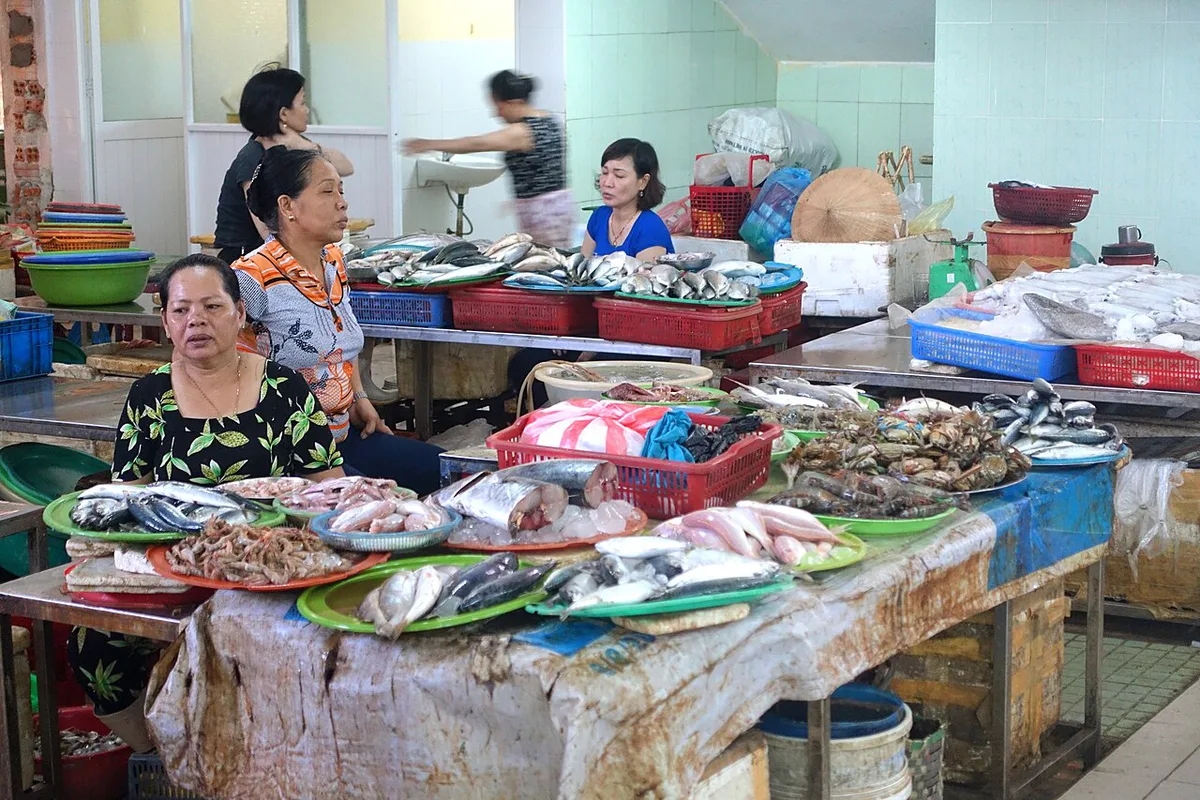
Ca phe sua da, coffee dripped over sweetened condensed milk and ice, costs about 20,000 VND at street cafés. Ca phe muoi, salt coffee, originated in Hue and is now common in Da Nang. Coconut coffee blends coconut milk and ice under a shot of coffee, which suits hot afternoons. Vietnamese coffee uses Robusta beans, so expect a strong hit. Oc Hut, spicy stir-fried snails with lemongrass and chili, makes a casual evening snack.
Iced milk coffee at about 20,000 VND costs less than the cheapest street bowl, so a coffee break stays easy on the budget.
Costs at a glance
Eating in Da Nang splits into three clear tiers. A street bowl typically costs 30,000–45,000 VND. Lunch rice plates with fried fish or braised pork run about 35,000 VND. Our estimate for time: 30 to 45 minutes for a market stall meal and around 90 minutes for a seafood dinner.
| Tier | Example | Typical cost |
|---|---|---|
| Street | Mi Quang, Bun Cha Ca | 30,000–45,000 VND per bowl |
| Casual | Rice plate at lunch | About 35,000 VND |
| Drinks | Iced milk coffee | About 20,000 VND |
| Seafood splurge | Beachfront tank restaurant | Priced per kilo; ask before weighing |
Best picks by traveler type
Match the plan to your appetite and schedule.
- First-timer: Mi Quang, Bun Cha Ca and Banh Xeo.
- Adventurous eater: Bun Mam Nem, Goi Ca Nam O and Oc Hut.
- Vegetarian: chay restaurants, with fish sauce and shrimp paste flagged up front.
- Family with kids: Com Ga or Bun Thit Nuong, both mild and familiar.
- Budget traveler: market grazing and rice plates at about 35,000 VND.
- Layover visitor: one Mi Quang bowl plus snacks near the Han River.
Building the rest of the trip? Our Da Nang attractions guide covers the sights, districts and logistics around this guide.
Frequently Asked Questions
What is the food like in Da Nang?
Expect bold central Vietnamese flavors: chili, fermented fish sauces, fresh herbs and plenty of seafood. Many dishes arrive "incomplete", so you add lime, chili paste or garlic vinegar yourself. Street bowls typically cost 30,000–45,000 VND.
What are the top 3 most popular foods?
Mi Quang, Bun Cha Ca and Banh Xeo form the usual first-timer trio. Mi Quang is turmeric noodles with little broth. Bun Cha Ca is a fish-cake noodle soup, and Banh Xeo is a small, crisp pancake wrapped in rice paper.
Explore More Da Nang Guides
Keep planning your Da Nang trip with these guides.
Da Nang Guides
Useful notes for your Vietnam trip
Optional updates to our guides.
You might also like
Continue reading
More guides you'll find useful