
Da Nang Weather by Month: Seasons, Rain & Best Dates
Da Nang weather by season and month: when it rains, typhoon risk, heat and humidity, plus what to pack and how to plan around the forecast.
On this page
Last updated November 2026. Da Nang weather follows a tropical monsoon pattern: a hotter, drier stretch from roughly January to July and a wetter, cooler stretch from August to December. Annual mean temperature is reported at about 25°C (77°F), with humidity near 83%. Below you will find a month-by-month table, storm logistics, a rainy-day plan and a seasonal price example.
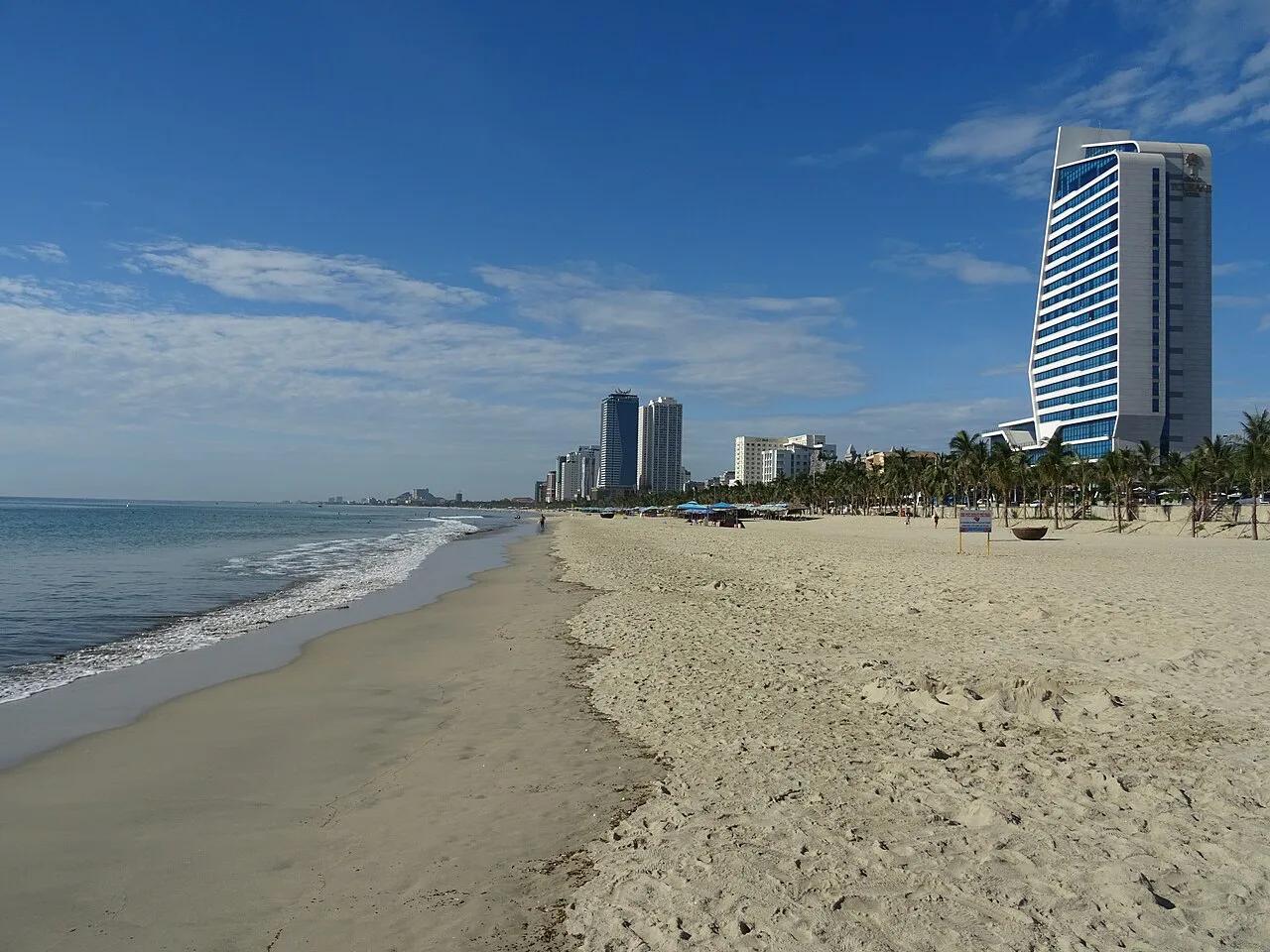
Featured image: NGO TUNG thanhtungo, CC0, via Wikimedia Commons.

Da Nang weather at a glance
Expect warm air all year. Reported highs reach 28–30°C (82–86°F) in June to August. Cool-month lows in December to February are reported at 18–23°C (64–73°F). Rain risk climbs sharply from September and stays high through December. Sea and beach days are most reliable from March to September.
- Hot, drier stretch: January to July, with the strongest heat in June to August
- Wet stretch: August to December, with the heaviest rain in September to November
- Annual mean: about 25°C (77°F)
- Humidity: around 83% on average, so even mild days feel damp
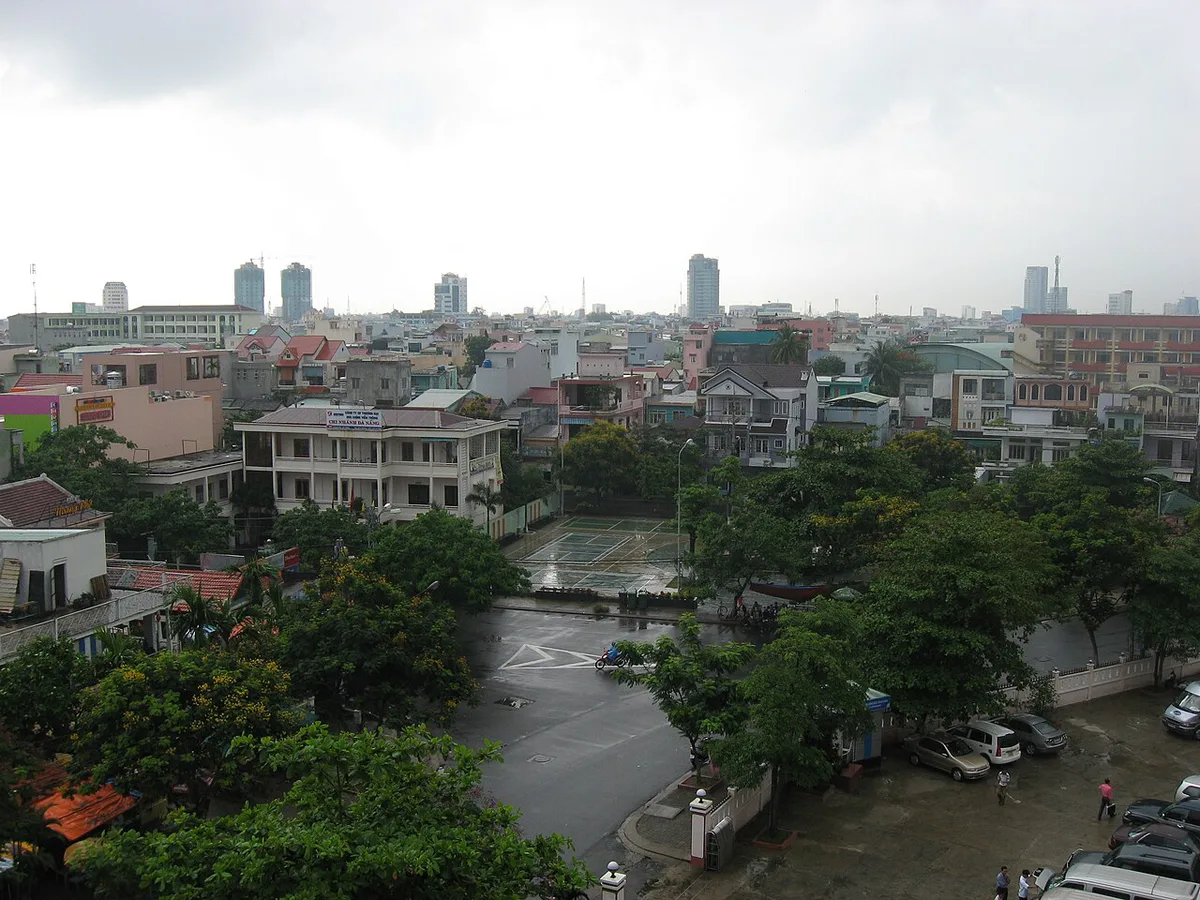
Da Nang climate: dry season vs. rainy season
Da Nang sits on the coast, and the monsoon brings moisture off the sea in the second half of the year. Sources differ on how dry January and February really are. Winter drizzle is common, so treat "dry season" as fewer downpours, not no rain. Our guide to the Da Nang Rainy Season: What to Expect and How to Plan covers the wet months in depth. For official data, the national hydro-meteorological centre publishes forecasts and warnings.
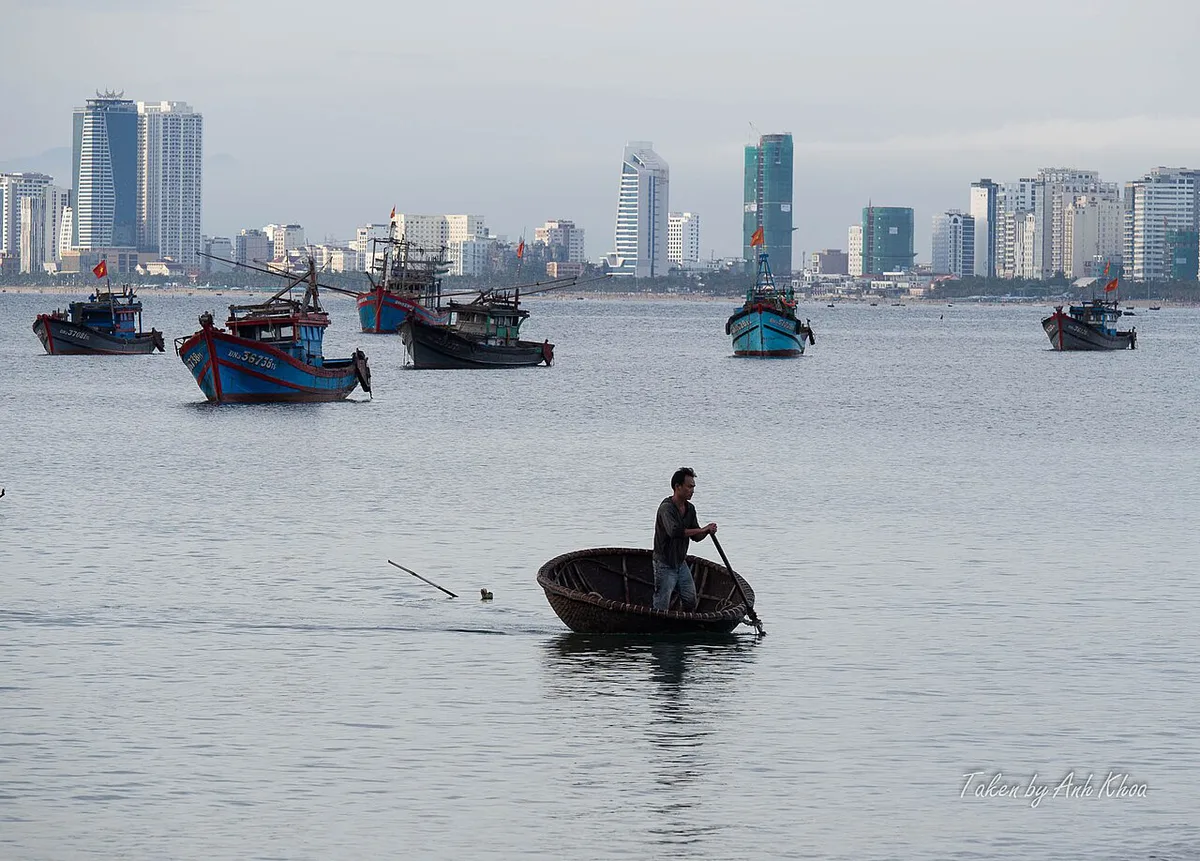
Da Nang weather by month
Use this table to match your dates to the likely conditions. Labels are qualitative on purpose. Day-to-day weather can swing well away from any monthly pattern. For ranked month picks, see our Best Time to Visit Da Nang: Month-by-Month Guide guide. December gets its own page in Da Nang in December: Weather, Events & What to Plan.
| Month | Typical conditions | Rain risk | Beach suitability | Crowds and prices |
|---|---|---|---|---|
| January | Mild, cloudy spells, light drizzle | Moderate | Fair | Lower to moderate |
| February | Mild, slightly warmer | Low to moderate | Fair to good | Moderate |
| March | Warming, mostly dry | Low | Good | Moderate |
| April | Warm, sunny | Low | Very good | Rising |
| May | Hot, low rain | Low | Very good | High |
| June | Hot and humid | Low to moderate | Very good | High |
| July | Hottest stretch, some showers | Moderate | Good | High |
| August | Hot, rain begins, gusty | Moderate | Fair, check the sea | Easing |
| September | Wetter, cooler | High | Poor to fair | Lower |
| October | Heaviest rain, storm risk | High | Poor | Lower |
| November | Wet, cooler, possible storms | High | Poor | Lower |
| December | Cool, damp, rain persists | Moderate to high | Fair at best | Lower, then holiday rise |
Typhoons, storms and flooding: what to know before booking
Storm season overlaps the wet months. A one-week forecast snapshot for 10–16 November 2026 showed heavy rain and a storm on 11 November. Highs stayed at 26–28°C (79–82°F) and nights at 24–25°C (75–77°F). Wind ran at 16–34 km/h. That is a good example of how a warm month can still be disrupted. Warnings can affect flights, the Hai Van Pass road, boats to Cham Island and Son Tra, and the Ba Na Hills cable car. Watch the warnings the day before each outing. Read the wet-season planning notes for more.
Wind reached 16–34 km/h during that storm week, so check what the operator does if a warning cancels a Cham Island sailing.
Weather by trip type
Match your priority to the season. Beach days at My Khe Beach work best from March to September. Ba Na Hills views need clear air, so aim for the drier months and an early start. Riders on the Hai Van Pass should skip heavy-rain days. Hoi An day trips are easy in dry weather and slower after flooding. Families do best in April to June, when rain risk is low. Photographers often prefer the soft light of cloudy winter mornings.
- Beach: March to September
- Ba Na Hills: dry months, first cable car of the day
- Hai Van Pass: any day without heavy rain or storm warnings
- Hoi An and My Son: dry months, with a backup date
- Budget travelers: September to March, with flexible bookings
Rainy-day plan and flexible itinerary tips

Keep one outdoor headline activity per day and move it if the sky turns. Put museums, cafes and covered markets in the afternoon slot. Grab bookings are easier early in a downpour, before demand spikes. Book tours with free rescheduling. Check what the operator does if a storm warning cancels the sailing. The city's official tourism site lists current attractions and events.
Heat, humidity and what to pack
At about 83% average humidity, 30°C (86°F) feels heavier than the number suggests. Do outdoor walks before 10 a.m. or after 4 p.m. Sun at Son Tra viewpoints and on the sand is strong, so bring a hat and sunscreen. From August to December, pack a light rain jacket, quick-dry clothes and a waterproof pouch for your phone. From January to July, pack breathable layers and a refillable water bottle.
Keep outdoor walks before 10 a.m., and take the first cable car of the day up Ba Na Hills for clearer views.
Costs and crowds by season

Dry months from April to August are the peak window, so book flights and rooms early. September to March is the value window with fewer visitors. As a worked example, a resort near Hoi An has advertised up to 30% off room rates. On an illustrative ₫2,000,000 peak-season night, that would drop to ₫1,400,000 in a promotion period. This is arithmetic, not a quoted rate. Prices and offers checked November 2026. Fireworks-festival timing affects spring demand, so see fireworks festival dates before choosing a week.
Common mistakes to avoid
A few errors cause most weather regrets.
- Treating Da Nang as identical to Hanoi or Ho Chi Minh City: Da Nang has its own coastal monsoon timing
- Booking non-refundable tours in September to November
- Assuming dry season means no rain
- Relying on a single forecast app
- Planning Hai Van Pass or Cham Island trips on your last day, with no buffer
How to check live forecasts and warnings
For Da Nang weather today, start with the Vietnamese national forecaster at nchmf.gov.vn for official warnings. Compare it with one international forecast app. Re-check the evening before any boat, cable car or mountain-road outing.
Frequently Asked Questions
Does Da Nang get a lot of rain?
Yes, mainly from September to December, when rain risk is highest. Showers can also appear in winter and in July. Plan flexible days in the wet months.
Useful notes for your Vietnam trip
Optional updates to our guides.
You might also like

Continue reading
More guides you'll find useful