Ninh Binh Rainy Season: What to Expect and Do
A practical guide to Ninh Binh's rainy season: weather expectations, which sights hold up in rain, rain-day backup plans and booking tips.
On this page
Last updated November 2026. The Ninh Binh rainy season is the hot, humid stretch from summer into early autumn, with sudden afternoon downpours. Caves, pagodas and covered spaces keep working, and the limestone landscape is at its greenest. Boat rides at Trang An can pause for storms, so the smart plan is to build in slack instead of skipping the months.
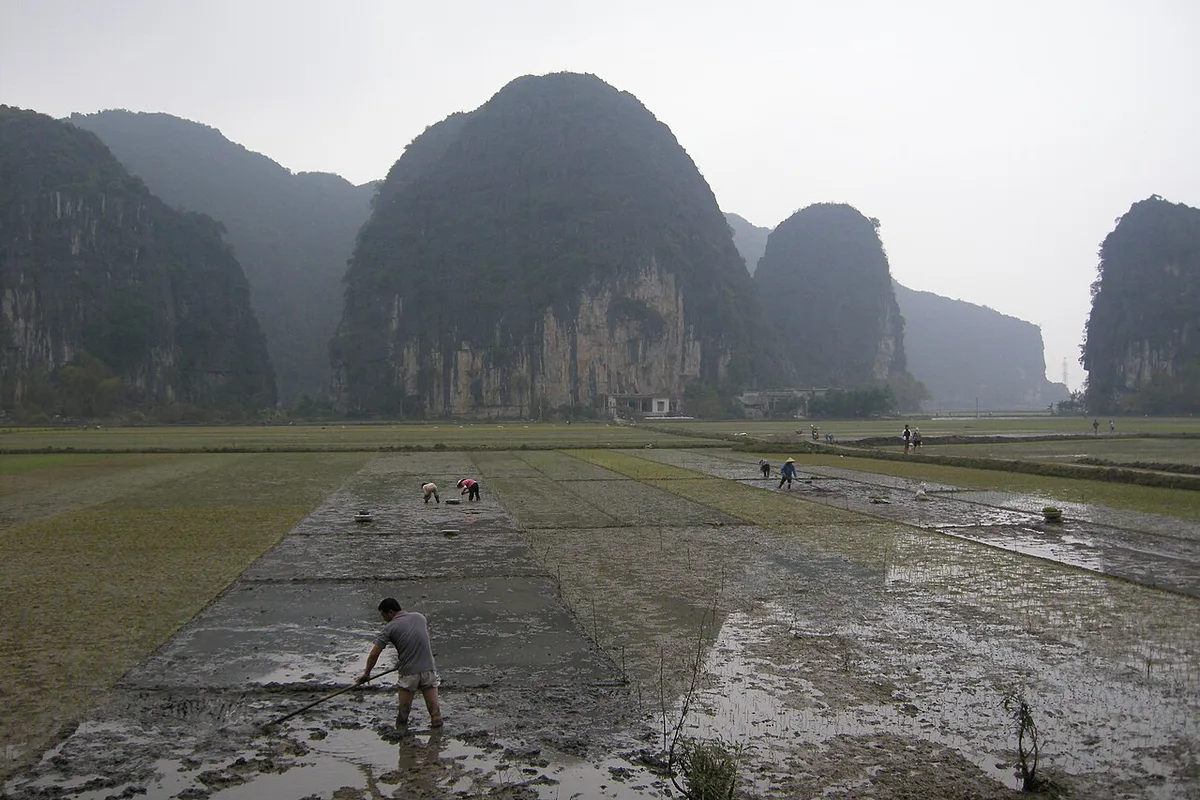
Featured image: Jakub Hałun, CC BY 4.0, via Wikimedia Commons.
Ninh Binh Rainy Season at a Glance
Expect heat first and rain second. Mornings are often the best weather window, and thunderstorms tend to arrive late in the afternoon. Storm-related closures of boat rides at Trang An are possible, so treat any single outdoor slot as a gamble. Verdict: go if you can stay flexible, and wait if your trip hangs on one fixed boat booking.
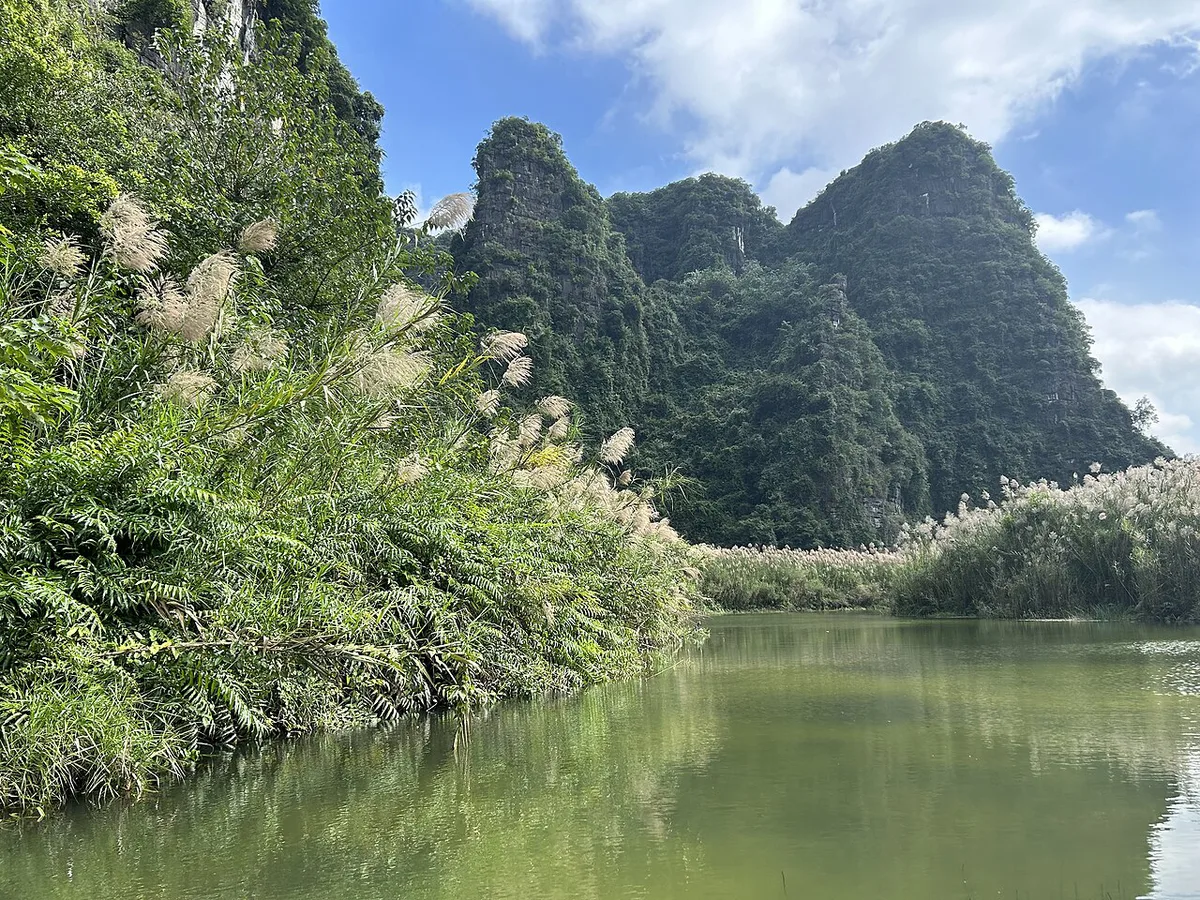
- Best for: travelers who want green scenery and can shift plans by a few hours.
- Good fit: anyone happy with pagodas, caves, food and slow homestay time.
- Skip it if: you need golden rice fields for photos or cannot handle humid heat.
- Core tactic: outdoors in the morning, indoors at midday, spare time in the afternoon.
When Is the Rainy Season, and What Does It Feel Like?
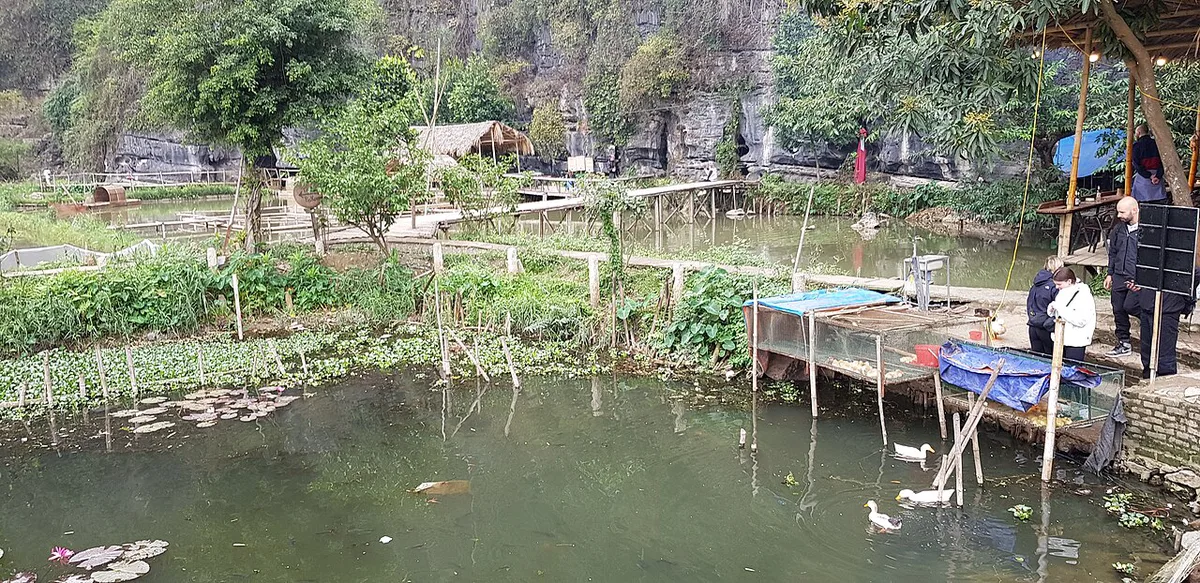
Northern Vietnam's wet season runs through the hot summer and fades into early autumn. July sits at the peak, and September is the transition toward drier, cooler weather. One climate summary for July lists daytime highs of 30–36°C (86–97°F) and warm nights of 26–28°C (79–82°F). It also reports about 14 to 17 rainy days that month. Humidity feels heavy, especially around midday. By September, highs of 28–33°C (82–91°F) and nights near 24–26°C (75–79°F) are typical, with showers shorter and rarer. Exact month boundaries shift each year, so check the national forecasts from the Vietnam Meteorological and Hydrological Administration before you fix dates. For month-by-month detail, see our monthly weather breakdown.
Rainy Season vs Other Seasons: Is It Worth It?
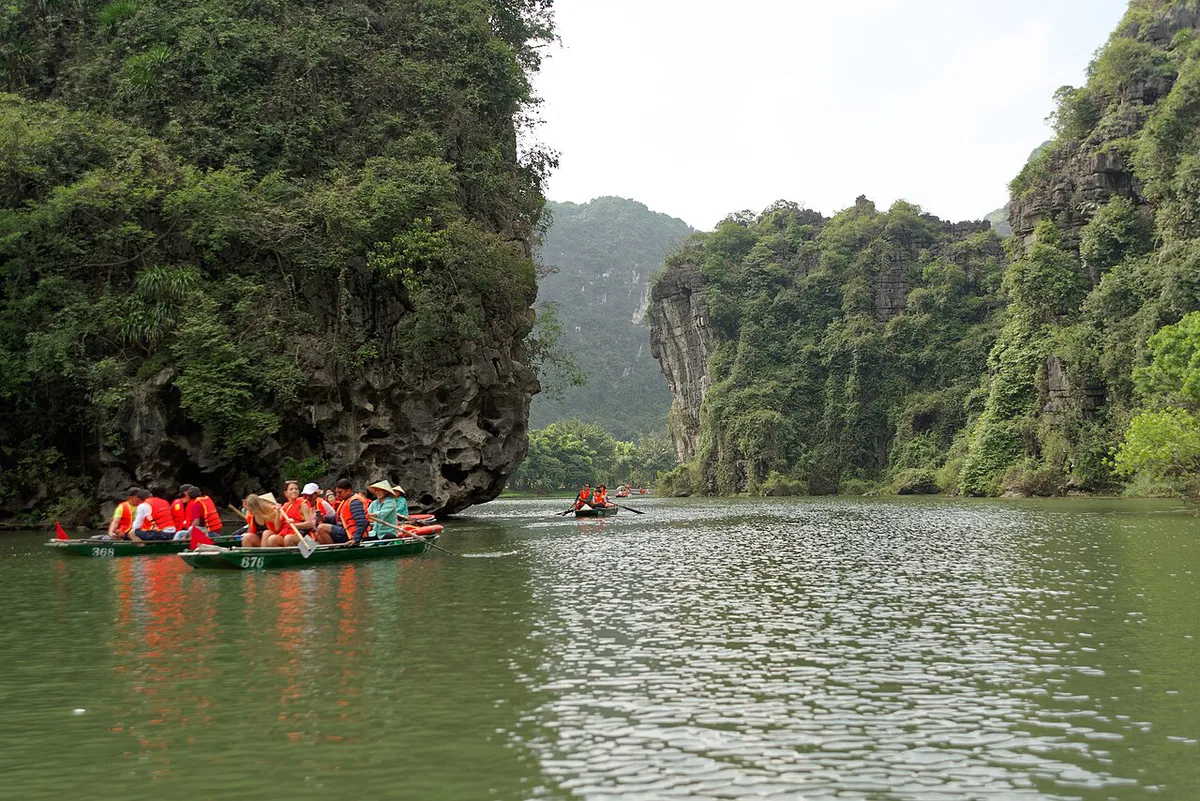
Rain buys you saturated greens and thinner crowds, but it costs you comfort and schedule certainty. Golden rice visuals belong to another part of the year, covered in our golden rice season at Tam Coc guide. Anyone weighing months can compare options in our full month-picking guide. Readers who would rather avoid the wet months can look at a drier December trip instead.
| Season | Scenery | Crowds | Comfort | Boat and hike reliability |
|---|---|---|---|---|
| Rainy (summer to early autumn) | Lush green, misty karsts | Typically lighter | Hot, humid, storm-prone | Conditional; storms can pause boats |
| Transition (September) | Green, rice ripening | Moderate | Warm, easing humidity | Better, showers shorter |
| Cooler dry months | Less saturated colour | Often busier | Milder temperatures | Generally steadier |
What Still Works in the Rain

Most sights have a wet-weather mode, and the real question is how slippery they get. Mua Cave is the clear exception, because its roughly 500 steps turn treacherous when wet. Anyone with weak knees or small children should skip that climb during heavy rain. Trang An is a UNESCO-listed landscape, and you can read its heritage background through Vietnam's national tourism site. Ratings below reflect our editorial assessment, not official guidance.
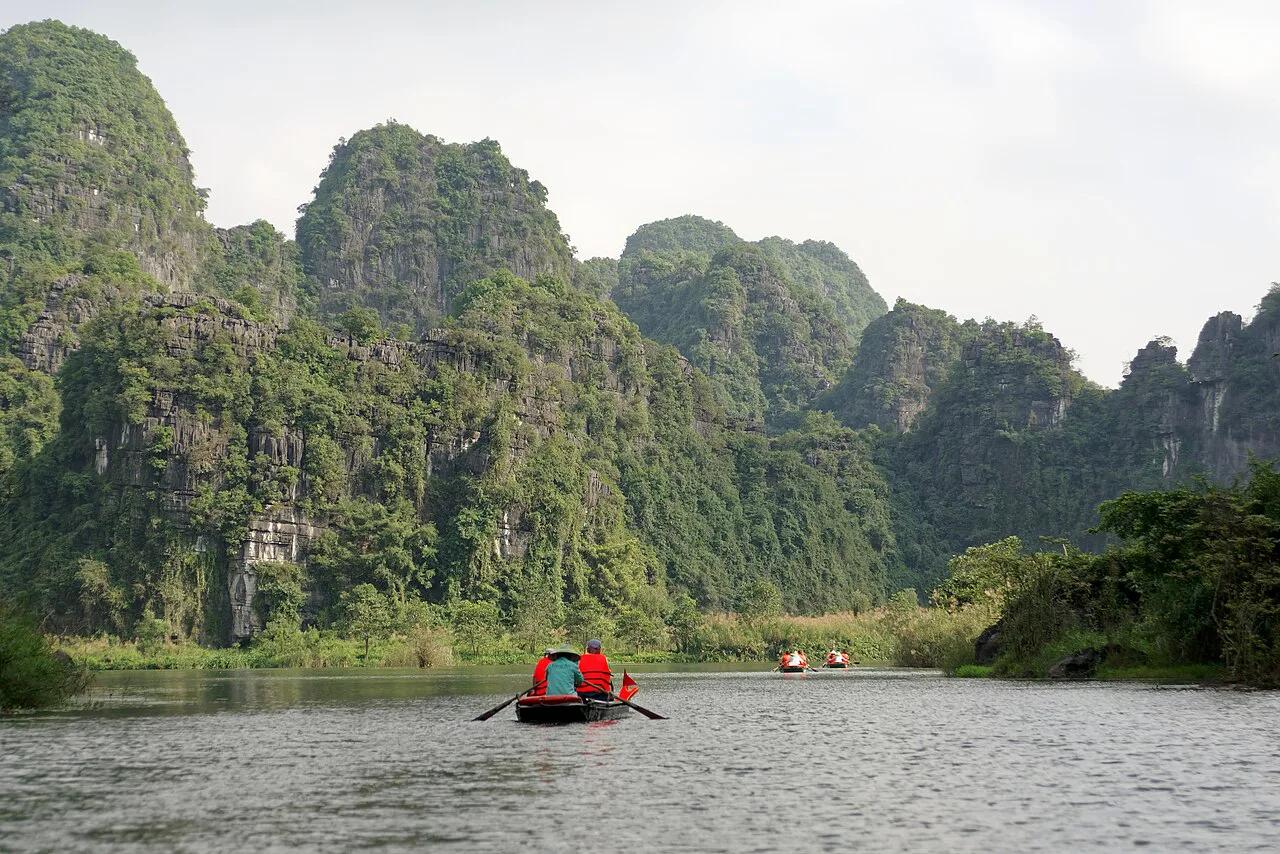
- Trang An boats: conditional. Light rain adds mist, but a thunderstorm warning can halt departures.
- Tam Coc and Bich Dong boats: conditional. Go early and expect a pause if lightning shows up.
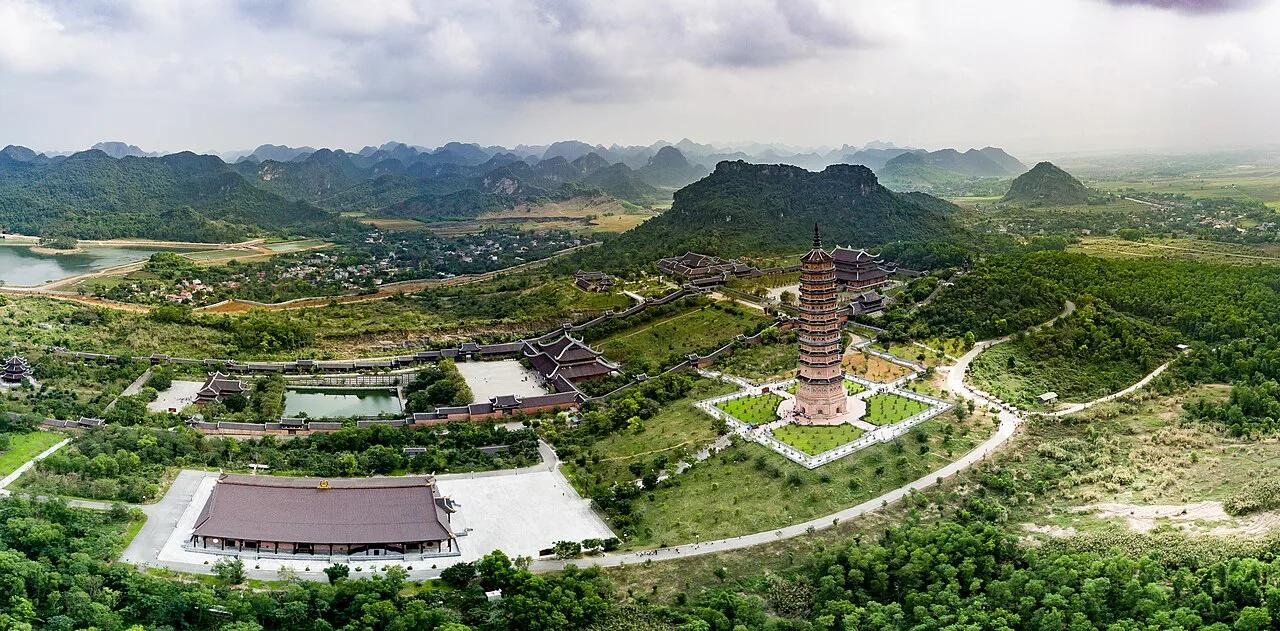
- Bai Dinh Pagoda: rain-proof. Wide covered areas exist, and electric carts cover the long distances.
- Hoa Lu temples: rain-proof in light rain, with short covered spells between buildings.
- Bich Dong Pagoda: conditional. Cave temples shelter you, but steps get slick.
- Mua Cave climb: skip in storms. Wet steps are the main injury risk.
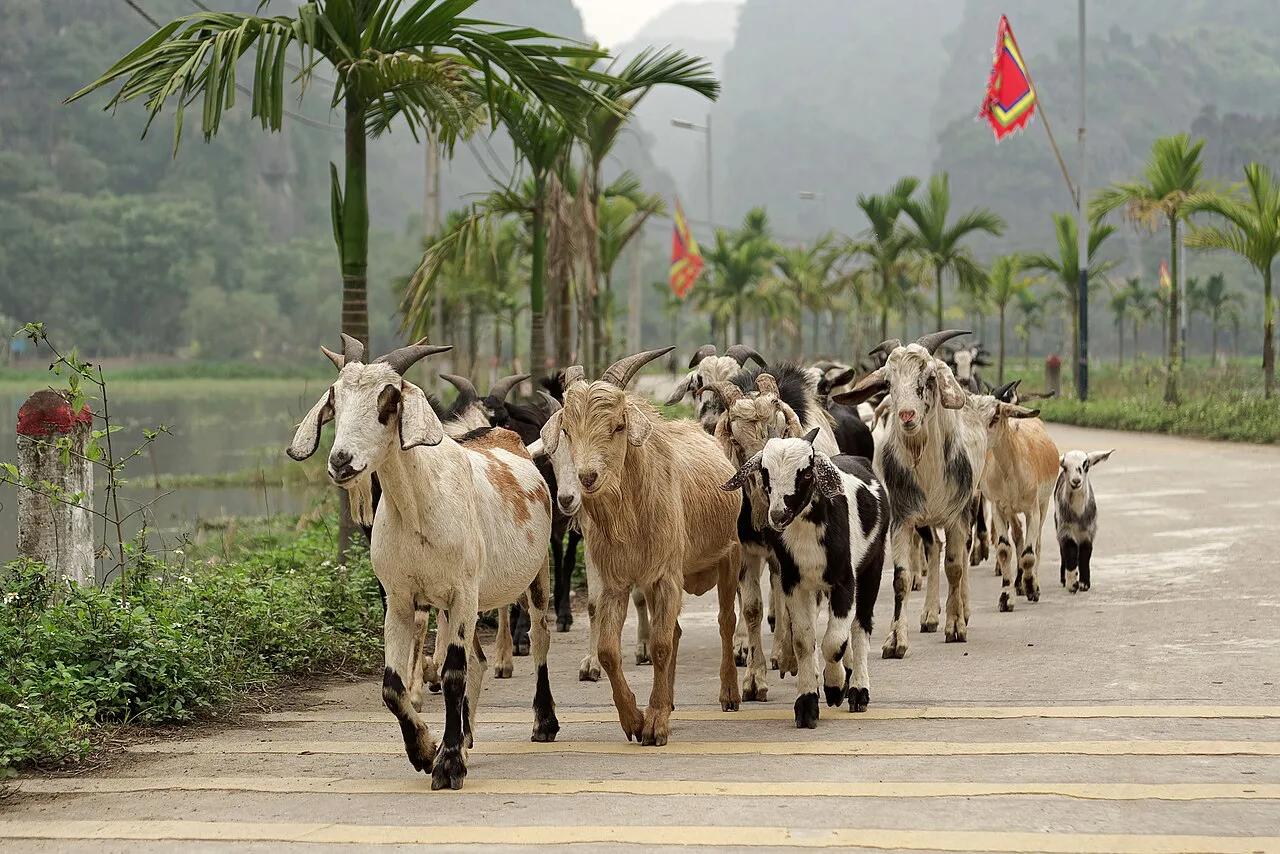
- Local food, such as crispy rice and goat dishes: rain-proof and ideal for a midday break.
Rain-Day Backup Plan
Match your plan to the weather, not the calendar. Decide at breakfast and again around noon. Availability for classes and spa services changes, so call before you cross town.
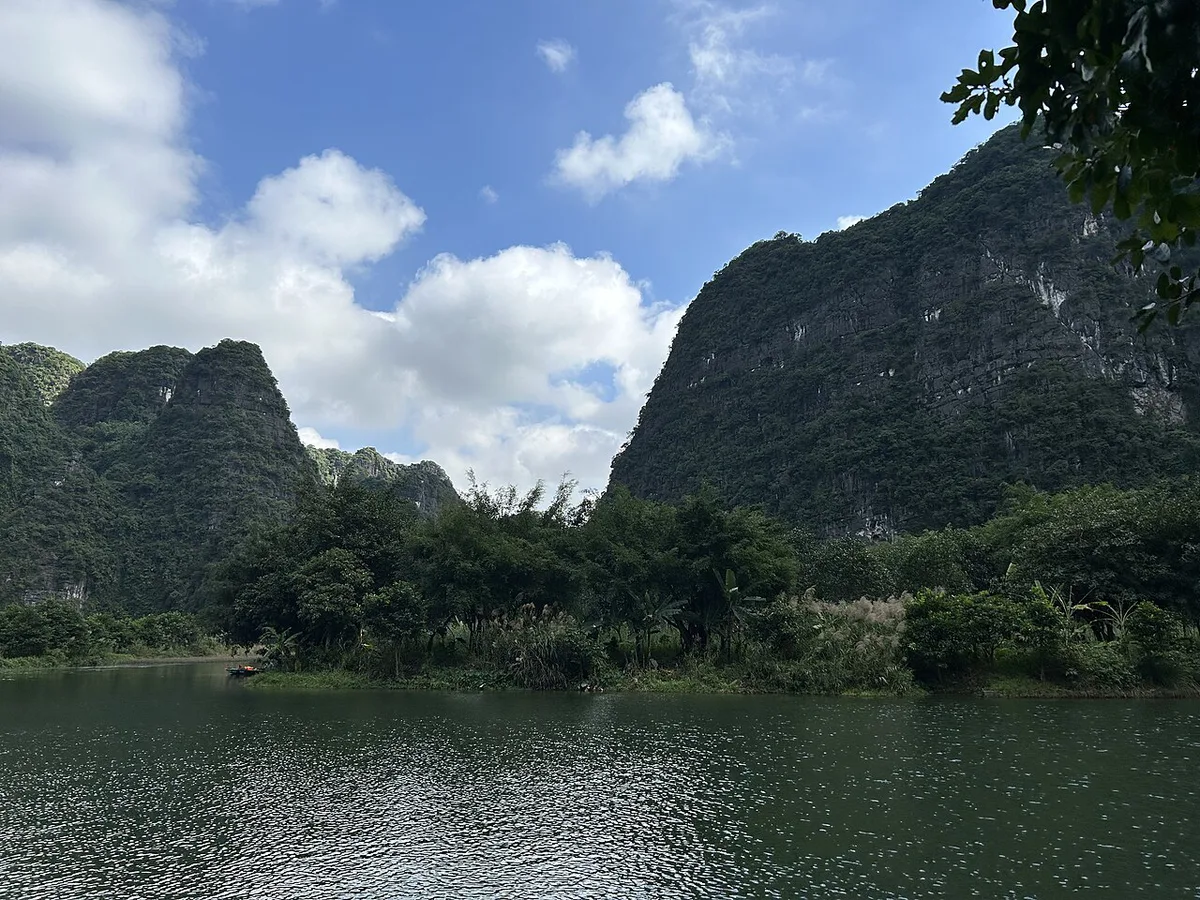
- Light drizzle: carry a poncho and keep the boat ride. Wet paths need grip, and phones need pouches.
- Thunderstorm warning: move to Bai Dinh Pagoda's sheltered areas or Hoa Lu's temples, and delay the boat.
- All-day downpour: book a cooking class, a massage, a long café stop or a homestay afternoon.
- Clearing sky after a storm: head for Bich Dong or a short cycle on drier village lanes.
How to Schedule Your Days Around Heat and Storms
Start outdoors by 7 a.m. when it is coolest and clouds are thin. Reserve 11 a.m. to 3 p.m. for food, a pagoda or a nap indoors. Keep late afternoon open, since storms cluster then. A buffer day matters more than a packed itinerary. A sample half-day: boat at Tam Coc first, lunch of local specialties, Bich Dong Pagoda if the sky is clear, then a homestay terrace as the clouds build.
Ninh Binh outings that begin at 7 a.m. get a second check around noon, so keep the afternoon flexible.
Booking, Cancellation and Cost Trade-offs
Prices and hours checked November 2026. Before paying, ask who decides on weather cancellations and whether you get a refund or a new slot. Flexible bookings beat prepaid ones in these months. Wet-season demand is lighter, so lodging is easier to negotiate. For illustration only, a room listed at 900,000₫ in peak months might be offered nearer 700,000₫ in July. Those figures are examples, not quotes. For official ticket and boat details, start with the venue pages or provincial tourism offices.
Getting There and Staying: Day Trip vs Overnight
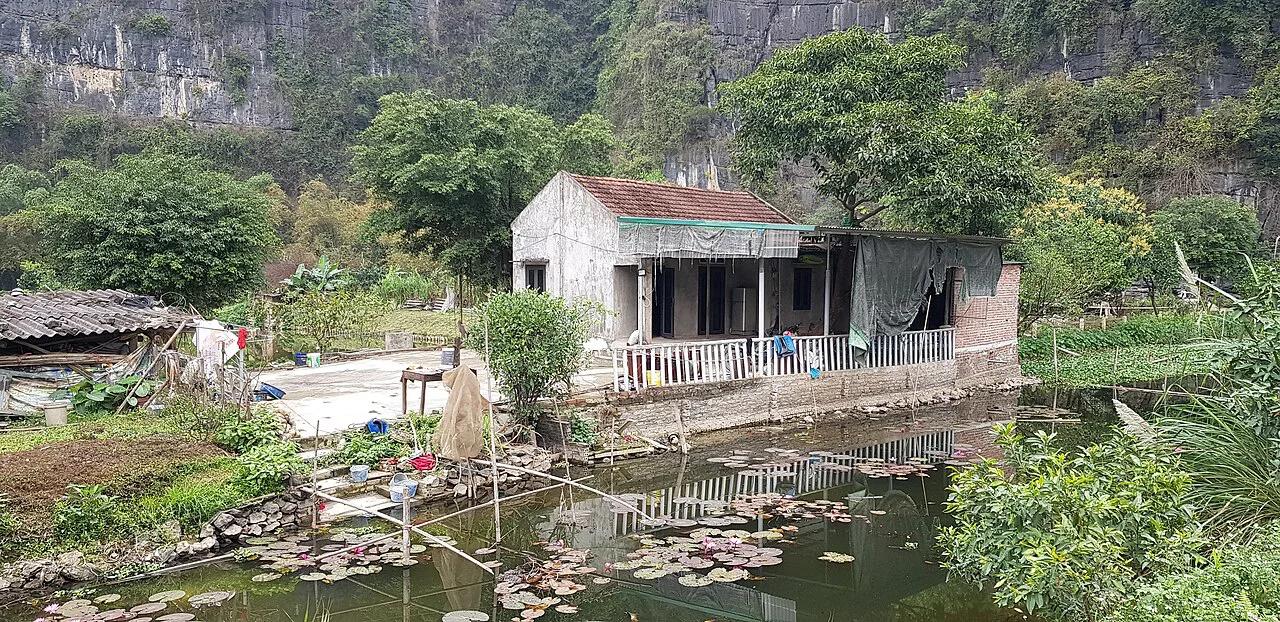
Ninh Binh is about 90 km south of Hanoi. A day trip gives you one draw of the weather. An overnight gives you a second morning to try again if storms hit. Rain also slows road traffic, so leave extra buffer for the return leg. Homestays with covered terraces make a wet afternoon pleasant, and two days works better than one.
Mua Cave's roughly 500 steps make a second morning valuable, since wet steps are the main injury risk.
- Day trip: cheaper on time, but locked to one forecast.
- Overnight: second chance at dry morning light and a calmer pace.
- Rule of thumb: pick overnight for any trip that includes boats and Mua Cave.
What to Pack and Mistakes to Avoid
Pack quick-dry clothing, a poncho, grip-soled sandals or shoes, a dry bag for your phone, mosquito repellent and modest layers for pagodas. Carry cash in dong, since small vendors may not take cards. Avoid booking one non-refundable outdoor slot. Do not climb wet steps during a storm. Skip late-afternoon boat departures, when thunderstorms are most likely.
- Poncho and phone pouch beat a bulky umbrella on boats.
- Covered shoulders and knees for Bai Dinh and Bich Dong.
- Small bills for snack stalls and boat tips.
Frequently Asked Questions
What are the seasons in Vietnam?
Northern Vietnam has a hot, wet summer and a cooler, drier winter, with autumn as a shift between them. Other regions follow different patterns, so check each area separately.
How much time should I spend in Ninh Binh?
Two days and one night works best in the wet months. The second morning gives you another chance at dry weather for the boat rides.
Useful notes for your Vietnam trip
Optional updates to our guides.
You might also like
Continue reading
More guides you'll find useful