Tam Coc Rice Season: When Golden Fields Peak
When is the Tam Coc rice season? Likely golden window, why dates shift, how to check the crop, and boat, Hang Mua or bike views compared.
On this page
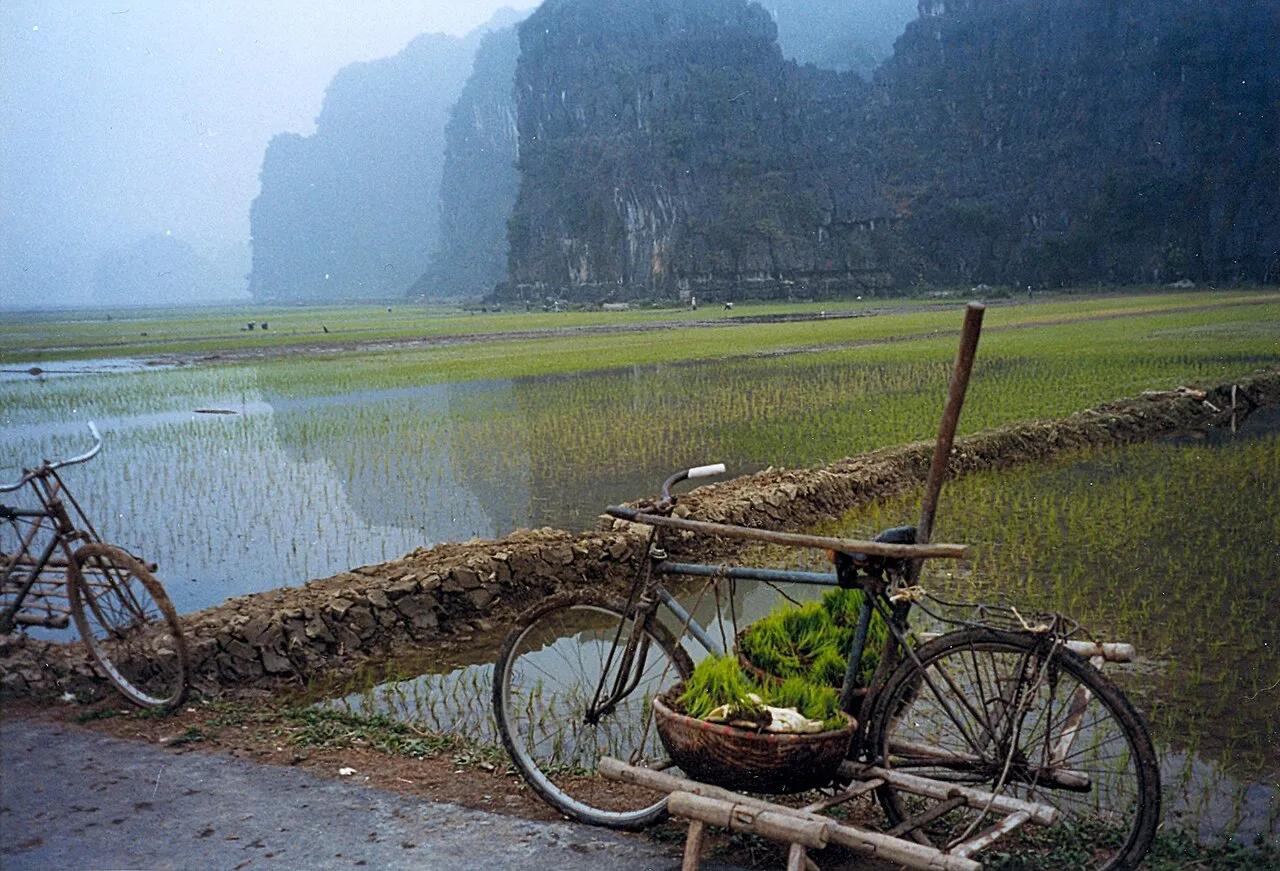
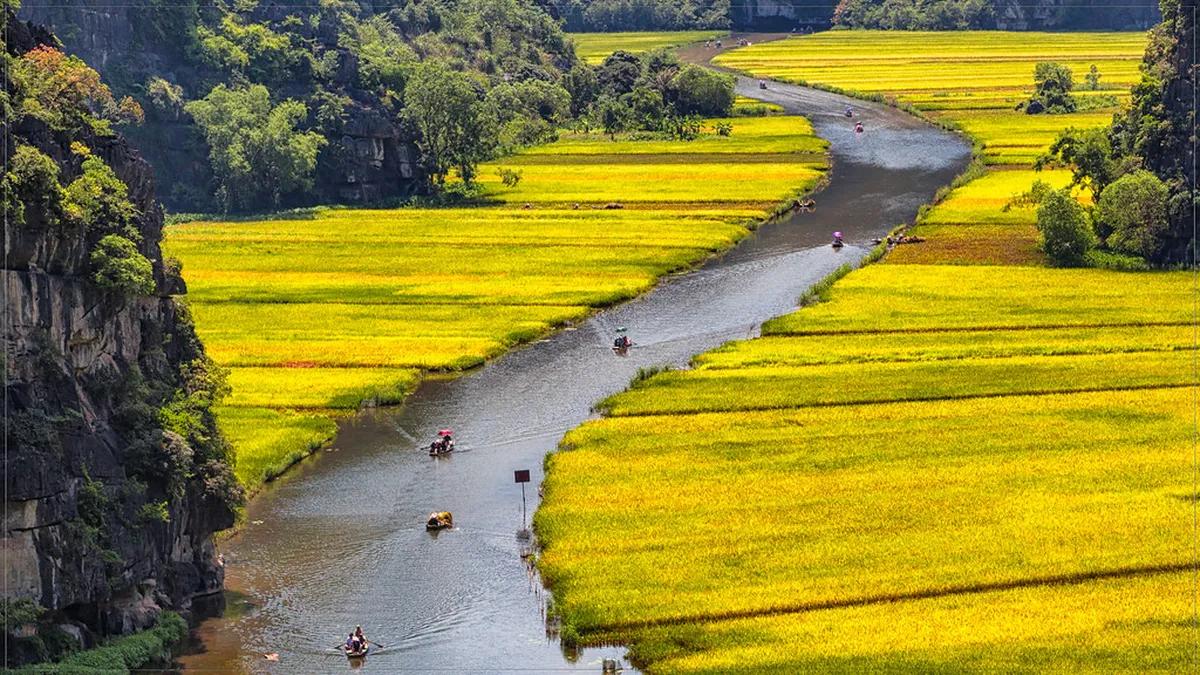
Last updated November 2026. The Tam Coc rice season peaks in late May to early June, when paddies along the Ngo Dong River turn from green to gold. That golden stage often lasts only two to three weeks, and the exact dates shift each year. Plan around the window, then check the crop a week before you travel. For the full-year picture, see our best time for Ninh Binh guide.
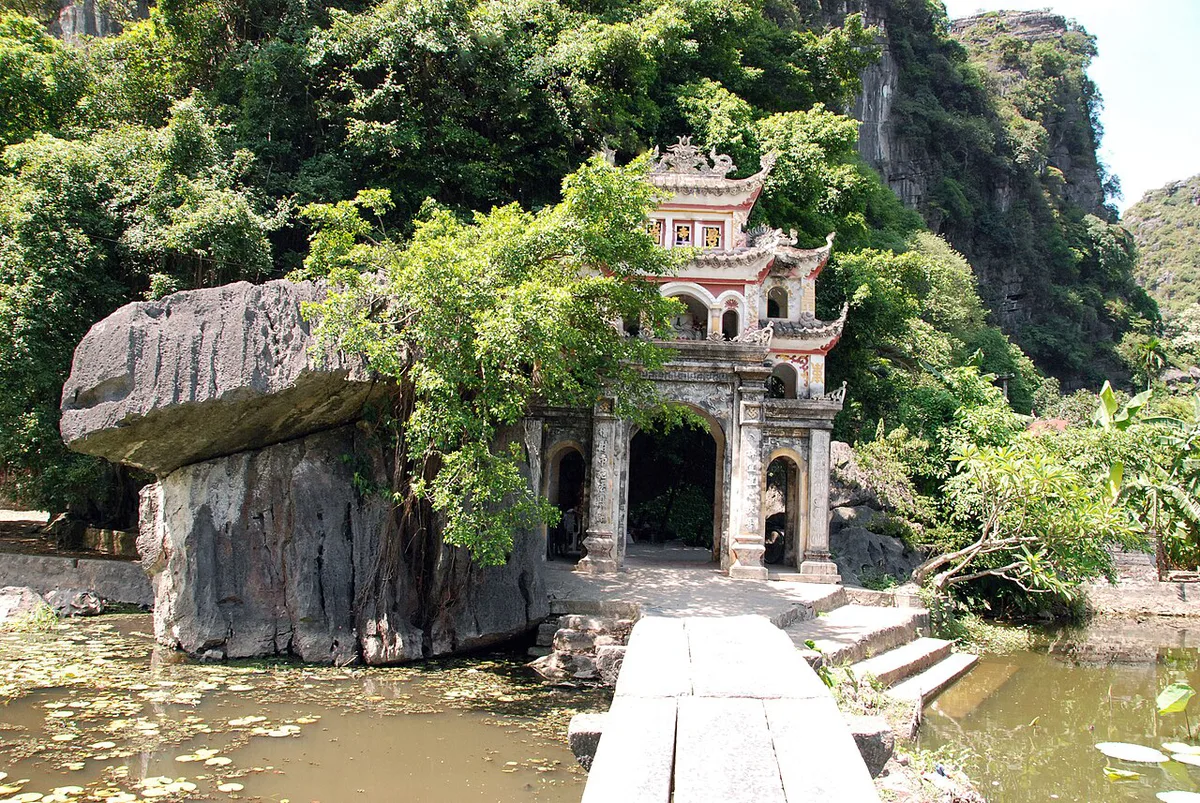
Featured image: User:Doron, CC BY-SA 3.0, via Wikimedia Commons.
Tam Coc Rice Season at a Glance
Late May to early June is the working answer for the Tam Coc and Ngo Dong boat route. Fields ripen gradually, so a trip a few days early still shows green-gold paddies. Tour-office lists vary by source, and some name a second golden season in autumn. For the Ngo Dong route, treat that autumn claim as unconfirmed. Other paddies in the province may follow different crop cycles. Typical conditions are in the table below.
| Period | Fields at Tam Coc | What to expect |
|---|---|---|
| March to April | Fresh green rice; typically 20-24°C (68-75°F) | Green countryside, mild weather |
| Late May to early June | Ripening to golden; typically 26-30°C (79-86°F) | Peak for golden views, strong heat |
| After harvest | Cut stalks and exposed soil | Caves, temples and cycling still work |
| November to December | Resting or replanted; typically 17-23°C (63-73°F) | Cool, calm, fewer golden views |
When Is the Golden Rice, and Why Dates Shift
Weather, planting dates and plot-by-plot farming choices all move the peak. One side of the valley can be golden while another is already cut. That is why no source can promise a calendar date. Expect the best colour for about two to three weeks, not a whole month. Arriving in the last week of May gives you the strongest odds, with room to adjust if the crop runs early or late.
Is There a Second Golden Season?
For the Ngo Dong boat route, do not count on one. Local tourism sources describe the main harvest in late May and early June. Some travel sites list a September to October peak, but those claims are unconfirmed for this river. If autumn is your only window, expect green or ripening fields at best. Ask a local host what the paddies are doing before you book anything.
How to Check the Crop Stage Before You Book
Check within about a week of travel. Ask your homestay or guide for a photo taken that day. Ask whether fields near Van Lam and the Tam Coc dock are green, yellow-green, golden or cut. Search recent geotagged photos for the same area. Choose a refundable room, since a short peak makes nonrefundable dates a gamble. Worked example only: if a room is ₫500,000 in March and ₫800,000 in late May, a refundable rate is worth the gap. Ask your host for both quotes, because published rates vary by property.
Choose Your View: Boat, Hang Mua or Village Roads
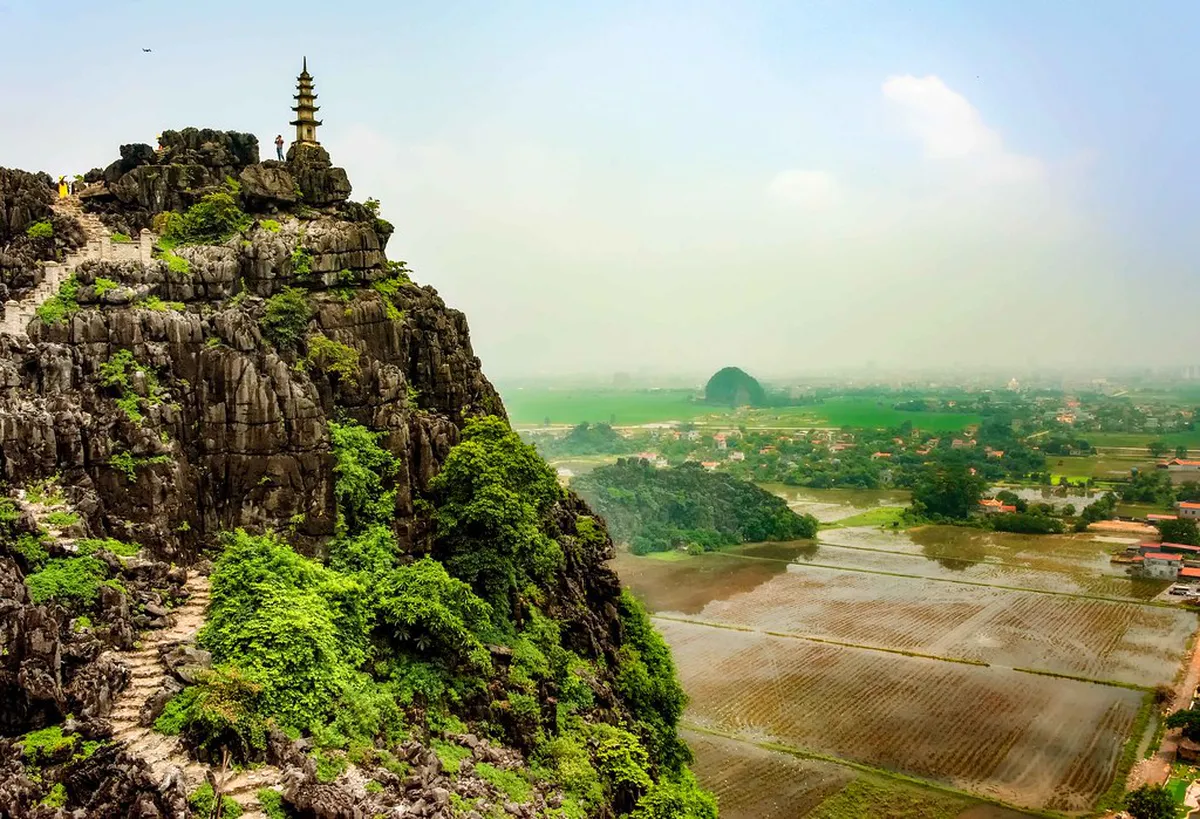
Each viewpoint trades effort for perspective. The boat sits at river level inside the fields. Hang Mua gives the wide panorama, but the climb is about 500 steps. Skip the climb if heat, knees or small children are a concern. Cycling suits slower travelers who want to stop between plots.
| View | Effort | Heat exposure | Best light | Best for |
|---|---|---|---|---|
| Ngo Dong boat ride | Low | Moderate, shaded in caves | Early morning | Most travelers, families |
| Hang Mua climb | High, steep steps | High at midday | Early or late day | Fit hikers, photographers |
| Village roads by bike | Moderate | High | Early morning | Slow travelers, Thai Vi and Bich Dong stops |
| Trang An boat | Low | Moderate | Morning | Caves and heritage, any crop stage |
Best Time of Day for the Rice Fields
Early morning is calmer and cooler, and low light adds texture to rice and karst. Late afternoon warms the gold, especially from a high viewpoint. Light changes fast near sunset, so reach your viewpoint early. If photos matter, plan one morning and one late-afternoon outing. That gives you a backup if cloud or rain spoils one slot.
Tam Coc or Trang An During Rice Season?
Choose Tam Coc for rice at river level. Choose Trang An for caves and heritage, whatever the crop. Van Long suits the wetland and quieter water, not a rice substitute. Doing Tam Coc and Trang An in one rushed day is a common mistake. Pick one boat route if time is short.
Heat, Rain and Crowds in Late May and June
Expect strong sun, high humidity and occasional thunderstorms. Start early, break at midday in shade or indoors, and return in late afternoon. Carry water, a hat, sunscreen and shoes with grip for wet steps. Climbing Hang Mua at midday is the mistake to avoid. Crowds gather around the best light, so earlier starts help. For heat and rain detail, see Ninh Binh Weather by Month: When to Go, What to Pack. The wetter months that follow are covered in the rainy season guide. For forecasts, use the national weather service.
Hang Mua's climb is about 500 steps, and in late May and June the heat makes that climb hardest at midday.
How to Plan the Trip: Day Trip or Overnight
Ninh Binh sits about 100 km south of Hanoi. Buses take roughly 2.5 to 3 hours, and cars take about 2 to 2.5 hours. Trains reach Ninh Binh station in 2 to 3 hours, then a taxi or motorbike ride of about 15 minutes. A day trip handles one boat ride and one stop. Staying overnight gives flexibility for weather and light. A sample two-day plan: Day 1, Hanoi to Ninh Binh, a temple or village visit, then sunset. Day 2, an early Tam Coc boat ride, Hang Mua, lunch, then return.
Costs, Tickets and Getting There
Boat tickets and entry fees change, and no current figure is confirmed here. Check the Tam Coc dock ticket office or your homestay for the current rate. Compare it with Trang An, which is usually a longer, pricier outing. Rooms near the fields cost more in the golden window, so ask for a late-May quote early. Prices and hours were last checked November 2026. For national travel information, see Vietnam's tourism authority.
If You Miss the Golden Window
The caves, river, Thai Vi Temple, Bich Dong Pagoda and karst stay worthwhile all year. Hang Ca, the first cave, is about 127 m long. Spring brings fresh green paddies at roughly 20-24°C (68-75°F). After harvest, cut fields are plainer, but the scenery stays strong. See Ninh Binh in December: Weather, Mist & What to Do for the cool, post-harvest look. For other months, the full-year guide compares them.
Hang Ca stretches about 127 m, so a cave stop offers shade when late May and June heat peaks.
Respecting Working Rice Fields
These are farms, not sets. Stay on paths and boat routes, and keep out of planted plots. Do not ask farmers to pause work for a photo. Ask before photographing people, and skip drones over active fields unless you have permission.
Frequently Asked Questions
Is rice in season at Tam Coc?
Golden rice is usually at its best in late May to early June. Fields are green in spring and cut after harvest. Dates shift by year, so check with a local host before travel.
How long to spend in Tam Coc?
A day trip covers one boat ride and one stop. Two days gives more flexibility for weather and light. That suits travelers chasing the rice window.
Is Tam Coc in Ninh Binh?
Yes. Tam Coc sits in Ninh Binh province, about 100 km south of Hanoi. Boats leave from docks near Van Lam onto the Ngo Dong River.
Useful notes for your Vietnam trip
Optional updates to our guides.
You might also like
Continue reading
More guides you'll find useful