Best Time to Visit Hoi An: Month-by-Month Guide
Feb-Apr is usually best, but the right month depends on heat tolerance, budget and flood risk. Month-by-month table, festivals and rain-season tips.
On this page
Last updated November 2026: the best time to visit Hoi An is usually February to April, when days sit near 25°C (77°F) and rain is light. Choose May to July for beach time and lower prices, and expect heat of 30–35°C (86–95°F). Skip October and November unless you can live with flooded streets and changed plans.
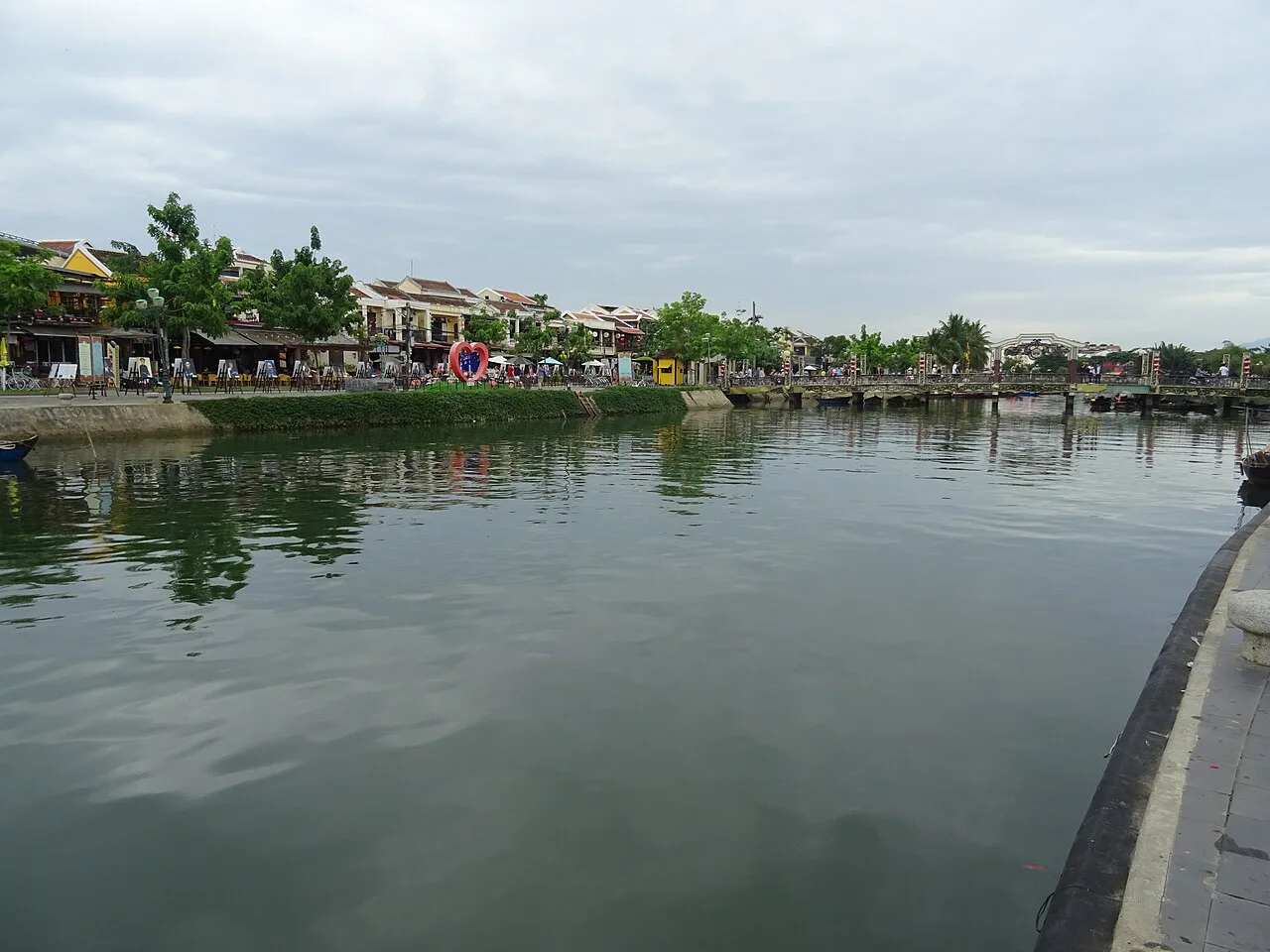
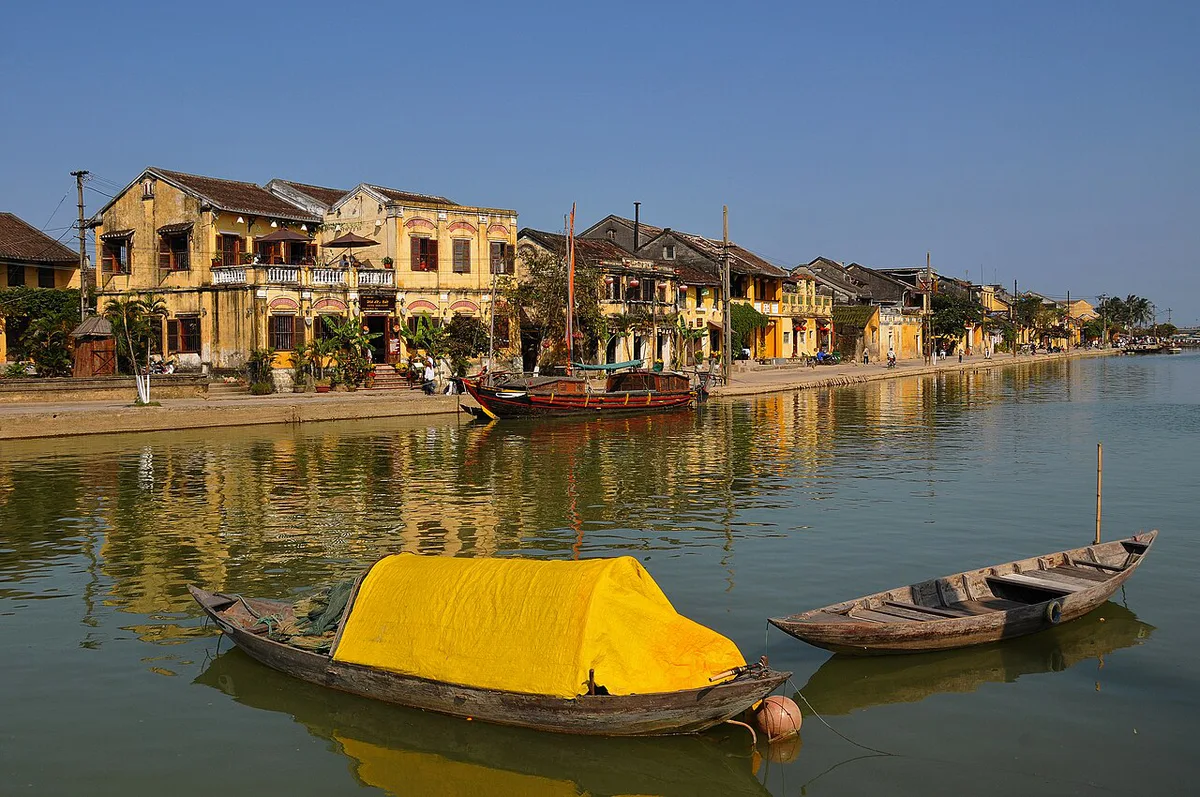
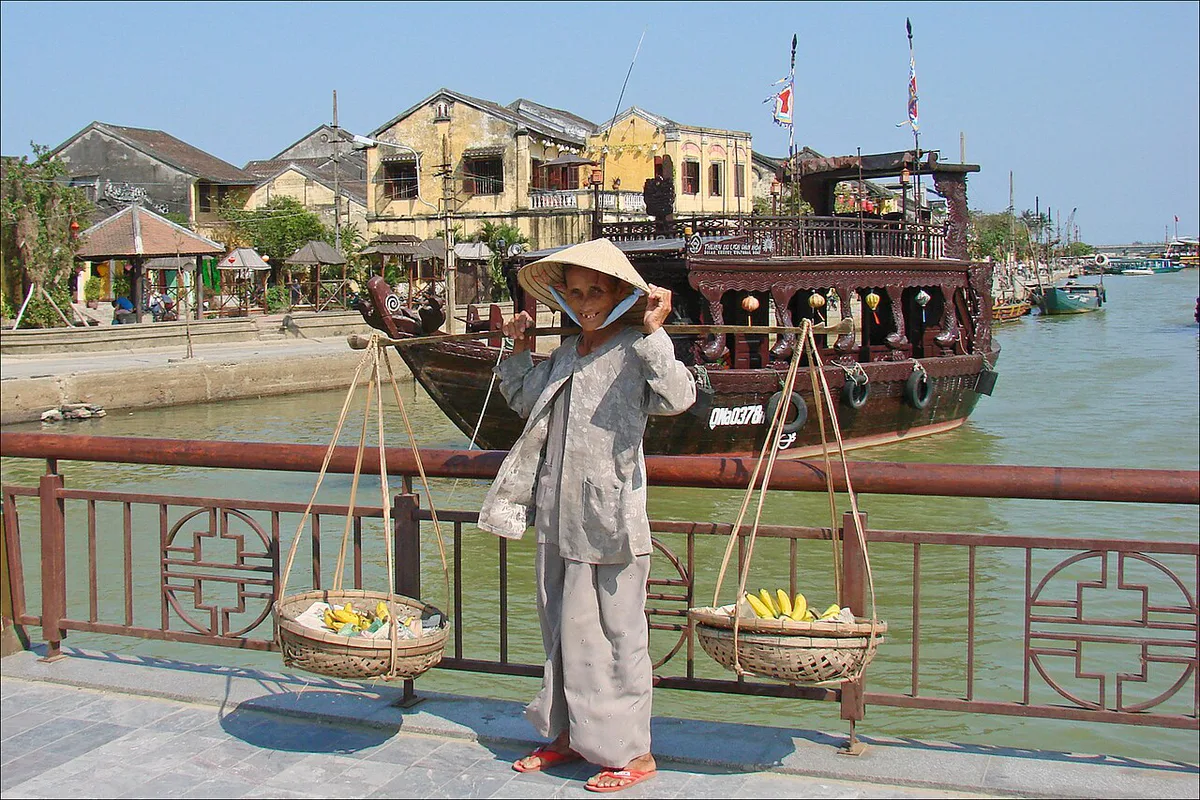
Featured image: Christophe95, CC BY-SA 4.0, via Wikimedia Commons.
Best Time to Visit Hoi An: The Short Answer

February to April is the usual sweet spot. Skies are mostly clear, humidity is lower, and you can walk the Old Town all day. Rain averages only 2–3 days a month in this window, according to one national airline guide.
Some travelers should choose differently. Beach lovers who tolerate heat do well in May to July. Budget travelers can find lower rates in the hot months and again in the wet season. Anyone who dislikes uncertainty should avoid October and November, which are the peak storm and flood months in Central Vietnam. Dates vary by year, so check the forecast from the national weather agency before you book.

Pick Your Month by Priority
Start with what you want from the trip, then match it to a window. Every choice carries one main trade-off.
- Walking the Old Town all day: February to April. Trade-off: higher prices and busier lanes.
- Beach plus town: May to July. Trade-off: midday heat can climb past 35°C (95°F).
- Photography: any dry month, shooting at sunrise and sunset. Trade-off: summer haze and strong midday light.
- Lantern nights: any month, timed to the full moon. Trade-off: flood risk if you pick an October or November date.
- Lowest prices: May to July, or the wet months with flexible bookings. Trade-off: heat or cancelled plans.
- Fewer crowds: September and the wet season. Trade-off: showers and storm warnings.
- Rainy but cozy: December to January. Trade-off: damp, cooler days near 20°C (68°F).
Hoi An Weather by Month
Hoi An has a tropical monsoon climate, and it never turns truly cold. Published sources disagree on exactly where the dry season ends, with some saying July and others August. Treat the transition as gradual rather than a fixed date. January is the coolest month, with lows near 19°C (66°F). Our month-by-month weather data goes deeper on rainfall and humidity.
| Months | Weather feel | Rain and flood risk | Crowds and prices | Best for |
|---|---|---|---|---|
| February–April | Dry, about 25°C (77°F), gentle breezes | Low | Higher demand, higher rates | Old Town walks, cycling, festivals |
| May–July | Hot, 30–35°C (86–95°F), humid | Low, with brief afternoon showers | Often cheaper; hot-month deals | Beaches, evening markets |
| August–September | Hot, with rain building | Moderate, rising by September | Quieter | Flexible travelers on a budget |
| October–November | Cooler, wet, stormy | Highest; floods possible | Quietest; cancellations likely | Rain-proof indoor trips only |
| December–January | Cool, 20–25°C (68–77°F), damp | Easing, still some flood risk | Moderate; lower rates | Cozy cafes, tailors, food |
The Golden Window: February to April

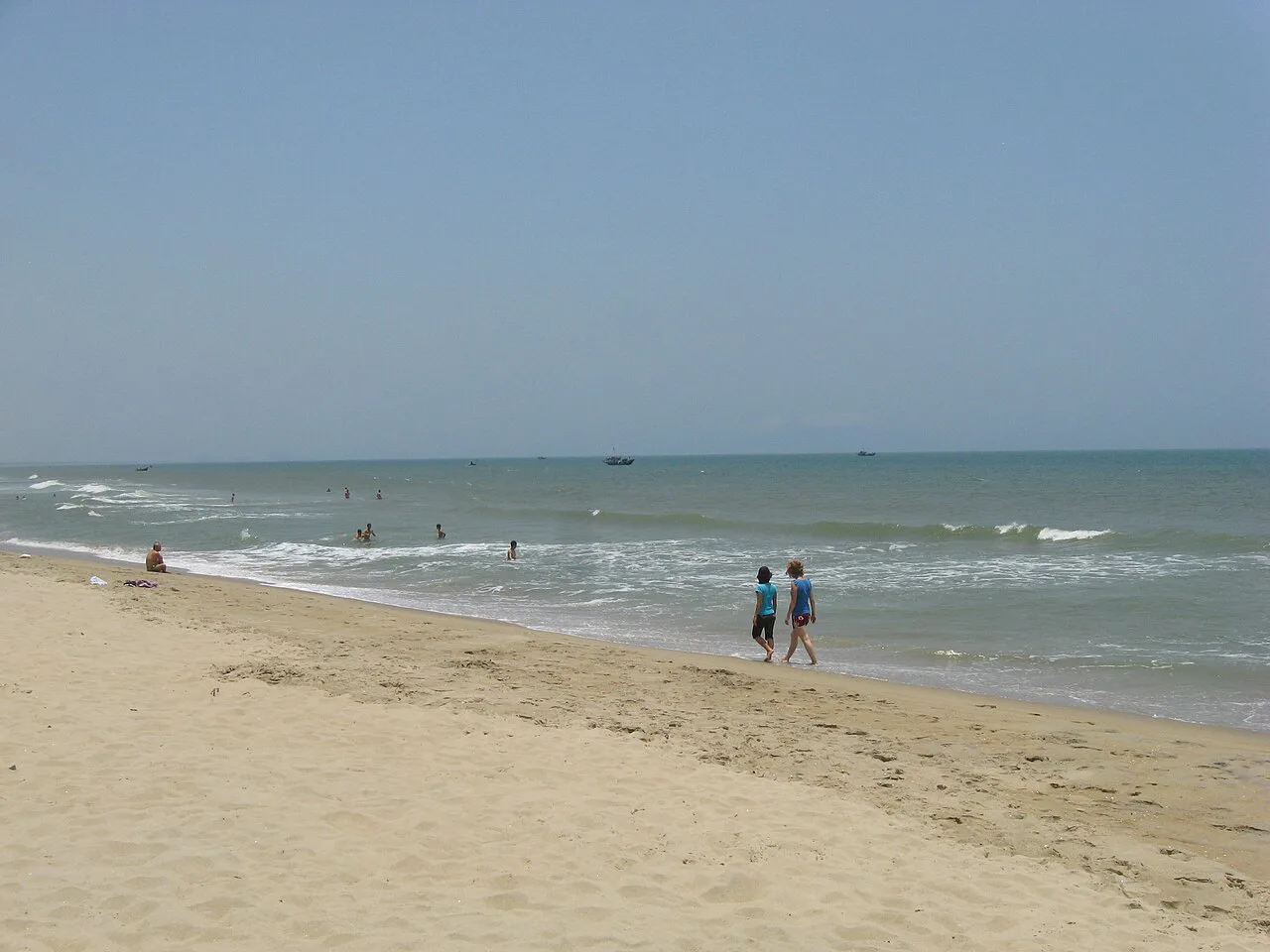
Expect about 25°C (77°F), lower humidity and few rainy days. Walking tours are comfortable, and cycling out to Tra Que Vegetable Village (3 km, about 2 miles, northeast of the center) works well. An Bang Beach, 5 km (3 miles) east, becomes a good swimming spot from March.
The cost is demand. Rooms and tours book earlier, and well-known lanes and restaurants get busy around Lunar New Year. Reserve two weeks ahead at minimum, and earlier for festival dates. Plan Old Town visits for early morning or late afternoon, when the light is best and tour groups thin out.
May to July: Hot, Beachy and Often Cheaper
Temperatures reach 30–35°C (86–95°F) and humidity rises. July can touch 38°C (100°F). Rain stays light, with short afternoon showers.
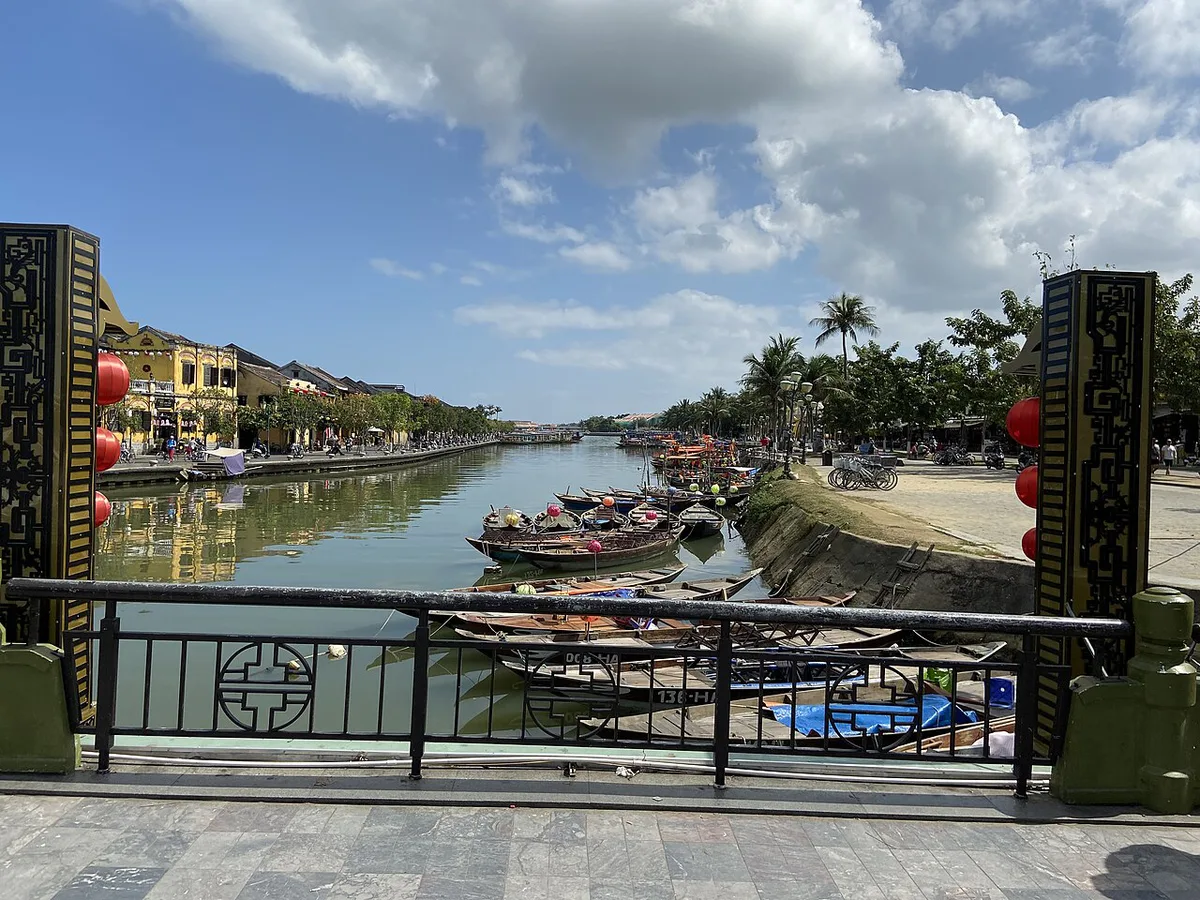
Use a time-of-day plan. Go to the beach early or late. Cua Dai Beach is 4 km (2.5 miles) east of town. Visit My Son Sanctuary, about 40 km (25 miles) southwest, right at opening to beat the heat. Return to the Old Town after sunset. Browse the Hoi An Night Market on Nguyen Hoang Street in the cooler evening. Take a sunset boat ride from Bach Dang Wharf on the Thu Bon River.
August to January: Rainy Season and Flood Risk
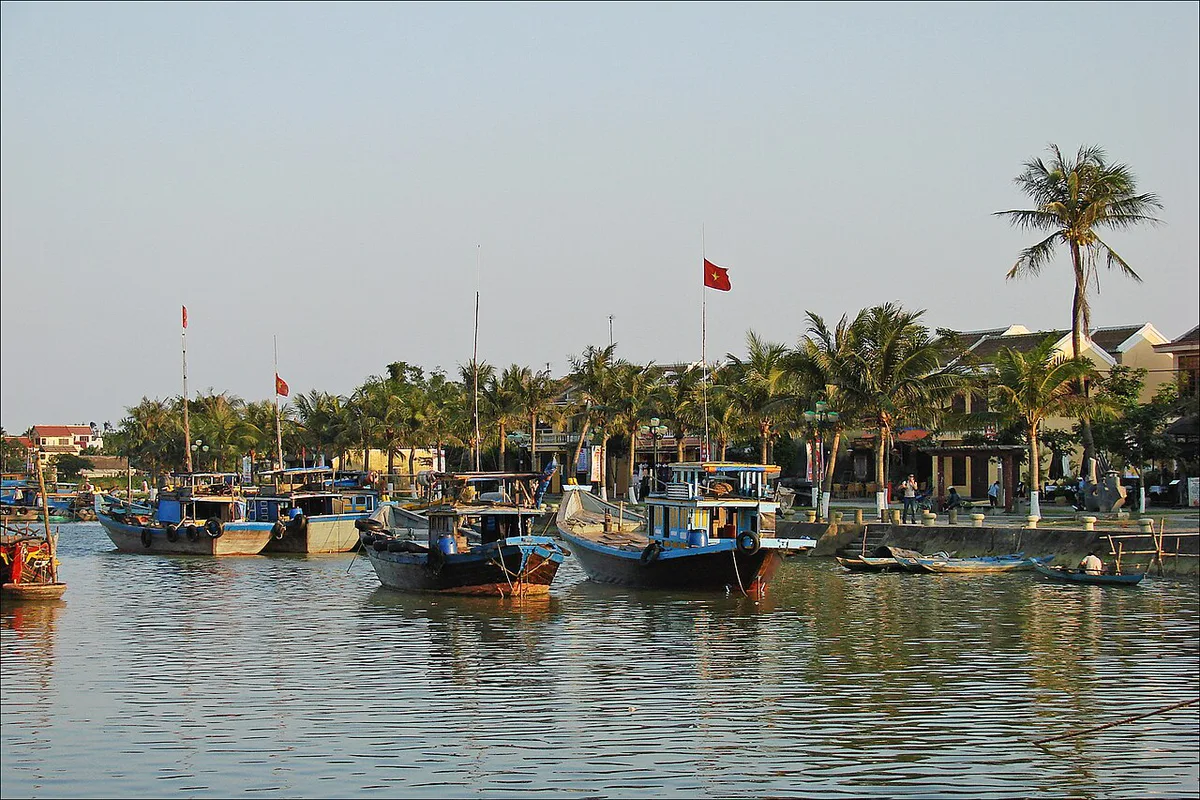
Rain builds from August and peaks in October and November. Reported monthly totals in those months run from several hundred millimeters to more than 500 mm, though sources vary. Flooding does not happen every year. It depends on how intense the rainfall is and on whether a storm hits.
This season suits travelers who value quiet streets, museums and food over beach days. Our guide to the Hoi An Rainy Season: Months, Floods & What to Do covers what to expect week by week.
If you go, choose lodging with flooding in mind. Some guides suggest higher ground north of Ly Thuong Kiet Street and coastal stays near An Bang or Cua Dai. They also warn that the Ba Trieu backpacker area floods often. Treat those as starting points and ask your host about current conditions. Our guide to Hoi An Flooding: When It Floods and What to Do explains how to check water levels.
When to Avoid Hoi An
There is no single worst month, but there are high-risk conditions. Avoid booking non-refundable trips for late October to mid-December if you cannot adjust your dates. Avoid a lantern-night date in that period without a backup plan. Avoid midday visits to My Son in summer.
Also skip any week with a typhoon warning for Central Vietnam. Storms can close roads and disrupt flights into Danang. Check the Vietnam Meteorological and Hydrological Administration forecast a few days out. Buy travel insurance that covers weather cancellations.
Hoi An in December
December is a transition month. Rain eases from the October and November peak, temperatures sit near 20–25°C (68–77°F), and humidity stays high. Cloudy days and showers are common. Some years still bring flooding, especially after a strong wet season. For a closer look, read our guide to Hoi An in December: Weather, Rain Plans & What to Expect.
Festivals and Lantern Nights: Timing Your Trip
Hoi An holds a lantern night each month, from 5 pm to 10 pm around the full moon. Sources differ on whether the rule is the full moon or the 14th day of the lunar month, so check a lunar calendar for your dates. On these nights, motor vehicles and electric lighting are restricted in the Old Town.
Lantern nights run from 5 pm to 10 pm, so an evening booked in late October to mid-December needs a backup plan.

Build the trip around a lantern night in February to April, when flooding is unlikely. Lunar New Year brings dances and temple visits but also the highest demand. The Boat Racing Festival happens at Cam An beach around the third and fourth lunar months. Confirm festival dates with Hoi An tourism before booking.
Best Time for Deals
Rates tend to fall in May to July and again in the wet season. February to April costs more, because weather and festivals drive demand. As an illustration only, not a quoted rate: a room at ₫1,200,000 a night in March might appear at ₫800,000 in July. Compare live prices for your own dates.
Wet-season savings are real, but a cancelled tour cancels the saving. Book flexible or refundable rooms. Keep activities free to move. Pay for tours only when the forecast looks stable.
Getting There and Getting Around by Season
Danang airport (DAD) is about 30 km (19 miles) from Hoi An, so plan roughly a 45-minute to 1-hour road transfer in normal conditions. Allow more time in heavy rain, and keep a buffer on the last day.
Allow a 45-minute to 1-hour road transfer from Danang airport, and add buffer on wet days when storms can close roads.
In the dry months, bikes work well for Tra Que (3 km) and An Bang (5 km). In wet weather, taxis or pre-booked cars are safer. Cu Lao Cham boat trips depend on sea conditions, so book them for the calmer dry months and confirm with the operator on the day. See Vietnam's national tourism site for general entry and travel information.
Rain-Plan Itinerary and Packing by Season
Rain days still work in Hoi An. Take a cooking class to learn Cao Lau and Mi Quang. Visit the Museum of Trade Ceramics and the Museum of Folklore. Order a tailored outfit, then settle into a cafe or spa.
Pack sunscreen, a hat, light clothes and a small fan for May to July. For October to January, bring a rain jacket, non-slip shoes and a waterproof phone case. Avoid these mistakes: booking a full-moon night without checking for floods, and visiting My Son at midday in summer.
- Dry season: sunscreen, hat, refillable water bottle.
- Wet season: rain jacket, quick-dry clothes, non-slip sandals.
- All year: a flexible plan with at least one indoor day.
Building the rest of the trip? Our Hoi An attractions guide covers the sights, districts and logistics around this guide.
Best time to visit other cities
Frequently Asked Questions
When should I avoid Da Nang?
Da Nang shares Central Vietnam's storm pattern with Hoi An. Heavy rain and flood risk peak in roughly October and November. Check the national weather agency forecast before booking flights or tours for those months.
Explore More Hoi An Guides
Keep planning your Hoi An trip with these guides.
Hoi An Guides
Useful notes for your Vietnam trip
Optional updates to our guides.
You might also like


Continue reading
More guides you'll find useful