Tra Que Vegetable Village, Hoi An: How to Visit, Cost and Tours
Plan a trip to Tra Que Vegetable Village near Hoi An: how to get there, cooking class and tour options, time needed, and when to go.
On this page
Last updated November 2026: Tra Que Vegetable Village sits roughly 3 km northeast of Hoi An Ancient Town, and a typical visit runs 4 to 5 hours. It is a working herb-farming village where you can tend beds, join a cooking class and soak your feet in herbal water. Use this guide to choose between cycling out alone and booking a tour, then fit it among the other rural stops near Hoi An.
Featured image: Vuong Tri Binh, CC BY-SA 4.0, via Wikimedia Commons.
Tra Que Vegetable Village at a Glance
Tra Que is reportedly about 3 km from the Old Town, between the De Vong River and a lagoon. Plan on 4 to 5 hours for a half-day that covers farm work, a cooking class and lunch. Food lovers and slow-travel visitors get the most from it. Anyone on a one-night stay can skip it. These are the planning basics.
- Distance: about 3 km northeast of Hoi An Ancient Town
- Time needed: 4 to 5 hours for farm, class and lunch
- Best windows: 8:00 to 10:00 AM or 3:00 to 5:00 PM
- Typical activities: bed tending, cooking class, herbal foot soak, cycling
- Rain gear: a poncho or jacket is advised from October to January
Why Tra Que Matters to Hoi An Food
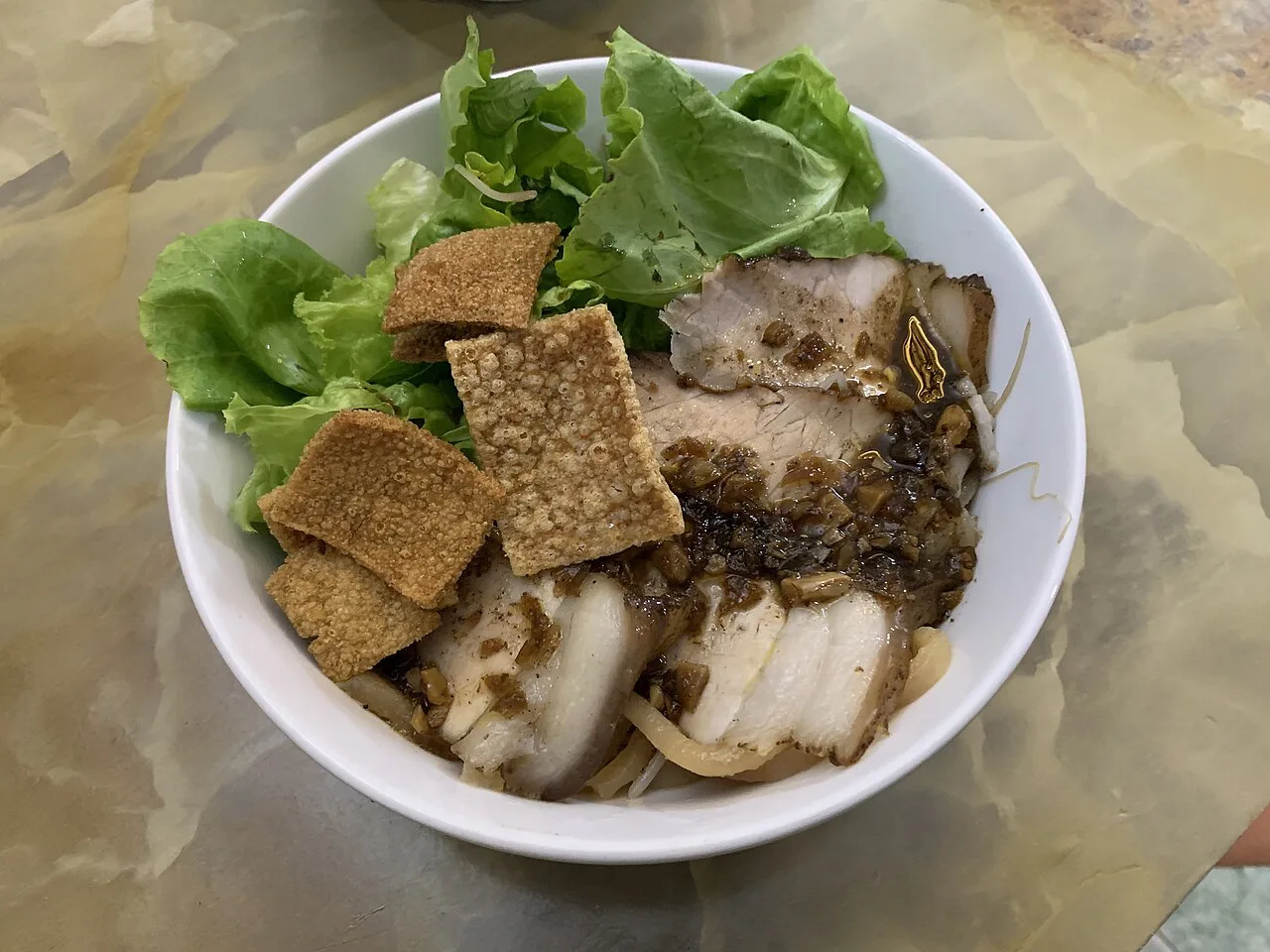
Farmers here wade into the river to collect algae, then spread it on the sandy beds as fertilizer. Local lore credits this for the strong aroma of the herbs. Operators describe more than 20 kinds of produce. Five herbs get most of the attention: basil, perilla, Vietnamese mint, cilantro and green onion. Those leaves end up on plates of Cao Lau and Mi Quang across town. They also fill the herb platters that come with banh xeo. Treat the stories about the village's age as local tradition, because dates in tour copy conflict. What you can see for yourself is a tight grid of raised beds and the cooks who depend on them.
What You Can Do in the Village
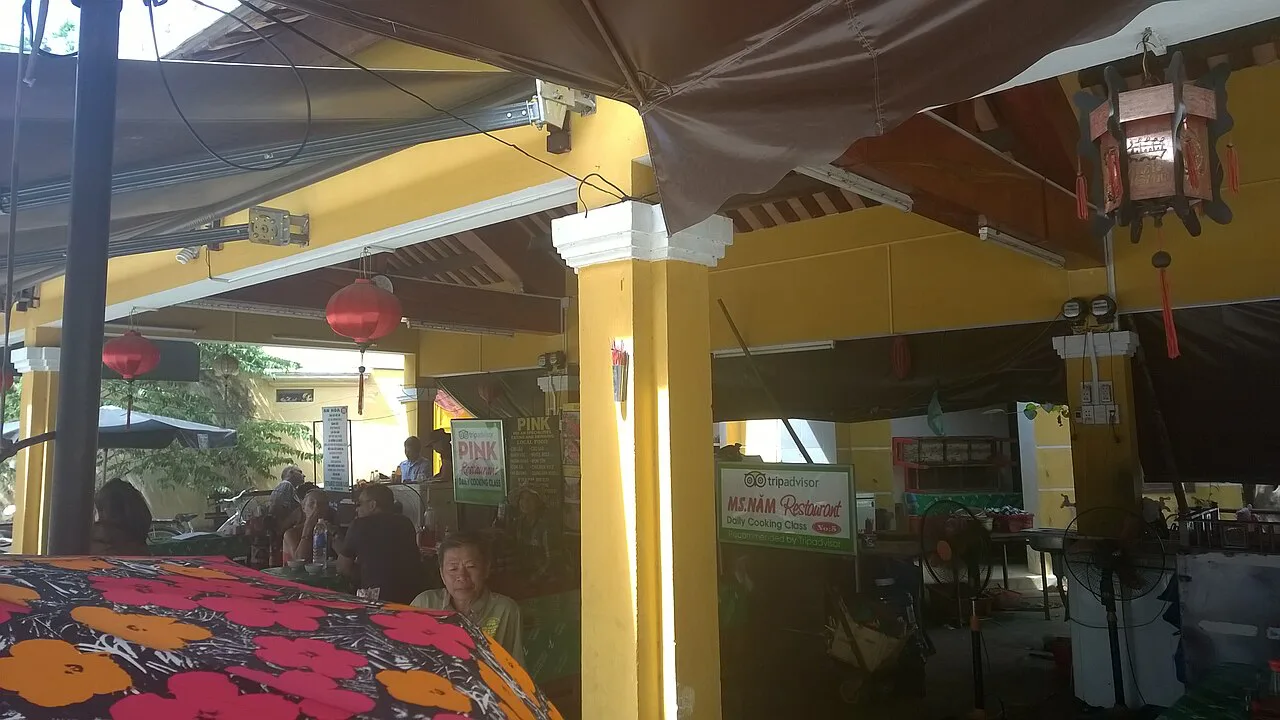
Most visits follow a simple arc. A family or guide walks you through the herb beds and names each plant. You then rake soil, plant seedlings and water the rows with a shoulder pole and two buckets. Many visitors try a basil seed drink, which operators call the village specialty. A cooking class follows. Typical dishes are tam huu rolls, banh xeo pancakes, fried spring rolls and papaya salad. Many visits end with an herbal foot soak in a basin of water steeped with garden leaves. Cycling the dirt paths between paddies is the other core activity. TraQue Herb Garden is one village restaurant that offers a garden visit with its chef, a class and a foot spa. Its own site says it is set up for cyclists who stop for lunch or drinks.
Independent Visit or Guided Tour: Which to Choose
Both routes work. Going alone gives you control over timing and spending. A tour gives you a guide, a ready-made class and hotel pickup. Costs vary widely by operator, so compare current quotes against the cost of bike hire plus a class booked directly. This table sums up the trade-offs.
| Option | Flexibility | Cost level | Local context | Best for |
|---|---|---|---|---|
| Cycle or taxi, then a village restaurant class | High: you set the hour and pace | Budget to mid | Depends on your host | Independent travelers, early starters |
| Hotel-pickup half-day tour | Medium: fixed schedule | Mid | Guide explains herbs and farming | First-timers, families, no-bike days |
| Combo tour with My Son Sanctuary | Low: about 8 hours, 9:00 AM pickup | Mid to premium | Two sites, one guide | Travelers with a single free day |
How Long to Spend and When to Go
A morning half-day suits the full farm-and-cook experience. Between 8:00 and 10:00 AM it is cooler, and you reach the beds when work is under way. Late afternoon, around 3:00 to 5:00 PM, is also cool and gives softer photo light. Expect less hands-on farm activity then, since working hours are not published. Heat is the main enemy in the dry months. Rain turns the paths to mud, and operators advise rain gear from October to January. That makes mid-November the start of the wetter stretch for this page's update.
| Plan | Time | What fits | Trade-off |
|---|---|---|---|
| Morning half-day | 4 to 5 hours | Farm work, class, lunch | Best for activity; you start early |
| Late afternoon visit | About 2 hours (3:00 to 5:00 PM window) | Walk, photos, foot soak, dinner | Cooler, but less farm work to see |
| Combo with My Son | About 8 hours | Short farm stop, class, ruins after lunch | Rushed; My Son involves about 2 km of walking |
Cooking Class: What to Look For
Classes range from a family kitchen to a restaurant with a garden and foot spa. Ask a few questions before you book. Your answers will tell you more than the brochure photos do.
Operators describe more than 20 kinds of produce, so ask which herbs your class uses before booking.
- Group size: smaller groups mean more time at the stove
- Garden or market: does the class include picking herbs first?
- Hands-on or demonstration: you should cook, not just watch
- Dietary needs: ask for vegetarian or allergy handling by name
- Lunch: check whether you eat what you cook, plus extra dishes
- Menu: tam huu rolls and banh xeo are the village signatures
Getting There and Getting Around
The ride from the Old Town is about 3 km, a short cycle on flat ground. Hire a bike in town, or take a taxi or Grab if heat or traffic puts you off. Check your route and the traffic before you start. Restaurants in the village are used to cyclists and typically have space for bikes. Tour packages include hotel transfer. Tours list the village entry fee as included. Independent visitors should ask their restaurant whether any fee applies. Carry cash, because small village venues may not take cards. Shade and restrooms are mostly at restaurants. For current visitor information, start at the Quang Nam tourism portal.
Combining Tra Que With Other Stops
Pick one or two rural stops, not all four. Packing in more leaves each visit shallow. A morning farm-and-cook followed by afternoon ruins is the standard pairing. The My Son ruins are the history stop. Use this rule to choose by interest.
My Son involves about 2 km of walking, so a combo day already stacks a farm, a class and ruins into roughly 8 hours.
- Food: Tra Que alone, as a full half-day
- History: My Son, with Tra Que only if you accept an 8-hour day
- Crafts: add Thanh Ha pottery workshops for clay work
- Nature and water: add Cam Thanh coconut groves for the boat-and-palm side
Practical Tips and Village Etiquette
Bring a wide-brimmed hat, sunscreen, sunglasses, sturdy shoes and a refillable water bottle. Ask before photographing farmers or their families up close. Stay on the paths so you do not trample prepared beds. Spend with family-run restaurants and farmers where you can, since that money reaches the village directly. Farm tasks suit children well. Tour operators set child pricing by height and age, so read each policy before booking. Keep expectations honest: this is a working village with tourism layered on top, and some tasks are demonstrations.
- Mistake: arriving at midday in the dry season, when heat peaks
- Mistake: booking a combo and expecting a full class plus a relaxed My Son visit
- Mistake: skipping rain gear from October to January
- Mistake: assuming entry is free or included without asking
Useful notes for your Vietnam trip
Optional updates to our guides.
You might also like
Continue reading
More guides you'll find useful