
Hoi An Bicycle Rental: Where to Rent, Costs to Check & Best Rides
Renting a bicycle in Hoi An: what to check, how it compares with scooters, easy rides to the beach and countryside, and safety tips before you pedal.
On this page
Last updated November 2026. Hoi An bicycle rental is a practical way to cover the flat old town, the road to the beach and the farmland beyond. This guide is pedal-bike first and treats scooters as a trade-off. Rental rates are set by each shop or hotel, so ask for a daily price in dong before you hand over any money.
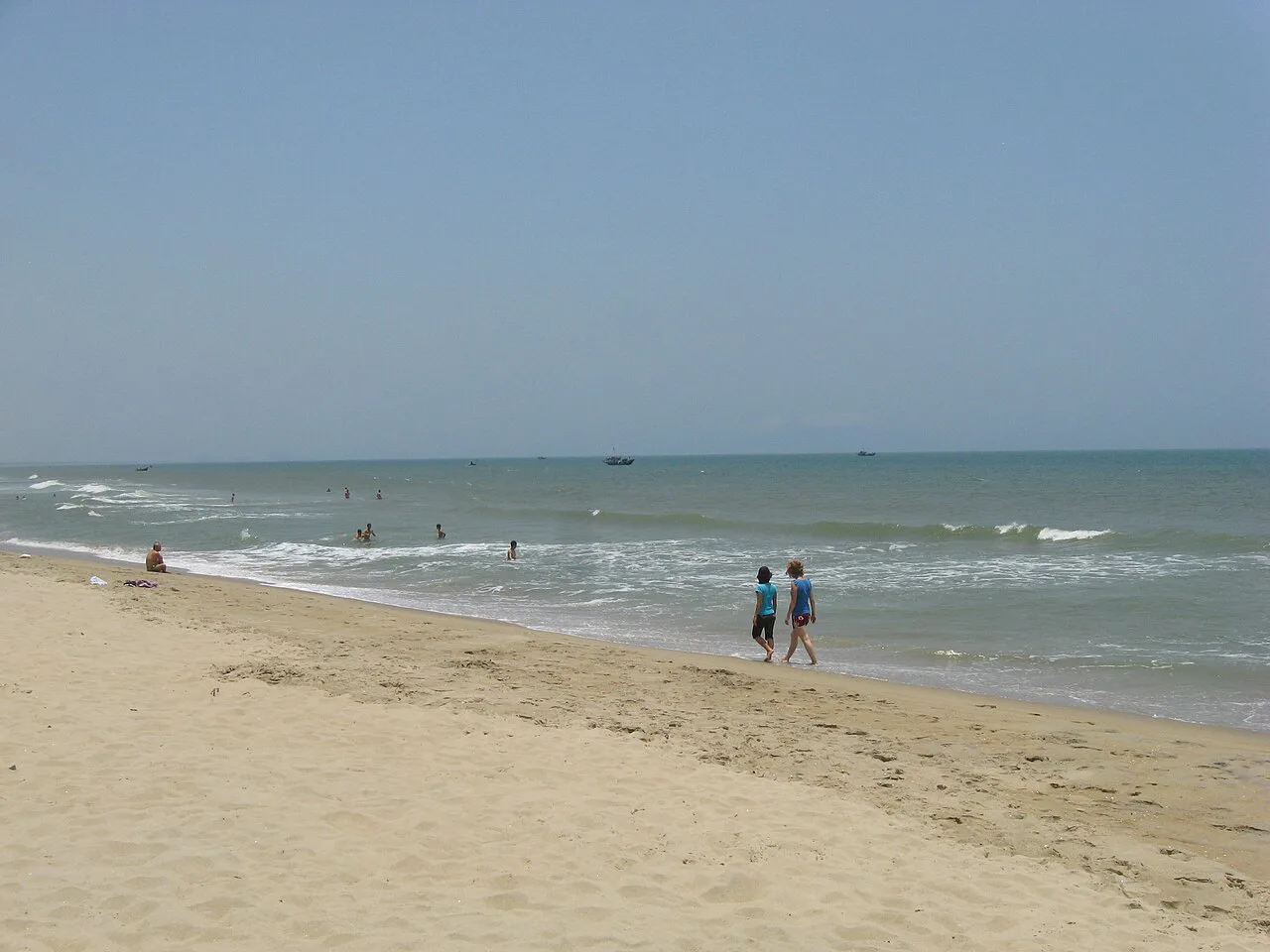
Featured image: lightwrite, CC BY-SA 2.0, via Flickr.
Is Hoi An Bicycle Rental Worth It?
For most visitors, yes. Hoi An is flat, and the main sights sit close together around the Ancient Town. A pedal bike lets you stop at will, park almost anywhere and ride at the speed of the traffic around you. Short hops between your hotel, a café and the river area rarely justify a taxi.
Bicycles suit couples, solo travelers, families with older children and anyone who likes a slow morning. They suit short, flat days best. If you plan long distances in midday heat, carry heavy luggage or have limited mobility, skip the pedals and read the next section.
If you have not arrived yet, our guide to ways to reach Hoi An covers the options. Landing at Da Nang? Compare the airport transfer options first. Coming from Hue? Read about the route from Hue. Most travelers collect a bike after check-in rather than on arrival day.
Bicycle vs. Scooter vs. Walking vs. Taxi
Each option solves a different problem. Walking works for the old town core. Bicycles stretch your range without adding paperwork. Scooters cover the most ground but bring licence and insurance questions. Taxis and ride-hailing win after dark or in the rain. For a wider look at transport, see our notes on other ways to get around town.

| Option | Effort | Licence and insurance | Best for | Drawbacks |
|---|---|---|---|---|
| Pedal bicycle | Low to moderate | No motor licence question; ask your insurer about cycling | Old town, beach road, village loops | Heat and rain; slower over distance |
| 50cc scooter | Low | Check current Vietnamese rules and your insurer's terms | Solo travelers who want range | Road risk; rules are easy to misread |
| 110cc to 125cc scooter | Low | Licence and insurance checks matter more here | Longer countryside days | Needs riding experience in Asian traffic |
| Walking | Moderate | None | Ancient Town streets | Slow to reach the beach |
| Taxi or ride-hailing | None | None | Night returns, luggage, heavy rain | Cost adds up over many short trips |
Where to Rent a Bicycle in Hoi An
Rental shops and hotels cluster along Tran Hung Dao, Nguyen Thai Hoc and Cua Dai Road. These streets put you within a short walk of a bike wherever you sleep. Many hotels and homestays also lend or rent bikes at the front desk, and some offer them to guests at no charge. Ask at check-in before you look elsewhere.
Three sources are worth comparing:
- Your hotel or homestay: easiest option, and you can usually return the bike on the same property.
- Rental shops on Tran Hung Dao and Nguyen Thai Hoc: wider choice of frames, from basic city bikes to better touring bikes.
- Cua Dai Road shops and hotels: handy if you plan to ride toward the beach first.
City Bike or Touring Bike: What the Choice Means
A basic city bike has an upright seat, a basket and a single gear. It suits the old town, short café hops and slow village lanes. A better touring bike adds gears, firmer tyres and a more efficient riding position. Choose it if you plan to reach the beach and return in one outing.
Touring bikes cost more per day, so ask for the price before you commit. Your plans decide the answer. Staying inside the Ancient Town? A city bike is enough. Riding out toward An Bang, Cua Dai or Tra Que? Pay for the better frame.
What to Check Before You Pay
Spend two minutes on the bike before you ride away. Squeeze both brakes and roll it a few steps. Press the tyres and look for cracks. Raise or lower the seat until your leg is nearly straight at the bottom of the stroke.
Then settle the practical terms. Ask whether a lock, basket, helmet and rain poncho come with it. Ask what deposit or ID the shop wants, and confirm when you must return the bike. Agree the payment form now rather than at the end. Prices and hours here were last checked in November 2026, but each shop sets its own terms, so ask first.
- Brakes: both levers grip firmly.
- Tyres: no cracks, no soft spots.
- Seat: set to your height before you leave.
- Lock: included and working.
- Lights: needed if you ride after sunset.
- Return time: written down or agreed aloud.
Best Bicycle Rides From Hoi An
Four rides cover most visitors' interests. Plan by time and effort rather than distance.

Old town and Thu Bon River: Start here for the easiest ride. Pedestrian and vehicle restrictions apply in parts of the Ancient Town at certain times. Check current access rules on the Hoi An heritage site before you ride in.
An Bang Beach: Expect a flat, steady ride, best in the morning or late afternoon. Allow time for a swim and a slow return.
Cua Dai: Follow Cua Dai Road toward the coast. Shops along it make it a convenient rental base and a straightforward route out.
Tra Que vegetable village: This is the best rice-field and farmland loop for a half day. Roads narrow, so ride slowly and watch for scooters.
- Half day: old town plus river area, or Tra Que alone.
- Full day: An Bang or Cua Dai, a long lunch, then the village loop on the way back.
When to Ride: Heat, Rain and Crowds
Early morning is the best time to ride. Midday heat is hard work on a one-gear bike, and shade is thin outside the old town. Late afternoon works well for the beach road.
Rainy season brings wet roads and, at times, street flooding near the river. Brakes grip poorly on slick surfaces, so slow down early. Evenings around the lanterns are crowded with pedestrians. Park your bike and walk the Ancient Town after dark. Seasonal patterns shift from year to year, so use the national tourism portal at Vietnam's official travel site as a starting point for planning.
Licence, Insurance and Road Safety
Pedal bikes need no motor licence. Scooters are different. Some rental shops say that a 50cc scooter needs no licence and that travel insurance may cover it. Treat those claims as the shop's own. Check current Vietnamese rules on the official tourism portal and read your own insurer's terms on two-wheeled vehicles.
Bikes need no motor licence, while a 50cc scooter needs its own check of current Vietnamese rules and your insurer's terms.
On a bicycle, ride predictably and keep to the right edge of the road. Scooters will pass on both sides, so avoid sudden swerves. Use lights after dark. If the bike breaks down, call the shop or hotel that rented it and wait in a safe spot.
Mistakes to Avoid
A few small errors cause most rental problems.
- Skipping the brake check before leaving the shop.
- Leaving a bike unlocked in the old town.
- Riding at midday in full sun.
- Assuming scooter licence rules without checking current rules.
- Booking a touring bike you do not need for a short old-town day.
- Agreeing to terms you have not clarified, such as deposit, ID and return time.
Useful notes for your Vietnam trip
Optional updates to our guides.
You might also like


Continue reading
More guides you'll find useful