Thanh Ha Pottery Village, Hoi An: How to Visit (Museum, Workshop, Tips)
Visiting Thanh Ha pottery village near Hoi An? See how to get there, what to do at the terracotta museum and workshops, how long to stay, and who should skip it.
On this page
Last updated November 2026: Thanh Ha pottery village is a working terracotta craft village on the Thu Bon River, about 2 km west of Hoi An's old town. Founded in the late 15th century, it now combines a museum park, artisan shops, and hands-on pottery options. Use this guide to decide how to get there, how long to stay, and whether to skip it.
Featured image: Paul Arps from The Netherlands, CC BY 2.0, via Wikimedia Commons.
Thanh Ha Pottery Village at a Glance
Thanh Ha sits on the bank of the Thu Bon River in Cam Ha, roughly 2 km (about 1.2 miles) west of Hoi An's ancient town. Artisans here have thrown unglazed terracotta for around five centuries. Today you can browse shops, watch potters at work, and tour Thanh Ha Terracotta Park. Hoi An old town is the natural base for the trip.
- Best for: hands-on travelers, families, photographers, and anyone shopping for pottery.
- Skip if: you have only one day in Hoi An, or you expect a large working-kiln show.
- Quick stop: about 1 to 1.5 hours (our editorial estimate).
- Half-day: add a workshop and a slow wander through the shops.
Is Thanh Ha Pottery Village Worth Visiting?
Yes, if you like seeing how objects are made and want to try it yourself. The village rewards curiosity more than a checklist. Families get a simple, tactile activity, and photographers get red brick, clay, and river light. Short-stay visitors with a single day are better off spending it in the old town. Expect a village with shops and a museum, not a factory floor where every kiln is firing.
- Mistake: going at peak midday, when the outdoor kiln areas are hottest.
- Mistake: assuming every kiln you see is in use that day.
- Mistake: buying breakables with no packing plan.
- Mistake: assuming one admission also covers workshop fees.
How to Get There From Hoi An
At about 2 km, the trip is short by any mode. Heat and traffic matter more than distance. Because the village sits on the Thu Bon River, a boat approach may be possible. Ask the operator about the route and price before you commit. Fares change by season and are not listed here.
| Mode | Effort | Best for | Watch-outs |
|---|---|---|---|
| Walk | Moderate | Early morning starts | Midday heat and traffic on the road |
| Bicycle | Easy | Flexible stops | Sun exposure; rain makes surfaces slick |
| Motorbike | Easy | Confident riders | Parking near shops; traffic |
| Taxi or Grab | Easiest | Families and hot days | Arrange your return ride |
| River boat | Varies | Scenic arrival | Route and price need confirming |
What to Do: Museum, Workshop, and Village Wander
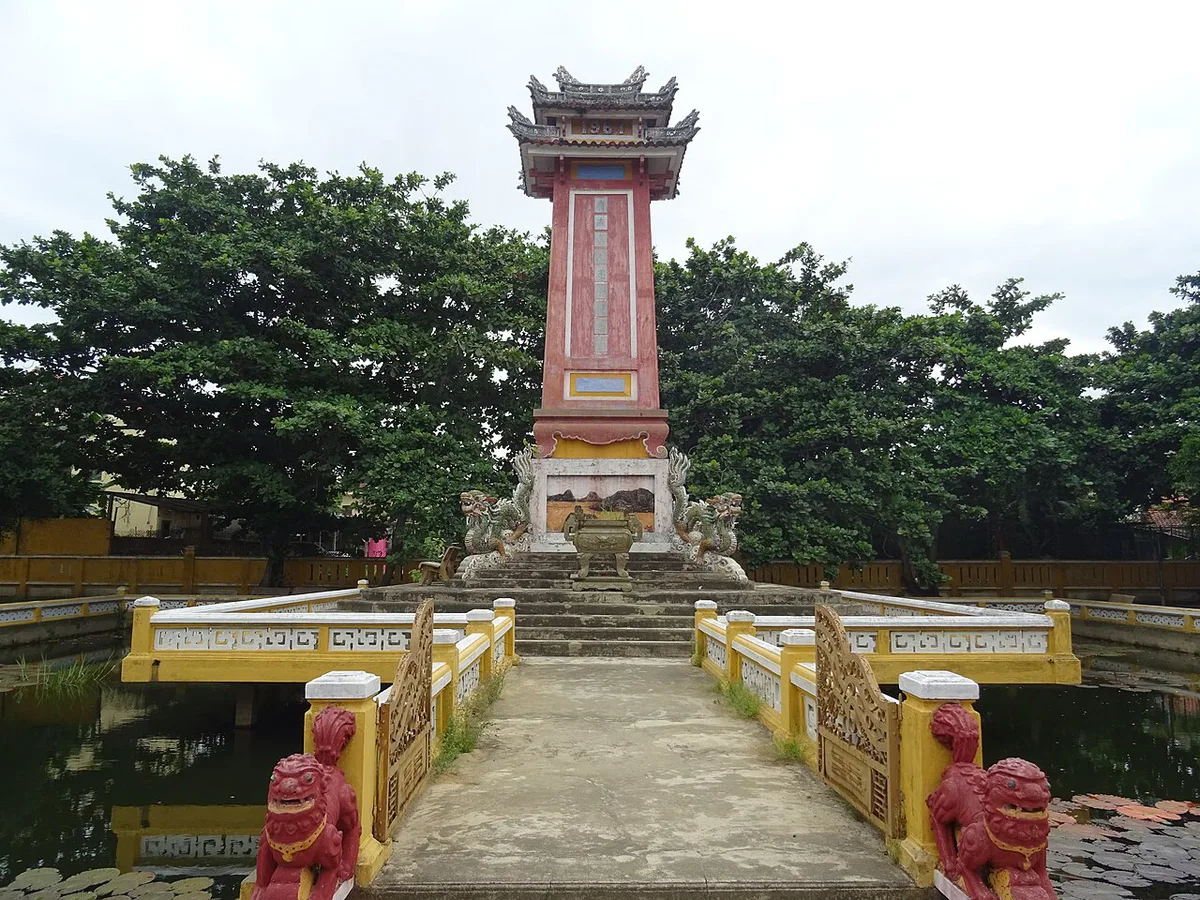
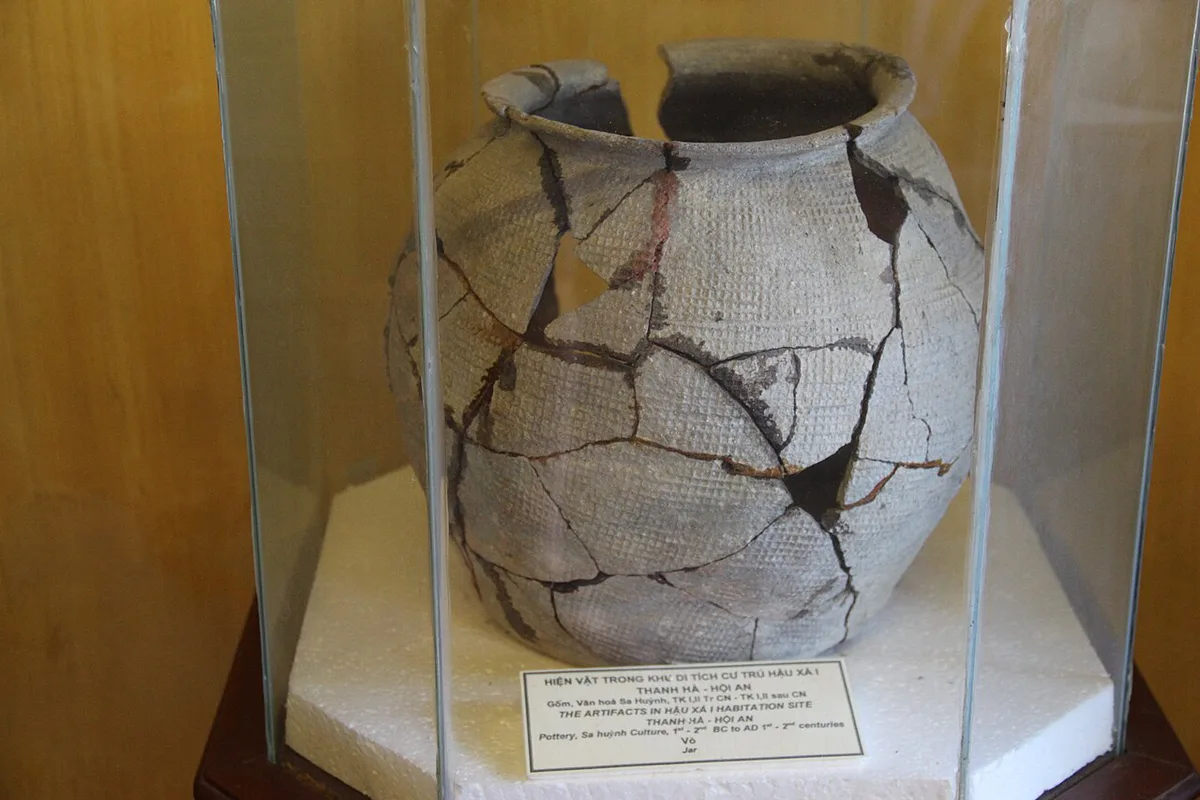
Thanh Ha Terracotta Park was designed by architect Nguyen Van Nguyen with Nhavietcorp, who were born and raised in the village. It has four museum sections: Thanh Ha Pottery Village Museum, Museum of Traditional Vietnamese Pottery Villages, Thanh Ha Sa Huynh Pottery Museum, and Museum of Terracotta and Champa Architecture. Exhibitions include a clay exhibition, an old brick kiln gallery, a miniature world, and an installation exhibition. The top floor covers excavations of Cham and Sa Huynh culture. For the wider Champa story, see the Champa temple complex at My Son. Hands-on options include "Be a potter" and ceramic lantern making. Outside the park, shops and workshops line the village lanes.

| Option | Time (editorial estimate) | Hands-on level | Best for |
|---|---|---|---|
| Museum and park | About 1 hour | Low | History and architecture |
| Pottery workshop | About 1 to 2 hours | High | Families, hands-on travelers |
| Village wander | About 45 minutes | Low | Shopping and photos |
How Long to Spend and a Sample Plan
Plan 1 to 1.5 hours for a quick stop, or a half-day if you add a workshop. These are editorial estimates, so adjust for your pace. Morning arrival keeps you out of the worst heat. Rainy-season visits can mean mud and flood risk on the river side.
- Arrive early and walk the shops while temperatures are lower.
- Tour the museum sections and the old brick kiln gallery.
- Take a workshop (half-day plan) or browse for souvenirs (quick plan).
- Return to Hoi An old town for lunch.
Hours, Tickets, and Workshop Costs
The museum's official page lists opening hours of 08:30 to 17:00 on weekdays and 08:00 to 17:30 on Saturday and Sunday. Hours checked November 2026. Ticket prices and workshop fees are not published in the information we reviewed. Check the museum's official site before you go, and ask whether admission includes workshop time. For regional visitor information, try the Quang Nam tourism portal.
Saturday and Sunday hours run 08:00 to 17:30, which suits the early-arrival tip for avoiding heat.
Pottery Techniques and History in Brief
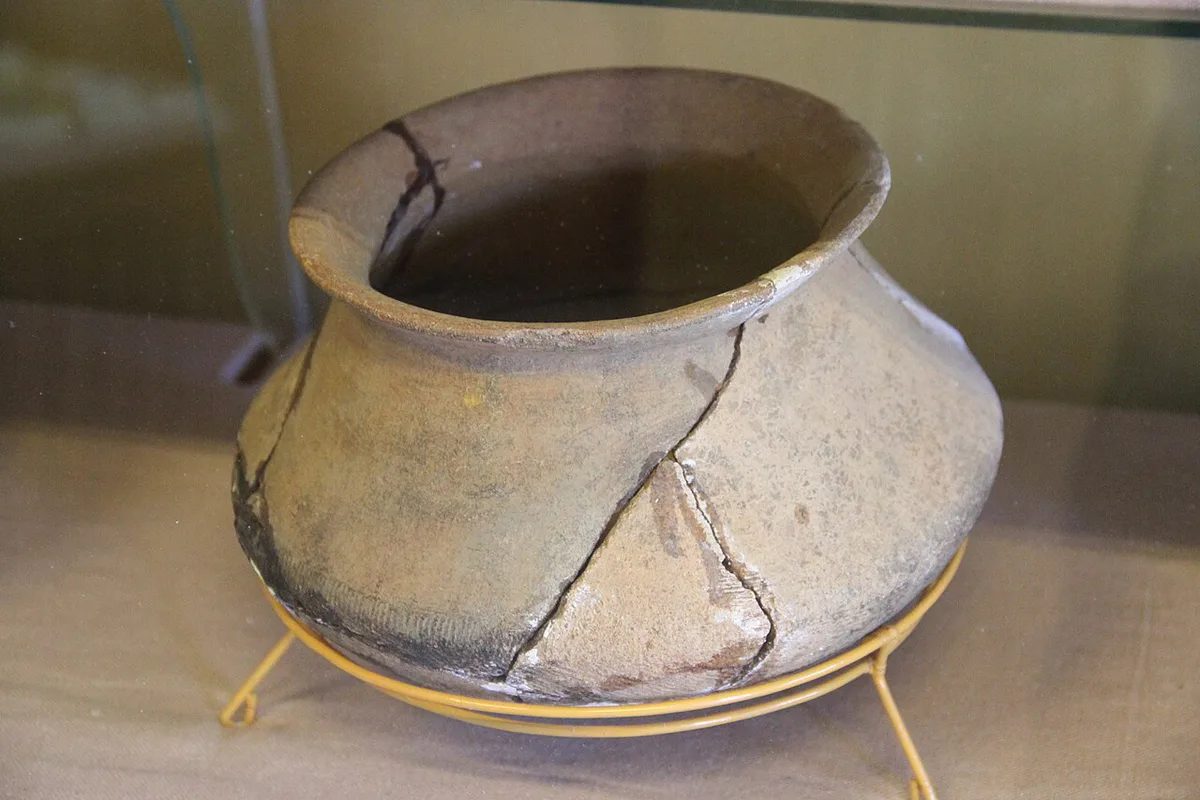
The village formed in the late 15th century and grew alongside the Hoi An trading port. Potters use brown clay from the Thu Bon River. They knead it, cut it thin, and tread it to improve the texture. A wheel is worked by two people: one throws the clay, and one spins the wheel by foot. No mold is used, and the pieces are unglazed. Dried pieces go into traditional wood-burning kilns for 7 to 8 hours. Thanh Ha also makes bricks and tiles, including the yin-yang roof tiles seen on Hoi An's old town roofs.
Dried pieces spend 7 to 8 hours in a wood-burning kiln, so an unlit kiln on a short visit is no sign the work has stopped.
What to Buy and How to Get It Home
Typical products include cups, bowls, jars, vases, flower pots, ornamental pots, and animal figures. Local pieces are described as lighter than similar pottery from other regions. Look for hand-thrown, unglazed pieces and ask the seller how each was made. Bargain politely, and expect firm prices on small items. For flights, wrap pieces in clothing and carry fragile items in your cabin bag. Ask the shop about shipping for anything large.
- Choose small, light pieces for carry-on luggage.
- Ask shops whether they pack and ship.
- Skip glazed items if you want the traditional village style.
Pairing It With Other Hoi An Day Trips
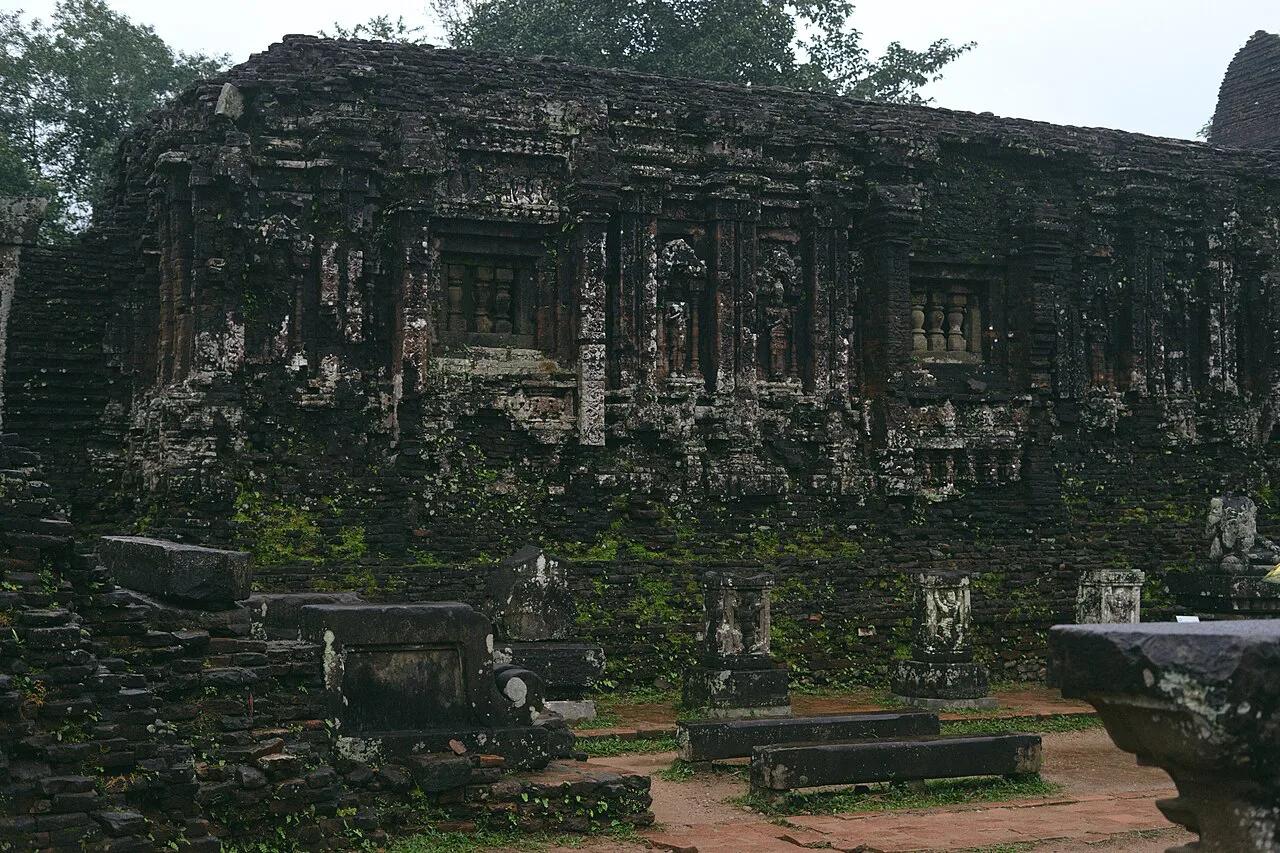
Thanh Ha works well beside a coconut village trip, but check the map for the route before you combine them. Compare it with the Tra Que farming village if you want a different craft-and-farm experience. Treat Tra Que as its own half-day. Make My Son a separate morning trip. Browse the other Hoi An excursions to choose between them.
Useful notes for your Vietnam trip
Optional updates to our guides.
You might also like

Continue reading
More guides you'll find useful