Japanese Covered Bridge, Hoi An: Visit Guide
Is the Japanese covered bridge in Hoi An worth it? Ticket rules, how long to stay, best time to visit, and how to fit it into an Old Town walk.
On this page
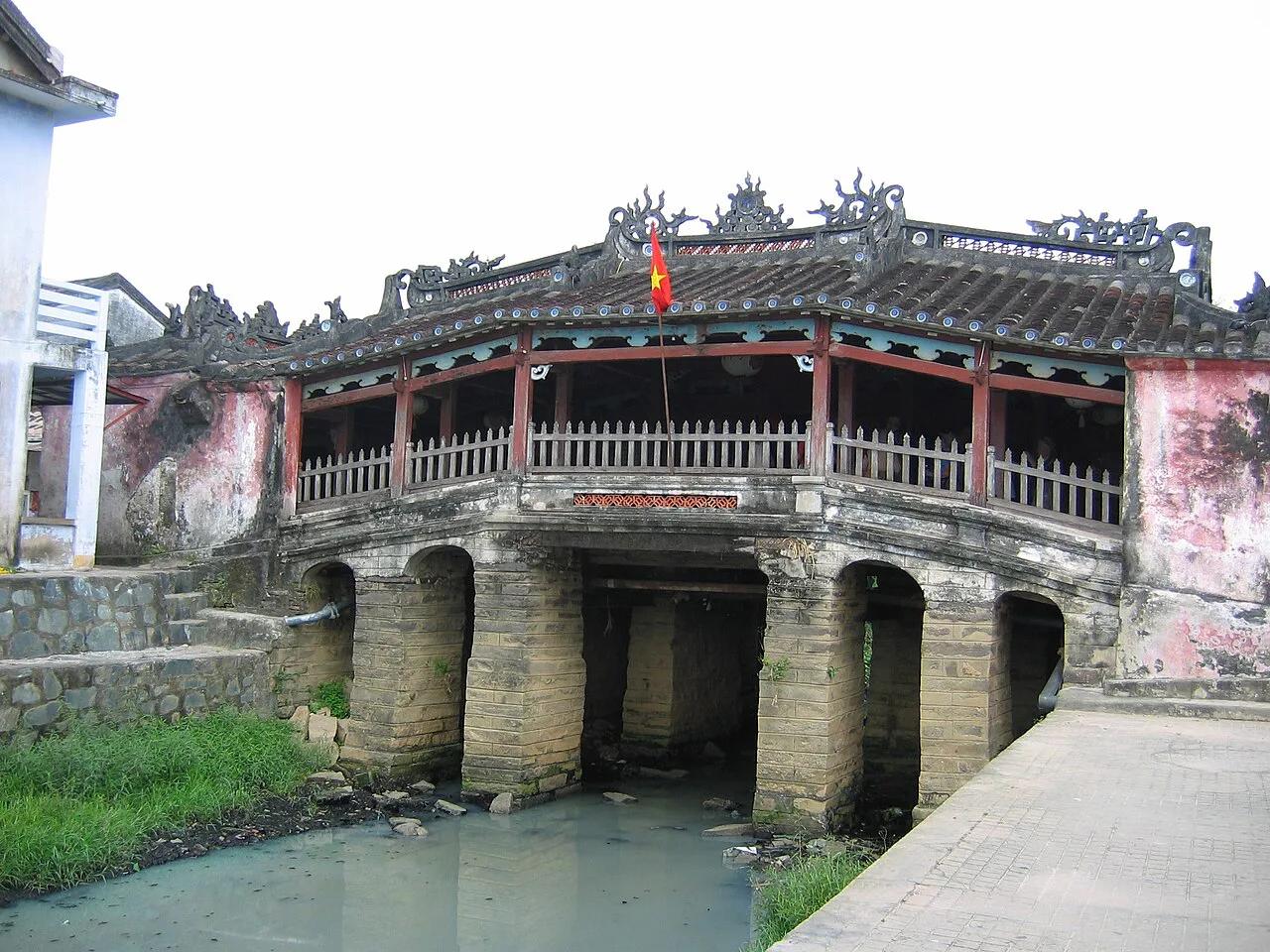
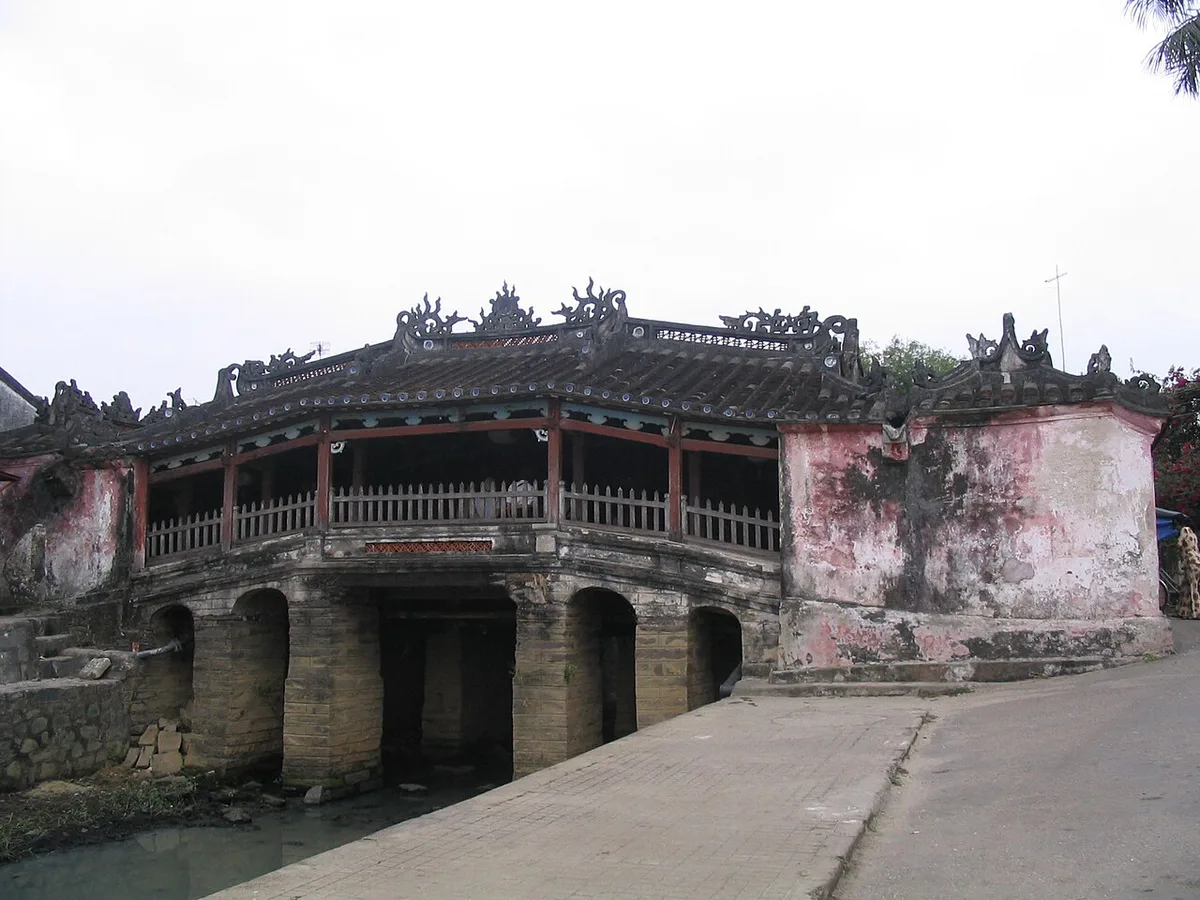
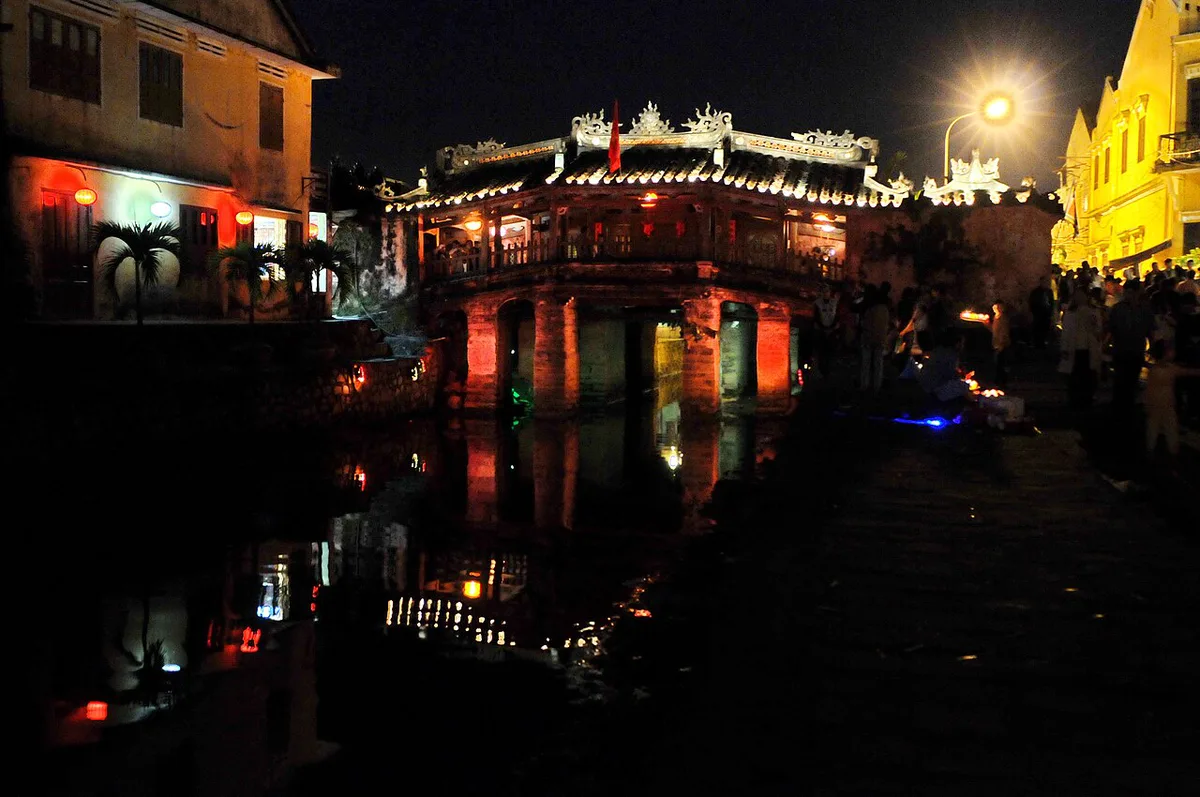
Last updated November 2026: the Japanese Covered Bridge in Hoi An, Vietnam, is a roofed wooden footbridge tied to the town's Japanese merchant community. Locals call it Chùa Cầu, and it stands at the western end of Tran Phu Street. Most visitors need 10–15 minutes here, and entry to the covered section depends on your Old Town ticket.
Featured image: Avi Alpert, CC BY-SA 2.0, via Wikimedia Commons.
Is the Japanese Covered Bridge worth visiting?
Yes, for most first-time visitors. At about 18 m (roughly 59 ft) long, the span is small, so treat it as a 10–15 minute stop rather than a half-day sight. Photographers get a curved tiled roof over a canal. History fans get a Japanese-merchant story and a working shrine. Even travelers with no plans to linger will likely cross it, since Tran Phu Street leads straight to it. Use the list below to decide how much time to give it.
- Go inside: first-timers, history fans and anyone already holding an Old Town ticket.
- View from outside: photographers and crowd-averse visitors, who can shoot the roofline from the street.
- Skip the interior: travelers short on time or without a ticket yet.
Tickets, entry and hours
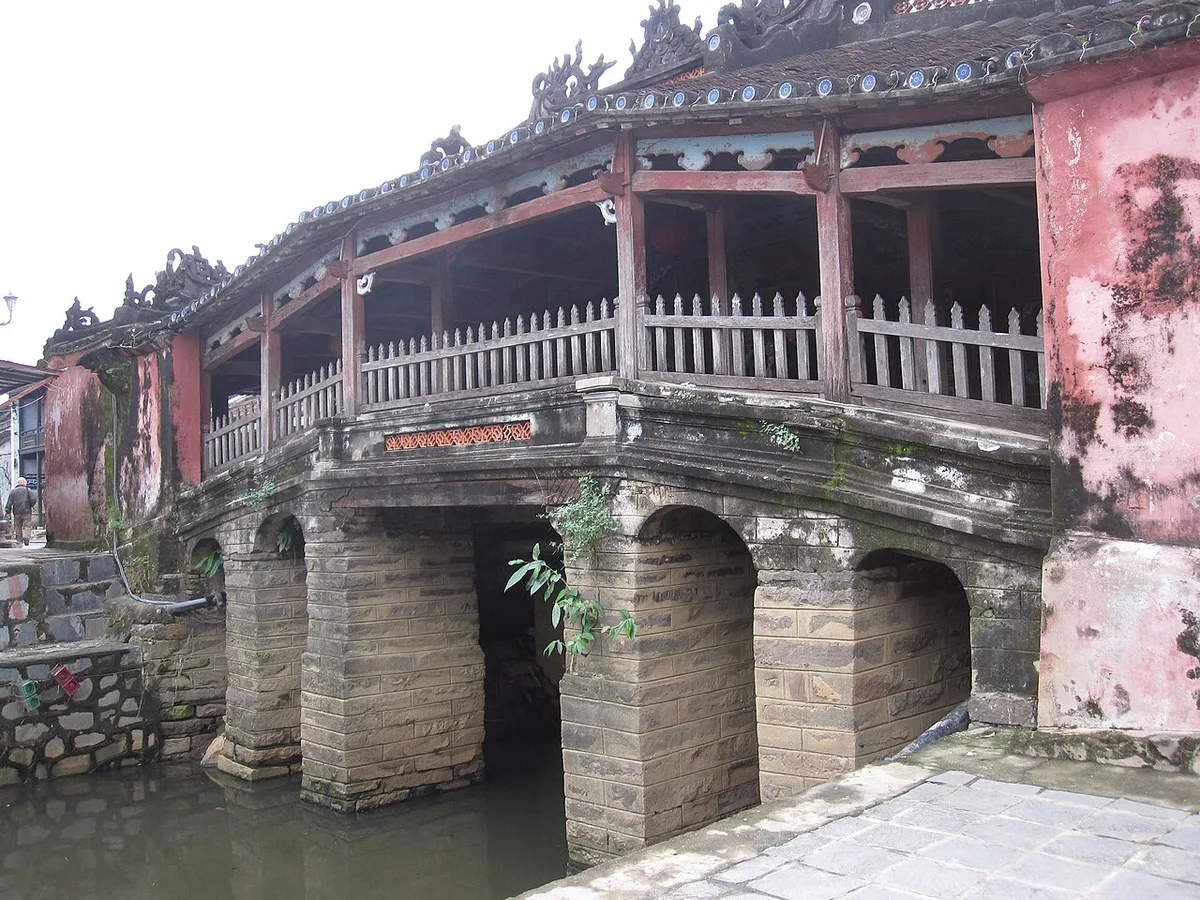
Visitors report that an Old Town ticket is checked at the covered section, while walking around the outside costs nothing. Our Old Town ticket guide explains what the ticket covers. Hours and ticket prices change, so no figures are quoted here. Repair work can also restrict the interior at times. Ask at a ticket office, or read the Hoi An Tourism Center site, before you go in.
Allow 5–10 minutes on foot to reach the covered section, and have an Old Town ticket ready, since it is checked there.
How to get to the Japanese Covered Bridge
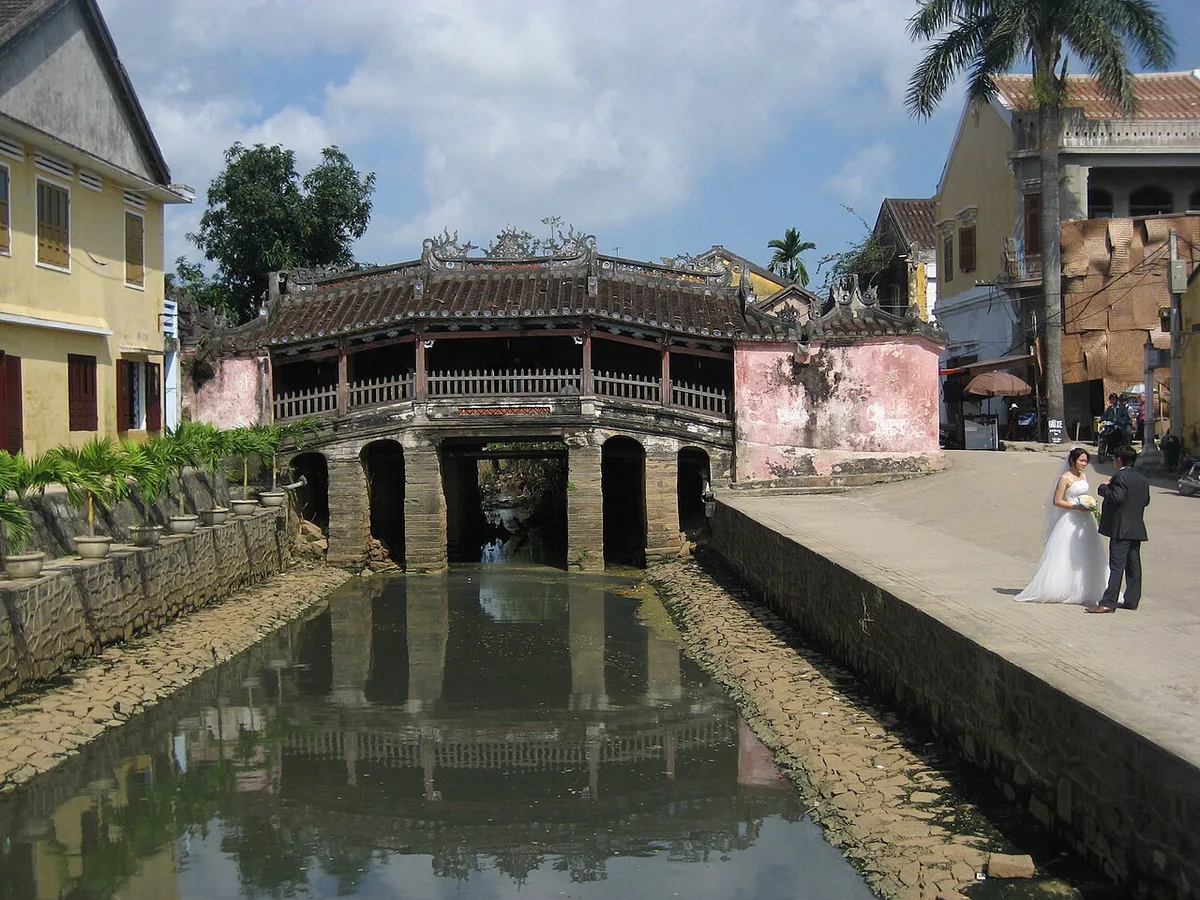
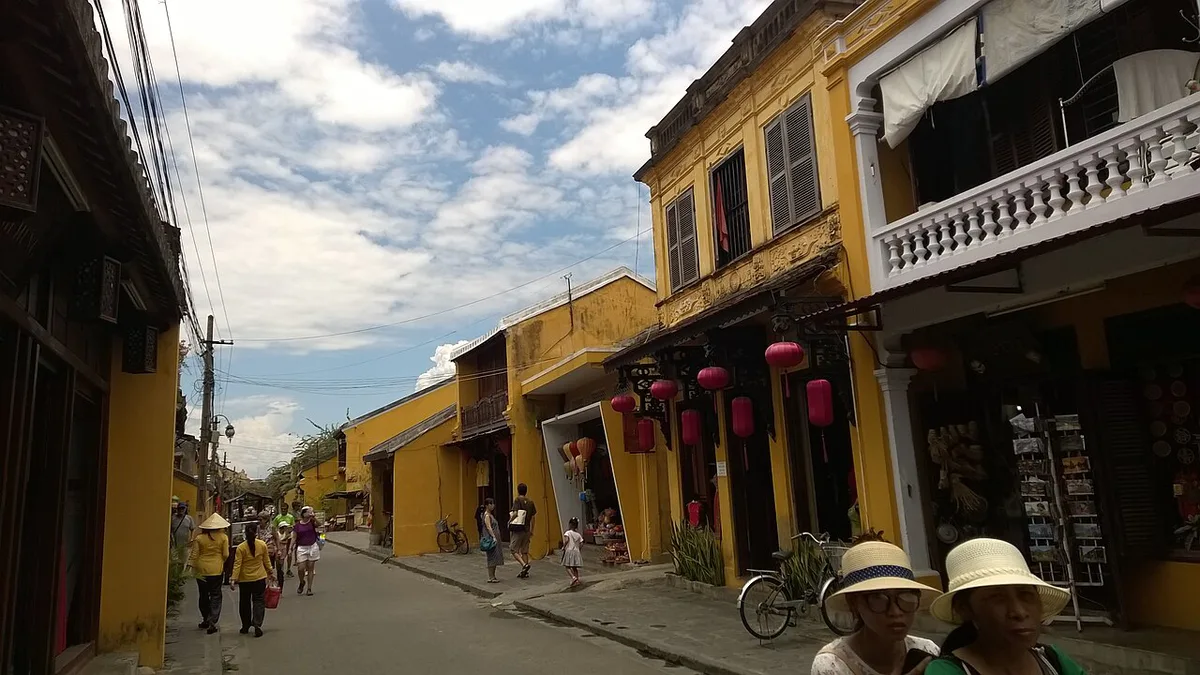
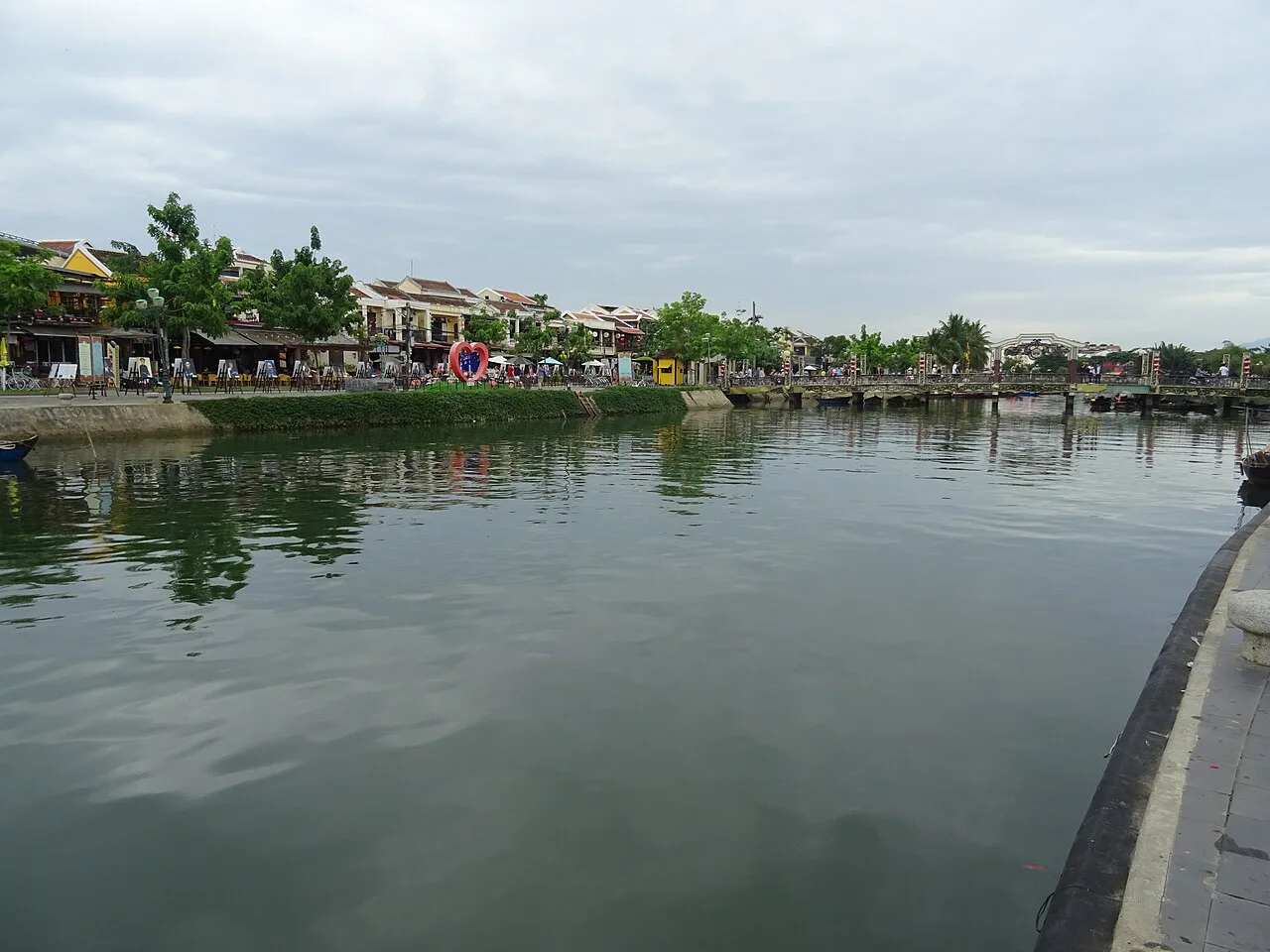
Chùa Cầu stands at the western end of Tran Phu Street, where Nguyen Thi Minh Khai Street meets it. From the Old Town centre, allow 5–10 minutes on foot along Tran Phu. From the Night Market, follow the riverbank for a short walk. Park bicycles in the designated lots before entering the pedestrian zone. Motorbike rules inside the zone vary, so ask your hotel. For the wider layout, start with our Old Town overview.
Best time to visit the bridge
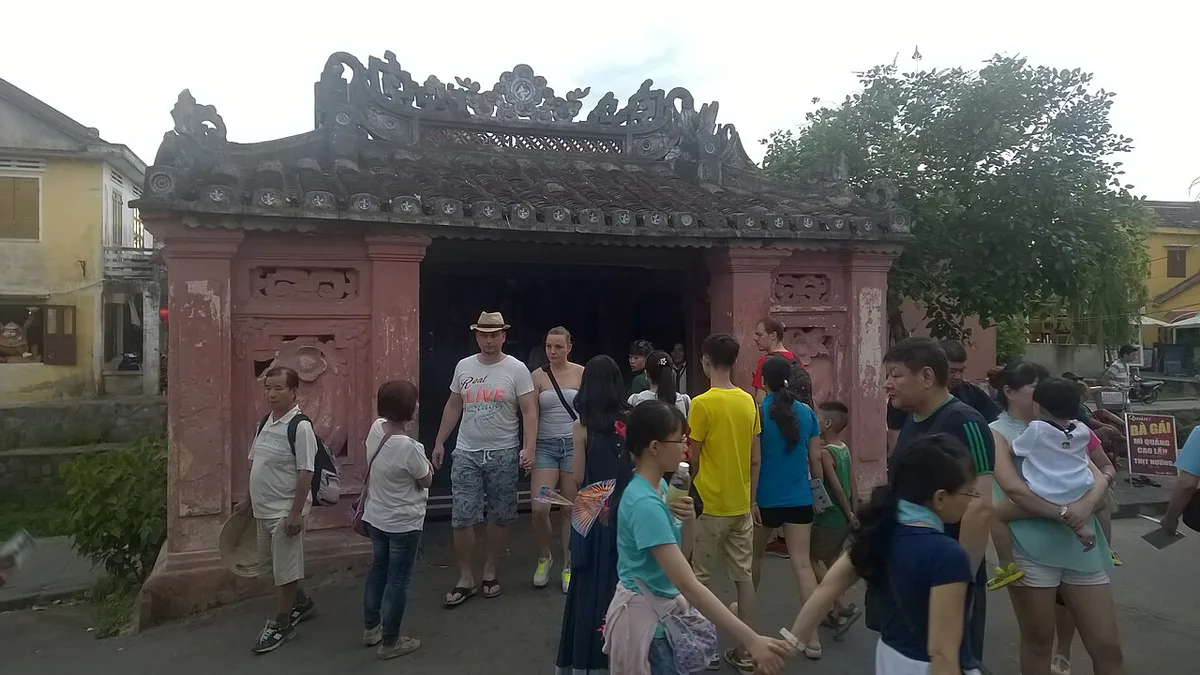
Early morning, before about 08:00, and later evening, after about 20:00, tend to be quieter. Lantern light on the canal draws photographers after dark, so expect company then. Midday brings the harshest light and the most heat. Use the table to match your priorities.
Arriving before about 08:00 means the 10–15 minute bridge stop fits into the start of a 60–90 minute walk.
| Time of day | Crowds | Light and heat | Notes |
|---|---|---|---|
| Early morning | Lightest | Soft light, cooler air | Best for a calm look at the roof and shrine |
| Midday | Heavier | Harsh light, hottest | Fine for a quick crossing; shade under the roof helps |
| Golden hour | Building | Warm tones on the tiles | Popular with photographers at both ends |
| Evening | Busy near the canal | Lantern reflections | Strong photos; the walkway feels crowded |
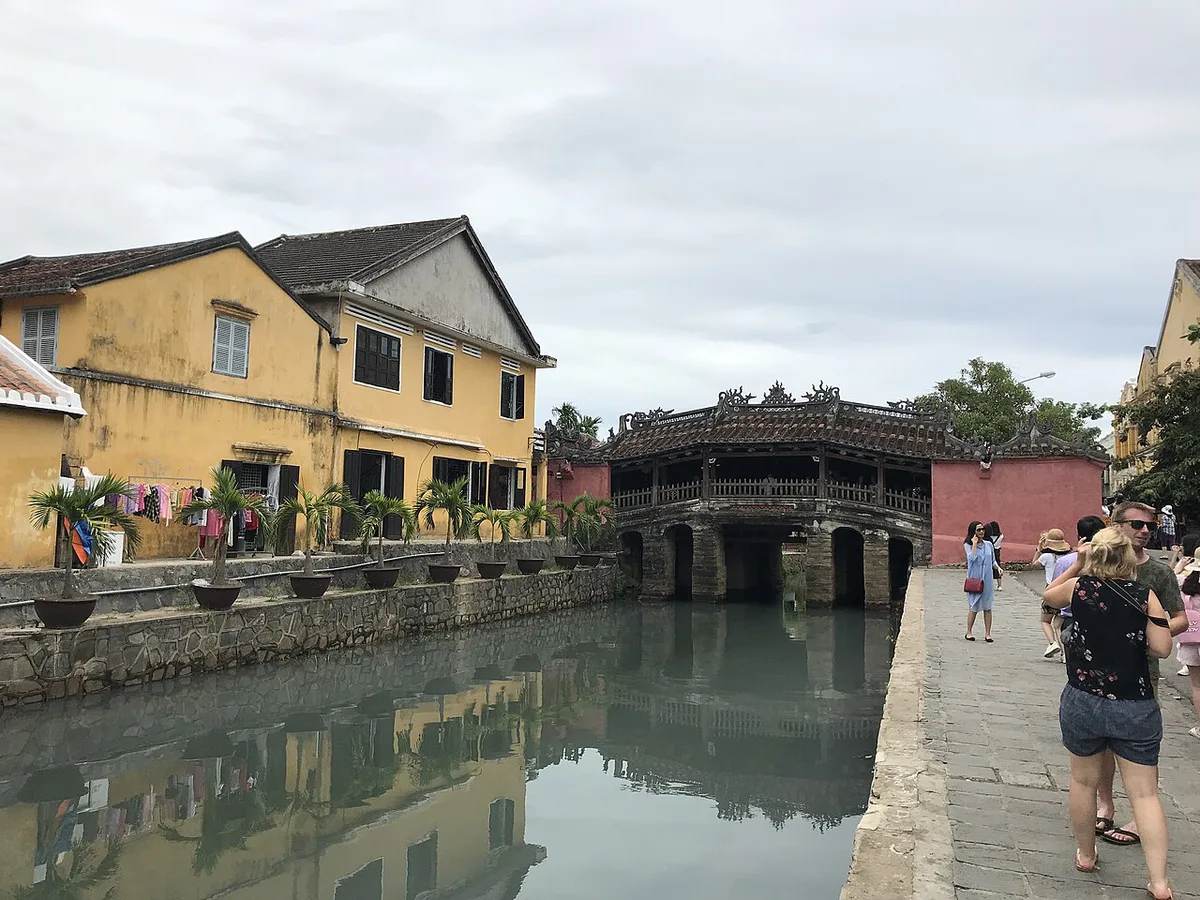
What to see on and around the bridge
Start with the roof. Curved tiles cover about 18 m of wooden walkway, and carved details decorate the timber. Dog and monkey statues stand at the two ends. Accounts link them to the zodiac years of construction, and they also act as symbolic guardians. Inside, a small shrine honors Tran Vo Bac De, a Taoist weather god whom sailors worshipped. Locals still offer incense there. A sign above the entrance reads Lai Vien Kieu. Boats line the canal beside the span. Reports say the bridge appears on the blue ₫20,000 note, so a banknote makes a handy photo comparison.
History and meaning, briefly
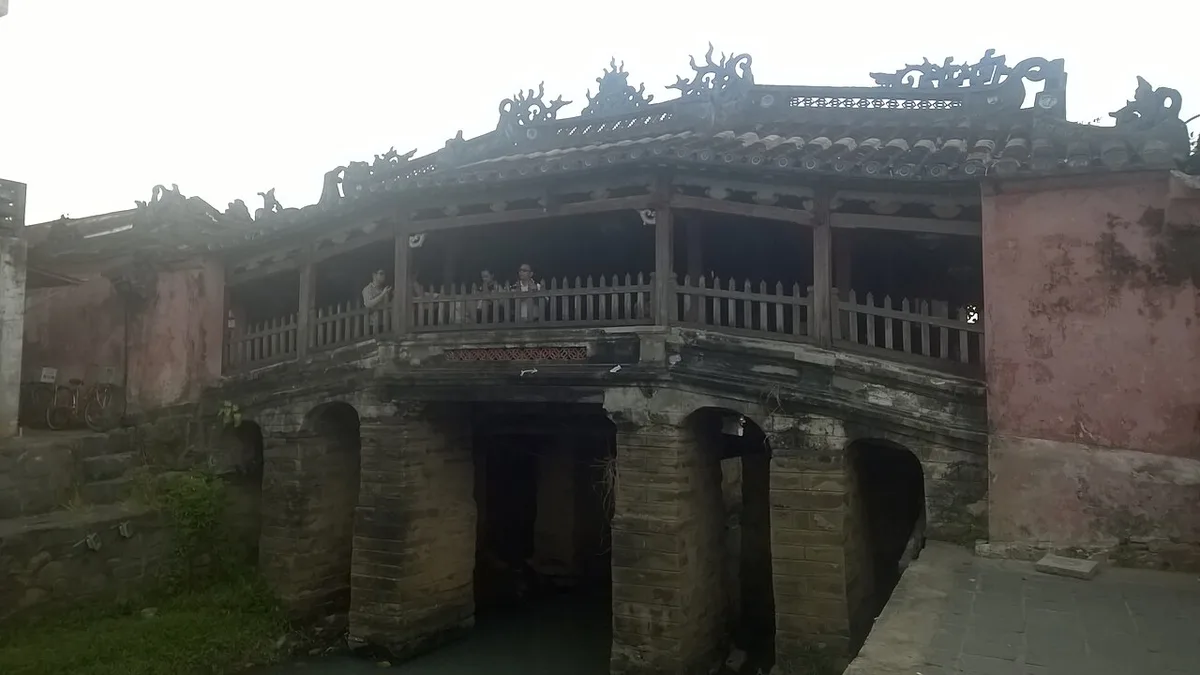
Hoi An was a trading port linking Japan, China and Southeast Asia, and Japanese merchants lived here. Tradition credits their community with the bridge. Sources differ on the date, with some saying late 16th century and others early 17th century. Local accounts do not name a builder. Tradition says the span linked the Japanese quarter to the Chinese quarter across the canal. For port context, see Vietnam's tourism page on Hoi An. Chùa Cầu means Bridge Pagoda, yet no Buddha statue stands inside. The shrine is Taoist. Lai Vien Kieu is translated two ways, as Bridge of Friends from Afar and as Pagoda in Japan. Tellers also disagree on whether construction began in the dog year or the monkey year. Floods and storms led to many restorations over the centuries. Looking for another Japanese covered bridge elsewhere? This page covers the Hoi An one only.
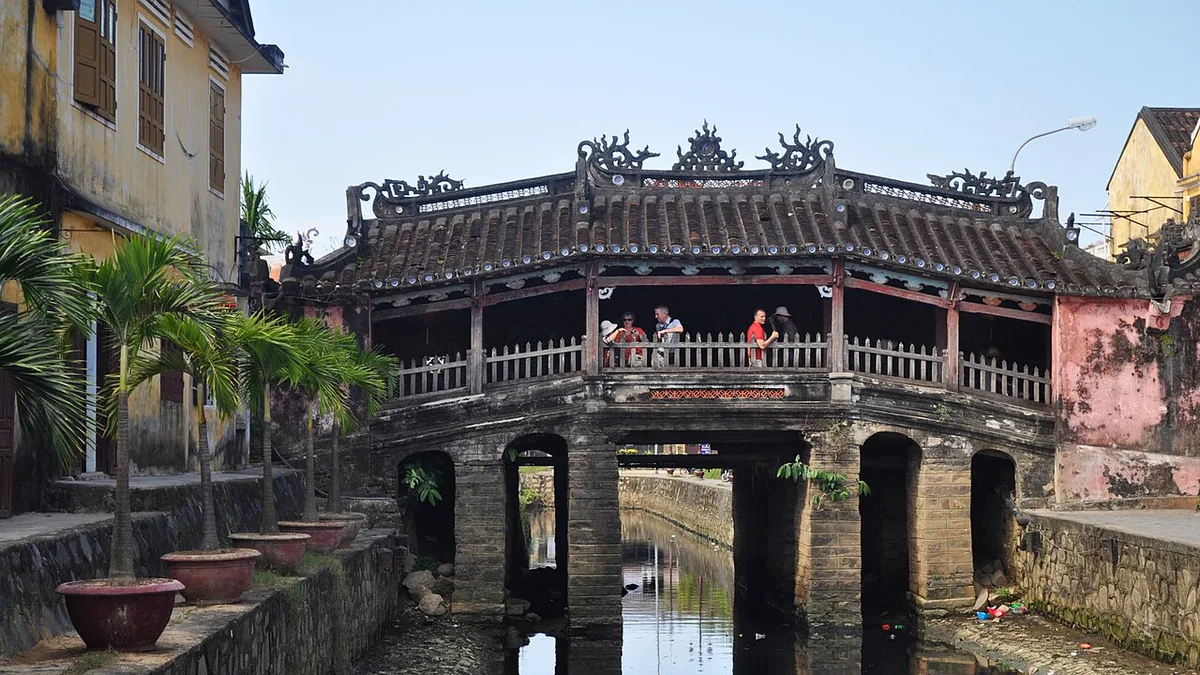
A 60–90 minute walk that includes the bridge
Plan 60–90 minutes if you want the bridge plus a few neighbors. Lanes are narrow, so glance at a map for the order of stops.
- Start in the Old Town centre and walk Tran Phu Street for 5–10 minutes toward the bridge.
- Spend 10–15 minutes at the bridge: roofline, statues and shrine.
- Visit one of the nearby assembly halls, which belong to the Chinese community.
- Wander the lanes around the bridge, past old houses, craft shops and cafés.
- Finish with a riverside walk to the Night Market after dark.
Etiquette and mistakes to avoid
Treat the middle chamber as a working shrine. Keep voices low and do not touch altar items. Planks are uneven and the walkway is narrow, so take care with children or limited mobility. Photographers cluster at both ends. Street vendors and boat touts work the area, and a polite no is enough.
- Skipping the ticket check and getting turned back at the covered section.
- Planning a long stop, when 10–15 minutes covers most visits.
- Arriving at peak crowd times for photos instead of before 08:00 or after 20:00.
- Assuming the Japanese label means Japanese ownership or worship, when the shrine honors a Taoist deity.
Frequently Asked Questions
Is Japanese Covered Bridge free?
Viewing it from the street costs nothing. Entering the covered section generally calls for an Old Town ticket.
What is so special about Hoi An?
Hoi An's Old Town grew around a trading port where Japanese, Chinese and Vietnamese communities lived. Landmarks such as the covered bridge, assembly halls and old merchant houses reflect that mix.
Useful notes for your Vietnam trip
Optional updates to our guides.
You might also like
Continue reading
More guides you'll find useful