Hoi An Assembly Halls: Which to Visit and How
Compare Hoi An's Chinese assembly halls, learn how Old Town ticketing works, and choose which to visit with timing and route tips.
On this page
Last updated November 2026: Hoi An assembly halls are the Chinese community meeting houses, called Hoi Quan, that stand on Tran Phu Street and nearby lanes. Five were built by merchants from different parts of China, and most visitors choose two or three. Fujian plus Cantonese is the strongest pair, and your Old Town planning hub shows where they fit into a wider day.
Featured image: Chainwit., CC BY 4.0, via Wikimedia Commons.
Quick answer: which Hoi An assembly halls to visit
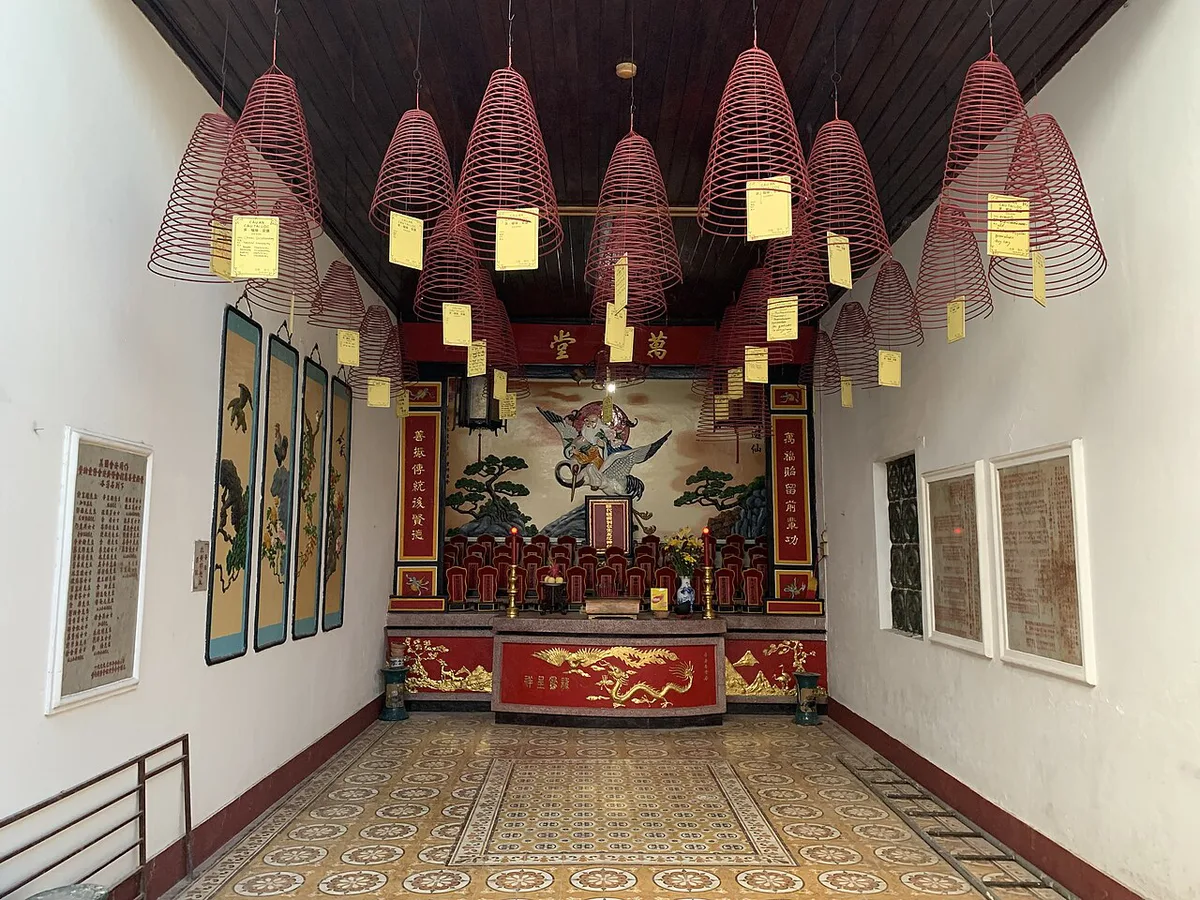
Pick two. Fujian Assembly Hall at 46 Tran Phu is the largest and holds the Thien Hau shrine. Cantonese Assembly Hall at 176 Tran Phu adds a mosaic dragon and a garden courtyard. Allow 15 to 30 minutes per hall, or up to 45 if you read every panel. Trung Hoa, Trieu Chau and Hai Nam reward history readers more than first-timers. Use this shortlist by traveler type:
- 30-minute visitor: Fujian only, for the Thien Hau mural and the twelve midwife figures.
- Photographer: Cantonese, for the dragon and carp mosaic and the garden dragon.
- History or temple-culture reader: Trung Hoa (a former school, founded 1741) and Hai Nam (108 traders).
- Family with children: Cantonese, where the two dragons give kids something to find.
- Rainy-day visitor: Fujian, where murals and altar chambers keep you mostly under cover.
The Hoi An assembly halls compared
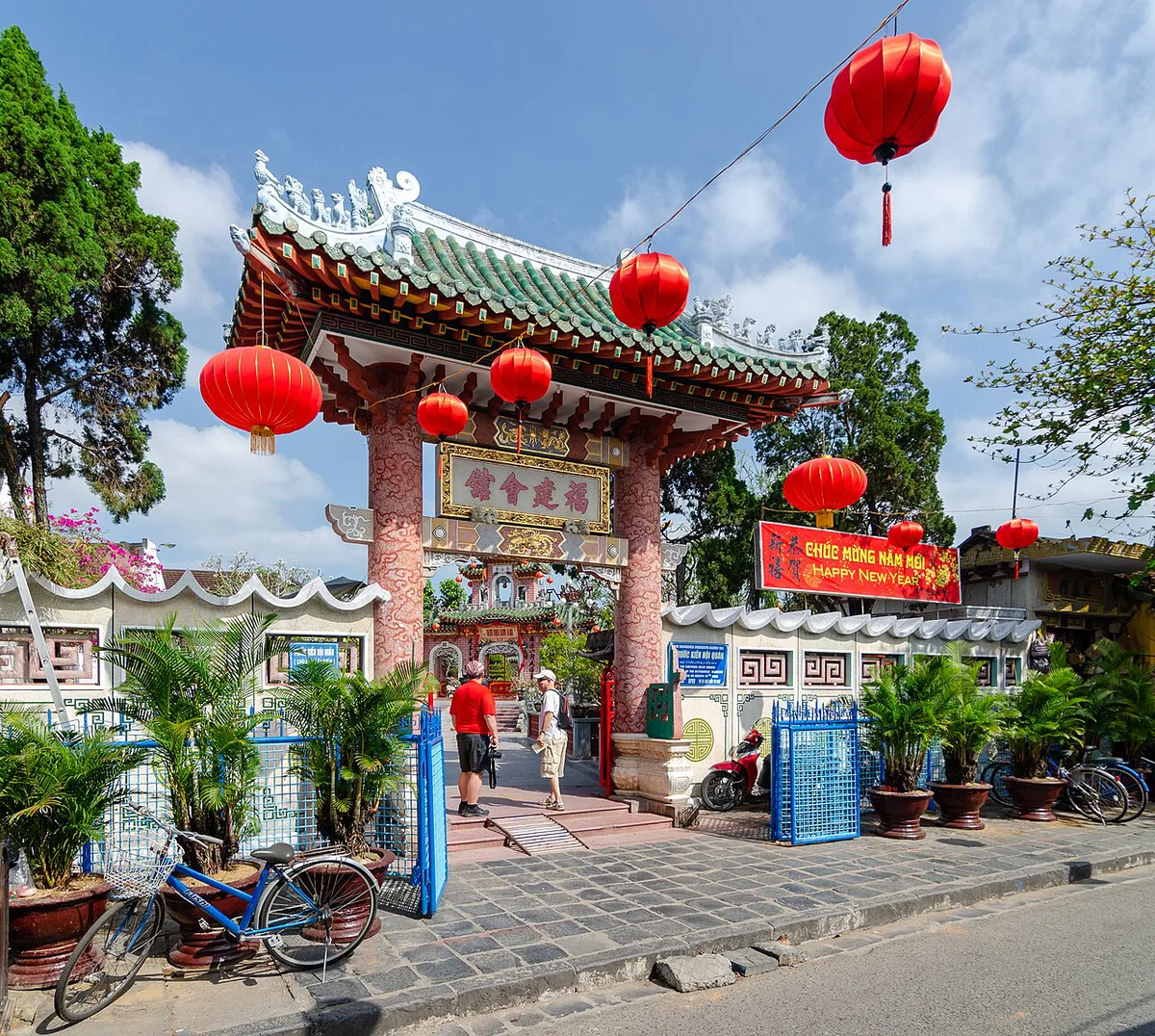
Each hall served merchants from one region of China. All five are places of worship as well as meeting houses. Founding years below are the ones most often given. Sources differ on some construction details, so treat dates as approximate.
| Hall | Community | Address | Founded | Deity or focus | Standout feature | Suits |
|---|---|---|---|---|---|---|
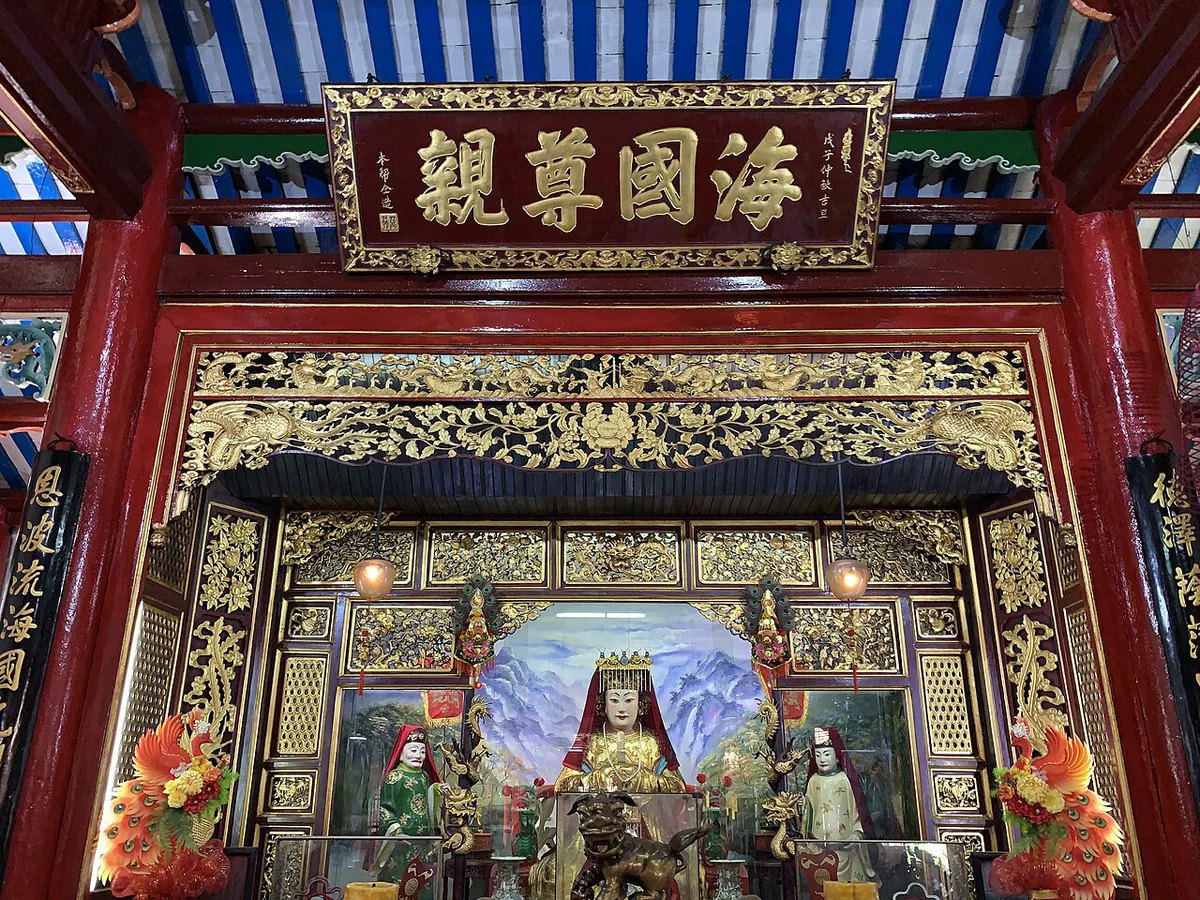
| Fujian (Phuc Kien) | Fujian merchants | 46 Tran Phu | 1697; entrance built 1975 | Thien Hau, twelve midwives | Thien Hau mural; largest hall | First-timers, rainy days |
| Trieu Chau (Chaozhou) | Chaozhou migrants | 157 Nguyen Duy Hieu | 1845 | God of Wind and Waves | Fine woodcarvings on beams and altar | Craft lovers |
| Cantonese (Quang Dong / Quang Trieu) | Cantonese merchants | 176 Tran Phu | 1885 | Thien Hau and Quan Cong | Dragon and carp mosaic; garden dragon | Families, photographers |
| Trung Hoa (Ngu Bang) | Chinese immigrants | 64 Tran Phu | 1741 | Thien Hau | Portraits of WWII-era heroes; former school | History readers |
| Hai Nam (Quynh Phu) | Hainanese traders | No address in our sources | 1875 | 108 Hainanese traders | Crimson and gold altar | History readers |
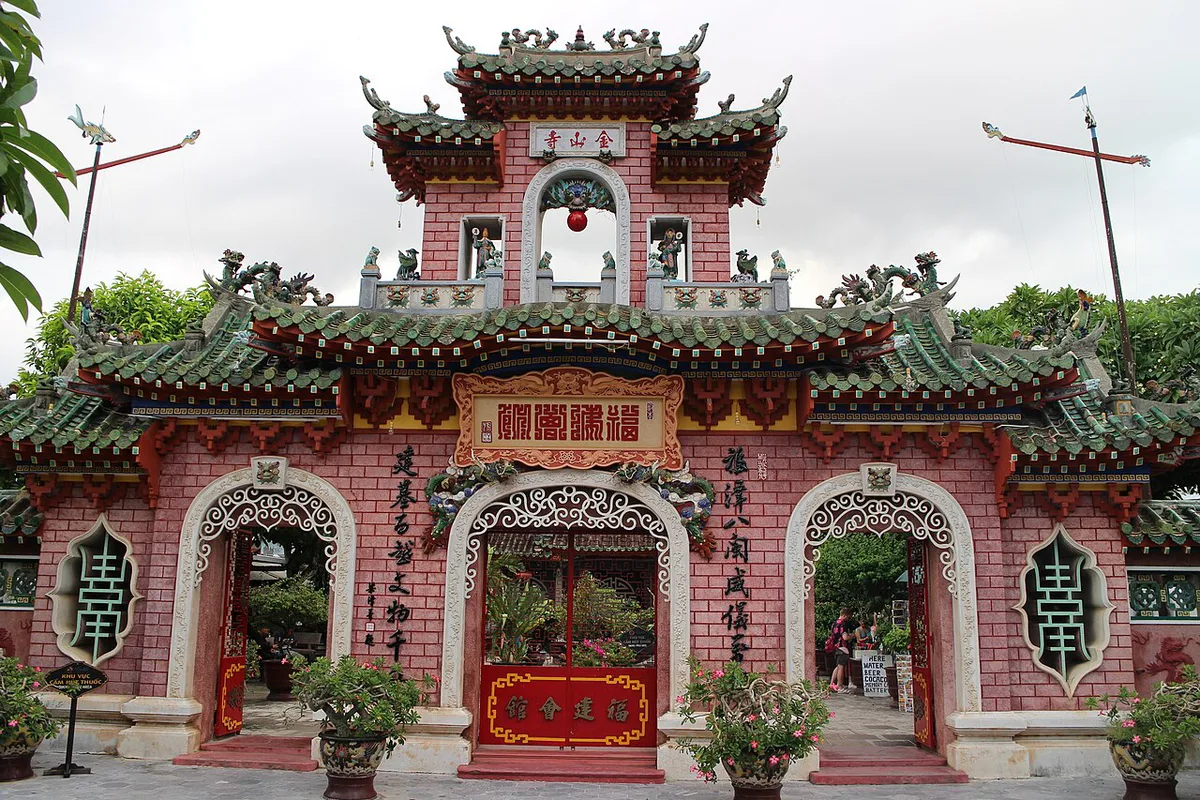
Fujian Assembly Hall: the largest of the five
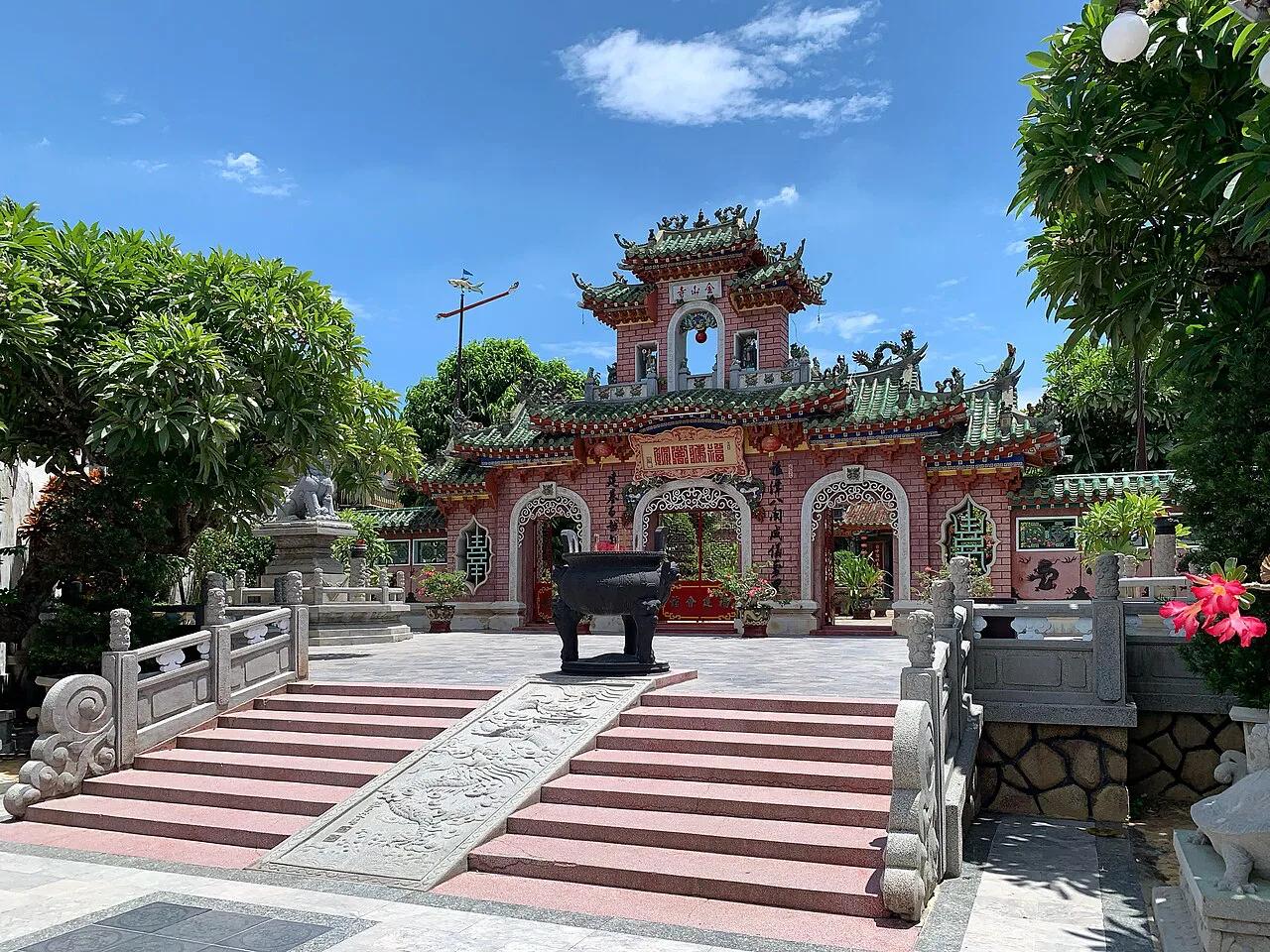
Fujian (Phuc Kien) Assembly Hall dates to 1697 and later became a temple to Thien Hau, the sea goddess. Its triple gateway was built in 1975. Inside, a mural on the right-hand wall shows Thien Hau crossing a stormy sea by lantern light to rescue a foundering ship. Behind the central altar, look for twelve midwife figures. Each teaches a newborn one early skill, and childless couples come here to pray for children. Fujian has been a national monument since 17 February 1990. Plan 15 to 30 minutes at 46 Tran Phu.
Cantonese Assembly Hall: dragons and a courtyard
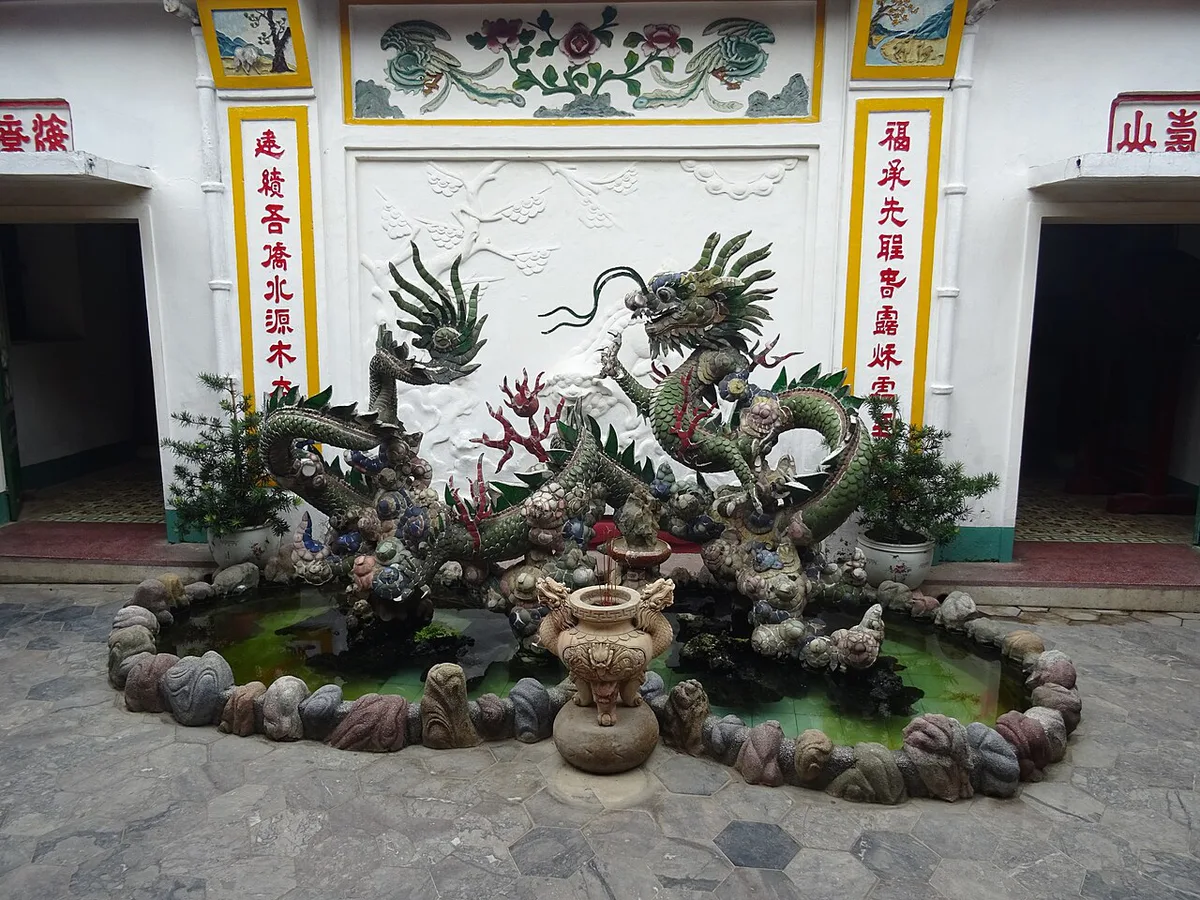
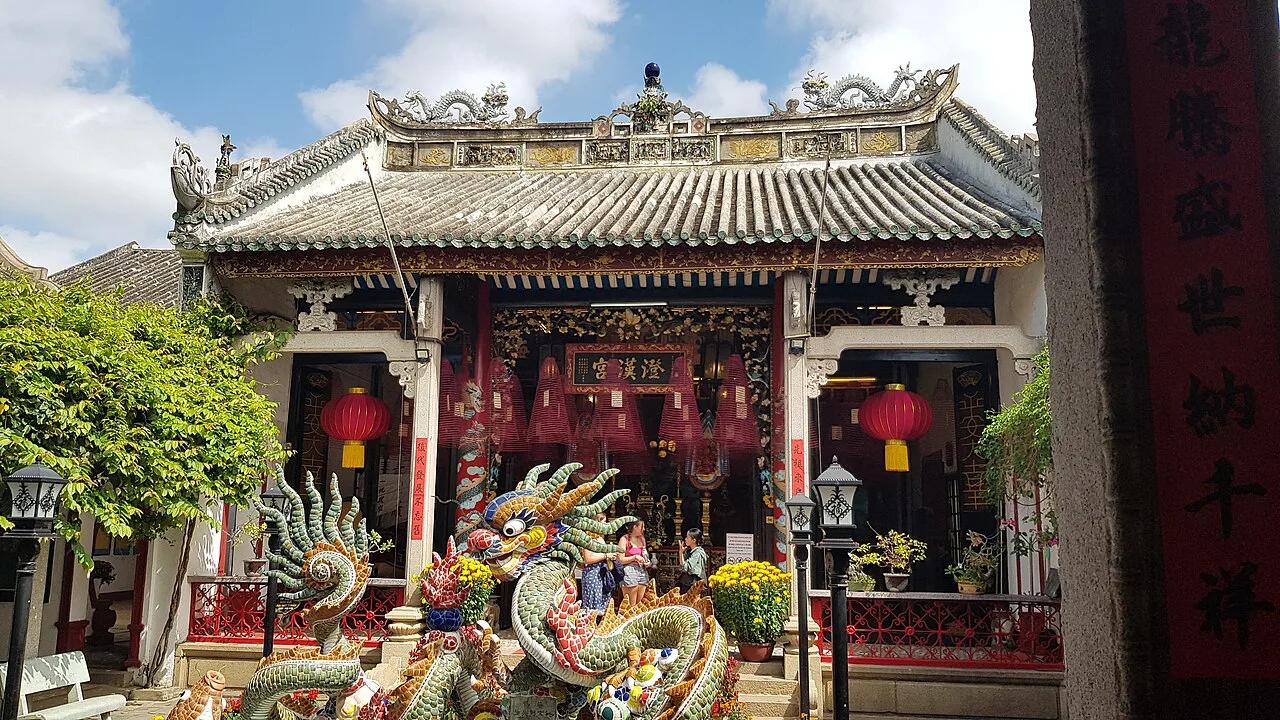
Cantonese Assembly Hall at 176 Tran Phu is usually dated to 1885. Its tall entrance hall opens onto a mosaic of a dragon and a carp. Behind it, the garden holds a second dragon statue that many visitors rate higher. Worship here centers on Thien Hau and Quan Cong, the general associated with loyalty. Records say the building's parts were made in China and assembled on site. Budget 30 to 45 minutes if you want photographs without rushing.
Trieu Chau and Trung Hoa: the quieter pair
Trieu Chau Assembly Hall stands at 157 Nguyen Duy Hieu and dates to 1845. It honors the God of Wind and Waves. Study the carved beams, walls and altar, plus door panels showing two women with hair in a surprisingly Japanese style. Trung Hoa, at 64 Tran Phu, was founded in 1741 and also served as a school for overseas Chinese. Portraits of Chinese resistance heroes who died during World War II hang to the right of its entrance. Both suit a short stop, not a long one.
Hai Nam Assembly Hall: status and access
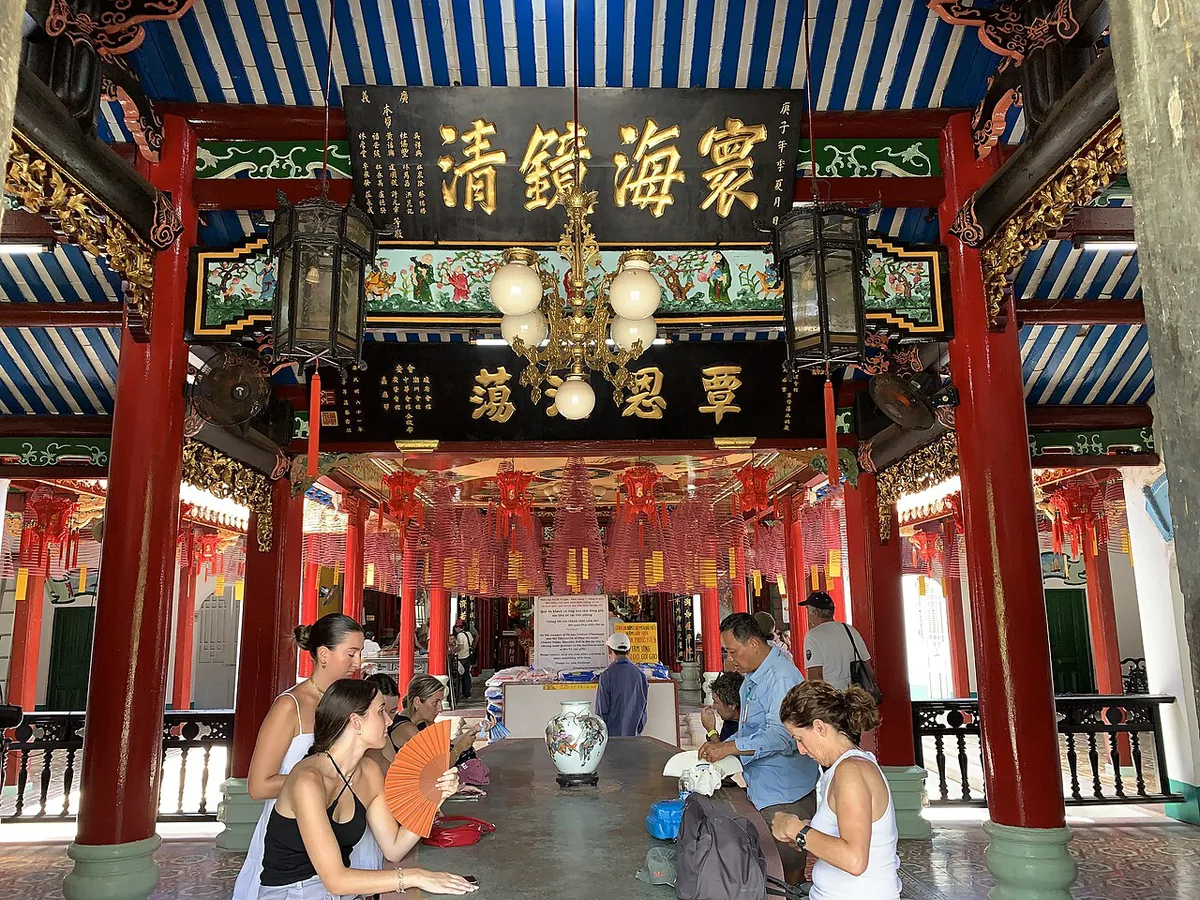
Hai Nam, also called Quynh Phu, was built in 1875 to honor 108 Hainanese traders mistaken for pirates and killed by Nguyen Dynasty soldiers. Emperor Tu Duc later declared them martyrs. Local officials opened the hall to the public on 23 November 2016. Its layout has a main chamber, east and west houses, and front and back courtyards. A crimson and gold altar stands at the center. Current ticket coverage and hours are not confirmed in our sources, so ask at a ticket booth or check the Hoi An heritage center site.
Tickets, hours and access
Halls fall under the Old Town ticket system and are not sold separately. Local operators quote ₫120,000 for foreign visitors and ₫80,000 for Vietnamese visitors. They describe a ticket with five stubs for designated sites. Each hall you enter competes with the bridge, old houses and museums for those stubs. Prices and hours checked November 2026 against operator listings, which conflict on hours: some say 8:00 to 17:00, others 7:00 to 18:00. Our ticket stub rules page covers how the pass works. For the current rate and site list, use the official heritage center. Mistake to avoid: spending a stub on a hall you will only glance at.
- Spend stubs on Fujian and Cantonese first.
- Keep Trieu Chau, Trung Hoa and Hai Nam for a second day or spare stubs.
- Ask at the door whether stubs are torn at each hall.
A 90-minute Tran Phu walking route
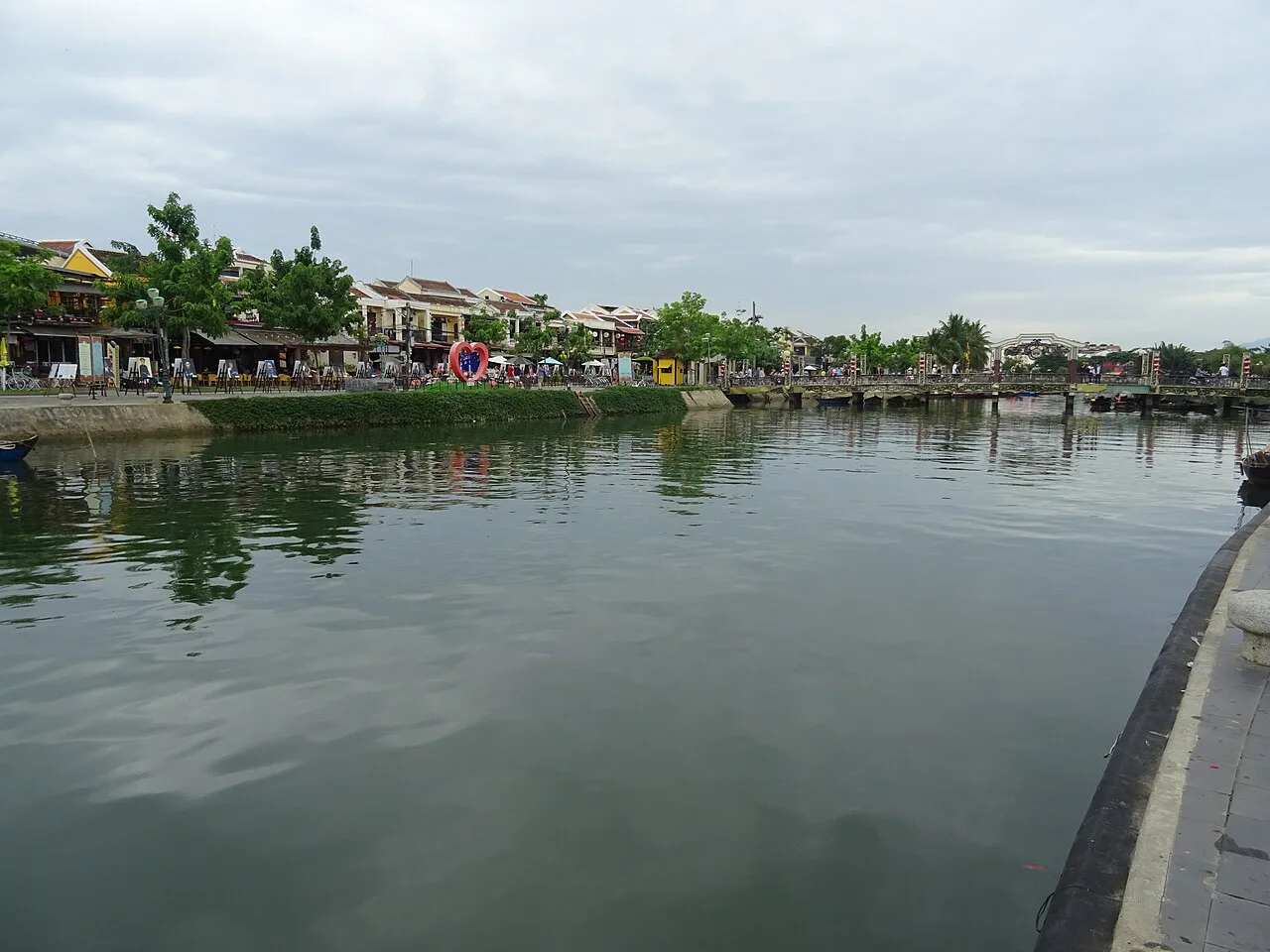
Tran Phu holds three of the five addresses, so start there and walk in house-number order. Begin at Fujian (46), then continue to Trung Hoa (64), then Cantonese (176). Guides quote 15 to 30 minutes per hall, others 30 to 45, so three stops fit about 90 minutes. Trieu Chau at 157 Nguyen Duy Hieu is a short detour. Add a stop at the covered bridge visit as a nearby anchor if you have a stub left. Finish with evening night market plans once the lanterns are lit.
Oldest of the five, Fujian dates to 1697, so the 90-minute walk that starts there runs from older halls to newer ones.
Best time to visit and etiquette
Morning gives softer light and thinner tour groups. Late afternoon is cooler, though the lantern period brings the busiest streets of the day. Courtyards are open to the sun, so wear a hat at midday. Active worship goes on in every hall. Dress modestly with shoulders and knees covered, keep voices low, and never touch offerings. Gates and layouts follow old customs: historically, Fujian visitors entered by the left gate if men and the right gate if women. Festival days draw crowds. Fujian marks 15 January, 16 February and 23 March by the lunar calendar. Hainanese gatherings fall on the second day of Lunar New Year and the full-moon day of the sixth lunar month. Trieu Chau descendants gather from the 1st to the 16th of the first lunar month. Confirm each year's Gregorian dates locally.
Festival days on 15 January, 16 February and 23 March draw crowds, so a morning start on Tran Phu beats the busiest late-afternoon streets.
Useful notes for your Vietnam trip
Optional updates to our guides.
You might also like
Continue reading
More guides you'll find useful