Cao Lau Hoi An: What It Is, Where to Eat It & Cost
Cao lau is Hoi An's thick-noodle signature dish. Learn what it is, how to spot a good bowl, where to eat it and what a bowl costs in VND.
On this page
Last updated November 2026: cao lau (cao lầu) is Hoi An's signature bowl of thick, chewy noodles with sliced pork, greens and crisp crackers, served with very little broth. Family kitchens reportedly charge 35,000–55,000 VND a bowl, while Old Town tourist restaurants ask 80,000–120,000 VND. Below you will find the dish's contested origins, how to spot a good bowl, and where to eat it, with a link back to our Hoi An food hub.
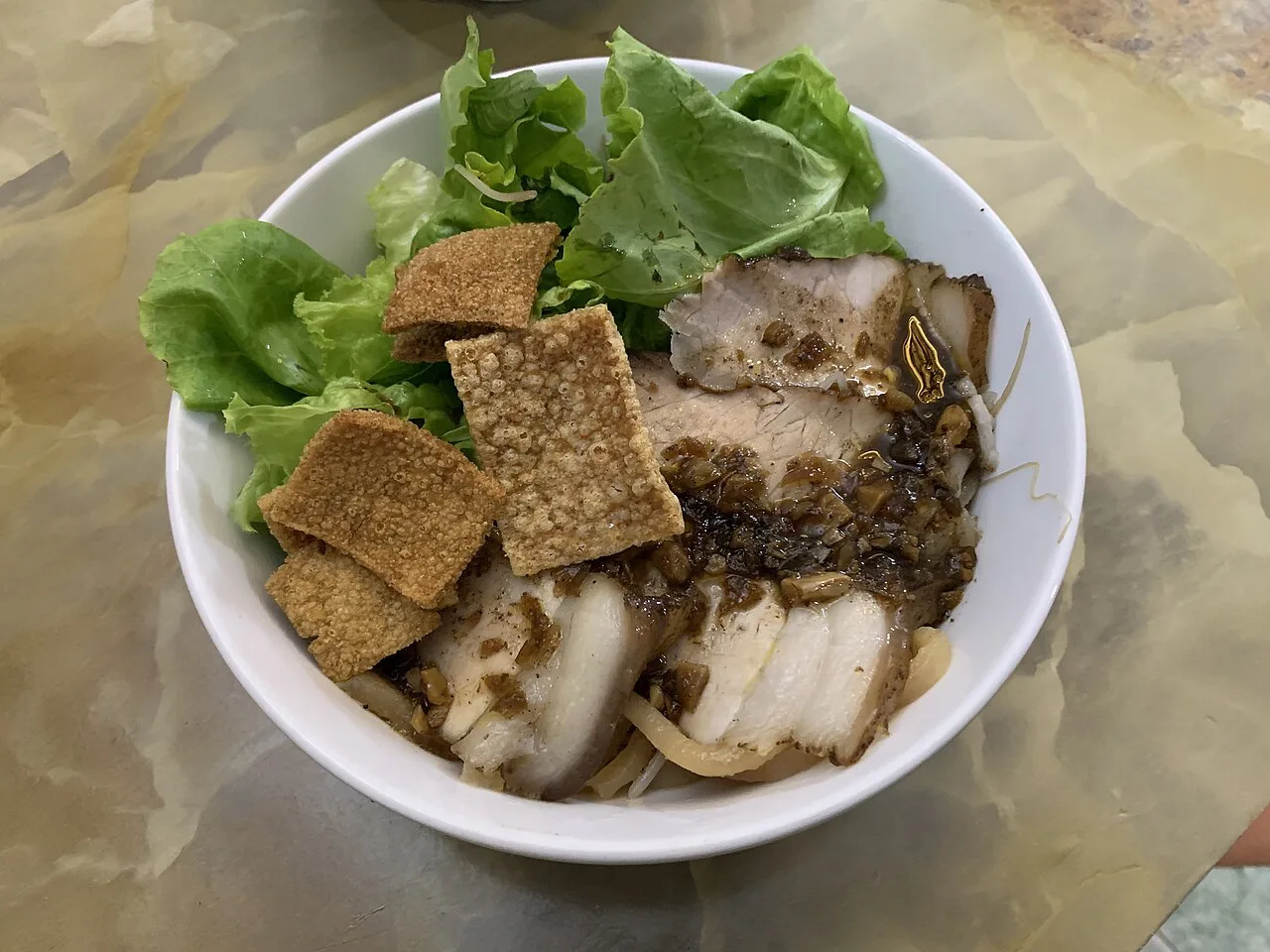
Featured image: Christophe95, CC BY-SA 4.0, via Wikimedia Commons.
What Is Cao Lau?
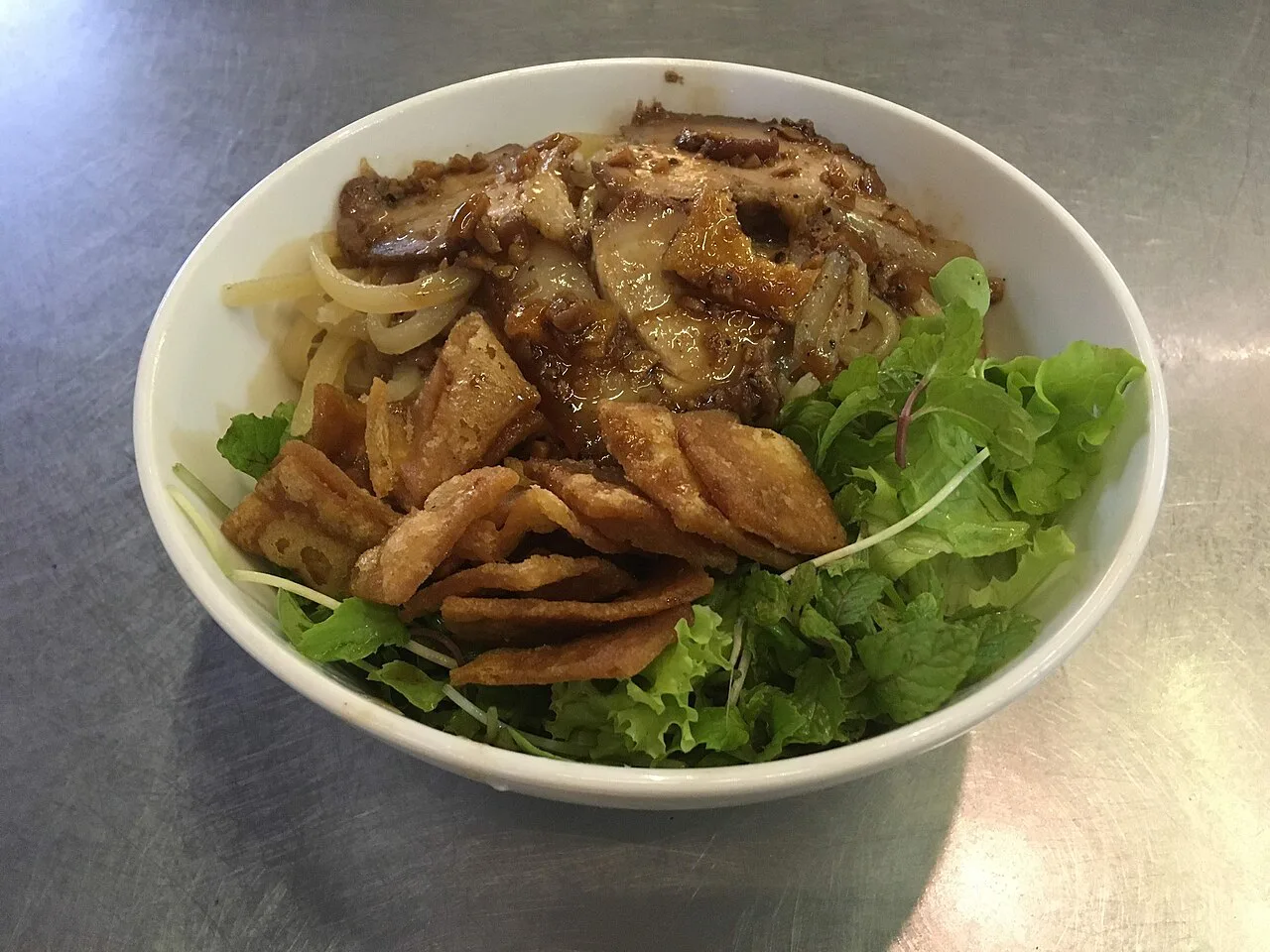
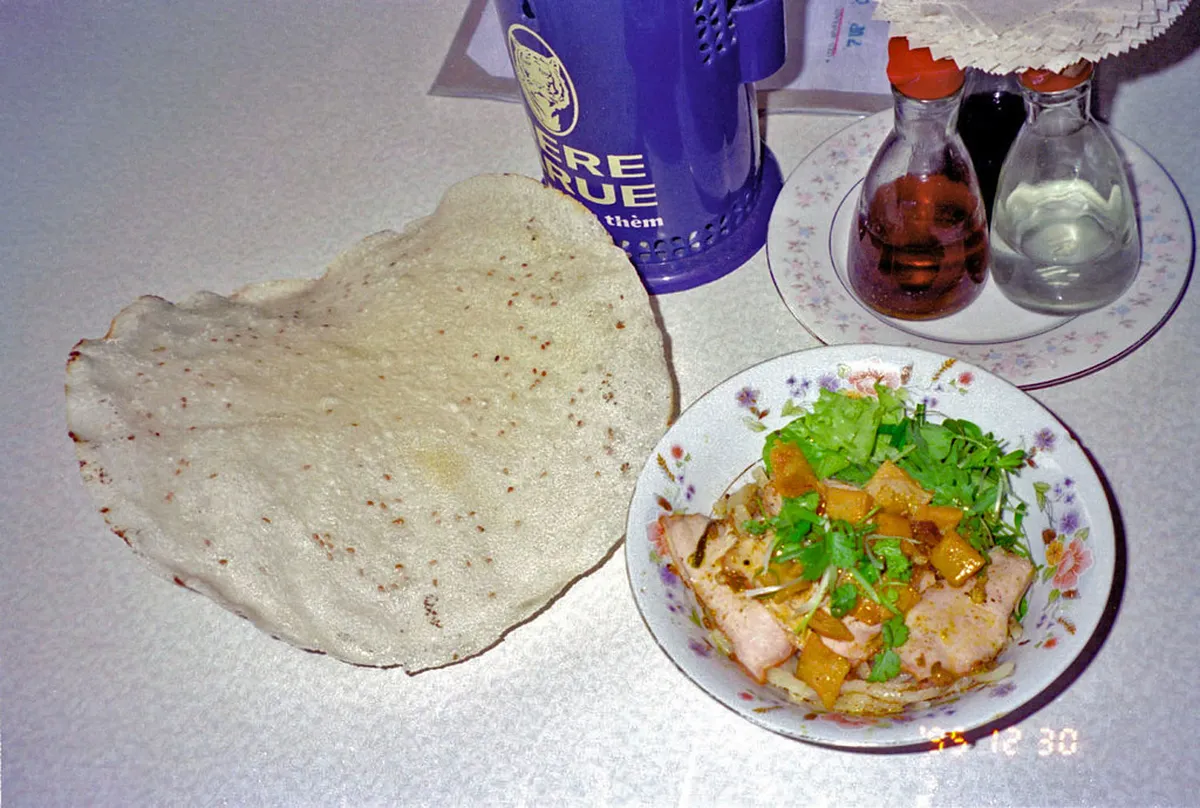
Cao lau is a noodle dish, not a soup. Each bowl holds thick, chewy noodles, thin slices of braised pork, fresh greens, bean sprouts and crisp fried crackers. Only a few spoonfuls of dark pork sauce sit at the bottom, just enough to coat the noodles. Stir everything together before your first bite. Greens usually include mint, Vietnamese coriander and baby mustard greens, with lime and chili paste on the side. Crackers are cut from the same dough as the noodles, so one bowl carries two textures. For other local dishes, start with our Hoi An food guide.
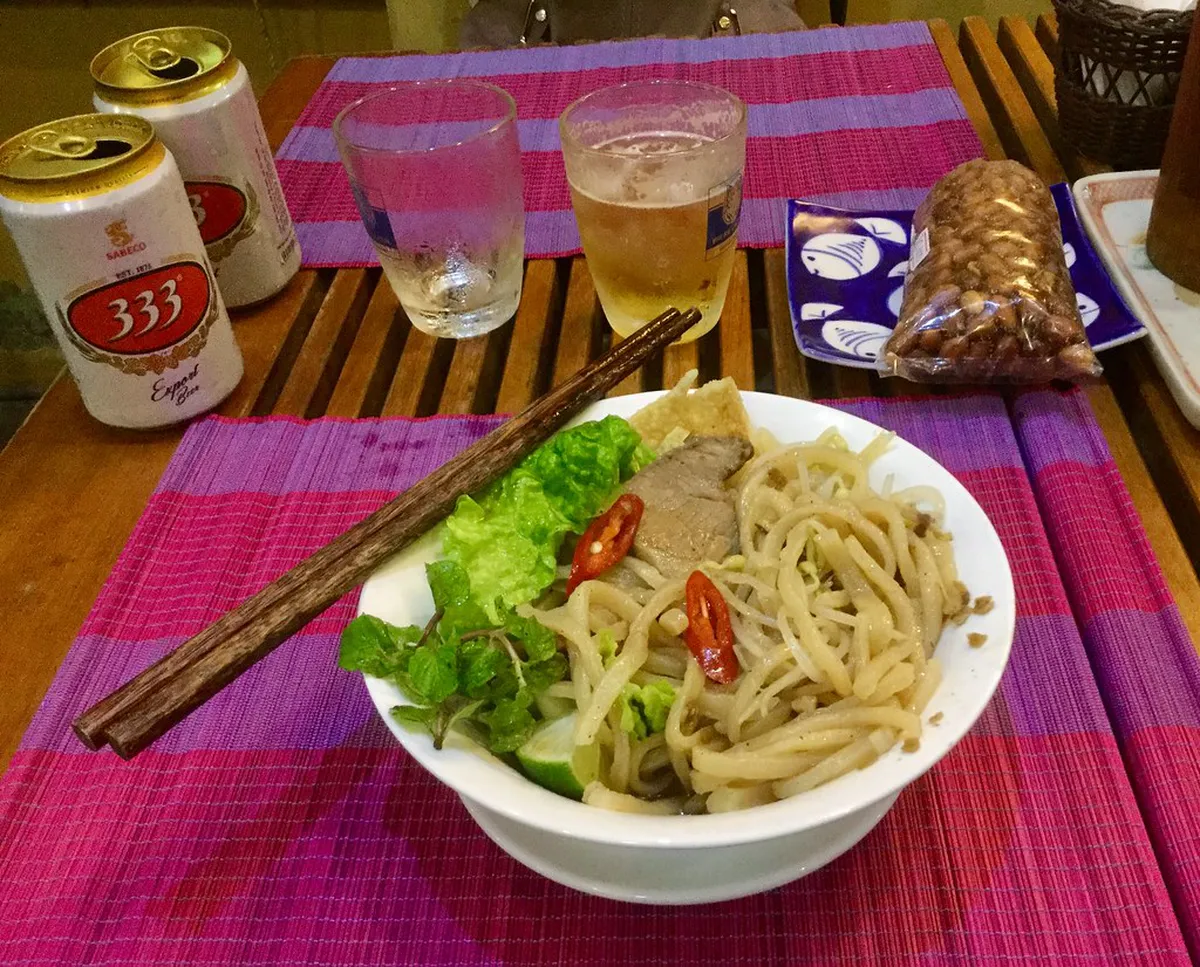
- Noodles: thick, dense and yellow-brown, with a faintly woody flavor
- Pork: thin slices braised in a soy-based sauce with five-spice
- Crackers: crisp squares of fried noodle dough on top
- Greens: herbs, bean sprouts and sometimes banana blossom
- Sauce: a small scoop of reduced pork braising liquid, not a broth
Why Cao Lau Is Tied to Hoi An
Local makers say two ingredients set this dish apart. Water from Ba Le well comes first, a Cham-era well in Old Town. Accounts date it anywhere from the 7th or 8th century to the 16th century. Lye water, called nuoc tro and made from wood ash, comes second. Traditionally the ash comes from trees on Cu Lao Cham, an island group 18 km offshore. Soaking rice in this alkaline mix gives the noodles a yellow-brown color and a woody, chewy bite. Makers say a bowl without that water or ash tastes different, so treat it as a strong local tradition rather than a lab result. One guide describes Ba Le well as a working well in a residential lane off Tran Hung Dao, so check access and signage before you detour.
Trade history adds a second layer. Hoi An was a port where Chinese and Japanese merchants settled. Many cooks see Chinese influence in the char siu-style pork and the soy sauce seasoning. Some writers link the thick noodles to Japanese udon. Anthropologist Nir Avieli answers in his book Rice Talks that cinnamon, one of the five spices in cao lau, never appears in Japanese savory cooking. No solid evidence settles the origin, so read each theory as a hypothesis.
Restaurants in Da Nang, Saigon and abroad sell something labelled cao lau. That bowl is not the Hoi An dish, and the noodle is the main difference. A fair summary is that the dish is closely tied to Hoi An and widely said to taste different elsewhere. For visitor planning beyond food, see Vietnam's national tourism site.
How Cao Lau Got Its Name
Two explanations compete. The first is 'high floor'. Old Town shops stood along the river, raised above the waterline, and diners climbed upstairs to watch boats pass beneath them. The second is 'wooden noodles'. In the Sino-Vietnamese reading, the name can be interpreted as mi go, and the noodles are soaked in water mixed with wood ash. In that same system, 'cao' can also mean delicacy. Each theory has flaws. Nobody can date the dish's first bowl, so repeat either story as folklore, not fact.
How to Recognise a Good Bowl of Cao Lau
Run through five quick checks before you sit down. Judge the noodle first, because a paler imitation noodle is the usual giveaway. Do not expect a soup, and do not assume the bowl is vegetarian. Order by the dish name, ask for no extra broth, and take herbs and chili on the side.
- Noodles: grey-brown to yellow-brown, dense, and slightly resistant to chopsticks, not pale and slippery.
- Sauce: only a few spoonfuls at the bottom. A bowl you can drink from is a soup, not this dish.
- Pork: sliced thin, caramelised at the edges and slightly sweet, not pink or pale.
- Crackers: golden and crisp. Soggy ones suggest they were fried hours earlier.
- Venue: a large English menu, a photo wall or a price above 80,000 VND points to a tourist-strip kitchen.
Where to Eat Cao Lau in Hoi An
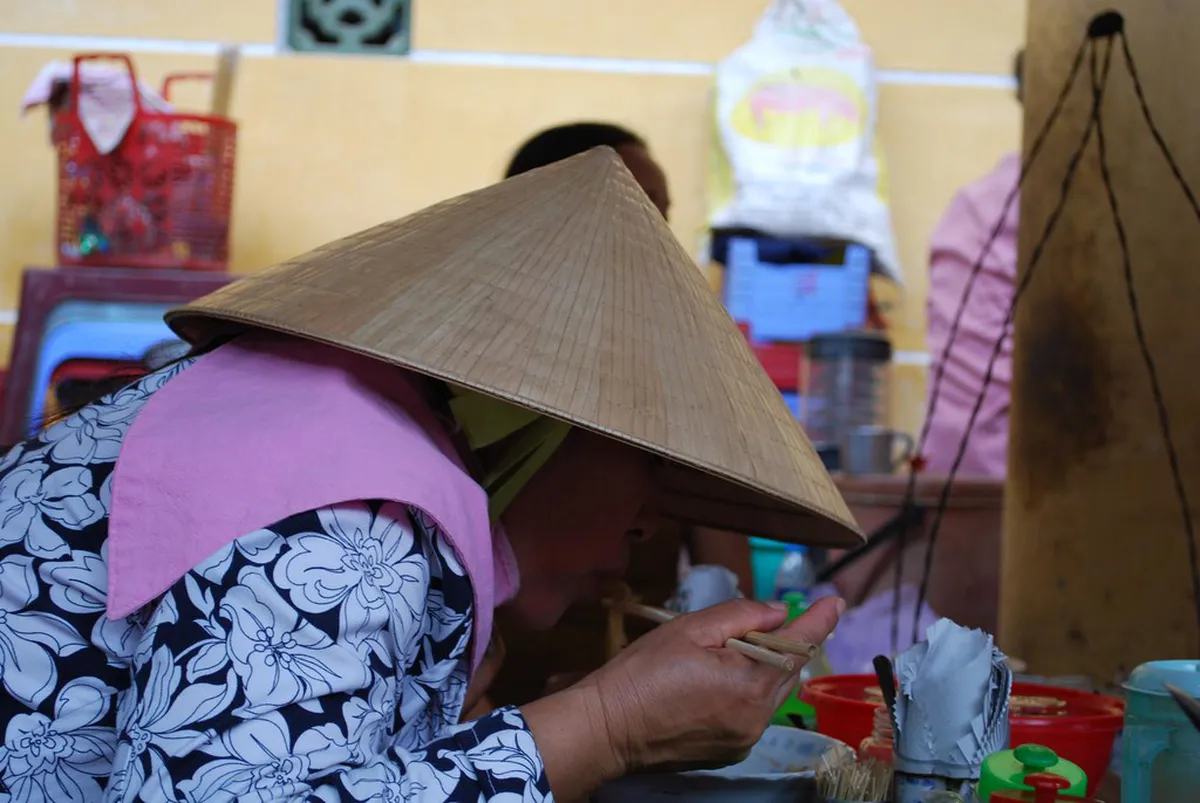
Family kitchens often sit in wooden houses on Tran Cao Van and Le Loi streets, frequently with no English sign. Look up the spot on Google Maps first. Then glance at the bowls on nearby tables before you sit. The table below collects reported prices and notes for a few well-known stops.
Pairing the 80,000 VND line with a large English menu gives a quick check on any Old Town kitchen before you sit.
| Spot | Reported price per bowl | Ba Le water (claimed) | Best for |
|---|---|---|---|
| Quan Cao Lau Thanh, Thai Phien Street | Under 50,000 VND | Yes | Family-run kitchen, best in the morning |
| Cao Lau Khong Gian Xanh, Tran Phu Street | 50,000–60,000 VND | Yes | Easier to find from the street |
| Cao Lau Ba Le, near the well | 40,000–55,000 VND | Yes | Small and plain, busy at lunch |
| Family kitchens, Tran Cao Van and Le Loi | 35,000–55,000 VND | Usually claimed | Local atmosphere, no English sign |
| Old Town tourist restaurants | 80,000–120,000 VND | Usually not | Terrace views and long menus |
Cost and Best Time to Eat Cao Lau
Prices checked November 2026. Family kitchens reportedly charge 35,000–55,000 VND a bowl. Old Town tourist restaurants ask 90,000–120,000 VND, and another listing puts that range at 80,000–120,000 VND. In most local accounts, the gap buys terrace views, not better noodles. Treat any bowl above 80,000 VND as a markup worth questioning. Family kitchens serve the dish from late morning through evening. Street vendors reportedly gather on Le Loi Street in the 1pm–4pm snack window. Beyond this dish, our Hoi An restaurant shortlist covers sit-down meals.
Le Loi Street hosts both family kitchens and the vendors gathering for the 1pm–4pm snack window.
- Morning: freshest noodles and quieter seating, though slow eating suits this dish better than a rushed breakfast.
- Lunch: small kitchens such as Cao Lau Ba Le fill up, so arrive early.
- Afternoon, 1pm–4pm: the snack window, with vendors out on Le Loi Street.
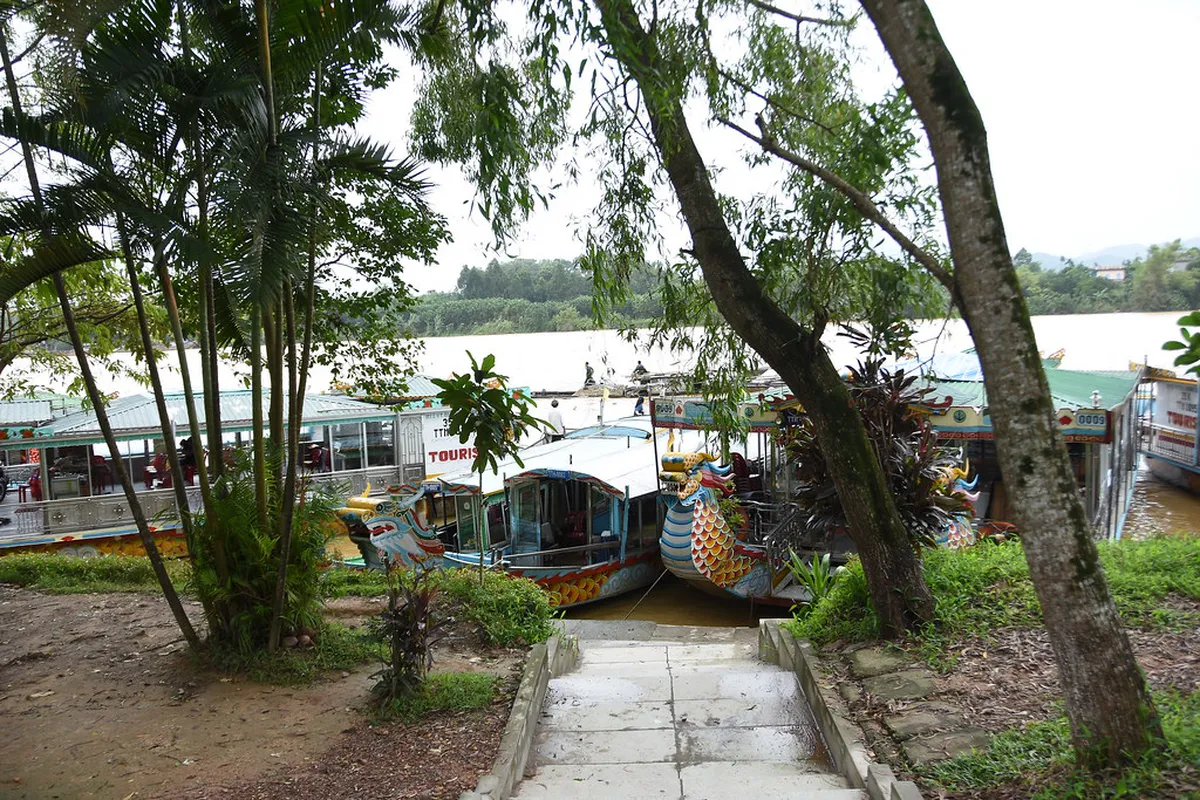
- Evening: riverside terraces on the Hoai River give lantern views, crowds and higher prices.
Cao Lau vs Mi Quang and Other Hoi An Noodles
Mi Quang is the dish most often confused with cao lau. Both come from central Vietnam, both use little liquid, and both arrive with crunchy toppings. Mi Quang noodles are bright yellow from turmeric and always broad and flat. Lye water gives cao lau noodles their yellow-brown color. Mi Quang toppings vary between pork, shrimp, chicken and sometimes snakehead fish. Cao lau sticks to braised pork. Banh mi is bread, not a noodle dish, and our Hoi An banh mi guide covers it. For the rest of the menu, see Hoi An's other signature dishes.
| Dish | Noodle or base | Liquid | Crunch |
|---|---|---|---|
| Cao lau | Thick, chewy, yellow-brown from lye water | A few spoonfuls of reduced pork sauce | Fried noodle-dough crackers |
| Mi Quang | Broad, flat, bright yellow from turmeric | Light pork-bone broth | Rice crackers with sesame |
| Banh mi | Baguette-style bread | None | Crust |
Dietary Notes: Vegetarian, Gluten and Pork-Free
A standard bowl is pork-based, so it will not suit halal, kosher or vegetarian diets. Noodles and crackers are rice-based, but the braising sauce is usually soy-based and may contain wheat. Ask for the sauce on the side and ask the cook directly before you eat, because we cannot offer an allergen guarantee. Reports mention a mushroom version at Karma Waters on Phan Chu Trinh. A few other kitchens may make one on request.
Eat Cao Lau on a Guided Route or Learn to Make It
Self-guided eating is cheaper, since you pay only for the bowl. A guided route adds access to kitchens without English signs and an explanation of the well water and ash on the spot. Food tours in town often pair this dish with white rose dumplings and banh mi. Compare formats on our Hoi An Food Tour: Types, Costs and How to Choose page. If you want to cook, a Hoi An Cooking Class: How to Choose the Right One is better for the pork and herbs than for the noodle. The signature noodles are hard to replicate away from local makers who use Ba Le water and lye. For local news before you travel, try Hoi An Realtime.
Useful notes for your Vietnam trip
Optional updates to our guides.
You might also like
Continue reading
More guides you'll find useful