Hoi An Flooding: When It Floods and What to Do
When does Hoi An flood, how bad does it get, and should you change your trip? Timing, safety, stays, and refunds for travelers.
On this page
Last updated November 2026: Hoi An flooding is a real seasonal risk, and the Old Town beside the Thu Bon River does flood, mostly from late October to mid-December. Most episodes mean wet streets for a few days, but the late-October 2025 flood was far more severe. Use this guide to decide whether to go, shift your dates or postpone.
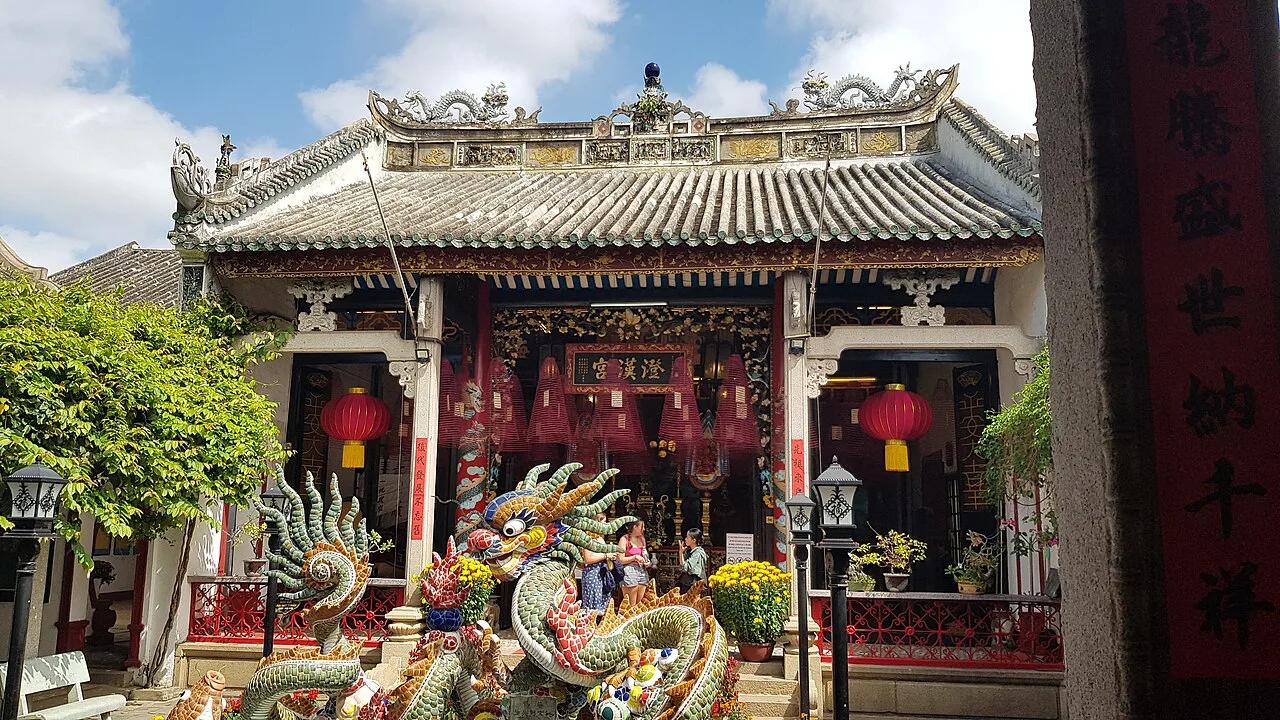
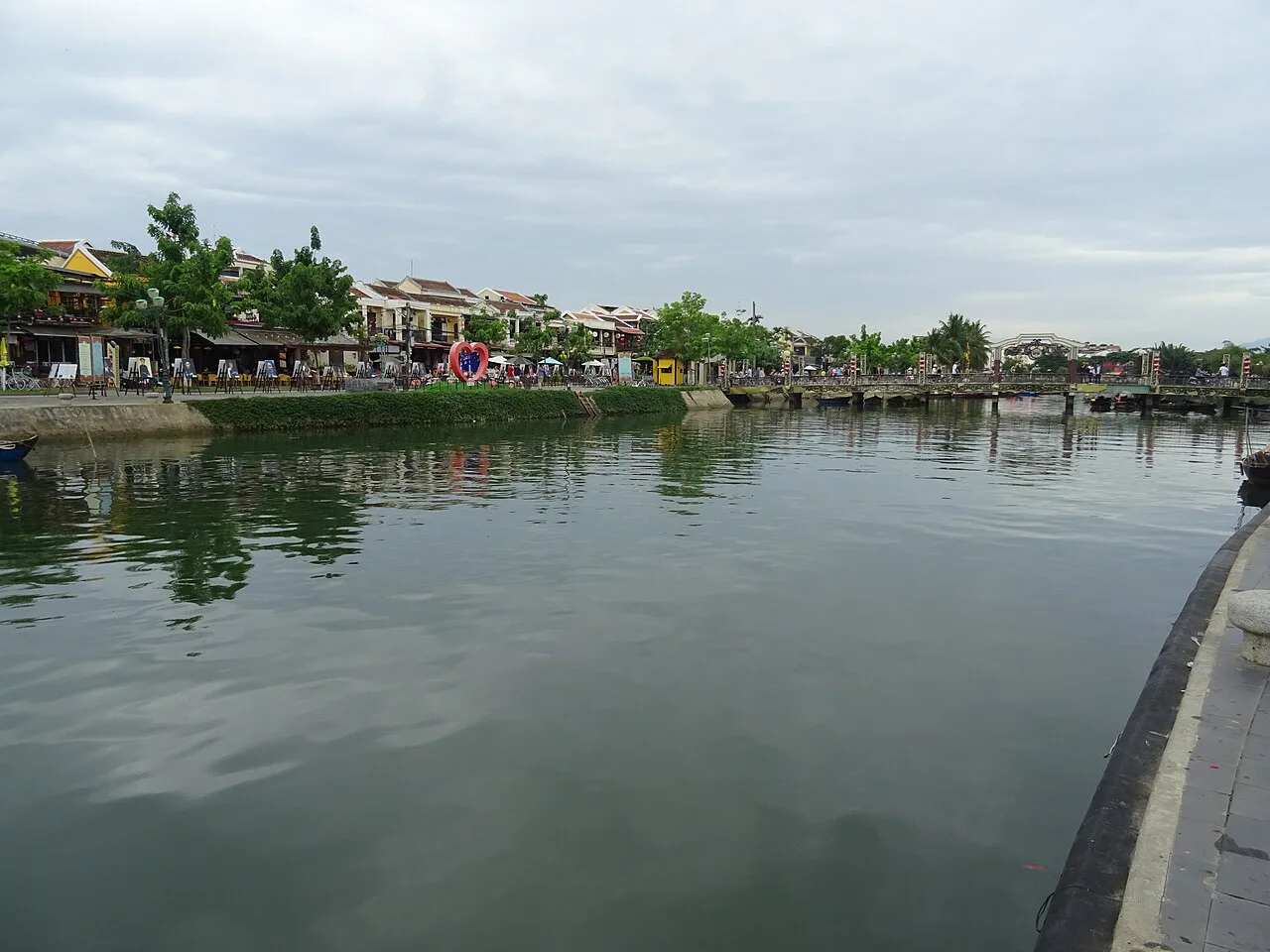
Featured image: Christophe95, CC BY-SA 4.0, via Wikimedia Commons.
Does Hoi An Flood? The Short Answer
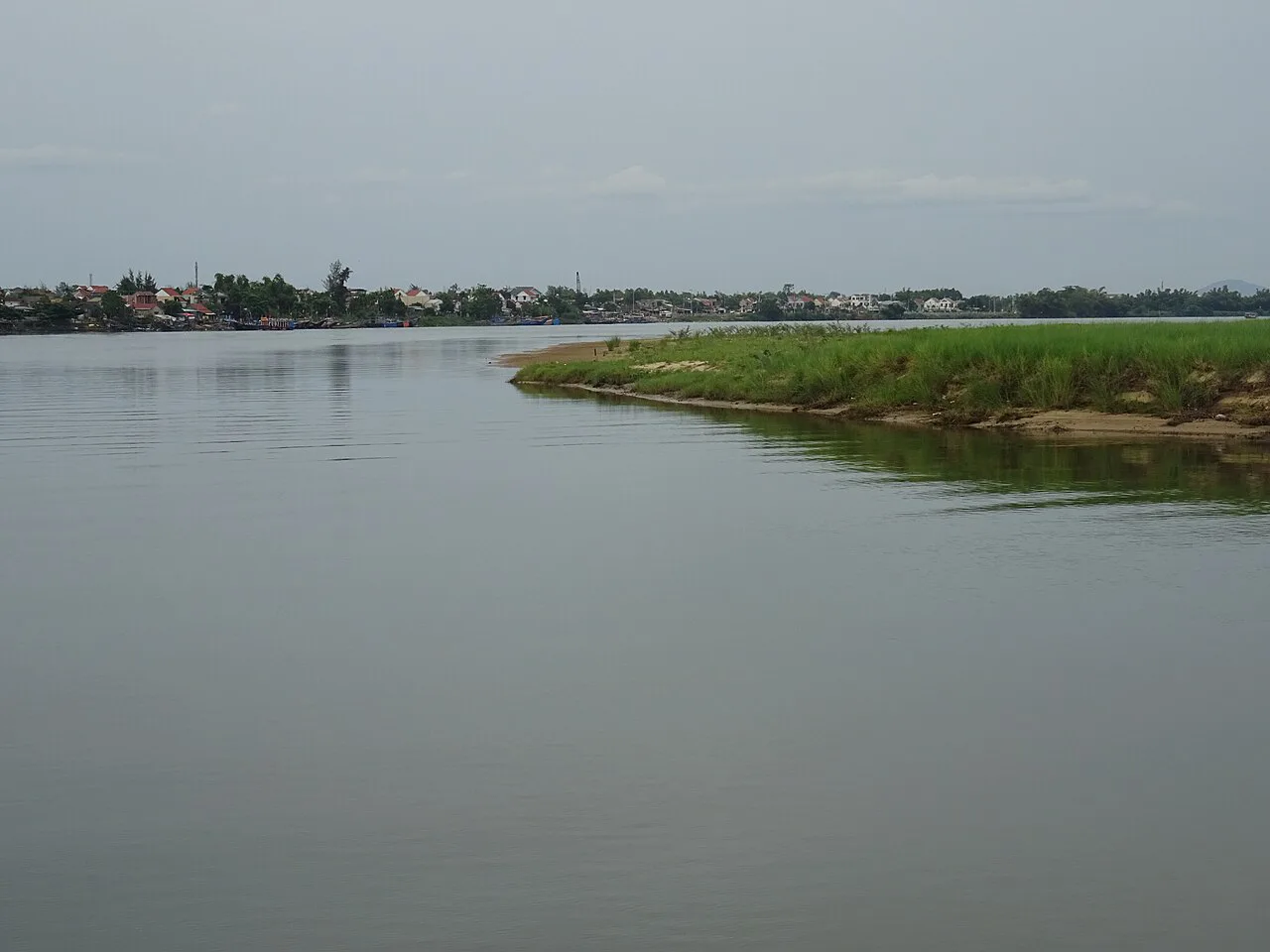
Yes. Hoi An Old Town sits on low ground beside the Thu Bon River system, and heavy autumn rain or a storm hitting the central coast can push water into its streets. Flooding is most likely in the wet season, from roughly late October to mid-December. Typical episodes last days rather than weeks. Routine seasonal street flooding is common, while record events are rare. Hoi An is neither underwater all season nor immune. Plan for the range between those two.
When Hoi An Flooding Is Most Likely
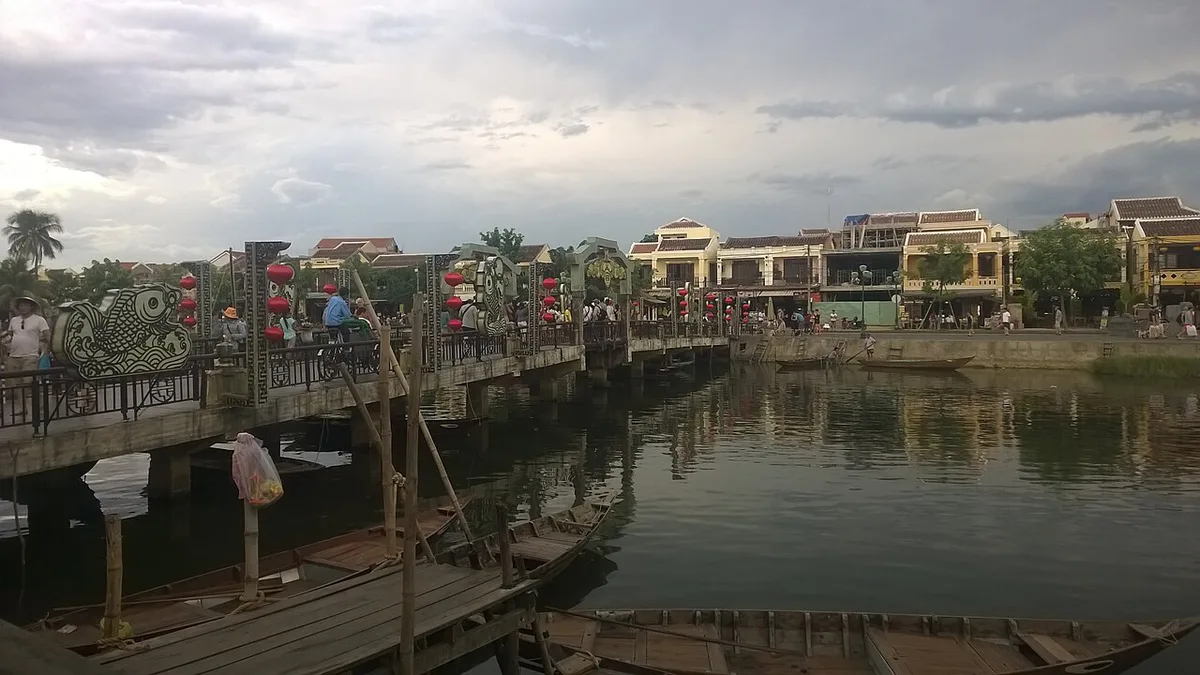
Peak risk runs from late October to mid-December, when central Vietnam gets its heaviest rain. Typhoons and long spells of heavy rain are the usual triggers. Rain falling upstream matters as much as rain over town, because river levels rise after the water arrives. Our Hoi An rainy season guide covers the full wet-season pattern. Month-by-month rainfall and temperatures are in our Hoi An weather guide. For rainfall totals, river levels and storm warnings, use the national hydro-meteorological agency. Watch the forecast for 3 to 5 days before you travel, since storms can form quickly.
What the Old Town Looks Like During a Flood
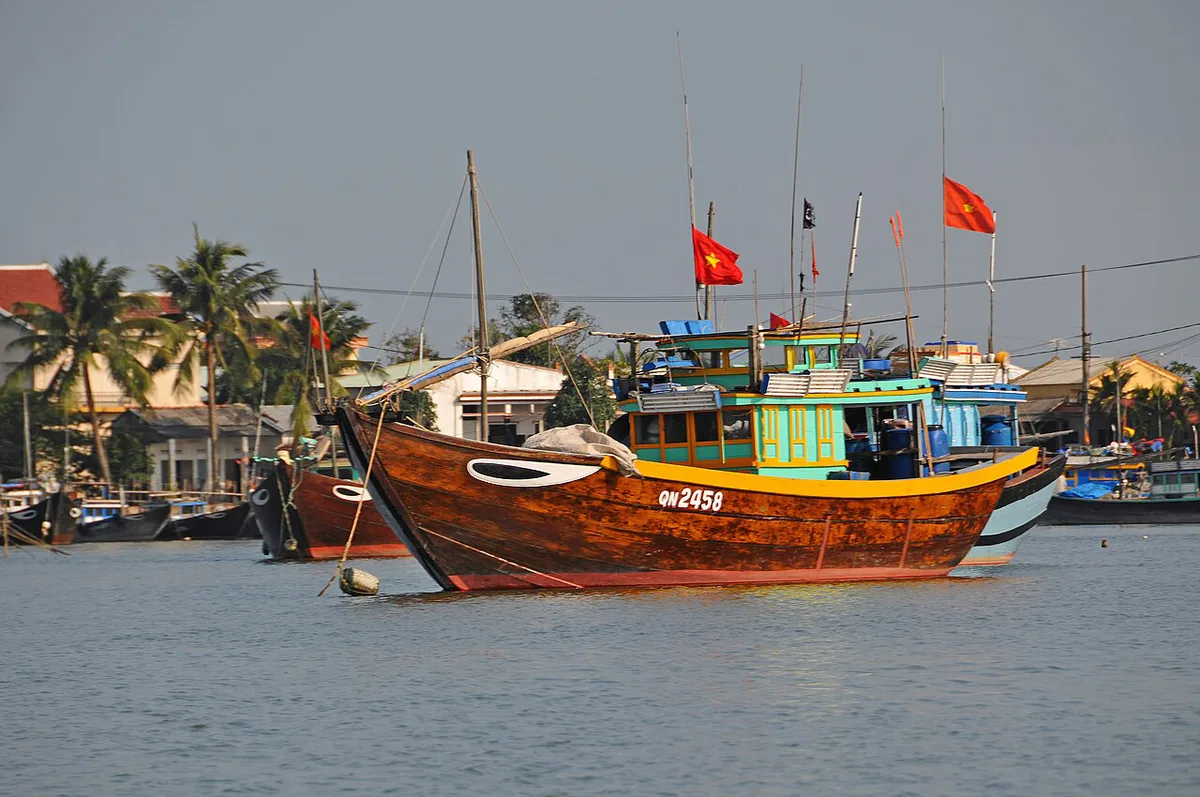
In an ordinary wet-season flood, water collects along streets near the Hoai River and lower lanes. Shops raise stock, and residents move belongings upstairs. Some riverfront activities stop. In late October 2025, the picture was very different. VietnamNet reported that the crest passed the 1964 record by 0.12 m (about 5 inches), with 1 to 2 m (roughly 3 to 6 ft) of water across large parts of the Old Town. The Guardian reported that the river hit a 60-year high and that floods killed 10 people in central Vietnam that week. Tourist activities and guided heritage visits were suspended after an October 27 announcement. Treat that as the extreme end of the range, not the norm.
- Normal-day Old Town: walkable streets, open shops, boat docks on the Hoai River busy with visitors.
- Routine flood day: water in low streets, patchy shop openings, some activities paused.
- Record event: deep water, closed heritage visits, suspended tours, and a long cleanup.
Should You Still Go? A Go, Adjust or Postpone Guide
Your decision depends on how close the water is. Start with the forecast, then check local announcements. Our Best Time to Visit Hoi An: Month-by-Month Guide page helps if you can move dates. The table maps common situations to a sensible response.
Storms can form quickly, so a clear forecast 3 to 5 days before you travel is only a provisional go.
| Situation | Suggested action | What to check |
|---|---|---|
| Rain forecast 3 to 5 days out, no storm warning | Go, with a flexible plan and indoor options | Hotel location, cancellation terms for tours |
| Typhoon warning for the central coast | Adjust or postpone arrival | Airline and rail notices, insurance weather cover |
| Flood under way in the Old Town | Postpone, or base yourself on the coast | Local government notices, hotel access and power |
| Water receding, cleanup under way | Delay a few days if you can, or visit respectfully | Reopening news, which areas are still closed |
Where to Stay and How to Reduce Risk
Higher floors and distance from the waterfront lower your risk. Avoid ground-floor rooms in the wet season. Do not rely on lists of "safe" streets, which age quickly and may not match current flood patterns. Ask the property directly instead. Hotels that have flooded before can usually tell you how it affected guests last time.
- Has this property flooded before, and which floors were affected?
- Is there backup power, and does it cover the room, lift and Wi-Fi?
- Can guests move rooms or hotels if water rises?
- What is the cancellation policy if the Old Town closes?
Bookings, Refunds, and Insurance
Tailor fittings, cooking classes, boat rides and lantern activities can close at short notice during a flood. Refunds are not guaranteed, particularly if you leave town early. Ask each provider what happens if flooding or a closure order stops service. Read your travel insurance wording for weather, natural disaster and delay cover before you pay. Policies differ, so get answers in writing where you can. Book the first and last nights flexibly if your dates fall in the peak window.
Staying Safe and Getting Around
Floodwater can hide fallen power lines, open drains and debris. Keep out of it where you can, and never wade near downed cables. Water can also carry waste, so wash any cuts and avoid touching your face. Follow notices from local authorities and your hotel. Flooding can affect Da Nang airport and the road and rail links to Da Nang and Hue. Check airline, airport and rail operator pages before you leave. For late-season conditions, see our Hoi An in December: Weather, Rain Plans & What to Expect guide. Your own government's Vietnam travel advisory is also worth a look.
After the Water Recedes
On October 31, 2025, VietnamNet reported that water began to fall after four days of flooding. It left mud about 30 cm (roughly 12 inches) deep, along with heaps of rubbish near the Japanese Covered Bridge. Residents and crews cleaned the streets themselves. If you arrive during this stage, stay out of work areas and spend money with businesses that have reopened. Do not photograph people clearing their homes. Check the official Hoi An Ancient Town site for reopening news.
Mud left behind reached about 30 cm (roughly 12 inches) deep, after 1 to 2 m of water in the late-October 2025 flood.
Better Months to Visit
The safest way to avoid Hoi An flooding is to travel outside late October to mid-December. Our guide to choosing the right month compares the seasons. If you cannot move your dates, keep a plan B on the coast or in a drier part of Vietnam.
Frequently Asked Questions
Is Hoi An safe to visit right now?
Safety depends on the forecast and local notices. Outside the wet season, the Old Town is usually dry. Before you travel, check storm warnings from the national weather agency and your hotel.
When should I avoid Hoi An?
Avoid late October to mid-December if you want the lowest flood risk. Typhoons and heavy rain can arrive in that window. See our rainy season guide for details.
Useful notes for your Vietnam trip
Optional updates to our guides.
You might also like

Continue reading
More guides you'll find useful