Nha Trang Rainy Season: What the Weather Means for Your Trip
When is Nha Trang's rainy season, how wet does it get, and is it worth visiting? Plan around rain, seas and storms with practical trade-offs.
On this page
Last updated November 2026. Nha Trang rainy season runs roughly from September or October through December, with October and November usually the wettest months. Rain arrives in bursts and in multi-day wet spells, so plan around flexible days instead of writing the trip off. This guide covers timing, sea conditions, rainy-day plans and who should skip these months.
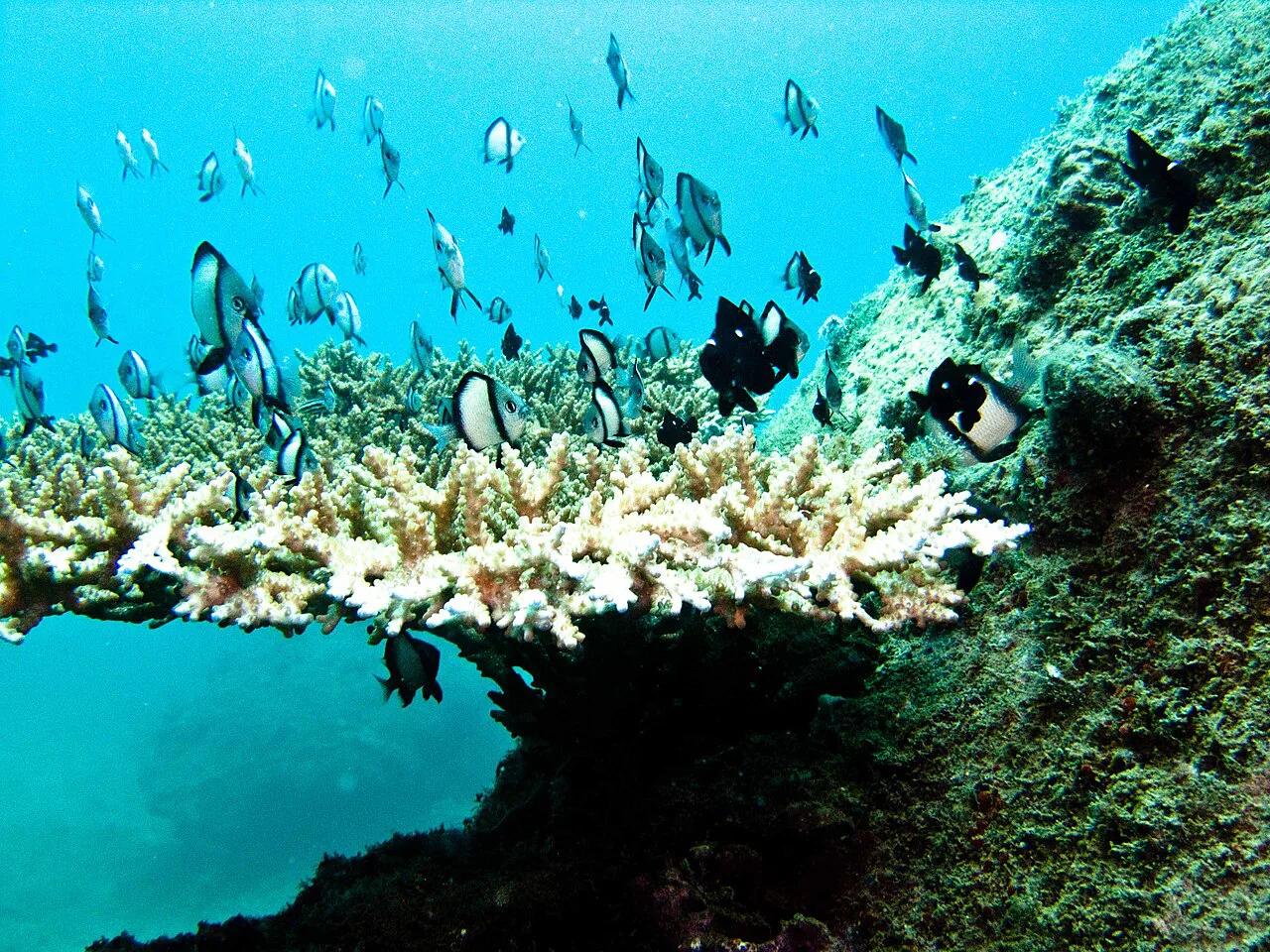
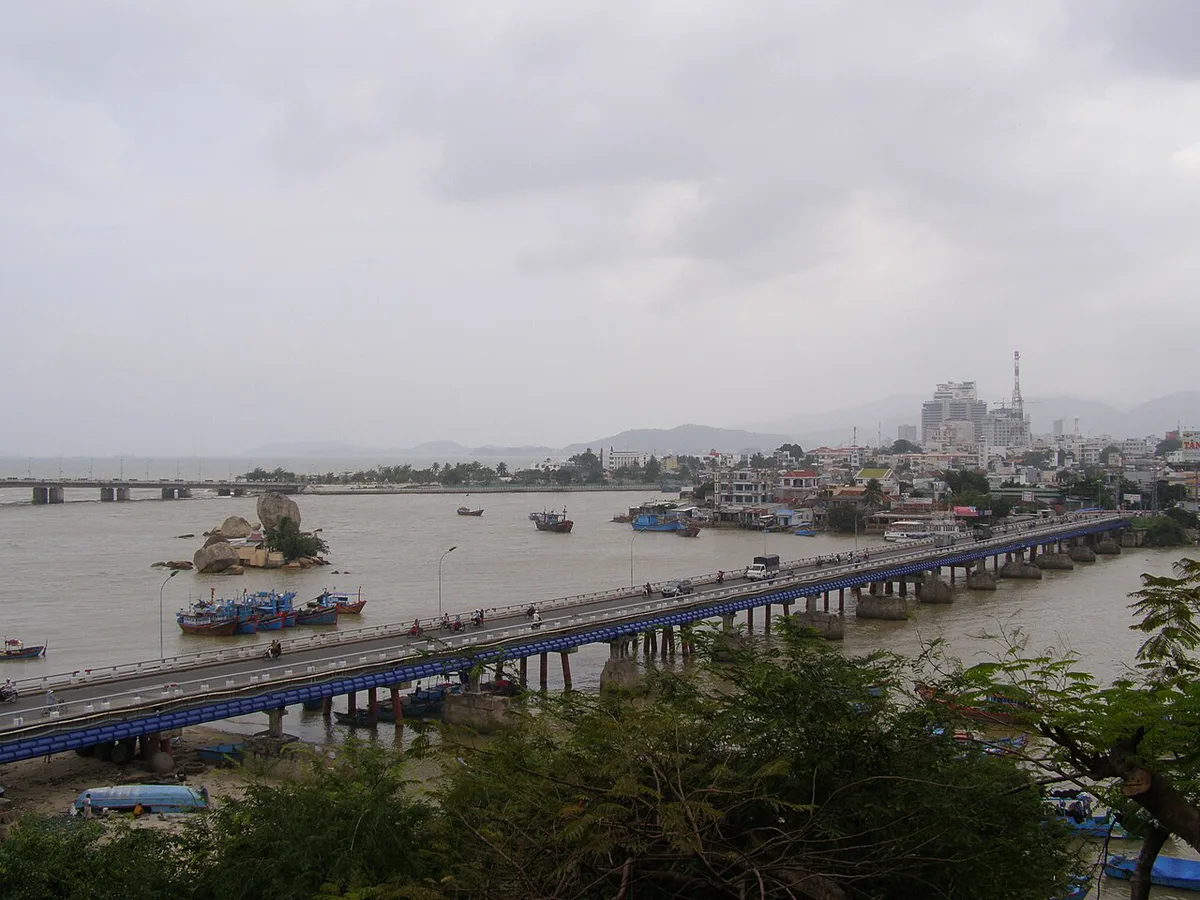
Featured image: Ziegler175, CC BY-SA 3.0, via Wikimedia Commons.
Nha Trang Rainy Season at a Glance
Most of Vietnam gets its rain in summer. Nha Trang flips that pattern, and its wet months fall in autumn. Typical sources put the monsoon window at September to December, and a four-month core of October to December. November is commonly named the wettest month. Our verdict: go if you can stay flexible, and skip it if you need guaranteed beach days. For month-by-month planning, see our guide to the best months to go.
- Rain window: roughly September to December
- Wettest months: October and November, with November most often named
- Driest month: February, at about 5.6 mm of rain by one climate summary
- Biggest risks: rough seas, cancelled island tours and storm disruption
- Biggest upside: quieter beaches and lower hotel rates
When Does the Rainy Season Start and End?

Sources disagree because they measure different things. A broad definition counts the long humid stretch with scattered showers. A narrow one counts only the heavy-rain months from October to December. Use the narrow one for trip planning. Annual climate summaries describe about 2,600 sunshine hours a year and an average near 26°C (79°F), so the wet months are an exception to a mostly sunny pattern. Typical lows sit near 18°C (64°F) and highs near 30°C (86°F) over the year. Check national hydro-meteorological forecasts before you book. Our Nha Trang weather page covers monthly temperature and rainfall detail.
| Period | What to expect | Planning note |
|---|---|---|
| February to June | Clear skies, roughly 26-27°C (79-81°F) | Best window for diving and beaches |
| July to September | Hot and busy, peak season | Higher prices, more crowds |
| October to November | Heaviest rain, storm risk | Book refundable |
| December | Wet but easing | See Nha Trang in December: Weather, Crowds & What to Do |
| January | Transition toward drier weather | See Nha Trang in January: Weather, Costs & What to Do |
What Rain, Sea and Storms Mean for Your Trip
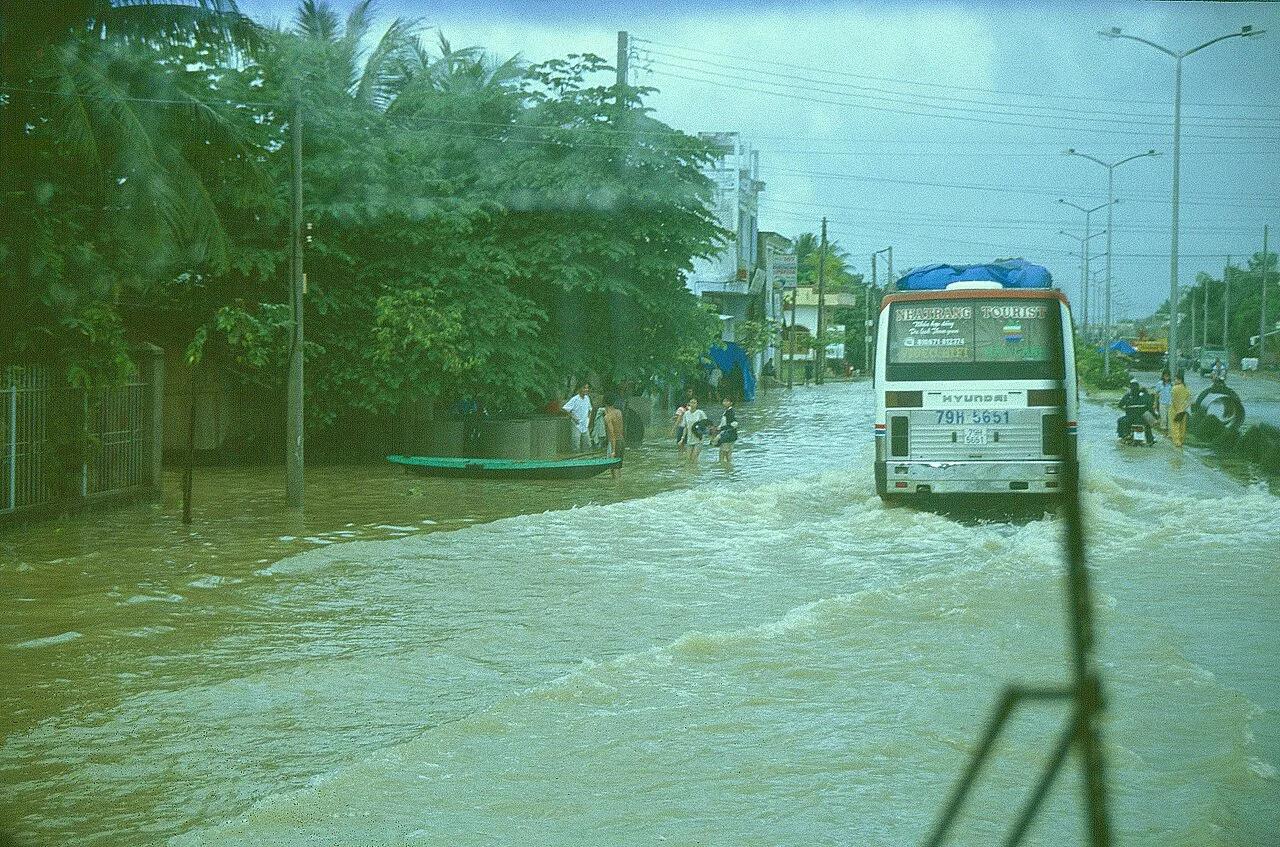
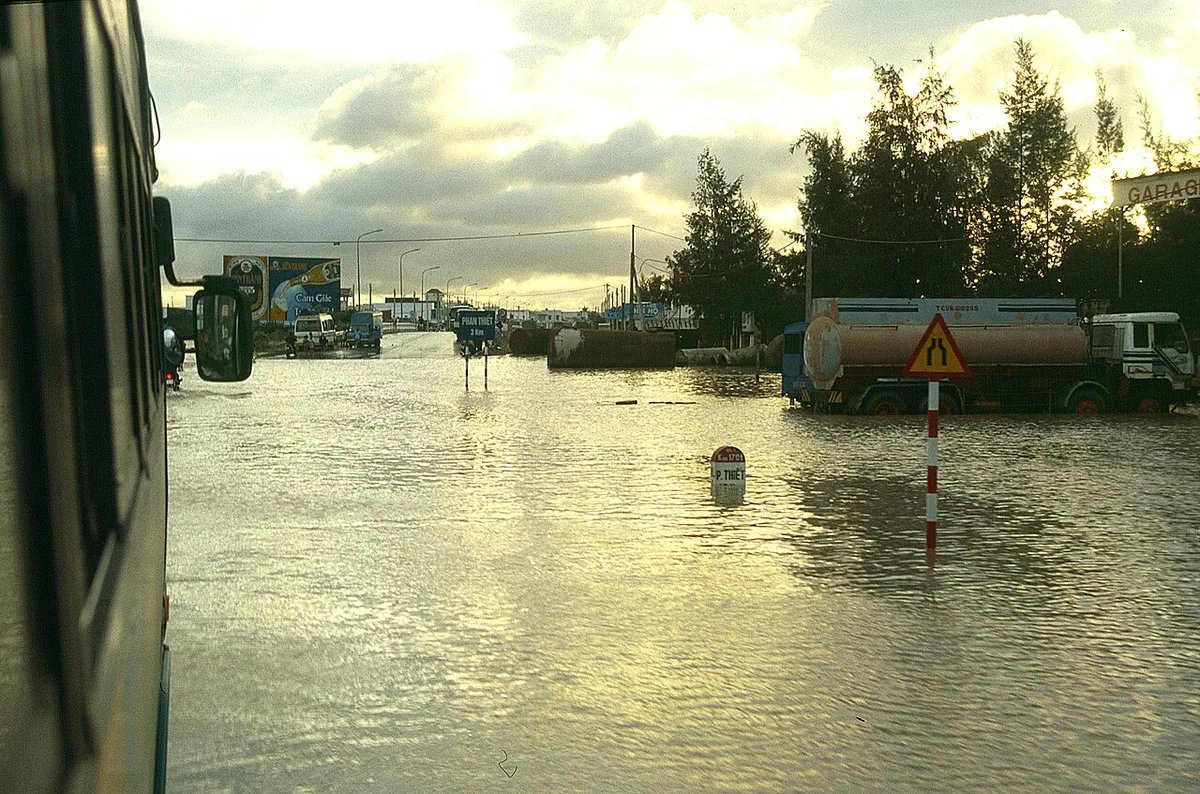
Rain here comes as heavy showers and as gloomy, multi-day spells tied to storms from the East Sea. Thunderstorms and flooding are possible. Beach days and island boat tours are the first casualties. Operators may suspend trips when seas are rough, and diving visibility drops after heavy rain. Roads can turn slippery, which makes hill trips harder. Flights and trains can slip behind schedule during storms. Watch official storm warnings from the national weather service and recheck the forecast the day before any boat trip.
Best Things To Do on Rainy Days
Use a dry-window strategy. Mornings are often the better bet for outdoor plans, so book boats and sightseeing early and keep afternoons loose. Nha Trang has a 6 km beach, but swimming is the first thing to lose in a storm. Keep indoor options ready, such as cafes, spas, museums and covered markets. Check current opening hours locally before heading out. Hon Ba Nature Reserve sits about 30 km away, within roughly 2 hours of the city. Its cool mountain climate is a summer draw, and wet-season road conditions need a local check before you commit.
Hon Ba Nature Reserve is 30 km out, and slick roads make a taxi or ride-hailing car safer than a scooter.

- Morning: boat trip, beach walk or market visit
- Afternoon: spa, cafe, museum or remote work
- Evening: restaurant or covered night market
Is It Worth Visiting? Who Should Go and Who Should Skip
Rainy-season Nha Trang suits flexible travelers and punishes tight itineraries. A short stay of 2 or 3 nights carries the most risk, because one storm can erase half the trip.
Trips of 2 or 3 nights carry the most weather risk, so a longer stay in December may suit better than October or November.
| Traveler | Verdict | Why |
|---|---|---|
| Beach-first | Skip or adjust | Rough seas and gray skies |
| Divers and snorkelers | Skip | Peak dive season is January to October |
| Families | Adjust | Keep indoor backups |
| Budget travelers | Go | Lower hotel prices |
| Remote workers | Go | Rain matters less |
| Short-stay, 2-3 nights | Skip | Little room for weather delays |
Costs, Bookings and Flexibility
Off-season hotel rates run lower, and there is more room to negotiate. As an illustrative example only, not a published rate, a room listed at ₫1,200,000 a night in July peak season might be offered nearer ₫800,000 in November. Prices and hours checked November 2026; hotels set their own rates. Pick refundable rooms and buy travel insurance that covers storm disruption. Avoid pre-paying non-refundable island tours. Do not assume one wet day cancels the whole trip. Avoid tight flight connections, and keep one buffer day at the end.
Where to Stay and How to Get Around When It Rains
Stay near the beachfront if you want to walk to restaurants between showers. Choose a hotel with covered parking and a lobby cafe for the downpours. Use ride-hailing or taxis for short hops instead of walking or riding a scooter on slick roads. Ask your hotel about flooding on access streets before arrival.
Rainy vs. Dry Season Compared

The trade-off is price and comfort against reliability. Dry months offer calm seas, clear water and busier beaches. Wet months offer quiet and discounts. Our best-time guide helps you pick between them.
| Factor | Rainy season | Dry season |
|---|---|---|
| Sea conditions | Rough, tours may be suspended | Calm, good visibility |
| Crowds | Light | Heavier, peaking July to September |
| Price level | Lower, with negotiating room | Higher |
| Activities | Limited outdoors | Full range |
September to December: How Conditions Change
September sits at the edge of Nha Trang’s rainy window, which runs roughly from September or October through December. It can still be hot and busy, but rain risk starts to matter when planning beach time and island boats. Keep outdoor plans flexible and check forecasts before committing.
October and November are usually the hardest months for a beach-led trip. November is commonly named the wettest month. Rough seas can suspend boats, while heavy rain reduces diving visibility and makes roads slippery.
December is still wet, but conditions often begin easing toward January. It is a better choice than a 2- or 3-night visit in October or November if you need more room for weather delays. February to June remains the more reliable beach and diving period, with typical temperatures around 26–27°C.
Frequently Asked Questions
What is the weather like in Vietnam in November?
In Nha Trang, November is typically the wettest month, with showers, humidity and storm risk. Other regions of Vietnam follow different rainfall patterns, so check the local forecast.
What is the rainy season in Vietnam?
It varies by region. Nha Trang's wet months fall in autumn, roughly September to December, unlike the summer rains in much of the country.
Useful notes for your Vietnam trip
Optional updates to our guides.
You might also like


Continue reading
More guides you'll find useful