Hoi An Rainy Season: Months, Floods & What to Do
When is Hoi An's rainy season? Month-by-month rain and flood risk, rain-day plans, packing and who should (or shouldn't) go.
On this page
Last updated November 2026. The Hoi An rainy season typically runs from about September to December, with the heaviest rain and flood risk in October and November. Some guides stretch the wet months from August into February, so plan around a range and not a fixed date. Below you will find a season table, flood logic, rain-day plans and a decision guide for fixed dates.
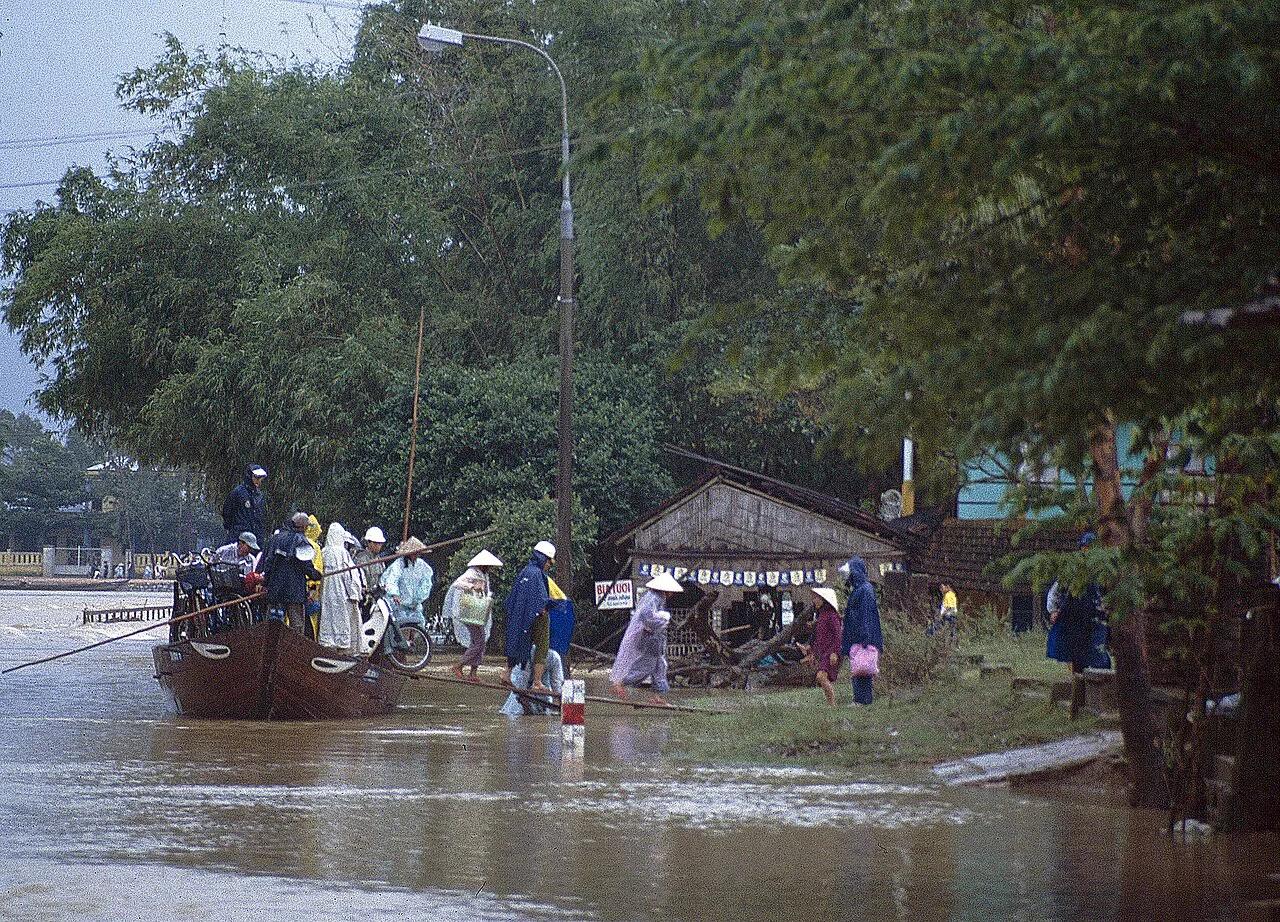
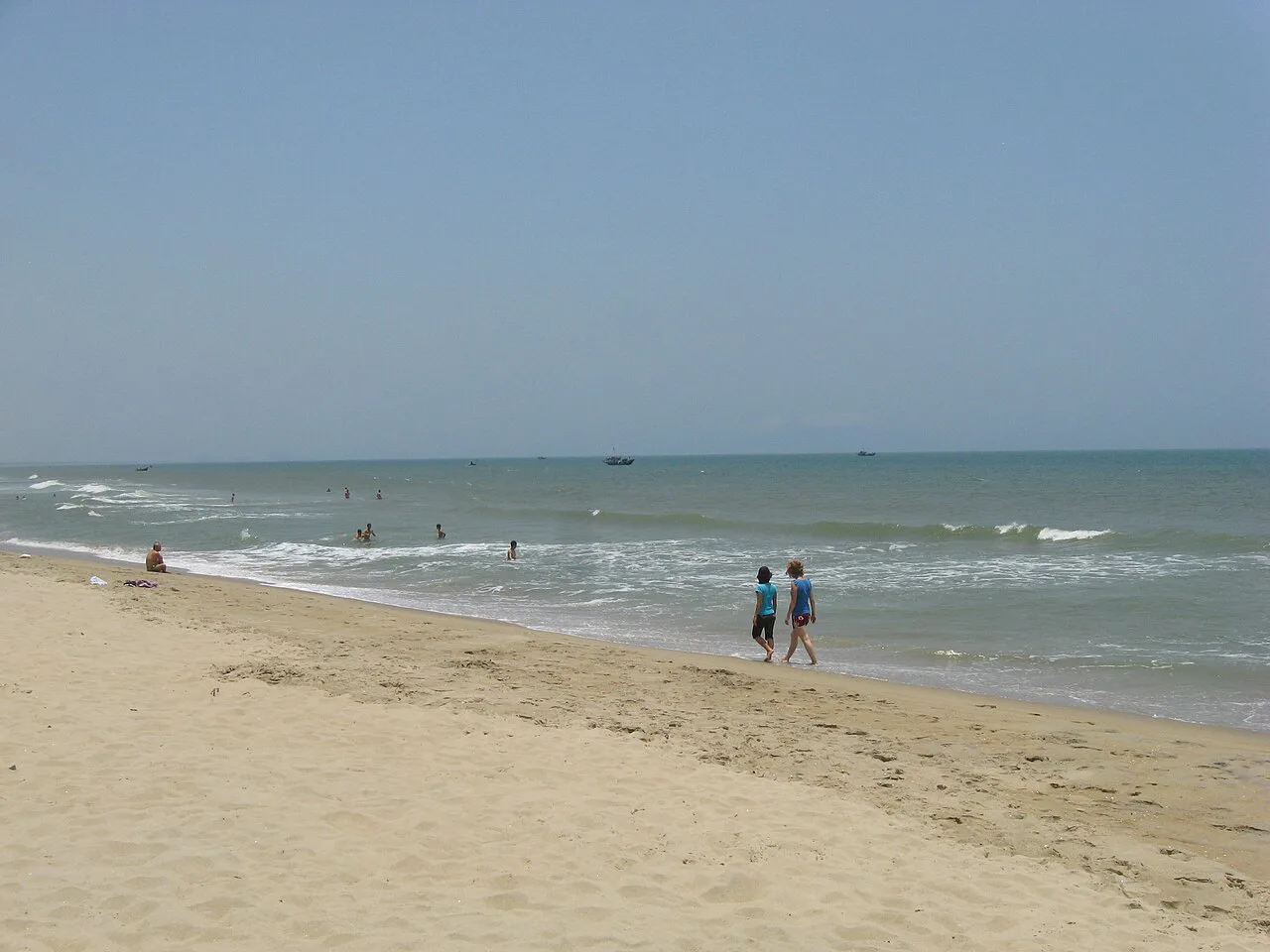
Featured image: Ziegler175, CC BY-SA 3.0, via Wikimedia Commons.
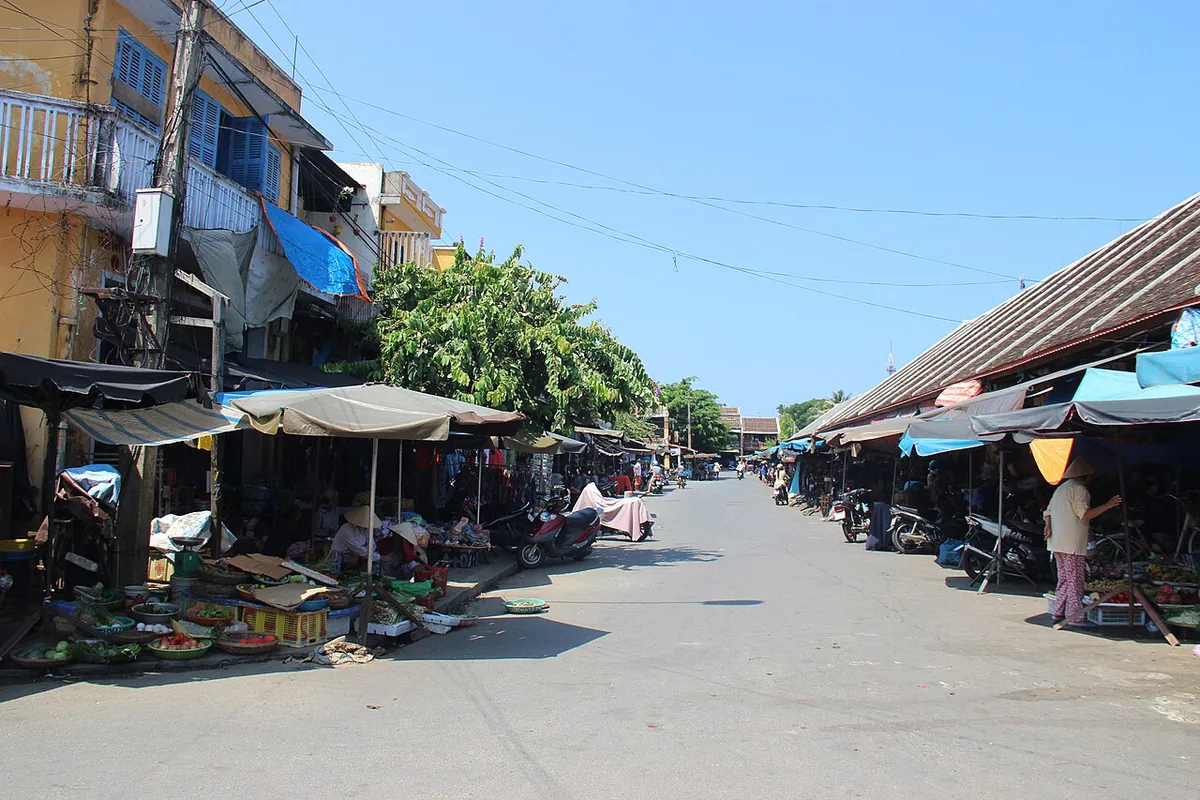
When Is the Hoi An Rainy Season?
Sources disagree on the exact window. Some place the wet months at August to February. Others say September to January, or September to December. Treat September to December as the core, with October and November as the peak for downpours and river flooding. Year-to-year variation is real, so check the national hydro-meteorological forecasts before you book. Temperatures below are typical regional ranges, not measured normals.
October and November carry peak flood risk, while June to August stays mostly low-risk even with temperatures often above 35°C (95°F).
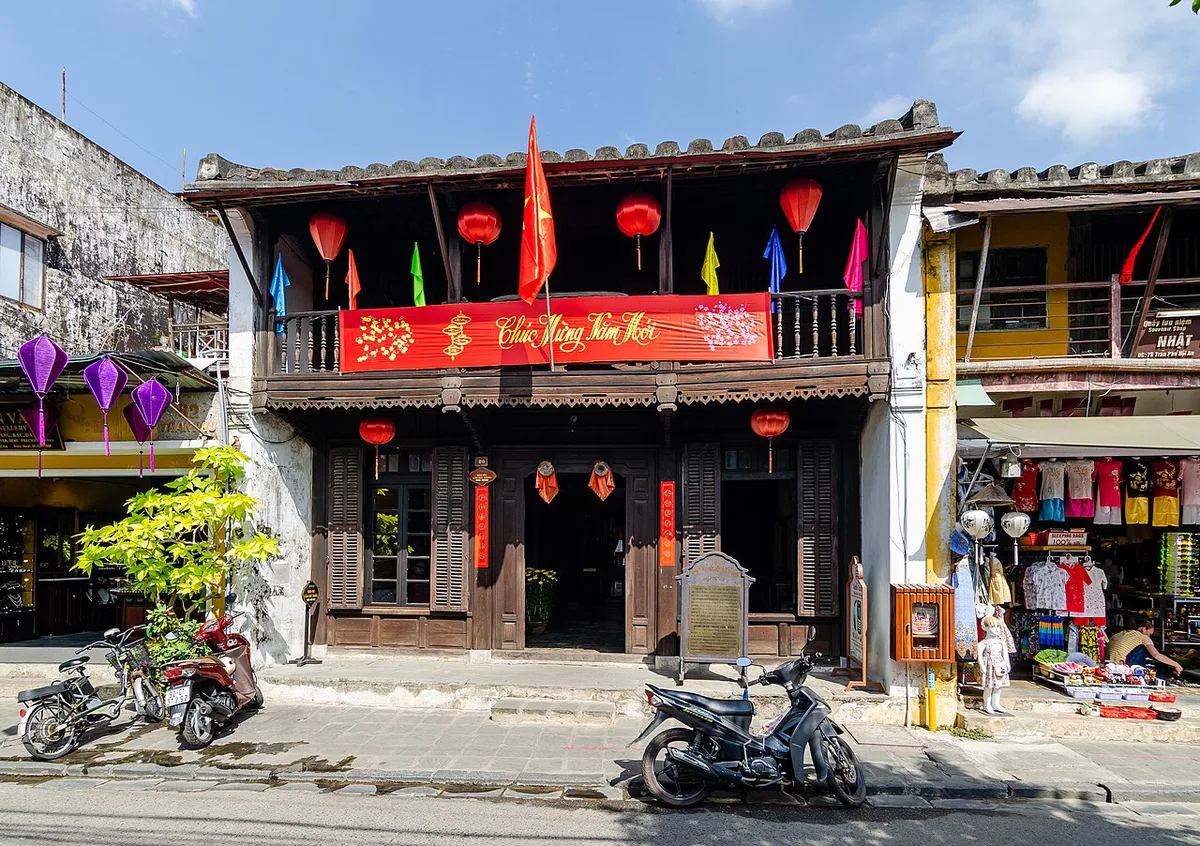
| Period | Typical conditions | Flood risk | Crowds and rates |
|---|---|---|---|
| February to May | Mostly dry, around 26–30°C (79–86°F) | Low | Busy; rates usually higher |
| June to August | Hot and sunny, often above 35°C (95°F) | Low (variable late in the period) | Busy beach season |
| September | Rain builds; showers and humidity | Variable | Thinning crowds |
| October to November | Heavy downpours, storm risk | Peak risk | Quietest; best rate chances |
| December to January | Cooler, around 20°C (68°F), light drizzle | Variable, easing | Crowds return |
What Rainy Season Is Actually Like
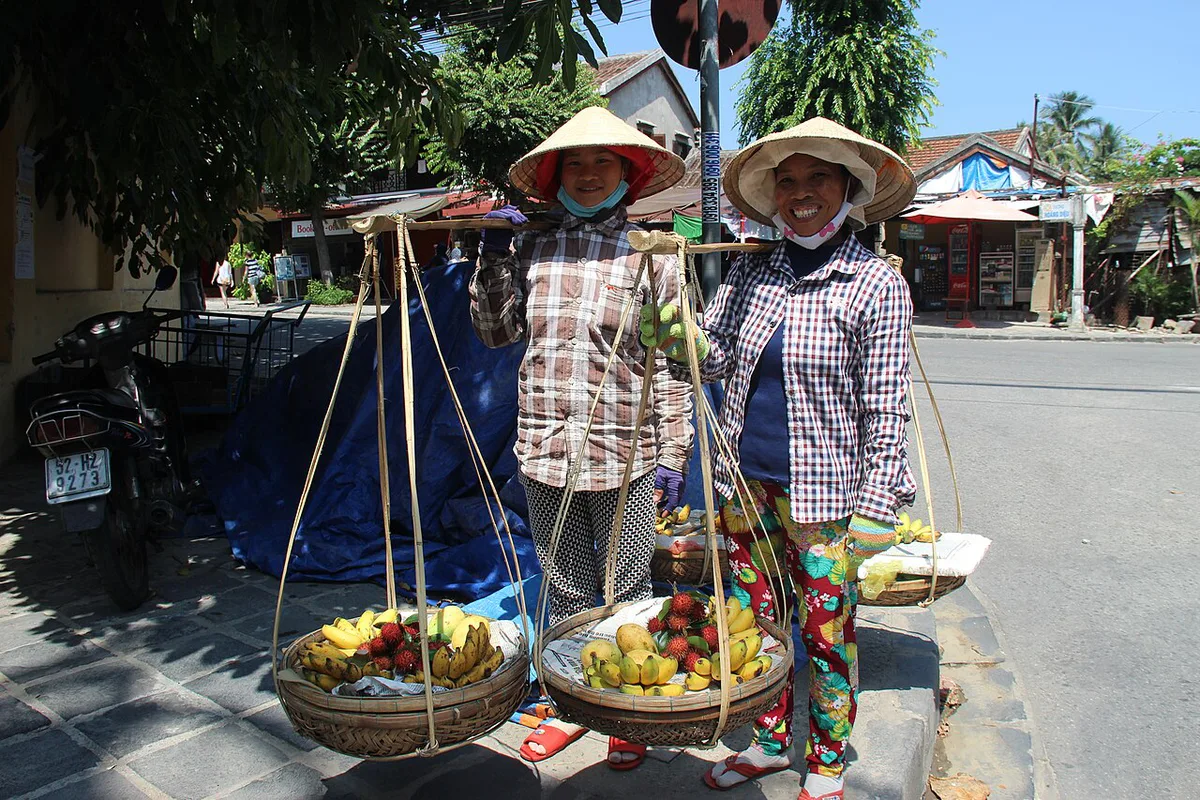
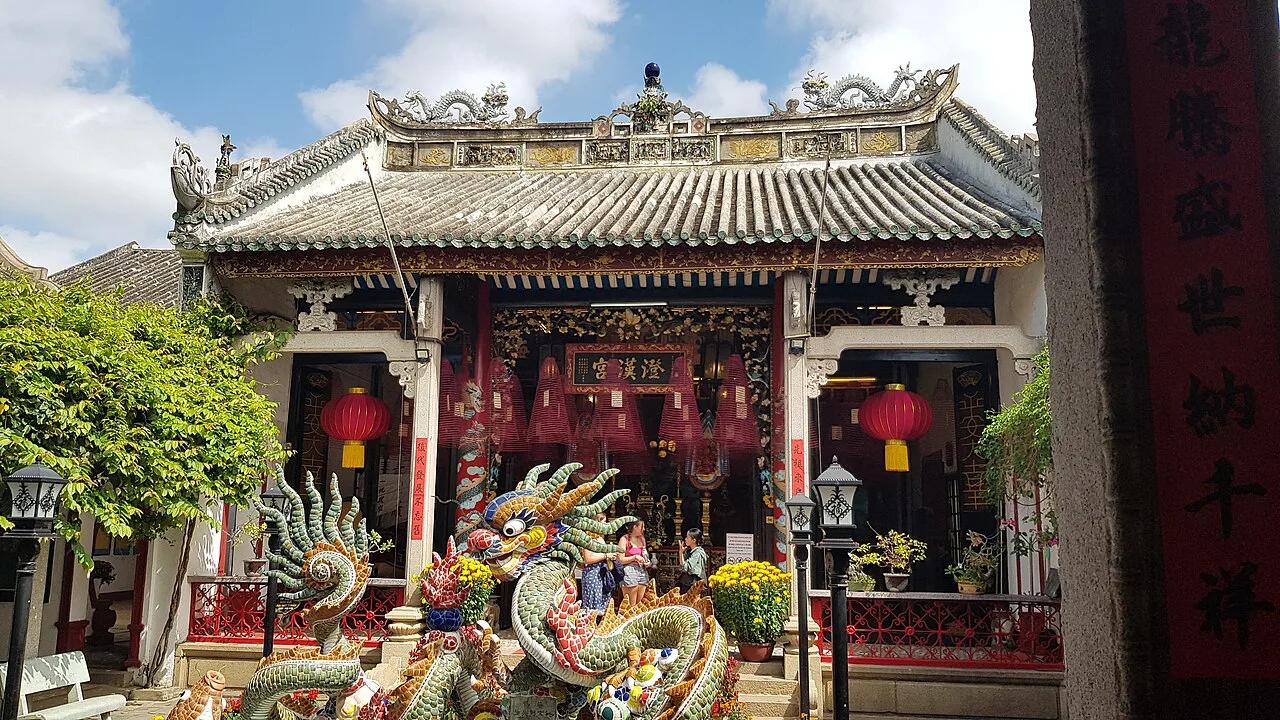
Rain often arrives as heavy downpours that clear within hours. Other days bring steady drizzle and thick humidity. Dry spells still happen, so mornings can be usable. In the Old Town, wet streets and lantern reflections look good after dark, and the Japanese Covered Bridge area is far less crowded. Tra Que village turns deep green, but its paths turn to mud. Beaches such as An Bang get rough seas in the stormiest weeks, so swimming is often limited. Plan sea trips with flexibility.
Flood Season: What to Expect and How to Plan
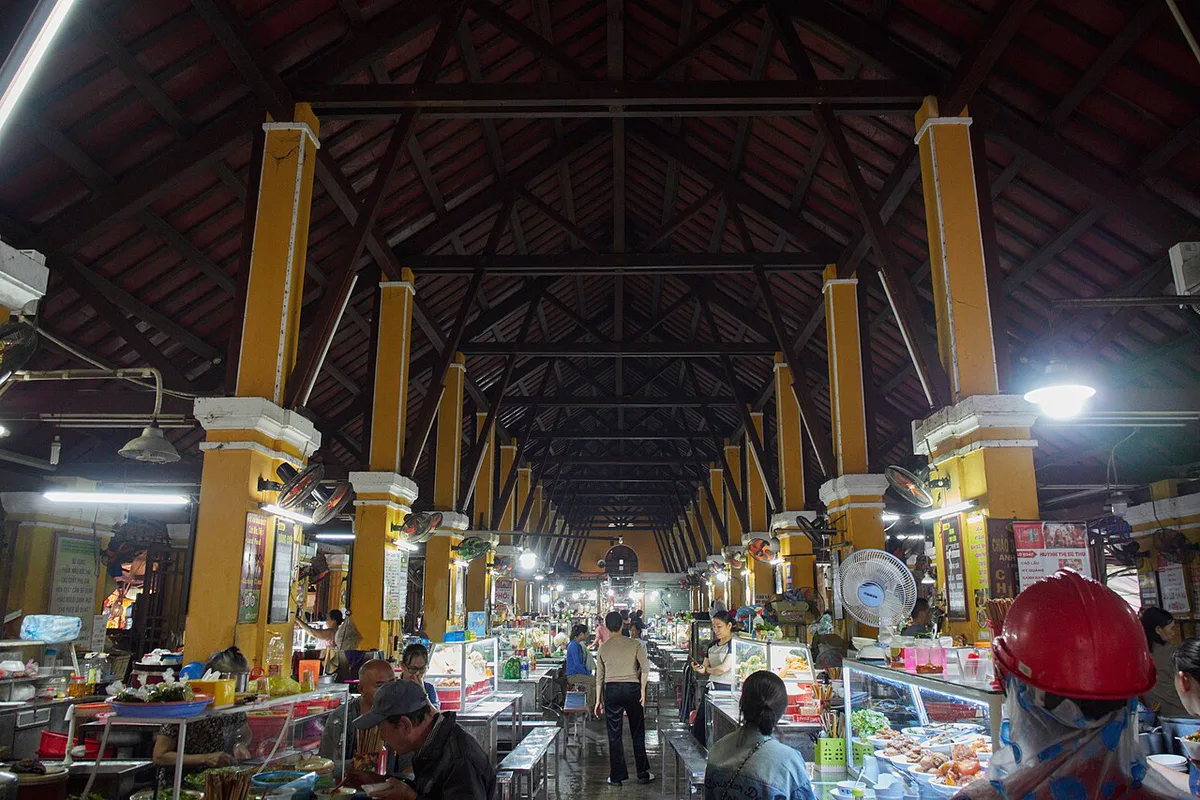
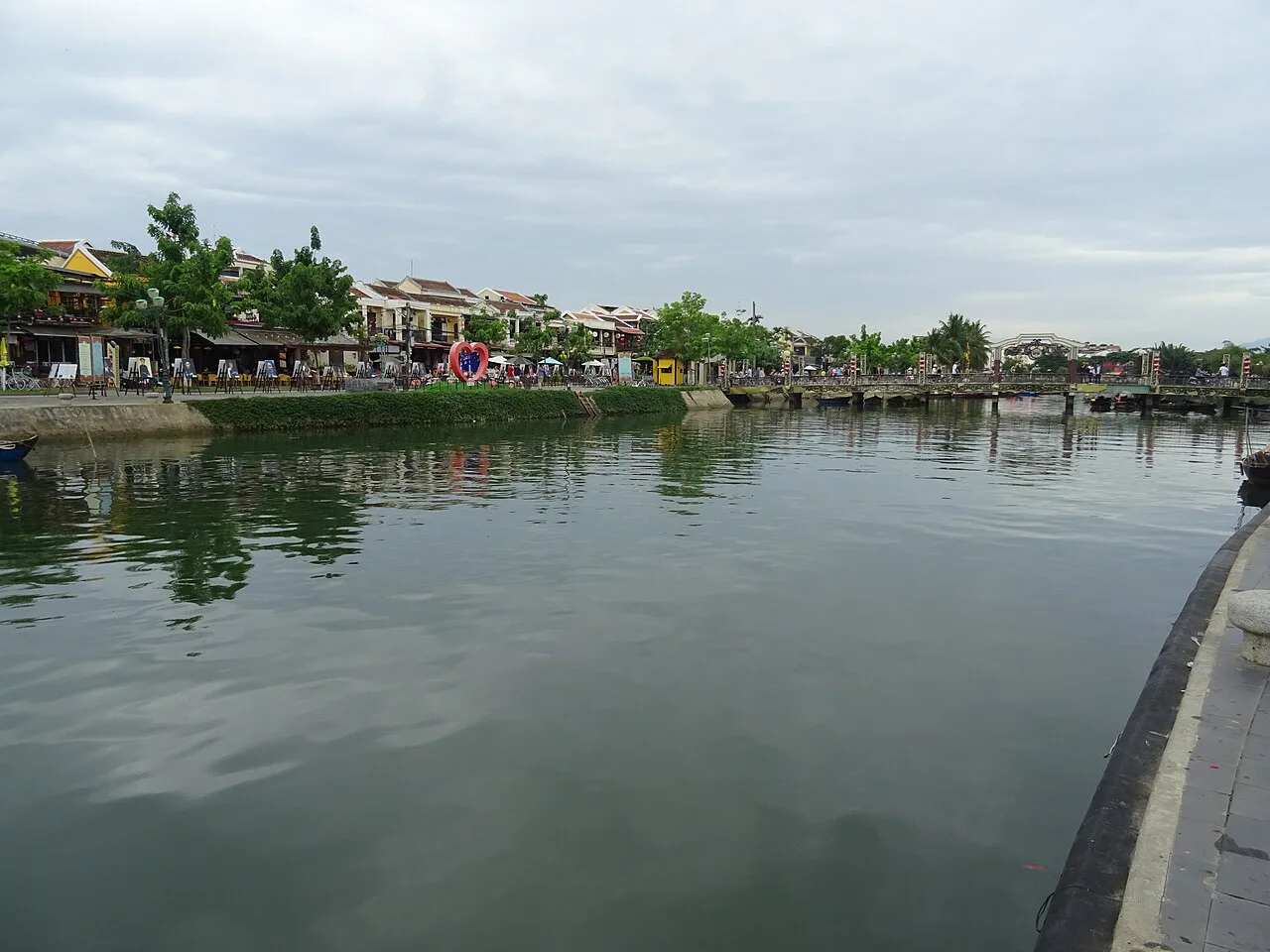
Floods are the real risk, not drizzle. When monsoon rain meets high tides and upstream discharge, the Thu Bon River can rise into streets near the riverfront. Minor floods reach about knee height on the lowest streets. During major floods, power may be cut and ground-floor shops close. After the water drops, expect mud, damp air and a lingering smell. Our guide to Hoi An flood conditions covers streets and stays in detail.
- Book an upper-floor room, away from the riverfront, for October and November.
- Keep a power bank and offline maps charged.
- Leave a buffer day before any flight from Da Nang.
- Choose rates with free cancellation.
Should You Visit During the Rainy Season?
It depends on what you want from the trip. Food, culture and quiet streets hold up well in rain. Beach days, island boat trips and rice-field cycling do not. If you can still move your dates, read when Hoi An is best first. If dates are fixed, aim for September or December over the peak weeks, and keep a Da Nang or Hue backup in mind.
December visits pair easing rain with cooler air around 20°C (68°F), though crowds return, which makes them a fair pick for fixed dates.
| Traveler | Verdict | Why |
|---|---|---|
| Food and culture | Go | Cafés, cooking classes and museums cover wet hours |
| Photographers | Go, with care | Moody light and reflections; protect gear |
| Budget travelers | Go | Lower rates are likely; book flexible |
| Families | Adjust | Flood days and muddy paths limit young children |
| Beach-focused | Skip | Rough seas and cancelled boat trips |
Month-by-Month Snapshot
Each month shifts the mix of rain and flood risk. Our Hoi An weather breakdown goes deeper on climate.
- September: showers build, crowds thin, flood risk still variable.
- October: heavy downpours begin and flood risk climbs.
- November: usually the peak for floods and rough seas.
- December: cooler, around 20°C (68°F), with easing rain; see Hoi An in December: Weather, Rain Plans & What to Expect.
- January: roughly 19–24°C (66–75°F), light drizzle, and a rising festive mood before Tet.
Things to Do When It Rains
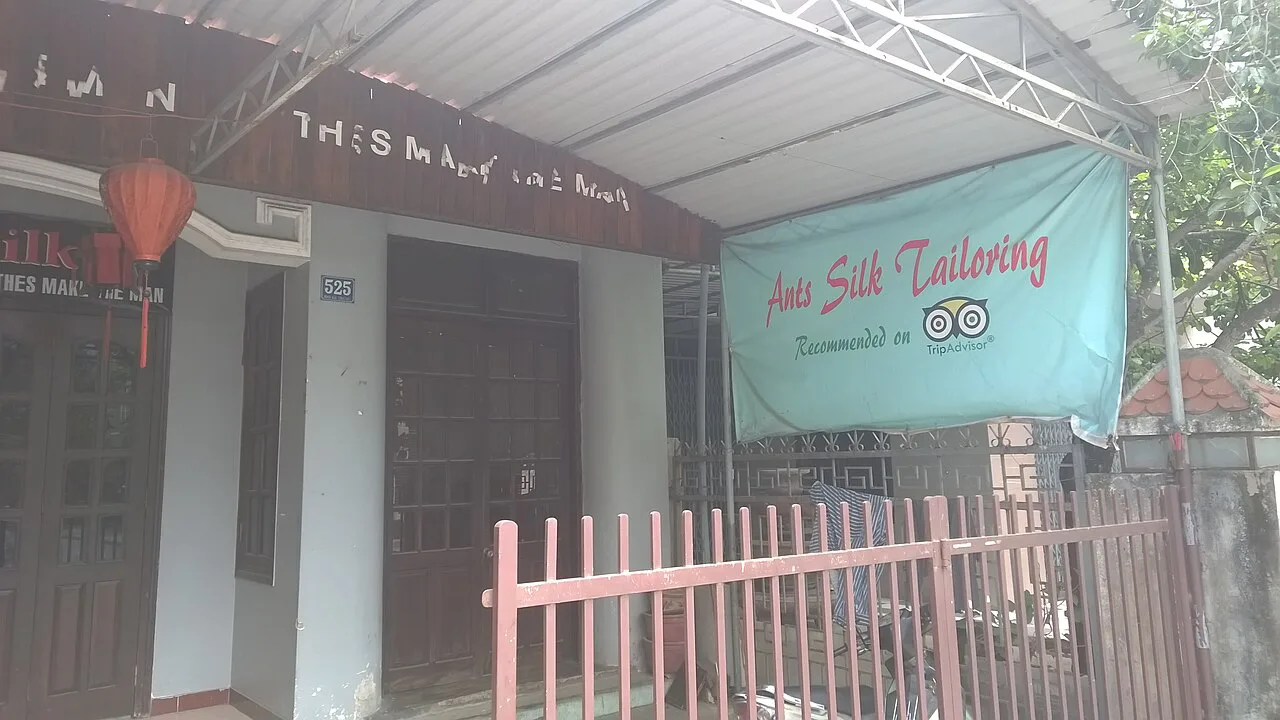
Split the day. Use mornings for anything outdoors, since dry spells often come early. Move to covered activities after lunch. A cooking class with a market visit keeps you mostly sheltered. A tailor fitting, a museum or heritage house, and an Old Town café fill a wet afternoon. Pottery at Thanh Ha village also works indoors. Pre-booked outdoor tours need a rebooking clause. On flood days, ground-floor shops and many Old Town venues close, so keep a hotel or café plan ready.
What to Eat on a Wet Day
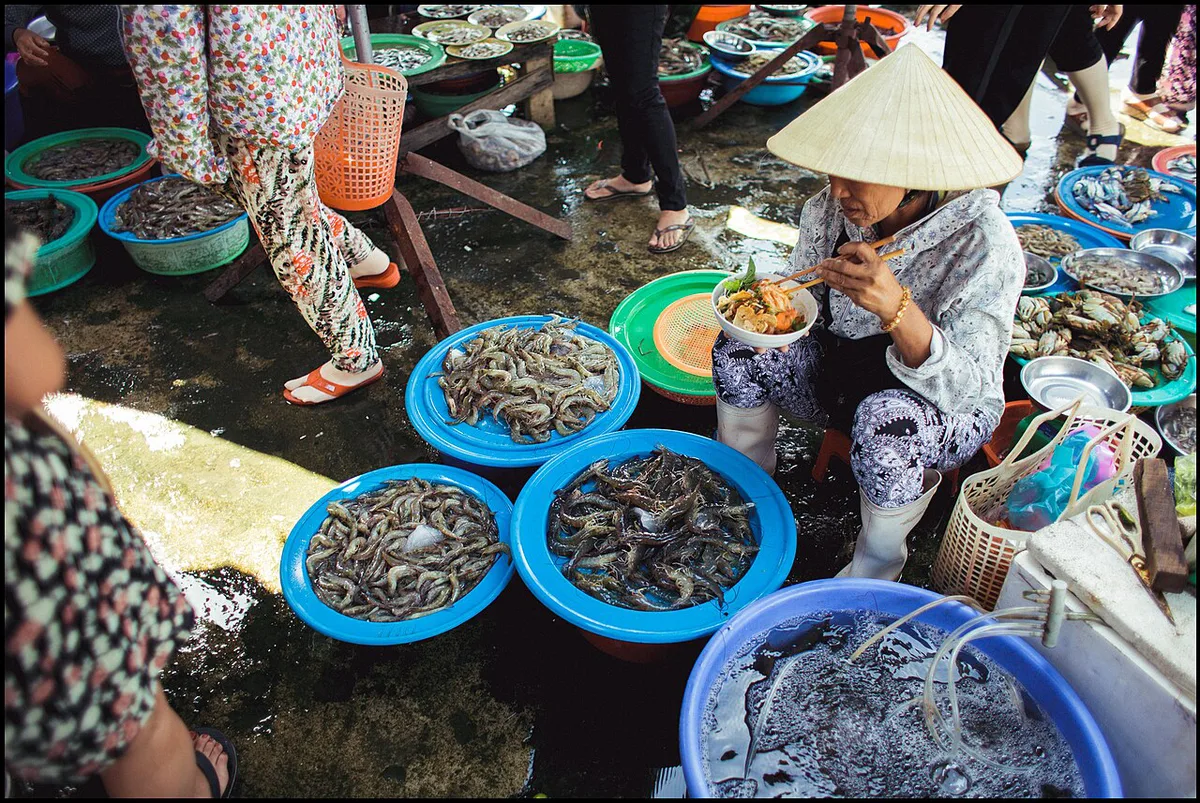
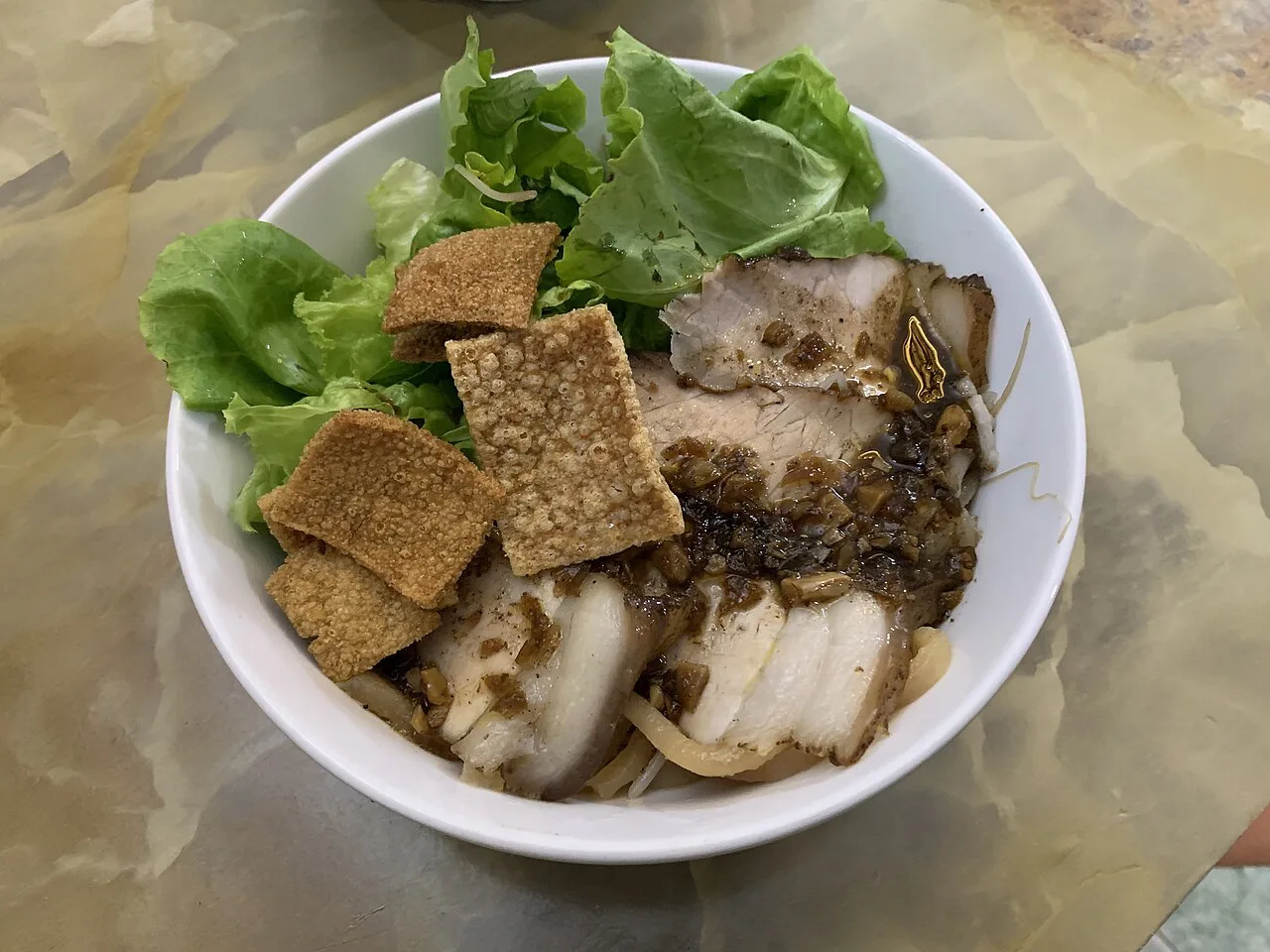
Hot dishes suit damp weather. Try cao lau, mi quang, banh xeo, white rose dumplings and chao (congee). Snail curry is a warming evening option. Look for small covered eateries around the Old Town and the central market area. Banh mi is an easy takeaway when showers ease.
What to Pack and How to Get Around
A lightweight poncho beats an umbrella, especially on a bicycle or scooter, because coastal wind wrecks umbrellas. Bring quick-drying clothes and waterproof sandals, since canvas shoes can take days to dry. A dry bag protects your phone and passport. Pack a light layer for evenings from December. Scooters get risky on slick roads, so use taxis or Grab when downpours hit. Availability can thin in heavy rain, so allow extra time.
Cost and Booking Strategy
Rooms and tours often cost less in the wettest weeks. Here is an illustrative case. If a room is ₫1,200,000 in March, ask what the same room costs in October, then weigh the saving against flood risk. Choose upper floors and free cancellation. Check that your travel insurance covers storm and flood disruption. Rates change by hotel, so compare directly before booking. For general trip planning, Vietnam's national tourism site is a starting point.
Frequently Asked Questions
When should I avoid Da Nang?
Avoid October and November if you want a standard outdoor holiday. Those months carry the highest risk of heavy rain, local flooding and rough seas. Flights can also be disrupted in storms.
What is the rainy season in Vietnam?
Vietnam's regions have different rainy seasons. For Hoi An and the central coast, the wet period typically falls from about September to December. Check the national forecast service for current storm and flood updates.
Useful notes for your Vietnam trip
Optional updates to our guides.
You might also like

Continue reading
More guides you'll find useful