Da Nang Seafood: Where to Eat, How to Order & Avoid Tourist Traps
Where to eat seafood in Da Nang, how weigh-by-kilo ordering works, and how to avoid overcharging. Compare beachfront and local picks by budget and group type.
On this page
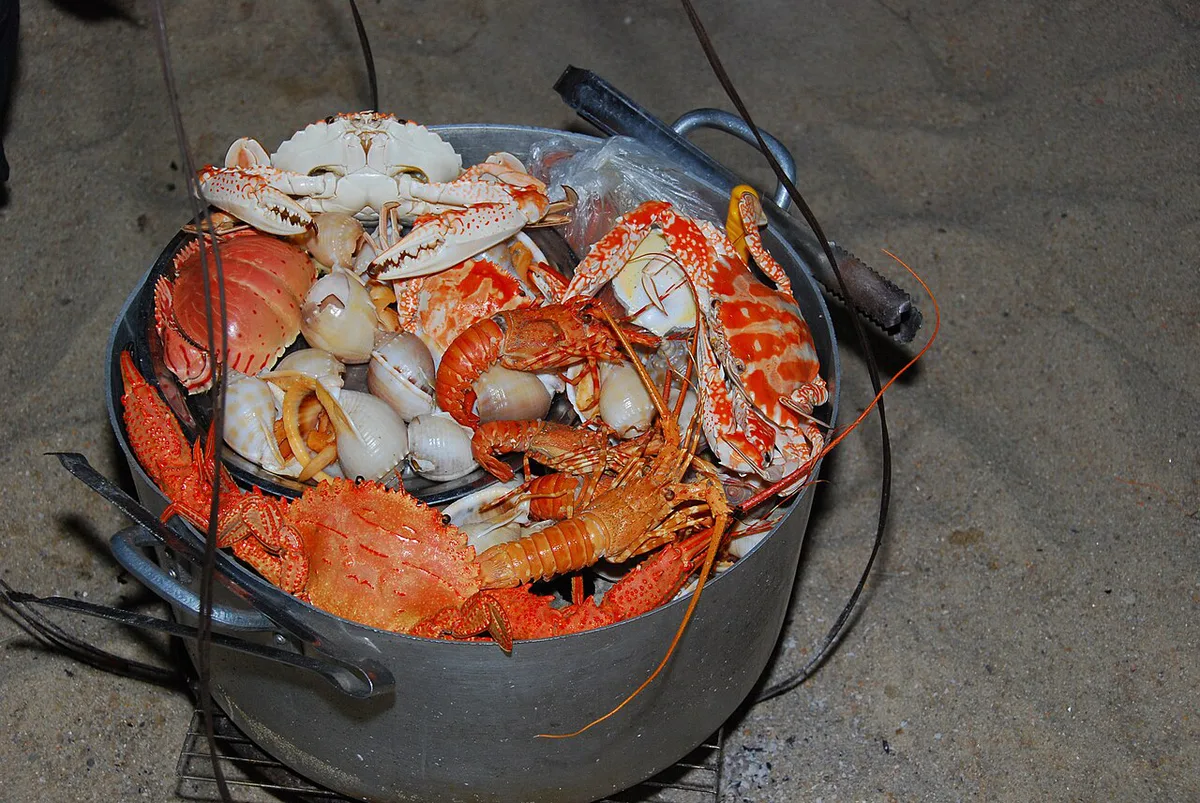
Last updated November 2026. Da Nang seafood is mostly eaten at live-tank restaurants along the beachfront near My Khe. You pick the animal, it is weighed at the table, and you choose how it is cooked. Below you get an ordering checklist, an area comparison, cheaper local fish dishes and ways to avoid being overcharged.
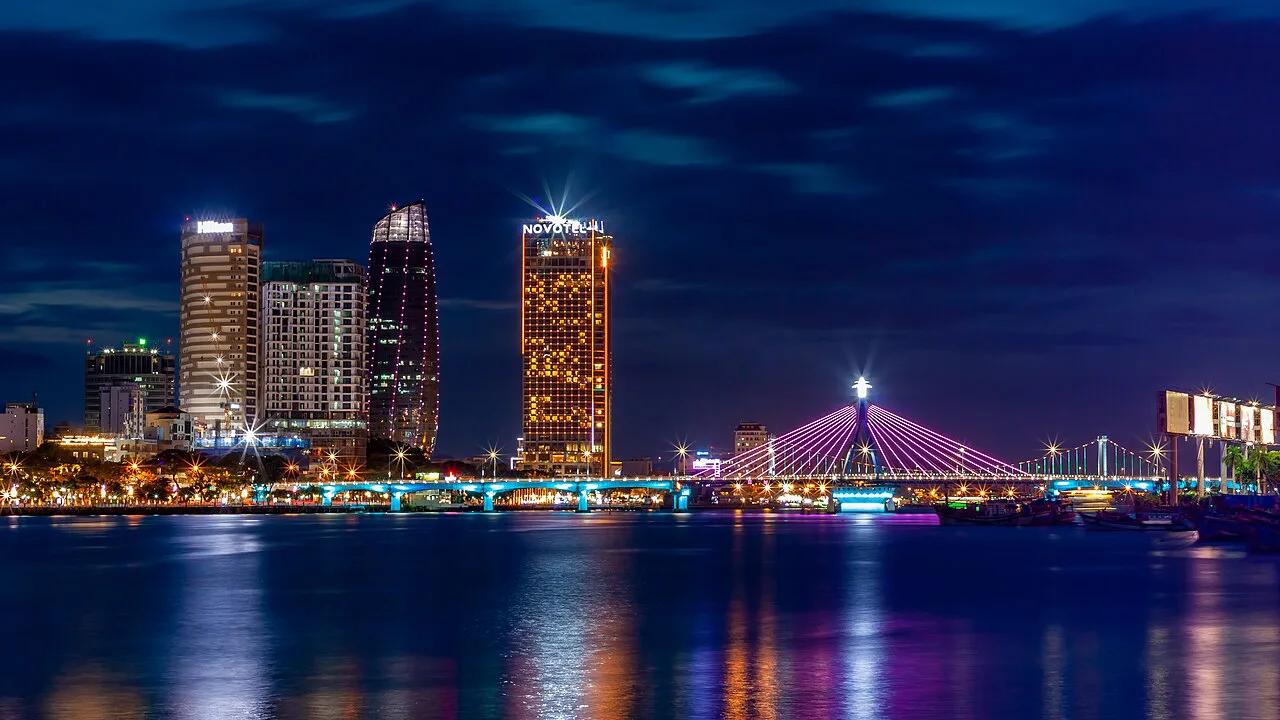
Featured image: Jakub Hałun, CC BY 4.0, via Wikimedia Commons.
Quick answer: where to eat Da Nang seafood and how it works
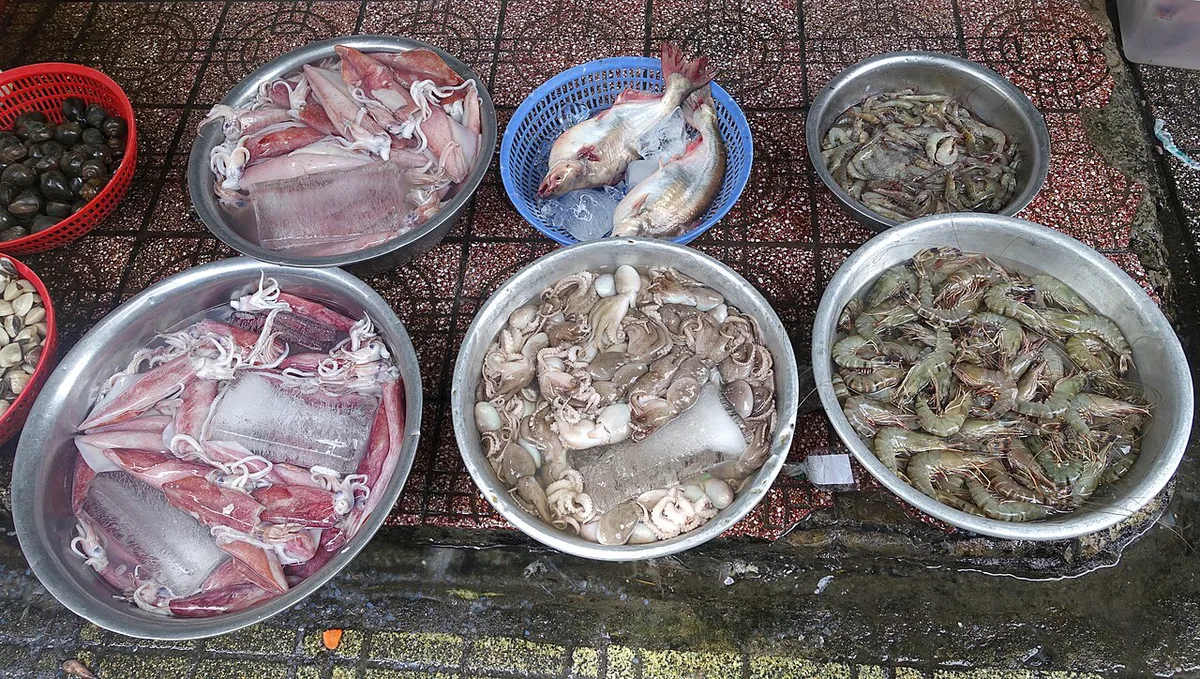
Most visitors eat Da Nang seafood in one of three ways. The first is a live-tank restaurant on the beachfront, where you pay by weight. The second is a buffet, which trades choice for a predictable bill. The third is a cheap local noodle shop serving fish cakes or semi-dried squid.
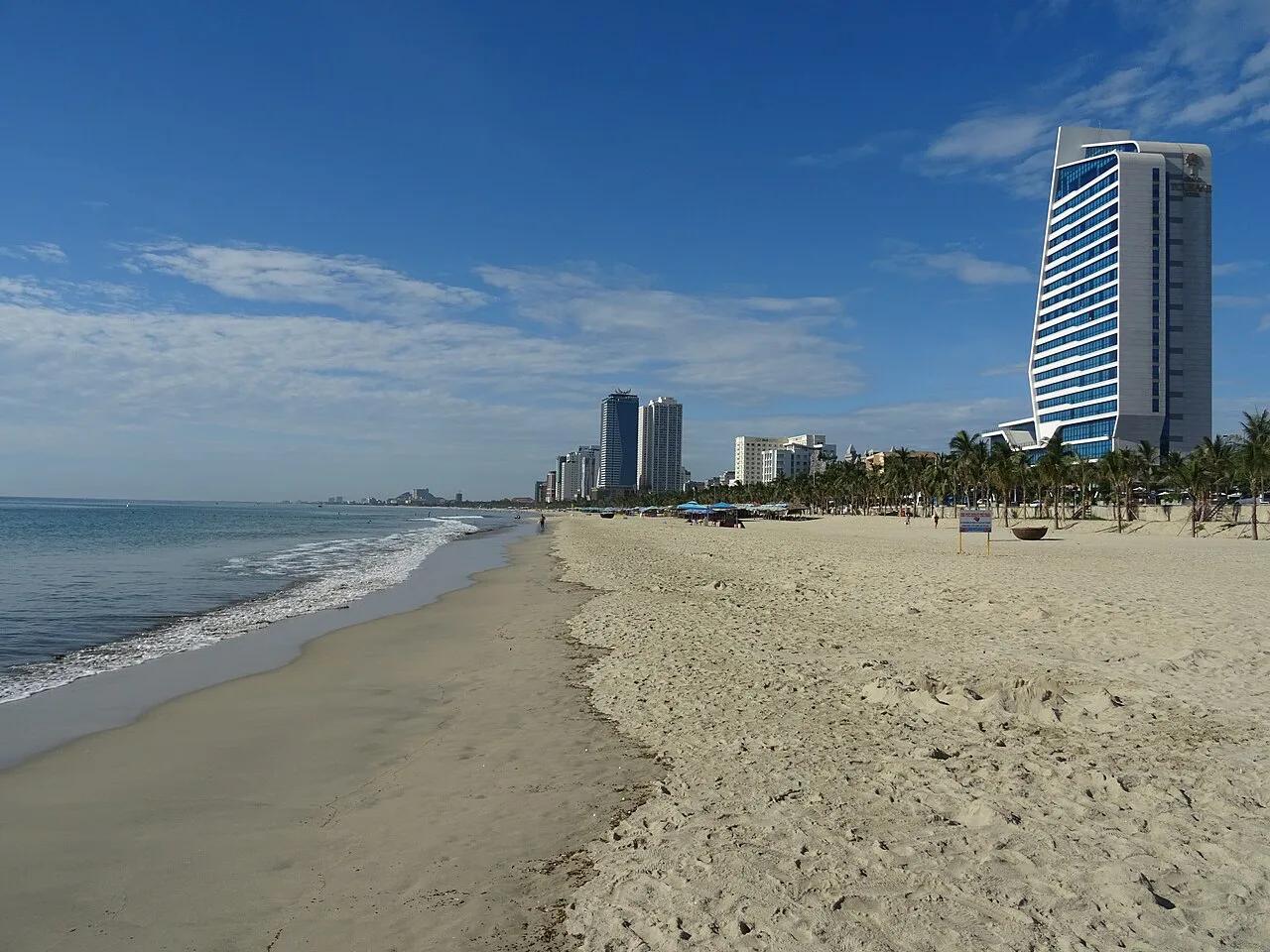
The beachfront strip runs along Võ Nguyên Giáp and Hoàng Sa, near My Khe and Mân Thái. My Hanh sits at 5 Võ Nguyên Giáp in Phước Mỹ, Sơn Trà. Ot Xanh is close by. Dinner is the main sitting. For official visitor information on the city, start with the Da Nang tourism site.
How ordering by weight works
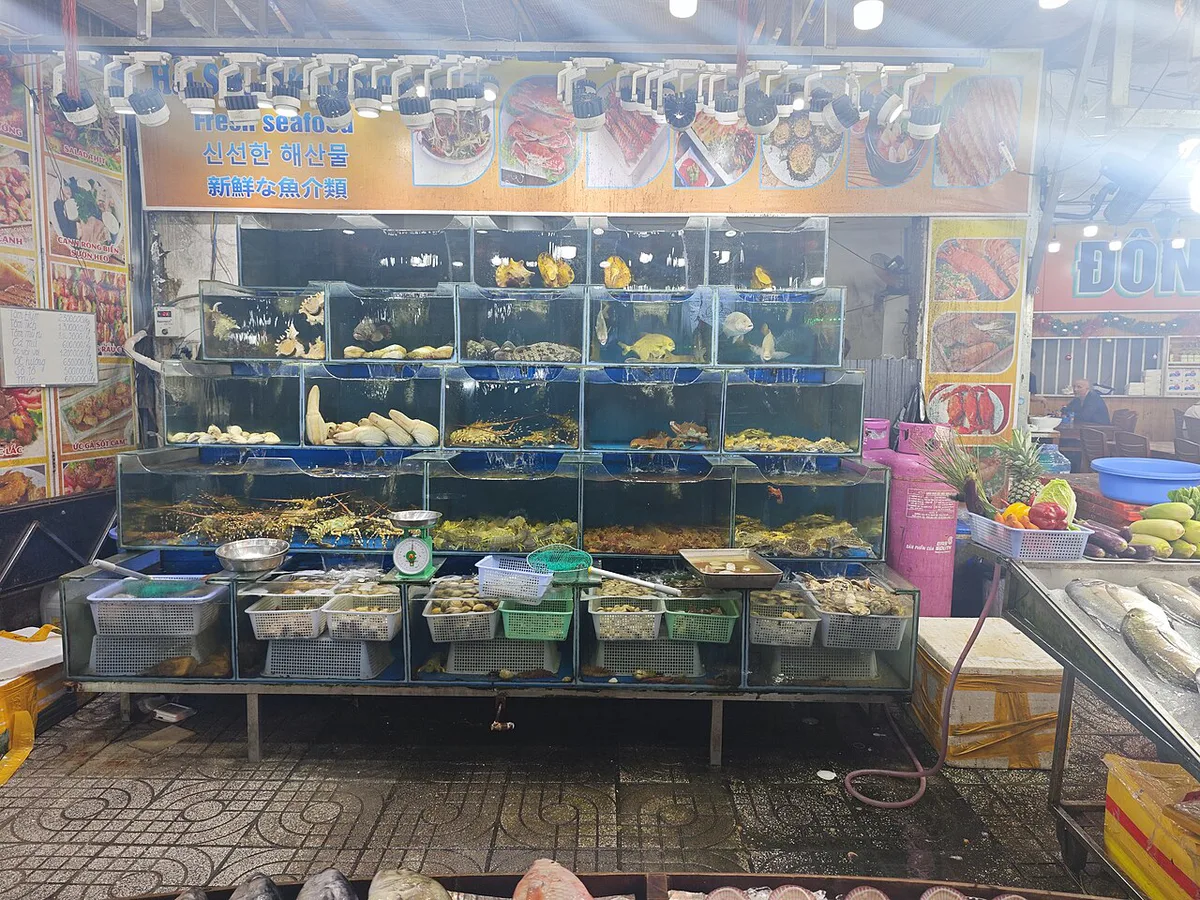
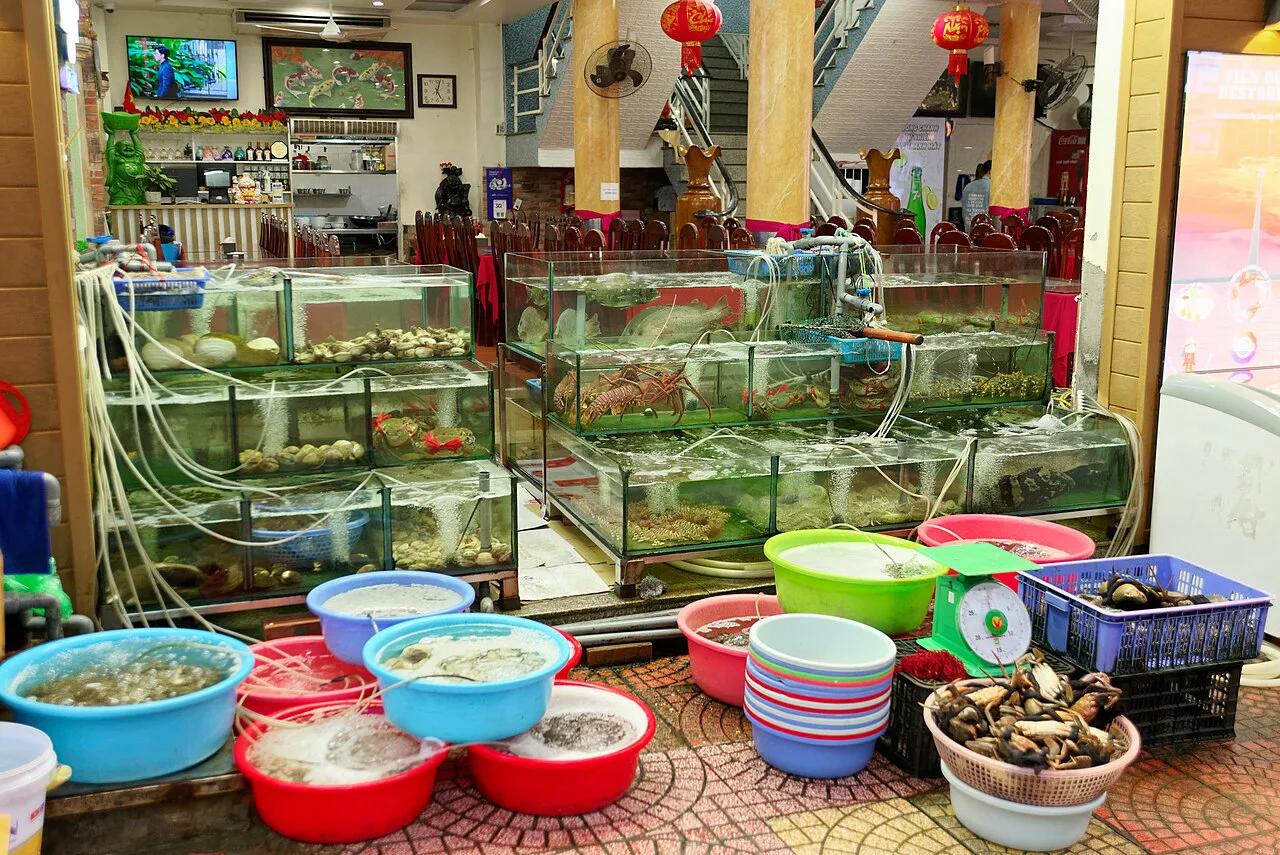
Live-tank restaurants post a price per kilogram for each type of seafood. Staff catch your choice and weigh it in front of you. Foreign visitors often find this confusing the first time, but the steps are simple. Prices and hours change often, so ask at the table rather than relying on a printed figure.
- Walk to the tanks and pick the animal you want: lobster, mantis shrimp, clams, squid or fish.
- Ask for the price per kilogram before anything is netted.
- Watch the weighing and ask for the weight to be stated aloud.
- Choose the cooking method. Staff can suggest the best one for each animal.
- Ask for large animals to be split into several dishes if your group is big.
- Agree the approximate total before cooking starts, then ask for an itemized bill.
Seafood areas compared: Sơn Trà / My Khe, Hoi An side, city centre
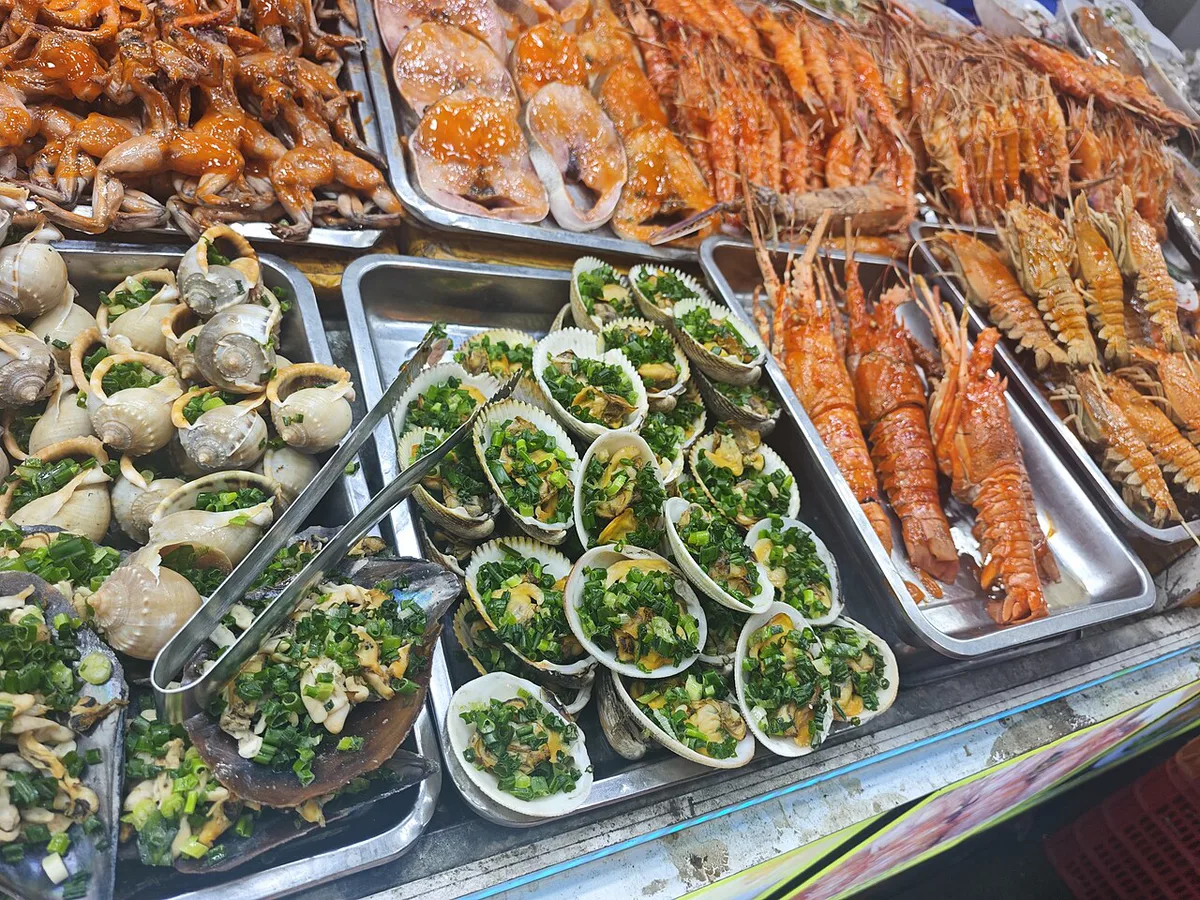
Group your choice by area, not by ranking. The beachfront has the densest cluster of live-tank restaurants. Hoi An visitors have a closer option. The Han River side is better for non-seafood meals.
Madame Lan at 04 Bạch Đằng serves squid opposite the Han River, a sensible stop for mixed groups who want non-seafood dishes too.
My Hanh is known for live tanks, a beach view and efficient service. Phuoc Thai is described as more casual. Bé Mặn is listed by the Michelin Guide seafood page as a busy local spot near My Khe. Năm Giã suits travelers staying nearer Hoi An, with clams, shrimp and grouper on the menu.
| Area | Best for | Setting | Pay model |
|---|---|---|---|
| Sơn Trà / My Khe beachfront | First-timers, groups, couples | Beach-side dining rooms, live tanks | Per kilogram, weighed at the table |
| Hoi An side | Travelers based near Hoi An | Casual, local-style | Per dish or per kilogram |
| Han River, Bạch Đằng | Mixed groups wanting non-seafood dishes | Large Vietnamese restaurants | Per dish |
Which restaurant style fits you
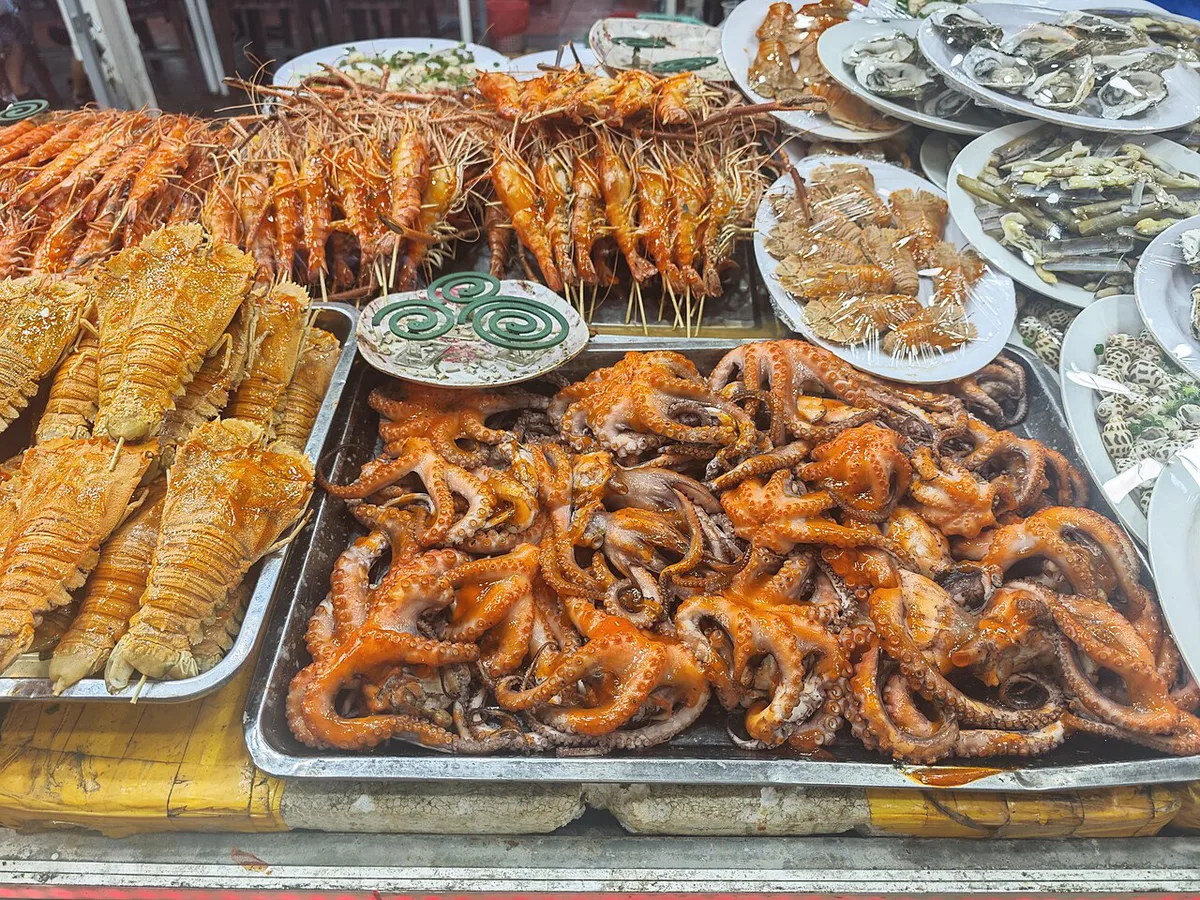
Families and larger groups do well at a big beachfront restaurant. Tanks are easy to point at, and big animals can be split into several dishes. Couples can order one fish and one shellfish and share both.
Budget travelers who skip the kilogram model can eat fish cake noodles at 113/3 Nguyễn Chí Thanh instead of a tank restaurant.
Budget travelers should pick a casual place such as Phuoc Thai, or skip the kilogram model entirely. Food-focused travelers can compare cooking methods across visits. Garlic stir-fried lobster (tôm hùm cháy tỏi) and bivalves grilled with scallion oil and peanuts (nướng mỡ hành) are the dishes to try first.
For two diners, three or four shared dishes is a sensible start. Add more only if the table is still hungry.
Buffet or pay-by-weight?
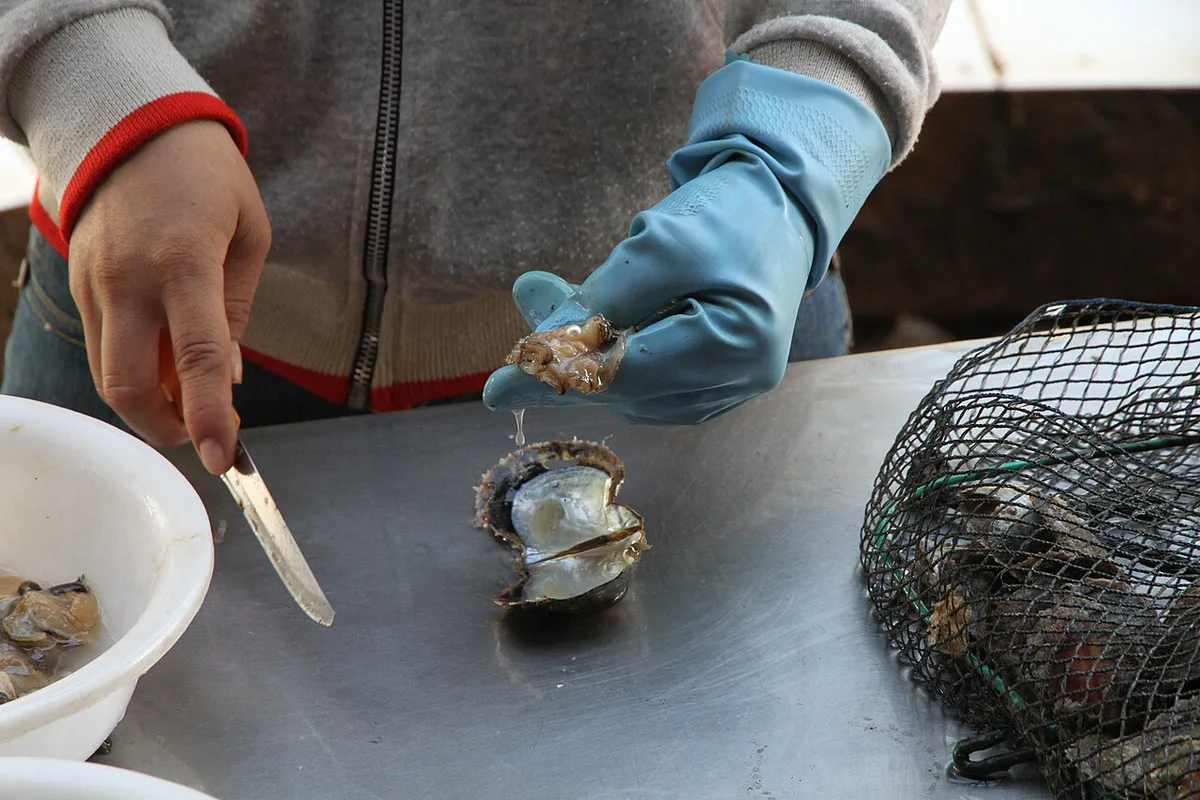
Pay-by-weight gives you the freshest-looking choice, but the bill depends on what the scale says. A buffet gives a predictable total and more variety. Judge any buffet on four points before sitting down.
- What the fixed price includes, and whether drinks are extra.
- Any time limit on the sitting.
- How fresh the stock looks on the ice and in the trays.
- Whether premium items such as lobster are included or charged separately.
Cheaper local seafood dishes
A full kilogram-priced meal is not the only way to eat seafood here. Bún chả cá, fish cake noodle soup, is a very cheap alternative. Bún Chả Cá Hờn at 113/3 Nguyễn Chí Thanh serves fried fish cakes, steamed fish cakes and fish steaks. A bowl with all toppings lets you sample everything.
Mực một nắng is squid sun-dried until the outside firms and the flesh stays tender. It is then grilled. Madame Lan at 04 Bạch Đằng, opposite the Han River, serves it as a signature dish. For the wider picture, read our Da Nang food guide.
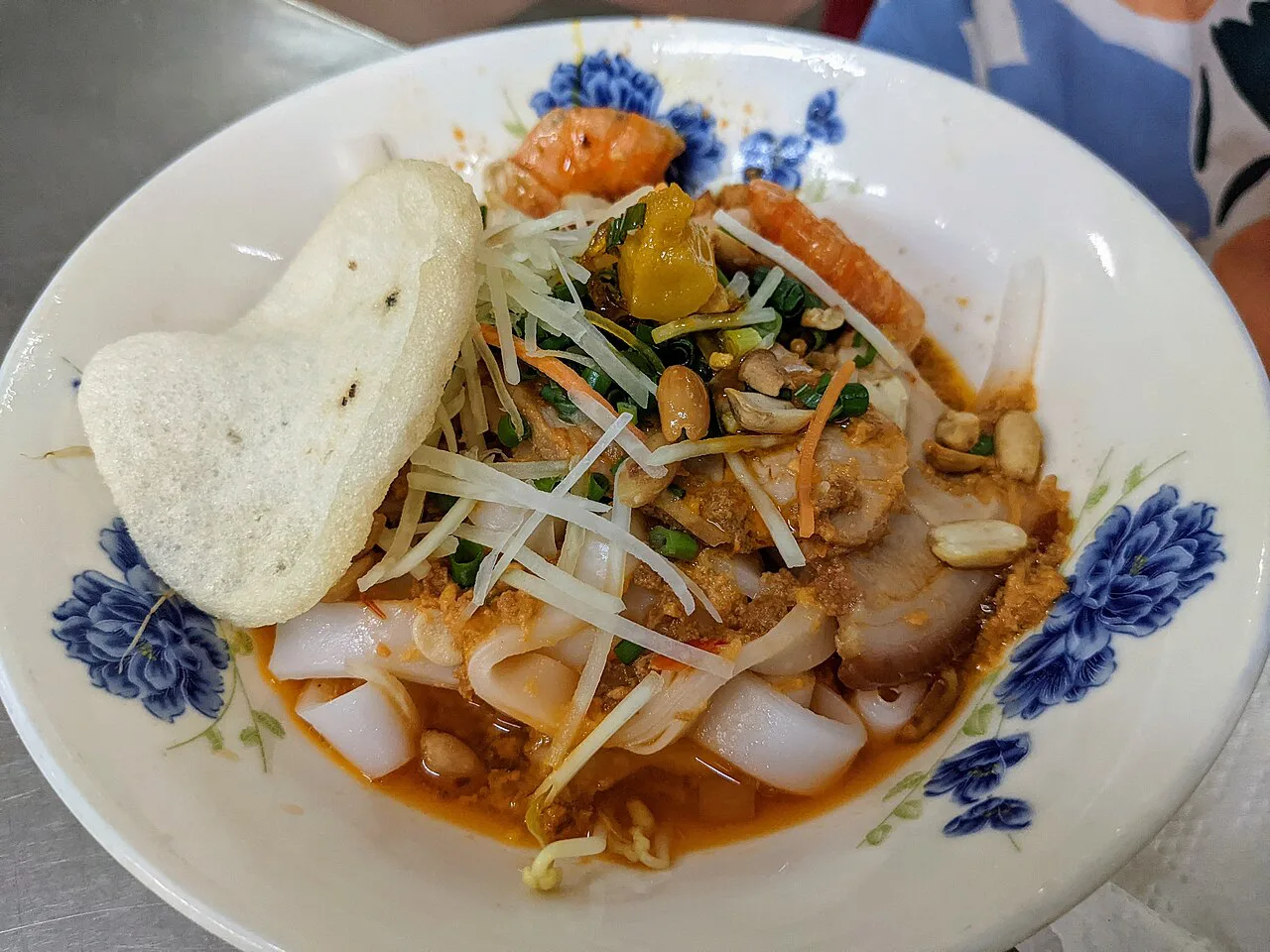
Noodle fans should try the city's signature non-seafood dish, mì Quảng. Local seafood and street food are also sold around Han Market Da Nang: What to Buy, Eat and When to Go and Con Market.
Avoiding tourist traps and overcharging
Be careful with restaurant recommendations from taxi drivers. Some drivers reportedly receive commissions for bringing tourists to certain restaurants. Book your own ride, or use Grab, which has plentiful cars around the city.
Watch for behaviors rather than names. Red flags include no posted per-kilogram prices, reluctance to weigh in front of you and a bill that is not itemized. Ask for the price before ordering, and check the weight and total before cooking.
- Ask the per-kg price first.
- Watch the weighing.
- Ask for an itemized bill.
- Treat unsolicited recommendations with caution.
- Ask for a split if one animal is very large.
Practical tips: timing, reservations, getting there, payment, allergies
Dinner is the main sitting, and seafood meals run long and shared. Reserve ahead for groups and busy evenings. Opening hours and card acceptance differ by venue, so check the venue's own listing.
From beachfront hotels you can walk to some restaurants or take a Grab. Tell staff about shellfish or other allergies before ordering. Avoid raw or undercooked shellfish if you have a sensitive stomach. Large bivalves can be chewy, so choose small clams if you prefer a softer texture.
For non-seafood or upscale evenings, see our guide to the 8 Best Restaurants in Da Nang: Local Eats to Fine Dining.
Frequently Asked Questions
Is Da Nang known for seafood?
Yes. Live-tank restaurants along the beachfront near My Khe are a main way visitors eat in the city. Cheaper fish cake noodles and semi-dried squid are local favorites too.
Where to buy fresh seafood in Da Nang?
Live-tank restaurants let you choose and weigh seafood before cooking. Local markets such as Han Market also sell seafood and street food. Ask the price per kilogram before buying.
What food is Da Nang famous for?
Mì Quảng noodles and bún chả cá fish cake noodle soup are signature local dishes. Seafood is the other draw, especially garlic stir-fried lobster and grilled clams.
Useful notes for your Vietnam trip
Optional updates to our guides.
You might also like
Continue reading
More guides you'll find useful