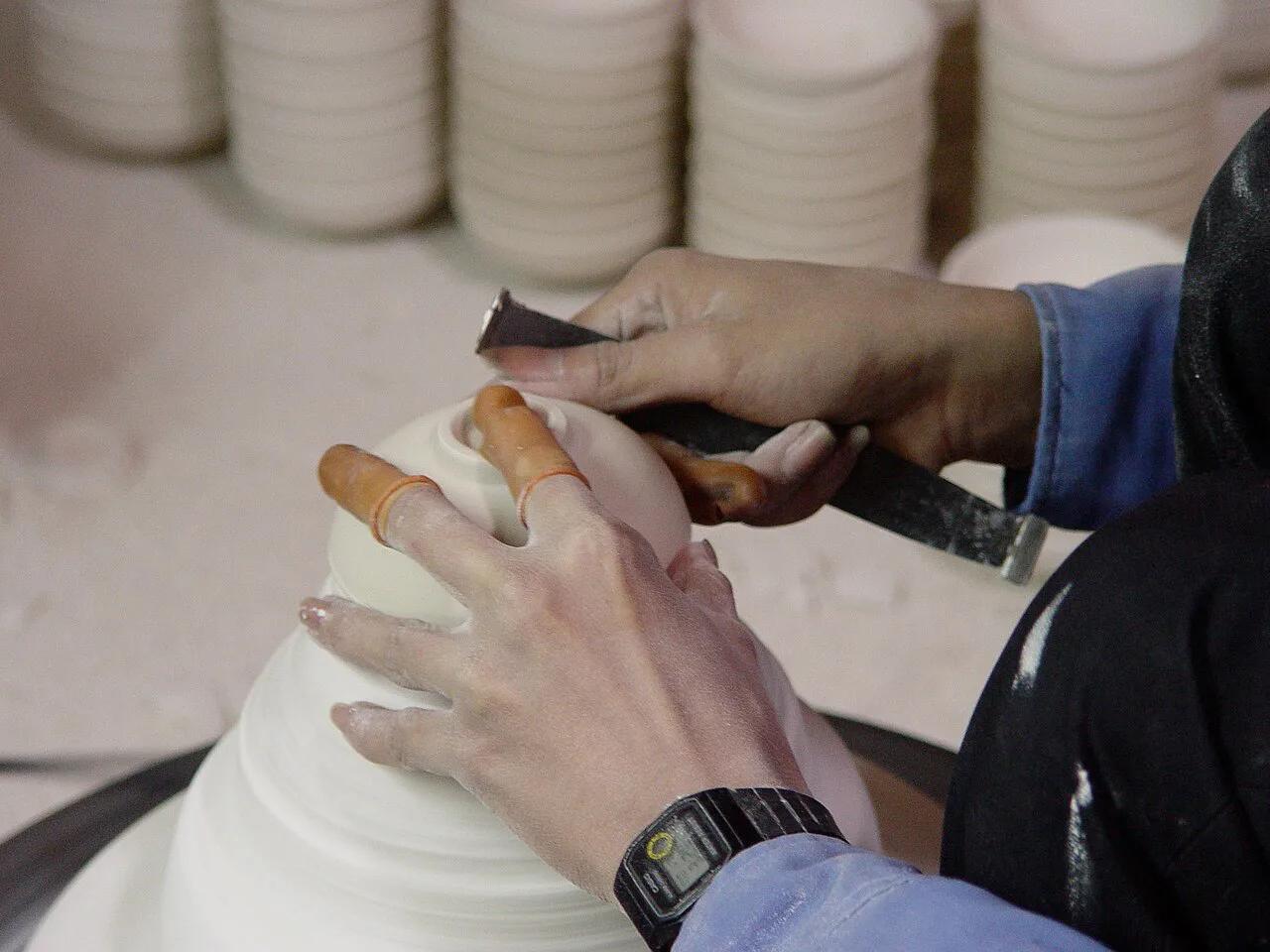
Bat Trang Ceramic Village: Visit Guide From Hanoi
Plan a Bat Trang ceramic village visit from Hanoi: how to get there, what to do, pottery workshops, shopping tips, and how long to stay.
On this page
Last updated November 2026. Bat Trang ceramic village sits in Gia Lam district, about 15 km (9 miles) from central Hanoi, and suits a half-day trip. Browse pottery lanes, watch kiln work and try a clay class, all within one compact commune. Our guide covers transport, workshops, buying rules and a time-boxed plan.
Featured image: Steven C. Price, CC BY-SA 4.0, via Wikimedia Commons.

Bat Trang Ceramic Village at a Glance
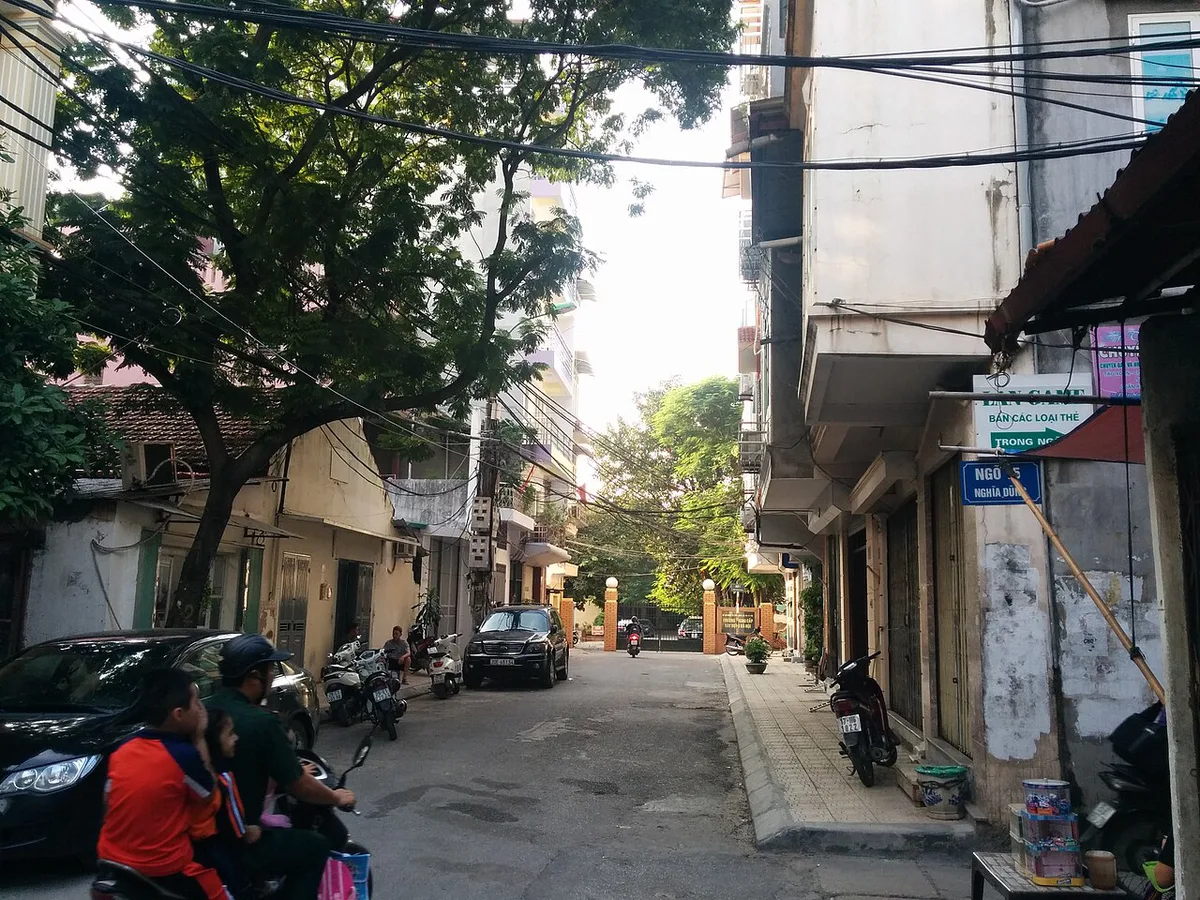
Bat Trang is a pottery-making commune in Gia Lam district, Hanoi, roughly 15 km from the city centre. Plan three to four hours on site, which makes it one of the easiest outings in our 7 Best Day Trips From Hanoi: Times, Costs & Seasons cluster. Expect shops, workshops and kiln yards rather than temples or scenery. Local administrative names have changed in recent years, so map apps may label the area slightly differently. Search for "Bat Trang" and the pottery lanes will come up.
- Best for: shoppers, families, craft lovers and photographers
- Time needed: half a day, with a morning start
- Cost level: low for transport and browsing, moderate for workshops and quality pieces
- Main risk: fragile purchases on the return trip
Is Bat Trang Worth Visiting?
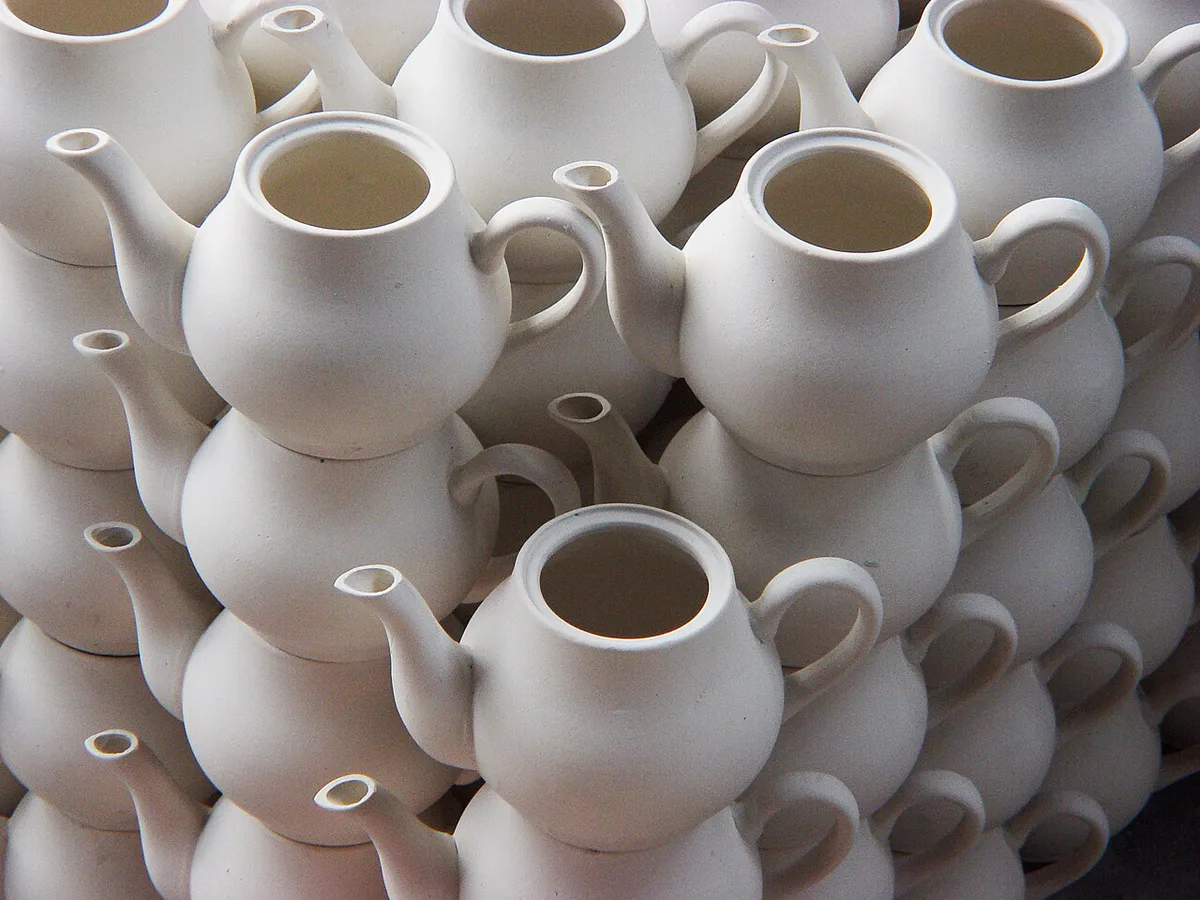
Go if you want to handle finished ceramics, compare glazes and meet makers. It rewards people who like to shop with purpose, whether for tea sets, bowls or vases. Families with children enjoy clay sessions, and photographers find colour in glaze racks and kiln yards. Skip it if you want quiet heritage architecture or open countryside. Lanes get crowded on weekends, and workshop yards turn hot in summer. Visitors short on time may prefer a longer, scenic excursion instead.
How to Get to Bat Trang From Hanoi
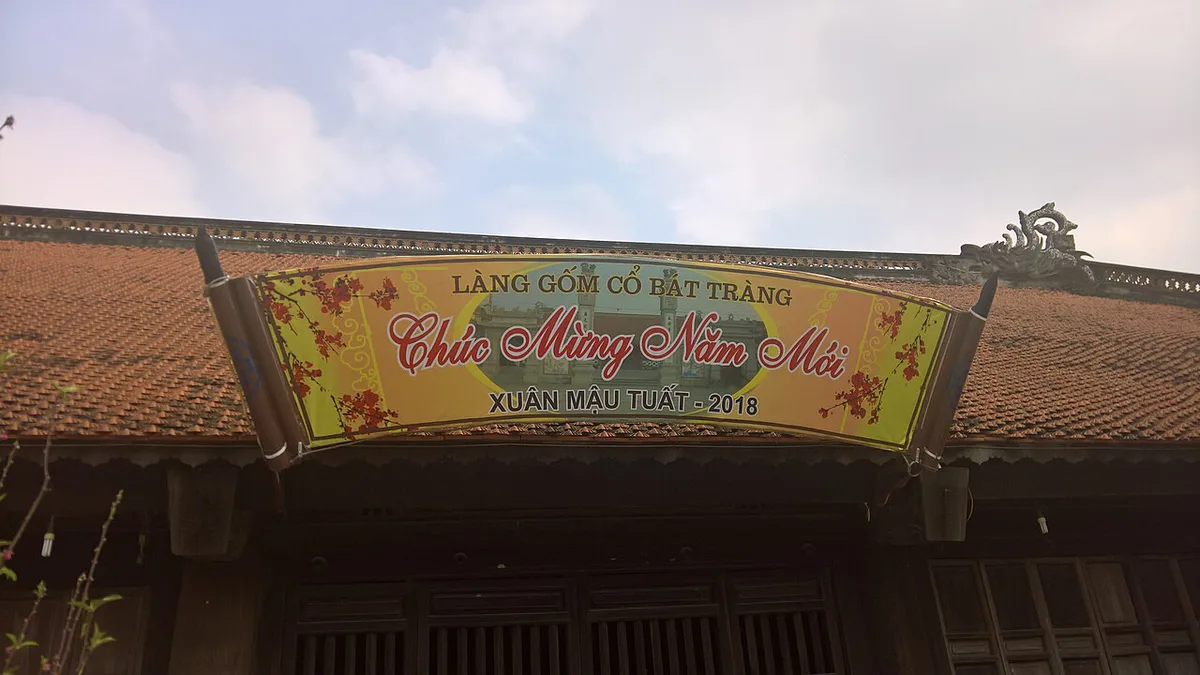
Bat Trang lies about 15 km east of central Hanoi, so every option fits inside a morning. Local buses run from the Old Quarter area and cost the least. Route numbers and fares change, so check them on the Hanoi tourism site or a transit app before you leave. Ride-hailing is the easiest choice with fragile shopping. Book the return from the village entrance, since pickups can take longer once you leave the main lane. Cash is useful at small stalls, so carry some small notes from an ATM in Hanoi.
| Option | Effort | Relative cost | Best for |
|---|---|---|---|
| Public bus | Transfers and walking | Lowest | Budget travellers with light bags |
| Taxi or ride-hailing | Door to door | Moderate | Families and heavy shoppers |
| Motorbike | Flexible, but traffic is heavy | Low to moderate | Confident riders only |
| Organised tour | Pickup included | Highest | Travellers who want a guide |

What to Do in Bat Trang
Start with the main shopping lanes, where shops sell tableware, tea sets and decorative vases. Then look for kiln yards and open workshops, where you can watch shaping, glazing and firing. A clay class is a good middle-of-the-day stop. Cafes near the lanes give you shade between rounds of browsing. Bat Trang also has a ceramic museum in Village No. 5, built from 2018 on about 3,700 square metres. Its design uses seven intertwined funnel-shaped buildings inspired by potters' wheels. Press coverage in April 2021 described three exhibition floors that trace the craft's history and glaze types. That report came before its opening, so confirm current hours and tickets on the national tourism portal or at the gate before building your day around it.

Pottery Workshops: What to Expect and How to Choose
Most workshops let you shape a bowl or cup on a wheel or by hand, with a staff member guiding you. Sessions are short, so your piece will not be finished when you leave. Clay must dry, then be glazed and fired. Ask three questions before paying: how long firing takes, where you collect the piece, and whether they ship abroad. Many travellers fly out within days, which makes same-day collection impossible. Choose a private session if you want more coaching. Pick a group class if you just want a relaxed hour with clay.
- Ask when your piece will be fired and ready
- Ask whether collection or shipping is offered
- Ask what the session price includes before booking
- Wear clothes that can get dirty

Buying Ceramics: Tips and Mistakes to Avoid
Walk the whole main lane before buying anything. Similar bowls vary in finish and price from shop to shop. Check each piece for chips, hairline cracks and glaze pooling on the base. Tap the rim gently and listen for a clear sound. Ask sellers whether an item is meant for food use or decoration only. If the answer is vague, treat the piece as decorative. Bargaining is normal at market stalls, so stay polite and offer a fair counter. Pack with bubble wrap or paper, and carry delicate pieces in your cabin bag. Shops can often arrange shipping for larger orders.
- Buying from the first shop you pass
- Booking a workshop without checking firing and collection
- Arriving without a packing plan
- Visiting at midday in hot months
- Assuming the museum is open without checking
Sample Half-Day Plan

Arrive by 9:00 on a weekday if you can, since weekend lanes fill quickly. Use this route as a template and adjust it for weather. If it rains, shift to the museum and covered showrooms. In midsummer heat, do outdoor kiln yards early and shop indoors later.
Keep the 13:00 museum slot flexible and confirm hours first: the Village No. 5 museum was built from 2018 on about 3,700 square metres.
- 9:00: arrive and walk the main lane without buying
- 10:00: watch kiln or workshop work
- 10:30: join a clay session
- 12:00: lunch and a cafe break
- 13:00: museum if open, then buy your shortlisted pieces
- 14:00: pack purchases and head back before the afternoon rush
Combine or Compare With Other Hanoi Day Trips
Bat Trang pairs well with an afternoon in the Old Quarter, since you can be back by mid-afternoon. For heritage over shopping, compare it with Duong Lam Village: Day Trip Guide from Hanoi. That trip leans on old village houses rather than crafts. A Perfume Pagoda excursion takes a full day and involves a boat ride and a climb. Likewise, Mai Chau from Hanoi works best with an overnight or a very early start. Choose Bat Trang when you have only half a day or travel with young children.
Useful notes for your Vietnam trip
Optional updates to our guides.
You might also like



Continue reading
More guides you'll find useful