Perfume Pagoda Day Trip from Hanoi: Guide & Tips
Plan a Perfume Pagoda day trip from Hanoi: tour vs independent, boat and cable car choices, festival vs quiet season, and mistakes to avoid.
On this page
Last updated November 2026. The Perfume pagoda (Chùa Hương) is a pilgrimage complex in the My Duc area, roughly 60–80 km southwest of Hanoi. A standard visit runs from a road transfer to Duc Wharf, a boat on Yen Stream, then a hike or cable car to Huong Tich Cave. This guide helps you choose between tour and independent travel, cable car and hike, and festival or quiet season, and it sits alongside our other Hanoi day trip ideas.
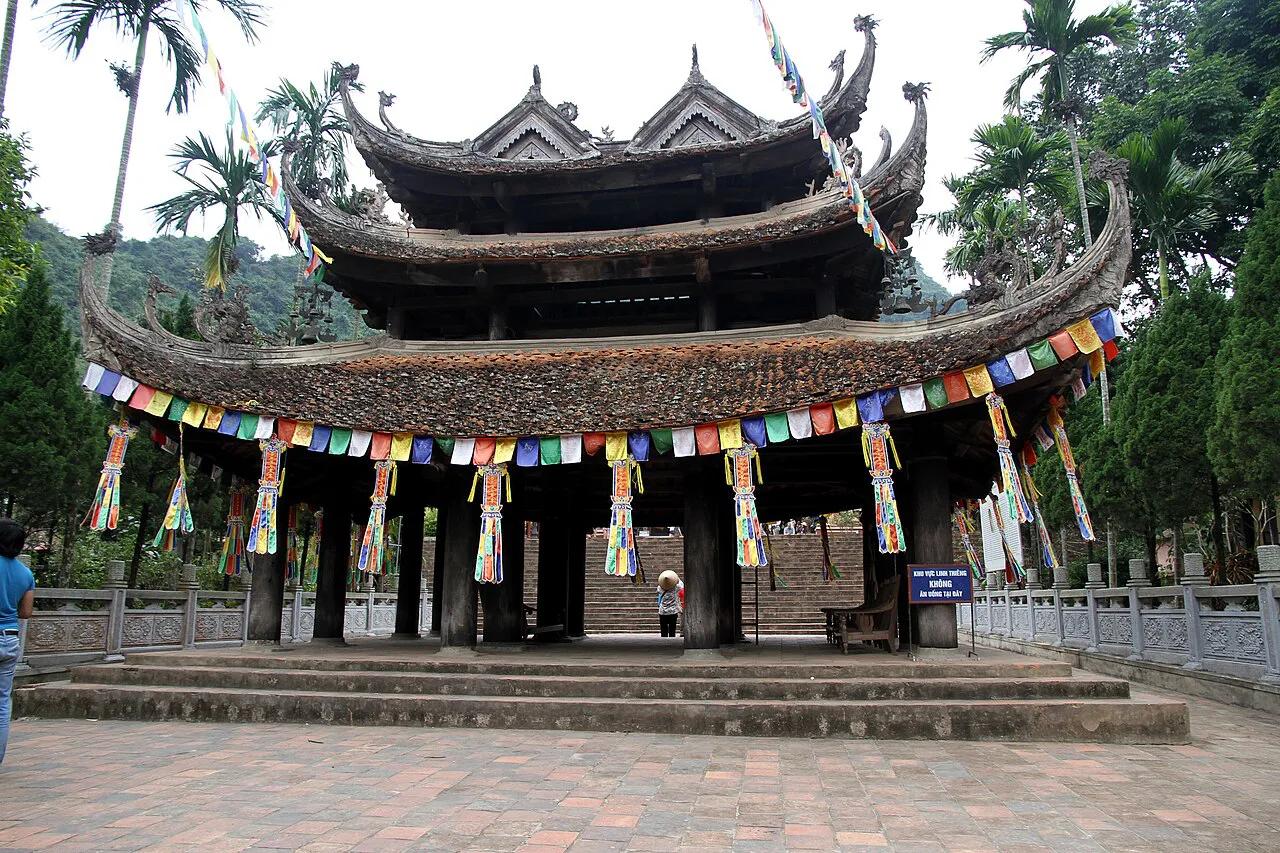
Featured image: Maya-Anaïs Y., CC BY 2.0, via Wikimedia Commons.
Perfume Pagoda at a Glance
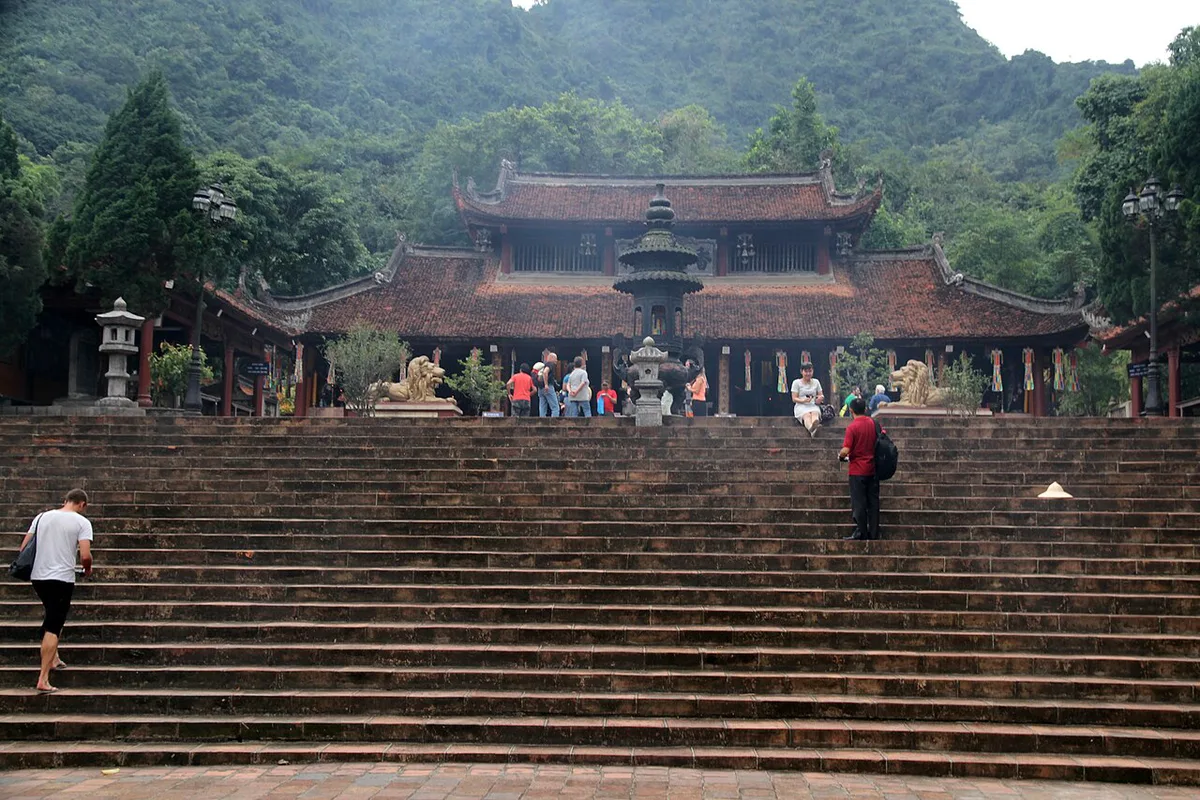
Chùa Hương is a cluster of Buddhist shrines and caves built into the limestone of Huong Tich Mountain. It is an active pilgrimage site, and Quan Am (Avalokiteshvara) is central to its worship. Expect about 60–80 km each way from Hanoi, since sources differ by route and starting point. Plan on a full day, usually 9 to 10 hours door to door. Best conditions come outside festival weeks, with cooler weather from October to December. Families with older children and fit travelers suit it best. Wheelchair users should skip it, because the site is not wheelchair accessible.
- Distance: roughly 60–80 km (about 37–50 miles) southwest of Hanoi
- Road leg: about 1.5–2 hours to Duc Wharf (Ben Duc)
- Boat leg: about 45 minutes on Yen Stream to Thien Tru
- Climb: about 2 km (1.2 miles) on foot, or the cable car
- Best for: pilgrims, walkers, and anyone who likes a river-and-cave day
Is the Perfume Pagoda Worth a Day From Hanoi?
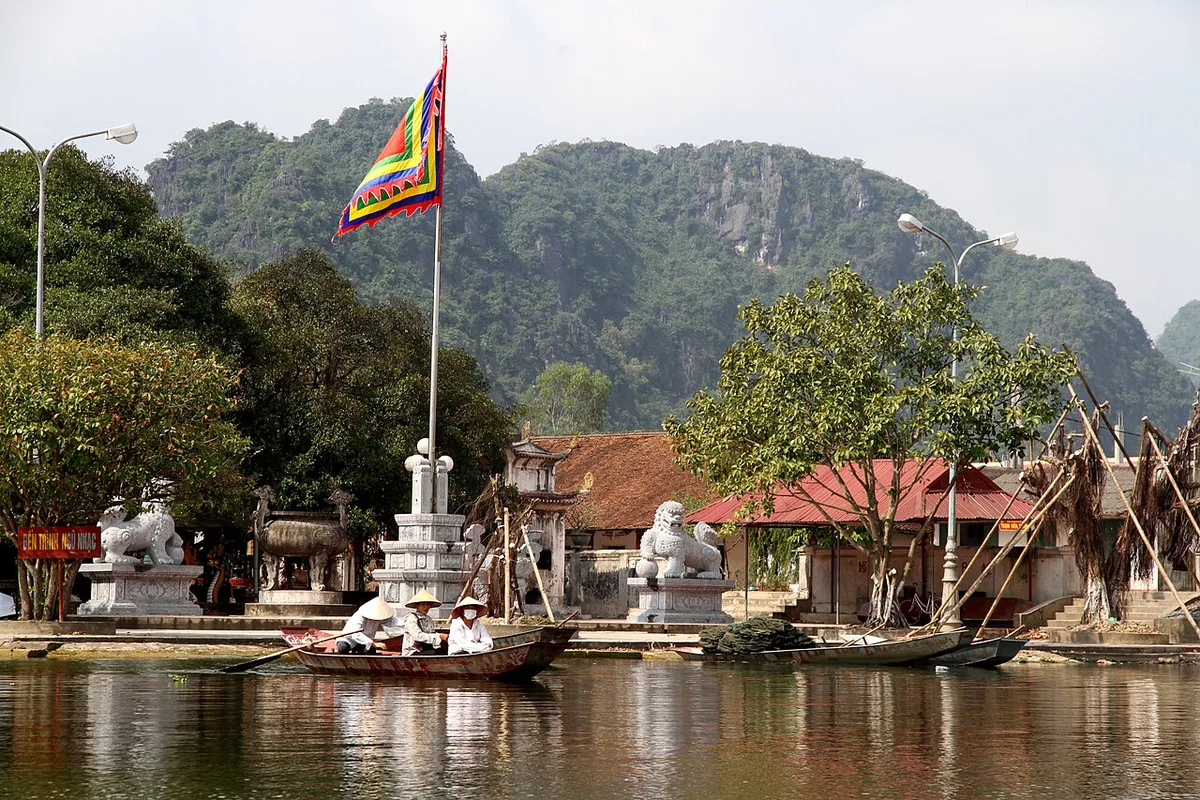
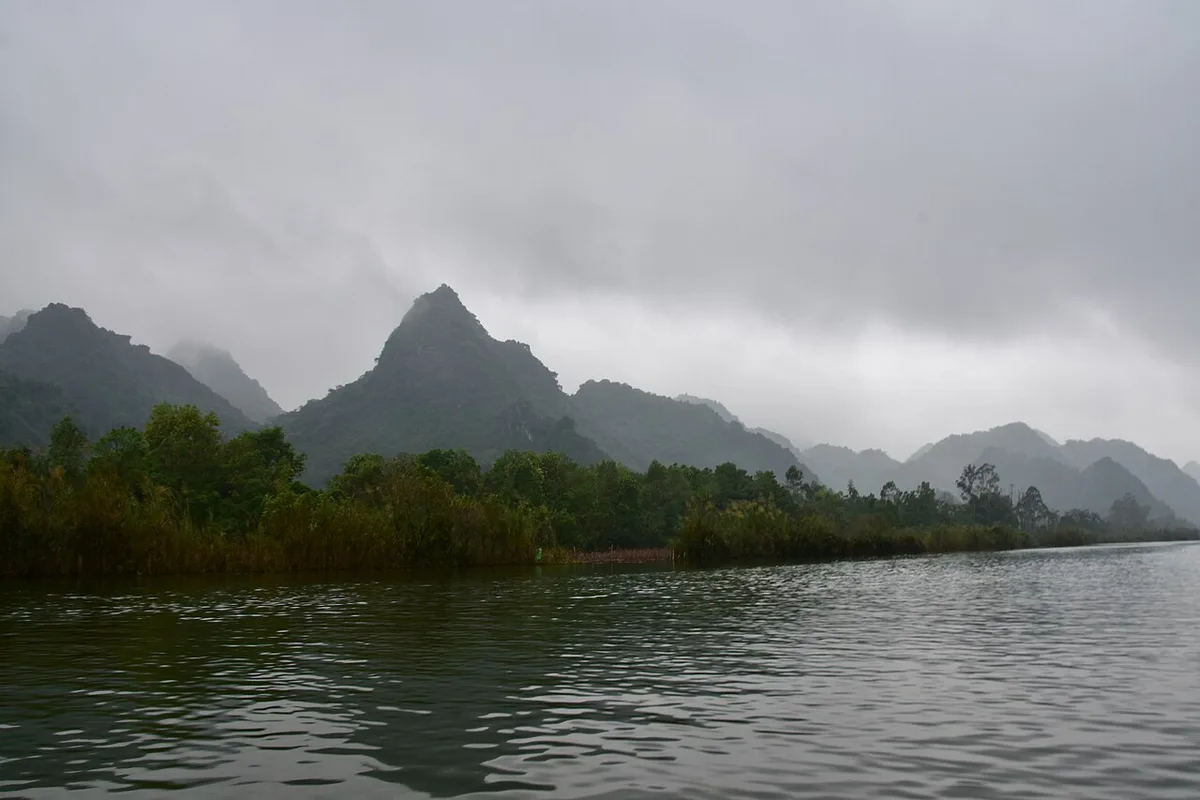
It is worth the day if you enjoy the journey as much as the destination. Local women row the boats between limestone cliffs, and paddy fields flank the stream. At the end, a cave shrine holds an altar to Quan Am. Tradition dates the first temple to the 15th century. Skip it if you dislike long road legs or crowds. Short on time? Pick a closer excursion, such as the half-day ceramics trip to Bat Trang. The pagoda also asks for modest dress and quiet behavior, so treat it as a pilgrimage first and a sightseeing stop second.
Getting There: Tour vs Private Car vs Bus
You have three realistic options from Hanoi. A small-group tour handles the road, the boat and the timing for you. A private car or driver gives control over your start time. Public transport is the cheapest but the slowest to coordinate. Buses 211, 78 and 75 are reported to leave from My Dinh Bus Station for the Perfume Pagoda area, and the ride takes around 2 hours. A train to Phu Ly followed by a taxi is reported at about 1 hour 54 minutes combined. Route details change often, so check current services with Hanoi's tourism department before you go. Car and motorbike travelers pass through Thanh Xuan, Ha Dong, Ba La and Van Dinh on the way to Duc Wharf.
Buses 211, 78 and 75 leave from My Dinh, but across 60–80 km each way, timetables are the part to plan around.
| Option | Cost level | Flexibility | Effort | Best for |
|---|---|---|---|---|
| Small-group tour | Low to moderate | Fixed schedule | Lowest | First-timers, solo travelers |
| Private car or driver | Highest | High, you set the start | Low | Families, older travelers |
| Public bus plus boat | Lowest | Low, depends on timetables | Highest | Budget travelers who like logistics |
The Route Step by Step: Wharf, Yen Stream, Thien Tru, Giai Oan, Huong Tich Cave
Think of the visit as a straight line. Each stop below follows the usual order, and no loop is needed.
- Duc Wharf (Ben Duc): board a wooden boat. Note your boat number and the pier before you leave.
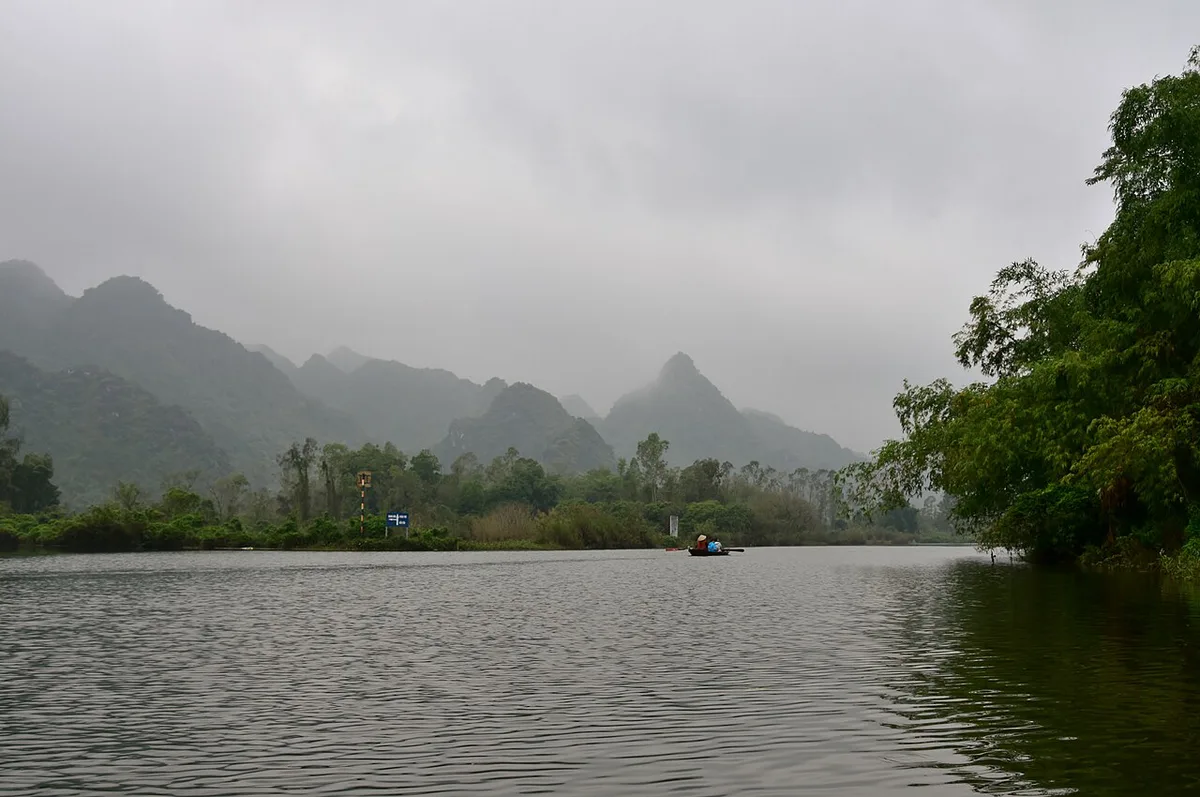
- Yen Stream: about 45 minutes upstream between limestone cliffs and flooded paddies.
- Thien Tru Pagoda: the landing point. A stone path under frangipani trees leads on from here.
- Giai Oan Pagoda: reached along the path. Tradition links it to purification, and a stream with nine springs runs in front.
- Huong Tich Cave: the spiritual heart of the complex, with the altar to Quan Am. Reach it by hiking about 2 km or by cable car.
Cable Car or Hike? How to Choose
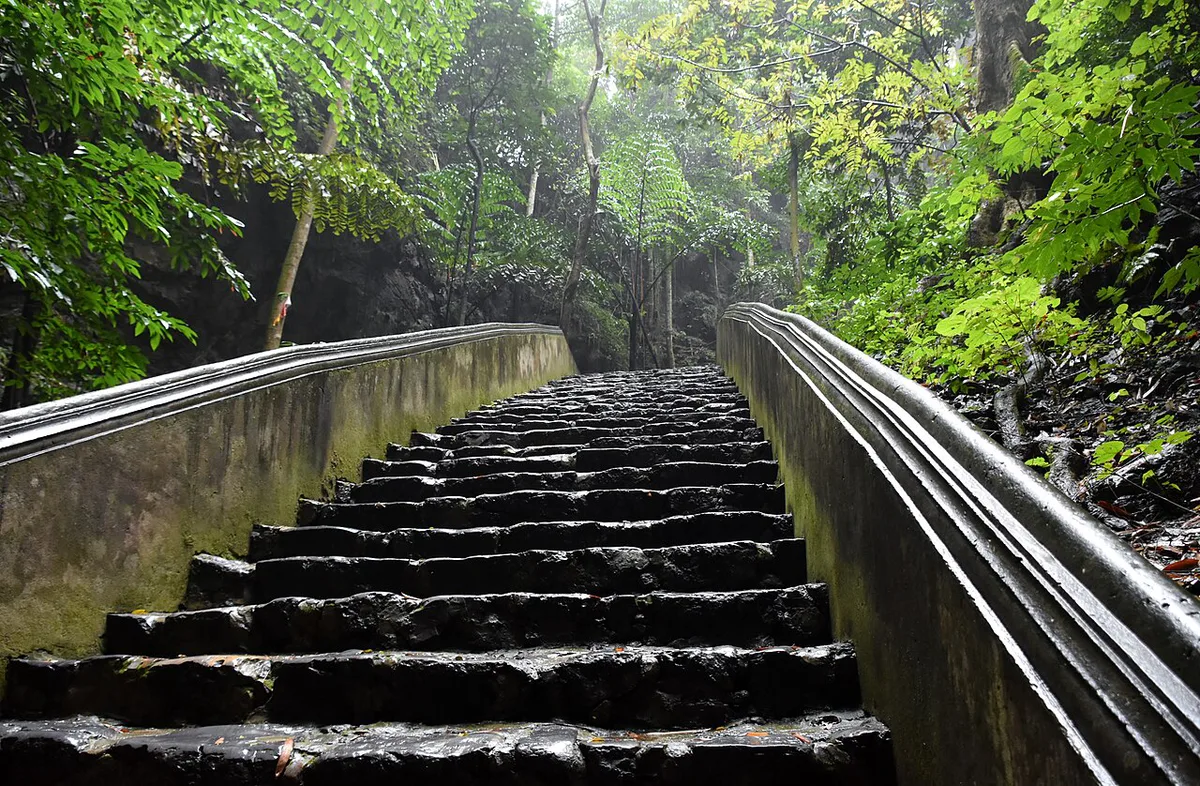
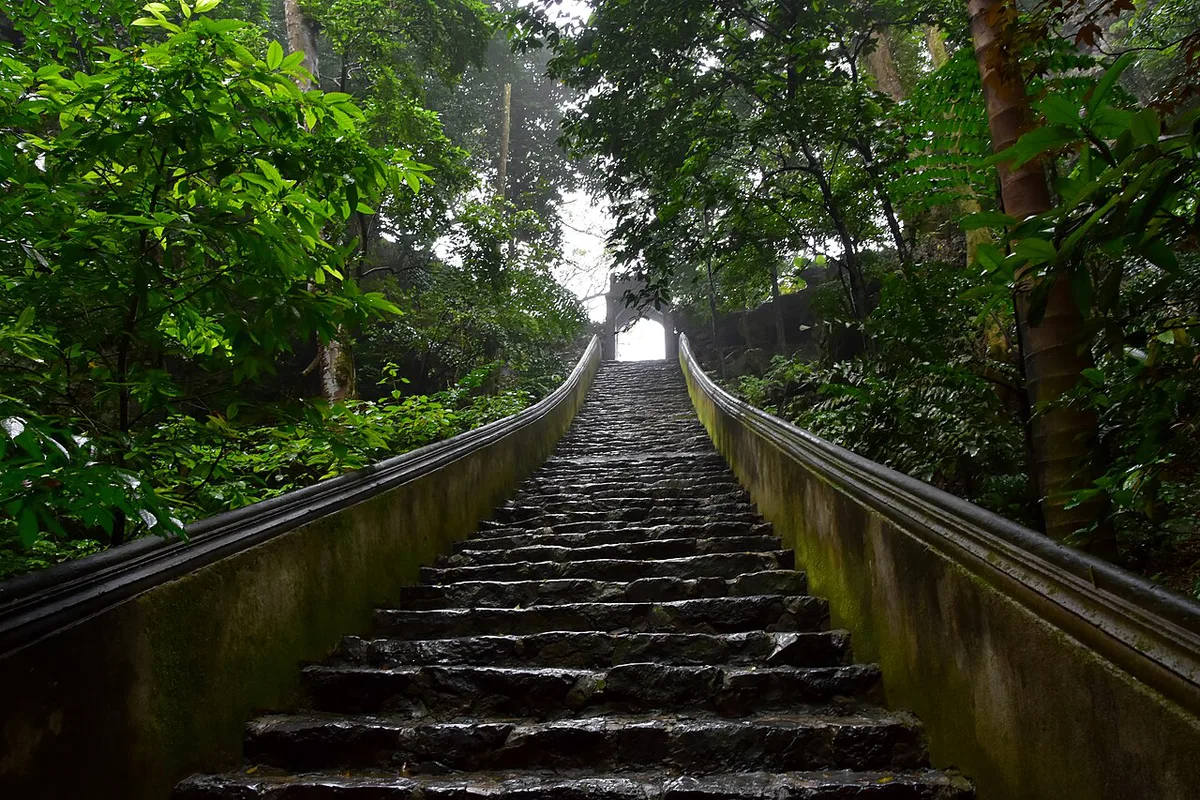
Riding up and walking down is a popular plan, and it makes sense on a dry day. Climbing on foot takes roughly 1.5 hours, and the path is steep in places. Wet stone is slippery, and descents are harder than ascents in rain. Choose the cable car up if you are short on time, traveling with young children, or have tired knees. Choose the hike up if you want the shrines along the path at your own pace. Choose the cable car both ways if the stones are wet and you are unsure of your footing. Check the operator's current status on the day, because cable cars can pause in bad weather.
A Realistic Day Plan and Time Budget
Allow 9 to 10 hours door to door. Traffic and boat queues shift every number below, so treat the times as approximate. Leave Hanoi by 7:00 so that you are not descending in the dark. Add 30 minutes of slack at the wharf during busy weeks.
Walking up takes roughly 1.5 hours, so the 7:00 departure from Hanoi matters if you want to avoid descending in the dark.
- 7:00 depart Hanoi (1.5–2 hours by road)
- About 9:00 board the boat at Duc Wharf (about 45 minutes)
- About 10:00 Thien Tru Pagoda and a walk along the path
- Late morning to early afternoon: cable car or hike to Huong Tich Cave, then lunch
- Early afternoon: descend, return boat, and drive back
- Back in Hanoi by late afternoon or early evening
Festival Season vs Quiet Season: When to Go
The Huong Pagoda Festival follows the lunar calendar, and published start dates conflict. Sources place it from the 6th day of the Lunar New Year to the end of the third lunar month, with crowds from late January into spring. Expect long waits for boats and cable cars, plus stalls along the path. Quiet months offer a calmer pilgrimage. May to September is hot and humid but green, and October to December is cooler. Pick festival season for atmosphere and devotion. Pick a quiet month for space, photos and easier boat boarding. Look up this year's festival dates on Vietnam's national tourism site before booking.
Costs: What You Will Pay For
No verified current fee schedule is available for entrance, boat or cable car. Check the latest rates with the site management or Hanoi's tourism department.
What to Wear and Pack
Dress for a temple, not a beach. Long trousers or knee-length skirts and covered shoulders are the standard advice. Boats have no shelter, so bring a hat, sunscreen and a rain jacket or umbrella. Shoes with grip matter more than anything else you pack. Carry water, since drink stalls along the path overcharge. Keep voices low near altars, and avoid loud conversation during prayers. Do not litter on the trail.
Food and Souvenirs Along the Way
Local specialties near the site include rau sang (sang herb), cu mai (mai root) sweets and che lam, a ginger sticky rice candy. Vegetarian meals are common, particularly during the festival. Souvenir stalls sell prayer beads, incense and small statues. Quality varies, and festival weeks bring the most clutter.
Mistakes to Avoid
Most problems come from timing and footwear, not the site itself.
- Forgetting your boat number and pier: many identical boats line the wharf.
- Wearing smooth soles: wet stone turns the descent treacherous.
- Skipping rain gear: the boats are uncovered.
- Buying drinks at the first stall: prices along the path run high.
- Starting late: you may return to Hanoi after dark.
- Assuming access for all: the site is not wheelchair accessible.
Alternatives and Pairings
Pick something else if the climb or the road leg worries you. A lighter rural day in Duong Lam suits travelers who prefer culture over pilgrimage. Anyone choosing between this and scenery may weigh a mountain-valley trip to Mai Chau. These trips head in different directions, so treat them as separate days rather than a combined route. Browse our full list of 7 Best Day Trips From Hanoi: Times, Costs & Seasons to compare distances.
Useful notes for your Vietnam trip
Optional updates to our guides.
You might also like

Continue reading
More guides you'll find useful