Getting Around Hanoi: Best Transport by Trip Type
Plan getting around Hanoi: when to walk, ride-hail, take the metro or train, what to skip, and how to avoid common transport mistakes.
On this page
Last updated November 2026. Getting around Hanoi is easiest when you match the mode to the neighborhood: walk the Old Quarter, ride-hail across town, and save the metro and train for the trips they actually serve. This guide sorts every option by trip type, then points you to the detailed pages on airport transfers, the metro, Grab and the train station.
Featured image: Francisco Anzola, CC BY 2.0, via Wikimedia Commons.
Quick Answer: The Best Way To Get Around Hanoi
Walk inside the Old Quarter and Hoan Kiem, where lanes are short and cars are slow. Use a ride-hailing app for cross-town trips to West Lake or Ba Dinh. Take the metro only if your route touches its single operating line. Book the train in advance for anything beyond the city. Landing at Noi Bai? Our guide to the airport to Old Quarter transfer covers the first ride. Prices and hours checked November 2026.
Transport Options Compared

Costs below are relative levels, because metered fares and app prices change with traffic and time of day. Scooter rental is the one exception, with a published nationwide range.
| Mode | Best for | Cost level | Speed and friction | Who should skip it |
|---|---|---|---|---|
| Walking | Old Quarter, Hoan Kiem Lake | Free | Slow but direct; street crossings take nerve | Anyone with heavy luggage or mobility limits |
| Ride-hailing car | Cross-town trips, late evenings | Moderate | Fast off-peak; rush hour crawls | Travelers without data or a local SIM |
| GrabBike | Solo riders in a hurry | Low | Quick through traffic; exposed | Nervous passengers, large bags |
| Metered taxi | Airport runs, hotel pickups | Moderate | Reliable if you pick a known company | Anyone who won't watch the meter |
| Xe om (motorbike taxi) | Short hops where you can agree a fare | Low to moderate | Fast, but fares are negotiated | Travelers who dislike haggling |
| Cyclo | A slow loop of the Old Quarter | Highest per minute | Slowest option | Budget travelers |
| City bus | Patient budget travelers | Lowest | Slow; routes take effort to learn | Short-stay visitors |
| Metro (line 2A) | Trips along its one route | Low | Predictable, but limited coverage | Anyone whose stops are off the line |
| Scooter rental | Experienced riders | Low to moderate | Total freedom, total exposure | First-time riders |
| Train | Leaving Hanoi | Varies by class | Station is central; seats sell out | Day-trippers staying in the city |

Getting Around by Area: Old Quarter, Hoan Kiem, West Lake and Ba Dinh
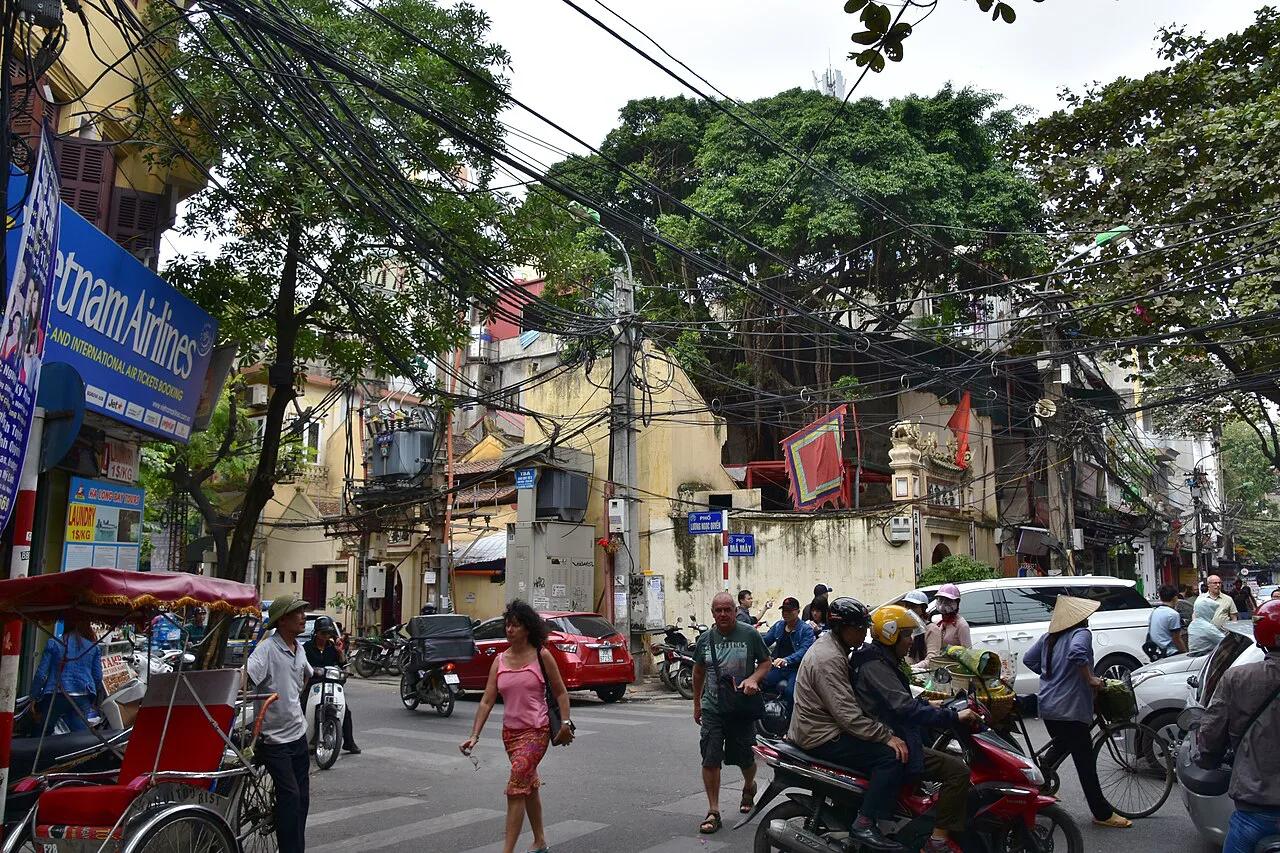
Old Quarter and Hoan Kiem sit side by side, so walking covers most of what you came to see. Lanes are narrow and many are one-way for vehicles. Cars struggle here, and a short ride-hail can take longer than the walk.
Ba Dinh is a short hop from the Old Quarter by car or GrabBike. Walkers can manage it, but sidewalks are often used for parked motorbikes and street stalls. Plan to step into the road at times.

West Lake and the Tay Ho side are the clearest case for a ride-hail car or a GrabBike. Distances between the lake's attractions are too long for casual strolling in the heat. Rush hour slows every road between Tay Ho and the center, so move before the evening peak or accept a slower ride. We do not quote travel times here because they swing widely with traffic.
From the Airport to the Old Quarter
Most arrivals head straight for the Old Quarter, and the choice there is between a metered taxi, a booked ride and a shared option. Our full breakdown of the Noi Bai to Old Quarter options compares them step by step. For flight and terminal details, check the airport operator's site. Agree on a pickup point with your hotel before you land, because Old Quarter lanes can be hard for drivers to enter.
Ride-Hailing and Taxis: How They Work Here
Grab is the main ride-hailing app in Vietnam. Uber sold its Southeast Asia business to Grab, so there is no Uber to open in Hanoi. Other local apps exist, but Grab is the one most visitors install. Read how it works in our Hanoi Grab guide, and see the operator's Vietnam page for current services.
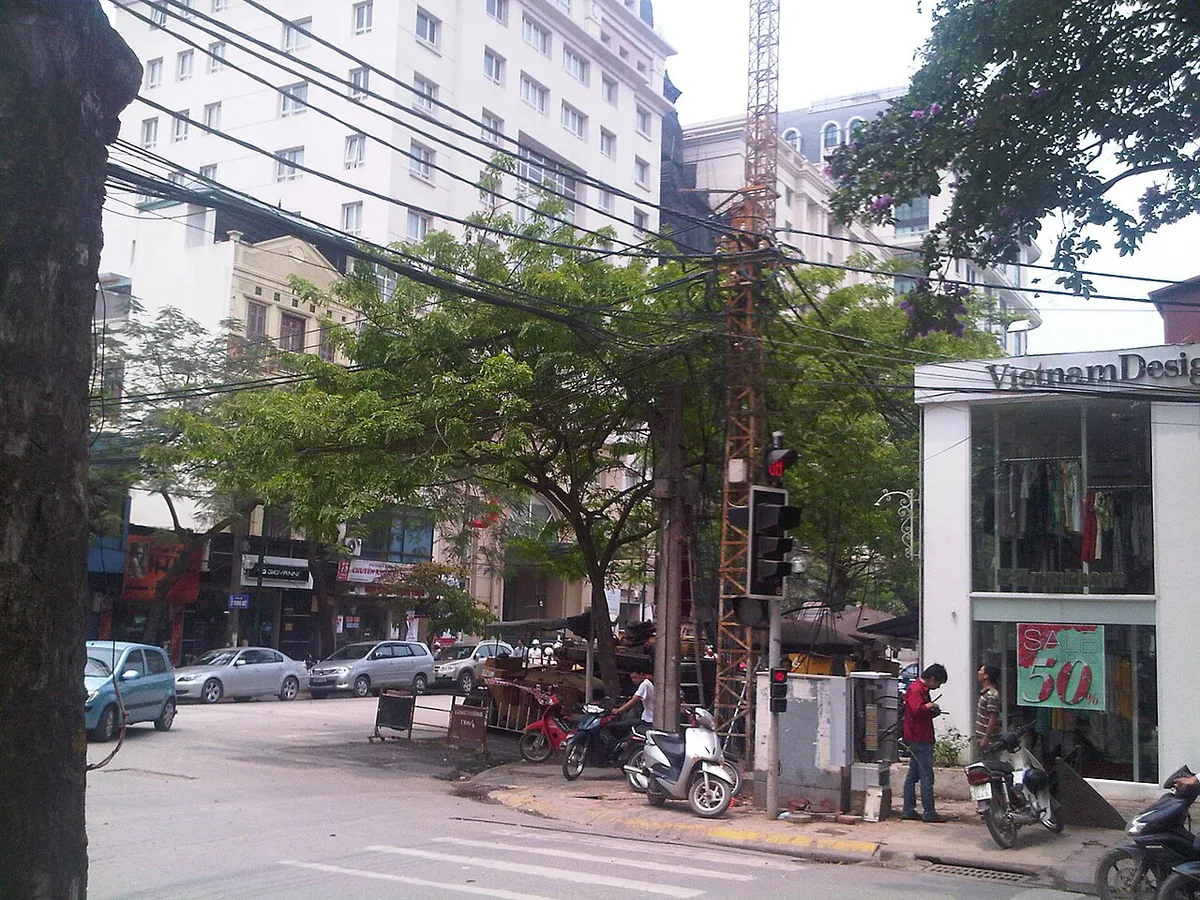
In the Old Quarter, drivers often cannot reach your door. Walk to the nearest wide street and share your live pin. Wait inside a shop or hotel lobby instead of on the curb.
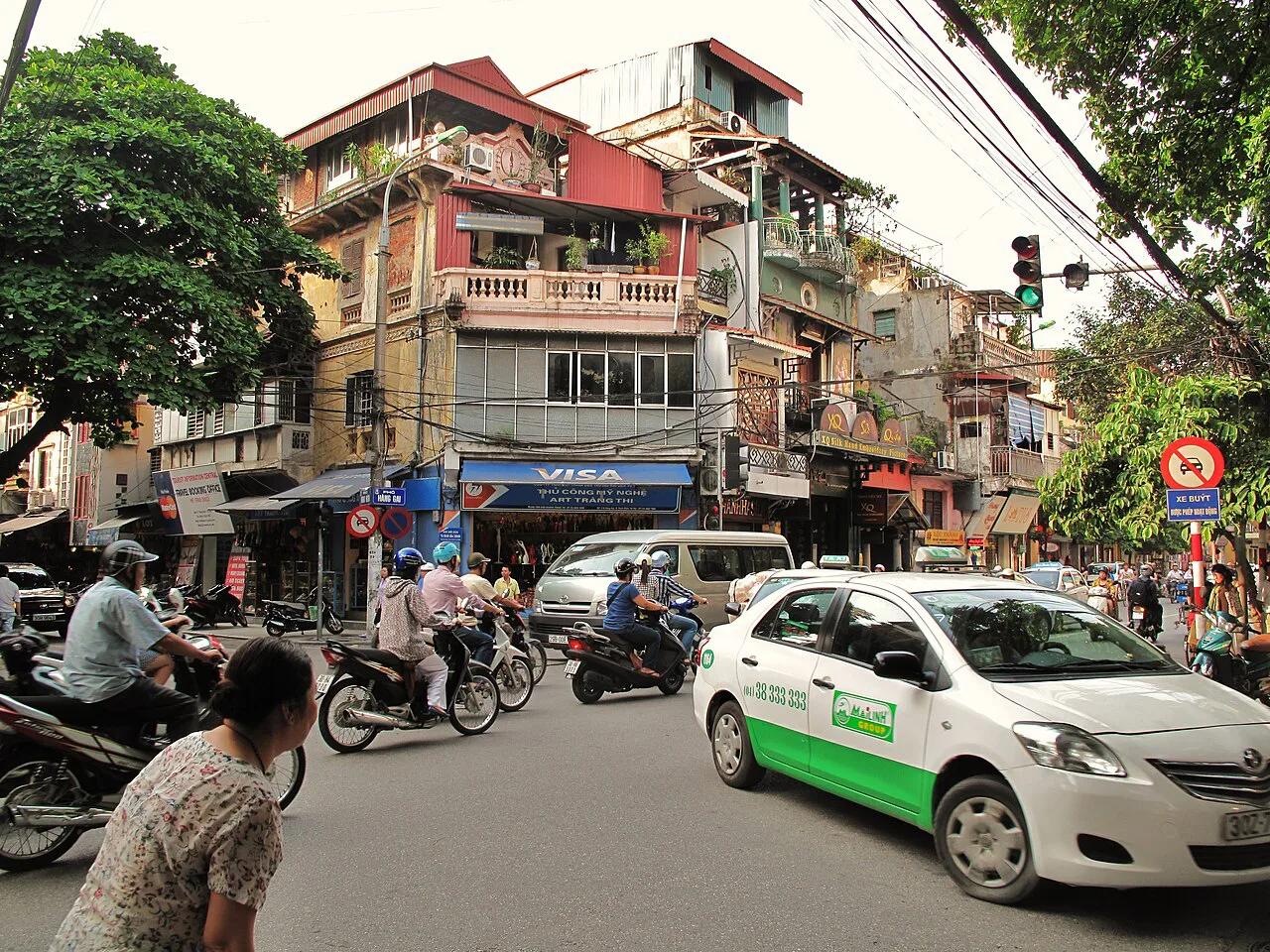
Metered taxis from established firms such as Mai Linh and Vinasun are a solid second choice. Look for the fare table on the door and check that the meter starts low. Small companies with tampered meters are a known risk in Hanoi, so pick a recognizable name or use the app.
Metro and Buses: What They Cover and What They Don't
Hanoi does have a metro. Line 2A runs between Cat Linh and Ha Dong, and it is the only line we recommend planning around. It serves a corridor, not the tourist core, so it will not replace a taxi for most sightseeing. Details on stations and tickets are in our Hanoi metro guide, and the metro operator's site carries current timetables and fares.
City buses are the cheapest way to cross Hanoi. They are slow in traffic, and the route network takes effort to learn. They suit long stays and patient budget travelers more than a two-day visit.
Motorbike Taxis, Cyclos, Bikes and Scooter Rental: Who Should Skip Them
Xe om drivers wait at most busy corners. Fares are not fixed, so agree on a price before you climb on. Passengers who fear traffic should skip them, especially at rush hour.
At ₫150,000–₫300,000 a day for the bike, first-time riders should still skip it and leave Hanoi traffic to experienced riders.

Cyclos are slow and best treated as a short Old Quarter tour, not as transport. Negotiate the price and the route before you board. Budget travelers should skip them.
Scooter rental across Vietnam typically runs ₫150,000–₫300,000 per day, depending on the bike. Hanoi traffic is dense and unpredictable, so first-time riders should not learn here. Helmets are required, and you should never leave a scooter unattended. If you park in a lot, keep the ticket number.
Bicycles work for early mornings around West Lake. They are a poor fit for central Hanoi at midday.
Walking the Old Quarter: Crossing Streets and Navigating the Lanes
Crossing the street in Hanoi is a skill. Do not wait for a gap, because there rarely is one. Step out at a steady pace, keep your line, and let motorbikes flow around you. Never stop or dart back midway.
Lanes in the Old Quarter change names block by block. Keep a saved offline map open. Watch for motorbikes on sidewalks, and expect to share the road with vendors.
Leaving Hanoi: Train Station and Onward Travel
Hanoi Station sits at 120 Lê Duẩn, in Hoan Kiem district. Trains run on a single 2,600 km network managed by Vietnam Railways. The run from Hanoi to Ho Chi Minh City can take up to 30 hours. Counts of daily Reunification Express services differ between sources, so check timetables with the railway before you plan around a departure. Our Hanoi train station guide covers tickets and platforms. During Vietnamese holidays, book well ahead, because the best seats sell out.
Your train departs from 120 Lê Duẩn, in Hoan Kiem district, beside the Old Quarter you will likely walk.

How To Choose by Trip Length
For one day, walk the Old Quarter and Hoan Kiem, then take one Grab to the Ba Dinh area. Skip rentals and buses.
For three days, add a ride-hail trip to West Lake and Tay Ho. Try the metro only if line 2A passes your hotel or a sight on your list.
For a week, mix modes. Buses and the metro start to pay off, and an onward train ticket needs booking early. Rent a scooter only if you already ride confidently.
Common Mistakes and How to Avoid Them
Most transport problems in Hanoi come from the same few habits.
- Hailing an unmarked taxi: use an app or a known firm, and watch the meter from the start.
- Skipping the price talk: agree fares with xe om and cyclo drivers before boarding.
- Freezing in traffic: cross at a steady pace instead of stopping.
- Parking a scooter and walking away: keep it in sight or in an attended lot.
- Booking trains late: buy tickets early, especially around national holidays.
Costs at a Glance
Walking costs nothing, and buses and the metro are the cheapest paid options. Grab cars and metered taxis sit in the middle. Cyclos cost the most per minute of travel. Scooter rental is the one published figure we can give: roughly ₫150,000–₫300,000 per day nationwide. App prices vary by time of day, so open Grab for a quote before you commit.
Explore More Hanoi Guides
Keep planning your Hanoi trip with these guides.
Hanoi Guides
Building the rest of the trip? Our Hanoi attractions guide covers the sights, districts and logistics around this guide.
Getting around other cities
Useful notes for your Vietnam trip
Optional updates to our guides.
You might also like



Continue reading
More guides you'll find useful