Hanoi Old Quarter Guide: Route, Food, Night, Stay
A practical Hanoi Old Quarter guide with a walking route, what to eat, how to spend the evening, and whether to stay inside or nearby.
On this page
Last updated November 2026. The Hanoi Old Quarter is the web of guild streets just north of Hoan Kiem Lake, and it rewards a half day on foot. We cover a walking route, food, the evening scene and whether to sleep here or nearby. Start at the lake and work outward.
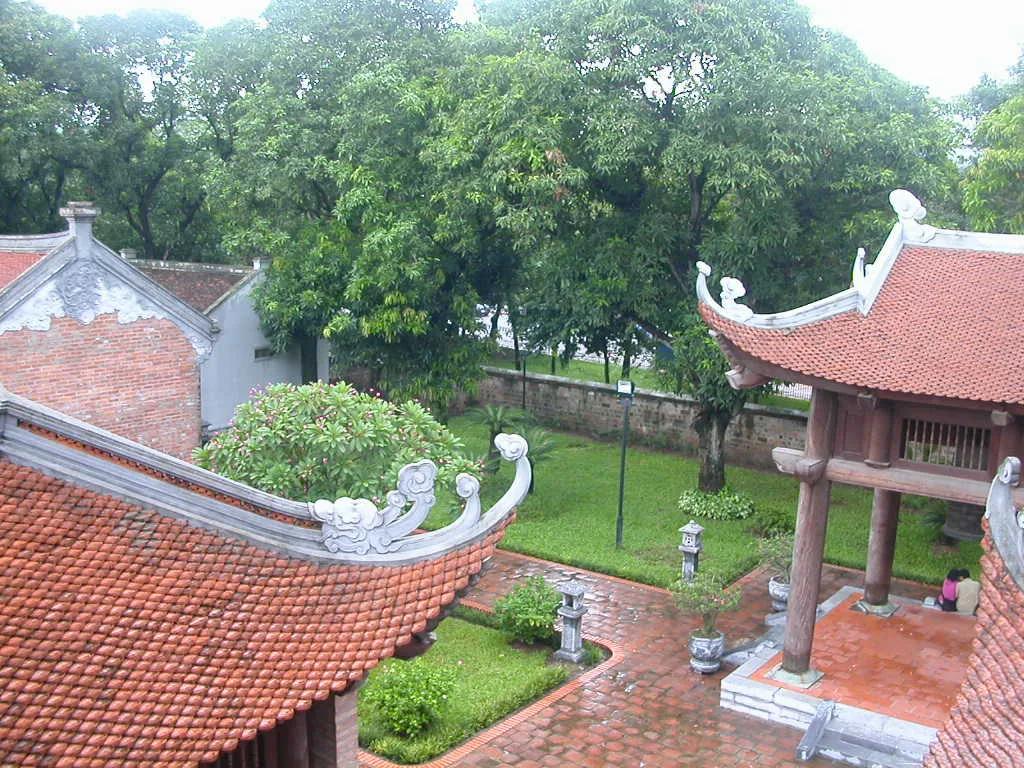
Featured image: Richard Mortel from Riyadh, Saudi Arabia, CC BY 2.0, via Wikimedia Commons.
Hanoi Old Quarter at a Glance
We'd call this district worth your time if you are a first-timer or a food-focused traveler. Light sleepers and families with young children should weigh the noise and scooter traffic before booking a bed here. Locals say Hanoi has 36 streets and guilds, but more than 70 streets now fill the area. A stroll can last a few minutes or the better part of a day, depending on your pace and the traffic.
- Best for: first visits, street food, markets and evening wandering.
- Allow: a half day for the core loop, a full day with markets and a long lunch.
- Start point: Hoan Kiem Lake, then head north.
- Skip or shorten if: you need quiet nights or hate crowds.
Where the Old Quarter Is and How to Orient Yourself
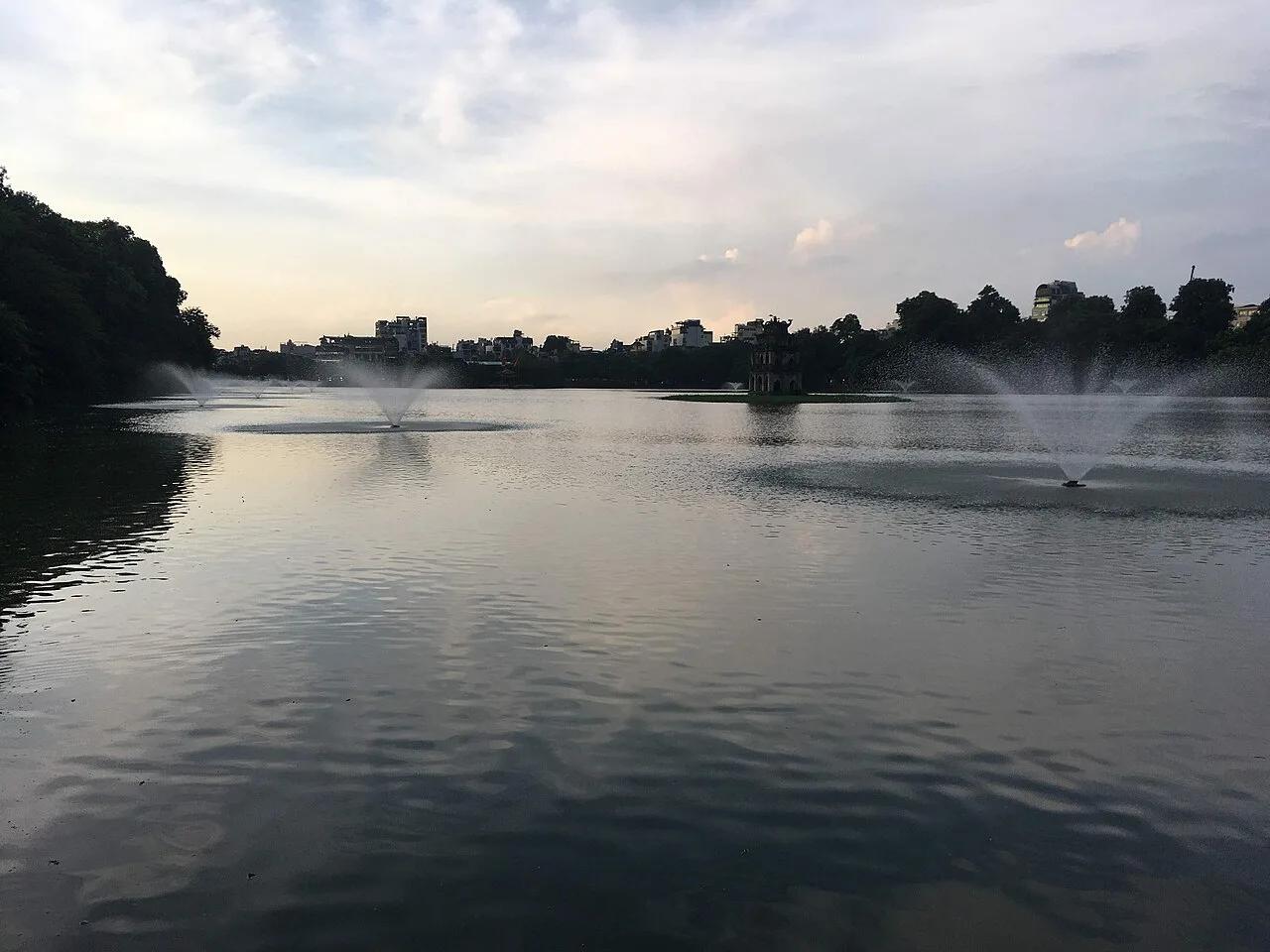
Use Hoan Kiem Lake as your anchor. The quarter sits just north of it, and our route starts at Ngoc Son Temple on the lake's northern end. From there, Hang Dau runs north past the Water Puppet Theatre and into the grid of trade streets. Street names change every block or two, so treat each name change as a new guild street rather than a wrong turn. Official boundary streets vary between listings, so we don't draw a hard border here. If you lose your bearings, walk back toward the lake or toward St Joseph's Cathedral, which sits at the western end of our route.
Why the Streets Are Named the Way They Are
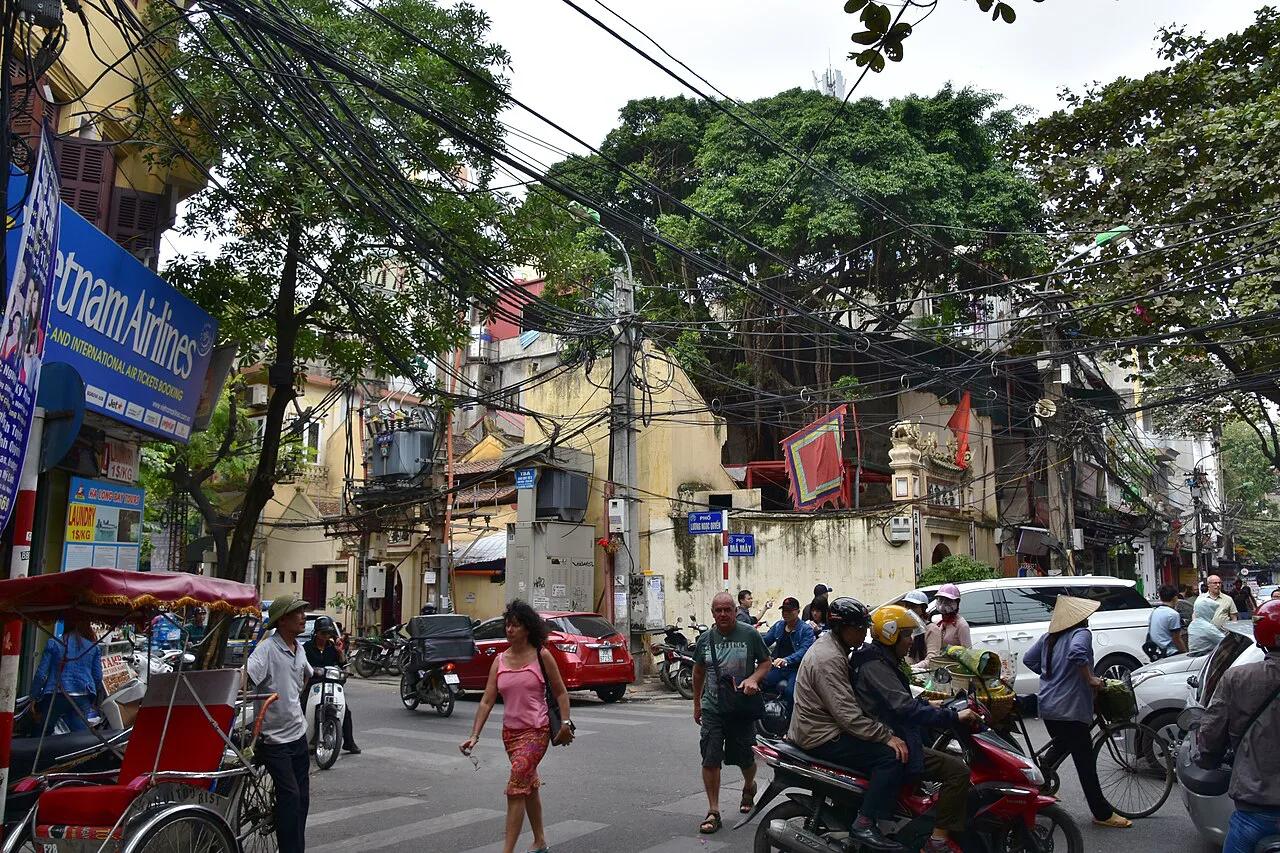
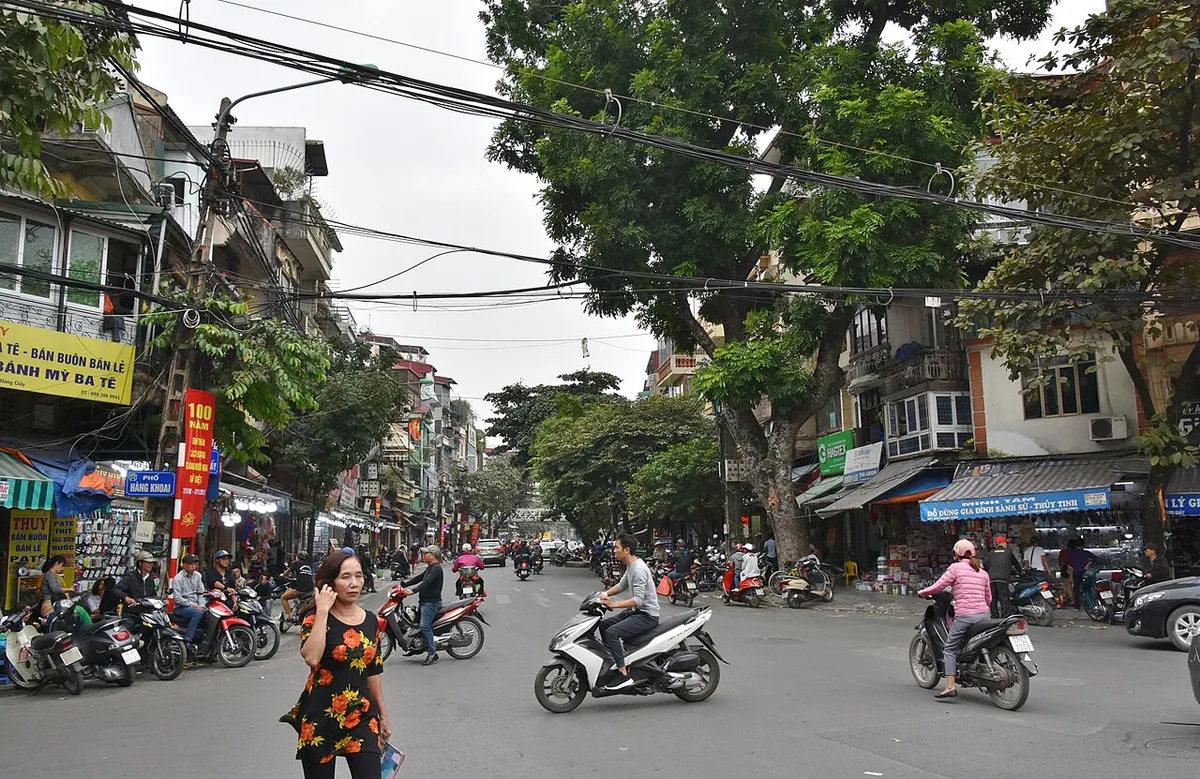
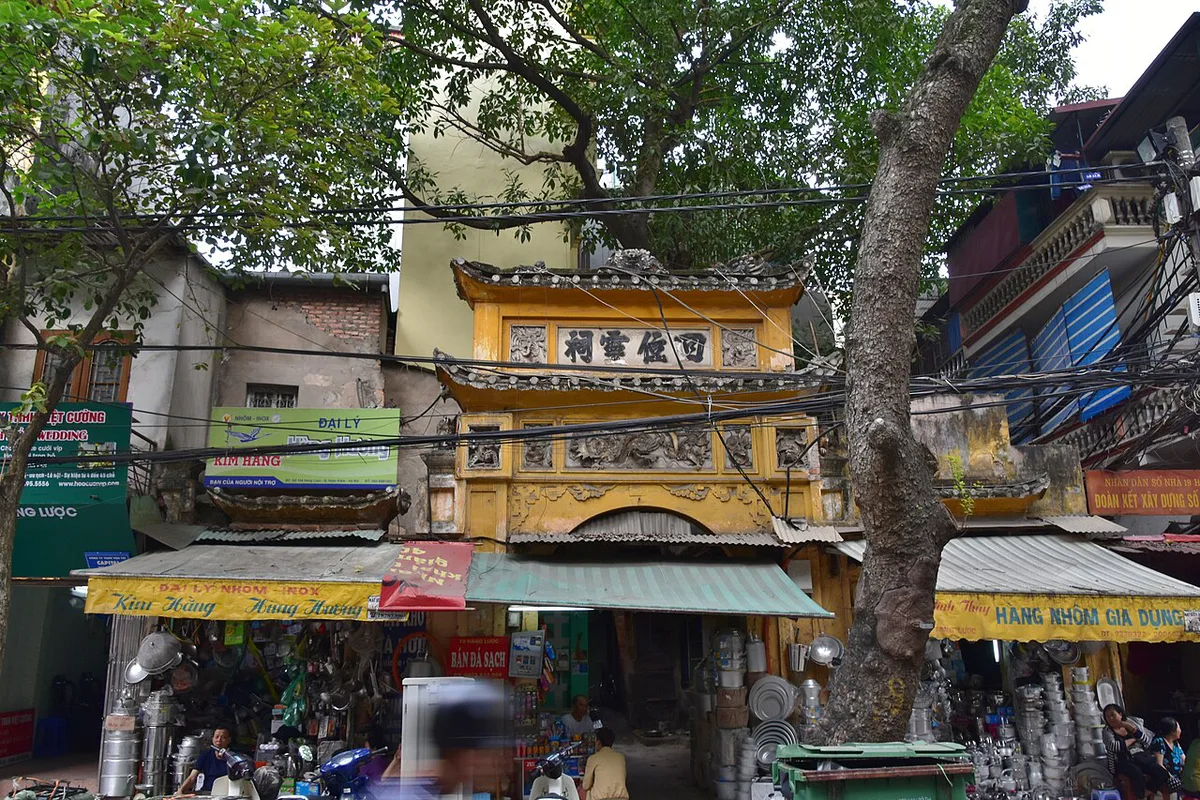
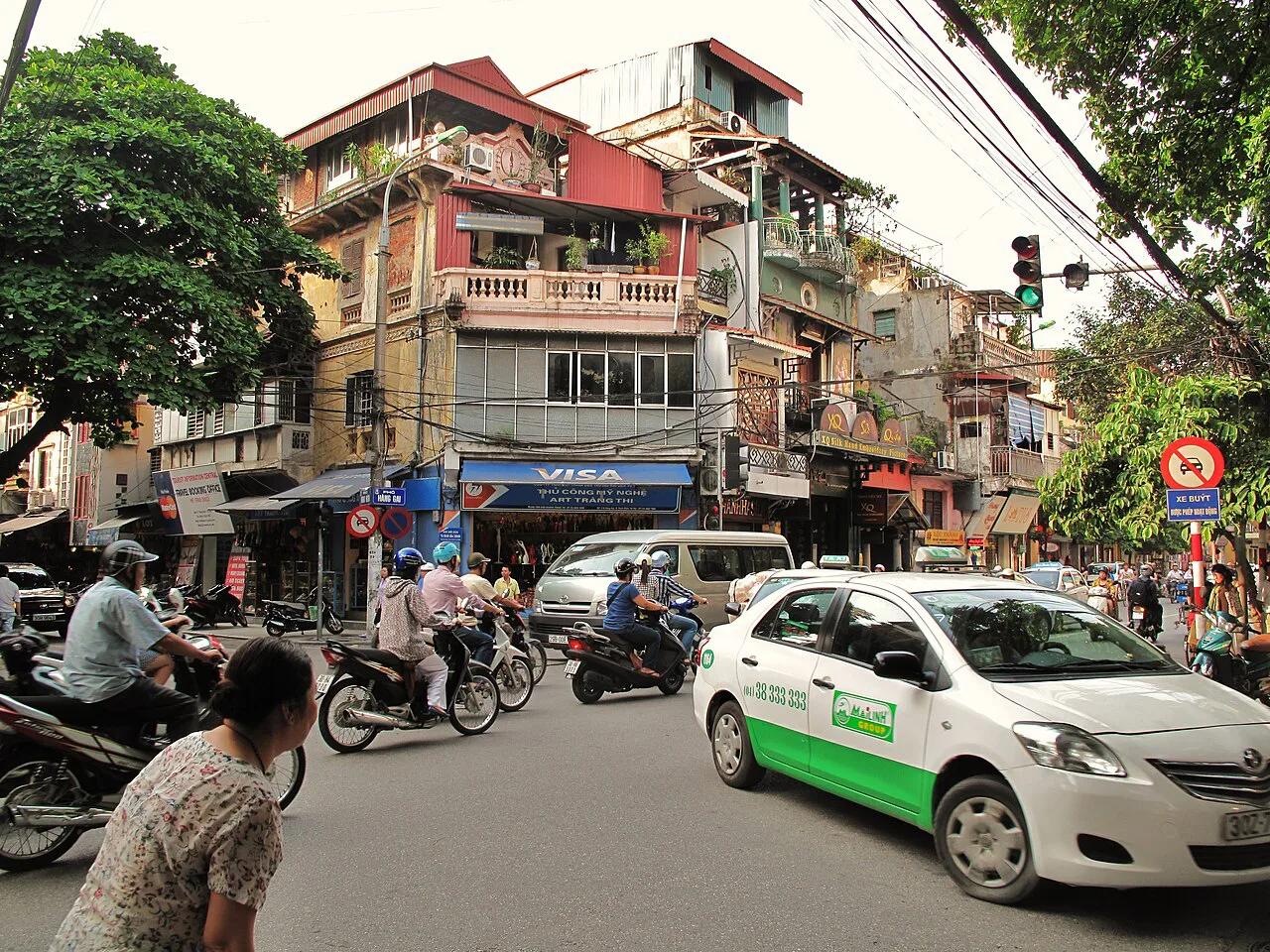
The district took shape after King Ly Thai To made Thang Long the capital in 1010. Artisans from the countryside gathered here by trade, and many streets took the name of the craft sold on them. Hang Bac is the silver street, Hang Ma sells paper offerings, and Hang Gai is known for silk, embroidery and lacquerware. Lan Ong is a row of herb sellers. The count of 36 likely comes from guild locations rather than streets. Another reading treats 36 as a symbolic "many", since nine stands for plenty in Asia and four directions make 36. Tube houses explain the narrow shopfronts. Local accounts say these deep, thin buildings dodged taxes based on frontage width. Older rules also limited houses to two storeys, though buildings of six to eight storeys stand today.
King Ly Thai To made Thang Long the capital in 1010, so the craft street names predate Dong Xuan's 1994 rebuild.
A Self-Guided Walking Route Through the Old Quarter
Our pick is a loop that begins at Ngoc Son Temple and ends at St Joseph's Cathedral. Walking times depend on crowds, so treat the cut-off points below as guides instead of a schedule. For the half day, follow Hang Dau, Hang Be and Hang Bac, then turn onto Hang Ngang and Hang Buom for Bach Ma Temple. For the full day, add the Old East Gate, Hang Ma, the herb stalls on Lan Ong and the tin makers on Hang Thiec. Ma May has a memorial house at number 87, set in an old merchant home. End along Ha Trung and the cafes on Nha Tho beside the cathedral.
| Loop | Stops | Cut it short at |
|---|---|---|
| Half day | Ngoc Son Temple, Hang Dau, Hang Bac, Hang Buom, Bach Ma Temple | Bach Ma Temple, then walk back toward the lake |
| Full day | Adds Old East Gate, Hang Ma, Lo Ren blacksmiths, Lan Ong, Hang Thiec, Hang Quai, Ha Trung, St Joseph's Cathedral | Lan Ong if the heat or crowds build |
Best Things to Do in the Old Quarter
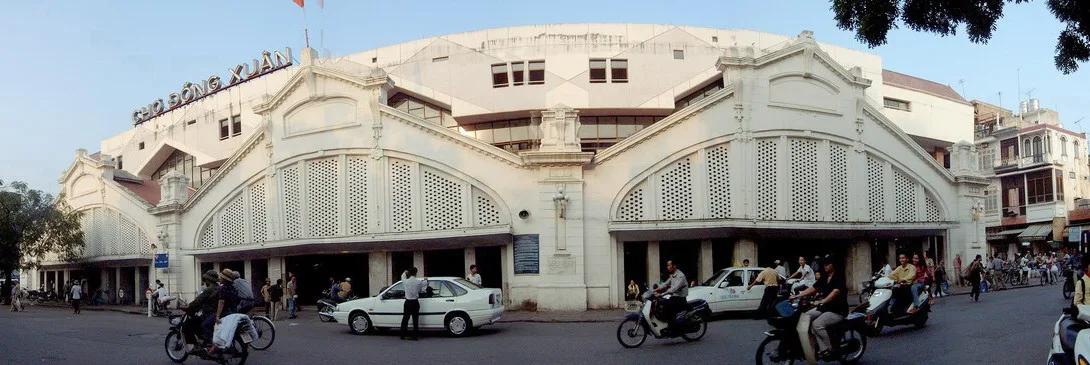
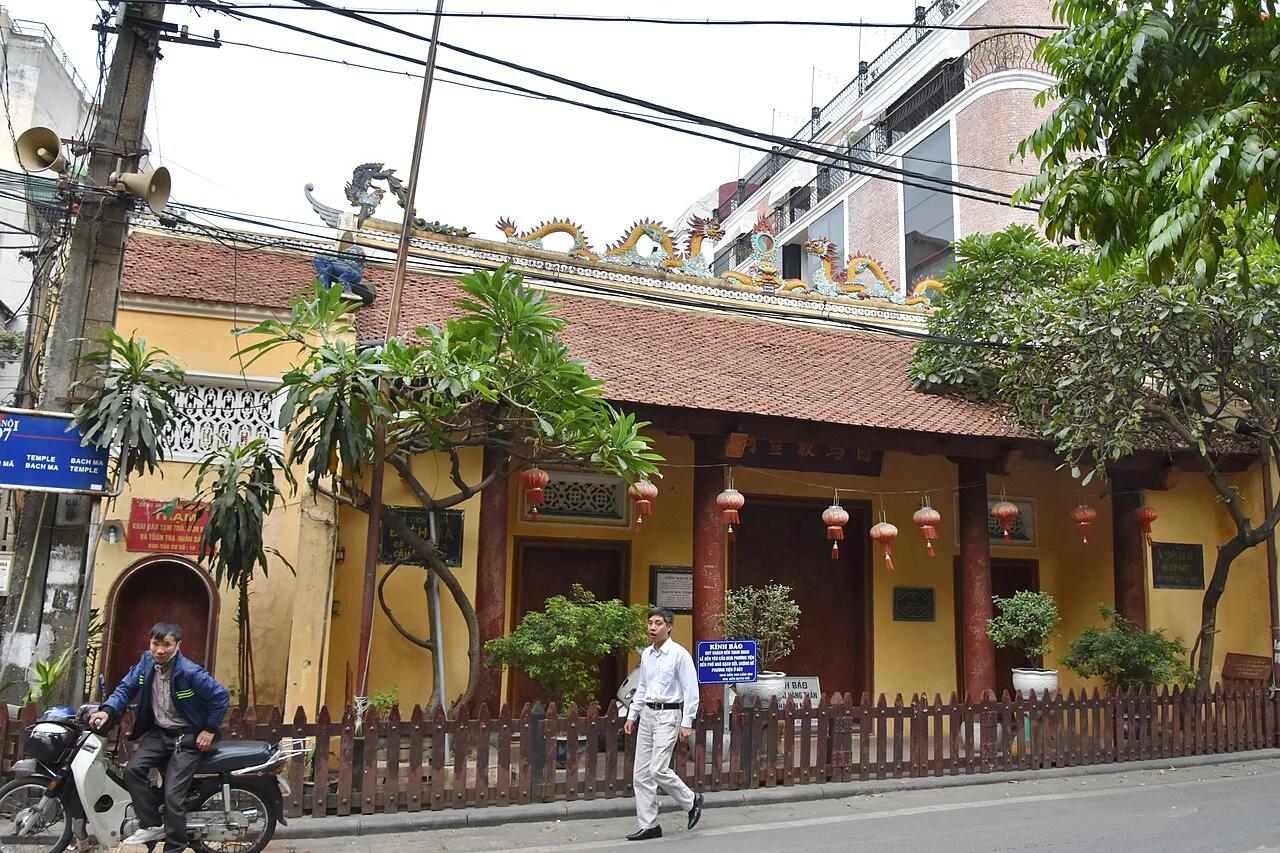
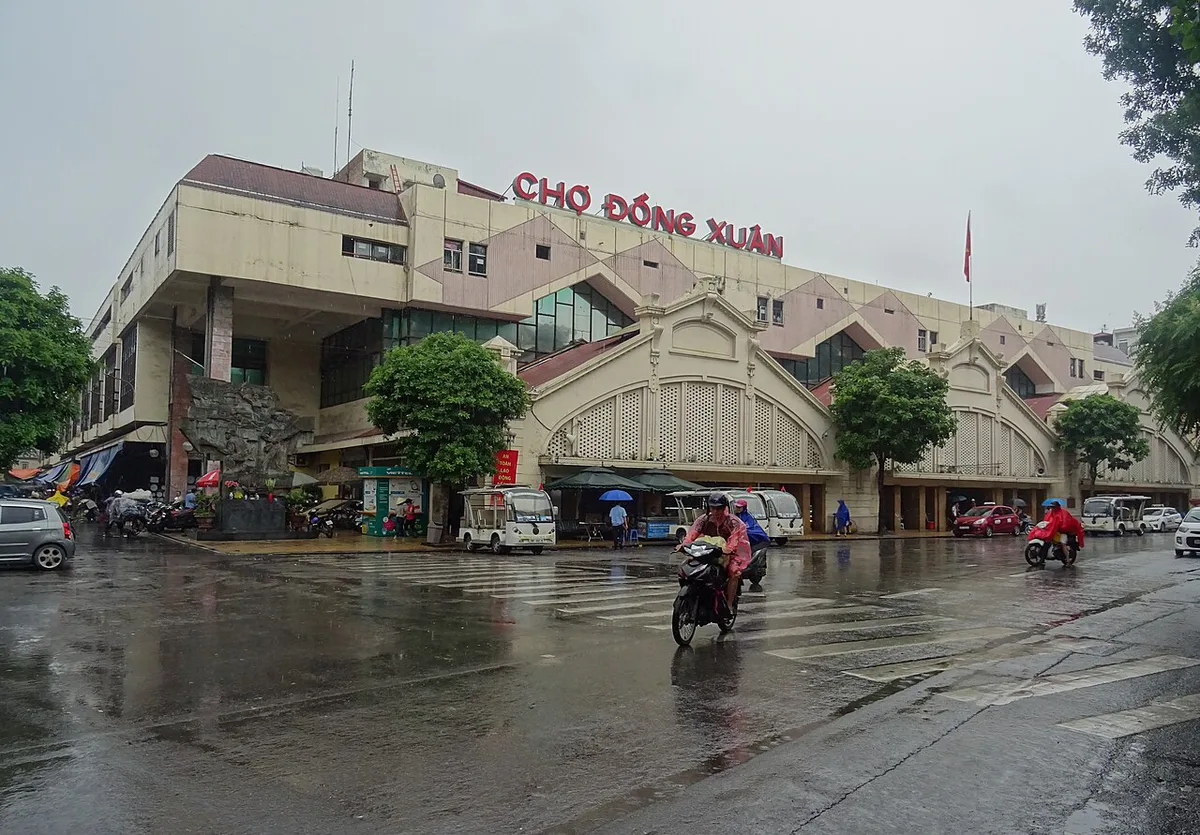
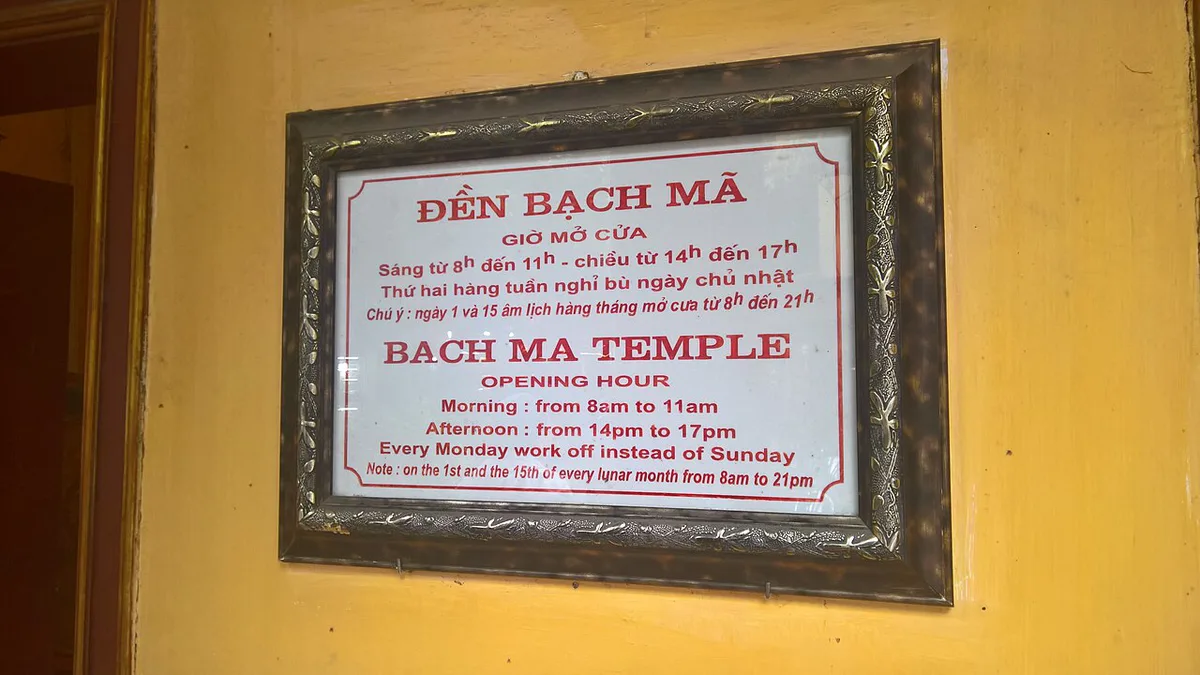
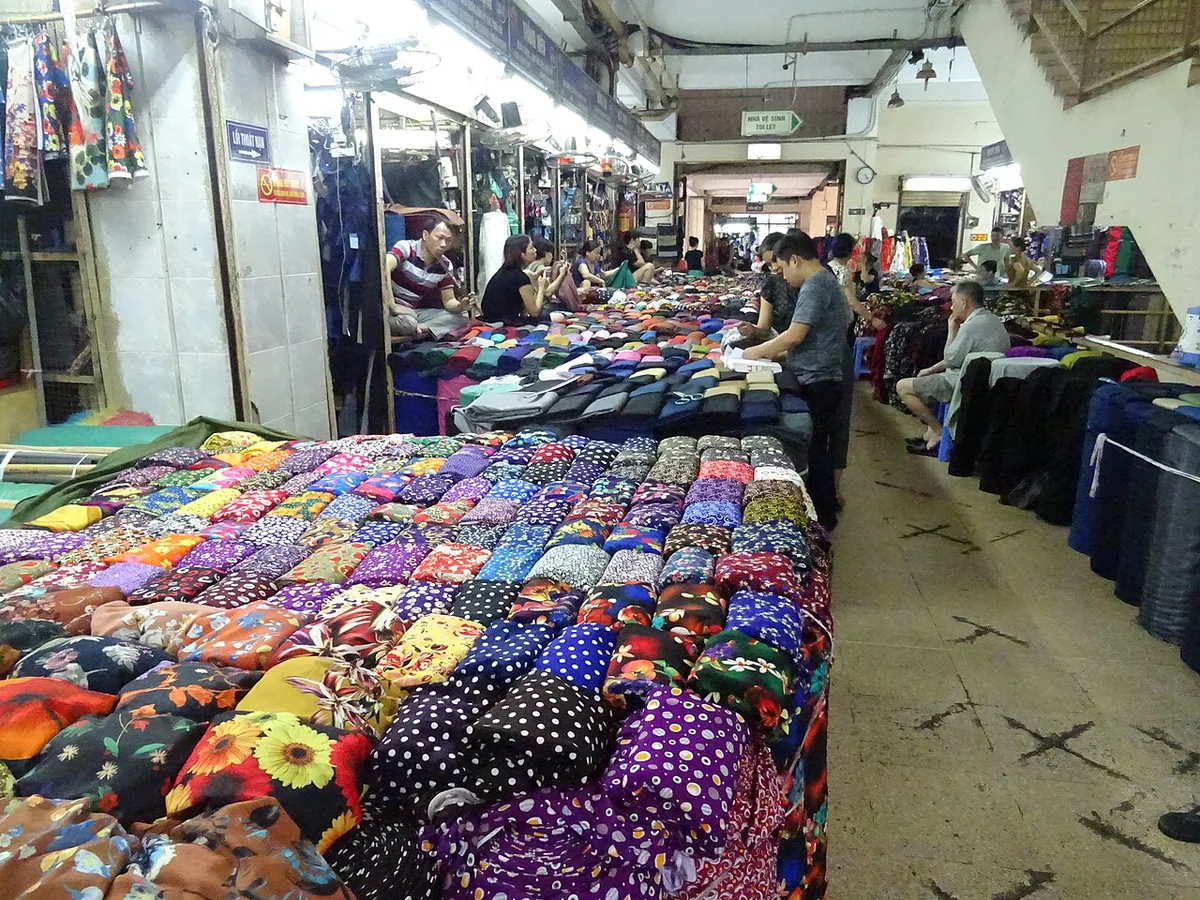
Bach Ma Temple is the small shrine on Hang Buom, tied to a legend of a white horse guiding the king to a safe wall site. The Old East Gate, Cua O Quan Chuong, stands near Hang Chieu and Tran Nhat Duat. Dong Xuan Market was rebuilt after a fire in 1994. Wander it for a sense of daily trade. Hang Ma is our favorite street for browsing, with paper offerings and lanterns. Train Street draws many visitors. Access and train times change often, so read our guide to Hanoi's Train Street for the current status before you go. Ngoc Son Temple and the Water Puppet Theatre both sit close to the lake, which makes them easy bookends for a walk.
Dong Xuan Market was rebuilt after a fire in 1994, so pair it with the full-day loop's market-heavy pace.
What to Eat and Drink in the Old Quarter
Eat where the stools are full. Pho, bun cha and cha ca all have long histories in Hanoi. Banh mi stalls work well for a quick mid-route snack. Egg coffee is the city's signature drink, and Cafe Giang is the name travelers most often associate with it. Salt coffee and coconut coffee are other local twists. The cafes and restaurants around Nha Tho, a few steps from St Joseph's Cathedral, make a convenient finish after a long walk. Vegetarian travelers can find dedicated restaurants, though stocks and sauces often contain animal products, so ask before ordering.
The Old Quarter at Night
Evenings change the district. Lanterns come out, low tables fill the pavements, and bia hoi, fresh draught beer, flows at street corners. For a night-out add-on, our guide to Ta Hien Beer Street Hanoi: Hours, Prices & Tips compares the busiest corner. We'd start with food on side streets, then move to drinks once the crowd thickens. Weekend nights are the heaviest, so expect slow walking. Competing advice on opening times conflicts, so we describe the day by hour rather than by clock.
| Hour | What changes |
|---|---|
| Early morning | Cooler, quieter streets and a calmer pace for photos |
| Midday | Heat, market bustle and the heaviest scooter traffic |
| Early evening | Cafes fill, food stalls set up their stools |
| Late night | Beer corners at peak crowd; side streets thin out |
Getting There and Getting Around
Hanoi's airport is Noi Bai International Airport. Options into the center include a shuttle, a private car and a taxi. Prices and routes change, so check the airport and your hotel for current transfer details. Inside the quarter, walking beats every other mode. Pavements are often blocked by parked scooters and food stalls, so you'll step into the road regularly. Cross slowly and keep a steady pace so riders can steer around you. Grab-style ride apps and taxis work for longer hops to the French Quarter or West Lake.
Where to Stay: Old Quarter vs French Quarter vs West Lake
We'd stay inside the Old Quarter for a short first trip, since nearly everything on this page is a short walk away. The trade-off is noise and traffic late into the evening. For calmer streets near the opera house and wider avenues, see our French Quarter guide. For a lakeside, residential feel, read about West Lake. Our Hanoi neighborhoods overview compares all the areas in one place. The table below is our editorial assessment, not a measured score.
| Area | Noise | Walkability | Food access | Nightlife | Airport transfer |
|---|---|---|---|---|---|
| Old Quarter | Loud | Excellent for sights | Excellent | Lively | Longer ride into dense streets |
| French Quarter | Moderate | Good, wider pavements | Good | Moderate | Moderate |
| West Lake | Quieter | Weaker, needs rides | Good, spread out | Calmer | Ride needed to reach the core |
Costs, Time and Access
We have no current fee schedule for the quarter's sites, so we don't quote prices. Check each venue's official page for entry fees and opening hours. Wandering the streets themselves is free, and a half day covers the core loop.
Safety, Scams and Mistakes to Avoid
This is a busy urban area, and the usual city rules apply. Keep phones and bags on the side away from the road, since scooters pass close. Ask the price first, compare a couple of vendors and agree before ordering or buying. Our biggest mistakes list is short: starting late in midday heat, crossing the road in a rush, and treating Train Street times as fixed. Take care with unofficial taxis and unmarked menus too. Pavements are uneven, so wear comfortable shoes.
Frequently Asked Questions
What are the 36 streets that make up Hanoi's Old Quarter?
The number 36 likely refers to guild locations, not an exact street count, and more than 70 streets exist now. Well-known examples include Hang Bac for silver, Hang Ma for paper offerings and Hang Gai for silk. Lan Ong is the herb street.
Where to buy clothes in Hanoi Old Quarter?
Hang Gai is known for silk, embroidery and lacquerware, and Hang Ngang has a row of clothing shops. Silk items and ao dai are popular with visitors. Ask the price first and compare shops before buying.
Useful notes for your Vietnam trip
Optional updates to our guides.
You might also like
Continue reading
More guides you'll find useful