Duong Lam Village: Day Trip Guide from Hanoi
Is Duong Lam ancient village worth the trip from Hanoi? How to get there, what to see, how long to stay, and when to go.
On this page
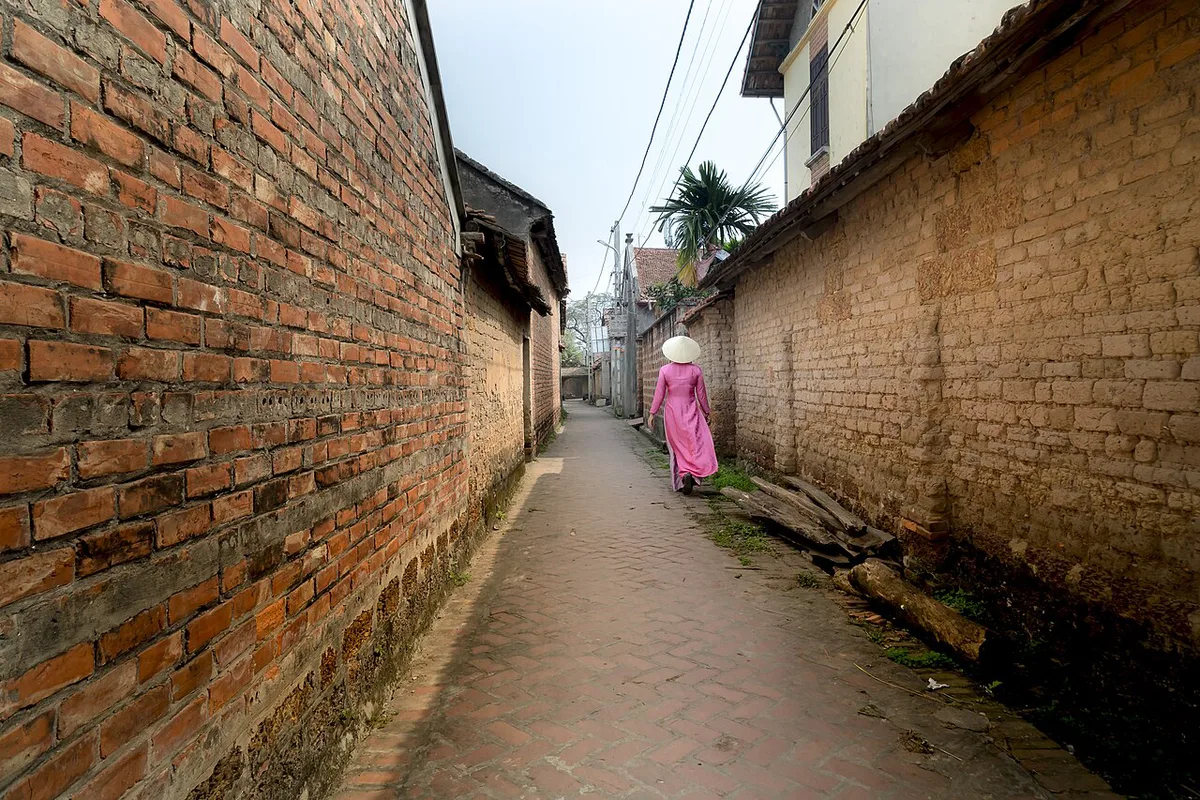
Last updated November 2026: Duong Lam village (Đường Lâm) is a cluster of old laterite-brick hamlets in Sơn Tây, roughly 50–60 km west of central Hanoi. History fans, photographers and slow travellers get the most from it, while big-sight chasers may find it quiet. Below you will find transport options, what to see, timing, food and village etiquette.
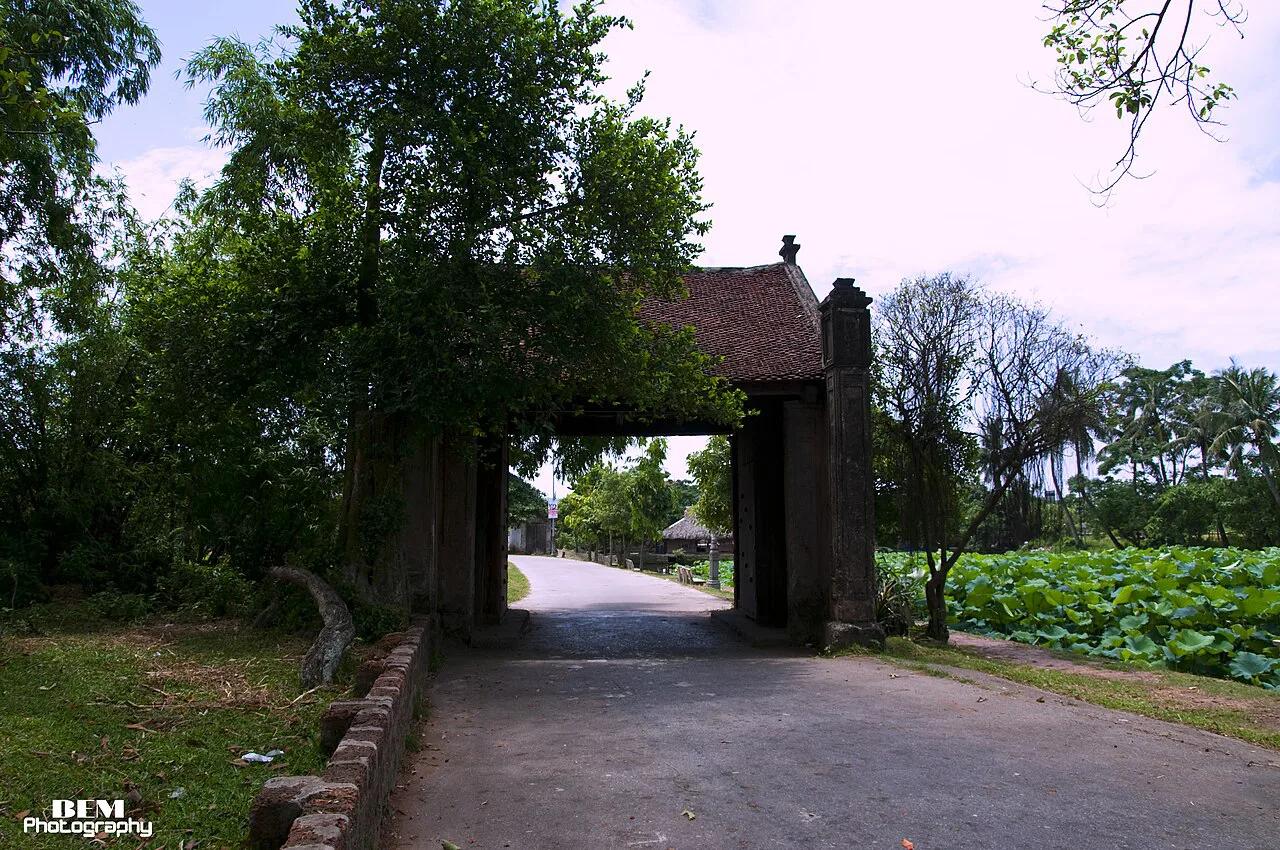
Featured image: Bem photography:, CC BY 2.0, via Wikimedia Commons.
Is Duong Lam Village Worth Visiting?
Yes, if you want lanes, old houses and communal halls instead of ticketed monuments. Duong Lam was the first ancient village in Vietnam officially recognised as a National Historical and Cultural Relic, on 19 May 2006. It is one of several options in our Hanoi day trips guide. Families with older children will manage the walking. Visitors short on time may prefer a single headline sight.
- Suits: history and architecture fans, photographers, slow travellers, families with older kids.
- Skip if: you have only a few hours in Hanoi, or you expect a polished museum village.
- Scale: a living village of private homes, with 956 historic houses spread across several hamlets.
How to Get to Duong Lam from Hanoi
Sources give the distance as roughly 50–60 km, depending on your start point and route. Duong Lam sits on the right bank of the Red River, near National Route 32 at its junction with Route 21A. Traffic leaving Hanoi is the main variable, so leave early. Bus fares and schedules change, so ask your hotel or the bus station for current details.
Route 32 traffic sets the timing here, so leave early and keep the return flexible rather than stacking another day trip.
| Option | Effort | Flexibility | Best for |
|---|---|---|---|
| Hired car with driver | Low | High: you set the stops | Groups, families, mixed ages |
| Ride-hail taxi | Low | Medium: agree the return trip | Solo travellers, couples |
| Self-drive or motorbike | High: Hanoi traffic and Route 32 | Highest | Experienced riders only |
| Organised tour | Lowest | Low: fixed itinerary | First-timers, no local transport |
| Public bus, then local transfer | Highest | Lowest | Budget-minded, flexible schedules |
What to See in Duong Lam
Five adjoining hamlets form the authentic core: Mông Phụ, Đông Sàng, Cam Thịnh, Đoài Giáp and Cam Lâm. Mông Phụ is the best place to start. Its Ancient village gate is a simple two-sided gabled structure at the entrance. Mông Phụ communal house dates from 1684, and its courtyard sits lower than the ground around it. Rainwater drains out through two side outlets. Mía Pagoda (Sùng Nghiêm Tự) holds 287 statues, including 6 bronze, 107 wooden and 174 earthen figures.
- Laterite houses: 956 in total, with 441 in Đông Sàng, 350 in Mông Phụ and 165 in Cam Thịnh.
- Village layout: wells, a banyan tree, a water wharf and a fishbone-like road system.
- Other sites: Phùng Hưng Temple and Ngô Quyền Mausoleum.
The Land of Two Kings: Why the Village Matters
Duong Lam is called đất hai vua, the land of two kings. Phùng Hưng (761–802) and Ngô Quyền (896–944) were both born here. Houses in the hamlets reach up to about 400 years old, and some carry dates such as 1649 and 1703. Before 2025, the name Đường Lâm referred to a commune in Sơn Tây. Today it generally means the cluster of ancient villages. Vietnam's national tourism authority publishes a heritage profile of the village. Sơn Tây Temple of Literature, rebuilt in 2012 in Văn Miếu hamlet, adds a Confucian chapter to the story.
How Long to Spend and a Sample Half-Day Plan
Half a day covers the five core hamlets at a slow walking pace. A full day adds the Temple of Literature and Ngô Quyền Mausoleum. Do not stack a second major day trip onto the same day, because Route 32 traffic makes the return unpredictable.
Allow room for Mía Pagoda, which holds 287 statues, after the lane walk and a snack in the half-day plan.
- Leave Hanoi early to beat traffic on Route 32.
- Start at Mông Phụ: village gate, then the 1684 communal house.
- Walk the lanes between Mông Phụ and Đông Sàng to see laterite walls and gates.
- Eat local pork or sweets, then visit Mía Pagoda.
- Finish in Cam Thịnh, or extend to Sơn Tây Temple of Literature for a longer day.
Best Time to Visit
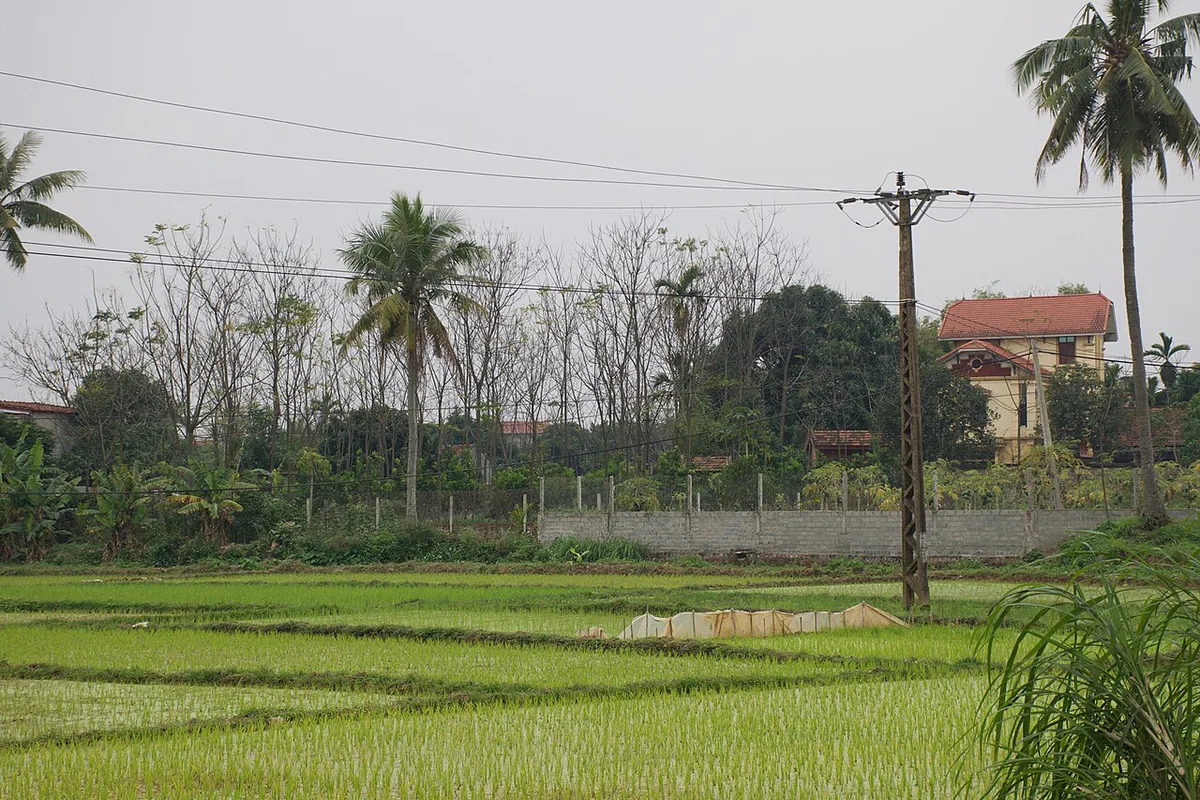
Spring (March–April) and autumn (September–November) bring milder weather. Spring also adds golden rice fields around the hamlets. Mông Phụ communal house holds festivals from the first to the tenth day of the first lunar month, with rituals and games. Expect more visitors then. Midsummer heat makes lane-walking harder.
Food, Crafts and What to Buy
Soy sauce is the best-known traditional craft in Duong Lam. Local sweets include kẹo dồi (peanut nougat), kẹo lạc (peanut candy) and chè lam. Thịt quay đòn, a roasted pork roll, is the signature savoury dish. Stall lineups change by day and season, so buy from whoever is open when you pass.
Tickets, Entry Fees and Visiting Respectfully
Prices and hours checked November 2026: no published entry fee is on file for the lanes or individual houses. Current rules are listed by the Hanoi Department of Tourism. Many houses are family homes, so ask before photographing inside. Dress modestly at communal houses and Mía Pagoda. Keep lanes clear for residents and motorbikes.
Duong Lam vs Bat Trang vs Perfume Pagoda
Pick by interest, not by headline name. For ceramics and workshops, read about Bat Trang pottery village. For a pilgrimage with a boat ride, see the Perfume Pagoda day trip. More options sit in the full Hanoi day trip list. For a longer countryside stay, consider the Hanoi to Mai Chau route as a separate trip.
| Day trip | Main draw | Best for | Trade-off |
|---|---|---|---|
| Duong Lam | Laterite houses, communal houses, Mía Pagoda | History and architecture fans | Living village, little signage |
| Bat Trang | Ceramics and craft shopping | Craft shoppers and hands-on visitors | Commercial; less heritage depth |
| Perfume Pagoda | Pilgrimage and boat ride | Scenery and ritual | Longer, more physical day |
Useful notes for your Vietnam trip
Optional updates to our guides.
You might also like
Continue reading
More guides you'll find useful