8 Best Temples in Hanoi: Pagodas, Routes and Costs
Eight Hanoi temples and pagodas ranked by traveler fit, with three walking routes, dress code, free-versus-paid entry and a Perfume Pagoda day trip.
On this page
Last updated November 2026: the best temples in Hanoi fall into three clusters around West Lake, Hoan Kiem Lake and the Old Quarter. Tran Quoc, One Pillar and Quan Su are pagodas, Ngoc Son and Quan Thanh are temples, and the Temple of Literature is a Confucian complex. Use the routes below to pair them without backtracking.
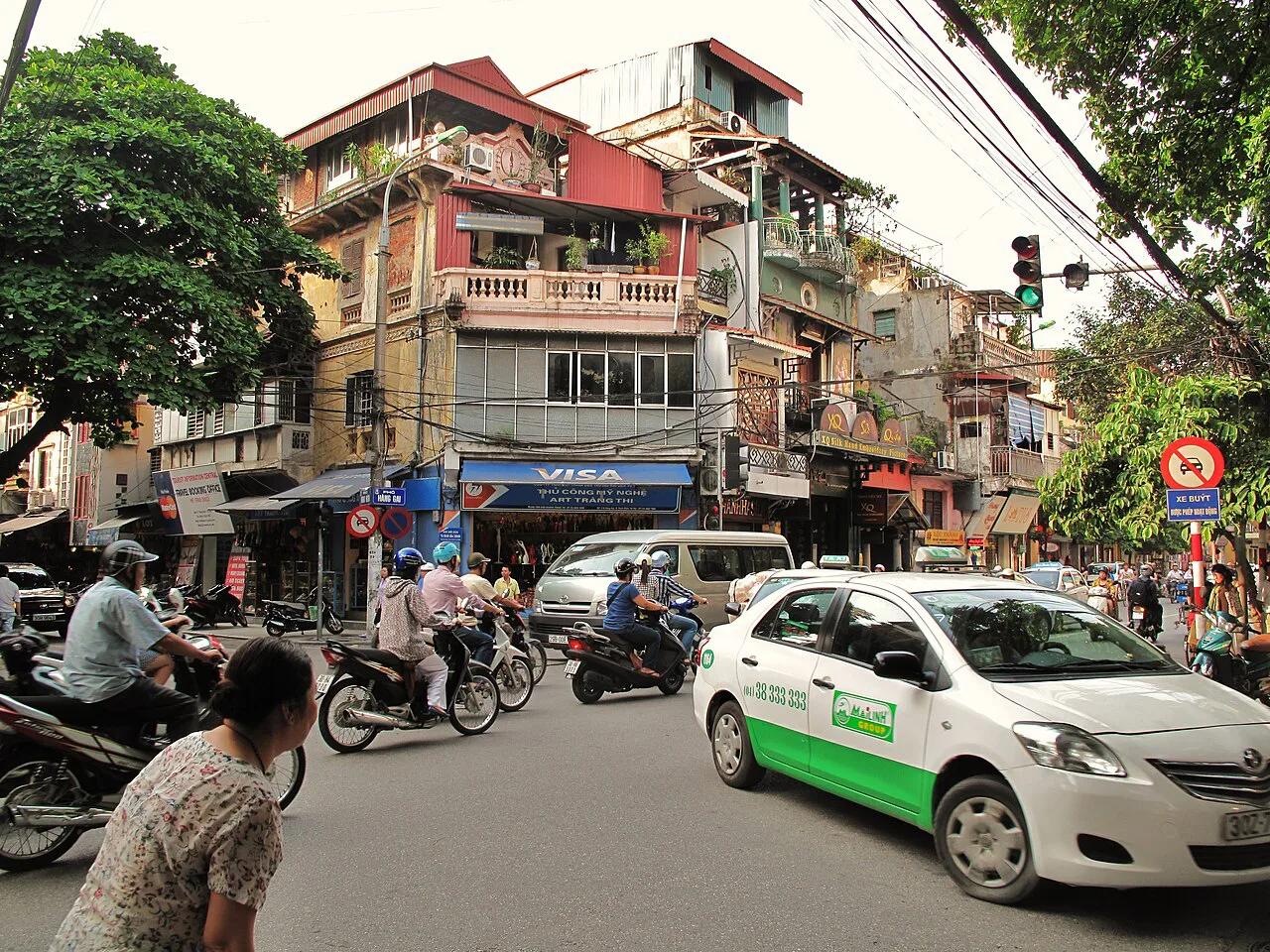
Featured image: Jakub Hałun, CC BY 4.0, via Wikimedia Commons.
Temples in Hanoi at a Glance
Start here to match a site to your time and interests. Entry is confirmed free only where marked; ask at the gate for the rest.
| Site | Type | Area | Entry | Best for |
|---|---|---|---|---|
| Tran Quoc Pagoda | Pagoda (chùa) | West Lake | Free | Lake views, first-timers |
| One Pillar Pagoda | Pagoda (chùa) | Near the Mausoleum | Free | A 15-minute stop |
| Temple of Literature | Confucian temple | Dong Da | Paid | History readers |
| Ngoc Son Temple | Temple (đền) | Hoan Kiem Lake | Ask at gate | Lakeside walks |
| Quan Thanh Temple | Taoist temple (đền) | Thanh Nien Road | Ask at gate | Bronze statue |
| Quan Su Pagoda | Pagoda (chùa) | Central Hanoi | Ask at gate | Working Buddhist hall |
| Bach Ma Temple | Temple (đền) | Old Quarter | Ask at gate | Quiet Old Quarter stop |
| Dinh Dong Thanh | Communal house (đình) | Hang Vai Street | Reported free | Courtyard and banyan |
Pagoda or Temple? What Chùa and Đền Mean
A chùa is a Buddhist pagoda, with a Buddha, monks and incense. A đền is a shrine to spirits, national heroes or scholars. Ngoc Son Temple on Hoan Kiem Lake honors Van Xuong, patron of literature, and the general Tran Hung Dao, not the Buddha. Etiquette is nearly identical at all of them, but the label tells you what the altars are for.
8 Best Temples in Hanoi to Visit, in Order of Fit
Prices and hours checked November 2026. Items run from the best first-timer stop to the quietest Old Quarter detours. Each entry ends with who should skip it.
1. Tran Quoc Pagoda
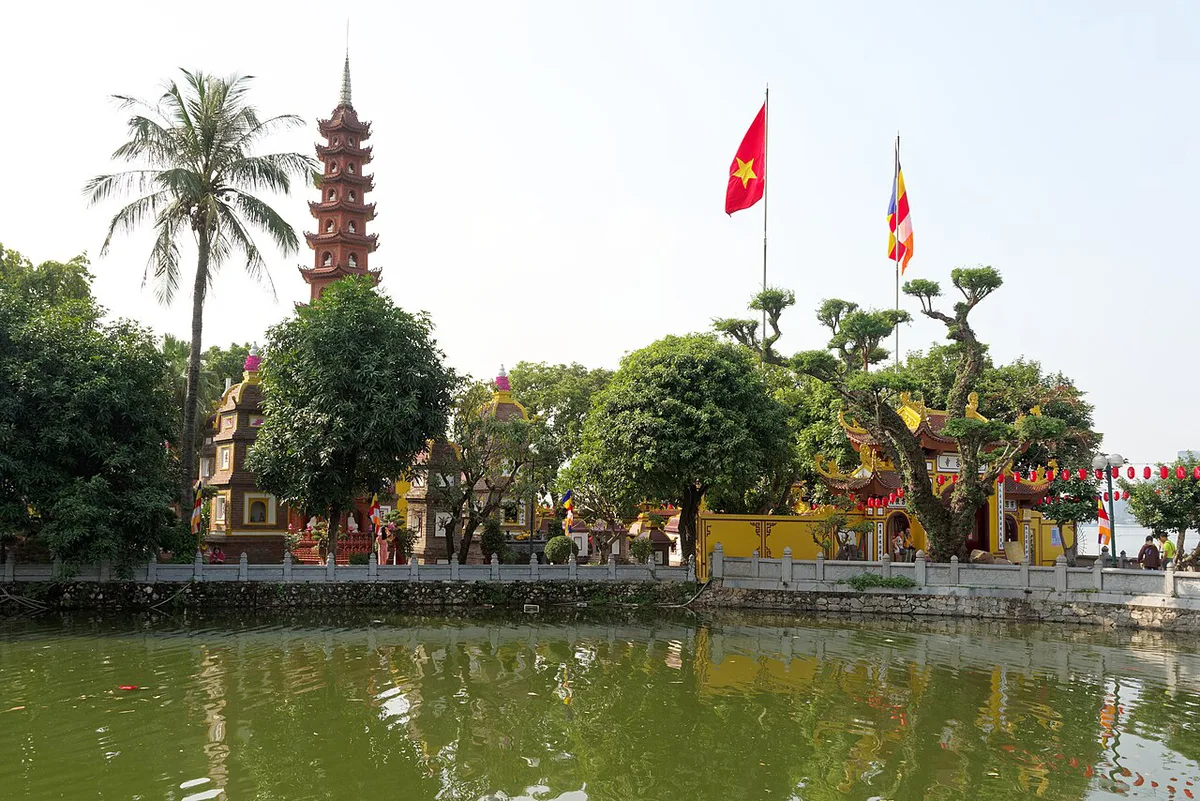
Tran Quoc is widely called Hanoi's oldest pagoda, and it sits on an islet in West Lake at 46 Thanh Nien Road. Guides date its founding in the 6th century, between 541 and 548, and it moved to the lake around 1615 after the Red River eroded its bank. Look for the 11-storey, 15 m (about 49 ft) Lotus Stupa, built 1998 to 2003, and the Bodhi tree planted in 1959.
Allow 30 to 60 minutes. Entry is free, and the gate is 4 to 5 km (about 3 miles) from the Old Quarter. Read the history, stupa and visiting hours before you go. Skip it if your only free slot is midday, since a break of roughly 11:30 to 1:30 is reported.
2. One Pillar Pagoda
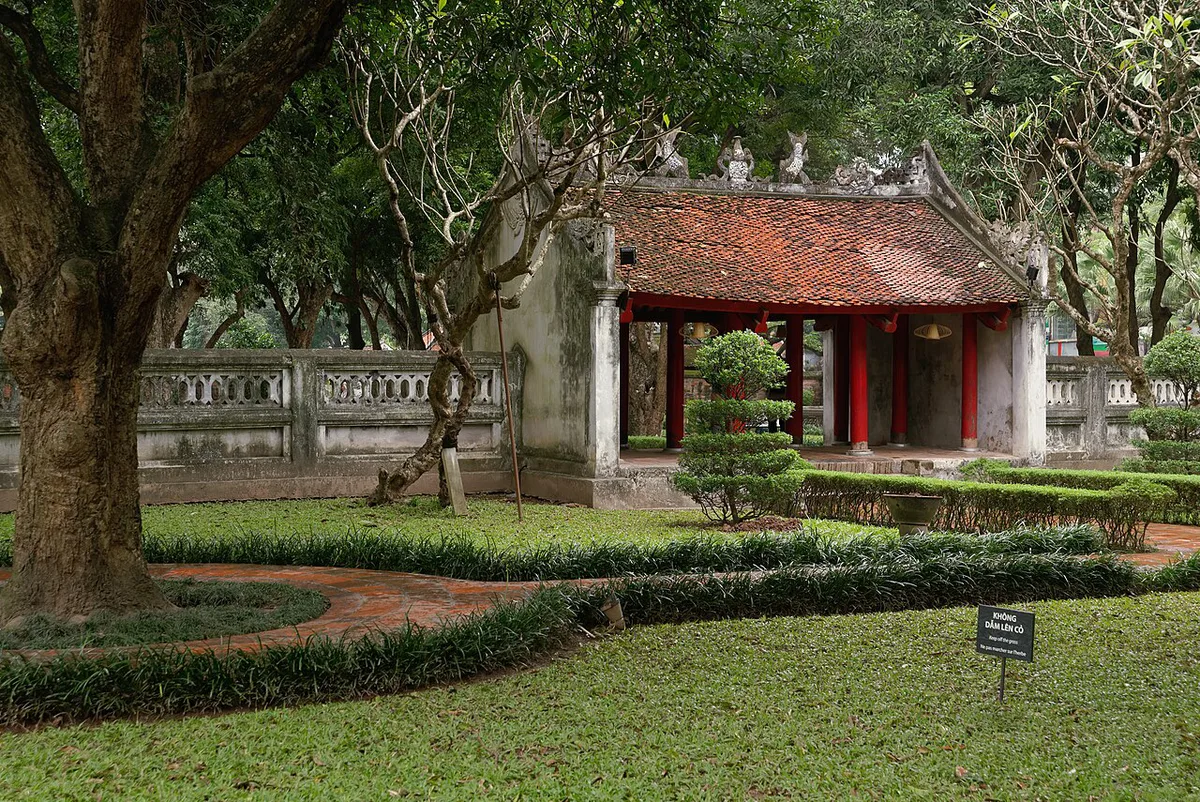
One Pillar Pagoda is a small square shrine on a single stone pillar in a pond, shaped like a lotus. Emperor Ly Thai Tong built it in 1049, and French troops destroyed it in 1954 before it was rebuilt in 1955. Plan 15 to 20 minutes, with no more than half an hour in total. Entry is free.
Pair it with the Ho Chi Minh Mausoleum, about 100 m (330 ft) away. The mausoleum is not a temple, and its dress and queue rules differ. Add the Ho Chi Minh Museum if you want a longer Ba Dinh morning. Skip it if you want a long visit. Today's building is a reconstruction, and the lotus-shaped shrine is a photo-and-incense stop.
3. Temple of Literature (Van Mieu–Quoc Tu Giam)
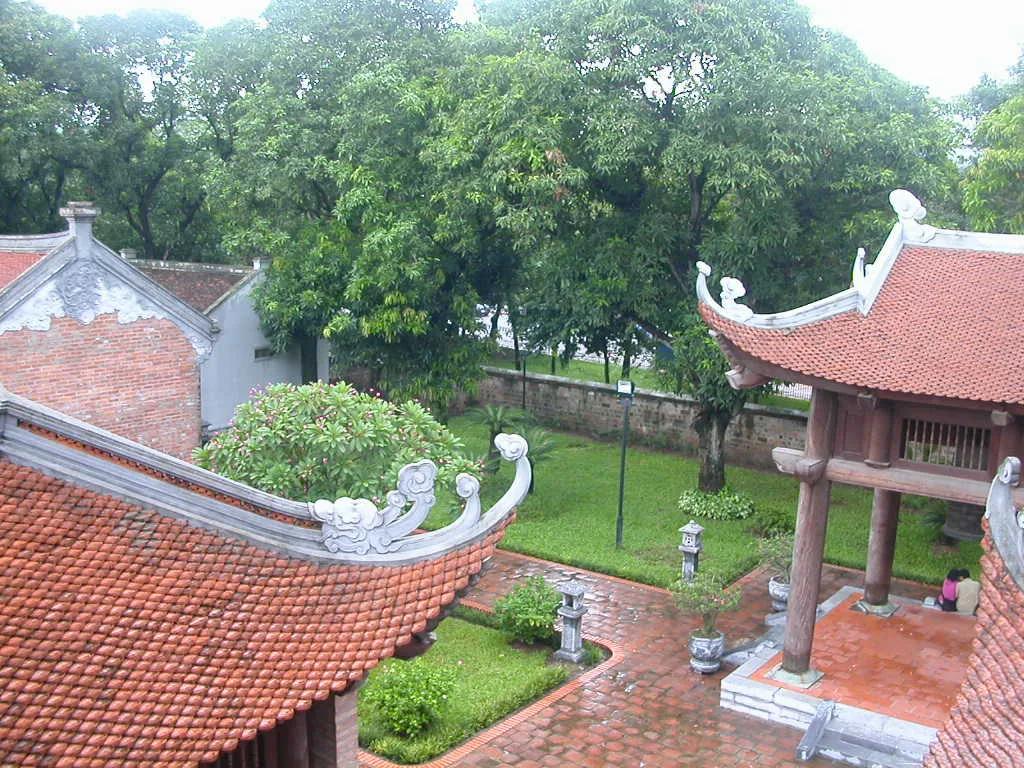
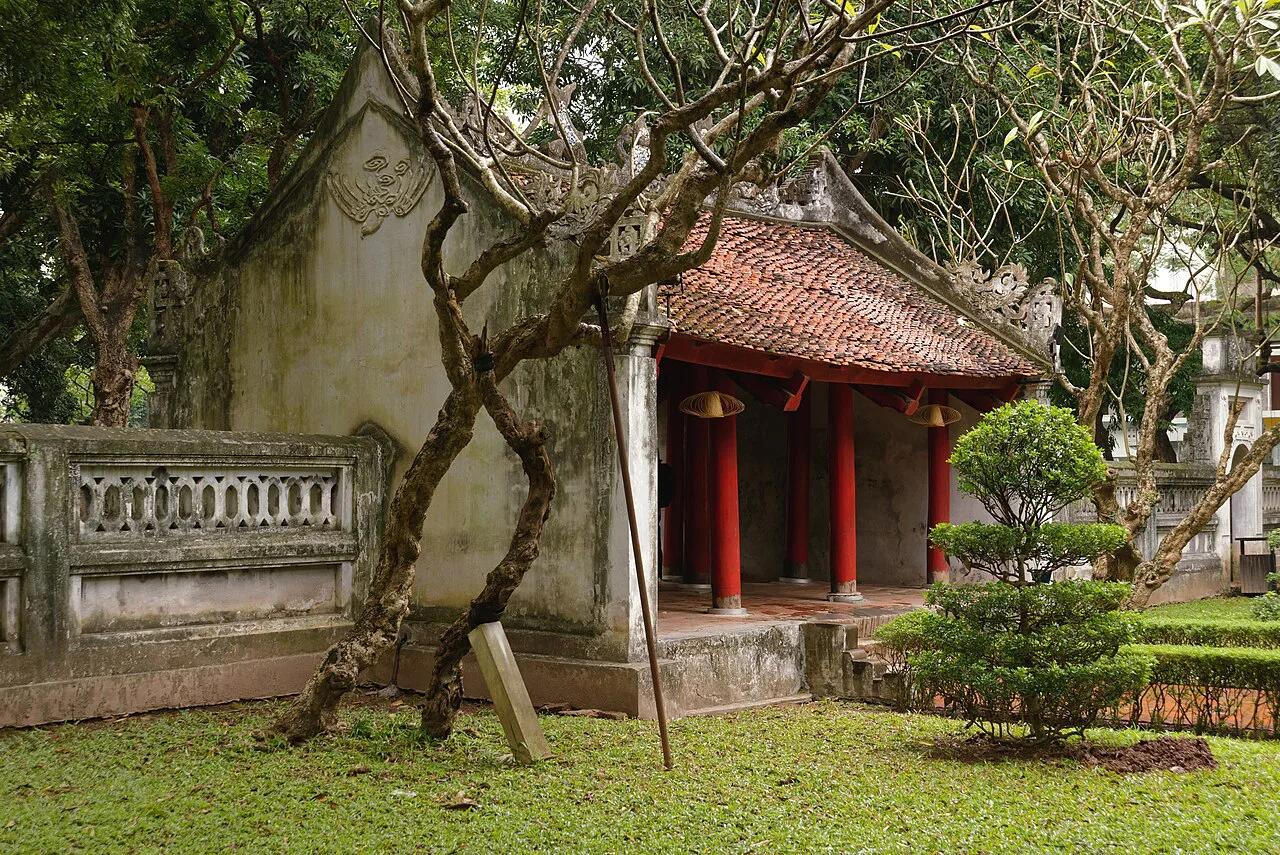
This Confucian temple is tied to Hanoi's 11th-century university and is the best pick for history readers. Walk among stone steles and bonsai gardens where scholars once studied. Its royal examination stelae are part of UNESCO's Memory of the World listings. Entry is paid, so pay at the ticket desk and ask for the current fee there.
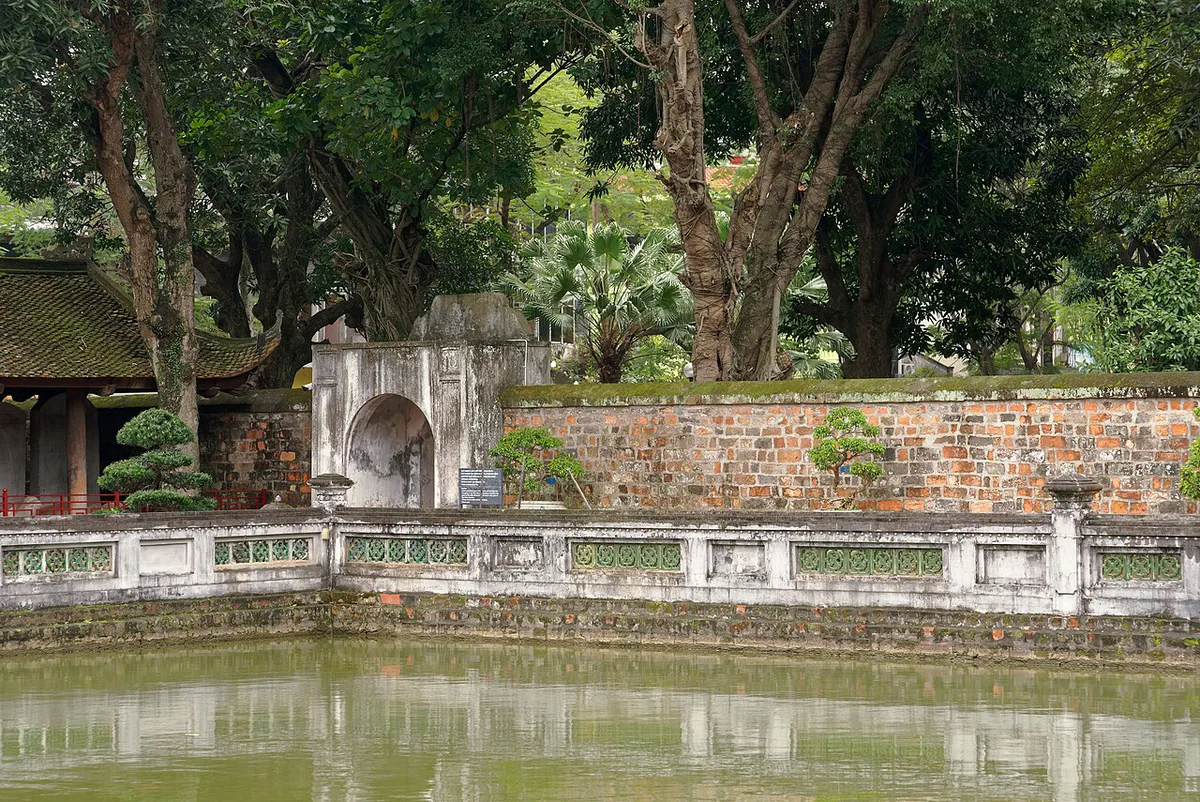
Arrive early to beat tour buses, and read the Confucian courtyards and stelae guide first. Skip it if you want an active Buddhist hall with monks and incense.
4. Ngoc Son Temple
Ngoc Son Temple sits on an island in Hoan Kiem Lake, reached by the scarlet The Huc Bridge. It honors Van Xuong and Tran Hung Dao, which makes it a đền rather than a pagoda. Walk here first on a Hoan Kiem and Old Quarter morning, then continue to Bach Ma on foot.
Ask at the gate about the entry fee. The island shrine on Hoan Kiem Lake has its own guide. Skip it if you want a Buddhist pagoda, since the altars here honor a patron of literature and a general.
5. Quan Thanh Temple
Quan Thanh is a Taoist temple dedicated to the guardian Tran Vu. It stands where Thanh Nien Road meets Quan Thanh Street, and it is known for a large bronze statue cast in the 17th century. Walk from here along the causeway to Tran Quoc, with Truc Bach Lake on one side and West Lake on the other.
Ask at the gate about entry, and expect some halls to close during ceremonies. Skip it if you only want Buddhist sights, since this stop is the Taoist contrast on the West Lake route.
6. Quan Su Pagoda
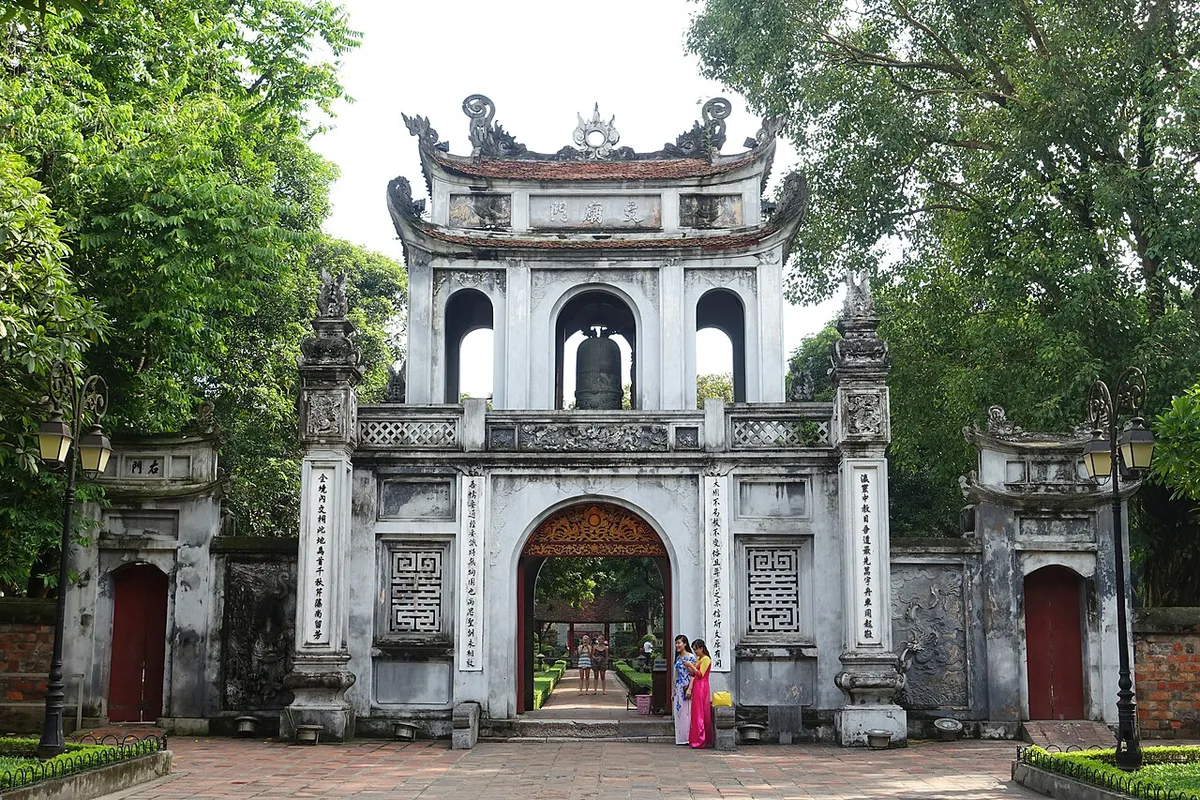
Quan Su is a Buddhist pagoda in central Hanoi, making it the easiest add-on if you are staying near the Old Quarter. Its three-tiered roof gate leads to a main hall for Buddhist devotees, with statues of revered figures and wings honoring eminent monks. Check hours and entry at the gate, since published details are thin.
Go on a weekday if you want to watch local worshippers rather than other visitors. Skip it if your list is limited to landmark-scale sights; Tran Quoc and the Temple of Literature are bigger.
7. Bach Ma Temple
Bach Ma is a small temple in the Old Quarter that many visitors walk past without noticing. Traveler posts call it the city's oldest temple, while other guides give that title to Tran Quoc, so treat the label as contested. Stop here between Ngoc Son and the Old Quarter lanes; the visit is short and quiet.
Ask at the gate about opening times. Skip it if you need a confirmed schedule or a big courtyard.
8. Dinh Dong Thanh and the Old Quarter Loop
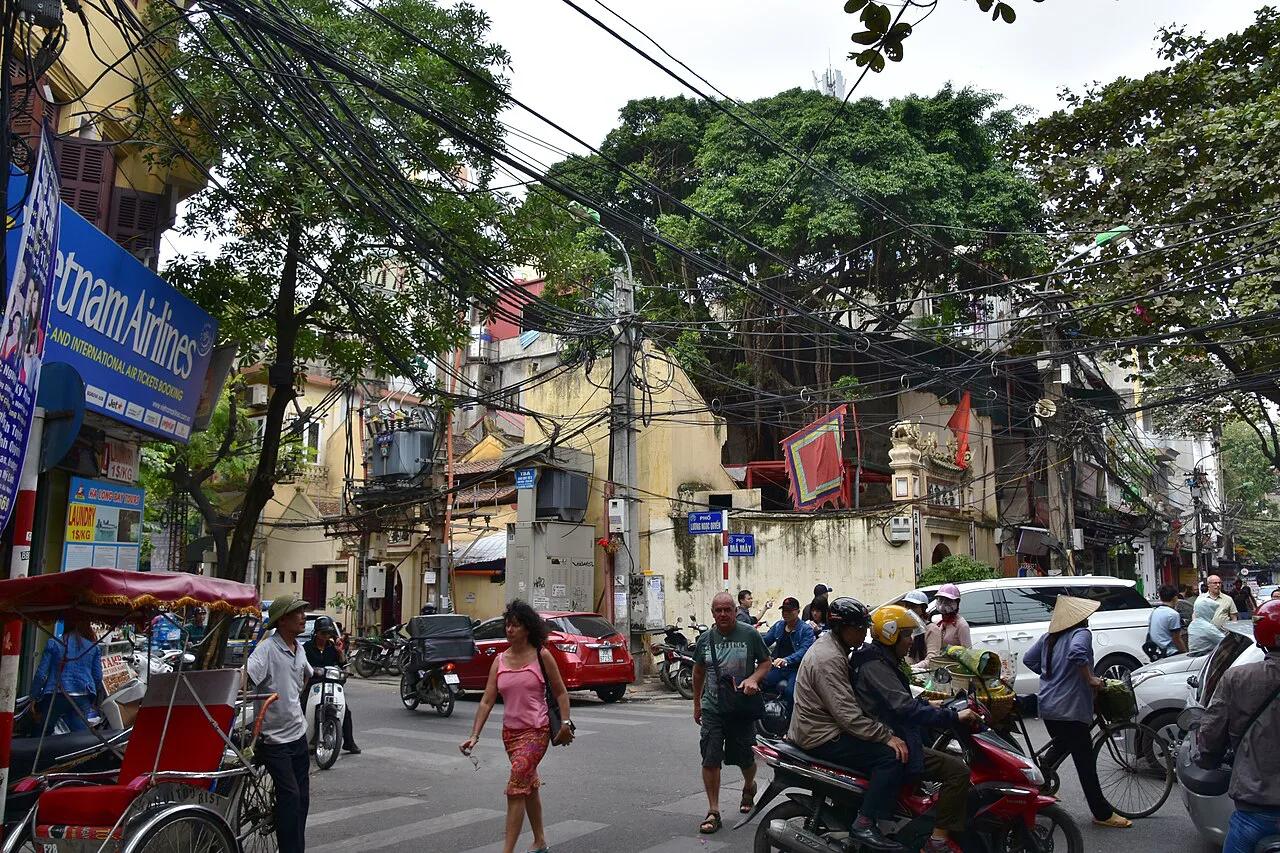
Dinh Dong Thanh is a communal house (đình) reported at 7 Hang Vai Street in Hoan Kiem. Traveler posts describe a banyan tree overhead, stone elephants and warriors, and carved walls. Den Chan Tien and Dong Ninh are two other small Old Quarter temples named in traveler posts. Addresses and access are unverified.
Combine them with Bach Ma as a 30-minute loop on foot. Skip this loop if you need confirmed hours, or if you prefer sites with signage and staff.
Routes: How to Combine Temples in Hanoi
Group by neighborhood, because West Lake traffic at peak hours can double a short ride. Tran Quoc is 4 to 5 km (about 3 miles) from the Old Quarter, so take a ride-hailing app there and walk the Old Quarter. Do route A and B together for a full day.
| Route | Stops | Between stops | Time |
|---|---|---|---|
| A: West Lake and Ba Dinh | Quan Thanh, Tran Quoc, One Pillar, Mausoleum area | Walk the Thanh Nien causeway, then ride | Half day |
| B: Hoan Kiem and Old Quarter | Ngoc Son, Bach Ma, Dinh Dong Thanh | Walk | Short morning |
| C: Confucian and Taoist | Temple of Literature, then Quan Thanh | Ride | Half day |
Costs, Hours and Tickets
Many pagodas charge nothing, and the Temple of Literature charges a fee. Tran Quoc and One Pillar are free. Published hours at Tran Quoc conflict: some guides list 8:00 to 16:00, others list 7:30 to 11:30 and 13:30 to 18:30. Arrive between 8:30 and 11:00, or 13:45 and 15:30, to fall inside every schedule. The 1st and 15th days of the lunar month are the busiest, and ceremonies can close halls. Donation boxes are optional, and a note of 10,000 ₫ to 50,000 ₫ is plenty.
| Site | Entry | Hours note |
|---|---|---|
| Tran Quoc Pagoda | Free | Sources conflict; arrive 8:30 to 11:00 |
| One Pillar Pagoda | Free | Reported open all day |
| Temple of Literature | Paid | Ask at the ticket desk |
| Perfume Pagoda | Ticket, boat and cable car sold separately | Full-day trip |
Etiquette and Dress Code
Hanoi's pagodas are working places of worship. Pack a scarf or sarong, because staff may turn away shorts and tank tops at Tran Quoc.
- Cover shoulders and knees.
- Take hats off in the main hall.
- Remove shoes where signs or racks show.
- Never turn your back to an altar.
- Skip flash and do not photograph people praying.
- Put donations in the box, not on statues or altars.
Best Time to Visit Hanoi's Temples
Weekday mornings are calmest, with the 8:30 to 11:00 window working at Tran Quoc. Traveler posts suggest arriving about an hour before sunset for light on the stupa, but check the closing time first. September to November is the autumn window posts recommend. Tet and lunar-month dates bring crowds, and Hanoi families fill pagodas on those days.
Pick a weekday morning, since the 1st and 15th days of the lunar month are the busiest.
Day Trip: Perfume Pagoda (Chua Huong)
Perfume Pagoda is a cluster of Buddhist shrines in limestone mountains about 60 km (37 miles) southwest of Hanoi. The trip starts with a boat along the river through rice fields. Then you either hike for 2 to 3 hours or take a 15-minute cable car. Plan a full day, with tickets, boat and cable car sold separately, so ask for current prices on site. The pilgrimage season after Tet, February to March, brings queues for the boat and crowds on the trail. Off-season weekdays, April to October, are quiet. Bai Dinh in Ninh Binh is an alternative, with an electric cart at about 30,000 ₫ one way.
Mistakes to Avoid at Temples in Hanoi
Most problems come from timing and dress.
Tran Quoc's reported break runs 11:30 to 1:30, so a 13:45 arrival after lunch sidesteps it.
- Arriving at midday closures.
- Wearing shorts or tank tops.
- Treating the Mausoleum as a temple.
- Assuming the Tran Quoc stupa is ancient; it dates from 1998 to 2003.
- Accepting free incense from someone who then asks for money.
Where to Base Yourself for Temple Visits
Base yourself in the Old Quarter if Hoan Kiem Lake, Ngoc Son Temple, Bach Ma Temple and the small Hang Vai stops are priorities. You can walk between several of these sights, then use a ride-hailing app for the longer cross-city hops. Tran Quoc Pagoda is about 4 to 5 km from the Old Quarter, so it is usually easier to ride there than to begin with a long walk.
Choose Ba Dinh if you want One Pillar Pagoda and the Mausoleum area early in the day. One Pillar is about 100 m from the Mausoleum, which makes this the simplest pairing for a short morning. West Lake also suits travelers who prefer Tran Quoc and Quan Thanh, but it is less convenient for repeated Old Quarter sightseeing.
A practical split is to stay near Hoan Kiem for walkable evenings and devote one half-day to West Lake and Ba Dinh. Avoid planning cross-town rides at peak traffic hours, especially when you have a fixed ticket or ceremony time.
Building the rest of the trip? Our Hanoi attractions guide covers the sights, districts and logistics around this guide.
Frequently Asked Questions
Can I just show up to a Buddhist temple in Hanoi?
Yes, at most pagodas. Tran Quoc charges no entry fee and opens daily. Check posted signs, because halls can close during ceremonies.
Is there a dress code for the Temple of Literature in Hanoi?
Follow the shoulders-and-knees standard used at Hanoi's worship sites. A scarf handles a quick cover-up. Signs at the gate override general advice.
Explore More Hanoi Guides
Keep planning your Hanoi trip with these guides.
Hanoi Guides
Useful notes for your Vietnam trip
Optional updates to our guides.
You might also like
Continue reading
More guides you'll find useful