Da Nang Surfing: Best Spots, Season & Lessons
Da Nang surfing guide: beach-break spots, the northeast monsoon season, lessons and rentals, and honest wave expectations for beginners.
On this page
Last updated November 2026: Da Nang surfing is Vietnam's most dependable beach-break option, and it works best for beginners during the northeast monsoon, roughly November to March. Waves are mostly small windswell over sandbars, so conditions are inconsistent. Local surf schools and board-rental stands along Vo Nguyen Giap Street handle lessons and gear.
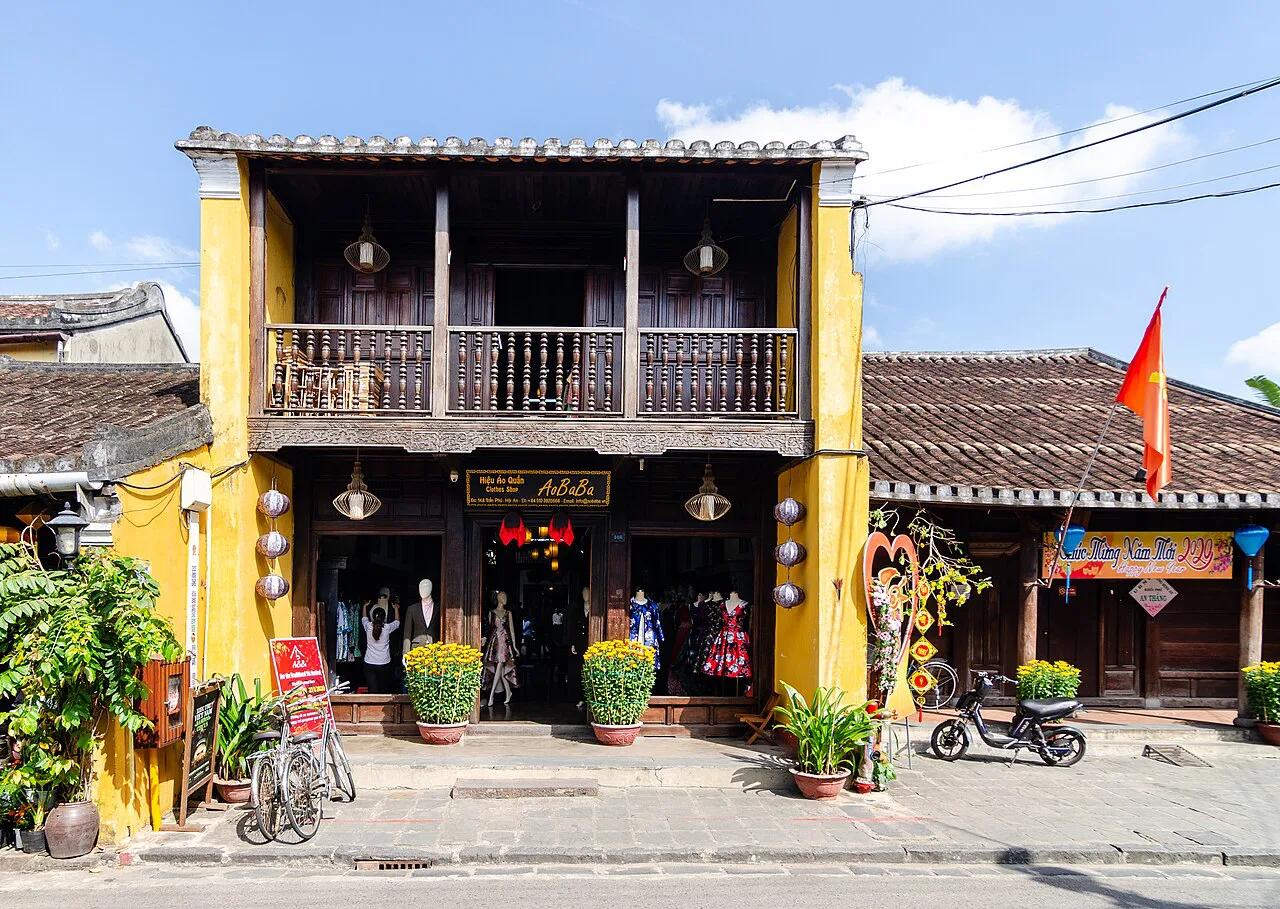
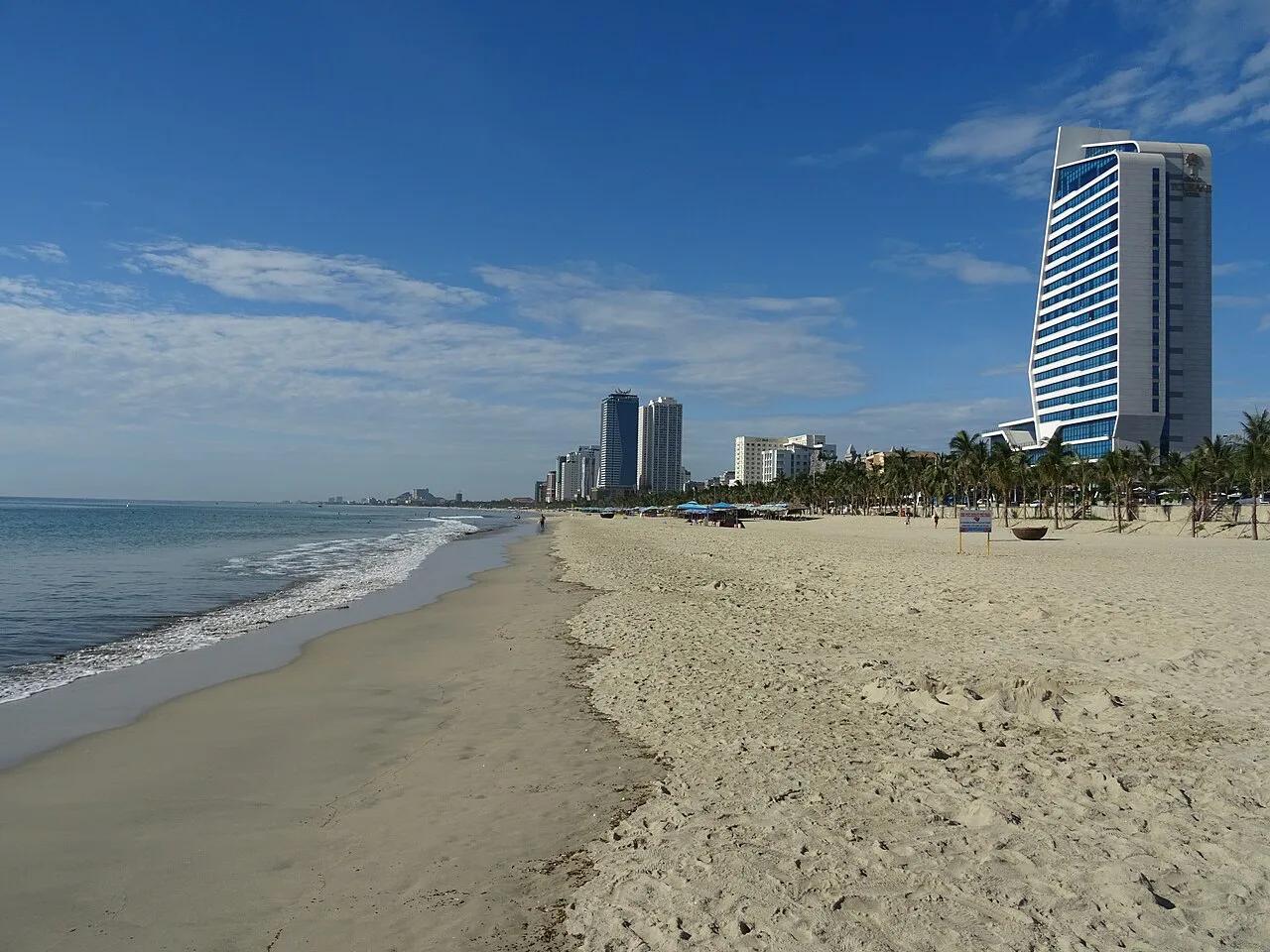
Featured image: Christophe95, CC BY-SA 4.0, via Wikimedia Commons.
Can You Try Da Nang Surfing as a Beginner?
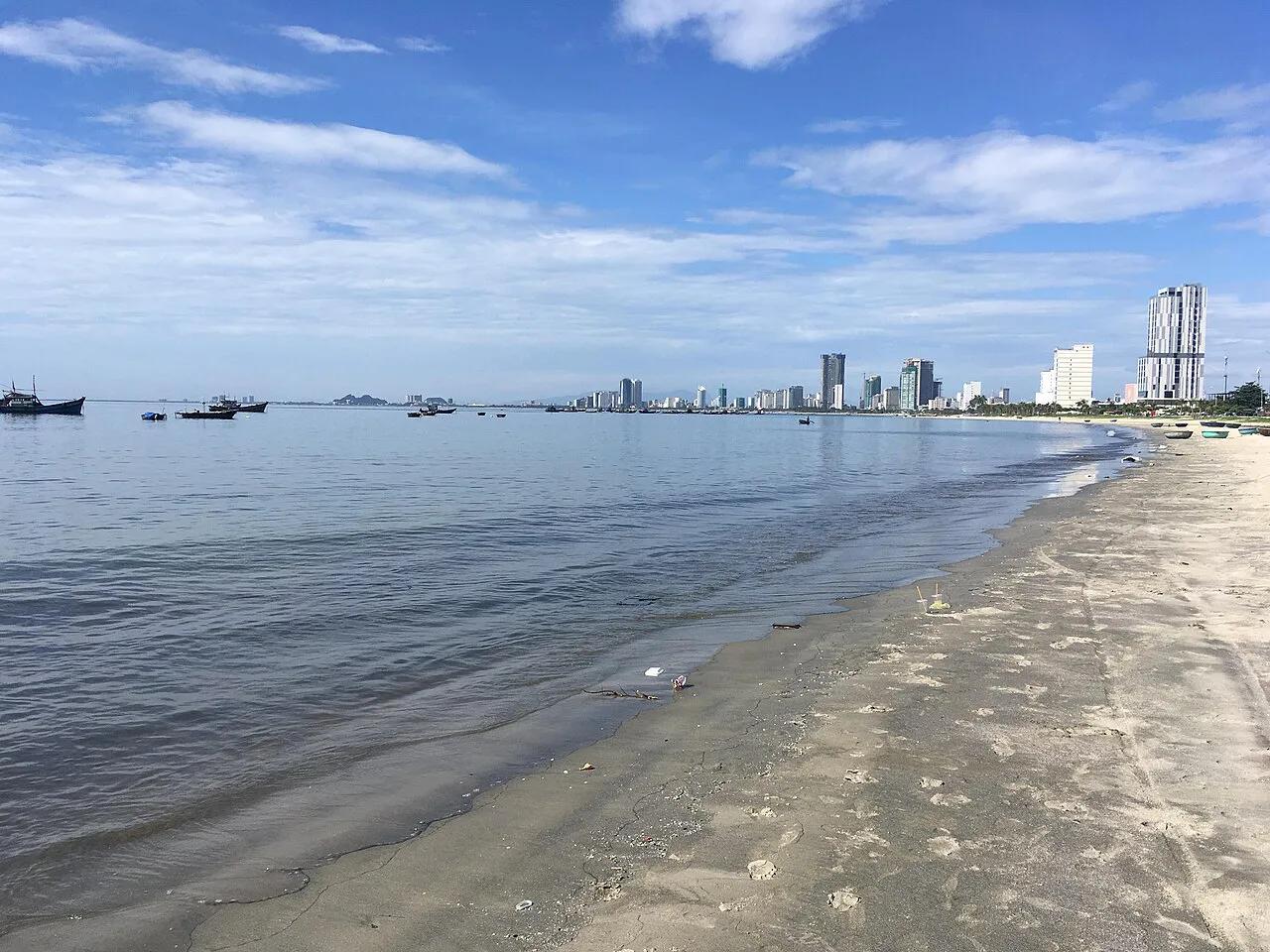
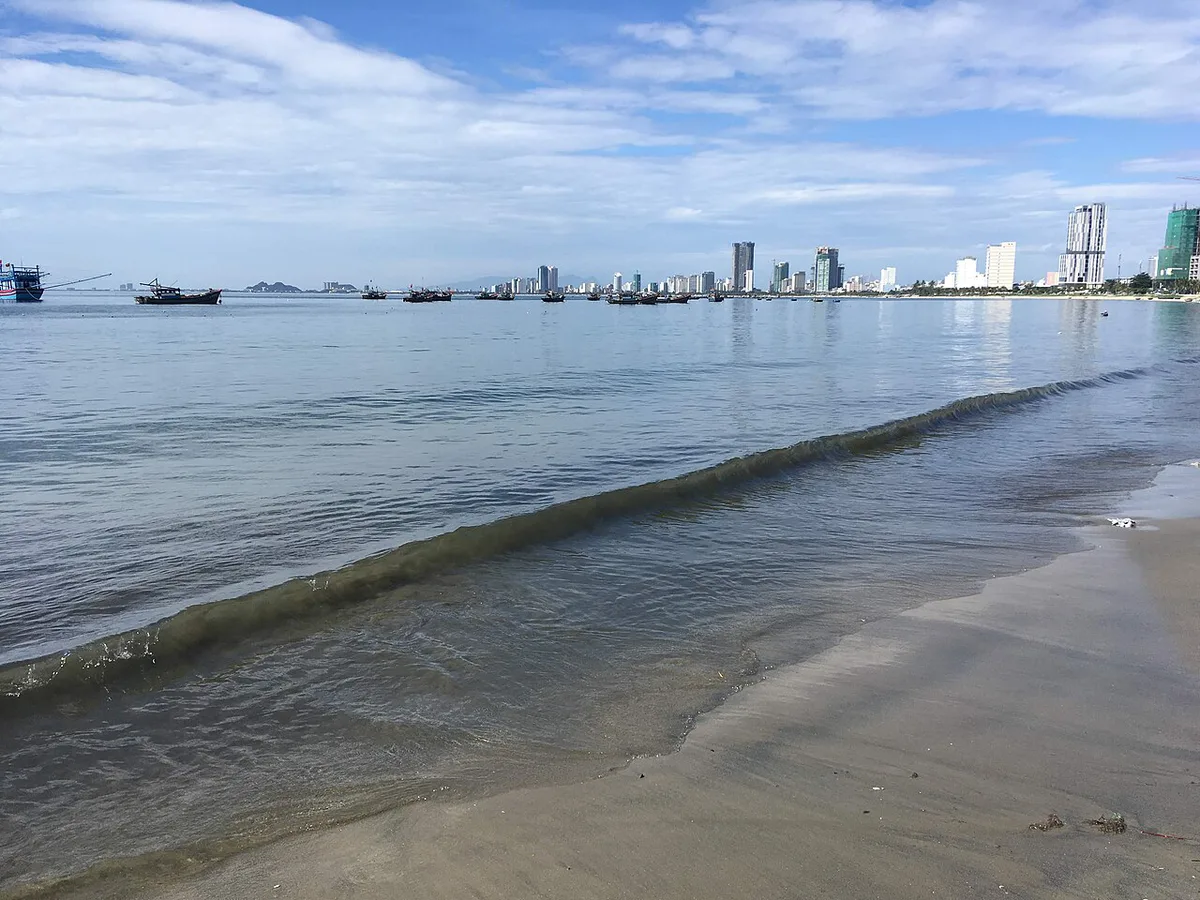
Yes, with realistic expectations. Da Nang's long city beach has sandbars that work with windswell. Offshore wind can clean them up, and big days are rare. Conditions are inconsistent, so treat a session as a bonus rather than the whole plan. Beginners get the most from these gentle breaks, which is why local schools cluster here. If you only want to swim, start with our Da Nang beach guide.

Best Surf Spots in Da Nang
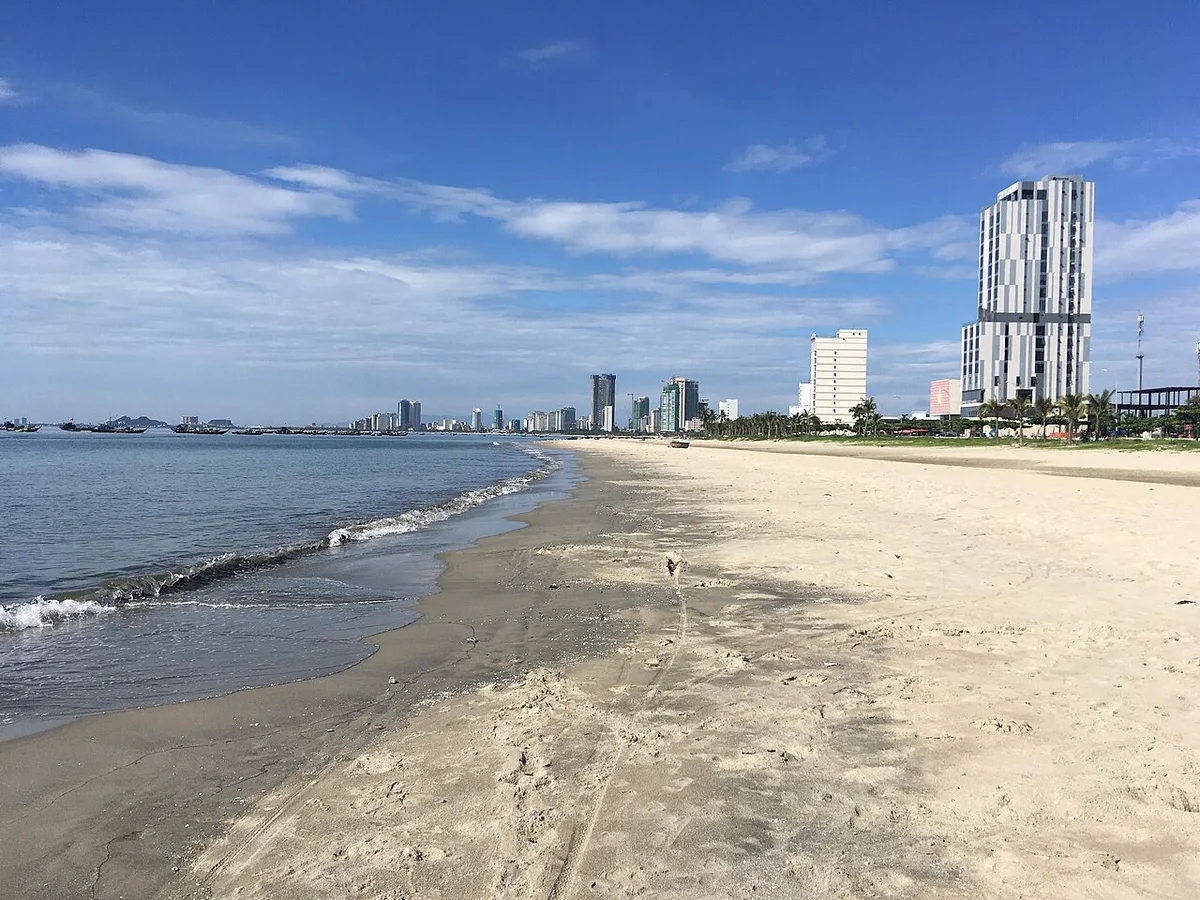
Surf schools and board-rental stands serve both My Khe and Non Nuoc along Vo Nguyen Giap Street. Most lessons meet at the main city beach, My Khe. Read My Khe's sand and facilities before you go. Forecast maps also list Nam O Point as a separate spot. For the southern stretch, see Non Nuoc's sand and swim conditions.
| Spot | Break type | Best for | Access |
|---|---|---|---|
| My Khe | Sandbar beach break | Beginner lessons and board rental | City beach with schools along Vo Nguyen Giap Street |
| Non Nuoc | Beach break | Practice sessions when the swell is up | Stands and schools along Vo Nguyen Giap Street |
| Nam O Point | Listed separately on forecast maps | Experienced surfers reading the forecast | Ask a local school before heading out |
| Son Tra Peninsula | Not a confirmed surf spot | Viewpoints when the sea is flat | Treat as a non-surf day option |
Best Time to Surf in Da Nang
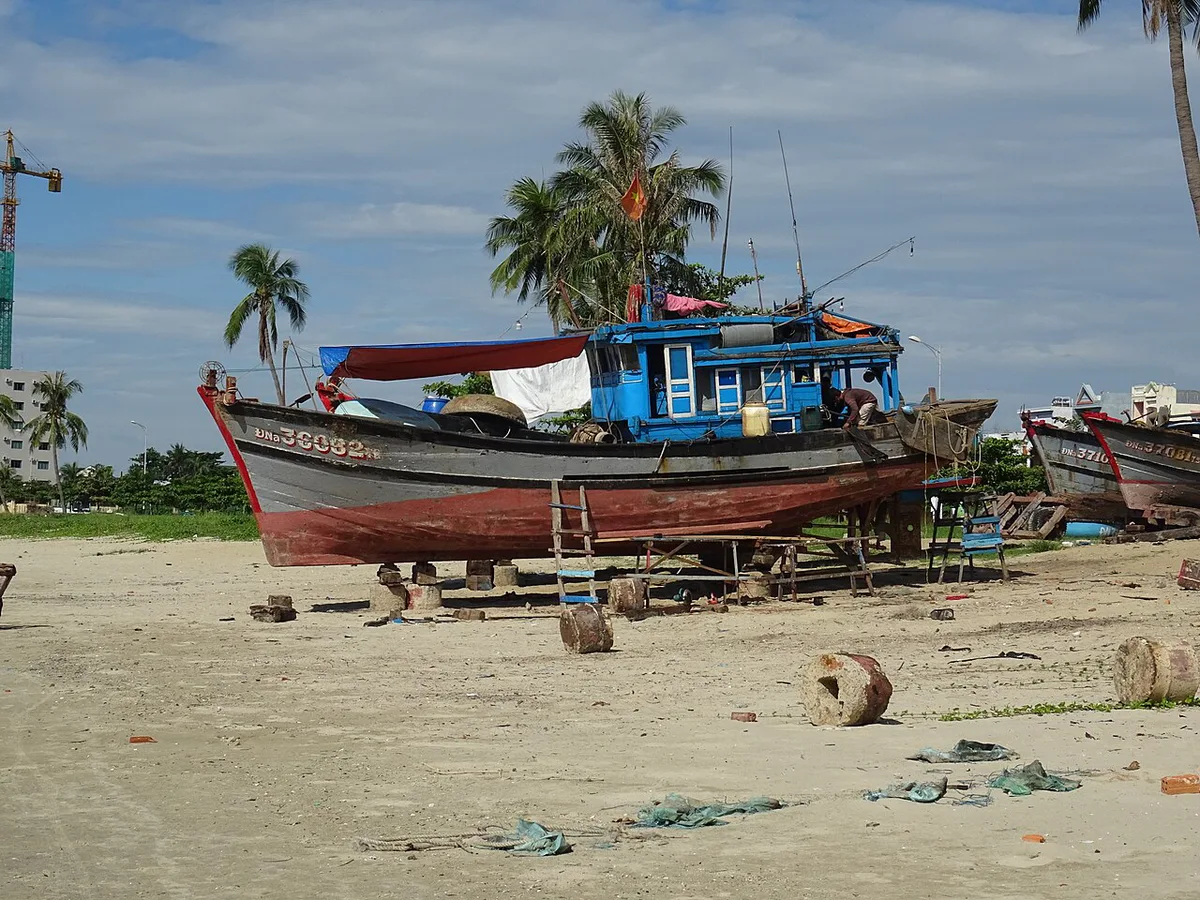
Northeast monsoon season, roughly November to March, brings the best windswell. Offshore wind usually arrives in the morning, so early sessions tend to be cleaner. Surf is possible in other months too. Typhoon swells between May and August can produce waves, but they are rare and unreliable. Storm systems also mean rougher, riskier water. Look at Da Nang's official tourism site for local conditions and events. Use Surfline's Da Nang page for live forecasts.
| Period | What to expect | Plan |
|---|---|---|
| November to March | Most reliable windswell, cleaner mornings | Book lessons and compare daily forecasts |
| April to October | Smaller, inconsistent waves with flat spells | Swim and sightsee; rent a board only if the forecast shows swell |
| May to August | Occasional typhoon swell, unreliable and riskier | Never plan a trip around it; follow storm warnings |
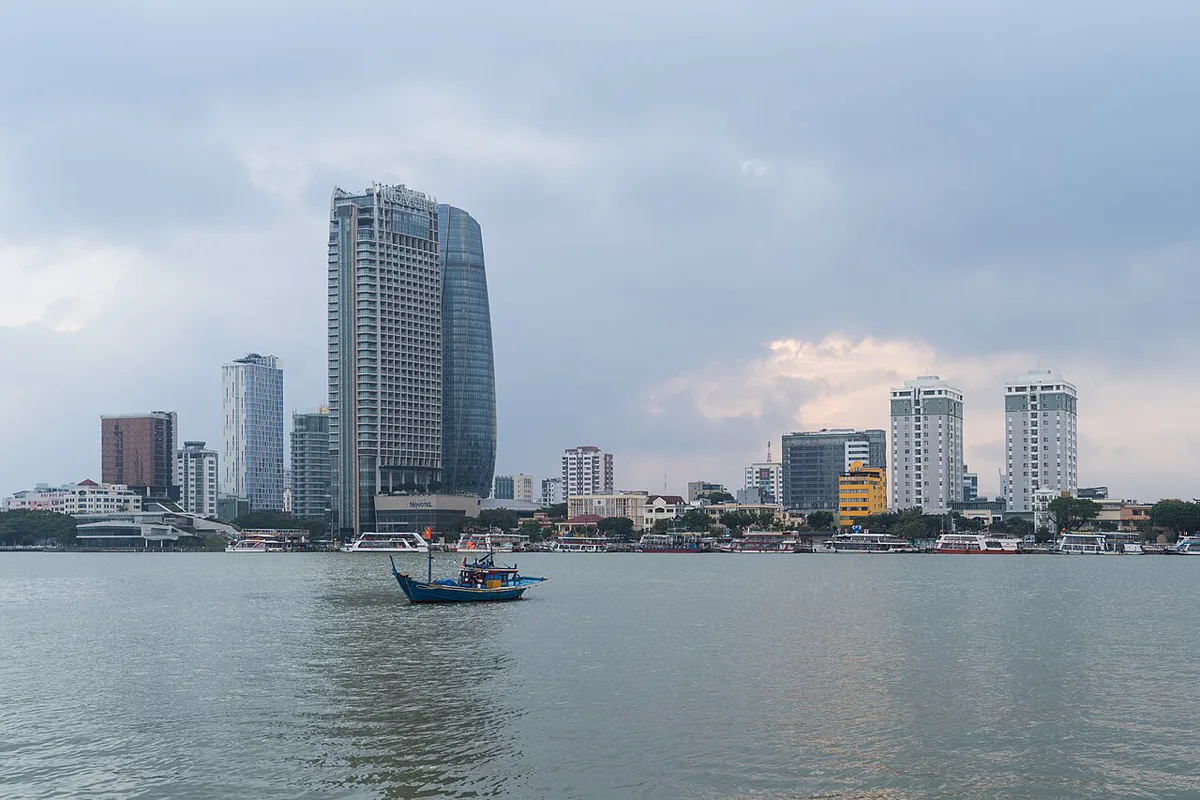
Surf Lessons, Board Rental and Costs
Some schools run lessons of about 90 minutes. Rental alone costs less than a lesson, but it only suits people who already stand up reliably. Each school publishes its own current prices, so compare them on their sites. Ask these questions before paying.
Some schools run lessons of about 90 minutes. Booking an early-morning slot suits the offshore wind, and a flat-day reschedule is worth asking about.

- How many students share one instructor?
- Is a board included, and is a leash or rash vest included?
- Where exactly is the meeting point on the beach?
- What happens if the swell is flat on the day?
Getting There and Planning Your Day
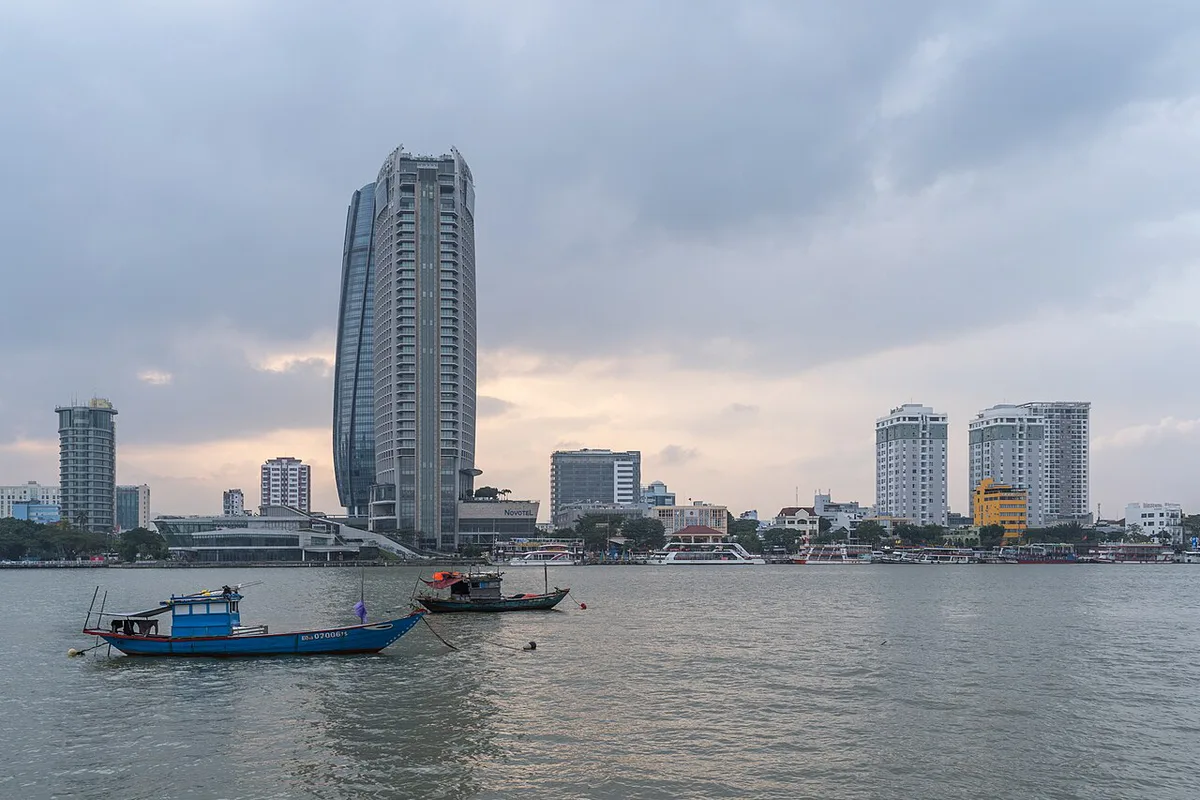
A taxi or transfer from Da Nang airport to Hoi An takes about 30 minutes. Within the city, the beach strip is a short ride from most hotels. Pick a morning slot when offshore wind is likelier. Use the afternoon for a swim or a viewpoint. National trip-planning basics are on Vietnam's tourism authority site.
- Early morning: check the forecast, then book or rent.
- Mid-morning: surf for about 90 minutes.
- Afternoon: rest, eat and swim at a lifeguarded stretch if present.
- Flat day: visit the Son Tra Peninsula viewpoints instead.
Staying in Hoi An?
Hoi An is about 20 minutes from Da Nang. Its own beaches are mostly mush. Cua Dai has an embankment offshore that strips swell of power. An Bang has a shallow shelf and no board rental, so waves rarely take shape. Go to Da Nang for surf and ask your school about transfers when you book.
Hoi An is about 20 minutes from Da Nang. Most lessons meet at My Khe, so that short drive is your morning start.

Safety, Rips and Weather Warnings
Sandbar beaches can create rip currents, especially when swell is up. Stay near other swimmers and ask your instructor to point out channels. Skip the water entirely during storm or typhoon warnings. Local flag systems and lifeguard coverage vary by stretch of beach, so ask at the nearest stand. For wider trip updates, see Da Nang's tourism portal.
Common Mistakes and Who Should Skip
A few errors cost surfers the most time. Wave-hungry travelers who need guaranteed size should skip Da Nang between April and October. Plan other activities for flat days.
- Trusting one day's forecast instead of watching several.
- Booking outside the monsoon window without a fallback plan.
- Expecting waves at Hoi An's beaches.
- Assuming board rental exists on every beach.
What to Do if the Surf Is Flat
Flat water is normal outside the main November-to-March surf window. Check the forecast before travelling to the beach, then contact the school or rental stand before committing to a session. Ask whether a 90-minute lesson can be moved to another morning if the swell disappears. A reputable operator should explain its weather and cancellation policy clearly.
From April to October, keep surfing as one option rather than the centre of your day. Use a flat morning for My Khe swimming, cafés, or a walk along the city beach. Save the Son Tra Peninsula viewpoints for the afternoon. Do not chase occasional May-to-August typhoon swell: storms can make the sea dangerous even when waves look more appealing.
If you already surf, rent only after checking that conditions suit your ability. Beginners usually get better value from a lesson on a small, manageable day. When the water is rough, skip the session and follow local warnings.
Frequently Asked Questions
When should I avoid Da Nang?
For surfing, avoid building a trip around May to August typhoon swells, which are rare and risky. Flat spells are common outside November to March. Follow local storm warnings and keep a non-surf plan ready.
Useful notes for your Vietnam trip
Optional updates to our guides.
You might also like
Continue reading
More guides you'll find useful