Phu Quoc Pepper Farm Guide: Which to Visit, Cost and Timing
Plan a Phu Quoc pepper farm visit: how to choose between farms, what's free, best time of day and season, getting there, and what pepper to buy.
On this page
Last updated November 2026: a Phu Quoc pepper farm is a short, low-cost stop that fits into half a day. Entry is free at the farms covered here, and a visit runs about 1–2 hours. Pick one farm, or two at most, using the comparison below.
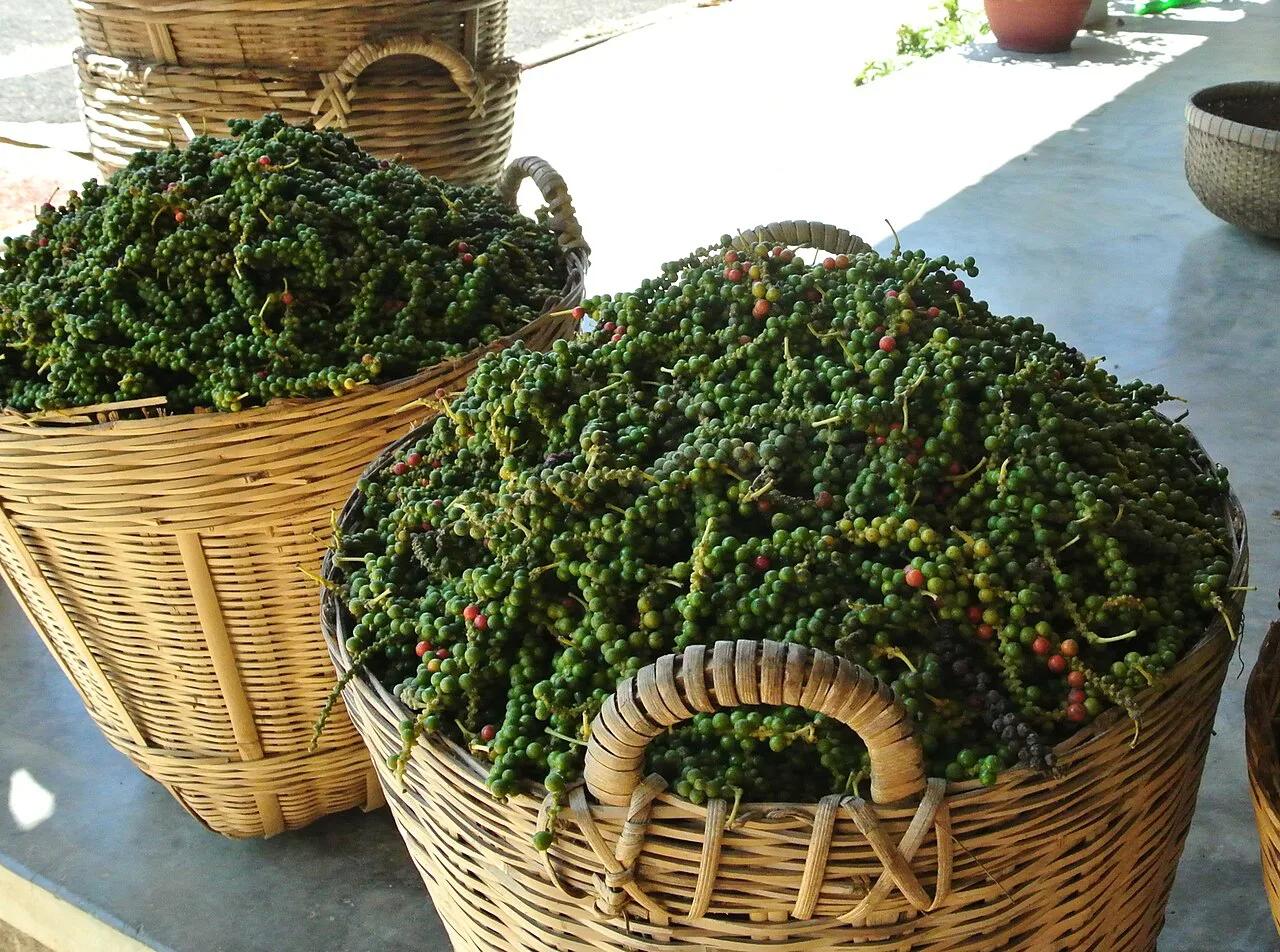
Featured image: Tonbi ko, CC BY-SA 4.0, via Wikimedia Commons.
Is a Phu Quoc Pepper Farm Worth Visiting?
Yes, for most visitors. Farms sit in the central-to-northern countryside, roughly 10–20 minutes from Long Beach by motorbike or Grab. Entry costs nothing, and a stop of 1–2 hours covers the vines, the drying yard and a tasting. Go if you want to see how peppercorns are grown, dried and sold. Skip it if midday heat and dusty paths put you off, or if you want a polished attraction with fixed show times. Vietnam Tourism's Phu Quoc travel guide covers the wider island if you are still building your itinerary.
Which Pepper Farm Should You Choose?
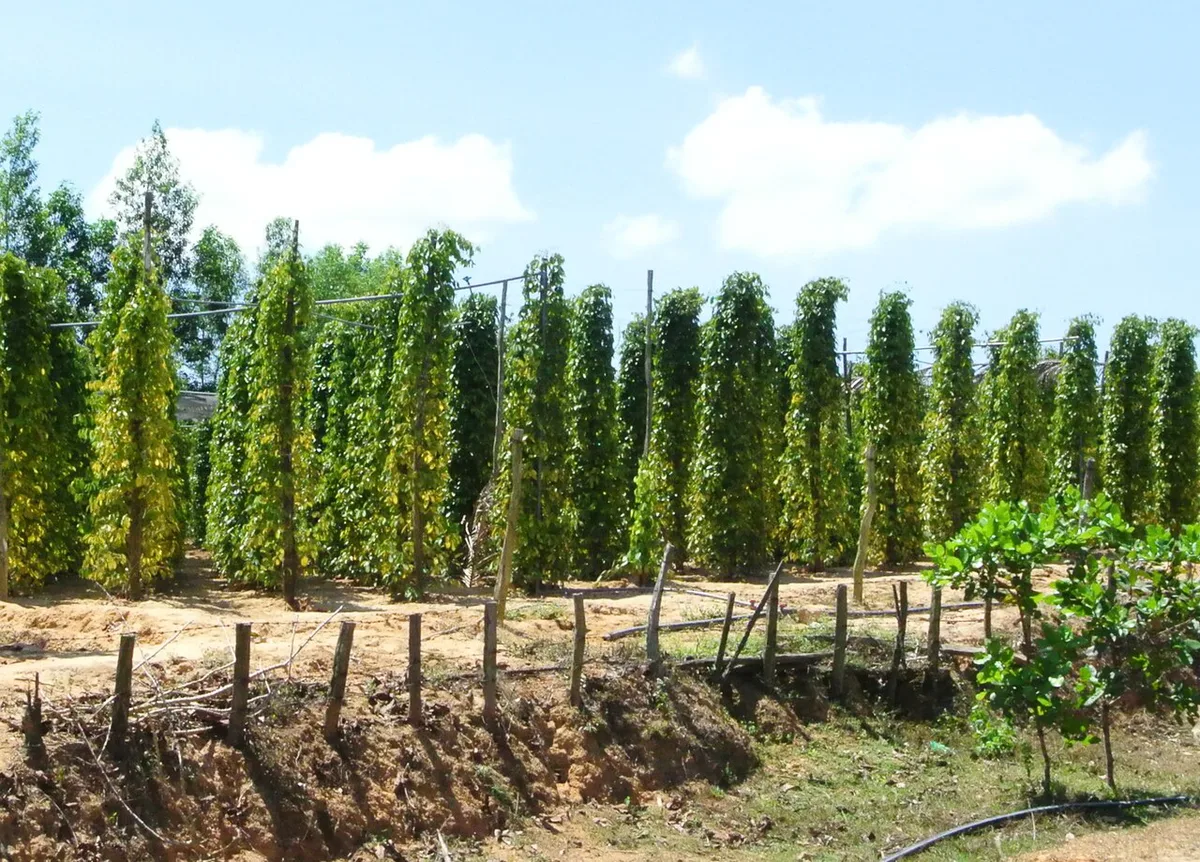
Pick by what you want to do, not by a ranking. Prices and hours below were checked November 2026 against published listings, and farms change them without notice. Hours for the same farm differ between sources, so treat the table as a guide and phone ahead for a firm answer.
| Farm | Best for | Format | Listed hours | Listed price range |
|---|---|---|---|---|
| Pepper Farm Phu Quoc (Countryside) | First-timers, families | Guided tour in English, cooking classes, bungalows | Closed Wednesdays | Tour fee charged; ask on arrival |
| Hai Duong | Photos, family story, hands-on picking | Family garden, harvesting and sun-drying | 8am–4pm in one source, 6am–5pm in another | Not listed |
| Duc Thanh | Hands-on visitors, buying products | Self-guided walk, picking, tasting | 7am–5pm | ₫30,000–₫400,000 |
| Ngoc Ha | Browsing and buying | Low-key stop, no set programme | 6am–7pm | ₫25,000–₫250,000 |
| Huynh Thy | Tasting, coffee break | Small organic garden with café | 8am–5pm | ₫30,000–₫320,000 |
- First visit or travelling with children: Pepper Farm Phu Quoc (Countryside).
- Best scenery and a family story: Hai Duong.
- Most hands-on: Duc Thanh.
- Quick browse and buy: Ngoc Ha.
- Coffee among the vines: Huynh Thy.
Farm Profiles
Each profile below is short on purpose. Two farms is the practical limit before the visits start to blur together.
- Pepper Farm Phu Quoc (Countryside): run by Jenny and her family since 2008, with an English-speaking guide, cooking classes and overnight bungalows. One listing places it in Xom Moi Hamlet, Bai Thom Commune.
- Hai Duong: a three-generation family garden in Hamlet 4, Cua Can Commune, about 3.2 km from Vung Bau Beach. Visitors taste fresh pepper dipped in salt and try pepper-infused fish sauce. Peppercorns are sold at the garden only, not online.
- Duc Thanh: in Cua Lap Hamlet, Duong To Commune. Black, red and white pepper are grown here, and shelves hold honey pepper, caramelised pepper and seasoned salts. Cards are listed as accepted.
- Ngoc Ha: about 5 km from central Phu Quoc, with pickled peppercorns, dried pepper and pepper salt blends. Sources place it in Suoi Da Hamlet or along TL47, so map it before you set off.
- Huynh Thy: a small organic farm in Suoi May Hamlet, Duong To Commune. Staff let you taste pepper at several stages of processing, and the garden café sits among the vines.
- Also mentioned, with thinner detail: Tuan Viet (Suoi Da Hamlet, sun-drying instead of roasting, prices from ₫30,000), Hong Anh (Suoi Lon Hamlet, 2.8 km from Hoang Tu Shrine, ₫25,000–₫150,000), Duc Ninh (Suoi Da Hamlet) and Khu Tuong (Khu Tuong Hamlet, Cua Duong Commune).
Phu Quoc Pepper Types and Why They Differ
All peppercorns start as the same berry. What changes is the stage of ripeness and the processing. Listings disagree on the count, with some naming three types and others four, so expect to see up to four. Farm descriptions of the soil also differ: one family farm cites red basalt, while a resort guide cites mineral-rich quartz. Ask your grower what the vines actually grow in.
- Black pepper: picked at full maturity and sun-dried until the skin wrinkles. Bold and pungent.
- White pepper: husk removed before drying. Milder and earthier.
- Red pepper: the fully ripe berry, with a faint fruitiness. Hardest to find processed.
- Green pepper: harvested early and often kept in brine. Most grassy, and often eaten fresh from the vine.
Costs, Entry and Opening Hours
Walking the grounds and taking photos is free at the farms profiled here. Money changes hands for guided tours, picking sessions, cooking classes, tastings, coffee and products. Published ranges run from ₫25,000 to ₫400,000 per visitor, depending on the farm and what you add. Budget ₫100,000–₫300,000 per person if you plan a tour, a coffee and a small bag of pepper. That figure is a planning estimate built from those ranges, not a quoted price. Card payment is listed for Duc Thanh and Huynh Thy only, so carry cash elsewhere. Opening times run from 6am to 7pm at the longest-open farms. Pepper Farm Phu Quoc is reported closed on Wednesdays, and the Hai Duong hours conflict, so call before a long ride.
Opening times stretch from 6am to 7pm at the longest-open farms, so a 1–2 hour visit fits well inside the day.
Best Time to Go: Time of Day and Season
Aim for 8:00–10:30am. Work in the rows is in full swing then, and the heat is lower. Noon is harsh, and workers may take a break. Season changes what you see. Harvest runs from November to February by the lunar calendar, so exact weeks shift against the Gregorian one. Red clusters hang on the vines, and you can often join the handpicking. From February to July, farms focus on sorting, drying and packing, with fewer berries on the vine. August to October is the wet season. Vines are lush, and some farms keep reduced hours. Other sources call the farms year-round stops, which matches the 1–2 hour format.
Leaving Long Beach early means the 10–20 minute ride still lands you in the 8:00–10:30am window.
How to Get There and Plan Your Route
Farms cluster along TL47, the Suoi Ca–Ganh Dau route and the Duong To and Cua Can areas. A motorbike, Grab or taxi covers the 10–20 minutes from Long Beach. Book transport directly, because a driver may steer you toward a commission shop. Combine the farm with one nearby stop rather than a second farm. Three half-day options work well.
- Morning farm, then food production: pair the farm with a fish sauce factory visit for a full local-flavours morning.
- Morning farm, then lunch: head to one of the restaurant picks for lunch before the afternoon heat.
- Afternoon farm, then evening: finish with night market dinner after the light softens.
What to Expect on a Visit
A typical stop lasts 1–2 hours. You walk the rows, hear how the vines are tended, watch picking or drying, taste several varieties and end at the farm shop. Wear light clothes, a hat, sunscreen and sturdy sandals or sneakers for uneven paths. Most farms are family-run, so English-speaking staff or bilingual signs are not guaranteed. Save photos of the products you want, or use a translation app. Not every farm has a café, so carry water. Call ahead for groups or bulk orders. Check for a working garden: vines in rows, a drying area and growers on site. A shop with only a car park and shelves is a retail stop.
What to Buy and How to Bring It Home
Choose dry, sealed whole peppercorns in black, white or red. Pepper salt, honey pepper and caramelised pepper also travel well. Skip fresh green or red berries, which may be confiscated at some borders. Rules differ by country, so read your own customs or agriculture agency's page before packing. Declare the pepper as an agricultural product if asked. Smell before you buy. Good pepper has a sharp, clean aroma, and a flat scent suggests old stock.
Pepper on Your Plate
Locals use pepper as a dipping condiment, muoi tieu chanh. It mixes ground pepper, salt and fresh lime juice. Try it with crab, grilled prawns and fresh fruit, and plan a grilled seafood dinner to put your purchase to work. Some farms also serve pepper fish sauce and fruit with chilli-salt-lime dip on site.
Common Mistakes and Quick Tips
Most problems come from timing and expectations. A short checklist saves a wasted ride.
- Treating a retail stop as a working farm.
- Arriving around noon, when the heat peaks.
- Assuming cards work everywhere.
- Expecting English speakers or bilingual signs.
- Following a driver's detour to a commission shop.
- Buying fresh berries to carry home.
- Going on a Wednesday without checking whether Pepper Farm Phu Quoc is open.
Useful notes for your Vietnam trip
Optional updates to our guides.
You might also like



Continue reading
More guides you'll find useful