Marble Mountains Da Nang Guide: Gates, Costs & Timing
How to visit the Marble Mountains from Da Nang: which gate to use, what to pay, how long to allow, and which caves and pagodas are worth your time.
On this page
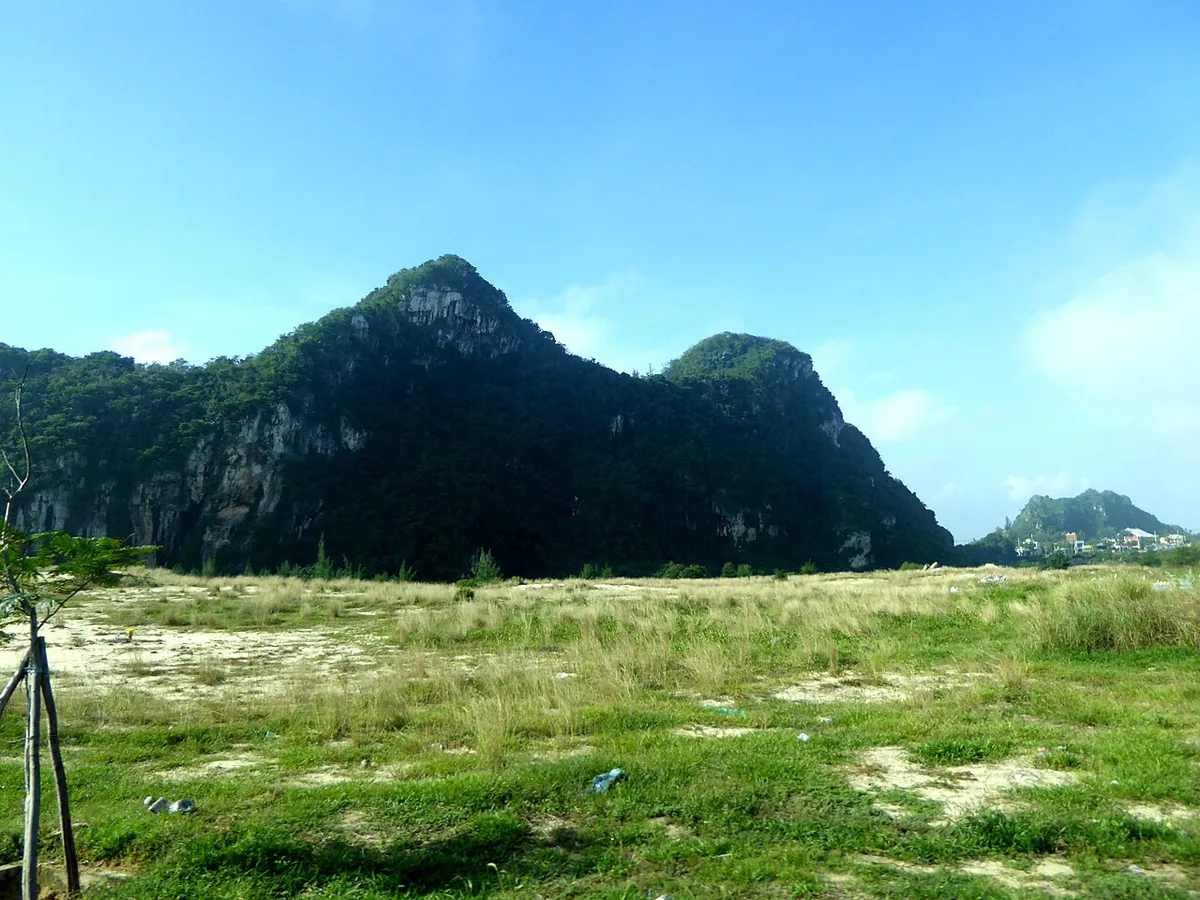
Last updated November 2026: the Marble Mountains (Ngu Hanh Son) are five limestone and marble outcrops in Hoa Hai ward, roughly 5 miles (8–9 km) from central Da Nang. Plan on about two hours on site and a taxi ride of around 20 minutes from the city. Temple fans and first-timers get the most out of Thuy Son, the largest peak, and this guide covers gates, costs, caves and timing. For other options, compare it with our Da Nang day trip options.
Featured image: Hiroki Ogawa, CC BY 3.0, via Wikimedia Commons.
Marble Mountains at a Glance
Thuy Son is the peak most visitors climb. It holds pagodas, cave shrines and viewpoints over Non Nuoc Beach and My Khe. Entry costs 40,000₫, and the optional elevator adds 15,000₫. Doors open at 7:00 am, and a full circuit takes about two hours. Expect stone steps throughout, so effort is moderate and heat is the main issue.
- Distance from central Da Nang: about 5 miles (8–9 km)
- Time needed: 1.5 to 3 hours
- Best hours: 7:00–9:00 am or after 4:00 pm
- Effort: moderate, with hundreds of stone steps beyond the elevator
- Skip it if: you have limited mobility, only an hour, or dislike heat
Is the Marble Mountains Visit Worth It?
Yes, if you like temples, caves and short hikes rather than theme-park logistics. Families with older children and history fans get the best return for under two hours and a small ticket. Skip it in midday heat or heavy rain, when the steps turn slick. Short on time? Ba Na Hills is a bigger, cable-car-based outing, and the Ba Na Hills guide covers it. Scenery-focused travelers may prefer the Hai Van Pass ride, which suits a longer half-day. Marble Mountains work well as a morning stop before either.
Getting There from Da Nang and Hoi An

Taxi or Grab is the easiest option and takes about 20 minutes from central Da Nang. Riders report paying around 350,000₫ for a round trip with a wait. A rented motorbike costs about 250,000₫ for the day, plus roughly 5,000₫ for on-site parking. From Hoi An, the local bus between Hoi An and Da Nang passes this area. It is cheapest but gets crowded at peak hours. Inside the site, you move on foot only.
| Option | Time from Da Nang | Typical cost | Flexibility |
|---|---|---|---|
| Taxi or Grab | About 20 minutes | Around 350,000₫ round trip | High, if the driver waits |
| Rented motorbike | Similar to a taxi | About 250,000₫ plus 5,000₫ parking | Highest |
| Local bus | Longer, with stops | Low fare | Lowest, crowded at peak hours |
| Guided tour | Pickup-based | Varies by operator | Fixed schedule |
Tickets, Gates and Opening Hours
Prices and hours here were checked November 2026. Entry to Thuy Son is 40,000₫, the elevator is 15,000₫, and Am Phu Cave is a separate 20,000₫. A typical visit with elevator and cave therefore costs 75,000₫ per person. Hours run daily from 7:00 am to 5:00 pm, and some listings give 5:30 pm, so aim to finish early. Gate 2 is the better choice for most visitors, since it has the elevator and parking. Gate 1 means climbing about 108 stone steps before the first landmark. Choose Gate 1 only if you want the full climb. One more caution: a second "Hell Cave" fee of 40,000₫ appears on some pages, probably for Am Phu, so verify at the ticket booth.
| Gate 1 | Gate 2 | |
|---|---|---|
| Start | Stairs from the entrance | Elevator and stairs both available |
| Parking | Limited | Motorbike and car parking |
| Effort | Higher | Lower |
| Best for | Hikers | Families, heat-averse visitors, mixed groups |
Best Time to Visit Marble Mountains
Aim for the dry months, roughly January to September. Spring days sit near 77–79°F (25–26°C). Summer climbs to 86–97°F (30–36°C), so go between 7:00 and 9:00 am or after 4:00 pm. Late October through November is rainy, and wet limestone steps get slippery. Check the forecast the day before. Carry water, wear shoes with grip, and use the elevator on very hot days.
Hours run daily from 7:00 am to 5:00 pm, so a 4:00 pm start cannot fit the two-hour circuit.
Suggested Routes: 1.5 Hours to 3 Hours
Pick a route by time, not ambition. The short loop covers the main sights from Gate 2 without climbing the summit. Longer routes add caves and the summit stairs. About 300 stone steps lead to the top of Thuy Son, and the last 30 or so are the hardest.
Gate 1 means climbing about 108 stone steps before the first landmark. Summit stairs add roughly 300 more, so Gate 2 and its elevator suit a shorter visit.
| Time | Route | Effort |
|---|---|---|
| 1.5 hours | Gate 2 elevator, Xa Loi Tower, Linh Ung Pagoda, Huyen Khong Cave | Low to moderate |
| 2–3 hours | Add Tang Chon Cave, Van Thong Cave, Hai Dai Tower and Tam Thai Pagoda | Moderate |
| 3 hours plus | Add Am Phu Cave and the summit stairs | Higher |
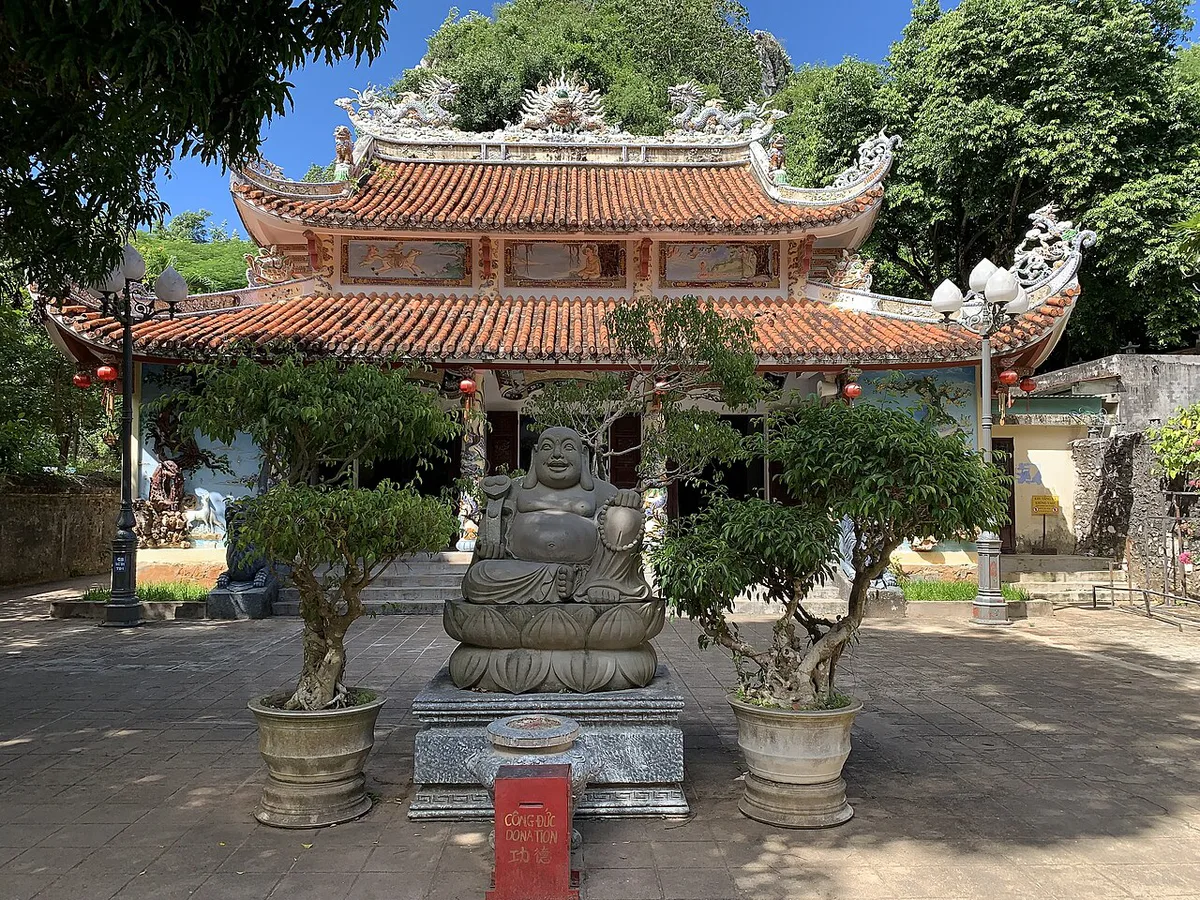
- Start early to avoid tour groups at Huyen Khong Cave.
- Save Am Phu Cave for last, since it ends with a steep staircase.
- Walk down through Tam Thai, Ton Tam and Tu Tam pagodas.
What to See: Caves, Pagodas and Viewpoints
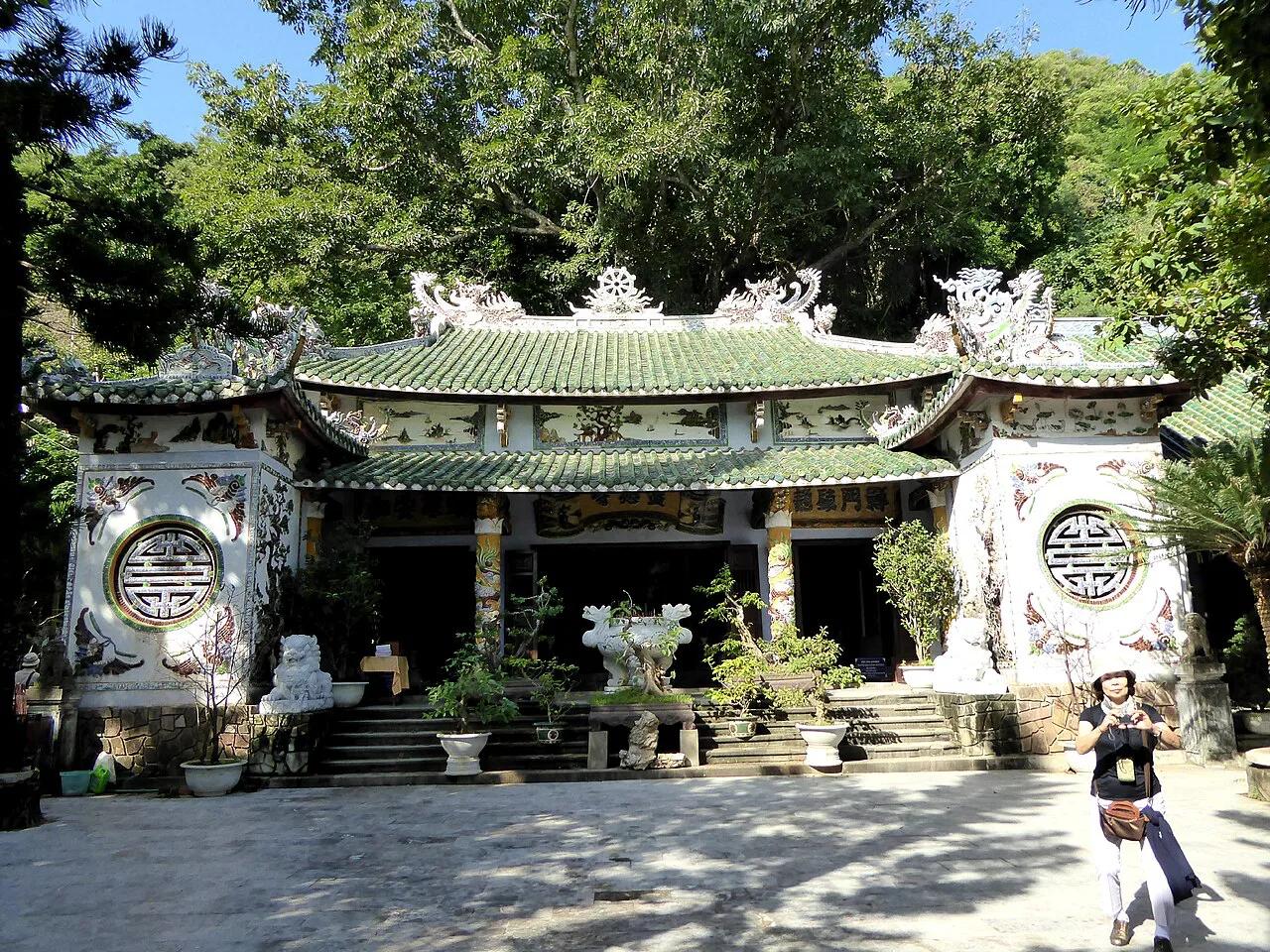
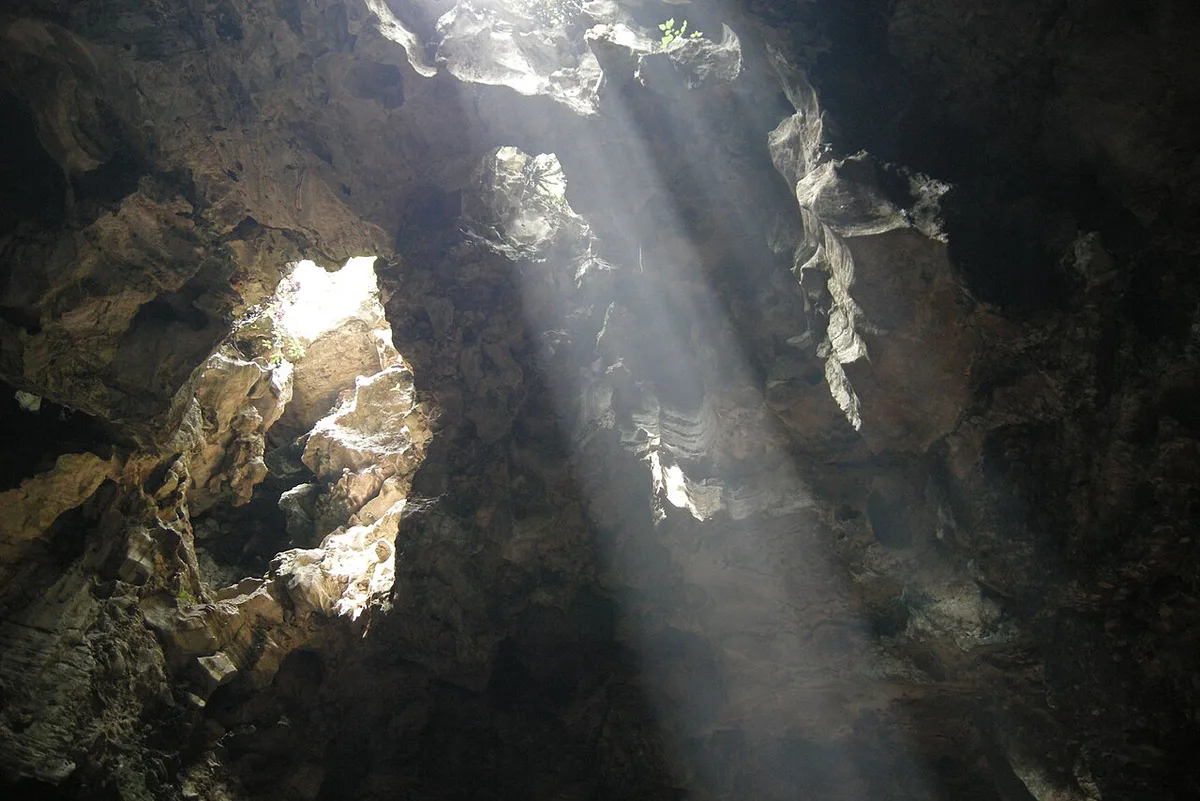
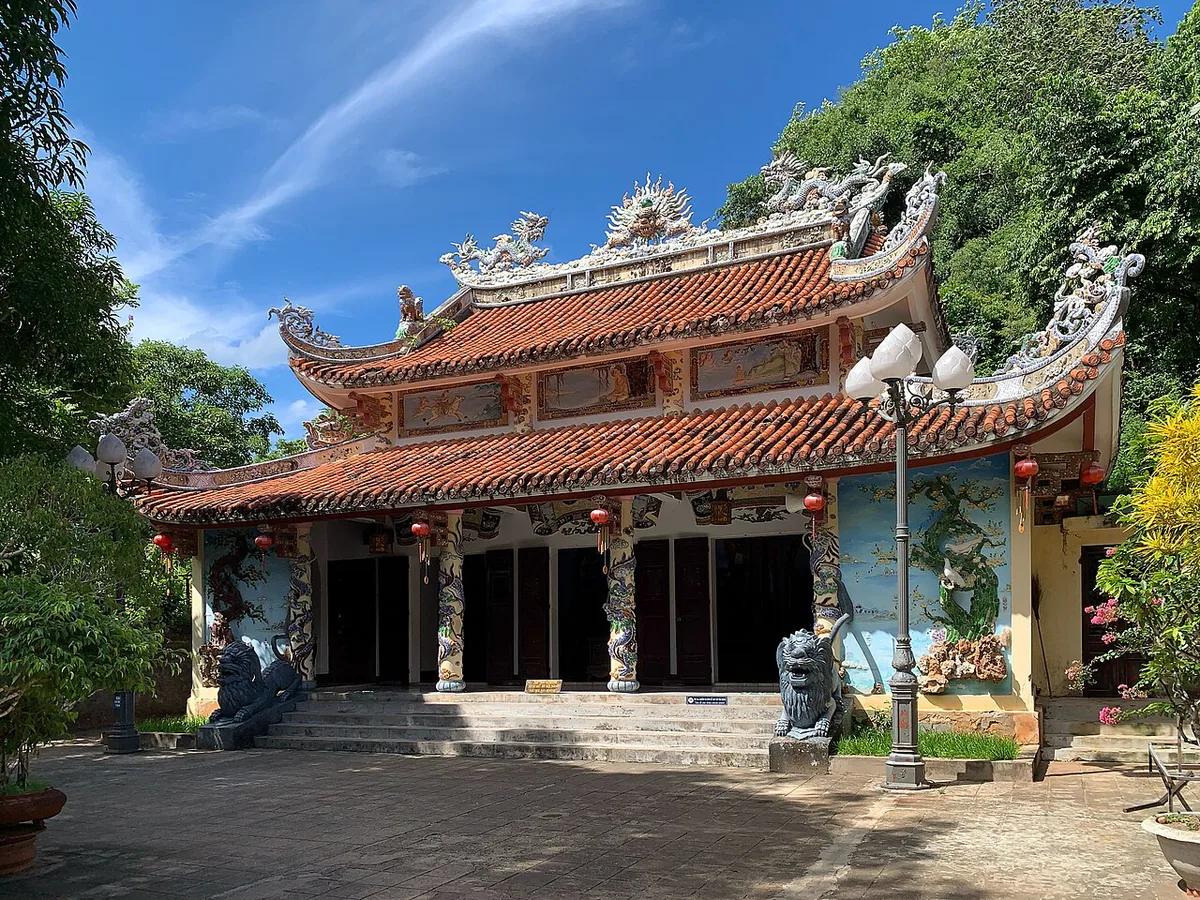
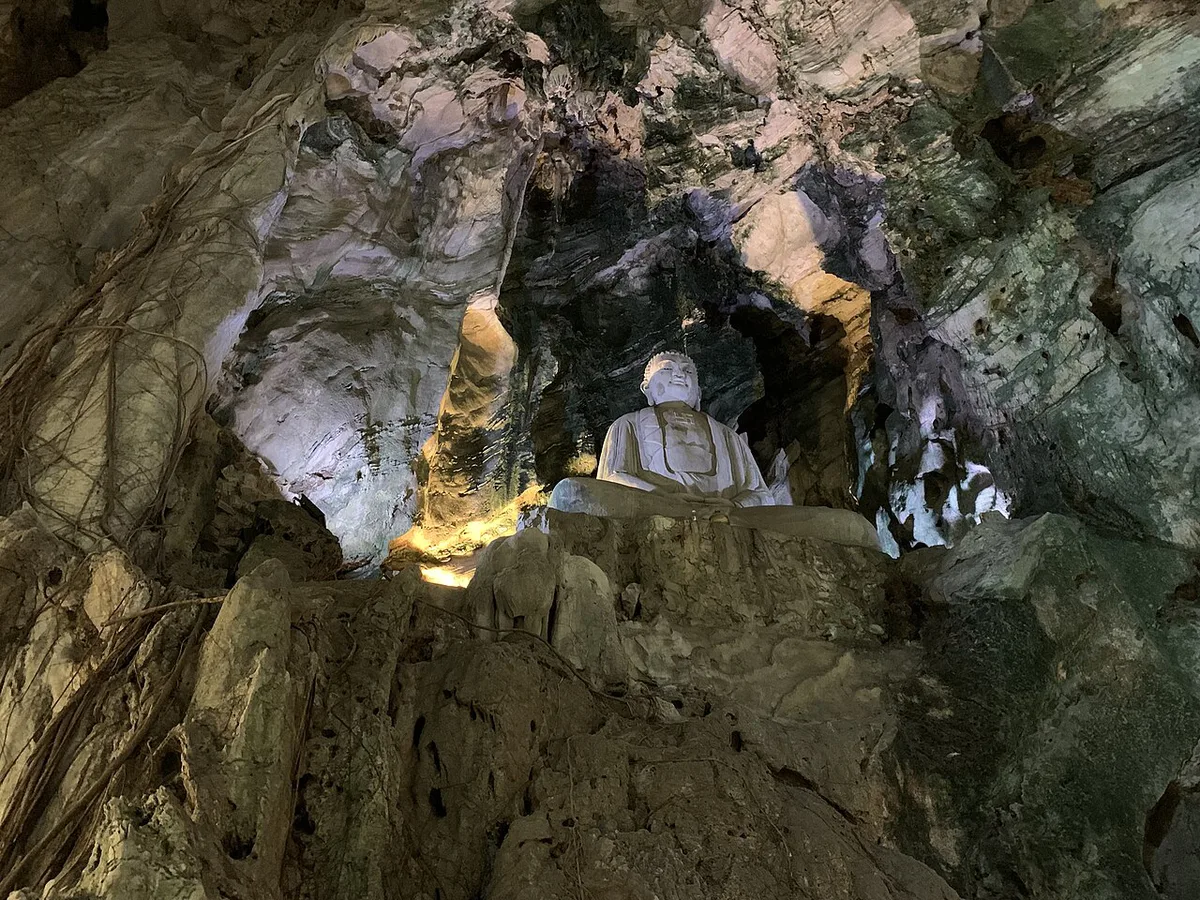
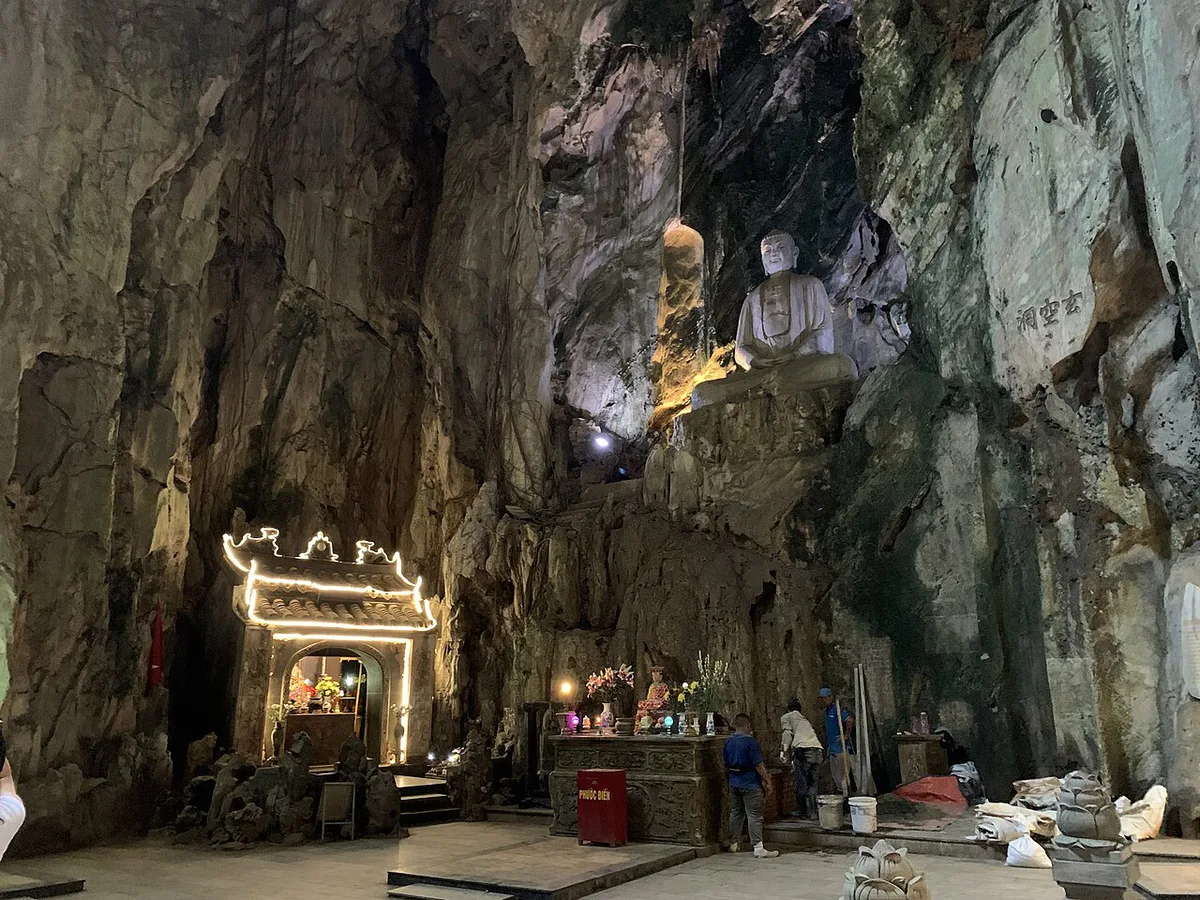
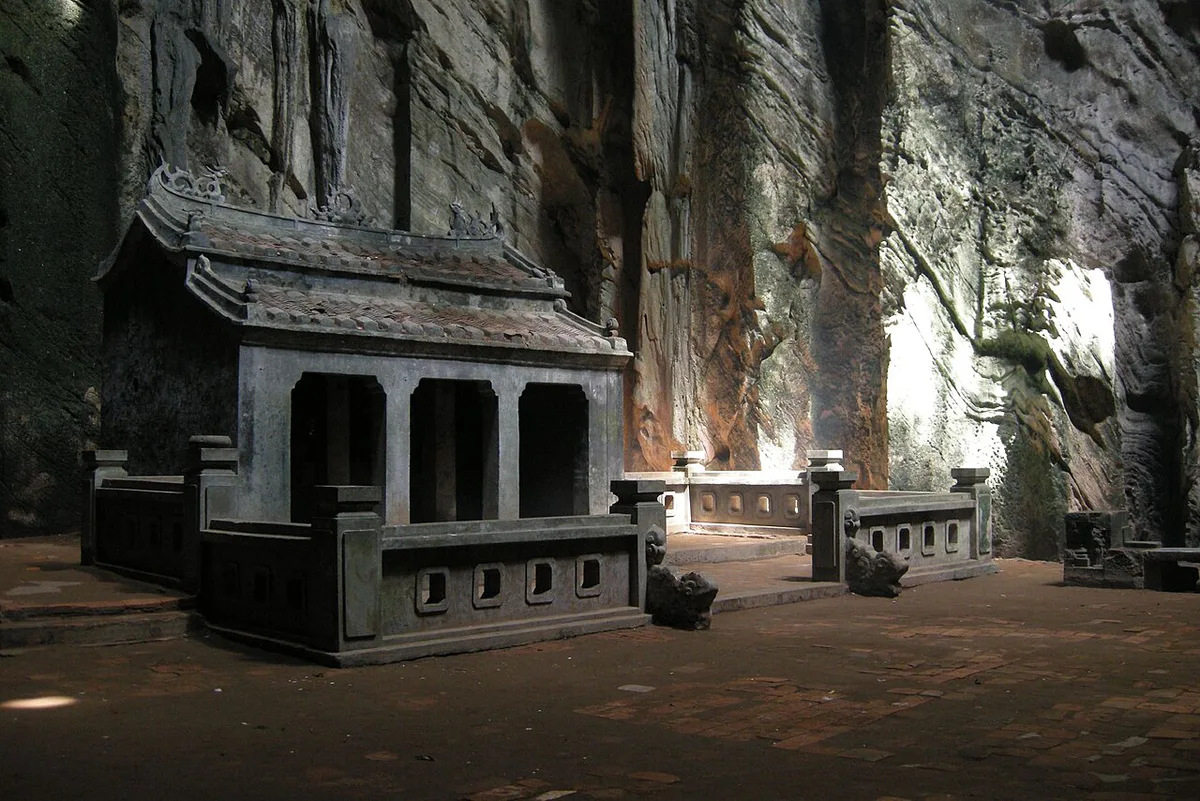
Xa Loi Tower is 92 feet (28 m) tall, with seven floors and six sides. It stands beside the elevator exit, so everyone sees it first. Linh Ung Pagoda is a short walk down the steps and sits on a terrace facing the sea. Tang Chon Cave lies behind it, with an open ceiling and a shrine. Hai Dai Tower, the sea-watching tower, is reached by walking south from Tang Chon. It frames Non Nuoc Beach and Cu Lao Cham between trees. Huyen Khong Cave is the largest and airiest, with a 10-foot Buddha statue and light falling through the roof. Van Thong Cave has a rear marble path up to the Heaven Gate opening, a steep but rewarding climb. Am Phu Cave recreates Buddhist hell with demon statues and low, incense-heavy passages, so skip it if enclosed spaces bother you.
A Short History for Visitors
Five peaks carry the names of the five elements: Thuy (water), Moc (wood), Hoa (fire), Kim (metal) and Tho (earth). Local history says Cham people treated the caves as sacred before Vietnamese Buddhists built pagodas there. Tam Thai Pagoda is reported to date to 1630. An 1825 naming under Emperor Minh Mang is also commonly cited. Dates differ between sources for Linh Ung, from the 17th to the 19th century. The caves also served as shelter during the wars of the 20th century.
Etiquette, Safety and Accessibility
Active temples sit among the tourist routes. Cover shoulders and knees as a courtesy, speak quietly, and ask before photographing monks or worshippers. Wear shoes with grip, because steps are uneven and slick in rain. The elevator reaches only the first level. Beyond it, the paths are rocky and stepped, so wheelchairs and visitors with walking difficulties can see little more than the tower and nearby terrace. Guides are optional, since the ticket includes a map and wooden signs mark the paths. A guide adds value for cave history and for navigating Am Phu.
Combine It with Nearby Stops
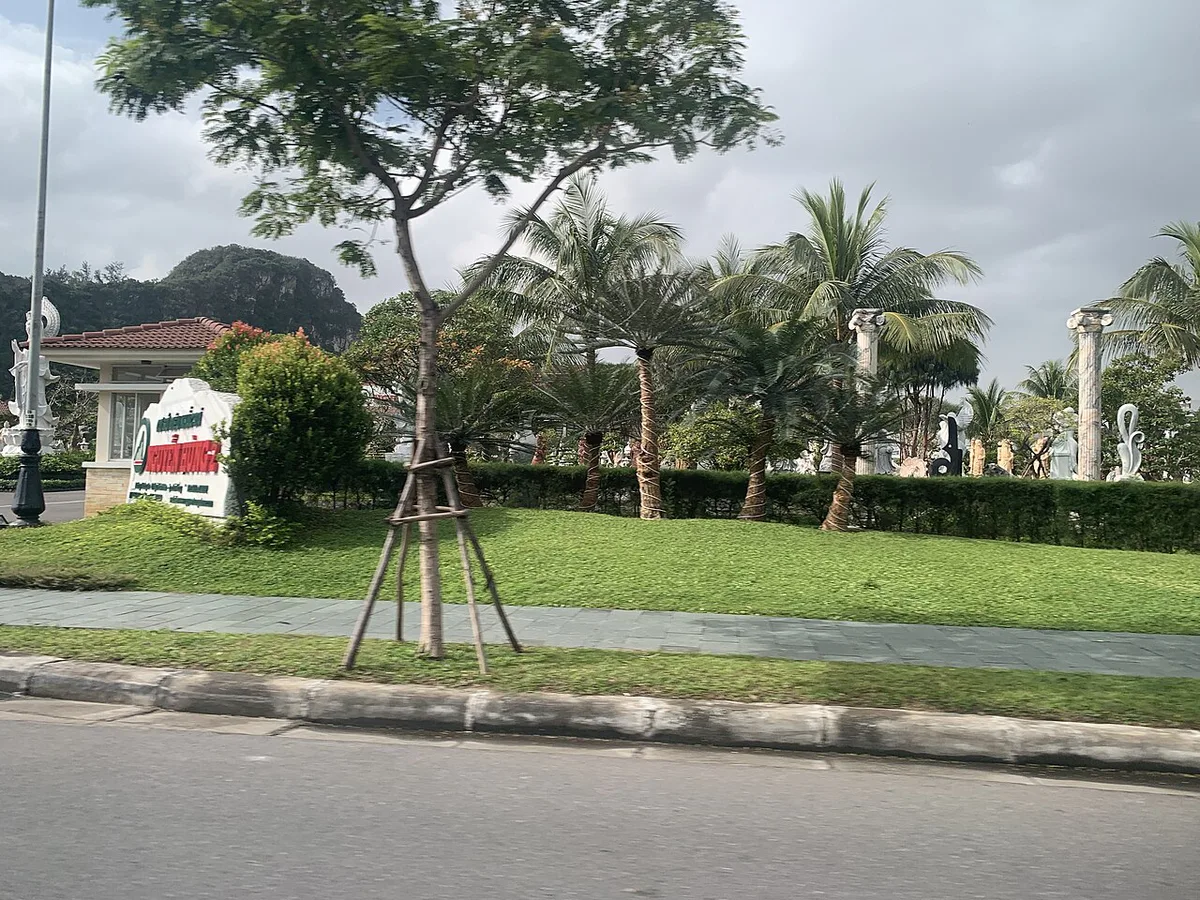
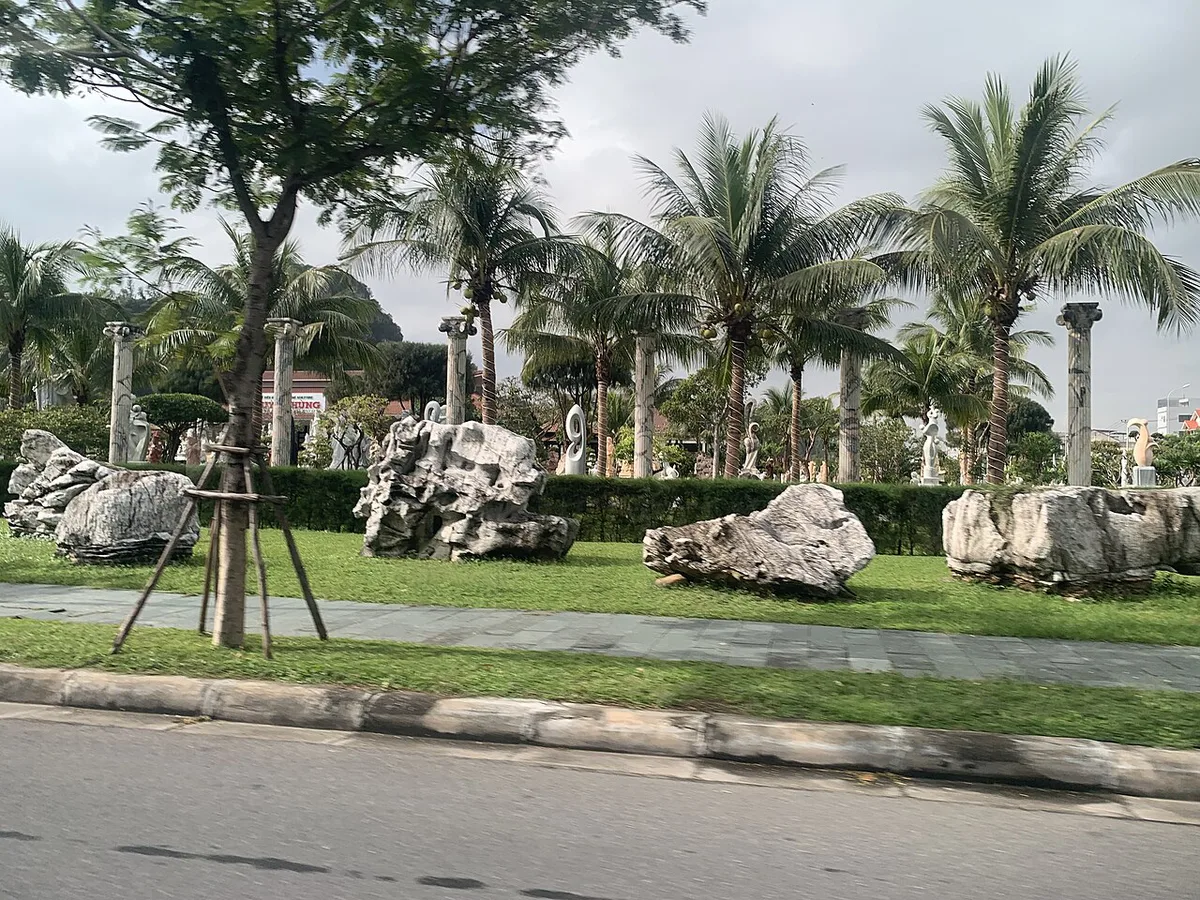
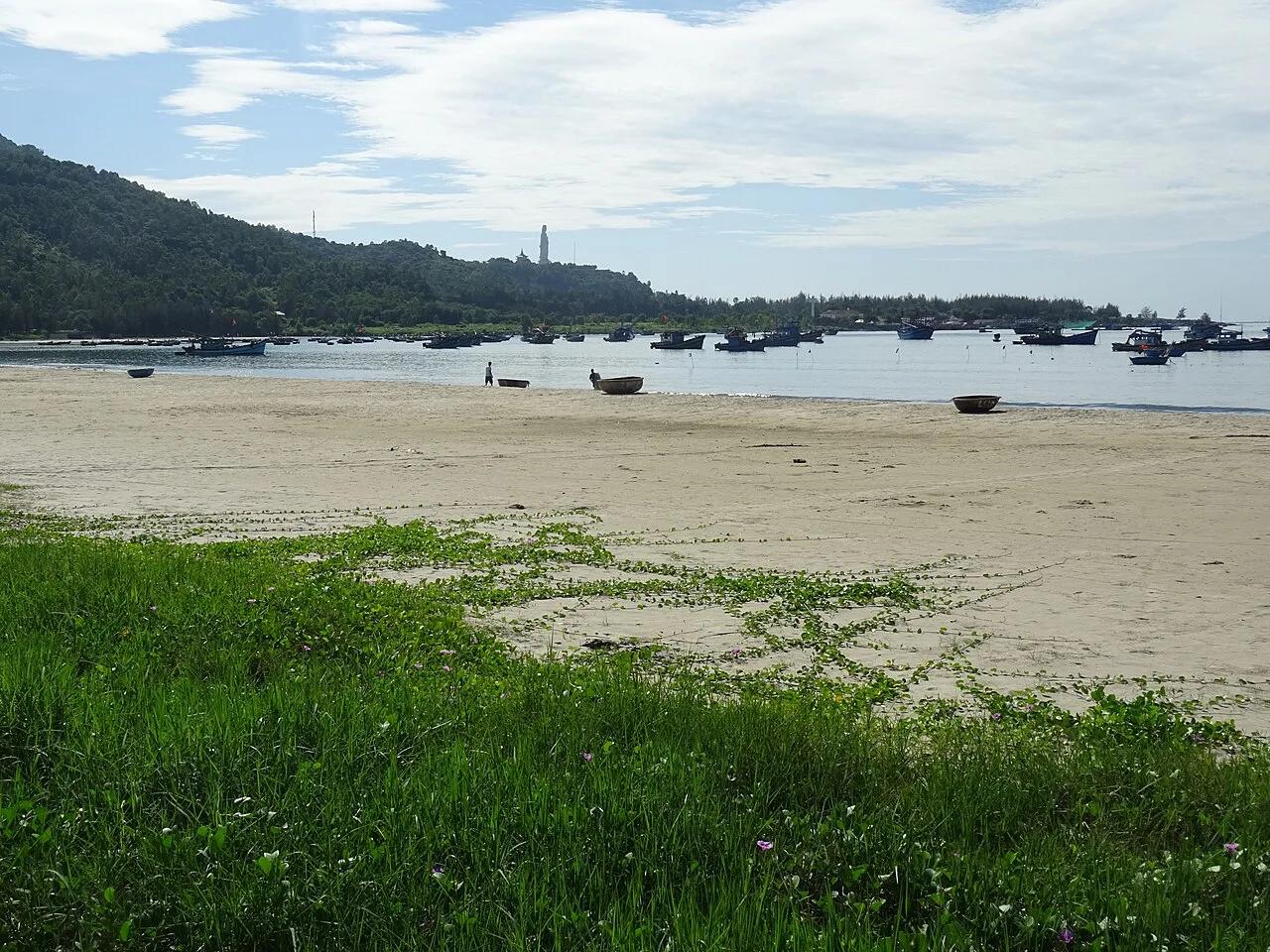
Non Nuoc stone village surrounds the mountains and sells carved statues from souvenir size to 10 feet tall. Some pieces are resin rather than marble, so ask about material, shipping and quality before paying. Non Nuoc Beach lies about 0.6 miles (1 km) from the ticket booth and suits a swim after the climb. Pair the morning here with an afternoon at one of the other trips on the Da Nang day trip list. Local tourism information is available from Da Nang's official tourism site.
- Mistake: arriving at midday. Heat and crowds peak between 11:00 am and 2:00 pm.
- Mistake: starting at Gate 1 with small children or older relatives.
- Mistake: wearing sandals with smooth soles on wet steps.
- Mistake: paying for stone carvings without asking about shipping.
For trip-planning details, see Vietnam National Authority of Tourism.
Frequently Asked Questions
Where are the Marble Caves?
The caves are inside the Marble Mountains in Hoa Hai ward, between Da Nang and Hoi An. Most visitors reach Huyen Khong, Tang Chon and Van Thong caves on Thuy Son. Am Phu Cave is separate and carries its own ticket.
How long does it take to walk up the Marble Mountain in Da Nang?
Allow about two hours for the main sights. The summit stairs add roughly 300 steps. Using the Gate 2 elevator saves the first climb.
How old are the Marble Mountains?
The limestone and marble peaks are geologically ancient, but visitor sources focus on the temples. Tam Thai Pagoda is reported to date to 1630, and the Ngu Hanh Son name is attributed to 1825.
Useful notes for your Vietnam trip
Optional updates to our guides.
You might also like

Continue reading
More guides you'll find useful